“Everyone thinks I have a huge terrace garden — truth is, I learned balcony gardening the hard way, turning a cramped front yard and tiny balcony into a lush, functional green space.”
People who see my YouTube channel often assume I’ve always had a big terrace garden, but the truth is far from it. For years, I only had a small front yard, a carshed corner, and a tiny balcony near the staircase to the terrace. Access to my full terrace came only recently — that’s why I barely have any photos from my early gardening days. Honestly, I used to think those spaces were too clumsy to even capture.
But looking back, those small spaces taught me everything — how to manage limited sunlight, make use of vertical space for plants, and grow a healthy, functional garden on a budget. More importantly, they taught me how to keep my balcony container garden clutter-free and still full of life.
In this post, I’m sharing my 7-year journey of balcony and small-space gardening — the real experiences, the mistakes, and the practical ways to make even the smallest balcony garden work beautifully. Whether you have a tiny balcony, a partial terrace, or a rented apartment space, read till the end to discover how to create a functional, low-budget container garden that truly fits your lifestyle.
🌱 Why Most People Fail at Balcony Gardening — Myths vs Reality
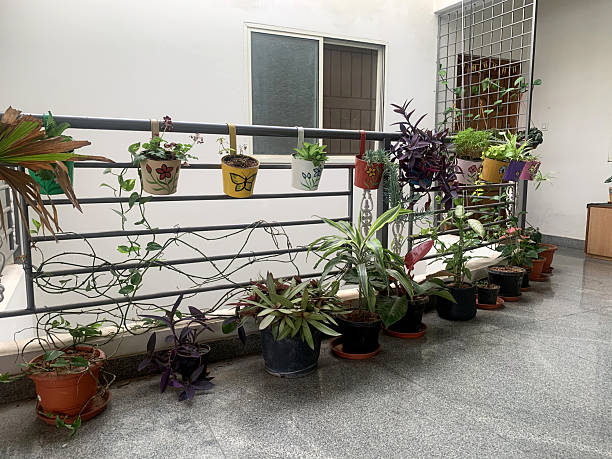
Wherever I travel in my state, Tamil Nadu — whether it’s a rural area or a buzzing city — I notice one common thing: plants filling terraces, balconies, patios, and even small front yards. It truly makes me happy to see this quiet green movement growing everywhere, even without much noise or publicity.
But among all these lovely green setups, I’ve also noticed a repeating pattern — very few are truly clutter-free balcony gardens. Especially in small-space gardens, people often swing between two extremes: overcrowded plant jungles or aesthetic displays that ignore functionality. Rarely do I come across a functional yet aesthetic balcony garden — and I understand why. It’s not easy to set up or maintain such a balance.
However, I’ve learned through years of trial and error that you can easily create a functional balcony garden first — and later, refine it into a garden that’s both beautiful and practical. Let’s break down the biggest myths that stop people from succeeding in balcony container gardening.
🌿 The Myth of “Instagram-Perfect” Balcony Gardens — What They Don’t Show You
Those picture-perfect balcony gardens you see on Instagram and Pinterest are incredibly inspiring. Many of us probably started gardening after seeing them. But what most of us miss is the behind-the-scenes effort — the hours of maintenance, the cost of planters, the time spent choosing coordinated pots, the professional photography, and sometimes even extra help from experienced gardeners.
These gardens are not “effortless beauty.” They’re often the result of years of experience or professional design. Comparing your small, evolving setup to theirs can only steal your motivation. Remember — your balcony garden journey is unique. Start small, enjoy learning, and don’t compare your growth to someone else’s final result.
💬 If you’re a beginner, your small balcony garden is your learning lab — not a competition.
🪴 Why Overcrowding Pots Never Works (Even in Vertical Gardening)
One thing I’m proud of from day one is that I avoided crowding my pots, a habit I carried from my ground-bed gardening experience, where spacing was natural. But I’ve seen many gardeners chasing that “home jungle look.” Sure, it looks lush — but it comes with hidden problems.
Even one mealybug or aphid infestation can spread quickly in crowded pots, especially in humid balcony spaces. Trust me, pest prevention always works better than pest treatment. Once an infestation spreads, the plant’s survival rate drops sharply.
This rule of proper spacing applies to all kinds of container gardening, even vertical setups. Instead of filling every inch of your wall or railing, give plants enough space to breathe, get light, and grow freely. Create simple planting patterns using space — they can look aesthetic and stay functional.
When growing hanging plants, creepers, or bushy climbers, prune them regularly to avoid pest hiding spots and keep your garden tidy.
(👉 Read my guide on pruning small-space plants for practical tips.)
🌼 The Real Secret — Function Over Fancy Décor
I’m not against decorating your garden — I love an aesthetic corner as much as anyone. But before styling, focus on plant health and functionality. No décor can save a garden full of weak or stressed plants.
Place your plants based on their light requirements, ventilation, and growth pattern. A massive plant in a tiny corner won’t just look awkward — it’ll also suffer. Similarly, plants kept in low light or poor airflow may develop yellow leaves, fungus, or wilting due to overwatering or stress.
Crowding plant pots can also invite pests, reduce air circulation, and limit access to sunlight. You can absolutely decorate — use matching planters, choose porous pots with good drainage holes, and play with color themes — but always prioritize drainage, watering, and sunlight needs before any decorative setup.
🌿 Healthy plants make any garden beautiful — not the décor itself.
🧺 My Step-by-Step Guide to Using Vertical Space Efficiently in Balcony Gardening
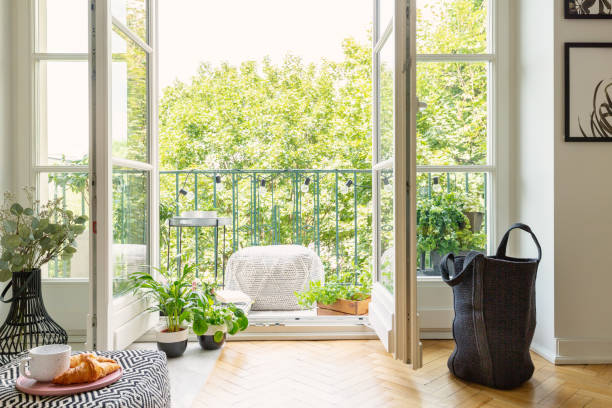
When it comes to using vertical space in balcony gardening, most people imagine fancy vertical planter stands — but that’s just one part of it. You can make the most of your balcony space with hanging pots, railing planters, hook pots, window box planters, corner plant stands, stacked pots, and vertical wall planters.
There are plenty of pots and stand options available, but that doesn’t mean you should crowd your balcony garden. The best balcony gardens aren’t the ones packed with plants — they’re the ones that are functional, relaxing, and easy to maintain.
Your balcony garden should still feel like a space where you can sit, breathe, sip your morning coffee, or unwind with evening tea surrounded by greenery. The goal is to use vertical space smartly without blocking natural ventilation, light, or your outdoor view.
So, when planning your balcony setup, leave space for a small seat, soft lighting, and peaceful plant viewing. A balcony garden should bring calm, not chaos.
🌤 Choosing the Right Wall or Corner for Vertical Setup (Sunlight & Wind Factor)
Before choosing where to place your vertical planters or balcony plant stands, visualize how you’ll use the space. Decide where you’ll sit, how you’ll access your plants, and how much walking space you need.
Next, choose your plant types first, then decide on their placement — not the other way around. This helps match the plant’s sunlight needs with your balcony’s actual lighting conditions.
If you have a small balcony, be selective with your plants. Overcrowding not only causes poor air circulation but can also lead to mosquito breeding or attract houseflies and small reptiles. Keep the setup minimal, airy, and hygienic.
When selecting corners or walls, observe your balcony’s sunlight pattern for at least a week. Here’s a simple rule I follow:
- 🌿 Vegetables, fruits, and herbs: Need around 6 hours of bright indirect sunlight.
- 🌸 Flowering plants and succulents: Do well with 3+ hours of soft sunlight.
- 🌱 Houseplants: Thrive with 1–2 hours of mild, diffused light.
Your balcony direction matters too — a south or west-facing balcony gets stronger sunlight, while a north-facing one may have softer, limited light. But in crowded cities with tall buildings, the actual light exposure changes. So, always observe your light availability before finalizing plants or balcony plant stands.
👉 Read my guide on balcony plant placement to plan your light zones effectively.
💸 My Favorite Low-Cost Vertical Stands
To be honest, there’s an endless variety of plant stands for balconies — but not all are budget-friendly or renter-friendly. Over the years, I’ve tried several styles that balance affordability, aesthetics, and practicality. Here are my go-to options:
🪴 1. 3-Tier Vertical Plant Stand
Perfect for beginners and small balconies. It holds standard pots and hook planters without needing to drill into walls. Ideal for rental apartments since it’s lightweight and easy to move whenever you shift.
👉 Check price on Amazon | Buy this 3-tier stand
🌿 2. A-Shaped 3-Tier Stand
A taller, decorative version of the basic stand. It’s The A-frame design adds a modern touch to balcony corners while keeping your plants organized.
👉 View A-shaped stand online | Buy now
🌱 3. 6-Tier Slim Vertical Stand
If you’re short on space, this one’s a savior. The slim frame fits perfectly into narrow balconies and can hold several small pots neatly without crowding.
👉 Check price and dimensions here
🌼 4. 4-Tier Multi-Level Rack
A wider option that can hold up to 15 small or medium pots. Best suited if you have at least 4 feet of wall (width) space and want a mix of edibles and ornamentals in one display.
👉 See details and reviews | Buy this 4-tier rack
🍃 5. Zen-Style Corner Stand
This curved corner stand adds a soothing touch to your balcony while maximizing unused corner space. A great pick if you love a modern, aesthetic garden setup.
👉 Check the Zen-style corner stand online
These vertical garden stands are affordable, easy to maintain, and help display your plants neatly without crowding.
🌿 Best Vertical Plant Combinations That Actually Work in the Indian Climate
When choosing vertical plant combinations, creativity matters — but so does your local climate. Start by understanding your regional weather, temperature range, and light intensity.
If you live in a hot region, avoid delicate indoor plants and go for heat-tolerant balcony plants like succulents, bougainvillea, or portulaca.
If your area is cool or humid, choose plants that can tolerate moisture, like ferns, money plants, or syngonium.
Once you’ve sorted your plant types, you can plan your vertical setup themes:
- 🌱 Vertical stands: foliage or succulent collections
- 🌸 Hanging pots: creepers and trailing flowers
- 🌿 Railing and hook pots: edible herbs and small ornamentals
- 🪴 Window boxes: flowering plants for color and pollinators
- 🍃 Stacked pots: leafy greens and compact vegetables
No matter what design you choose, ensure your planters and pots are lightweight and secure. Avoid heavy pots that can strain hooks or wall planters — especially in windy conditions. Durability and safety always come before decoration.
💡 Balance creativity with practicality — let your vertical garden be both safe and stunning.
🪴 Your tiny balcony or bedroom can still host powerful air cleaners. These plants thrive even in tight spaces 👉
Click to explore the best picks
🪴 Running out of balcony space? A simple pot stand can double your plant area — if you choose the right one.
See the smart small-space tips
💧 Container Selection & Watering Tricks That Saved My Balcony Garden
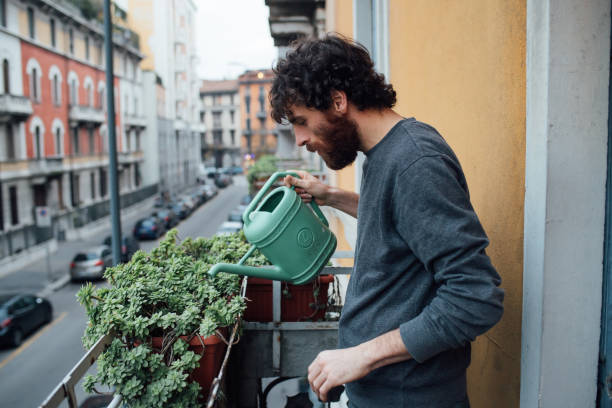
Did you know your pot material and size directly affect how often you water your plants — and even whether they’ll thrive or rot? It’s true. The porosity of the pot material controls how quickly water drains and how well air circulates in the potting mix.
When you overwater even slightly, porous pots (like terracotta or fabric grow bags) allow extra moisture to escape naturally, helping the soil dry faster. But non-porous pots (like plastic or metal) tend to trap moisture, which can cause fungal infections or root rot if not managed properly.
So, balanced watering isn’t just about watering frequency or timing — it’s a mix of your pot material, soil composition, and balcony microclimate.
👉 To understand watering balance in detail, read my full guide on watering mistakes in balcony gardening.
🪴 Terracotta vs Plastic vs Grow Bags — My Honest Comparison (2018–2025)
In my early balcony gardening years, I mostly used terracotta pots and concrete planters. Both are excellent porous materials that suit the Indian climate beautifully. They allow air circulation and prevent excess moisture — but they’re heavy and not ideal if you’re planning to move pots often.
Over time, I switched to plastic pots for budget and mobility reasons, especially for vertical gardening. However, plastic pots are non-porous, so they retain more moisture. That means you’ll need a well-draining potting mix, extra drainage holes, and careful watering (only when the topsoil feels dry).
I also experimented with grow bags — especially fabric grow bags for vegetables and seasonal crops. They’re light, breathable, and easy to store when not in use. But fabric ones degrade faster under sun exposure, and plastic-based grow bags act much like non-porous pots, limiting airflow.
Here’s a quick takeaway from my 7-year experience:
- 🏺 Porous pots (terracotta, concrete, fabric, coco coir, unglazed ceramic): Best drainage, better airflow. Still need a few drainage holes and a good-quality soil mix.
- 🪴 Non-porous pots (plastic, metal, glazed ceramic): Lightweight but require careful watering and well-draining soil.
- 🌿 For vertical gardening: Go with lightweight planters like plastic or coco coir.
Each has its purpose — choose based on your balcony space, sunlight exposure, and mobility needs.
💧 Simple DIY Self-Watering Hack That Works for Busy Days
Unlike pots placed on the ground, vertical planters, railing pots, and hanging baskets don’t have stable bottoms to attach built-in self-watering systems. But that doesn’t mean you can’t make one yourself!
My go-to fix? Watering spikes. I use these simple watering spikes with recycled water bottles for my hanging pots. They’re easy to install and let you adjust water flow based on each plant’s needs. They’ve been a lifesaver on busy days or when I travel.
👉 Check watering spikes on Amazon | Buy now
If you prefer a more aesthetic look, go for watering globes — they act as mini showpieces while keeping your plants hydrated for 2–3 days.
These small DIY tools are cost-effective, beginner-friendly, and perfect for small-space balcony gardening where automation isn’t possible.
🌧 How I Avoided Root Rot in Vertical Planters During Monsoon Season
Every gardener in India knows the monsoon struggle — excess rain, fungal growth, and pest attacks. Unlike pots on the ground, vertical planters get hit by fine drizzle and trapped moisture that often go unnoticed. That’s how pest infestations or root rot begin silently.
To prevent this, I follow a simple monsoon care routine
(Read my full guide on container plant care in monsoon):
- Mix well-draining, lightweight soil for hanging and wall planters.
- Add neem cake powder or fungicide to prevent root rot.
- Spray neem oil or Saaf fungicide once every 15 days.
- Prune decayed leaves or branches to prevent pest hiding spots.
- Rotate your planters occasionally to ensure equal light and airflow.
If your vertical garden looks like a dense green wall, ensure you check behind the foliage regularly. Keep gaps between planters to improve air movement, and don’t let rainwater stagnate in the soil.
Simple consistency in checking and cleaning your planters can save your entire balcony garden during the rainy season.
🌸 What to Grow Vertically — My Proven Balcony Plant List for Every Season
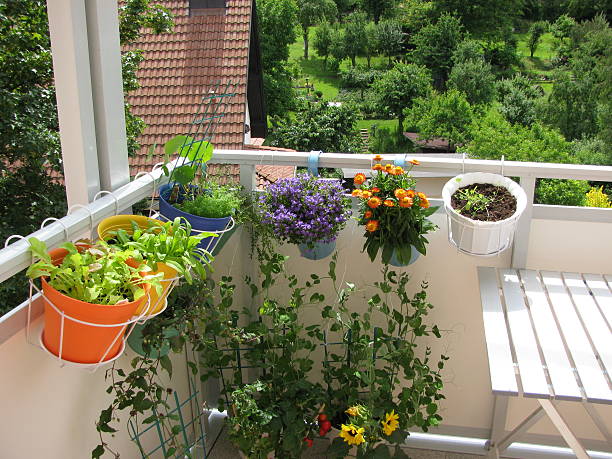
There’s an endless variety of plants you can grow in container gardening, but the secret to success lies in understanding their growth habits and matching them with the right pot size and depth.
In vertical balcony gardening, pot size becomes even more important. Planters like railing pots, hook planters, and hanging baskets usually have similar space and depth to normal containers. But vertical wall planters or pocket-style planters are much smaller, which limits how deep the roots can grow.
That’s why it’s best to choose drought-tolerant foliage plants, low-maintenance herbs, and shallow-rooted leafy greens for vertical setups. These plants thrive with limited soil depth and need less frequent watering, making them perfect for busy balcony gardeners.
Avoid deep-rooted plants or those with heavy stems — such as root vegetables or tall shrubs — because they need more soil space and stability. Similarly, large fruiting vegetables (like brinjal, tomato, or ridge gourd) are not ideal for wall planters since their weight and root systems demand deeper containers.
🪴 Planter Type & Plant Match — My Tried & Tested Guide
Here’s what I’ve learned from experimenting in my small-space balcony garden over the years:
🌿 For Vertical Wall Planters / Pocket Planters
Ideal for small balconies with limited space.
✅ Best Plants: Money plant, Syngonium, Spider plant, Pothos, Boston fern, Oregano, Spinach, Coriander, Mint, Lettuce, and small succulents.
👉 Tip: Choose plants with similar light and water needs to simplify care.
🌸 For Railing Planters and Window Boxes
The rectangular shape gives more root space and allows mixing flowering and edible plants.
✅ Best Plants: Petunia, Marigold, Portulaca, Chili, Methi, Fenugreek, Spinach, Basil, Parsley, and Strawberries.
👉 Tip: Grow short-rooted edibles and companion flowers to attract pollinators.
🍃 For Hanging Baskets and Hook Pots
Perfect for vining and trailing plants that need free space to hang.
✅ Best Plants: Creepers like Morning Glory, Money Plant, English Ivy, Sweet Alyssum, Strawberries, or Climbing Spinach.
👉 Tip: Use a well-draining potting mix and prune regularly to prevent pest hiding spots.
🌺 For Multi-Tier or Corner Vertical Stands
These can handle heavier pots compared to wall planters.
✅ Best Plants: Small ornamental shrubs, Snake plant, Aloe vera, Peace lily, or flowering plants like Periwinkle and Geranium.
👉 Tip: Arrange taller plants at the bottom and compact foliage on top for balance and sunlight access.
🌤 Choose Plants That Match Your Local Climate
Your local weather and light conditions decide more than any plant catalog. If your region is hot and dry, pick heat-tolerant balcony plants like Portulaca, Cactus, and Jade. For humid coastal climates, go for ferns, money plants, and syngonium that love moisture.
The key is to observe your balcony’s sunlight pattern — how long it stays bright and how the wind affects your plants. Once you know that, selecting the right combination becomes easy and rewarding.
🌱 Grow with your space, not against it. The most functional vertical garden is the one that suits your balcony’s reality.
🧤 Budget-Friendly Tips for a Functional Balcony Garden That Lasts Years
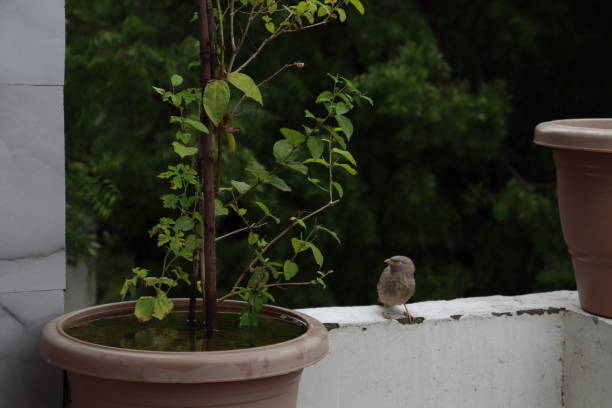
Compared to ground beds, terrace container gardens are smaller, and balcony gardens are even more compact. But space never limits a smart gardener. With a bit of planning and creativity, you can transform even the tiniest balcony into a functional, low-budget garden that lasts for years.
You don’t need expensive setups or fancy pots to make your balcony lush and productive. All you need is to use the available space wisely and focus on doing the basics right — proper container use, simple composting, smart watering, and consistent maintenance.
🌿 How I Reuse Old Containers and Kitchen Waste Effectively
Instead of buying every new vertical planter from the market, I’ve always loved DIY balcony garden hacks. Many of my small hanging pots are nothing but reused kitchen containers tied with macramé ropes or old jute strings. Even unused shelves can become perfect DIY plant stands for corners.
For composting, I use a small compost bin with lid — it keeps the process clean, odor-free, and ideal for balcony spaces.
👉 Check compact compost bins on Amazon | Buy this small composting bin
You can compost vegetable peels, fruit waste, dry leaves, and coffee grounds. Within a few weeks, you’ll have rich compost for your plants — absolutely free. This method not only reduces household waste but also cuts down fertilizer expenses.
🌱 Every container has a second life — you just have to see it differently.
🌸 My Simple Fertilizer Routine (No Cost, High Impact)
For fertilizers, I follow a zero-cost organic routine that keeps my plants lush year-round.
Here’s my go-to formula:
- Take a handful of ready compost (homemade or store-bought).
- Soak it in 10 liters of water for about 24 hours.
- Strain the mix and use the liquid as a natural fertilizer spray or root feed once a week.
This DIY liquid fertilizer (also called compost tea) adds nutrients without burning roots or upsetting soil balance. You can also add banana peel water, rice-rinse water, or a spoon of neem cake powder once every two weeks for pest resistance.
The result? Healthy foliage, faster growth, and better flowering — all achieved with what you already have in your kitchen.
🌿 Homemade fertilizers build stronger plants — not just greener leaves.
🧹 Maintenance Routine That Keeps My Balcony Tidy and Productive
No matter how small or large your balcony garden is, a little routine care goes a long way. I keep my maintenance simple but consistent:
- Rotate plants every few days for even sunlight and airflow.
- Use bottom trays to prevent water stains on the balcony floor.
- Place pots on small stands to allow better drainage.
- Use a gardening mat or an old sack while repotting to avoid soil mess.
- Choose a small watering can with a soft flow to prevent splashing.
A quick 10-minute cleanup every week — removing dry leaves, checking for pests, and wiping planters — keeps your space neat and inviting. The more functional and clutter-free your balcony stays, the longer your plants will thrive.
💧 Consistency, not perfection, keeps a balcony garden alive for years.
🌿 My Takeaway After 7 Years — Realistic Growth, Not Just Green Walls
When I look back on my balcony gardening journey, I don’t see perfect Pinterest corners or picture-ready plant walls. I see trial, patience, and small wins that built my confidence one pot at a time. My garden today is not a jungle of leaves — it’s a space that breathes, grows, and evolves with me.
Over seven years, I’ve learned that real balcony garden success stories aren’t about having dozens of plants or fancy setups. They’re about consistency, understanding your space, and working with what you have. You can buy planters, fertilizers, or vertical stands — but the one thing you can’t buy is patience. Plants grow at their own pace, and learning to respect that rhythm is the true joy of gardening.
In the early days, I rushed — watering too often, adding too many plants, rearranging every week. But slowly, I realized that gardening rewards steady attention, not constant interference.
Sustainability starts with doing less, not more — using homemade compost, reusing containers, and avoiding unnecessary chemicals. I also learned to stop comparing my small balcony to big terrace gardens. Every garden — no matter how small — has its own charm and capacity.
Now, I focus on balance: fewer plants, but healthier ones; less waste, but more creativity; and above all, more observation before action. That’s the quiet discipline behind every thriving garden.
🌿 Patience isn’t passive — it’s your plant’s best fertilizer.
If I were to start again, I’d begin smaller.
I’d focus on learning how to maintain a vertical garden long term instead of rushing to fill every corner with pots. I’d invest more in quality soil mix, good sunlight analysis, and functional stands, rather than decorative overloads.
I’d also document my process more — not for perfection, but to track progress. It’s easy to forget how much your space and plants evolve with time. Every dried leaf, every failed cutting teaches something valuable about balance and timing.
And most importantly, I’d plan my balcony around my lifestyle, not trends. If you’re a beginner, remember: your garden should make your life lighter, not busier.
💬 The best gardens grow slowly — and so do the gardeners.
If you’re new to balcony gardening in India, start small — maybe two or three plants. Learn how each behaves in your light, your water, and your weather. Every balcony is different; what thrives in one might struggle in another. Don’t get discouraged.
Be ready to experiment and fail a little. Every mistake — from overwatering to pest outbreaks — is part of your story. The goal isn’t to grow a wall of green, but to grow a calm habit that keeps you connected with nature.
And when you nurture your plants with patience and care, they quietly repay you — with greenery, peace, and a feeling of self-sufficiency that no store-bought décor can match.
🌼 Start small, stay consistent, and let your garden teach you how to grow — one season at a time.
⚠️ Affiliate Disclaimer
Some of the links above are affiliate links. I may earn a small commission if you purchase them — at no extra cost to you. I only recommend tools and accessories that I’ve personally used in my balcony garden.