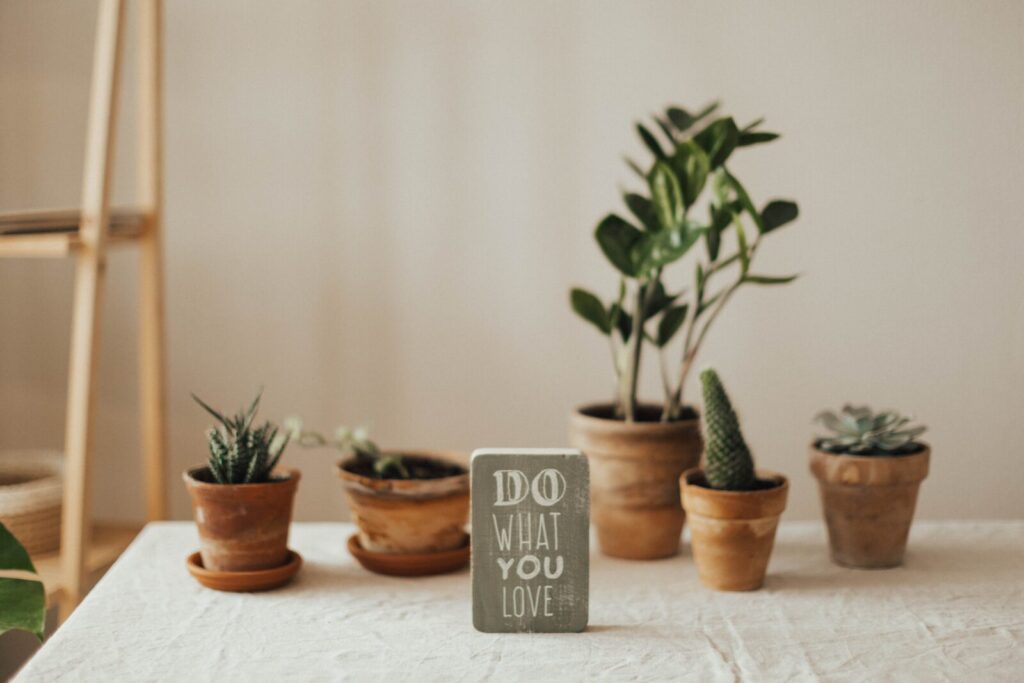
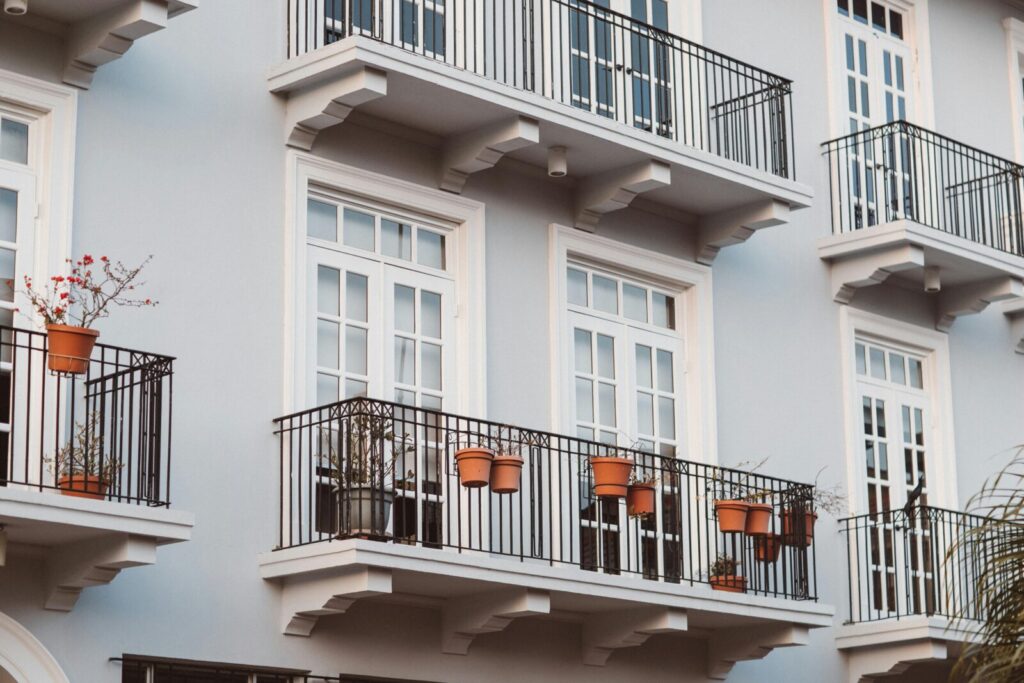
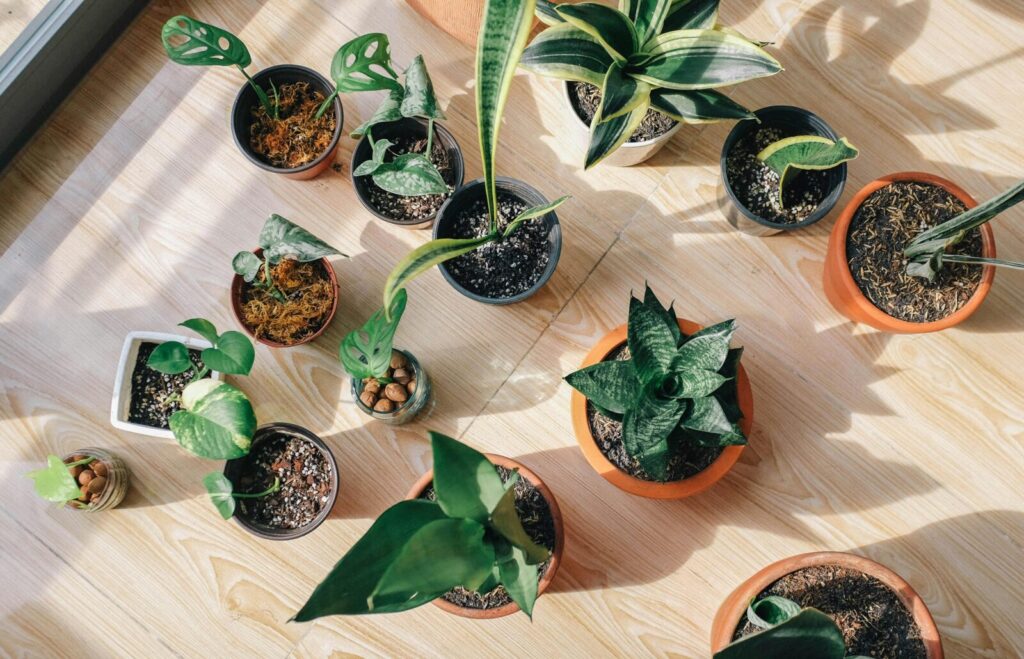
“If air-purifying plants actually worked like social media claims, my balcony would have been a hospital-grade cleanroom by now.”
Air-purifying plants are always a trending topic and usually the first choice for small-space gardeners. But here’s the truth — they don’t work like magic. Many people think a single plant can completely purify the air in a room. It doesn’t happen that way. To really benefit, you need to understand how air-purifying plants work in real homes.
Like all green plants, these also absorb carbon dioxide and release oxygen through photosynthesis. But a few special plants, like the Snake Plant (Sansevieria) and Areca Palm, continue this process even at night. That’s what makes them ideal air-purifying plants for small apartments or closed balconies — they quietly keep your space oxygen-rich while you sleep.
However, the room size, pollution level, and plant variety all play a big role in how effective they are. For instance, even a small room might need at least 8 to 10 healthy plants to notice a visible difference in air freshness.
Many gardeners refer to the NASA Clean Air Study, which found that some plants can absorb indoor pollutants like formaldehyde, benzene, and trichloroethylene — chemicals commonly released from household cleaners, wall paints, and synthetic materials. But here’s the real fact: this experiment was conducted in a controlled lab setup, not an actual home environment. So while the study is helpful, the real-world results vary depending on your space and lifestyle.
If you live near busy roads, factories, or highly polluted areas, no plant can completely clean that level of air pollution. It requires a lifestyle change — better ventilation, reducing chemical usage, and maintaining clean indoor spaces. The role of air-purifying plants in Indian homes is not to perform miracles but to improve oxygen flow, reduce mild toxins, and create a fresh, calming atmosphere.
So instead of thinking of them as a magical potion, approach them as natural tools that support cleaner air when combined with good ventilation and regular home cleaning. In this blog, I’ll share what these plants truly do in your home and which ones have actually worked in my 7 years of balcony gardening experience — so read till the end to discover how to make them thrive even in small spaces.
🌱 The Truth About Air-Purifying Plants — Myths vs. Real Results
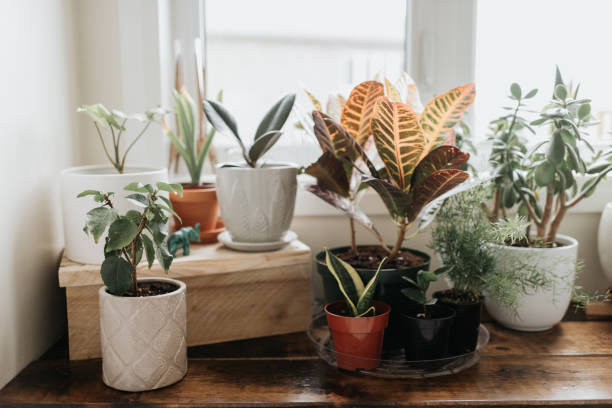
Choosing air-purifying plants for small homes has a lot of perks — your room feels fresher, the oxygen level improves slightly, and you get a natural, aesthetic showpiece that brightens your space. These low-maintenance indoor plants are beginner-friendly and perfect for anyone starting a balcony garden on a budget.
But if you’re choosing them just because you read somewhere that these plants are a magic potion that can completely clean pollution, that’s far from reality. Let’s decode a few popular myths that mislead many new gardeners.
🌿 Myth #1: One Snake Plant Can Clean Your Whole Room
The Snake Plant (Sansevieria) is truly a gem — drought-tolerant, forgiving, and one of the best low-light air-purifying plants for bedrooms. It’s my first recommendation for beginners or busy gardeners because it can thrive with minimal care.
Snake plants do absorb carbon dioxide and release oxygen even at night, helping to slightly improve air freshness. But remember — the overall air quality depends on your environment. If your home has too many electrical appliances, newly painted walls, or chemical cleaners, the poor little snake plant can’t be your savior.
If you live in high-traffic areas, near construction zones, or around factories, your indoor air will naturally carry more pollutants. And to actually make a noticeable difference, you’d need at least 8–10 mature plants in one small room. Even then, they’re not a replacement for an air purifier machine — they complement it.
If your goal is to improve the air naturally, plant trees or large outdoor plants around your home, reduce chemical-based products, and let your air-purifying plants for Indian homes do their gentle work indoors. They may not remove every toxin, but they definitely create a cleaner, more breathable atmosphere than a room without plants.
Personal insight: “My snake plant survived 45°C heat on my balcony — but don’t expect it to fight pollution alone.”
🍃 Myth #2: The More Plants, the Cleaner the Air
Many people think creating a home jungle filled with dozens of plants means cleaner air. Maybe yes — for the first few weeks. But in the long run, too many plants in one small room cause the opposite effect.
When plants are overcrowded without enough spacing or ventilation, air circulation drops. They start competing for sunlight, leading to less photosynthesis and reduced oxygen output.
Worse, the damp, shaded environment encourages fungal growth, pest infestation, and soil-borne diseases, which can harm both plants and people. The solution is simple: focus on healthy plant spacing, good light flow, and selective choices.
If your goal is to improve indoor air quality naturally, choose only plants that fit your space, group them wisely, and allow good airflow. Sometimes, 5 healthy air-purifying plants in a well-lit room work far better than 20 cramped together.
💧 Myth #3: Spraying Water Daily Keeps Plants Healthy
Okay, I laughed the first time I read this myth — because this single habit can kill a plant faster than neglect!
Spraying water on leaves daily might look refreshing, but it disrupts how plants breathe. Water sitting on leaves clogs the stomata (tiny pores on leaves), reducing sunlight absorption and blocking oxygen exchange. As a result, photosynthesis slows down, and plants weaken over time.
Excess moisture also attracts fungus, gnats, and slugs, leaving your plants with yellowing leaves and unpleasant smells.
Instead, follow a balanced routine: check soil moisture before watering and focus on watering the roots, not the leaves. For humidity-loving species like ferns or peace lilies, light misting twice a week is enough. Remember, humidity ≠ moisture balance — roots need air as much as water.
Looking for a starter set that actually survives in small spaces?
Here’s my 7-year-tested air-purifying plant combo — easy to care for, beginner-friendly, and perfect for Indian weather.
It includes my top performers: Snake Plant, Money Plant, Areca Palm, and Peace Lily. — all proven to thrive in balconies, bedrooms, or corners with low light.
👉 Check the Best Air-Purifying Plant Combo on Amazon →
💬 Pro tip: Start with just 3–5 plants, observe their growth for a month, then expand your collection once you find what your home light and humidity favor.
🌿 My Proven List — Real Air-Purifying Plants That Survive Small Homes
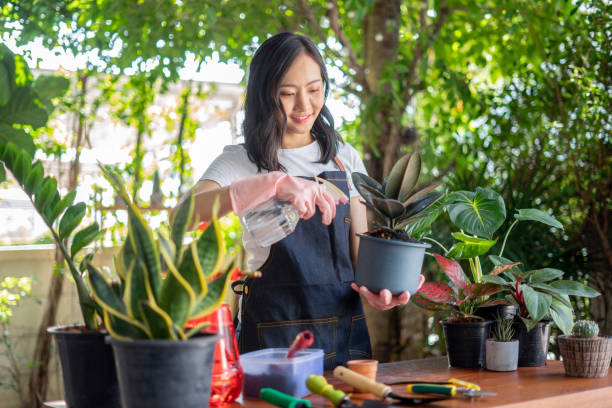
Forget those Pinterest-perfect plant setups that wilt after two weeks.
These are the real air-purifying plants that have survived 40°C summers, skipped watering weeks, and still thrived in my 3×6 balcony garden.
They’ve handled heat, monsoon humidity, and dry indoor air — all without expensive fertilizers or imported planters. If you live in a small apartment or balcony, these plants will give you cleaner air, greenery, and peace of mind all year long.
🌱 Low-Maintenance Winners (Tropical & Indian Weather Ready)
These plants are my go-to choices when anyone asks for air-purifying plants for Indian homes that don’t demand daily attention. They’re forgiving, quick to adapt, and look lush even in limited space.
🌿 Spider Plant (Chlorophytum comosum)
Fast-growing, easy to propagate, and excellent for beginners.
- Light: Bright indirect sunlight (avoids scorching leaves).
- Water: Every 3–4 days in summer; once a week in winter.
- Why I love it: Tolerates missed waterings and produces baby offshoots you can replant easily.
🌼 Peace Lily (Spathiphyllum)
The elegant all-rounder that adjusts room humidity and filters toxins.
- Light: Partial shade or filtered light.
- Water: Keep soil moist but never soggy. Mist occasionally.
- Why it’s worth it: Blooms even in indirect light and improves indoor moisture balance.
🌴 Areca Palm (Dypsis lutescens)
A lush, soft-leaved beauty that instantly upgrades any room corner.
- Light: Bright, filtered sunlight (avoid harsh afternoon rays).
- Water: Every 3–5 days, depending on humidity.
- Why it’s great: Adds visual volume and works well in Indian summers with good airflow.
🍃 Money Plant (Epipremnum aureum / Pothos)
My forever favorite — it grows in soil, water, or both!
- Light: Tolerates low light but thrives in medium brightness.
- Water: Water when the topsoil dries; overwatering can rot roots.
- Why I trust it: Grows anywhere, needs minimal care, and adds instant freshness.
🪴 Compact Plants That Fit Small Shelves or Window Grills
These plants are ideal for tight balconies or tiny rooms where every inch counts. They don’t sprawl, yet they make your air cleaner and your home greener.
🌿 ZZ Plant (Zamioculcas zamiifolia)
- Light: Handles low light like a champion.
- Water: Once in 10 days — prefers dry roots over soggy soil.
- Tip: Great for people who forget watering; shiny leaves make any dull shelf pop.
🌵 Aloe Vera
- Light: Loves bright light or mild morning sun.
- Water: Water only when the soil is fully dry.
- Tip: Doubles as a skin remedy and air improver — perfect multitasker.
(Keyword focus: aloe vera for clean indoor air, balcony aloe care)
🌿 Boston Fern (Nephrolepis exaltata)
- Light: Indirect bright light or partial shade.
- Water: Mist regularly; keep soil moist in humid weather.
- Tip: Excellent for monsoon season — loves moisture and enhances humidity balance.
🍀 Syngonium (Arrowhead Plant)
- Light: Prefers medium to bright indirect light.
- Water: Every 3–4 days; dries faster in clay pots.
- Tip: Compact, colorful, and super adaptable — climbs or trails depending on your pot setup.
🌤️ Seasonal Bonus — Fresh Oxygen Boosters for Each Quarter
Your plant’s performance changes with the weather. Here’s how I rotate and care for my air-purifying collection across seasons to keep them active all year:
☀️ Summer:
- Snake Plant, Aloe Vera, and ZZ Plant handle dry heat and longer sunlight hours with ease.
- Water early morning; add mulch or moss to retain soil moisture.
🌧️ Monsoon:
- Boston Fern, Areca Palm, and Peace Lily thrive in high humidity.
- Ensure good drainage; tilt pots slightly to prevent waterlogging.
❄️ Winter:
- Money Plant and Syngonium do well indoors with bright light and limited watering.
- Avoid cold drafts; place them near windows with filtered sunlight.
“You don’t need imported planters or pricey self-watering pots — what keeps these plants alive is the right soil, proper drainage, and smart watering habits. In the next section, I’ll show you how I build simple, budget-friendly containers that keep my balcony plants thriving year-round.”
🌱 Running out of space on your balcony? These vertical ideas doubled my plant count without clutter 👉
Click to see the smart space-saving tips
🪴 Container Setup That Keeps Air Plants Alive (No Fancy Equipment Needed)
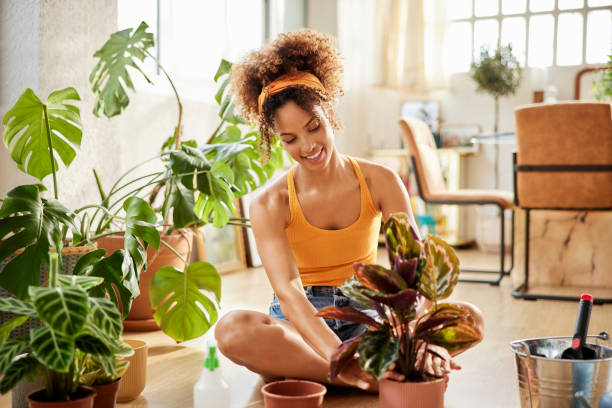
When you set up a container garden based on the space you have, your plants thrive — no matter their type. The setup depends on a few simple but crucial factors.
The first is space planning — whether it’s a terrace, patio, or balcony, plan your plant placement according to light availability and ventilation. Crowding plants only causes issues like a lack of sunlight, pest infestations, and fungal diseases.
You don’t need to fill every inch to create a lush corner. Plants need breathing space — ventilation is as important as sunlight and watering.
Also, always choose plant types suited for containers. Growing tree-type plants in small balconies or porches not only damages the floor and concrete but also restricts their natural growth. Small-rooted, compact, or slow-growing varieties thrive best in pots.
🌿 Want to know which plants not to grow in pots? → Read my detailed guide: What Not to Grow in Containers — Avoid These Mistakes
💧How to Stop Balcony Plants from Drying Too Fast
When you’re growing plants on balconies or terraces, heat and wind exposure are far higher than at ground level. Not just in summer — even winter and monsoon come with their own challenges.
In tropical heat regions, especially during Indian summers or sudden heat waves, keep a temporary shade cloth or net handy to protect your plants from harsh midday sun. Balanced watering helps too — don’t let pots go bone-dry between waterings, especially during heat spikes.
Still drying too fast? Try this simple gardener’s hack:
➡️ Add a mulching layer of coconut husk chips or dry leaves on the soil surface. It retains moisture, keeps soil temperature stable, and reduces water loss.
🌰 I personally use coconut husk chips for all my balcony pots — they keep the soil cool and moist for days!
👉 Grab your pack of natural husk chips here
Remember: small pots dry faster than large ones, and different materials behave differently. Terracotta and cement pots are porous, giving great drainage but faster evaporation, while plastic pots retain moisture longer.
So there’s no “one-time watering rule” — adjust your schedule by pot size, weather, and material. Always check soil moisture before watering to prevent both drying and over-watering issues.
🌤️ Seasonal Care Tip: For deeper guides on caring through summer, monsoon, and winter, check my Seasonal Plant Care Blogs →
🌿Best Soil for Long-Lasting Container Garden
Most beginners believe that expensive, ready-made soil mixes work like magic. No — it’s all about customization. Your soil mix should match your plant type, pot material, and local climate.
The three golden boxes for a perfect soil mix:
- Sterilized, pest-free soil to prevent fungal infections.
- Well-draining texture with good aeration for root health.
- Balanced nutrients suited to your plant’s needs.
- Flowering and edible plants need richer, nutrient-dense soil.
- Foliage and succulents prefer lighter, sandier mixes with better airflow.
- Annuals or delicate plants tolerate less moisture; thick-stemmed varieties can handle more.
Mixing organic compost or cow manure not only adds macro- and micronutrients but also encourages beneficial microbes. These microbes create air pockets, improving aeration, oxygen flow, and root penetration — all key to long-term growth.
Avoid using plain garden soil alone — it compacts after repeated watering, leading to poor drainage and stunted roots. Instead, combine:
- 40% garden soil
- 40% compost or cocopeat
- 20% coarse sand or perlite
🌱 Real story: “After trying expensive branded mixes, I realized that my homemade compost and river sand mix gave stronger roots and better growth than store-bought ones.”
🪴Budget-Friendly Drainage Ideas for Pots
Drainage can make or break a container garden, but you don’t need fancy materials to get it right.
Here’s what I’ve used for years — all from household scraps:
- Broken tile or terracotta pieces: Great base layer to prevent soil clogging drainage holes.
- Old bottle caps or coconut shells: Light, reusable, and effective in lifting soil from the base.
- Reuse plastic containers: Just drill 3–5 holes at the bottom for a quick, budget-friendly planter.
💡 Myth Buster: Many believe “more drainage holes mean less water retention.”
In reality, drainage holes don’t dry the soil faster — they only allow excess water to escape, preventing root rot and fungus.
For extra protection during summer, add a thin layer of jute cloth or old cotton fabric at the bottom of the pot before adding soil. It slows down drainage in heat, helping the soil stay moist longer while still preventing waterlogging.
🌿 Personal Tip: “I’ve learned that setup matters more than plant type — get your soil and drainage right, and even the weakest saplings survive heat, wind, and monsoon.”
🌤️ Container Gardening Mistakes Beginners Make (and How I Fixed Them)
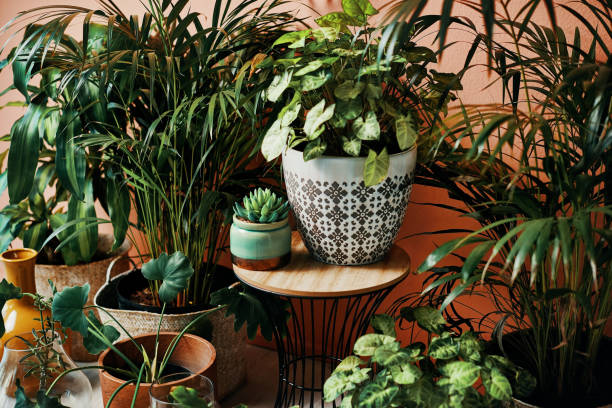
🪴 Mistake #1 — Overcrowding Pots Because It Looks ‘Aesthetic’
One of the biggest mistakes I made early on — inspired by Instagram and Pinterest “home jungle” setups — was overcrowding pots to make my balcony look lush and aesthetic.
But here’s the truth: that so-called “aesthetic” setup soon turns into a plant nightmare after one pest infestation.
Even if your plants look healthy and well-maintained, overcrowding reduces air circulation, traps humidity, and blocks proper sunlight. These conditions create perfect pest hideouts and fungal growth zones. Without enough space between pots, air can’t flow freely, and leaves stay damp longer — a dream setup for mealybugs and aphids.
If you want a thriving garden, keep spacing in mind. Give each plant breathing room to allow airflow, sunlight, and easier maintenance. A well-spaced garden doesn’t just stay healthy — it looks naturally beautiful too.
☀️ Mistake #2 — Ignoring Sunlight Patterns
Before choosing where to place your pots, take time to analyze your balcony’s sunlight pattern.
Try this: take a photo of your space every hour from 6 AM to 6 PM to observe light intensity and duration. This helps you understand which spots are bright indirect light, partial shade, or full sun — so you can place plants according to their needs.
When seasons change, sunlight shifts too. Slightly rotate or reposition plants to maintain balance. Ignoring sunlight is like skipping meals — you’re cutting off photosynthesis, the plant’s main source of energy.
So, whether you live in a sunny tropical region or an apartment with limited light, learn your balcony’s microclimate — it’s the secret to long-term plant health.
🌿 Mistake #3 — Changing Soil Too Often
Many beginners believe that frequent soil changing keeps plants fresh. But in truth, it does more harm than good.
Unless your plant shows clear signs — like roots outgrowing the pot or poor drainage — avoid disturbing the soil often. Frequent repotting puts plants in transplant shock, leading to stress and wilting.
Instead, focus on top-dressing your soil. Add a thin layer of compost or organic manure over the topsoil every few months to recharge nutrients naturally. This gentle method improves soil fertility without disturbing roots or causing soil dilution.
🪴 Want to learn when and how to repot the right way?
👉 Read my detailed repotting guide here
🌾 Mistake #4 — Believing Fertilizer Ads Instead of Reading Plants
The truth about fertilizers is simple: plants don’t follow ads — they follow seasons and signals.
Each plant has its own feeding rhythm. Learning to observe your plant’s growth stage and adjusting your feeding schedule accordingly makes a big difference.
Avoid chemical-based fertilizers that cause salt buildup and root burn. Choose organic or slow-release fertilizers — they build soil health, prevent overfeeding, and promote steady growth. Remember, there’s no magic potion for overnight blooms or harvests.
Patience and consistency will always beat shortcuts.
🌱 Want to know exactly how and when to feed your plants?
👉 Read my simple fertilizer schedule for potted plants
🌼 Mistake #5 — Expecting Quick Results
Real talk: plants don’t transform overnight. They grow at their own rhythm, responding to care, sunlight, and consistency.
Many new gardeners give up because they expect instant change — fast flowering, quick air-purifying results, or immediate harvests. But gardening is a slow and mindful journey.
Every leaf you nurture, every new bud you spot — that’s progress.
“Plants purify air slowly — but consistently when cared for.”
And that’s the lesson: patience is the best fertilizer a gardener can give.
When you stop rushing and start observing, your plants reward you with quiet, steady growth — and peace of mind.
“If I could restart my balcony garden, I’d skip trends and focus on soil, drainage, and seasonal rhythm — exactly what I’ll show next.”
🌾 My Seasonal Routine for Thriving Air-Purifying Container Plants
Over the years, I realized that each season speaks a different language to your plants.
The trick isn’t to fight it — it’s to flow with nature’s rhythm. By aligning your care routine with the weather, you help your air-purifying container plants stay healthy all year long. 🌿
This simple seasonal rhythm not only saves time but also builds resilience in your balcony garden — one season at a time.
☀️ Summer Routine — Saving Plants from Scorch & Drying
When the temperature rises, even hardy plants feel the stress. Here’s how I keep my potted plants safe during Indian summers:
- 🌤️ Move pots to indirect light after 11 AM. Direct noon sunlight burns leaves and dehydrates roots, especially for indoor and foliage plants.
- 🌴 Use mulch layers, shade nets, or grouped humidity clusters. I prefer coconut husk mulch and dry leaves — they keep soil cool and reduce watering needs.
- 💧 Mist plants early in the morning only. It refreshes foliage without encouraging fungal issues.
💚 Pro Tip: Choose heat-tolerant air purifiers like areca palm, snake plant, and spider plant for summer balcony gardens.
🌧️ Monsoon Routine — Battling Fungus & Root Rot
Monsoon is both a blessing and a challenge — while it brings humidity, it also creates the perfect environment for fungal infections.
- 🌿 Check drainage holes weekly and keep pots slightly tilted to prevent waterlogging.
- 🍃 Spray neem oil or neem water every 15 days as a natural antifungal and pest repellent.
- ☁️ Avoid watering on cloudy or rainy days. The key is to let soil breathe, not stay soggy.
🌱 Quick Fix: If you notice yellowing leaves, loosen topsoil and mix in dry compost — it revives oxygen flow to roots.
❄️ Winter Routine — Sunlight Chasing & Slow Growth
Winter slows down plant metabolism, but it’s also the best time for growth recovery and pruning.
- 🌞 Shift pots to the sunniest spots — especially morning light near east-facing areas.
- 💧 Reduce watering frequency since soil retains moisture longer in cool weather.
- 🌾 Add vermicompost once a month to gently boost nutrients without shocking the roots.
✨ Mini Story: “Each season has its temperament — once I stopped fighting it, my balcony plants started teaching me their rhythm.”
Understanding these shifts not only keeps your plants thriving but also strengthens your connection with nature’s cycles — a true sign of a mindful gardener. 🌸
👉 Ready to discover how each season shapes your container garden’s success?
🌻My 7-Year Lessons (and Why Air-Purifying Plants Still Matter)
After seven years of balcony gardening, I’ve learned that air-purifying plants aren’t miracle workers, but they do something far more meaningful — they teach patience, balance, and mindfulness.
When I first started, I filled my small 3×6 balcony with every trending “oxygen plant” I could find online. I waited for them to magically purify my air and fix everything from pollution to mood swings. Of course, that didn’t happen. Some plants thrived, others wilted, and I slowly began to understand what they were really doing for me.
Over time, I realized that these plants were quietly teaching me consistency. They were not just cleaning air; they were cleaning up my habits.
Every morning when I water, prune, or just sit beside them with tea, the air feels calmer, lighter — not because of a measurable toxin count, but because of the peace of routine and nature’s rhythm.
🌿 “Over the years, I’ve realized my plants purified more than just my air — they purified my mornings.”
That small act of showing up for them daily helped me show up better for myself too. The subtle oxygen boost, the soft green sight, the discipline of care — it’s all connected.
Even if science debates how much pollution a single Snake Plant can remove, my experience says: plants change how we breathe, think, and live.
If you’re starting out in a small home or balcony, don’t overwhelm yourself with a jungle of plants. Begin with just three.
Observe how they respond to light, water, and your local weather. Adjust slowly. Build a rhythm instead of rushing. You’ll find that the plants you nurture the longest aren’t just survivors — they become quiet parts of your daily life.
Whether it’s the Money Plant that climbs your grill, or the Peace Lily that blooms in your living room corner, each one rewards patience and attention. These are not just decorative pieces — they’re living reminders that slow, steady care changes everything.
So yes, air-purifying plants still matter — not just for what they do to the air, but for what they do to us. They keep us grounded in fast-moving lives, reminding us that clean air starts with a cleaner routine.
🌸 My takeaway after 7 years: “You can’t control the city air, but you can control how you breathe in your space — one pot at a time.”
💬 Let’s Grow Together!
I’d love to hear from you 🌿 — What’s your experience with air-purifying plants? Which ones survived your climate and routine?
Drop your thoughts, stories, or even plant questions in the comments section below. Your tips might just help another small-space gardener breathe easier!
🌿 Ready to Start Your Own Air-Purifying Corner?
If you’re inspired to begin, here’s my tested air-purifying plant combo that’s perfect for small homes and balconies.
These are the same plants that survived my 7-year gardening journey — easy to grow, beginner-friendly, and suited for Indian weather.
🪴 What’s inside the combo:
✅ Snake Plant — drought-tolerant and tough in any season
✅ Money Plant — fast grower, easy oxygen booster
✅ Peace Lily — great for humidity balance and aesthetics
✅ Areca Palm — lush, air-refreshing foliage
✅ Syngonium — compact and colorful for corners
👉 Check the Air-Purifying Plant Combo on Amazon →
💚 Start with these five — observe, care, and build your mini jungle at your own rhythm
After seven years of balcony gardening, I’ve learned that air-purifying plants aren’t miracle workers, but they do something far more meaningful — they teach patience, balance, and mindfulness.
When I first started, I filled my small 3×6 balcony with every trending “oxygen plant” I could find online. I waited for them to magically purify my air and fix everything from pollution to mood swings. Of course, that didn’t happen. Some plants thrived, others wilted, and I slowly began to understand what they were really doing for me.
Over time, I realized that these plants were quietly teaching me consistency. They were not just cleaning air; they were cleaning up my habits.
Every morning when I water, prune, or just sit beside them with tea, the air feels calmer, lighter — not because of a measurable toxin count, but because of the peace of routine and nature’s rhythm.
🌿 “Over the years, I’ve realized my plants purified more than just my air — they purified my mornings.”
That small act of showing up for them daily helped me show up better for myself too. The subtle oxygen boost, the soft green sight, the discipline of care — it’s all connected.
Even if science debates how much pollution a single Snake Plant can remove, my experience says: plants change how we breathe, think, and live.
If you’re starting out in a small home or balcony, don’t overwhelm yourself with a jungle of plants. Begin with just three.
Observe how they respond to light, water, and your local weather. Adjust slowly. Build a rhythm instead of rushing. You’ll find that the plants you nurture the longest aren’t just survivors — they become quiet parts of your daily life.
Whether it’s the Money Plant that climbs your grill, or the Peace Lily that blooms in your living room corner, each one rewards patience and attention. These are not just decorative pieces — they’re living reminders that slow, steady care changes everything.
So yes, air-purifying plants still matter — not just for what they do to the air, but for what they do to us. They keep us grounded in fast-moving lives, reminding us that clean air starts with a cleaner routine.
🌸 My takeaway after 7 years: “You can’t control the city air, but you can control how you breathe in your space — one pot at a time.”
💬 Let’s Grow Together!
I’d love to hear from you 🌿 — What’s your experience with air-purifying plants? Which ones survived your climate and routine?
Drop your thoughts, stories, or even plant questions in the comments section below. Your tips might just help another small-space gardener breathe easier!
🌿 Ready to Start Your Own Air-Purifying Corner?
If you’re inspired to begin, here’s my tested air-purifying plant combo that’s perfect for small homes and balconies.
These are the same plants that survived my 7-year gardening journey — easy to grow, beginner-friendly, and suited for Indian weather.
🪴 What’s inside the combo:
✅ Snake Plant — drought-tolerant and tough in any season
✅ Money Plant — fast grower, easy oxygen booster
✅ Peace Lily — great for humidity balance and aesthetics
✅ Areca Palm — lush, air-refreshing foliage
✅ Syngonium — compact and colorful for corners
👉 Check the Air-Purifying Plant Combo on Amazon →
💚 Start with these five — observe, care, and build your mini jungle at your own rhythm