“Indian winters may not bring snow, but the sudden chills, moisture-heavy mornings, and weak sunlight can quietly destroy container plants. Here’s how I protect every pot—flowers, herbs, foliage, and succulents—on a tight budget.”
Indian summers don’t drop to snowflake levels like Western winters, but our Indian winters can still be chill to the bone. Temperature dips, moisture-filled mornings, occasional drizzles, and high humidity all make water sit longer on the soil and foliage than usual.
This winter climate fluctuation often creates common container issues like fungal infections, mealybugs, aphids, and powdery mildew. Add low light to the mix, and even strong plants can turn weak and vulnerable.
With seven years of balcony and terrace gardening, I’ve learned how to help my flowers, herbs, foliage plants, succulents, and even some slow-growing ornamentals survive the season. I grow seasonal edibles only occasionally, but honestly, I avoid planting them right before winter because the growth is slow and pest pressure is high.
So in this blog, I’m sharing simple, budget-friendly winter container care hacks, the exact steps I follow, and a few do’s and don’ts to save your green thumb during Indian winters—especially if you’re growing in small spaces.
What Indian Winters Really Do to Container Plants (Myth-Busting + Microclimate Lessons)

In my early days of container gardening, the biggest winter mistake I made was watering plants the same way I did in the summer. Even the “normal amount” became overwatering during winter. The temperature drops, excess humidity, and slow evaporation result in the soil staying wet for much longer. Even when I reduced the frequency, the high winter humidity, moist mornings, and occasional drizzle still invited pests, fungal infections, and root issues.
Indian winters may feel mild compared to snowy Western climates, but for container plants, they bring a dangerous combination of low light, trapped moisture, and stagnant air—a perfect setup for winter plant problems.
The Balcony–Terrace Microclimate Truth Most Beginners Miss
Plants need sunlight, water, and ventilation to survive. But an excess of any one of them becomes harmful.
- In peak Indian summers, too much sun scorches leaves.
- In monsoon and winter, excess humidity triggers pests and fungal growth.
- In windy seasons, strong gusts topple pots or snap branches.
Ground-grown plants adapt on their own because they have deep roots and natural soil buffers. But container plants are restricted by pot size, limited soil, and artificial placement. They depend on us to maintain the balance.
In container gardening, the goal is to create an ideal microclimate—right sunlight, balanced watering, and good airflow. But extreme seasons like scorching summers, heavy monsoons, and bone-chilling Indian winters disrupt that balance. Our job as plant parents is to adjust conditions so the plant can survive the fluctuations and continue thriving.
🌞 Struggling to figure out why your container plants aren’t growing well? It might be your sunlight, space, or drainage setup—here’s how to fix it.
“Plants Don’t Need Water in Winter” – The Most Harmful Myth
Whether it’s monsoon or winter, potted plants still need water—just not in the careless summer pattern. Many balcony and terrace plants that don’t receive direct rain still require minimal, balanced watering whenever the topsoil dries.
My golden rule remains the same:
Do a simple finger test.
If the top 1–2 inches feel dry, the plant is ready for water.
Because soil dries slowly in winter, waterlogged soil leads to fungal infections and pests like mealybugs. That’s why winter watering must stay controlled and based on observation—not routine.
Another winter-friendly habit that saves my plants:
- Use a well-draining potting mix to help moisture escape.
- Once a month, water with a mild fungicide solution (1 tsp fungicide powder in 1 litre of water) to prevent soil-borne fungal issues, especially on dull days with no sunlight.
Skipping water entirely is not the solution. Plants are already stressed in winter due to low sunlight, slow metabolism, and cold roots. Removing water makes them even more vulnerable. And once a plant gets severely affected in winter, recovery becomes extremely slow.
Balanced watering—not zero watering—is the key to surviving Indian winters.
👉 Read my blog on simple watering rules for easy container gardening care and keep your plants thriving without the guesswork.
🌿 One small winter watering mistake can cause root rot for weeks. Want to avoid it?
Explore the simple winter-safe tips
My Step-by-Step Winter Watering Routine (Balcony + Terrace Tested Since 2018)
Indian winter generally lasts from mid-November to mid-January, with December and early January being the coldest. If you take a few small precautions, you can pass this season without losing a single plant. Here are the watering habits I consistently follow every winter.
The Exact Watering Frequency I Follow in December–January
Watering plays the main role in winter plant care. One wrong move can lead to overwatering, soil-borne diseases, root rot, wilted stems, or mushy leaves. The right watering practice is not avoiding water—it’s watering correctly.
Here’s what works for me:
- No misting or spraying foliage in winter. It traps moisture on leaves, attracts fungal infections, and clogs stomata—especially dangerous when plants already get less sunlight.
- Water only the topsoil, using a low-pressure watering can. Avoid spikes, globes, or automatic drip systems. The constant, slow dripping keeps the soil wet and encourages fungal growth.
- Follow the “dry topsoil rule.” If the top 1–2 inches are dry, water. If not, wait. Winter soil takes longer to dry than summer soil.
- Use a well-draining potting mix and pots with proper drainage holes to prevent waterlogging.
- Reduce the quantity of water. Plants don’t need soggy soil in high-humidity seasons like winter.
- Keep plants away from direct drizzle, and avoid overcrowding. Good airflow helps soil dry and reduces pest hiding spots.
- If you move plants indoors, place them near the brightest window. Even weak winter sunlight is better than no sunlight.
These small tweaks protect your balcony and terrace plants from the typical winter watering mistakes most Indian gardeners make.
How I Prevent Root Rot in Cold Weather (Budget Drainage Fixes)
Root rot is a silent killer—you usually notice it only after the plant wilts, and by then, the roots are already damaged.
Here’s what I do to prevent it:
- Add fungicide powder (1 tsp) directly on the topsoil or use a diluted fungicide solution once every 4–6 weeks. This single habit has saved many of my plants from winter rot and fungal infections.
Dealing with fungus on your plants? This fungicide powder is my go-to — fast, effective, and budget-friendly. Click here to check the fungicide I use.
- If you buy a plant or repot during pre-winter or winter, create a drainage layer at the bottom using rocks, broken pot pieces, or coconut husk chips.
- Place a mesh pad, cotton cloth, or old shade net between the potting mix and drainage layer to prevent soil loss.
- Always use a well-draining soil mix year-round. Healthy roots need air pockets, not tight or sticky soil.
- Avoid using garden soil alone. If you do use it, keep it under 30%. A good basic mix:
- Avoid adding heavy manure to winter potting mixes. Manure retains moisture and slows drying.
- Add 1 tbsp neem cake powder to the soil to prevent soil-borne diseases, and mix a neem-based fertilizer combo during monthly feeds.
“I rely on this neem cake powder to keep soil healthy and pest-free — it enriches the mix and works quietly in the background. Click here to check the neem cake powder I use.”
These low-cost steps keep the roots breathable, healthy, and fungus-free throughout the cold season.
When to Water: Morning vs Afternoon (Realistic Indian Winter Guide)
I swear by morning watering—not just in winter, but all year. In winter, it’s even more important. Morning watering gives plants the entire day to absorb moisture and let the soil dry.
Avoid night watering completely. With cold temperatures, the water sits on the soil overnight, increasing the chance of mold, fungal growth, and root rot. Morning watering is always the safest and healthiest option for Indian winter plants.
Winter Soil Care & Low-Cost Amendments That Actually Work (No Fancy Ingredients)
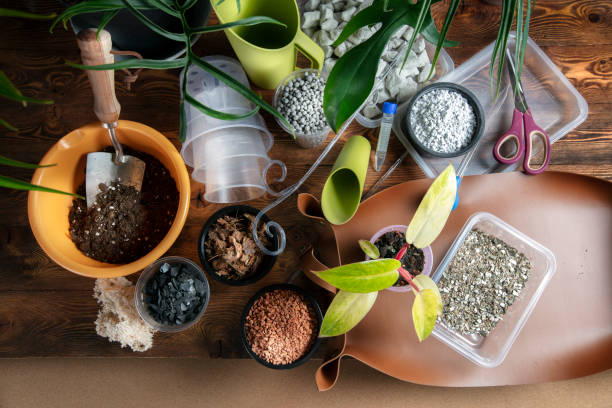
There’s no fancy tool or expensive fertilizer that can save a struggling winter plant. What truly works is a simple, climate-based soil routine with basic organic amendments you already have in your garden—used in the right amount and the right mixing ratio.
My 3-Ingredient Soil Refresh Routine for November–February
Winter comes right after the monsoon, and by then, the soil has usually lost nutrients due to constant drizzle or heavy rain exposure. Most gardeners skip feeding during the monsoon because high moisture + fertilizer is a risky combination.
In winter, you can feed your plants—but mindfully:
- Avoid moist cow dung manure or soggy fertilizers. Even compost should be dry and crumbly.
- Skip liquid fertilizers during peak winter. They add unnecessary moisture to already slow-drying soil.
- When adding organic fertilizers, mix a little cocopeat powder to balance the texture so the soil doesn’t compact after feeding.
- Water only when the topsoil dries after fertilizing.
- Avoid adding unprocessed items like coffee grounds, raw eggshells, or vegetable scraps. They need to be fully composted without any smell.
- Add neem cake powder and a pinch of fungicide to reduce the risk of winter fungal infections hiding in the soil.
I rely on this neem cake powder to keep soil healthy and pest-free — it enriches the mix and works quietly in the background. Click here to check the neem cake powder I use.
This simple 3-step refresh keeps the soil active without making it wet or sticky during cold months.
Why I Reduce Cocopeat in Winter (Hard-Learned Lesson)
Cocopeat is a wonderful amendment in summer—it improves structure, increases aeration, and helps retain moisture.
But in winter, that moisture-retention quality becomes a problem.
Cocopeat works like a sponge. Too much of it in cold, humid weather leads to:
- constantly damp soil
- fungal infections
- powdery mildew and root issues
- very slow drying time
Therefore, I avoid using cocopeat heavily in my winter soil mixes or top dressings. A small amount is fine, but excessive cocopeat is one of the biggest causes of winter overwatering issues in Indian container gardens.
Simple DIY Soil Aeration Tricks for Plastic Pots
Porous containers, such as terracotta pots, fabric grow bags, and even concrete pots, naturally facilitate airflow, allowing moisture to evaporate more quickly. That’s why they rarely suffer from severe overwatering unless the soil mix is wrong.
But non-porous pots—plastic, metal, resin, glass, or glazed ceramic—hold moisture for a much longer time. This leads to:
- slow drying
- Poor soil aeration
- fungal growth
- root rot
- pests hiding in damp pockets
To improve soil aeration in non-porous pots:
- Add extra sand or perlite to the soil mix to create air pockets.
- Use a bottom drainage layer made of gravel, broken terracotta pieces, or coconut husk chips.
- Ensure more drainage holes in the pot base.
- Use the double pot method (nursery pot inside a decorative pot) to avoid trapped moisture.
- Keep the pot slightly elevated for better airflow under the container.
These small adjustments make a huge difference in preventing waterlogging and keeping winter soil healthy.
Sunlight Positioning & Pot Arrangement Guide for Indian Winters (Beginner-Friendly Layout)
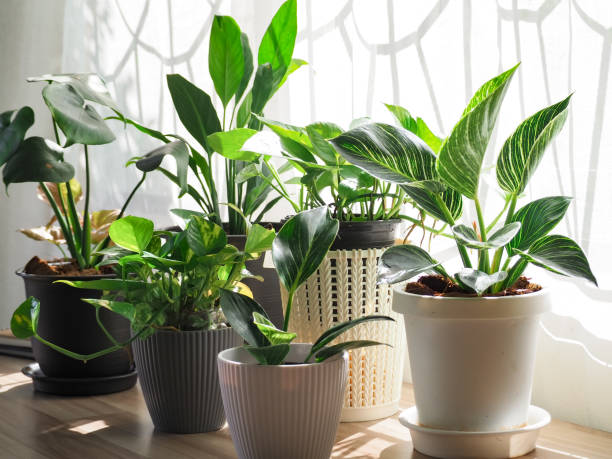
Winter sunlight in India becomes shorter in duration, but the intensity pattern changes completely. Most days, the sun doesn’t appear bright in the early morning. Instead, the strongest winter sunlight usually comes between 10 AM and early afternoon, and this sudden mid-day intensity can shock already stressed plants.
Before shifting your pots to south or east-facing areas for “more light,” observe the actual winter sunlight intensity. Winter itself already stresses plants with low light, moisture, and cold roots—so abrupt exposure to harsh mid-day rays can do more harm than good.
Avoid placing plants on the north-facing side during winter. Even shade-loving plants struggle there because winter makes these corners even darker.
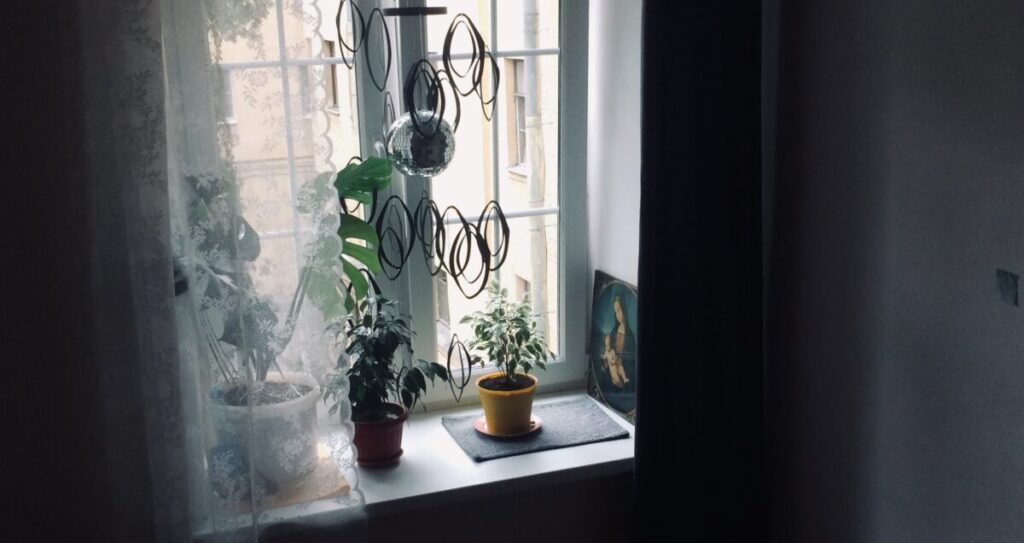
Try to give plants indirect or filtered sunlight instead of direct mid-day beams. If your balcony has only one high-intensity sun spot, place it a few feet away from direct exposure. They’ll still receive bright light without the stress. Passing sunlight through a window, curtain, screen, or grill shadows works beautifully in Indian winters.
Shade-loving plants that survive fine in low light during summer won’t get enough light in winter or monsoon. Move them slightly closer to brighter, indirect light zones so they can at least do minimal photosynthesis.
You can also use reflective surfaces, light-colored walls, mirrors, or grow lights in very cold regions to supplement weak winter daylight.
And finally, ventilation is everything in winter. Poor airflow creates pest hiding spots, fungal infections, stagnant moisture on topsoil, mold, and slow drying. Keep plants slightly spaced apart. Use shelves, risers, or plant stands to improve airflow around pots.
Good light + good ventilation = winter survival.
🌱 I changed the placement of just 3 pots — and the growth doubled. Curious which ones? 👉 Discover the exact tips
Winter Fertilizing, Pest Prevention & Pruning Routine (Safe, Simple & Seasonal)
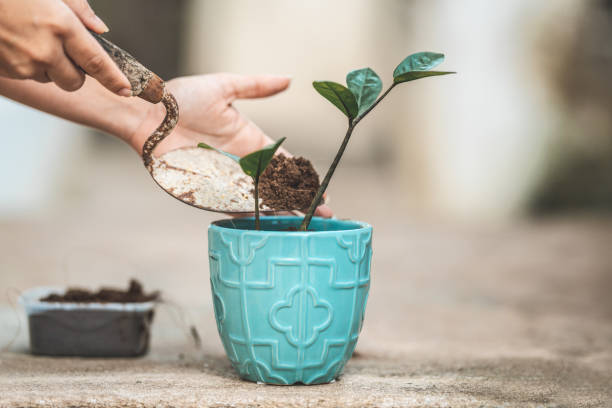
Winter is often called the dormant season because most plants slow down, enter energy-saving mode, and reduce active growth. A few varieties may enjoy the cool weather, but the lack of sunlight still limits photosynthesis.
So as plant parents, our job is simple:
Give whatever light is available, water mindfully, prevent pests early, and avoid stressing plants.
My Mild Winter Feeding Plan (No Over-Fertilizing Mistakes)
Winter is actually a good time to fertilize if you understand how seasons affect container plants. Most fertilizers—chemical or organic—cause some level of dehydration after feeding.
- Chemical fertilizers cause stronger dehydration.
- Organic fertilizers cause mild dehydration.
But in winter, the soil already stays moist for longer, so dehydration is minimal. After feeding, just water lightly, then allow the soil to dry using the finger test.
My winter fertilizing rules:
- Avoid liquid fertilizers or use very tiny amounts. They increase moisture and delay drying.
- Skip soggy manure-based fertilizers like wet cow dung; they hold moisture and lead to fungal issues.
- Use dry organic fertilizers and always feed less than your spring/summer routine because winter puts plants under temperature stress.
- Add neem cake powder and a pinch of fungicide with winter feeds to prevent soil-borne diseases and pest buildup.
Winter feeding is about supporting the plant with minimal nutrients—not pushing growth.
Most plant parents fertilize wrong — even the regular ones! 😬
Find out how often your pots really need feeding (and when to stop) 👉 Read the simple fertilizer guide now
Natural Prevention for Powdery Mildew, Mealybugs & Aphids
Winter’s humidity almost guarantees pest visits—especially powdery mildew, mealybugs, aphids, and fungal infections on weak plants.
My prevention routine:
- Spray a diluted neem oil solution on foliage every 10–14 days.
- Add neem cake powder and fungicide as a top-dressing once a month.
- Never overwater—cold weather + moisture is an open invitation for pests.
- Remove fallen leaves, dead stems, and plant debris so pests have no hiding spots.
- Quarantine infected plants immediately.
- Do a quick plant check every 4–6 days in winter to catch pests early.
- Use neem oil or any safe organic pesticide with a 7-day gap to break the pest cycle.
In winter, prevention is easier than treatment, so consistency matters more than heavy spraying.
🪴 Tired of bugs taking over your plants? See how I tackle pests naturally—no harsh chemicals, just smart fixes.
What I Prune vs What I Never Touch in Winter (Plant-Specific Tips)
Pruning in winter is tricky because most plants are already stressed from low light, low warmth, and slow metabolism. A wrong cut can push the plant into shock.
What I Always Prune in Winter
These are safe and recommended:
- Dead, dry, brown leaves – removing them prevents fungal spread and improves airflow.
- Yellow or mushy leaves caused by overwatering – this stops rot from spreading to healthy parts.
- Pest-infested leaves or stems – pruning helps stop the infestation before it spreads.
- Spent flowers on annuals – removes energy-drainers and keeps the plant tidy.
- Broken stems damaged by wind or handling – prevents pathogen entry.
These gentle, hygienic cuts actually protect the plant in winter.
What I Never Prune in Winter
These cuts stress the plant and delay recovery:
- Healthy green stems – avoid big shaping or structural pruning.
- New growth shoots – they are already fragile due to low light.
- Flowering stems on winter bloomers (chrysanthemums, dianthus, marigolds, petunia).
- Succulent leaves or branches – they take a long time to callous in cold weather.
- Foliage plants like money plant, spider plant, aglaonema, and dieffenbachia – pruning now slows them further.
- Herbs like basil and mint – they barely grow in winter; pruning weakens them.
If a plant desperately needs shaping or size control, wait until late February or early March, when temperatures rise and growth becomes active again.
Winter pruning should be minimal, gentle, and strictly hygiene-based.
🪴 After 7 years of trial and error, only a few tools earned a permanent spot in my garden. Want to know which ones? 👉 See the trusted list here
🌿 Winter fertilizers work differently — and using them wrong can actually slow plant growth.
See the mistakes most gardeners make
Conclusion: Winter Isn’t the Enemy—It’s Just Another Season to Understand
Indian winters may seem unpredictable with their chilly mornings, low light, and moisture-heavy days, but once you understand your plants’ needs, this season becomes much easier to handle. With the right watering habits, soil care, sunlight positioning, and gentle winter routines, your balcony or terrace garden can stay healthy—even with minimal resources.
Remember, container gardening is not about perfection. It’s about learning your microclimate, adjusting small habits, and showing up for your plants consistently. Even after seven years, I still learn something new every winter, and that’s the beauty of this journey.
If you’re a beginner, don’t be scared of winter. Start small, observe, and trust your instincts. Plants are more resilient than we think, and your efforts truly matter.
🌱 I’d love to hear from you!
Leave a comment below—
- What winter struggles have you faced?
- Which hacks worked for your balcony or terrace garden?
- What plants are you growing this season?
Your experiences help other gardeners, too, so feel free to share your wins and failures. And if you know someone who loves plants or wants to start gardening, share this guide with them!
Happy winter gardening—and may your containers stay green all season long. 🌿❄️