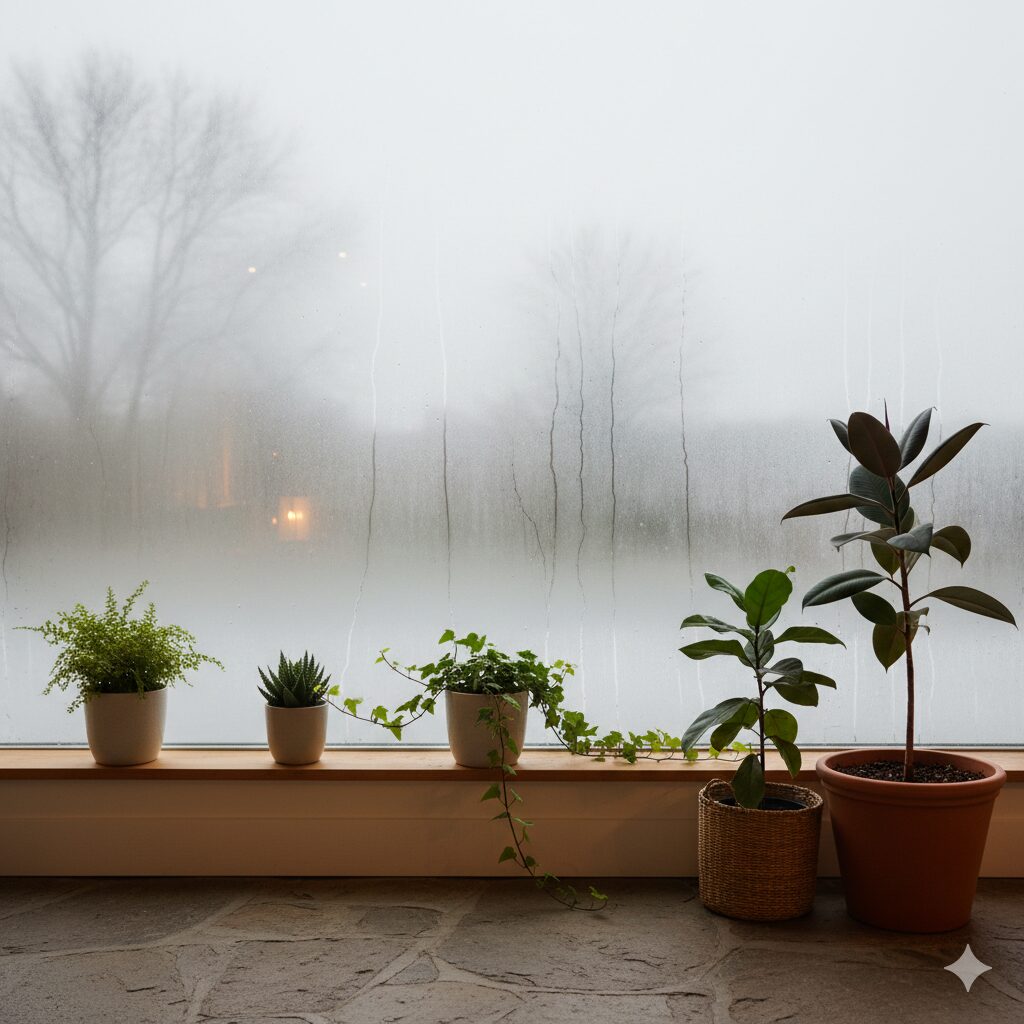
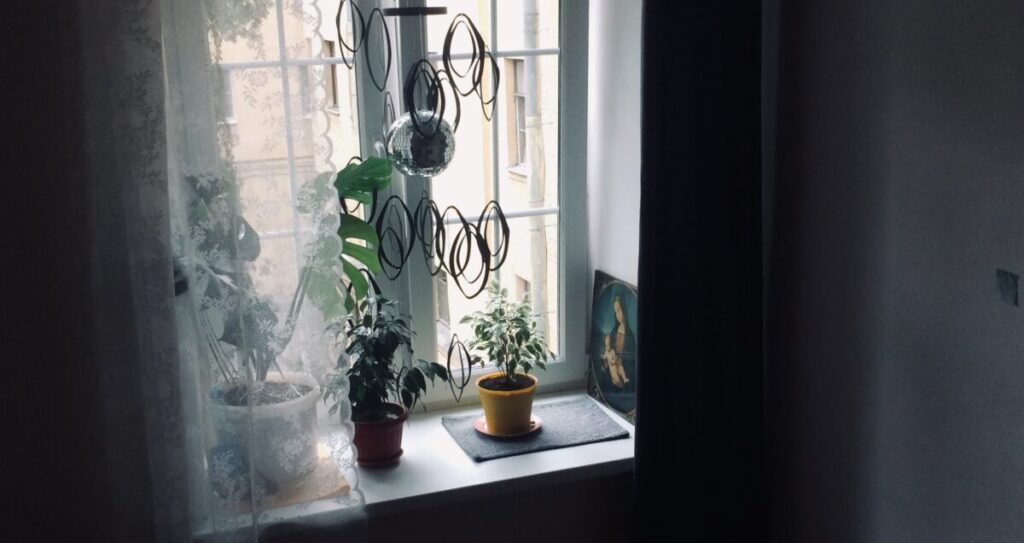
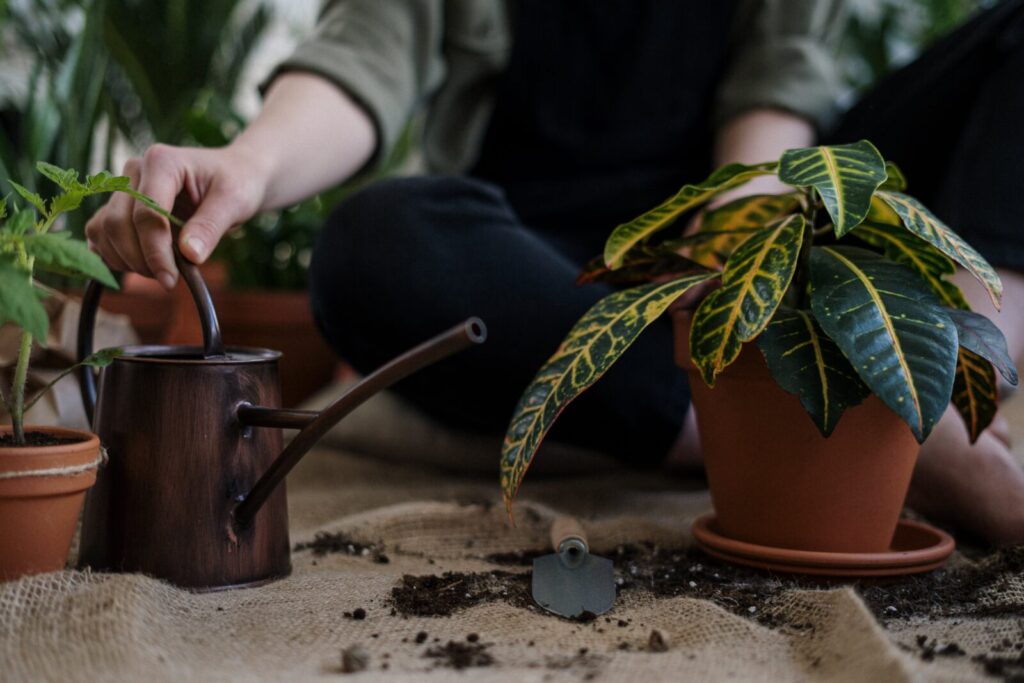
Winter is not an easy season for humans, animals, or plants. Just like we struggle with fever, cold, and low energy, plants also suffer when the bone-chilling temperatures drop. With weak sunlight and shorter days, their main energy-making process — photosynthesis — slows down. That’s why winter is called a “dormant season.”
Western gardeners deal with snowflakes, frozen soil, and minus temperatures, so they truly know the struggle of keeping potted plants alive through dormancy. But Indian gardeners also face their own challenges during winter gardening — especially overwatering issues, fungal diseases, pest outbreaks, slow growth, and sudden plant death caused by cold-wet soil and low light.
If you keep losing plants every winter, this blog is for you. I’ll help you choose year-round plants that are hardy enough to survive Indian winters, along with simple care steps and practical tricks that actually work. Before saving your plants, you need to understand why winter plant problems happen, where exactly your plant needs support, and what small changes in setup can prevent most cold-season damage.
From choosing the right cold-hardy varieties to setting up pots for better winter survival, I’ll guide you based on real-time experience from my own terrace garden, where I test everything through the December–January cold dips. These tips are beginner-friendly, budget-friendly, and perfect for small spaces.
Why Most Potted Plants Die in Winter (Beginner Mistakes That Can Be Fixed Easily)
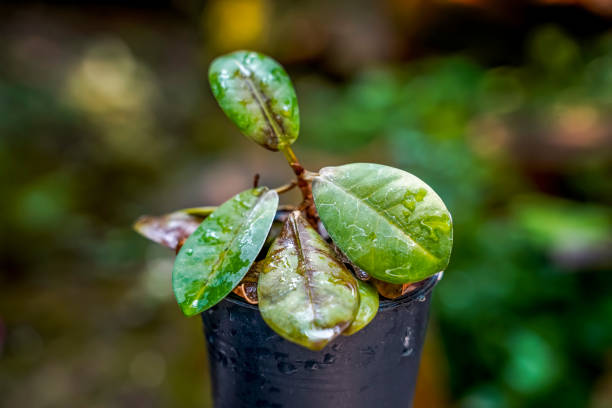
Winter is not like spring or any other season — the temperature fluctuations are very real. Early morning fog, bone-chilling winds, sudden bursts of harsh sunlight, and unexpected afternoon drizzles all happen on the same day. This messy winter climate disrupts the microclimate your potted plants depend on.
Their routine of getting sunlight, natural drying, and proper ventilation gets disturbed. When this cycle is broken, plants become stressed and vulnerable to winter pests and fungal diseases, which is why cold-season plant problems are hard to treat once they start.
Another major issue is soil staying too wet. In normal weather, the outer soil layer dries in 24 hours, and the inner mix dries within 48–60 hours, depending on pot size and material. But in winter, even if the top looks dry, the inner potting mix stays moist for days. This is the perfect setup for root rot in winter.
So always do a finger test at least 1–2 inches deep, or use a thin wooden stick to check if the soil is still damp before watering.
A common beginner mistake is choosing tropical plants that cannot handle Indian winter dips. Many people pick plants for aesthetics or because they look fresh in the nursery. But nurseries maintain ideal microclimates with filtered light, controlled humidity, and warm soil — something our balconies and terraces cannot replicate.
So choose plants based on your local weather, winter temperatures, sunlight hours, rainfall levels, and ventilation.
Placement matters too. A plant that survives in a low-light corner during summer may suffer in winter because sunlight is already limited, humidity stays trapped, and ventilation drops. Even shade-loving plants need brighter spots in colder months.
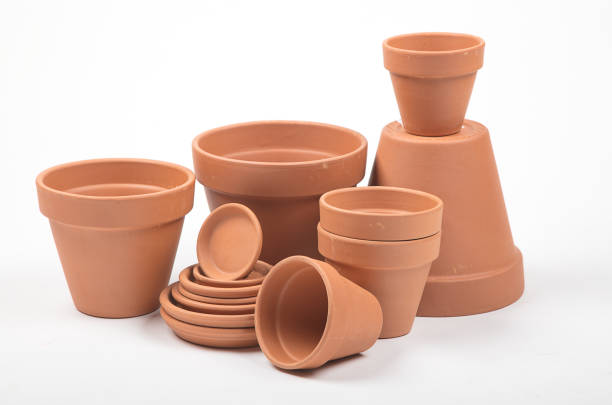
Wrong pot materials can also worsen cold stress. Thin plastic pots lose heat quickly, causing the roots to feel colder than the air. Clay/terracotta stays chilly for long, holding cold moisture. Using thicker pots, double-potting, or insulating the containers helps protect roots during winter dips.
❄️ Most gardeners repeat these 3 winter mistakes every year — are you one of them? Find out how to fix them before it’s too late 👉 Read more here
🌱 If your plants look dull in winter, it may not be the cold — it’s how you’re watering.
Learn the right winter watering habits
How to Choose Plants That Actually Survive Winter in Pots
Look for These Traits
When choosing plants for winter, always start with cold-hardy or frost-tolerant varieties. These plants naturally adjust to temperature dips, slower growth, and reduced sunlight. You don’t have to fight with constant yellowing, drooping, or fungal issues.
Plants with thick, sturdy leaves or an evergreen habit also survive winter much better. Their leaves don’t lose moisture quickly, and the plant stays stable even when sunlight hours drop. This is why evergreens are the backbone of a winter-safe container garden.
Another easy clue: pick plants that naturally grow in hill regions or colder climates. If they thrive in those conditions, they will most likely handle your Indian winter dips without much drama.
Also, look for plants that can handle mild dry spells. In winter, soil stays wet for a long time, and watering frequency drops. Plants that don’t demand frequent watering stay healthier and avoid root rot.
Check These Before Buying
Before you bring any plant home, check the growth zone suitability. Not every pretty plant can handle your local winters. Always choose something that matches your region’s temperature pattern.
Next is the light requirement. Plants that demand full sun will struggle if your space receives only 2–4 hours of winter light. Low light + cold soil is a deadly combination for many species.
Plant maturity also matters. Small saplings or tender plants die easily in the cold because their root system is not fully developed. Slight stress is enough to collapse them.
And finally, observe the root strength and stem thickness. Healthy plants have firm stems, well-spread roots, and no mushy or weak sections. A strong root system is your plant’s “power bank” in winter — it helps the plant tolerate low temperatures, reduced watering, and sudden weather changes. Always choose sturdy, well-rooted plants over weak, tall ones grown quickly in nurseries.
Best Cold-Hardy Plants for Indian Winters (Low-Maintenance for Pots)
Flowering Plants
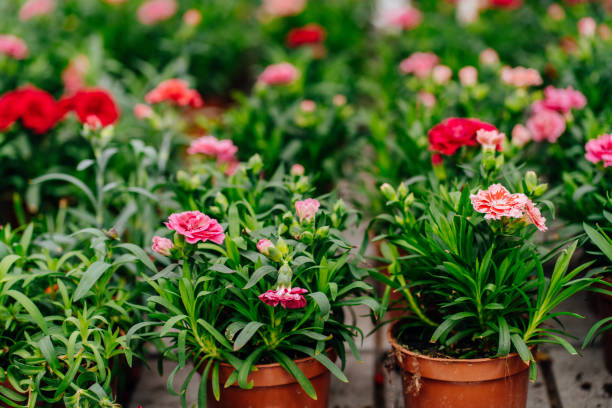
Dianthus
Dianthus loves cool temperatures and blooms heavily in winter. Its compact growth and sturdy stems make it perfect for balcony pots. It stays neat, colourful, and low-maintenance all season.
Calendula
Calendula absolutely thrives in cold weather. The bright orange blooms handle fog, moisture, and temperature dips easily. It’s also great for year-round herb use.
Petunia
Petunias enjoy winter sun and give continuous flowers until early summer. They need bright light but are not fussy about soil, making them reliable for beginners.
Pansy
Pansies are made for winter. Their thick petals and hardy roots survive chilly mornings with zero effort. Great for constant colour and compact pot setups.
Alyssum
Alyssum grows like a soft carpet, releasing a mild fragrance. It handles cold weather extremely well and stays lush with minimal care.
🌺 If your flowers bloom once and then never again, this blog might be your turning point.
Discover the lessons behind my flowering journey
Leafy / Edible Plants
Spinach
Spinach thrives in low temperatures without bolting. It grows faster in winter and stays tender for months.
Methi
Methi handles cold and dries spells naturally. It’s one of the easiest winter greens to grow in pots.
Kale
Kale becomes sweeter in cold weather. Its thick leaves and strong stems tolerate winter dips effortlessly.
Lettuce
Lettuce grows crisp and healthy when temperatures drop. It prefers winter over summer heat.
Coriander
Coriander grows best in cool weather with slow bolting and bushier growth.
🌿 Want fresh leafy greens from your balcony or terrace? Check out my easy container-growing tips for healthy greens.
Evergreen / Decorative Plants
Jade Plant
A succulent that stores water and stays green all year. Jade tolerates mild cold and loves bright winter sun.
Snake Plant
Extremely hardy with thick leaves that resist cold, dry spells, and low light. Perfect year-round.
Areca Palm (Semi-Hardy)
Areca palms need protection from cold winds but do well in shaded corners. They stay green year-round with simple care.
Money Plant
Money plant vines tolerate low light and adapt easily to temperature shifts, making them excellent winter survivors.
Ferns
Ferns stay fresh all year with humidity and shade. In winter, they need corner protection from cold winds.
🌱 Brown tips, yellow leaves, droopy stems… Learn the foliage mistakes that most container gardeners overlook.
How to Plan a Year-Round Container Garden That Also Survives Winter
Choose Plants with Seasonal Rotation
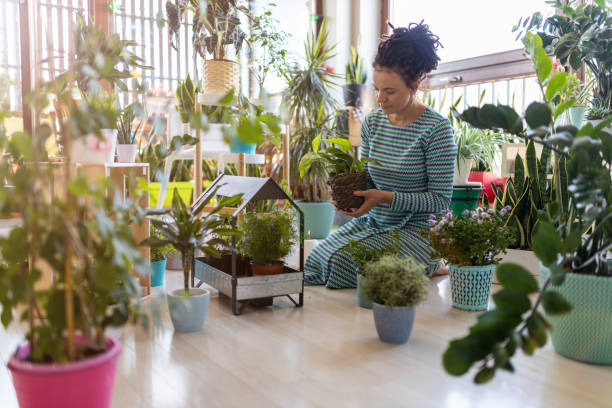
Seasonal rotation is the simplest way to keep your pots looking alive in every season without feeling like you’re restarting your garden again and again. A balanced mix of winter bloomers and evergreen base plants gives you colour in cold months while keeping the structure intact year-round.
You can also pair leafy greens for winter with herbs for summer. Most greens love cool weather, grow fast, and fill your pots beautifully. When they finish their cycle, you can replace them with heat-loving herbs like basil, mint, or ajwain without disturbing the main pot setup.
Another beginner-friendly combination is hardy succulents with seasonal flowers. Succulents act as anchors in the pot — storing water, tolerating cold dips, and staying green throughout the year. The seasonal flowers bring bursts of colour when the weather supports them.
Mix Plant Types for Continuous Growth
For a container garden that always looks full and balanced, follow this simple formula per pot group:
- At least 1 evergreen to maintain structure and colour during the off-season.
- 1–2 seasonal bloomers to bring life and freshness in their active months.
- 1 foliage plant to add volume, texture, and contrast.
This combination keeps your garden visually full even if one plant slows down due to seasonal changes. It also reduces the pressure on you to “fill empty gaps” every few months.
Pick the Right Pot Sizes & Materials
Choosing the correct pot matters more in winter than most beginners realise.
- Terracotta pots are great for dry, mild winters because they allow natural air movement in soil and prevent excess moisture.
- Plastic pots work better in regions with frost or very low temperatures because they don’t lose heat as quickly as clay pots.
- Large pots are always safer for winter gardening. Bigger containers protect roots from freezing, allow better soil insulation, and reduce sudden temperature shocks with double pot method. The right size pot inside the bigger pots.
A thoughtful pot choice can save a plant even when temperatures fluctuate wildly.
How to Help Your Potted Plants Get Maximum Light in Winter
Positioning Tips for Low Winter Sun
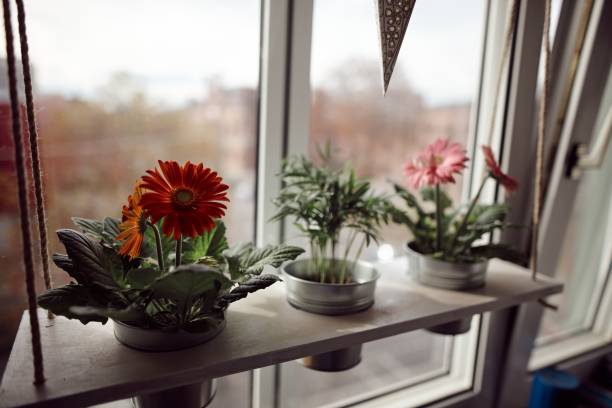
Winter sunlight is already limited, so your pots must be placed where they receive every bit of brightness available. The easiest fix is to shift pots to south-facing areas, where the sun stays longest during winter.
Use reflective surfaces like white walls, tiles, or even a small foil sheet behind the pots to bounce light back onto your plants. This trick works especially well for balconies that get angled sunlight.
Elevate your pots using stands, bricks, or upside-down trays. Cold floors pull heat away from the soil, slowing plant growth. Elevation keeps roots slightly warmer and helps the soil dry better.
You can also group plants together. When clustered, they create a warmer microclimate, reduce heat loss, and improve humidity balance — perfect for winter survival.
Light Mistakes That Kill Winter Plants
Avoid keeping plants in shaded balconies during winter. Even shade-loving species need brighter spots when days are shorter.
Not rotating pots weekly leads to lopsided, weak growth. Turn each pot slightly so all sides get enough light.
Overcrowding is another silent killer — when pots are too close, they block sunlight from each other.
And don’t leave evergreen plants under tall pots or structures. They already survive on minimal sunlight; winter shade pushes them into stress.
🌞 If your plants keep stretching, drooping or drying… it’s not bad care. It’s bad placement. Fix it instantly 👉
Read the full guide
Quick Winter Rescue Tips for Drooping or Shocked Plants
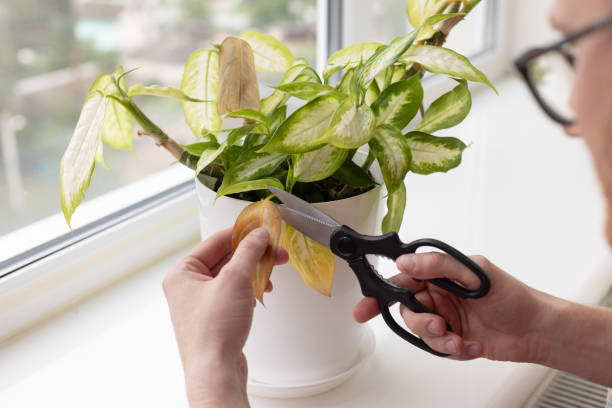
When a plant suddenly droops or looks lifeless in winter, it’s usually reacting to cold shock, low light, or wet soil. These quick fixes help the plant recover without adding extra stress.
Move to a brighter, warmer spot immediately
Winter light is weak, so shifting the plant to a sunny corner (preferably south-facing) gives it instant energy and warmth. Even one extra hour of brightness can improve recovery.
Loosen the top soil to let it breathe
Gently fluffing the top layer improves airflow and helps trapped moisture escape. This reduces the chance of fungal growth and root rot.
Add a dry mulch layer
Use dry leaves, coconut chips, straw, or even paper shreds. Mulch keeps the root zone warm and prevents rapid temperature drops at night.
Check stems/leaves for frost burn and remove damaged parts
Frost-burnt areas turn mushy or dark. Removing them helps the plant redirect energy to healthy growth instead of wasting it on damaged tissue.
Stabilize the plant for 3–5 days before making any changes
After a shock, avoid repotting, fertilizing, or heavy watering. Give the plant a few days to adjust to the new microclimate. Winter recovery is slow but steady.
Conclusion
Winter doesn’t have to be a losing season for your plants. With the right cold-hardy choices, smart pot placement, and a few simple adjustments to soil and light, you can keep your container garden thriving even through the chilliest months. These small steps protect your plants year-round and make winter gardening feel effortless.
If you’ve tried any of these tips — or struggled with a winter plant problem — drop a comment below. I’d love to hear your experience and help you out!
🌿 Winter fertilizers work differently — and using them wrong can actually slow plant growth.
See the mistakes most gardeners make