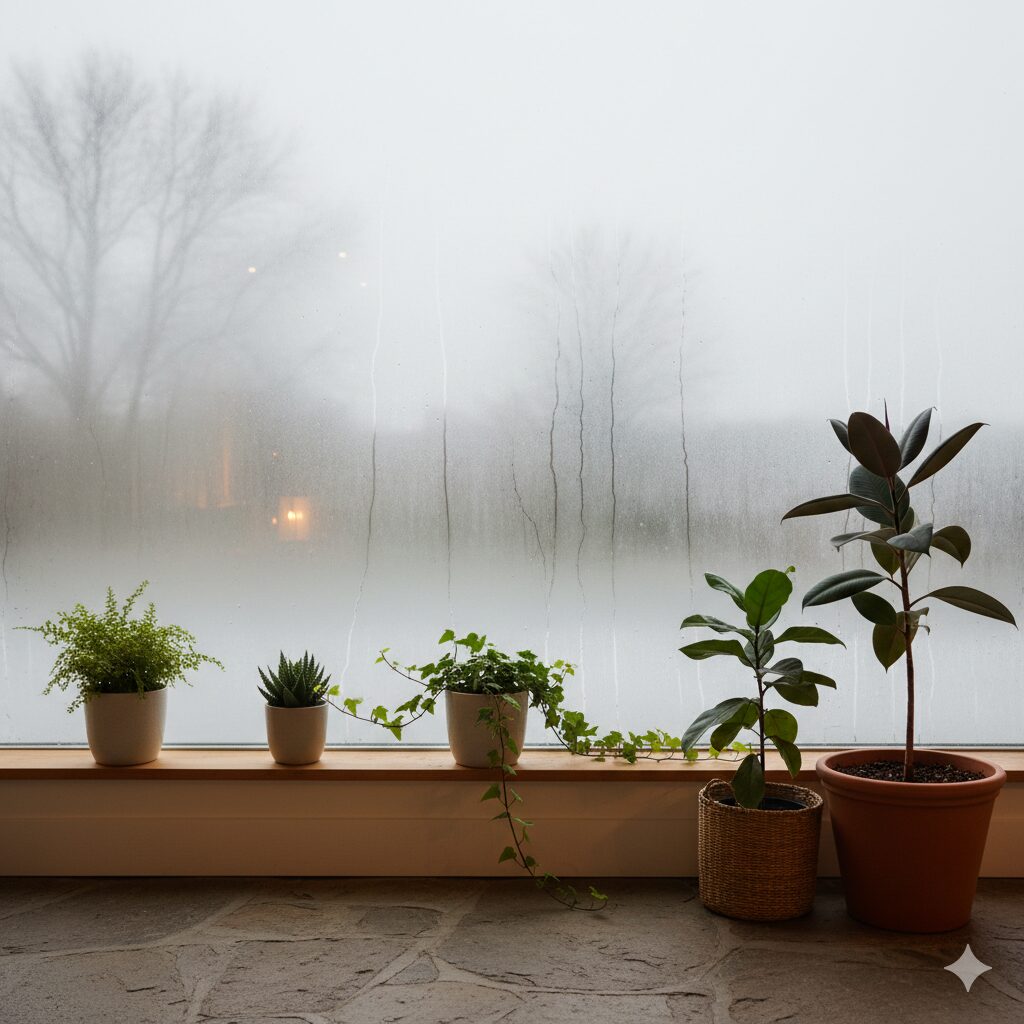
“Winter watering can silently kill healthy plants if we treat December–January the same as summer or monsoon. Cold soil, slow evaporation, and low light change everything — especially in Indian balcony gardens.”
Why Winter Watering Needs a Completely Different Approach?
In Indian winters, the north and south experience two completely different climates. Northern states closer to the Himalayas experience frosty, continental winters, while southern states, such as Tamil Nadu, have a mild coastal winter with cooler nights and higher humidity.
I’m from South India (Tamil Nadu), so I mostly deal with cold nights + moisture-heavy winter, not frost. And NGL, I lost plenty of plants during these months — all because of poor winter watering practices before I even understood the importance of seasonal watering adjustments for container gardening.
Now, after a few years of trial, error, and hands-on terrace garden experience, I’m finally sharing the four biggest winter watering mistakes that kept killing my plants — and exactly how I fixed them using simple, beginner-friendly methods.
These tips will not only help you avoid overwatering mistakes in winter, but also prevent root rot, yellowing leaves, fungal issues, and cold shock — the most common winter plant problems faced by balcony & terrace gardeners in India.
If you’re also from South India, especially Tamil Nadu, Karnataka, Andhra Pradesh, or Kerala, share your winter garden experience with our readers and me. It helps us build a strong, supportive green-thumb community and makes container gardening easier for everyone.
How Much to Water in Winter? (Simple Winter Watering Schedule for Indian Balcony & Indoor Plants)
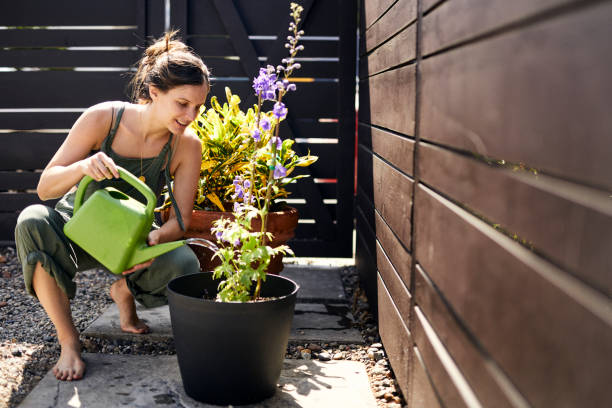
One of the most common yet confusing questions every container gardener asks is:
“How much should I water my plants in winter?”
Honestly, no fixed watering schedule works for every season or every plant. Winter watering is especially tricky because moisture loss slows down, soil stays damp for longer, and pots don’t dry out at the same pace as they do in summer.
Most beginners look for a daily or weekly schedule — but winter doesn’t work like that.
Instead, we follow predicted watering gaps based on:
- Plant type (succulents vs foliage vs flowering)
- Pot size
- Pot material (terracotta vs ceramic vs plastic)
- Seasonal conditions (cold mornings, fog, humidity)
If you want a ready-to-use printable watering schedule, moisture tests, and a weekly log sheet, you can grab my Winter Watering Guide (India Edition) for just ₹199 — it’s designed exactly for Indian balcony gardeners.
Signs Your Plant Actually Needs Water (Low-Light Winter Plant Symptoms)
Winter plants don’t show the dramatic “thirsty” signs we get in summer — no droopy leaves, no dull look, no obvious dehydration. Low light slows down everything, including how plants signal for water.
To avoid accidental overwatering, use these two simple winter moisture tests:
1. Wooden Stick Test (Best for opaque pots)
Keep a small wooden stick or skewer in your garden during winter.
Poke it gently into the soil (away from the roots). If the stick comes up:
- Dry/light → plant needs water
- Damp/dark → soil still moist → wait
2. Finger Soil Test (2–5 cm depth)
Press your finger into the soil. If it feels cool, slightly damp, or sticky → don’t water yet.
3. Clear Pots (Optional but super helpful)
If you’re using clear nursery pots, moisture levels are visible through the sides, which makes winter watering much easier. They’re a great option for beginners who struggle with soil reading. The key rule: Never water “just in case.” Always water only when the soil actually needs it.
🌱 Struggling to know when to water?
Try clear nursery pots — you can literally see the soil moisture.
👉 See my Amazon recommendations here.
How Cold Mornings & Fog Affect Your Pot Plants’ Water Needs
Cold mornings and foggy days have a huge impact on winter watering — especially in Indian states that experience coastal winter (South India) or fog-heavy continental winter (North India).
Here’s what actually happens:
1. Cold Soil = Slower Evaporation
When the night temperature drops, the soil stays cold and damp even after sunrise.
Cold soil barely loses moisture, so watering early in the morning on foggy days can easily cause:
- Soggy soil
- Root rot
- Yellowing leaves
- Fungus on the top layer
This is why winter watering frequency drops naturally.
2. Fog Increases Moisture in the Air
Fog acts like a natural “moisture blanket.”
Plants lose less water, and pots dry much more slowly because the air is already heavy with humidity.
If you live in:
- Tamil Nadu / Kerala / Karnataka (coastal or semi-coastal) → cool + moist = water very less
- Delhi / Punjab / UP / Rajasthan (continental winter) → fog + cold waves = big risk of root rot
3. Low Light Slows Down Plant Growth
Lower sunlight means plants:
- Drink less water
- Grow slower
- Take longer to bounce back from overwatering
This means you should never water based on topsoil dryness alone — always check deeper layers.
4. Best Time to Water During Foggy Winters
Water only when:
- The soil is dry 2–5 cm deep
- The morning sun is mildly warm (9–11 AM)
- Fog has cleared
- The pot feels light when lifted
Winter watering should be slow, intentional, and based on moisture tests, not routine.
💧 From drainage to placement to watering — small errors became big lessons for me this year.
Explore the full 2025 mistakes guide
Exact Watering Techniques I Use to Prevent Root Rot in Cold Months (Root-Rot & Fungus Proofing Guide)
Bottom Watering vs Top Watering in Winter – Which Prevents Overwatering?
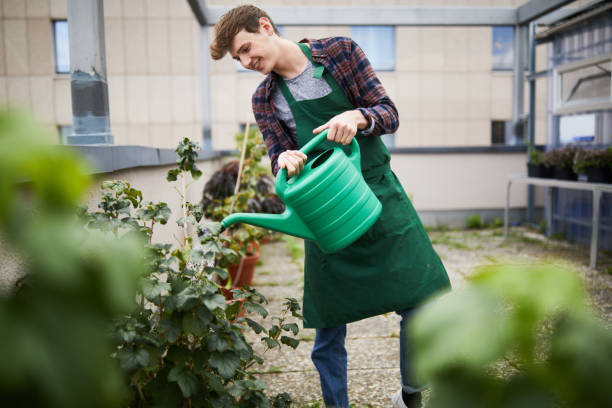
In winter, the soil stays wet for longer because evaporation slows down. That’s why bottom watering becomes a safer option for many balcony plants. When you bottom-water, the plant absorbs only the amount of moisture it needs through the drainage holes — reducing the risk of soggy soil, mushy stems, and root rot, which are very common winter problems in India.
Top watering is still useful for flushing salts and for thirsty plants, but it must be slow and controlled in winter. Always water early morning and stop as soon as you see runoff. If your pots stay wet for 3–5 days, switch to bottom watering for the season. And avoid overhead watering.
👉 Read my blog on simple watering rules for easy container gardening care and keep your plants thriving without the guesswork.
Why You Should Warm the Water Slightly (Only in Winter) for Tropical Plants
Tropical plants like money plant, zz plant, philodendron, anthurium, and alocasia hate cold water on cold soil.
Warm water here does NOT mean hot or boiled.
It means:
- Just above room temperature
- Around 28°C–32°C
- Slightly lukewarm when touched
This gentle warmth helps roots absorb water better, prevents “cold shock”, and reduces the chance of yellowing leaves in winter caused by sudden temperature drops.
Never use hot water — it damages roots instantly.
The 30-Second Drainage Check I Do Before Every Watering
Before watering any plant, I tilt the pot slightly and check:
- Does water drip from the bottom?
- Does the soil smell earthy or sour?
- Is the pot too heavy for its size?
If yes, the soil is still wet — skip watering.
If the pot feels light and the soil looks unevenly dry, water slowly.
Pro Tip:
Once a month, mix a mild liquid fungicide in lukewarm water and bottom-water your plants. This prevents winter fungus, white mold, and early root rot.
👉 Check out my recommended mild indoor-safe fungicide on Amazon
Best Potting Mix for Winter to Avoid Overwatering (Budget-Friendly & Beginner Mixes)
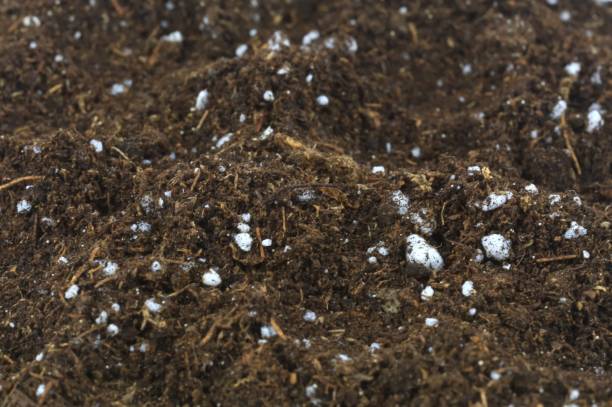
You might be surprised if I say watering issues are directly linked to the potting mix you use — but it’s 100% true. The soil mix ratio controls how long moisture stays, how fast the pot drains, and how much airflow the roots get.
Winter already slows evaporation, so using the wrong potting mix can make overwatering even worse.
This is why customizing your soil from the beginning prevents almost all winter watering problems, especially in balcony and indoor container gardening.
👉 Want an easy beginner formula? Download my free soil-mix guide here.
My Low-Cost Drainage Mix Formula for Balcony Containers
Instead of buying expensive “well-draining” mixes, you can easily create your own budget-friendly winter potting mix at home. It costs almost the same as one 25 kg potting mix bag, but you can make nearly 75 kg of improved soil by adding the right amendments.
Here’s my simple winter-safe mix:
- Cocopeat – improves moisture retention + keeps soil fluffy
- Compost – adds nutrition without making soil too heavy
- Sterilized garden soil – gives structure, but must be treated
- Perlite – excellent for drainage and airflow
- Vermiculite – improves both drainage and moisture balance
- Coconut husk chips – great for winter mulching to prevent soggy topsoil
- LECA balls – perfect for improving bottom drainage in plastic, ceramic, or metal pots
This mix keeps your soil light, airy, and fast-draining, which is exactly what winter plants need to avoid overwatering.
How to Improve Heavy Soil in Existing Pots Without Repotting
To be honest, I always recommend avoiding heavy soil mixes, especially those made of garden soil alone.
Why?
- They compact quickly
- They block root airflow
- They hold too much moisture in winter
- They can even damage floors due to their weight
- They require sterilization before use
If you didn’t repot before winter, don’t worry — you can still fix heavy soil without uprooting your plant.
Quick Fixes:
- Use a hand fork and loosen the top 3–5 cm of soil
- Mix in coarse sand and perlite to open up air pockets
- Reduce your watering frequency by 50–70% in these pots
- Add coconut husk chips on top as mulch to prevent soggy top layers
- Keep the pot in a bright location to encourage faster drying
If your soil has become muddy, smelly, or completely compacted, it’s safer to repot before peak winter rather than risk root rot.
✨ There’s a gentle way to repot even delicate plants — without stress, breakage, or shock. Curious how? 👉
Explore the full guide
Winter Watering Mistakes Most Beginners Make (And How I Learned to Avoid Them)
Watering at the Wrong Time of Day (Peak Evaporation vs Cold Risk)
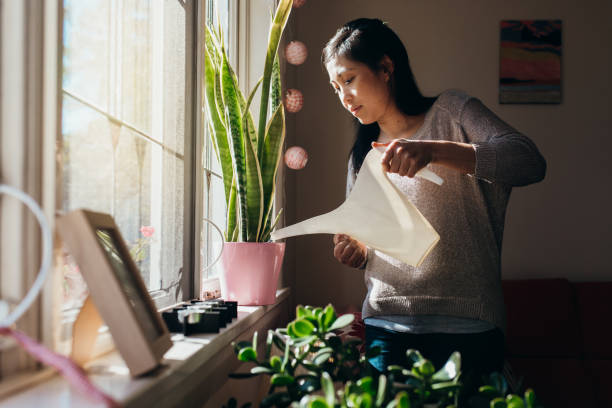
Timing matters more in winter than in any other season. The best time to water plants in winter (India) is between 9 AM and 11 AM, when the soil has gently warmed up but the afternoon heat is still mild. Watering too early, especially before sunrise, keeps the soil cold for longer and increases the chance of root rot.
Watering too late in the day is equally risky. If you water after 4 PM, the soil stays wet and cold throughout the night, which tropical plants absolutely hate. Cold + wet roots = fungal growth, yellowing leaves, mushy stems, and weak immunity.
So, in winter, timing is part of your plant’s survival strategy — not just a routine.
🪴 I ruined dozens of plants by making this simple watering mistake. Here’s what finally worked.
Trusting the Pot Surface Instead of Checking Deeper Soil Layers
One of the biggest winter mistakes is assuming that dry topsoil means thirsty plants.
In reality, the top soil dries fast in winter, but the bottom stays wet due to low light and almost zero evaporation. The result? Many people water again too soon, unknowingly drowning their plants.
Instead of trusting what you see on the surface, check the deeper layers using the finger test (2–5 cm), moisture stick, or a simple wooden skewer. If the bottom is even slightly damp, skip watering.
Remember: Top dry ≠ Plant thirsty in winter.
👉 If you struggle to judge soil moisture by touch, try using a soil moisture meter. It shows the exact wetness inside the pot, so you never overwater in winter.
Check my recommended moisture meter on Amazon →
Overwatering Indoor Plants Due to Low Light & Poor Airflow
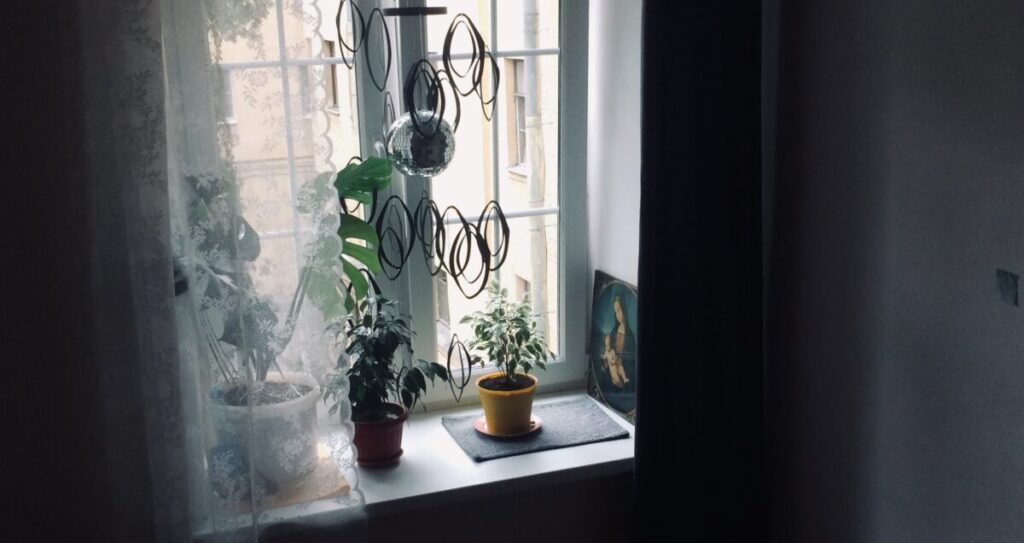
Indoor plants are at the highest risk of overwatering in winter. Homes in India get very little light during December–January, and indoor airflow becomes limited. This slows down water usage dramatically, which is why winter indoor plant care (India) needs a different rhythm.
Place indoor plants near bright windows, rotate them weekly, and avoid crowding them. Poor airflow traps humidity and keeps soil wet for days. Most low-light watering mistakes happen because we treat indoor plants like outdoor ones — but indoors, they drink very slowly.
Always water less, check more, and let indoor soil dry deeper in winter.
🌱 I tested “low-light plants” everyone recommends… and most failed. Only a few truly survived indoors 👉 Discover the tested-and-true list
Conclusion: My Simple Winter Rule That Saves Every Plant
Winter plant care doesn’t have to feel confusing. If you follow one simple rule, you’ll protect almost every balcony or indoor plant you own:
Check the soil → Water at the right time → Use slightly warm water → Keep a well-draining potting mix.
That’s it.
This 1-minute routine saves plants from 90% of winter watering mistakes.
Here’s the quick recap:
🌱 1-Minute Winter Watering Checklist
- Soil Check: Always check moisture 2–5 cm deep
- Timing: Water only between 9–11 AM
- Warmth: Use slightly lukewarm water (28–32°C)
- Potting Mix: Keep soil airy, loose, and fast-draining
- Observation: Watch your plants weekly, not daily
If you’re a beginner, the best thing you can do this winter is slow your watering down, observe how your soil behaves in your climate, and adjust gently. Plants are tougher than we think — they just need the right moisture balance in cold weather.
👉 Get the Winter Watering Checklist & Mini Guide (₹199)
Want a simple, printable winter watering system you can follow every week?
This ₹199 Winter Watering Checklist + Mini Guide (India Edition) gives you:
- Daily soil moisture checks
- Exact winter watering timing
- How much to water by pot size
- Tips to avoid root rot & soggy soil
- A quick plant-specific watering reference
- A weekly tracking sheet to prevent mistakes
Perfect for beginners who want a ready-made winter watering routine without confusion.