Why I’m Changing My Gardening Approach in 2026
(Lessons From 8 Years of Container Gardening)
The real reason behind my change in gardening approach started in 2025, and it has everything to do with my content creator journey.
Subconscious record-keeping, repeatedly revisiting old garden notes, shooting videos, and writing blogs slowly changed the way I looked at my plants. Over the last two years, this process pushed me to observe my container plants more closely, instead of just caring for them on autopilot.
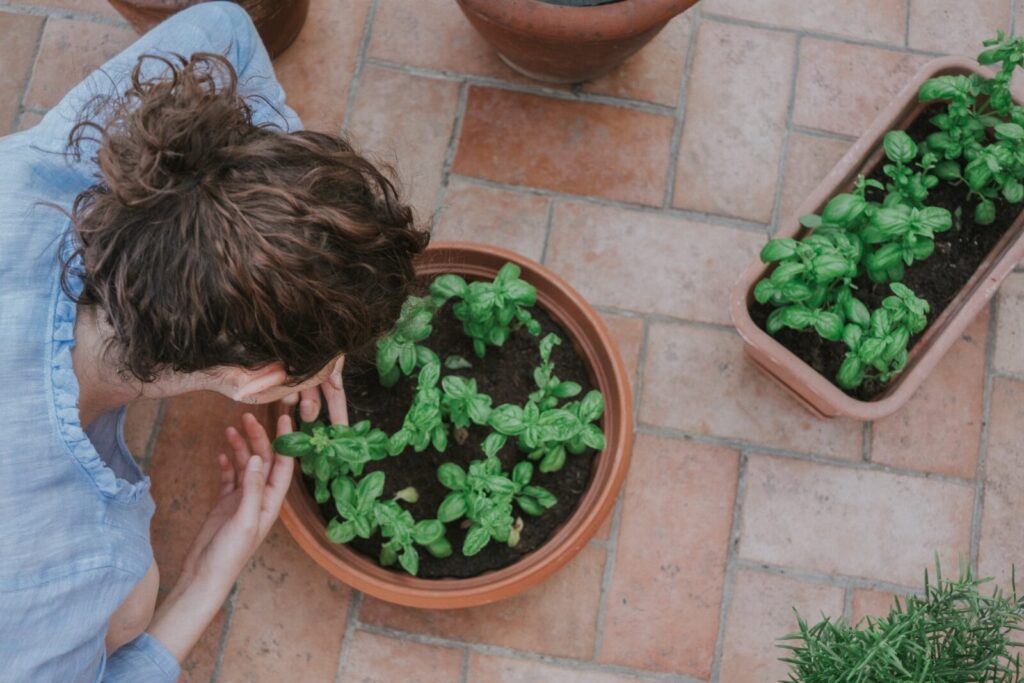
This year, when I became a full-time gardening content creator with a 7/365 content calendar, I started spending much more time with my terrace garden. That extra time gave me an unexpected advantage — I began noticing subtle plant behavior changes that I had ignored for years.
And that’s when I realized something uncomfortable.
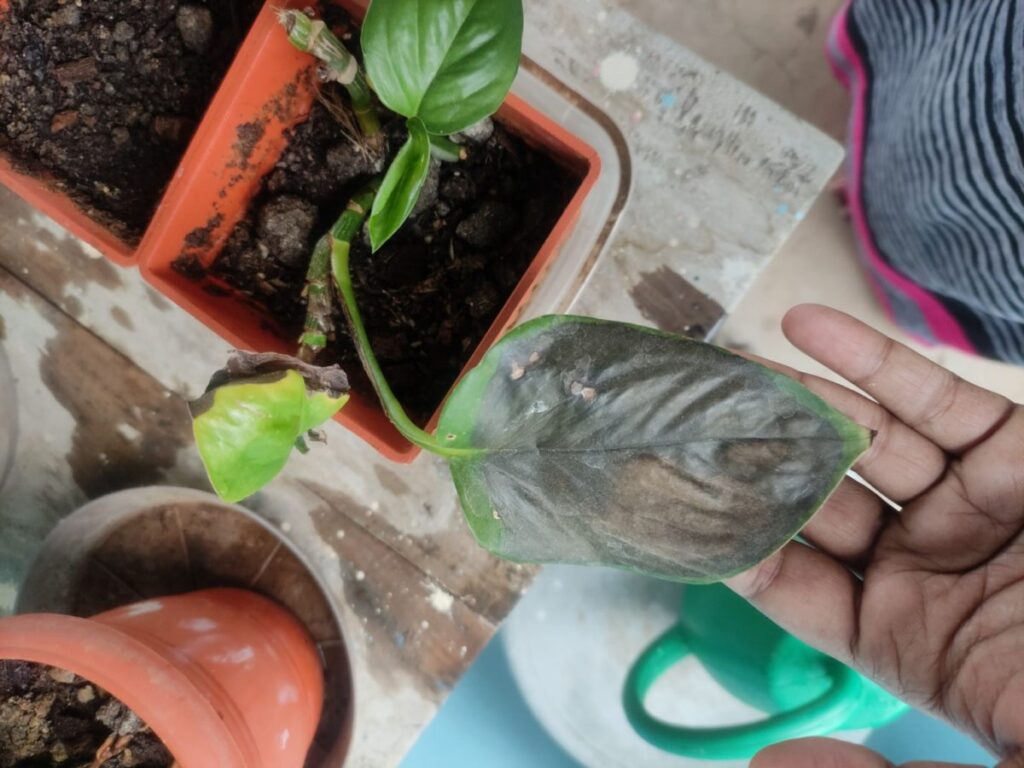
I was mindlessly repeating small container gardening mistakes, even after eight years of experience. Tiny habits — things that felt harmless — were quietly building up into bigger plant health issues. I had become blind to small details that later blew up into serious garden problems, especially in a tropical, hot terrace gardening setup like mine.
Because of this deeper observation, I clearly identified four serious issues in terrace container gardening, particularly for gardeners growing plants in hot and humid climates. These issues weren’t sudden — they were slow, repeated errors that only became visible when I truly paid attention.
So for 2026, my garden won’t be about experimenting more. It will be about making intentional changes in four critical areas and sticking to them consistently.
I’ll be documenting this entire shift — the wins, the failures, and the unexpected outcomes — across my YouTube videos, blog posts, and social media updates, so fellow gardeners can see what actually works in real container gardens, not just in theory. Follow me here.
In this blog, I’m revealing those four lessons in brief — lessons shaped by years of trial, mistakes, and close observation. If you’re struggling with recurring plant problems the way I did, this may help you notice what you’ve been overlooking.
Read till the end to understand these changes better — and to grow smarter, not harder, in your own garden.
Taking Garden Cleaning Seriously as Preventive Plant Care (Not an Occasional Chore)
Regular Pot Cleaning to Prevent Fungal and Pest Issues
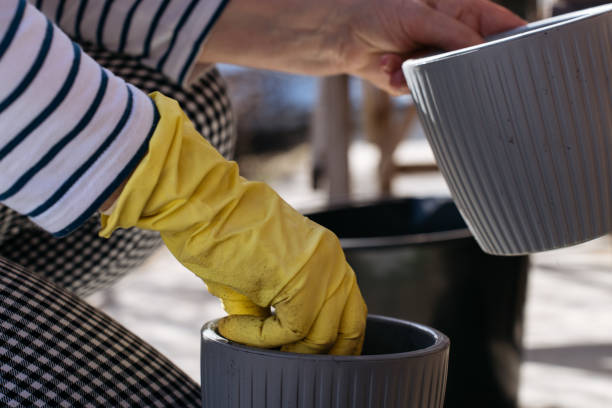
I do clean my pots. If they’re filthy, I wash them like dishes. Otherwise, I scrape off the dried soil, wipe the pot with a tissue, spray a neem oil, soap oil, and water solution, wipe again, and dry them before storing them on shelves.
I genuinely thought this was enough — until I faced repeated mealybug outbreaks, spreading from one plant to another.
That’s when I noticed something frustrating but important: mealybugs hide under the pot rim. That tiny space becomes their shelter. They sit there quietly for weeks and then suddenly come back to life.
With 80+ pots in my terrace garden, this was exhausting. I had no option but to switch to batch-wise deep cleaning — proper dishwashing with a desi dishwashing style, followed by sun drying. Winter sunlight didn’t help much, but it was still better than skipping it.
For 2026, my rule is clear:
Whenever I repot a plant from one pot to another, the old pot will go through deep cleaning, not surface wiping. This helps prevent pest transfer between containers, especially stubborn pests like mealybugs that survive in hidden areas.
After washing, I make sure the pots are kept in direct sunlight for natural sterilization. And if you’re buying new pots, avoid designs with deep rim bends or hidden grooves — those spots are perfect pest hideouts.
Cleaning Garden Spaces to Reduce Pest Breeding
This is where I realized I was completely unaware.
When we spray neem oil or soap solutions on plants, pests don’t always die immediately. Many of them crawl away and hide under wooden table cracks, floor gaps, pot stands, and window corners. My garden space itself had become their backup shelter.
I already broom-clean the terrace weekly, soap-wash the floor regularly, and do salt water cleaning once every few months. Still, pests kept returning — and now I know why.
My new approach is more targeted.
Whenever I spot a pest outbreak, I immediately spray a neem oil + soap oil + vinegar + water solution not just on the plant, but also on the surrounding garden spaces. I repeat this every three days for 21 days to break the pest life cycle, not just reduce visible pests.
For deep cleaning, I use the same solution in water and focus on cracks and gaps. My terrace has many cracks, and fixing them fully is costly and time-consuming. But wherever possible, small cracks should be filled immediately — those tiny spaces silently support pest survival.
Pruning With a Purpose, Not Just for Looks
I’ve already started following this seriously.
We all know about after-bloom pruning and removing excess growth to keep plants healthy. But now, even when I bring in new saplings, I prune decayed parts and heavily pest-affected sections immediately.
For new flowering plants, I also remove premature buds before proper foliage growth. Early flowering drains energy from young plants and weakens their root and leaf development — especially in saplings.
This applies to nursery-bought flowering plants too. Just because a plant comes with flowers doesn’t mean it’s ready to sustain them. Purposeful pruning helps the plant establish itself first, instead of struggling early.
✂️ One pruner surprised me by lasting longer than all the expensive ones. Curious which brand it is? 👉 Find it in the full guide
Growing More Plants From Seeds While Being Selective With Plug Saplings
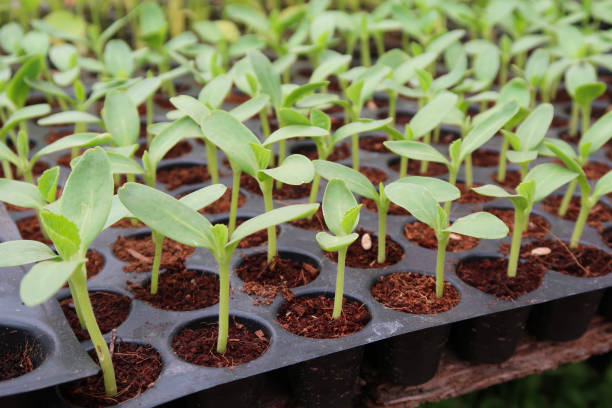
My Seedling Wins in 2025
I’ve always had my own seed collection — not just store-bought seeds, but also seeds saved from seed pods of my existing plants. Still, over the last two years, I wasn’t very focused on seed sowing. I think I got too comfortable buying plants online — and honestly, many of them did grow well.
But in late 2025, I went back to seed sowing using stored flower seeds from my previous annual plants. And the result surprised me.
Those seedlings didn’t just grow — they adapted better, handled pest pressure more confidently, and stayed stronger through climate fluctuations in my terrace garden.
The hidden truth is simple:
Plants grown from seeds in your own garden are already tuned to your local weather. Seeds that sprout and grow in the same climate develop better resilience to heat, humidity, pests, and seasonal stress than plants shipped from completely different geographical locations.
And the bonus? Growing plants from seeds is incredibly affordable. It quietly reduces gardening costs without compromising plant health.
The Plug Sapling Tragedy of 2025
This wasn’t just a 2025 issue — I’ve been facing it since 2022.
Whenever I bought plug saplings from online nurseries, at least 1 out of 10 plants would die due to transplant shock. Earlier, I focused only on the 90% survival rate and ignored the losses.
But in 2025, reality hit harder.
I lost 10–15 plug saplings, one after another, due to root rot, sudden wilting, and post-planting collapse. Plug saplings are definitely cheaper than fully potted nursery plants, both online and offline — but they come with a serious catch.
These saplings are often moved straight from greenhouses into cardboard boxes, then delivered to open terrace conditions. That sudden transition becomes dangerous when combined with extreme weather changes.
And my terrace faced exactly that.
This year brought intense heat not just in summer, but also in late August and September. Then came erratic monsoons in November, followed by high humidity, dry winds, and dropping temperatures in December. That rapid climate shift wiped out an entire batch of plug saplings.
So for 2026, I’m changing my approach.
I’ll only buy hardy plug saplings, and if I need to purchase in bulk, I’ll invest in a greenhouse shelf or protected setup. Introducing plug saplings slowly and gradually into terrace conditions is the only way to reduce transplant shock and root stress.
This isn’t about buying more plants — it’s about helping them survive.
Maintaining a Handwritten Plant Journal to Track Growth, Problems, and Seasonal Patterns
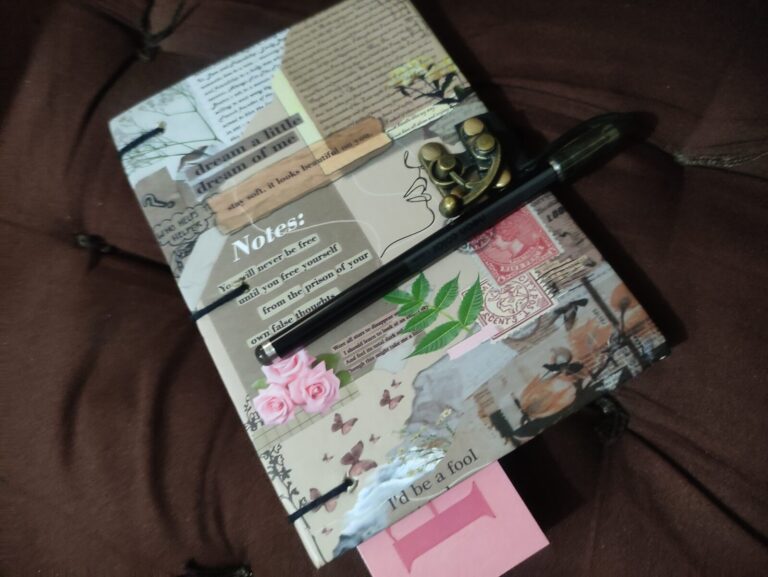
This habit came from my writing routine, but honestly, it was completely unexpected.
I already had plant notes — records of plants I once grew, plants currently in my garden, and even wishlist plants for the future. But starting a handwritten plant journal, even in an imperfect way, changed everything.
That tiny start helped me notice and remember small plant changes, especially when the weather shifted. Writing in my own handwriting, using my personal words, made those observations stick. It became harder to forget what went wrong — and easier to avoid repeating the same mistakes.
This kind of journaling builds awareness naturally. When you write things down in your own tone, your brain connects patterns faster than when you just watch videos or read posts.
As a content creator, there’s another unexpected benefit — unlimited content ideas. While journaling, I often do my own plant problem interpretation, trying to understand why something happened, not just what happened. That deeper thinking improves both my gardening and my content.
This simple handwritten journal helps me track:
- Watering frequency
- Weather and seasonal changes
- Pest issues and early symptoms
- Plant growth patterns
- Fertilizer timing and reactions
More than anything, it helps me build a closer relationship with my garden. General plant knowledge is easily available through blogs, videos, and social media. But a plant journal shows how that knowledge actually behaves in your own garden.
It clearly tells you what worked, what didn’t, and why — something no generic plant care guide can fully replace.
I’ve been using this simple plant journal to record growth, problems, and weather patterns in my terrace garden.
It’s not fancy — just practical.
Catching Pest Problems Early Instead of Fighting Full-Blown Infestations
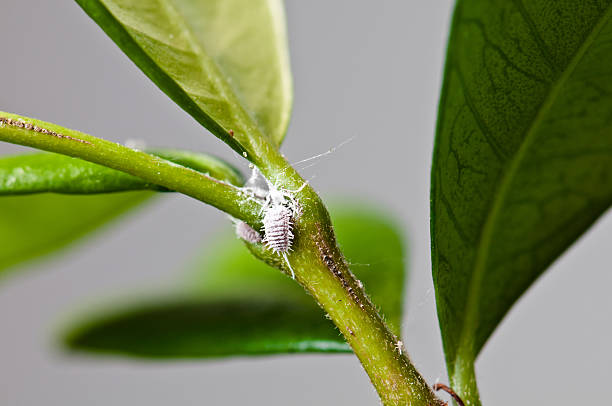
This was one of my biggest gardening mistakes of 2025.
I didn’t regularly check plants that were above my eye level, especially hanging plants. And whenever I was sick or mentally drained, I sometimes skipped visiting my garden for 5–7 days. That gap alone was enough to trigger pest outbreaks.
Pests don’t need weeks — many infest within a 4–5 day cycle. If we check plants at least once every 2–3 days, early signs like tiny spots, sticky residue, or a few insects become visible. Treating pests at this stage usually prevents full-blown infestations completely.
But when we miss that early window, things escalate fast.
So for 2026, I’ve made this rule non-negotiable:
Garden visits every 2–3 days, along with basic cleaning and close inspection — especially of hanging pots and hidden leaf undersides.
The truth is simple: early pest control is far easier than damage control. Once pests multiply, plant survival drops quickly. Sap-sucking pests can drain nutrients and weaken a plant within just a few days if left unnoticed.
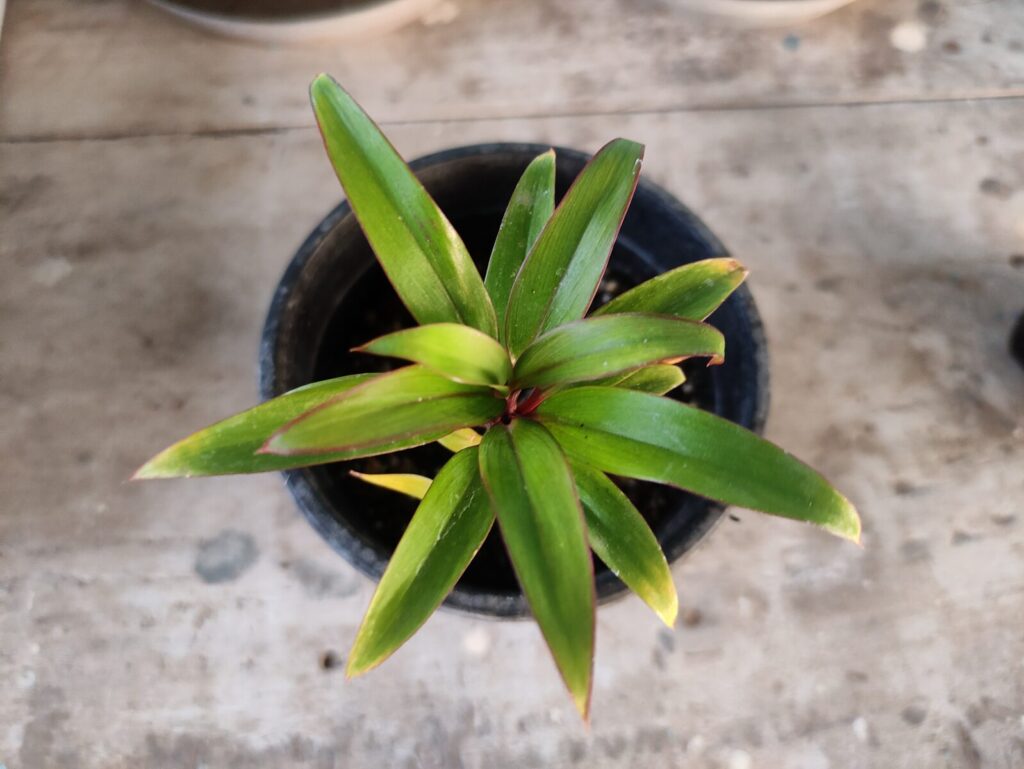
I saw the difference clearly this month with my Cordyline. Because of my journaling habit, I noticed early pest signs, cleaned the surrounding space, shifted the plant, and followed a 7-day-gap pest treatment cycle. That simple early action broke the pest life cycle before it could spread.
That experience alone proved why early pest detection in container gardening matters more than any aggressive treatment later.
🌿 I almost gave up on my plants because of pests… until I found natural remedies that actually work.
Final Thoughts
When I look back at everything I’ve shared in this blog, one thing is clear — my 2026 garden isn’t about doing more. It’s about doing a few things better, consistently.
None of these changes is dramatic on its own. Cleaning pots properly, checking plants every few days, growing more from seeds, journaling, or catching pests early — these are all small habits. But over time, small habits shape the health of a garden more than any new product, fertilizer, or trending method ever could.
After eight years of container gardening, I’ve finally understood this:
Gardens fail slowly before they fail visibly. And the only way to notice that slow failure is by being present — observing, recording, and responding early.
2026 will be a year of intentional gardening for me. Fewer rushed decisions. Fewer repeated mistakes. More awareness of how my plants behave in my climate, on my terrace. I’m not chasing perfect growth anymore — I’m building a garden that can survive, recover, and adapt.
I’ll be documenting this journey honestly — what works, what doesn’t, and what surprises me along the way — through my blogs, YouTube videos, and social updates. If you’re growing plants in containers, especially in hot or unpredictable climates, I hope these lessons help you feel less alone in the struggle.
🌱 Now I’d love to hear from you.
What’s one small gardening habit you’re planning to change in 2026?
Or what mistake did you repeat for years before finally noticing it?
Share your experience in the comments — your story might help another gardener more than you realize.
Let’s grow smarter, together.
And, HAPPY NEW YEAR BUDDY.