Why Many Beginners Feel Confused Choosing Between Nursery Plants, Seedlings, and Cuttings
As a beginner gardener, you usually start with excitement — imagining a garden full of lush green plants and colorful flowers. But that excitement can quickly turn into confusion once you see the number of plant options available in the market. The varieties feel endless.
Even after you figure out which plants might suit your local climate, seasonal weather, and garden space structure, another confusion appears:
Should you start with nursery plants, buy online plug saplings, grow from seedlings, or try starting plants from seeds?
I’ve been in that situation — not just once, but for almost half of my gardening journey. In my early years of terrace container gardening, I was hesitant to try online plug saplings or delicate seedlings, mostly because I wasn’t sure how well they would survive in pots on a hot terrace. So I mostly stuck with nursery plants and seeds. But over time, I learned that both of these options come with their own advantages and limitations.
Later, during my experimenting phase, I became even more curious about the huge variety of seeds and plug plants available online for home gardening. I tried hundreds of plants out of curiosity and learning. But in reality, only around 40–50% of them survived my terrace container garden, mainly because of our local weather conditions and the micro-climate of a terrace garden in India.
That experience taught me something important:
Choosing the type of plant you start with — nursery plant, plug sapling, seedling, or seeds — matters much more in container gardening than most beginners realize.
In balcony or terrace container gardening, potted plants depend heavily on the micro-climate and micro-environment around them. Heat reflected from concrete floors, wind exposure on terraces, sudden sun intensity, and seasonal changes in Indian climates all affect how young plants establish themselves.
At a shallow level, nursery plants, seedlings, and plug saplings may look similar, but their growth stage, root strength, and care requirements are very different. And choosing the wrong type without understanding how they behave in pots can easily lead to plant loss, wasted money, and frustration — instead of the calm and joy that gardening is supposed to bring.
In this blog, I’ll explain how nursery plants, seedlings, and plug saplings actually differ, and which option is usually easier for beginners starting a container garden. I’ll also share the pros and cons of each method based on my 8 years of terrace container gardening experience, so you can choose what works best for your garden space, climate, and skill level.
If you’ve ever stood in a nursery or scrolled through an online plant store wondering “Should I start with seeds or buy nursery plants for my pots?”. This guide will help you avoid many of the mistakes most beginner gardeners only learn after losing a few plants.
“If you’re still learning how to select suitable plants, this guide fits within my detailed resource on Choosing the Right Plants for Container Gardening.”
Are Nursery Plants Better for Beginners Growing Plants in Pots?
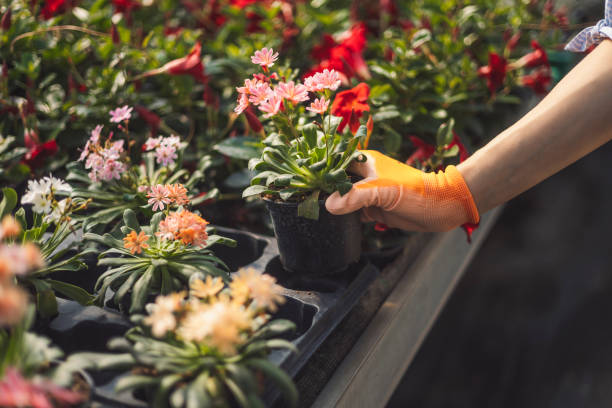
Yes and no. In container gardening in India, local weather plays a much bigger role than many beginners initially expect. Heat, humidity, wind exposure, and reflected sunlight from concrete terraces can affect potted plants more quickly than plants grown in ground soil.
To manage these conditions on a balcony or terrace garden, beginners eventually need to learn the basics of container gardening — especially the key factors that influence plant health in pots, such as sunlight patterns, watering balance, soil mix, and airflow.
Over time, this learning curve helps you create a more stable micro-climate and micro-environment for potted plants. Nursery plants, like any other plant starting method, come with both advantages and limitations. But in India, when people begin gardening, the first option most of us naturally turn to is the local plant nursery.
Since this is usually the easiest and most accessible option for beginners buying plants for a terrace or balcony garden, it helps to understand the real pros and cons of nursery plants in container gardening. Once you know what to expect, you can use this option more wisely. Continue reading this section to understand it better.
What Exactly Are Nursery Plants?
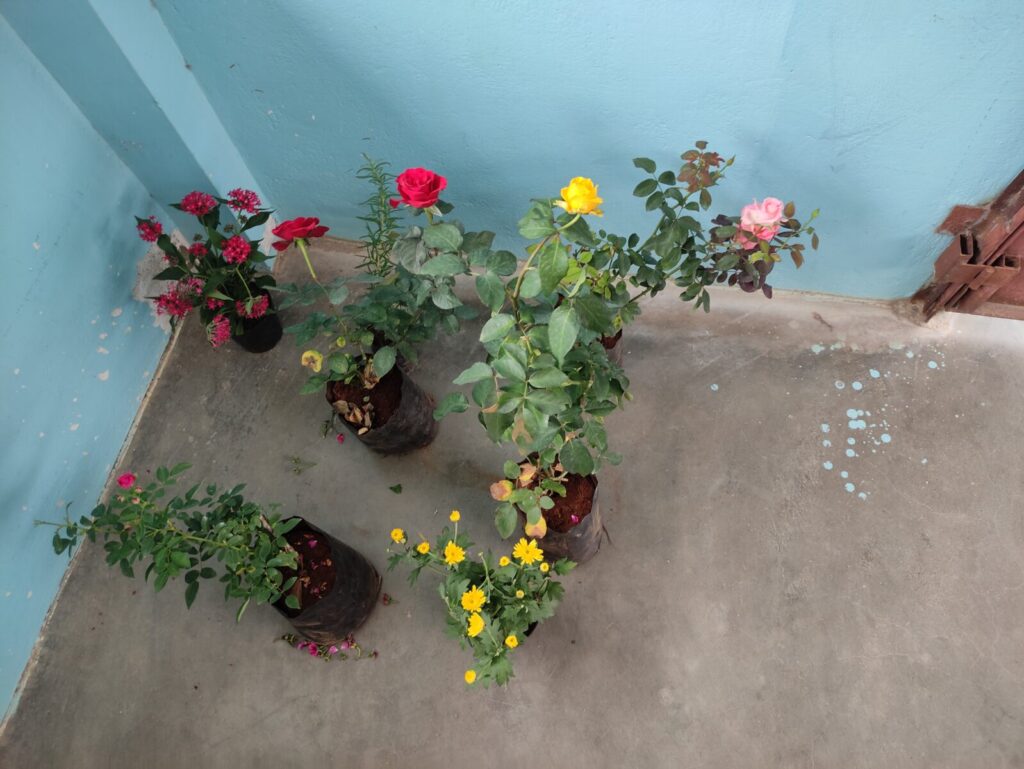
Unlike online plug saplings or young seedlings, nursery plants are usually a few months old and already have established root systems. Their roots are more developed, which means they generally tolerate location changes and environmental adjustments better than very young plants. They also tend to recover more easily from repotting stress in container gardening.
Another advantage is that nursery plants are already grown in pots, so they usually have some level of adaptability to container conditions. This makes them a practical starting option for beginners who are still learning how plants behave in pots on balconies or terraces.
However, there is an important detail many beginners overlook. Most nursery plants are grown in protected environments such as shade houses or greenhouses. When you suddenly place them under the direct sun and wind of an Indian terrace or balcony, they may experience stress during the adjustment period.
This is why understanding your garden space matters. Knowing how much sunlight, wind exposure, and heat reflection your balcony or terrace receives helps prevent placing plants in the wrong spot where they may struggle.
And remember, even nursery plants with better tolerance can suffer if you start gardening without understanding the basic principles of container gardening for beginners.
New to container gardening and not sure where to begin?
Start your journey with the beginner roadmap
Why Nursery Plants Often Survive Beginner Mistakes
When people first start gardening, small mistakes are common. Beginners may forget watering occasionally, delay fertilizing, or place plants in the wrong sunlight spot.
If the plant is a delicate seedling or plug sapling, these mistakes often show quickly because the roots are still developing and the foliage is fragile.
But nursery plants usually have stronger roots and sturdier stems, which help them tolerate small care mistakes better. They often react more slowly to stress compared to very young plants.
That doesn’t mean they can survive constant neglect. It simply means they are more forgiving during the early learning stage of beginner container gardening.
Their stronger foliage and stems also help them handle wind exposure on terraces and balconies, where sudden gusts can damage young seedlings.
Another reason many beginners prefer nursery plants is that once they settle into their new pot, they often show visible growth faster — producing new leaves or flowers sooner than seedlings that are still in early vegetative stages.
Common Beginner Mistake When Buying Nursery Plants
Even if you understand the advantages of nursery plants, choosing the wrong plant at the nursery can still lead to problems.
One common beginner mistake is buying plants without checking their condition properly. When visiting a local nursery, it helps to look for healthy, well-maintained plants rather than simply choosing the most attractive one.
A few simple checks can make a big difference:
- Buy from a reputable local plant nursery whenever possible.
- Check that the plant is free from visible pests or disease.
- Avoid plants that look stressed, wilted, or heavily damaged.
- Look for firm stems and healthy foliage, not weak or drooping growth.
- Check the bottom of the pot for severe root-bound signs, where roots circle heavily around the drainage holes.
These small observations can help beginners buy healthier nursery plants for balcony or terrace container gardening, reducing the chances of early plant loss.
🪴 I used to pick the prettiest plants at nurseries — until they struggled at home. Discover the smarter selection method
Are Seedlings Too Delicate for Container Gardening Beginners?
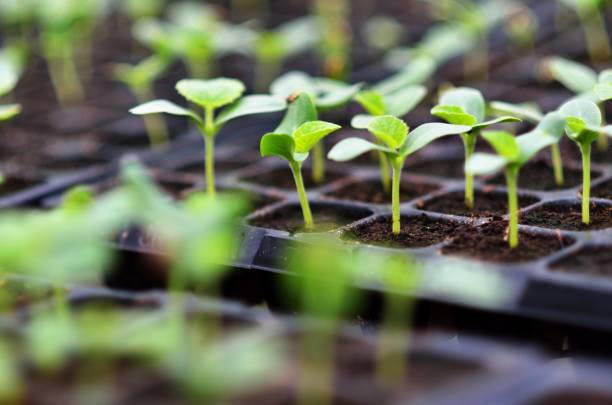
What Makes Seedlings Different from Nursery Plants
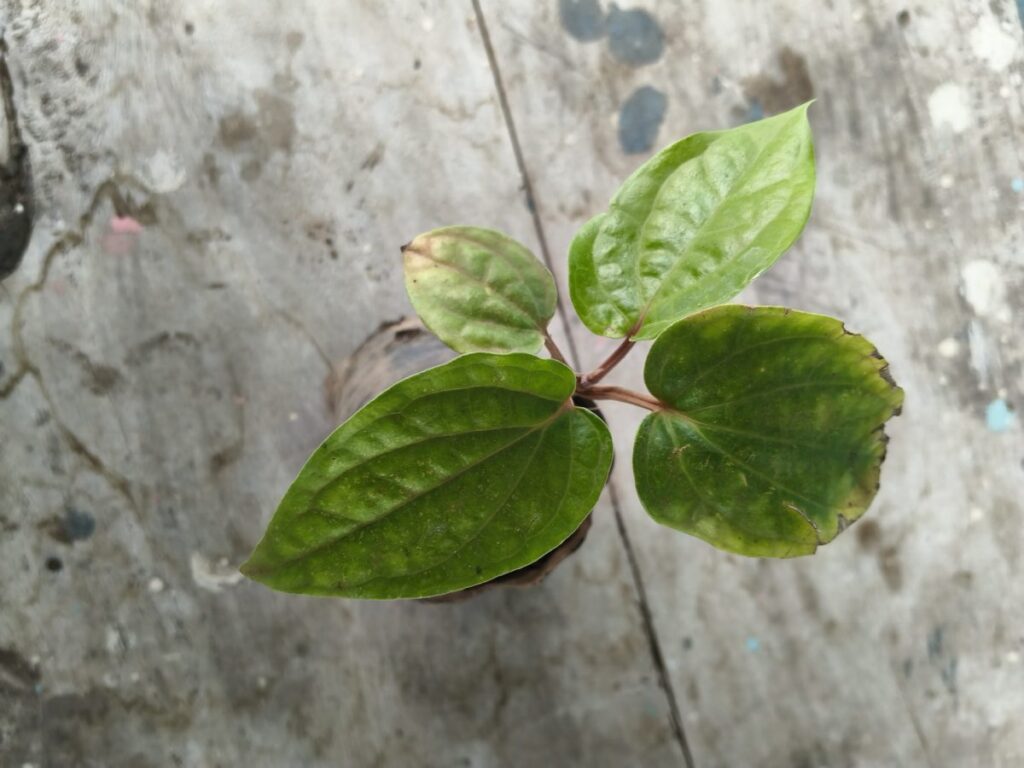
Compared to nursery plants or plug saplings bought from online nurseries, seedlings are much more delicate because their roots are still developing and their foliage is not fully established yet. At this stage, the plant is still in its early vegetative growth after germination, which makes it naturally more sensitive to environmental changes.
However, this isn’t necessarily a disadvantage if you understand how seedlings grow and what they need during the germination and early growth stage. With the right care and patience, seedlings can grow into very strong plants.
Among the three starting methods — nursery plants, plug saplings, and seeds — growing plants from seeds is usually the most affordable option for beginners starting a container garden. Seeds allow you to experiment with many plant varieties without spending much money. This is why many home gardeners try starting plants from seeds in pots or seed trays.
But understanding how seedlings behave helps you decide when they are a good option and when they might be better avoided, especially if you are still learning the basics of container gardening.
Why Seedlings Struggle on Balconies and Terraces
The main reason seedlings struggle in balcony or terrace container gardening is that their root systems are still very small. In the early stage, seedlings usually develop fine hair-like roots, which are delicate and not yet strong enough to handle sudden environmental stress.
The foliage is also still emerging after germination. Even if the plant belongs to a naturally hardy plant family, the seedling itself is still fragile until the roots and leaves become stronger.
In many Indian terrace gardens, plants face more heat than beginners expect. It’s not just the summer sun — nearby buildings, concrete floors, terrace walls, and metal grills all reflect and emit heat during the day. This creates a hotter micro-climate around potted plants, especially during late morning and afternoon hours.
Delicate seedling foliage often struggles to handle this heat stress on balconies and terraces.
Another challenge is watering. Seedlings are usually grown in seed trays or very small nursery pots, which dry out quickly in hot weather. If you forget watering even once on a hot day, seedlings can wilt very quickly. But at the same time, overwatering can also damage seedlings, leading to issues like damping off or root rot in seed trays.
Unlike established nursery plants or young saplings, seedlings react much faster to these stress factors, and their chances of recovery are usually lower if the roots are damaged.
When Seedlings Actually Work Well for Beginners
Even though seedlings can be delicate, they can still work very well for beginners — especially if you have a consistent gardening routine.
If you can spend around 20–30 minutes daily observing and caring for your plants, growing from seeds can become a very rewarding method. A simple setup like a shaded area for seed trays with bright indirect light can protect seedlings from strong terrace heat while they establish their roots.
Once seedlings grow into young saplings in the same environment where they will eventually live, they often adapt better to the local weather and seasonal changes. Plants raised from seed in your own space can gradually adjust to your garden’s micro-climate, which sometimes helps them develop stronger resilience to heat, wind, and common pest pressures.
Seedlings are therefore a good option for gardeners who can maintain a regular plant care routine. They do not require heavy feeding, expensive potting mixes, or frequent fertilizers in the early stage.
What they mainly need is:
- Balanced watering without letting the soil dry out completely
- A light, well-draining seed starting mix
- Gentle light and protection from harsh direct sun
- Minimal feeding until the plant establishes stronger growth
With a little patience and observation, seedlings can turn into some of the most adaptable plants in a terrace or balcony container garden.
🌿 Some plants struggle in pots no matter how well you care for them. Find out why containers don’t suit every plant
Should Beginners Grow Plants from Cuttings in Containers?
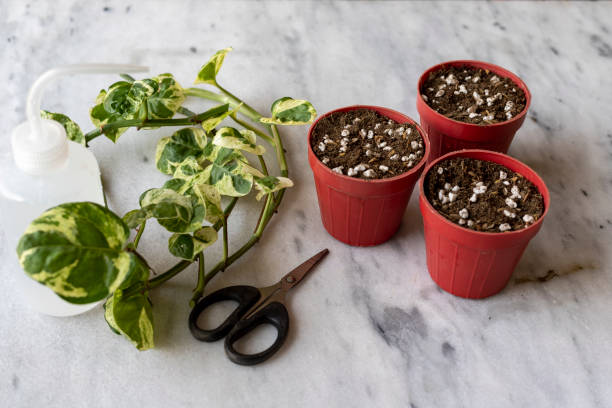
Why Cuttings Are Popular in Home Gardening
Growing plants from cuttings is one of the most common and low-cost methods used in home gardening. In India, it is very normal to receive plant cuttings from friends, family members, or neighbors who already have a garden. This makes it an easy way to expand your plant collection without spending much money.
Generally, plant cuttings fall into two categories:
- Fresh cuttings taken directly from a plant without roots
- Already propagated cuttings (plug saplings) with small developing roots, often sold by online nurseries
When cuttings are shared for free, they are usually fresh stem cuttings without root development. On the other hand, online plug saplings are often cuttings that have already started forming roots in a controlled nursery environment.
If you manage to get cuttings from healthy parent plants, or purchase well-rooted plug saplings from a reliable nursery, they can become an affordable way to grow many plants in a balcony or terrace container garden. For beginners trying to build a garden slowly on a budget, cuttings can be a practical starting option.
Why Cuttings Sometimes Fail in Pots
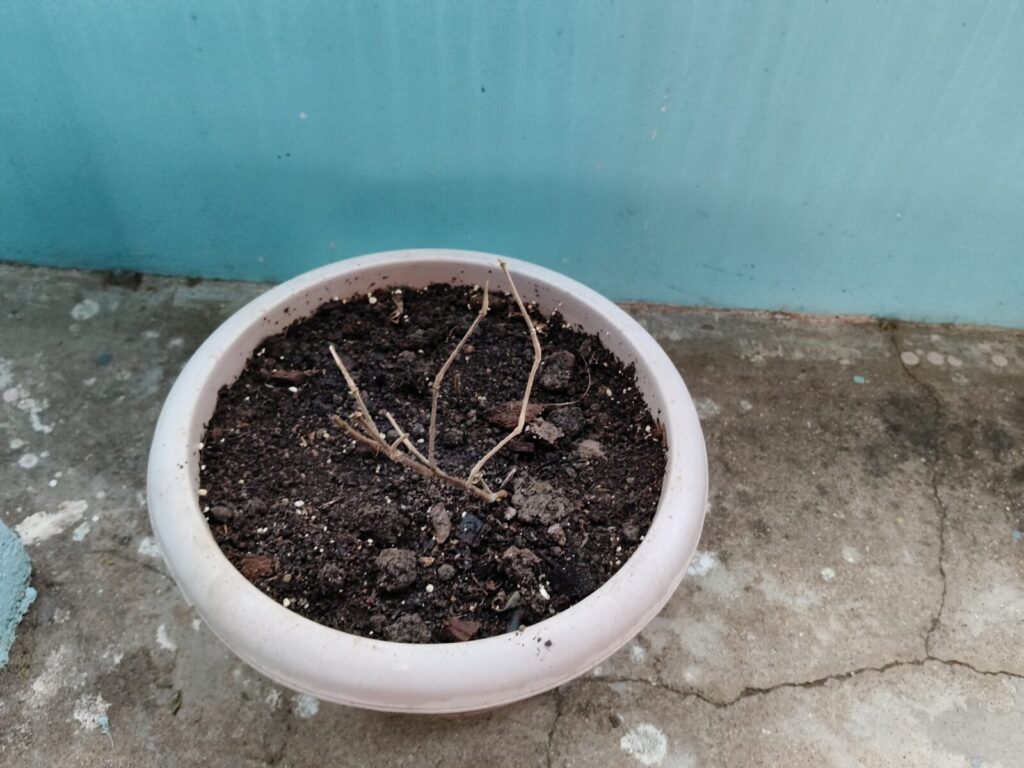
Fresh cuttings that do not yet have roots often have lower survival chances if they are directly planted into pots without proper care. Root development requires the right conditions — especially a light, well-draining potting mix, balanced moisture, and stable temperature.
If these conditions are not maintained, the cutting may dry out before roots form, or it may rot due to excess moisture.
Even plug saplings with small root systems can struggle if planted incorrectly. For example, problems often happen when:
- They are planted in heavy garden soil instead of a loose potting mix
- Fertilizers are applied too early or in excess
- Watering is inconsistent — either too dry or too wet
These conditions can stress the young roots and sometimes lead to root rot in container plants.
Compared to established nursery plants, cuttings and plug saplings are still in an early development stage, so they react more quickly to mistakes in watering, soil structure, or sunlight exposure.
When Cuttings Are a Good Option for Beginners
Cuttings can still work well for beginners when they come from hardy plants that root easily. Many common garden plants propagate successfully through cuttings, especially when the cuttings are taken from healthy and mature plants.
Similarly, plug saplings purchased from reputable nurseries often have better survival chances because they already have partially developed roots.
However, beginners should remember that many of these plug saplings are raised in protected nursery environments or greenhouses. When they are suddenly exposed to strong terrace sunlight, wind, or heat, they can experience stress.
To help them adjust, it is better to place newly planted cuttings in bright indirect sunlight with good ventilation for the first few days or weeks. Gradually introducing them to your balcony or terrace conditions helps reduce transplant shock and root stress.
Another reason many beginners consider cuttings is affordability. Plug saplings are usually cheaper than fully grown nursery plants, and even expensive houseplants are often sold in plug form at a more affordable price.
For gardeners building a budget-friendly container garden, cuttings and plug saplings can be a useful option — especially once you understand how to handle their early growth stage.
So What Should Beginners Actually Start With in Container Gardening?
After understanding the differences between nursery plants, seedlings, and cuttings, many beginners still ask the same question: what is the safest way to start a container garden without losing too many plants in the beginning?
From practical experience, the answer is not about which method is “best” overall, but which method matches your current gardening experience and routine. In balcony or terrace container gardening, plants face limited soil space, fluctuating sunlight, and strong local weather conditions. Because of this, choosing the right starting stage of a plant can make the early gardening journey much smoother.
For most beginners, the safest approach is to start with plants that are already stable enough to tolerate small mistakes, and then slowly experiment with more delicate stages like seedlings or cuttings as your confidence grows.
The Safest Starting Point for New Gardeners
For beginners starting a container garden on a balcony or terrace, small healthy nursery plants that are still in the vegetative stage are usually the easiest option.
Plants that are already fully flowering in the nursery may look attractive, but they often experience more stress after transplanting into a new pot or environment. Choosing plants that are healthy but not heavily flowering gives them time to adjust and establish stronger roots in your container garden.
Nursery plants already have:
- Developed root systems
- Stronger stems and foliage
- Better tolerance to watering mistakes or sunlight adjustments
This makes them more forgiving while you are still learning basic container gardening practices like watering frequency, potting mix balance, and plant placement on your balcony or terrace.
Starting with nursery plants also helps beginners observe plant behavior in pots, such as how soil dries out, how plants respond to sunlight, and how seasonal changes affect growth.
When to Try Seedlings Later
Once you gain some experience with plant care, seedlings become a great next step.
After a few months of gardening, most beginners naturally start understanding things like:
- Watering rhythm for potted plants
- How quickly soil dries in different pot sizes
- Which spots on the balcony or terrace receive strong sunlight, partial sun, or indirect light
This knowledge is important because seedlings require more consistent care than established nursery plants.
At this stage, you can start experimenting with growing plants from seeds in seed trays or small nursery pots. Seedlings give gardeners the opportunity to grow a wider variety of plants at a much lower cost, which is why many container gardeners eventually enjoy seed starting.
Because seedlings grow from the beginning in your own garden environment, they also gradually adapt to the local micro-climate of your terrace or balcony, making them stronger over time.
When Cuttings Become a Smart Option
Cuttings usually become easier to manage once you understand root growth and soil moisture balance in container gardening.
At this stage, gardeners typically have experience with:
- Choosing the right potting mix for containers
- Maintaining balanced watering without overwatering
- Observing how plants react to transplant stress or sunlight changes
With this understanding, it becomes easier to grow plants from stem cuttings or plug saplings.
Many popular plants in home gardens — such as coleus, money plant, mint, hibiscus, and some flowering plants — propagate successfully through cuttings. Once you learn the basics of rooting and plant care, propagation becomes an affordable way to expand your garden.
Cuttings are especially useful for gardeners who want to multiply plants without frequently buying new ones from nurseries.
Practical Takeaway: A Simple Beginner Progression Path
A practical approach many home gardeners naturally follow looks like this:
1️⃣ Nursery plants →
Start with small, healthy nursery plants to learn the basics of watering, sunlight management, and pot care in container gardening.
2️⃣ Seedlings →
Once you understand your garden’s sunlight pattern and watering routine, try growing a few plants from seeds to explore more varieties at a lower cost.
3️⃣ Cuttings / propagation →
After gaining confidence with plant care and root management, experiment with propagating plants from cuttings or plug saplings to expand your garden naturally.
This gradual progression helps beginners reduce plant loss, build confidence, and develop a deeper understanding of how plants behave in containers.
Instead of rushing into every method at once, learning each stage step by step often leads to a more stable and enjoyable container gardening journey.
Final Thoughts: The Best Way to Start Container Gardening Without Losing Plants
There is no single “correct” way to start container gardening. Every gardener begins with a different space, climate, and routine. What works well for one garden may not work the same way for another. Especially in balcony or terrace container gardening in India, local weather, sunlight exposure, and the surrounding environment influence plant survival much more than beginners initially expect.
However, one pattern becomes clear through experience: beginners usually do better when they start with forgiving plants.
Nursery plants often provide that safety margin. Because they already have established roots and stronger foliage, they tolerate small beginner mistakes more easily. When you are still learning how often to water potted plants, how quickly soil dries in containers, and how sunlight moves across your balcony or terrace, having plants that can handle a little trial and error helps reduce early frustration.
This stage is important because container gardening is not only about growing plants — it is also about learning how your specific garden space behaves. Every balcony or terrace has its own micro-climate created by sunlight direction, nearby buildings, concrete heat reflection, wind flow, and seasonal weather changes. Starting with stable nursery plants gives you time to observe these patterns without losing too many plants in the process.
As your confidence and observation skills grow, experimenting with seedlings and cuttings becomes much easier. By then, you already understand your garden’s watering rhythm, the safest spots for young plants, and how to protect them from strong sun or wind.
Seedlings then become a great way to grow a wider variety of plants from seeds at a lower cost, while cuttings allow you to propagate plants and expand your garden without always buying new ones.
Over time, most container gardeners naturally begin to use all three methods — nursery plants, seedlings, and cuttings — depending on the plant type and the season.
The key is not to rush the process. A gradual approach helps beginners avoid unnecessary plant loss, save money, and build real gardening confidence.
If you are just starting your balcony or terrace container garden, focus first on learning how plants behave in pots. Once you understand your space and routine, trying seedlings and plant cuttings will feel much less risky — and much more rewarding.
“If you’re unsure how to choose the right plants when visiting a nursery, read my guide on How to Choose Plants at a Nursery for Terrace Pots.”
Want to see real plant examples instead of just reading about them?
I document these container gardening lessons step-by-step on YouTube.
Watch practical terrace garden breakdowns here → Gardener Jay on YouTube