Why do my garden tools become rusty, wear and tear in weeks of usage?
This is a common problem in balcony gardening and terrace container gardening in India, where tools rust quickly due to moisture, humidity, and improper storage.
Even when you invest in good quality gardening tools, they can still rust if basic maintenance is missed.
If your pruning scissors, trowel, or hand tools are rusting fast, it’s usually not a product issue—it’s a care and storage issue.
Understanding how to prevent rust on gardening tools in small spaces can save you from frequent replacements.
You might wonder — cheap tools rust, fine… but I upgraded to better quality tools, why are these also rusting?
If your quality hand gardening tools get rusty, paint starts wearing off, or joints become stiff, it’s usually not a quality issue. It’s a maintenance issue.
Keeping tools with soil debris, leaving them under direct sun exposure, or storing them while still moist — the list goes on. These small habits quietly damage even the best tools.
Tool lifespan doesn’t depend only on how you use them, but more on how you maintain gardening tools after use and how you store them in balcony conditions. If you’re unaware of basic tool cleaning and storage practices, it’s no surprise your tools keep rusting and failing. Fixing this can save you from repeatedly buying new tools and wasting money.
In this blog, I’ll share my 8 years of container gardening experience, especially in Indian terrace and balcony setups, on cleaning, maintaining, and storing tools properly. My tools are almost 6 years old and still working well — not because they are expensive, but because of simple, consistent care.
🪴 Think tools are optional in container gardening? They quietly decide how easy (or hard) your routine becomes.
See why tools actually matter
What problems do beginners notice when garden tools are not cleaned or stored properly?
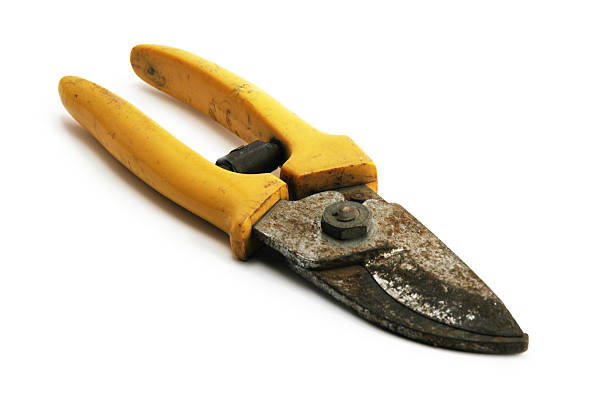
Rust on blades (pruners, scissors) is one of the first visible signs—but it doesn’t start as heavy rust immediately. Initially, blades begin turning dull, slightly dark or blackened. This is the early stage where moisture and residue start reacting with the metal. Slowly, this develops into rust, which eventually damages the blade edge and reduces cutting performance.
Soil sticking and hardening on trowels is a classic issue, especially in container gardening setups with cocopeat and potting mix. Many beginners leave tools with moist soil after use. You may think the metal or paint coating will protect it, but repeated exposure to wet soil slowly wears off that coating. Once that layer weakens, moisture sits longer on the surface, leading to rust formation on gardening tools.
Tools becoming stiff and difficult to use is another common problem. This usually happens when rust starts forming inside joints or over the smooth metal surface. The more the tool stiffens, the more pressure you apply during use—and that directly affects plant health.
Using rusted pruners or scissors damages plants while cutting. Instead of clean cuts, they create rough, crushed cuts that take longer to heal. If ignored, this can increase the risk of stem rot or infection in potted plants, especially in humid balcony conditions.
Many beginners get frustrated replacing tools frequently and wonder why even good quality gardening tools are wearing out quickly. The key issue is rarely quality—it’s leaving tools with debris after use, storing them in damp balcony spaces, and not maintaining them regularly.
Is it normal for pruning scissors to stop cutting properly after a few uses?
No, it’s not normal—especially with decent quality tools. Good pruners can last for years, even in balcony or terrace gardening in India, if maintained properly.
Blades naturally become dull over time with use, but if your pruners stop making sharp, precise cuts after just a few uses, it’s usually a sign of poor maintenance. Leaving them uncleaned after pruning, storing them with moisture, or not oiling them occasionally all contribute to this issue.
From my experience, I’ve been using the same pruners for 5–6 years, and they still give clean, strong cuts. Not because they are expensive—but because of consistent habits like cleaning after each use, proper storage, and occasional oiling.
Also, if you are using regular scissors for pruning and not keeping them exclusively for plants, that can cause dull cuts faster. Keeping tools dedicated for gardening and maintaining them clean is more important than investing in premium pruning tools.
Why do my tools feel sticky or jammed after working with soil?
This is mainly due to soil debris. In container gardening, materials like soil, cocopeat, compost, and fine amendments easily stick to tools after use.
At a surface level, it may look like simple soil stains—but in reality, fine particles settle into tight gaps, joints, and edges where you don’t notice them immediately. Over time, this buildup makes tools feel sticky or jammed.
Cleaning is simple but often skipped. Remove visible debris, and if needed, wash tools lightly. But the important part is drying them completely—never store gardening tools with moisture, especially in humid balcony environments.
Also, just washing and storing is not enough if you don’t understand proper cleaning. Leaving even slight moisture or residue can still lead to rusting over time. Consistent, basic care is what keeps tools working smoothly.
🪴 You don’t need more effort — you need the right tools to make gardening easier. Learn how tools simplify your routine step by step
Why do garden tools rust and get damaged faster in pots and terrace conditions?
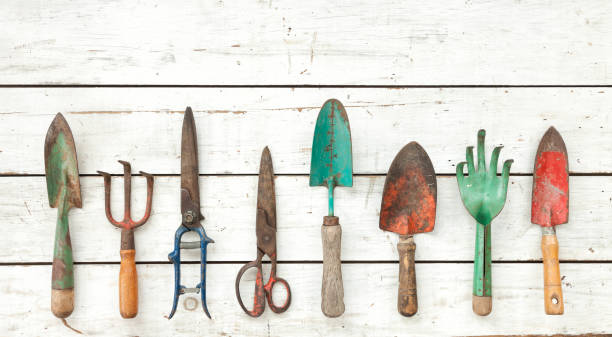
While using container gardening tools in terrace and balcony setups, many gardeners have the habit of leaving tools on the floor or wherever they finish using them.
There’s usually no dedicated storage space—because of space constraints, forgetting where we kept them, or simply not having the habit of storing them properly.
It sounds like a small thing, but leaving tools on the floor near pots means constant exposure to water, humidity, and heat. In balcony gardening, water drainage, wet floors, and direct sun exposure happen back to back. This quickly wears out the protective coating on hand tools like trowels and rakes. Pruners and metal tools start changing colour, then slowly begin rusting.
At the same time, this lack of proper storage means tools are often left with soil debris and moisture after use. In some cases, if tools are used for pest treatment and not cleaned, you may unintentionally spread infections between plants. This is a common but unnoticed issue in small-space container gardening in India.
Does leaving tools in pots or soil cause rust faster?
Yes, leaving tools in pots or soil definitely causes faster rusting.
Soil in containers always holds some moisture, especially near the pot base where drainage water collects. Keeping tools in or near this area exposes them to continuous damp conditions, which accelerates rust formation.
Dried soil stuck on tools may look harmless, but over time it wears down the protective coating. Once that layer is damaged, moisture directly affects the metal surface, leading to rust. It can also weaken handles and joints if ignored.
Tools don’t need fancy storage, but they do need a dedicated dry space. Even a simple shelf, bucket, or hanging setup where tools don’t touch wet surfaces can make a big difference. Keeping tools dry and off the floor is one of the most underrated habits in preventing rust on gardening tools in balconies.
Why does balcony humidity damage metal tools quickly?
Balcony and terrace environments naturally expose tools to humidity, dust, moisture, and heat cycles. This repeated exposure—wet from watering, then hot from sunlight—gradually breaks down the protective coating on tools.
Once that coating weakens, the metal underneath becomes vulnerable to rust. This is why even good quality gardening tools can wear out quickly in terrace conditions if not maintained properly.
It’s not a quality issue—it’s a maintenance issue. Most tools are made with durable metal and coated for protection, but leaving them with soil debris, moisture, and improper storage cancels out that protection.
Simple habits like cleaning after use, drying tools completely, and storing them in a dry place can significantly extend tool life—even in humid Indian balcony gardening conditions.
How to clean, store, and maintain gardening tools properly in small balcony spaces?
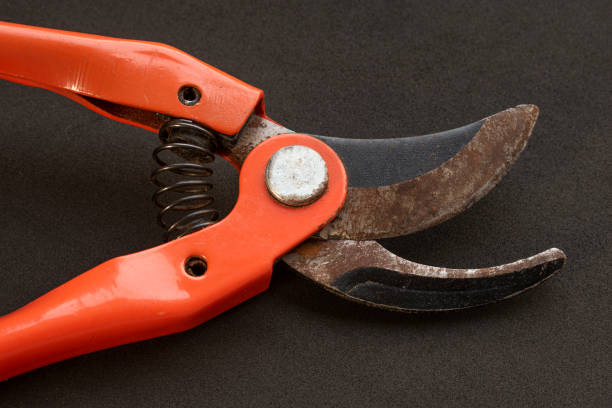
To keep tools clean, you don’t need heavy work or a strict schedule—just simple, consistent habits. These small routines may feel boring, but they directly extend the lifespan of gardening tools and keep them working smoothly. That means you don’t have to keep spending money replacing them frequently.
Step-by-step practical routine (simple, repeatable):
Start by removing debris—whether it’s soil, cocopeat, or fertilizer residue. If it’s dry, just wipe it off with a cloth. If there’s heavy or sticky buildup, wash with water or scrub gently using a brush kept only for tools.
After washing, let tools dry completely. You can air-dry them or place them in sunlight for a short time until fully moisture-free. Moisture is the main cause of rust on gardening tools, especially in balcony conditions.
Once dry, maintain them by applying a light oil coating once in a few months. This helps protect the metal surface and keeps joints smooth.
Store tools by hanging them or placing them separately without stacking. Stacking tools creates friction and slowly wears out both coating and edges. Leaving tools outside or piled together leads to faster wear and tear.
Also, if you use tools for pest or disease control, clean them and wipe with a little cleaning alcohol or disinfectant. This helps avoid spreading infections between plants—an often-missed step in container gardening maintenance.
Storage fixes for small spaces:
Prefer hanging tools vertically or arranging them on a single shelf without crowding. Avoid clustering tools tightly or letting them touch each other too much, as this causes damage over time.
If space is limited, you can store tools in a box—but only if they are completely dry and clean. Storing slightly moist tools in closed spaces leads to faster rusting.
The key point is simple: tool lifespan depends more on after-use cleaning and dry storage than anything else.
Maintenance habits:
Keep tools clean and free from debris after every use. Wash only when stains are heavy—don’t over-wash unnecessarily.
Always wipe tools with a dry cloth or tissue before storing. Occasional oiling (once every few months) helps protect metal tools and keeps them smooth.
Avoid leaving tools on floors or exposing them to rain and direct sunlight. These conditions quickly damage both metal and handles, especially in terrace gardening setups in India.
Can I keep gardening tools outside on my balcony safely?
No—keeping tools fully exposed outside is not safe. Continuous exposure to sun, moisture, and rain damages the metal parts and wears out handles quickly.
If you have space constraints, store them in a shaded area like a shelf or box where they are protected from direct sunlight and rain.
You can also hang tools inside the balcony using simple hooks, magnetic strips, or vertical shelves to save space and keep them dry. This works well for small balcony gardening setups.
What is the easiest way to maintain tools daily without extra work?
No extra work is needed—just a simple habit. Keep a small box or spot for tools while working. Once done, clean off debris, let them dry, and place them back.
You don’t need to wash tools every time. Only wash when there is heavy or dried buildup. Otherwise, wiping with a cloth or tissue is enough. Let them air dry before storing.
Even if there’s no visible dirt, after pest control use, wipe tools with cleaning alcohol to keep them safe for the next use.
These small steps make a big difference in preventing rust on gardening tools in balcony and terrace gardens.
Is it normal for beginner gardeners to struggle with tool maintenance in small spaces?
Yes, it’s very normal—especially in small balcony and terrace gardening setups where space is limited and storage is not planned. Most beginners focus on plants, soil, and watering, and tool care naturally gets ignored. This is not a skill failure, just a common learning stage in container gardening for beginners.
Tool care is actually part of plant care. When tools are clean and sharp, your cuts are healthier, your work becomes easier, and plants recover faster. When tools are neglected, it slowly affects plant health without you realizing it.
Set a simple expectation—small, consistent habits prevent bigger problems. You don’t need a perfect setup or expensive storage. Just cleaning tools after use, drying them properly, and keeping them in a dry place is enough to avoid most issues like rusting, stiffness, and tool damage.
Instead of aiming for perfection, focus on a repeatable routine that fits your space and daily flow. Even a basic system works well in small-space gardening in India.
Over time, this becomes effortless—and you’ll notice the difference not just in your tools, but in your plants too.
Healthy tools → healthier plants → easier gardening.
✨ If you’re serious about growing healthy plants in pots, start here — not on random tips. Read the full beginner roadmap