The “how often” part is one of the most confusing things in container gardening because there isn’t any rigid timing. Instead, it’s about knowing the task priority and categorizing tasks as daily, weekly, or monthly.
Not all tasks are daily tasks, and they can’t all be ignored until the weekly or monthly check. It’s about knowing the task itself clearly and putting it in the right box.
The real problem for beginners in container gardening is that one day the plant looks fine, and another day it looks dull, then starts to wilt. There can be watering imbalances, seasonal changes, pest problems, and simply a lack of consistency in plant care.
You need a plan, a planner, and a clear idea of your plant care task types to keep your care consistent. Without consistent care, plants won’t really thrive; they keep moving between a stressed and healing cycle.
Plant care is not just about watering or fertilizing. Even those tasks need proper timing and the right gaps to avoid overwatering, underwatering, or feeding imbalances. This is where you need a planner or calendar to stay consistent and know which tasks need to be done.
Container gardening is not just about watering or fertilizers. It’s a bigger system connected with seasons, weather, space, soil, sunlight, pots and tools, pest and disease care, pruning, and more.
In Indian container gardening, this can be even more complicated with harsh sunlight, heavy rain and winds, extreme humidity, and winter changes. So, to keep your plants alive and thriving, you need a plant care system.
Plant care should be easy enough for daily life and separated into weekly and monthly care to keep it sustainable. No gardener has an hour every day to spend doing garden work, so sustainable and prioritized tasks matter.
Plant observation is a key task in all of this. You need to observe your plants and respond to their needs with proper planning, without exhausting yourself.
In this blog, I’ll help you categorize these tasks and understand simple observation tricks. Read fully to build a more consistent and sustainable plant care routine.
How can you tell when your container plants need attention?
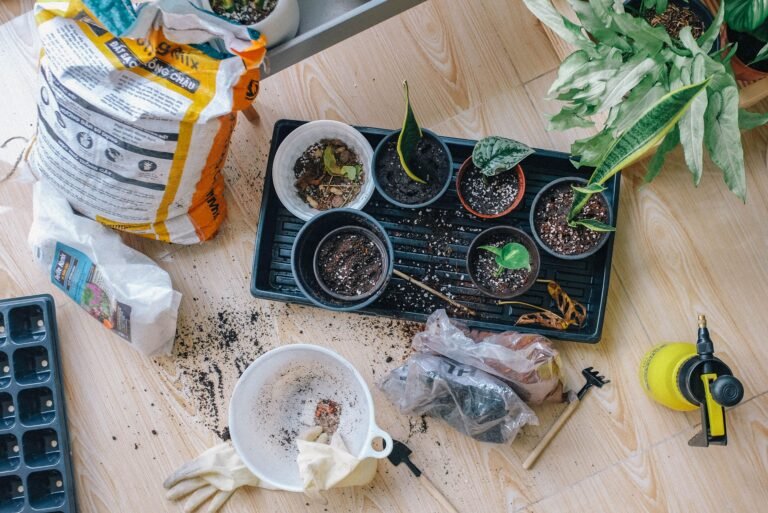
Plants need observation; this is a priority over any care, but the time gap differs based on the task. The attention needed is based on signs, and these signs can be categorized into daily, weekly, and monthly care.
Observing is not a plant care task like feeding or pruning, and it’s not even watering. It’s simply about observing what your plant needs and then doing the care based on that need.
Which signs should you check on your container plants every day?
Even if you can’t spend hours on a daily basis in your garden, you need at least 15–30 minutes daily to observe your plants, depending on your plant count.
Do this observation like a hobby or relaxing time because it needs daily attention to check foliage condition, detect pests early, notice watering imbalances, identify sunlight issues, and spot unusual or sudden drooping or wilting.
Also, monitor plant growth changes like blooming and fruiting, as these can change the plant’s care needs. This daily observation is important because it helps you find plant problems earlier, before they start affecting your plant.
It also helps you spot weather changes before the season actually starts. You can notice plants toppling in heavy winds, soil staying wet during rain, or soil drying quickly on sunny days.
Also, don’t conclude anything based on one sign alone. Daily observation simply helps you keep noticing these signs over time. After noticing them, mark the tasks that need to be done weekly or monthly.
How do you know which container plants need weekly care?
Weekly care is different from daily observation. With a weekly care schedule, you can actually do the tasks you marked from your daily observations.
Weekly care means spending a few hours on weekends or an available weekday to do garden tasks that may take some time, like pruning dead parts, repotting, pruning overgrown plants, cleaning plant foliage, feeding, pest and disease care, or moving pots if needed.
Also, if you only have weekly care time, make it more precise based on the priority list from your daily observations. If you can’t do daily observation, use this weekly care time for a brief observation and do tasks like checking for pests, checking soil condition, looking for space issues, and observing plants closely.
The weekly routine is supposed to be a care-need-based routine, not a rigid schedule of care without proper observation. In container gardening, the planner is for marking the process and observing the plant’s needs. There is no rigid timing to follow; the care should be based on the plant’s needs.
Which plant problems should you check for once a month?
Monthly care should be a dedicated day with plenty of time for full garden care. It can also include deep cleaning of garden areas.
This care should be based on the signs you observed daily or weekly. The monthly care day should also be an inspection day to make sure the garden has proper drainage, suitable light, healthy soil conditions, and plants that are free from pest problems.
Also, use this monthly care day to rearrange plants if needed, keeping the plant space ventilated and making sure plants receive the sunlight they need.
Use this day to replace broken things and do a precise inspection of the entire garden. This helps keep the garden functioning properly as the seasons change.
🌿 From pots to plants to placement — everything beginners need, in one place. Click to follow the container gardening roadmap
Why does container gardening require a regular plant care routine?
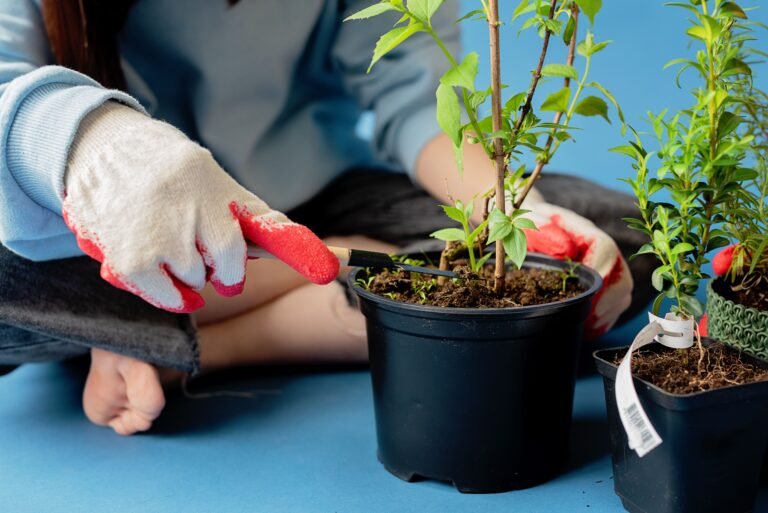
Why can container plants dry out or become stressed so quickly?
Unlike a groundbed garden with more space for storing moisture, potted plants have very limited soil volume and root space. This limitation creates problems that affect the plant faster, and plants react quickly.
Without regular observation and a care routine that follows that observation, you can’t keep your plants healthy and thriving. If you don’t pay attention to moisture loss and water properly when needed, small containers can dry out faster, lose moisture quickly, and create heat stress.
In Indian terrace or balcony container gardens, plants are affected more by heat, strong winds, and excess humidity. A regular plant care routine helps avoid plant stress or spot plant stress earlier.
Why do container plants need regular checking even when they look healthy?
Observation is not something that is only needed when seasonal changes are extreme, pests appear, or other plant problems happen. Observation is something needed all year round. I prefer keeping a diary with dates to update the plant signs I notice and record how plants react to seasonal changes.
In potted plants, especially small container plants, they react faster to any plant problems. So, even healthy plants need observation to identify issues early, avoid bigger plant problems, and prevent losing plants.
Also, even early signs can start with the soil rather than the plant itself. Regular observation helps you notice these changes early and respond before they affect the plant.
Why shouldn’t daily, weekly, and monthly plant care follow the same schedule?
In container gardening, calendar-based routines don’t work the way you might think. Rigid schedules without observation can actually backfire in container gardening. This is something I’ve learned from my own experience.
I do use planners and calendars, but not rigidly. I use calendars to plan fertilizer feeding based on my seasons and the plant’s growth stages, and I review those plans every month. I also use a calendar to mark watering days—not to decide when to water, but simply to record when I actually watered.
As for planners, I use them as my garden data book to understand how plant growth stages react in my garden and how weather impacts them.
And you can’t fix specific days for watering or pruning. The care should be based on observation, not rigid timing. Schedules can be created based on particular plants’ growth stages, the season, and their fertilizer preferences, but even fertilizer feeding should ultimately depend on the plant’s condition and how the plant reacts to that fertilizer.
Use the calendar to remember what to inspect, but use the plant and growing conditions to decide what action is necessary.
🪴 I stopped “doing more” in my garden — and my plants finally stabilized. Read what changed with simple routines
How can you create a practical daily, weekly, and monthly container plant care routine?
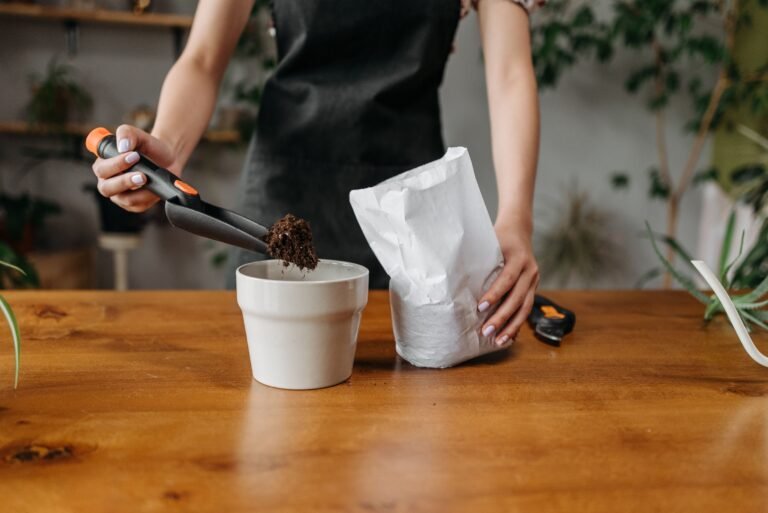
What should you actually do every day when caring for container plants?
In daily care, you don’t need to spend hours in the garden. Keep it sustainable enough that you can do it consistently without getting tired.
Just 10–15 minutes, depending on your plant count, is enough to look around your plants and check the foliage, soil condition, pest signs, wilting, leaf curls, yellowing, or anything unusual.
This daily care also helps you identify how quickly the soil dries after watering. This can help avoid many plant problems in the first place. Take notes of the plant care tasks that need to be done during your weekly care so you don’t get confused about what you need to do on the weekend.
Daily care is mostly about observation, not doing plant care tasks every day. Only water when the plant is thirsty, and do immediate care on a daily basis only when the plant actually demands it.
What container plant care tasks should you do once a week?
The weekly care routine should be a follow-up to your daily observations. Weekly care should be a combination of a little observation and more plant-care-task-oriented work based on what you marked during your daily observations.
Weekly care can include tasks like pruning, repotting, deadheading, rearranging, and pest care. These tasks need patience and careful work without hurting the plants. Also, try to choose work times before 11 a.m. or after 5 p.m. to avoid stressing plants during the midday sun and heat.
Also, note down anything you observe during your weekly care to monitor that particular plant. For example, if you notice pests and treat a particular plant, note that down. This helps you follow IPM and prevent repeated pest attacks without relying only on chemical pesticides.
Which container plant care tasks should you review once a month?
Monthly tasks are more like a brief review combined with tasks that may take plenty of time, such as deep cleaning, rearranging plants for changes in sunlight, and adjusting plants according to climate changes.
Review whether your care needs to change based on the plant’s growth stage. Also, briefly check the overall functionality of the garden and identify any changes or repairs that need to be made.
Decide whether any plant requires a specific intervention based on visible evidence, rather than performing every possible maintenance task automatically.
Compare the plant’s current condition with your previous observations to identify recurring moisture, growth, or environmental problems.
The simple decision principle is: observe daily, inspect more deeply weekly, review the whole setup monthly, and intervene only when the plant’s condition calls for it.
How can you keep container plant care simple and consistent?
Container plant care doesn’t have to mean spending hours every day doing garden work. A sustainable routine is mainly about consistent observation and timely decisions, not completing a long list of chores just because the calendar says so.
Think of your routine in three simple levels:
- Daily: Observe your plants and respond to immediate changes or needs.
- Weekly: Inspect the plants and containers more closely and complete the tasks you marked during your daily observations.
- Monthly: Review the overall condition of your garden and see whether your care routine still fits your plants, space, and changing weather.
For Indian balcony and terrace gardens, the frequency may change with heat, rain, wind, humidity, and seasonal changes. So, keep your routine flexible instead of following rigid care days.
You don’t have to change everything at once. Start with one daily observation, one weekly inspection, and one monthly garden review. As you observe your plants regularly, you’ll become better at recognizing what each plant actually needs.
If you’re still building your foundation, continue with my Container Gardening Basics: Beginner’s Complete Roadmap. When a specific problem comes up, you can also explore How to Know When a Plant Needs Repotting or a related watering guide.
The goal isn’t a perfect garden routine—it’s a consistent system that helps you notice, decide, and act before small problems become bigger ones.