Many beginners start container gardening with excitement—bringing home beautiful plants for their balcony or indoor space.
At first, everything looks perfect.
The plant looks healthy in the nursery… even after repotting, it still looks fine.
But within a few weeks, things start changing:
- Leaves turn dull
- Plants begin to wilt
- Growth slows down
- Some leaves even start dropping
This is the point where most beginners panic.
You might wonder:
“Why is my plant struggling even after I followed all the care tips from blogs and videos?”
I’ve been there too.
When I started container gardening 8 years ago, I followed random advice from different sources. Some tips worked, many didn’t—especially in an Indian terrace setup.
And that confusion is the real problem.
It’s not that you’re doing everything wrong.
It’s that beginner gardening advice is often mixed, incomplete, or not suited for balcony and potted plants.
In this blog, I’ll break down exactly what’s happening to your plant—and how you can fix it step by step.
What Is Happening to Your Plant? (Symptoms & Signs)
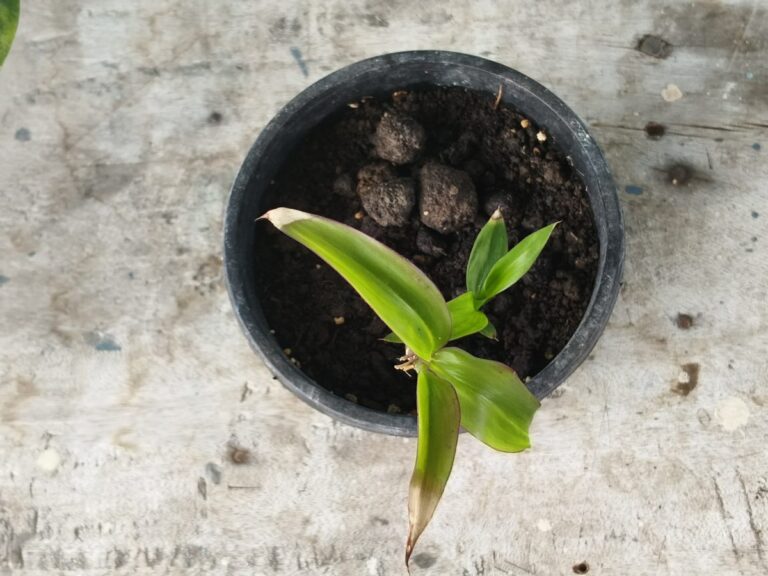
When you bring a plant home from a nursery, it usually looks healthy and fresh. Even after repotting, it may still look fine for a few days.
But within the next few days or weeks, you may start noticing some changes:
- No new growth for weeks
- Leaves staying small or pale
- Drooping even after watering
- Yellowing of lower leaves
- Buds falling before blooming
- The plant looking “stuck” without progress
At this stage, most beginners assume the plant is dying.
But before jumping to that conclusion, understand this:
👉 In container gardening, these signs usually mean one of two things.
1. The Plant Is in a Transition Phase
When a plant moves from a nursery to your balcony or terrace, it goes through a transition (adjustment) phase.
- Light conditions change
- Watering pattern changes
- Temperature and airflow change
Because of this, the plant may temporarily:
- Pause growth
- Drop some leaves
- Look dull
This is completely normal and does not mean the plant is dying.
2. The Plant Is Actually Struggling in Your Setup
If the conditions are not suitable, the plant may start struggling.
Common reasons include:
- The plant variety is not suitable for your space
- Incorrect placement (too much sun or too little light)
- Improper repotting
- Overwatering or overfeeding due to panic care
Important Note for Beginners
This is not always about doing something wrong.
Most beginners struggle because:
- They follow mixed advice from different sources
- They react to symptoms without understanding the cause
The real problem is not lack of care —
👉 it’s misunderstanding what the plant is trying to communicate.
Why Does This Problem Happen in Containers? (Root Causes)

1. Small Pot Restriction (Root Bound Start)
Understanding root space in pots is important. Container gardening is not like ground gardening—pots have limited root space, which directly affects plant growth, water absorption, nutrient uptake, and stress handling.
If you select nursery plants that are already root bound in pots, the process of settling in your balcony or terrace becomes more difficult.
Common signs like leaf drop, slight wilting, or slow growth are normal during adjustment—but only if you see new growth.
It becomes a problem when you notice:
Soil staying moist for too long
No new active growth
Leaves becoming soft instead of firm
Excess leaf drop with brown or dark stem spots
These are early signs of root stress after repotting in containers.
2. Balcony Heat & Concrete Stress
Most blogs and videos are based on Western gardening conditions. Even when they mention Indian gardening, they often miss real balcony and terrace challenges in India.
In reality:
Floor heat is often more intense than direct sunlight
Pot material affects root temperature more than aesthetics
Drainage becomes critical during monsoon and humid winters
Strong winds during June–July can topple pots
Lack of airflow increases pest and fungal issues
In small spaces, beginners tend to fill every corner with plants, but ventilation is essential for plant health.
3. Watering Confusion
Beginners often follow fixed watering schedules from blogs or videos. But in reality, watering depends on:
Indian climate (heat, humidity, seasonal shifts)
Airflow in your balcony
Pot size and material
Soil mix
Plant type
After repotting, roots are stressed and absorb water slowly. But beginners often check only the topsoil, which dries quickly due to wind.
This leads to overwatering in container plants, even when the soil inside is still moist.
A simple method:
Use a stick test to check deeper soil moisture
Do light, controlled watering after repotting
Allow soil to dry partially before watering again
This helps roots heal and settle properly.
4. Poor Soil Mix
Nursery soil mixes are often compacted red or black soil with excess fertilizers. Beginners either hesitate to remove this soil or leave it untouched.
This can lead to:
Poor drainage
Water retention
Root rot after repotting
Removing nursery soil is important—but do it gently without damaging roots.
Then use a well-aerated potting mix for balcony gardening:
Good drainage
Light structure
Minimal fertilizer
You don’t need heavy feeding at this stage. Around 10% compost is enough, as newly repotted plants absorb nutrients slowly while roots recover.
5. Sudden Environment Change
Nursery plants grow in controlled environments (greenhouses or shade nets) with consistent watering and feeding focused on foliage and flowering—not root strength.
When you bring them home and immediately expose them to:
Direct sunlight
Strong wind
Heat
…it creates transplant shock in balcony plants.
This leads to:
Leaf drop
Slow growth
Temporary stress
Instead:
Keep plants in bright indirect light initially
Avoid strong wind exposure
Allow 2–4 weeks for root settling
Gradually increase sunlight exposure
This slow transition helps plants adapt without stress.
How Can Beginners Fix or Prevent This? (Actionable Steps)

1. Repot at the Right Time
Most beginners skip proper inspection before repotting.
- Check the plant and root ball for pests or diseases
- Choose a pot that is about 2 inches bigger than the root ball
- Gently loosen the roots if they are tightly packed
Try to remove excess nursery soil, but don’t disturb the roots aggressively.
👉 Best practice:
Repot within 24 hours of bringing the plant home.
After repotting:
- Water thoroughly once (until water drains out)
- Then keep the soil slightly moist, not soggy
2. Use a Simple, Airy Soil Mix
Soil mix plays a huge role in how well your plant recovers after repotting.
Roots need:
- Oxygen
- Drainage
- Space to spread
A compact or heavy soil can slow down recovery.
👉 Beginner-friendly mix:
- 30% garden soil (sun-dried and clean)
- 20% cocopeat
- 20% compost
- 20% perlite
- 10% vermiculite or coco chips
This type of airy mix:
- Improves drainage
- Prevents root rot
- Helps faster root growth
You can adjust the mix later once the plant is fully settled.
3. Fix Watering Based on Soil, Not Schedule
Watering schedules don’t work in container gardening.
Every setup is different:
- Sunlight
- Temperature
- Airflow
- Pot size
- Soil mix
👉 Instead, check the soil:
- Use your finger or a stick
- Check the top 1–2 inches
- Water only when it feels dry
For newly repotted plants:
- Keep soil lightly moist
- Avoid frequent watering
- Let roots adjust gradually
4. Control Sunlight Gradually
Newly repotted plants are sensitive to harsh sunlight.
👉 Don’t place them directly in strong sun.
Start with:
- Bright indirect light
- Mild morning sunlight
Once you see new growth, you can slowly increase sun exposure.
You can rotate the pot once a week for even growth.
5. Improve Balcony Microclimate
This is especially important for Indian terrace and balcony gardeners.
👉 Floor heat is often a bigger problem than sunlight.
To reduce stress:
- Use pot stands or trays to lift pots off the floor
- Avoid placing pots directly on hot concrete
- Ensure good airflow between plants
Also:
- Don’t overcrowd your plants
- Good airflow reduces pests and fungal issues
6. Be Patient (Growth Takes Time)
After repotting, plants need time to settle.
- Most plants take 2–4 weeks
- Some may take up to 6 weeks
During this time:
- Slight leaf drooping or dullness is normal
- Slow growth is expected
👉 Watch for real danger signs:
- Mushy stems
- Continuous drooping
- Soft, rotting leaves
Otherwise, trust the process.
Most beginner mistakes happen here:
They confuse settling signs with problems and start overcorrecting—
which actually harms the plant.
Conclusion
If your potted plants are not growing, it doesn’t mean you’re failing.
This is one of the most common experiences every beginner goes through in container gardening—especially in balcony and terrace setups.
The real shift is not about doing more.
It’s about changing your approach:
👉 From watering daily
👉 To understanding your plant’s roots, soil, and environment
Once you fix the basics—pot size, soil mix, placement, and watering—
growth becomes natural and consistent.
And most importantly, your confidence as a gardener starts building.
🌱 Want to Go Deeper?
If you’re still feeling confused or feel like your plants keep failing no matter what you try…
I’ve shared my complete beginner journey—what worked, what didn’t, and how I finally made my plants thrive in my own terrace garden.
👉 Read here:
How Container Gardening Transformed My Early Failures
This will give you clarity beyond tips—and help you understand container gardening from the ground up.