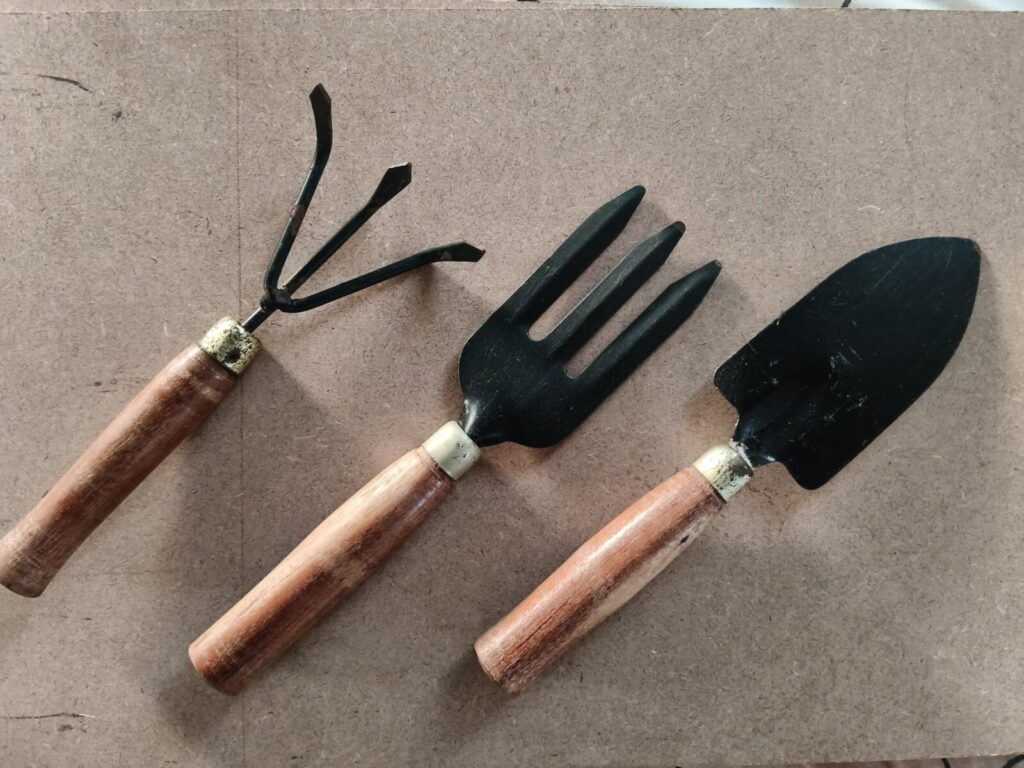
While starting container gardening, many beginners don’t pay much attention to the tools they actually need. Most rely on nurseries, local shops, or simply pick a best-selling combo from online stores without thinking much about how those tools will work in their space.
There’s nothing wrong with buying popular tool sets. But before you add to cart, it’s better to understand which container gardening tools for balcony or terrace gardens actually suit your setup.
In Indian conditions, this matters even more. In a small balcony garden with limited space, large tools can feel awkward to use and hard to store. On a concrete terrace with strong summer sunlight, tools left outside can heat up, wear out faster, or even become uncomfortable to handle.
During monsoon humidity, improper tools and poor maintenance can lead to rust and damage. Even your potting soil dries faster in containers, which means watering and soil handling need better control — and the right tools make that easier.
Tools are often either underrated or overcomplicated with expensive “ergonomic” options. But in reality, choosing the right gardening tools for container gardening is not about price — it’s about how well they support your daily plant care.
Good tools help in more than just planting or repotting. They make potted plant care easier — from controlled watering and clean pruning to better pest management and preventing fungal issues. They also reduce physical effort, especially in tight balcony spaces where movement is limited.
From my experience, the key is simple: your tools should match your gardening space. Whether it’s a compact balcony or a sun-exposed terrace, the right tools help simplify your routine, reduce mistakes, and support healthier plant growth over time.
Why the Right Gardening Tools Matter in Container Gardening
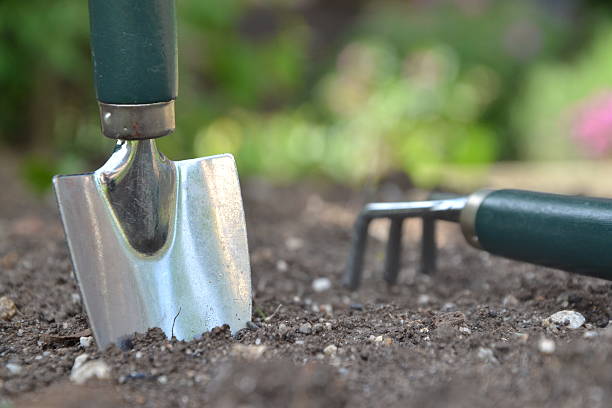
The right gardening tools for container gardening are not about strength — they are about precision. Unlike ground gardening, container plants in pots have delicate roots that can easily get damaged. Once roots or stems are injured, the plant gets stressed and takes longer to recover.
Root health
In potted plant care, root health is very sensitive. Container plant roots are compact and often grow tightly along pot walls. I’ve seen this clearly during repotting — roots spread all around the pot and stick to the sides, no matter the pot material.
In such cases, using big or forceful tools can easily break or tear roots because you can’t see how they are spread underneath the soil. This is where small container gardening tools like hand forks and trowels become important. They help you loosen soil and handle the root ball gently without causing unnecessary damage.
Sometimes even your hands can’t properly untangle root-bound plants in small pots. With the right tools, you can carefully work through tight spaces and protect the root structure.
Soil structure
In container gardening, soil is not just soil — it’s the entire environment your plant depends on.
A good potting mix should stay moist but also airy enough for roots to breathe. In small pots, this balance is very important because soil can easily become compacted.
Using hand gardening tools like a rake and trowel helps you:
- Break soil lumps
- Mix amendments evenly
- Maintain a loose, well-draining structure
This prevents common issues like overwatering, poor drainage, fungal growth, and pest problems. When soil structure is right, plant growth becomes more stable and consistent.
Watering accuracy
Watering in container gardening needs control, especially in balcony and terrace setups where pots dry faster due to heat and airflow.
Using mugs, buckets, or strong hose pressure can:
- Damage roots
- Disturb soil structure
- Cause soil erosion
- Loosen plant stability
Instead, using a watering can with a long spout and rose head allows slow, even watering without disturbing the soil.
It also helps reach:
- Pots placed behind others
- Hanging pots
- Shelf or corner placements in small balconies
This kind of controlled watering for potted plants makes a big difference in maintaining plant health over time.
Overall, the right tools don’t just make gardening easier — they directly support root safety, soil balance, and proper watering, which are the three core factors for healthy container plants.
😬 Most beginner mistakes aren’t about plants — they’re about not using the right tools. Read the full guide here
What Beginners Should Look for Before Buying Gardening Tools
With over eight years of hands-on experience in container gardening, I’ve learned that choosing the right tools makes a huge difference in how easy (or stressful) plant care feels. Many beginners buy tools randomly and later realize they don’t fit their balcony space or pot size.
This simple checklist will help you choose practical, beginner-friendly gardening tools for container gardening without wasting money.
Size & Space Compatibility
In container gardening, tool size matters more than most beginners realize.
Balcony and terrace gardens often have:
- limited walking space
- tightly arranged pots
- plants placed close to walls or railings
Using large ground gardening tools in such setups makes work uncomfortable and can even damage plants.
- Choose tools that are:
- compact and lightweight
- easy to use in tight balcony corners
- suitable for small to medium pots
Small tools help you work precisely without disturbing roots, especially when plants are densely placed.
Material & Durability
From experience, the lifespan of gardening tools depends on two things: material quality and how you maintain them after use.
Look for:
- rust-resistant metal heads (important for Indian humidity and watering frequency)
- strong, well-fitted handles
- comfortable grip for longer use
In container gardening, tools are used repeatedly in limited soil space, so they must be:
- strong enough to handle compact soil
- smooth enough to avoid root damage
A good-quality tool may cost slightly more, but it lasts longer and performs better.
Multi-purpose Use
One of the biggest mistakes beginners make is buying too many tools. In reality, most container gardening tools are multi-functional.
For example, a hand trowel can be used for:
- planting
- repotting
- filling soil
- loosening soil
- adding fertilizers
- transplanting small plants
Choosing tools that serve multiple purposes helps:
- reduce clutter in small balcony spaces
- save money
- simplify your gardening routine
Focus on fewer, high-quality tools instead of buying many single-purpose tools.
Easy Maintenance & Storage
This is something beginners often ignore.
After every use:
- clean off soil
- dry tools properly
- store them in a shaded, dry place
This prevents:
- rust formation
- handle damage
- tool wear and tear
In balcony gardening, where space is limited, choose tools that are easy to store in a small box or hook, not bulky or awkward.
🪴 You don’t need more effort — you need the right tools to make gardening easier. Learn how tools simplify your routine step by step
Best Gardening Tools for Container Gardening Beginners in India
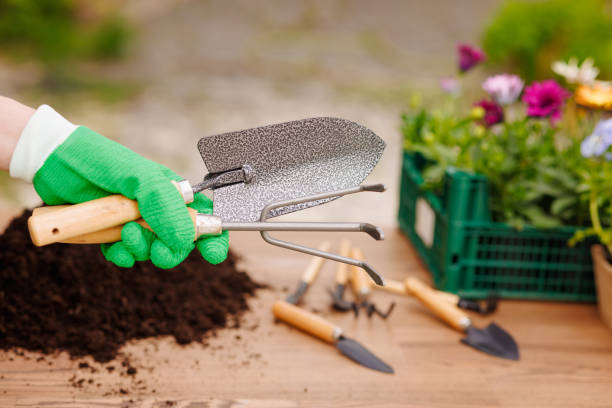
1. Hand Trowel (Essential Potting Tool)
If I had to choose just one tool to manage my entire garden, I would pick a trowel without thinking twice. For the first 2 years of my terrace container gardening, I used only a single sturdy trowel — nothing else.
That one tool worked like a magic wand for me. I used it for:
- planting
- repotting
- filling soil
- mixing potting mix evenly
- breaking soil lumps
- breaking cocopeat blocks
- transplanting
- loosening soil
- even light weeding
Even now, after 8 years, I still rely on it. Recently, I upgraded to a trowel combo with a smaller size, which is even more useful for small pots.
2. Pruning Scissors (Pruner)
I’ve been using pruners for more than 6 years, and I can clearly see the difference in plant health before and after I started pruning properly.
Initially, I thought pruning was only needed after flowering seasons. But now, it’s part of my daily routine.
Whenever I see:
- yellow leaves
- dead stems
- damaged parts
I remove them immediately to prevent energy loss and pest issues.
Pruners also help to:
- maintain plant size in small balcony spaces
- avoid overcrowding
- do root pruning during repotting
- harvest vegetables, herbs, and flowers without disturbing the plant
3. Watering Can with Narrow Spout
I use two watering cans in my garden.
My first one is a 10L watering can (7 years old), which I used when I had 50+ plants. It made watering easier without constant refilling.
The long spout helps:
- reach soil directly
- avoid bending
- water without damaging leaves
This type of watering can:
- reduces soil erosion
- prevents root disturbance
- ensures even watering
Recently, I started using a 3L watering can, which is perfect for:
- small pots
- succulents
- hanging plants
It reduces water pressure, making watering more gentle and controlled.
4. Spray Bottle (For Pest Control & Humidity)
I’ve been using the same spray bottle for 3–4 years.
I mainly use it for:
- pest control sprays (like neem oil)
- watering seedlings
- increasing humidity during summer
It helps to:
- spray evenly on leaves
- reach under leaf surfaces
- avoid damaging delicate seedlings
It’s a simple tool, but very useful if maintained properly.
5. Gardening Gloves (Lightweight)
I highly recommend gloves for beginners.
Bare-hand gardening is not suitable for everyone, especially when you’re new to handling soil and plants.
You may face:
- skin dryness
- irritation from cocopeat or compost
- small cuts from plant debris
Some soils may also contain small insects.
I use cotton + latex mixed gloves, which:
- allow airflow
- provide good grip
- protect hands while handling soil
6. Small Hand Fork / Soil Rake
This is one of my favorite tool combos for the past 5+ years.
A hand fork and rake help to:
- break soil evenly
- mix potting mix properly
- improve aeration
- loosen compact soil
- prepare soil for seeds
- help in transplanting
These small tools made a huge difference in how well my soil mix performs.
7. Gardening Mat
This is honestly a life saver tool.
Before using a gardening mat, cleaning after repotting was a nightmare — soil everywhere, extra effort, and discomfort.
Now, I simply:
- lay the mat
- do all gardening work
- collect debris inside the mat
- fold and clean easily
It allows you to:
- work on floors or tables
- avoid bending too much
- keep your balcony clean
8. Tub for Soil Mixing
You don’t need anything expensive here.
I recommend getting a wide, deep tub locally for mixing soil.
It helps to:
- mix potting soil evenly
- avoid repeated mixing
- handle large batches easily
Using small containers makes soil mixing uneven and time-consuming.
✅ My Practical Suggestion
Start with:
- trowel
- pruner
- watering can
Then gradually add other tools based on your needs.
You don’t need everything at once — just build your tool kit slowly based on your garden setup.
Common Mistakes Beginners Make When Buying Gardening Tools
One of the most common mistakes in container gardening is buying tools that are actually meant for ground gardening instead of tools suitable for pots.
Ground garden tools are designed for bigger soil areas and stronger plants, but in balcony and terrace container gardening, we deal with small pots, limited soil depth, and closely placed plants. Using big tools in this setup makes handling difficult and can easily disturb roots or damage plants. Container gardening tools are designed for precision, which is what potted plant care really needs.
Most people start balcony gardening or terrace gardening because of limited space, but still end up buying large or too many tools. This creates another problem — storage. In small balcony spaces, even keeping a few extra tools becomes difficult. As a beginner, you don’t need a big collection. A few essential tools are enough to manage your plants comfortably.
Another confusion beginners have is between cheap tools and affordable quality tools. Very cheap tools may look like you are saving money, but in reality, they wear out faster, rust quickly in monsoon humidity, and get damaged under strong terrace sunlight and regular watering. This leads to repeated buying. Instead, choosing simple but good-quality tools once will last longer and work better in real container gardening conditions.
Beginners also tend to buy tools without prioritizing what is actually needed. In container gardening, you should always start with basic tools like a trowel, watering can, and pruner. These alone can handle most of your daily gardening work — from soil mixing to watering and plant maintenance. Other tools like rake, fork, or sprayer can be added later based on your needs, not all at once.
Another common mistake is overbuying tools out of excitement. When starting something new, it’s natural to feel like buying everything, but container gardening doesn’t require that. You need to first understand your plants, how your potting soil dries faster in balcony heat, how watering works in your space, and how your setup behaves in different seasons. Once you gain that experience, you will automatically know what extra tools you actually need.
Also, buying tools just because you saw them on social media is a mistake many beginners make. Every garden is different — especially in Indian balcony and terrace conditions where heat, humidity, and space vary a lot. A tool that works for someone else may not suit your setup. Always think whether that tool is really useful for your plants and your space.
From my experience, even managing a large container garden, I relied mostly on basic tools for years. You don’t need more tools — you just need the right ones that suit your container gardening setup and daily plant care routine.
Budget vs Premium Gardening Tools: What Should Beginners Choose?
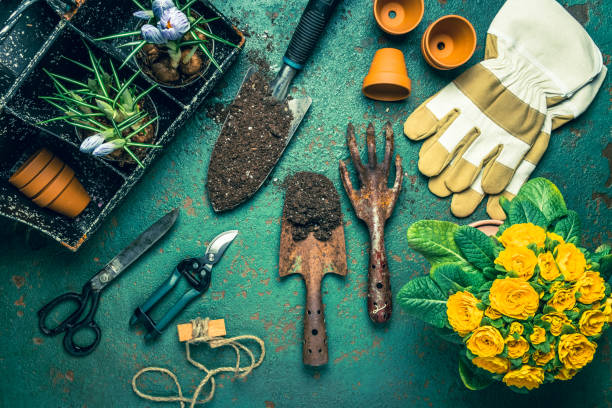
This budget vs premium discussion is not really about how much money you can spend on tools — it’s about what you actually need as a beginner in container gardening. Tool efficiency doesn’t come from price, it comes from how well you understand your plants, your setup, and how you use those tools in your balcony or terrace garden.
Buying premium tools and just keeping them aside won’t make you a better gardener. Tools are only there to support your process — not define your skill. In potted plant care, even simple tools can do the job perfectly if you know how to use them properly.
Another important thing beginners ignore is maintenance. The lifespan of any gardening tool — whether budget or premium — depends heavily on how you clean and store it after use. If you leave tools with wet soil, especially in monsoon humidity or after frequent watering, even expensive tools will start to rust and wear out quickly. Proper cleaning and dry storage matter more than the price tag.
As a beginner, your goal should be to make gardening easier, not complicated. Basic tools like a trowel, pruner, and watering can already cover most of your daily container gardening tasks — from soil handling to watering and plant care. These tools help you work more precisely in small pots, especially in limited balcony spaces or heat-exposed terrace setups where soil dries faster.
Once gardening becomes a routine and you start managing more plants, that’s when investing in better-quality or more specific tools makes sense. At that stage, you’ll also understand what exactly your garden needs instead of buying tools randomly.
In the end, it’s not about brands or expensive price tags. It’s about choosing good-quality, practical tools that suit your container gardening setup and help you take better care of your plants.
Practical Tips for Using Gardening Tools in Balcony & Terrace Gardens
I’ve lost some really good quality tools in my early gardening days simply because I didn’t know how to maintain them properly. The most basic and important tip is this — clean your tools after every use.
After working with soil in container gardening, tools will always have:
- soil
- cocopeat
- compost residue
If you leave that on the tools, especially in balcony and terrace conditions with humidity and heat, they start to wear out quickly.
Remove all debris and soil after use. If needed, wash the tools and wipe them clean. Let them dry properly — keeping them in sunlight for a short time helps remove moisture completely. If possible, applying a little oil or lubricant once in a while can increase the lifespan of the tools.
In container gardening, since we constantly work inside pots, the metal parts of tools are always exposed to moisture and soil, so cleaning becomes even more important. After drying, it’s better to store tools:
- vertically
- or arranged on a shelf without stacking them tightly
If space is an issue (which is common in balcony gardening), you can store them in a box — but make sure there is no moisture inside. Moisture is the main reason tools rust, especially during monsoon season or frequent watering routines.
At the same time, leaving tools fully exposed to harsh conditions is also not ideal. Continuous exposure to strong terrace sunlight and humidity can slowly damage handles and metal parts. So a shaded, dry storage space works best.
Another important tip — if you are using tools for pest or disease control, always clean them properly, preferably with cleaning alcohol. This prevents spreading infections from one plant to another. Also, avoid using tools that are already rusted, as they can worsen plant wounds during pruning or repotting.
If you maintain both container gardening and ground gardening, try to keep separate tools for each. Container gardening tools are usually smaller and more precise, and mixing them with heavy ground tools can damage them faster.
From my experience, tools don’t fail because of quality — they fail because of poor maintenance. With simple care, even basic tools can last for years in your balcony or terrace garden setup.
Final Thoughts on Choosing Tools for Container Gardening Beginners
When you are starting container gardening in a balcony or terrace, it’s easy to feel like you need a lot of tools to do things properly. But in reality, you don’t. Most beginners do well with just a few basic tools that help them handle soil, water plants, and maintain plant health.
The goal is not to collect tools — the goal is to make your potted plant care easier and more manageable.
When you choose the right tools:
- your work becomes more precise
- you avoid unnecessary plant damage
- daily care feels simpler instead of tiring
In small-space setups like balcony or terrace gardens, this matters even more. You are working in:
- limited space
- closely arranged pots
- conditions like strong sunlight, heat, and fast-drying soil
So your tools should support a practical and comfortable gardening routine, not complicate it.
Start with the basics — a trowel, pruner, and watering can. Use them regularly, understand how your plants respond, and slowly build your experience. As your garden grows and becomes part of your daily routine, you can gradually add more tools based on your actual needs.
From my experience, even with many plants, I relied on simple tools for years. What made the difference was not the number of tools, but how well they fit my container gardening setup and how consistently I used them.
Keep your gardening system simple, practical, and easy to manage. That’s what helps you stay consistent — and consistency is what keeps your plants healthy in the long run.
🪴 Most beginners fail because they skip the basics. Don’t make that mistake. See the step-by-step container gardening guide