“Why can I manage ground plants easily, but struggle with potted plants?” — as someone who has done both ground gardening and container gardening, I understand this confusion very clearly.
When I first started container gardening, I didn’t own many tools. In ground bed gardening, you can manage with just your hands or a few basic tools. But in container gardening, tools slowly become non-negotiable.
You can’t manage a balcony or terrace garden with just one or two tools the way you might in ground soil. At the same time, this doesn’t mean you need to clutter your shelves with endless gardening tools for pots.
In container gardening, tools are mainly for precision handling — working in small pots without breaking stems, disturbing roots, or damaging delicate foliage plants. You don’t need many tools, but you do need the right tools for container gardening, especially ones suited for balcony and terrace setups.
As a terrace gardener with 8 years of experience, I can honestly say — without proper container gardening tools, I can’t even imagine my daily plant care routine now. Potted plants are not woody or large like ground bed plants, and the smaller plant size along with limited pot space makes access more difficult.
Without basic hand tools for container gardening, even simple tasks like loosening pot soil, repotting plants in small containers, or pruning become stressful and less controlled. In my early days, my gardening routine felt unclear and inconsistent — but once I started using the right tools, everything became more manageable.
In this blog, I’ll share what gardening tools beginners actually need for potted plants — and just as importantly, what tools you don’t need to buy.
Looking back, I can clearly see the difference. My container gardening days before using proper tools and after using them feel like an upgraded version of the same journey — more controlled, less stressful, and better for plant health.
What problems do beginners face in pots when they don’t use proper gardening tools?

In ground bed gardening, the tool requirement is different. You usually need stronger tools for one-time planting, and watering can be managed with hose pipes or buckets.
If you are pruning, ground beds require bigger pruners because plants are larger and more spread out.
But in container gardening, the tool requirement is entirely different. You don’t need bigger or stronger tools — you need precise, well-sized tools for container gardening to handle tight spaces in pots without damaging small stems or delicate foliage plants.
Unlike ground bed gardening, container plants need repotting once they outgrow their pots. This process requires a hand trowel for scooping and filling potting mix, and a hand fork to loosen compacted soil, because over time even a well-draining, aerated potting mix can become slightly compact due to regular watering.
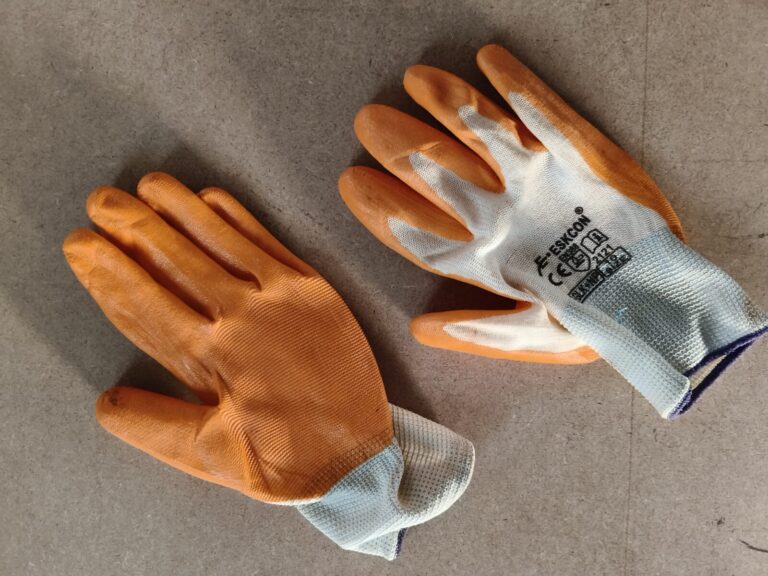
You may also need a hand rake to mix potting soil evenly, and if you are handling thorny plants, gardening gloves become non-negotiable for safe handling.
Pruners and scissors are not occasional tools in container gardening — they are regular-use tools, often needed every few days or weekly. Removing yellow leaves, wilted stems, or spent flowers helps keep potted plants pest-free and disease-free, especially in humid terrace conditions in India.
You also need small trowels to apply fertilizers in tight pot spaces, especially near the base of the plant where access is limited.
A watering can with a long spout or a hose with adjustable flow modes is important for controlled watering. This helps avoid soil erosion, root disturbance, and water splashing that can damage foliage.
Many beginners wonder, “Why do the same plants grow easily in the ground but struggle in pots?”
In most cases, it’s not a lack of skill — it’s applying ground gardening methods to container gardening, along with not using the right tools for potted plants.
As an Indian terrace container gardener with eight years of experience, I genuinely can’t imagine a gardening day now without my basic tool set.
In my early days, I managed with bare minimum tools and followed ground gardening methods. That didn’t work well and often felt stressful.
Now, I still don’t use advanced or expensive tools, but I have a simple set of essential container gardening tools that helps me handle garden tasks more easily, with better control and without damaging plants.
Why is it harder to manage soil in pots compared to ground?
Ground beds have their own natural soil system. Even if we improve it, we usually just add compost or organic matter.
But in container gardening, we are creating an entire controlled soil environment for potted plants. Using garden soil alone is not a good option, as it can quickly lead to compacted soil and poor root health.
Container gardening starts with preparing a well-draining potting mix, and even that process requires tools — a small or medium trowel, a hand rake, and a fork to break and mix materials like cocopeat, compost, and soil.
Breaking soil ingredients properly is important. Cocopeat, compost, and garden soil often come in lumps or compacted form. These need to be loosened and mixed into an aerated potting mix for healthy root growth.
Materials like perlite, vermiculite, or pumice are also not ideal to handle repeatedly with bare hands, especially in larger quantities.
To avoid soil spilling while filling pots, a deep trowel or soil scoop is helpful. You can also use a gardening mat to keep balcony or terrace floors clean. For beginners who want less mess, soil scoops make pot filling easier and more controlled.
Why do potted plants react quickly to small mistakes?
If you use ground gardening tools — like large trowels, heavy pruners, or high-pressure watering methods — for potted plants, problems can happen quickly.
Let me break it down:
- The risk of stem breakage is higher when using oversized or hard tools in small pots
- Soil erosion can happen with strong watering pressure, especially during overhead watering with hoses or large watering cans
- Root disturbance or damage is more likely during repotting or deep watering
- Using unclean tools from ground beds can increase the risk of pest and disease spread, and container plants are more sensitive to such issues
In simple terms, the problem is not your gardening ability — it’s using the wrong tools for the setup.
Container gardening needs controlled, precise handling, and that comes only with the right-sized tools designed for potted plants.
Why do container plants need more careful handling and tools than ground plants?
Limited root space:
This limited root system in pots is very different from ground bed plants with their large, deep, and spreading roots. In containers, roots are restricted, and this directly changes how the plant responds to sunlight, watering, fertilizer feeding, and even physical handling.
Because of this limited root space, potted plants become more sensitive. Small mistakes — like overwatering, rough handling, or improper pruning — affect them much faster than ground plants.
To handle roots safely, you need right-sized tools for container gardening that don’t hurt the plant. Using hand tools like a small trowel, hand rake, fork, pruners, and a controlled watering can helps manage plants gently without disturbing delicate roots.
Soil compaction:
Let me make this clear — ground bed plant roots are thicker and stronger, and they can penetrate soil more easily. Also, natural soil systems (with compost and earthworms) help keep the soil loose over time.
But in containers, roots are finer and more delicate. They don’t have that natural support system. If you use only garden soil, it can quickly become compacted and restrict root growth.
That’s why container gardening needs a well-draining, aerated potting mix, not just soil. And more importantly, the mix should be free from lumps and hard patches.
To achieve this, you need to properly break and mix materials like cocopeat, compost, and soil. Tools like a hand trowel, rake, and fork for potting mix preparation make this process much easier and more effective. From my experience over the past 5+ years, soil mixing without these tools is difficult and inconsistent.
Water control:
Using high-pressure watering methods — like heavy watering cans, mugs, or buckets used in ground gardening — can cause soil erosion and root disturbance in pots.
Earlier, I used a large long-spout watering can (10L). But as I started growing more small plants and succulents, I switched to a smaller 3L watering can.
Honestly, I now prefer smaller cans. Just make sure they have a long spout and a shower head (rose). This gives low-pressure, even watering — like mild rain — which is ideal for potted plants.
With controlled watering, I noticed:
- Reduced soil erosion in pots
- No stem damage from water force
- Even water distribution in tight spaces, especially in dense balcony setups
This kind of low-pressure watering for container plants makes a big difference in daily care.
Microclimate exposure:
Managing microclimate for potted plants in an Indian terrace or balcony is real-time work. Concrete floors and tiles reflect heat based on current weather conditions.
In summer, plants don’t just get heat stress from sunlight — the floor and nearby walls also radiate heat, increasing stress around the root zone.
To manage this, simple tools like pot stands, trays, or plant risers help reduce direct heat exposure and improve airflow under pots. These small adjustments are part of practical container gardening care in hot climates.
Does limited pot space make plants more sensitive to handling?
First, don’t compare ground bed root systems with potted plant roots. Container plants have smaller root systems, and that’s what allows us to grow plants even without land.
But this also means we need to adjust our care.
To handle small plants and delicate roots, you need precision tools for small pots that can access tight spaces without damaging foliage or roots. Using oversized or rough tools can create small cuts or injuries, which may later lead to rot or stress in container plants.
Why does pot soil become hard and difficult without tools?
Soil inside a container naturally becomes compact over time due to repeated watering and limited space. That’s normal.
This is why using an aerated potting mix for containers is important. Garden soil alone often leads to clay-like compaction.
Even with a good mix, some level of compaction happens. You can loosen it during repotting or gently using a hand fork to loosen soil in pots, especially near the edges, without disturbing roots.
Why are watering mistakes more common in container gardening?
Unlike ground soil, where excess water drains and spreads easily, water in pots stays longer. The duration depends on pot material, drainage, airflow, and soil mix.
When soil stays wet for too long, the risk of root rot in potted plants and pest issues increases.
Using heavy-pressure watering or overwatering leads to waterlogging. On the other hand, using large or wide watering cans may not reach tight pot areas properly, leading to uneven watering.
These situations create two common problems:
- Overwatering
- Underwatering
This is where a small watering can for balcony plants becomes useful. It allows precise, low-pressure watering, helping you control moisture without damaging soil or roots.
What tools help make container gardening easier and prevent common mistakes?

As a beginner, you don’t need expensive or advanced tools. Focus on a few basic hand gardening tools for container gardening that are affordable and useful for daily plant care.
From my 8 years of terrace gardening experience, I can confidently say — you don’t need a big budget. I invested in a few quality tools, and I’m still using some of them even after 5 years without rust or damage, just with simple maintenance.
And honestly, with the right set of tools, you can avoid almost 80% of common container gardening mistakes — especially those related to soil, watering, and plant handling.
What are the basic tools every balcony gardener should have?
A basic hand tool set with a trowel, hand rake, and hand fork is enough to handle most soil-related work in pots.
- A hand trowel helps with filling pots, repotting plants, and applying fertilizers in tight spaces
- A hand fork can be used to loosen compacted soil, act as a small weeder, and even help in seedling transplanting in containers
- A hand rake is especially useful for mixing potting mix and breaking cocopeat blocks — it’s one of my most-used tools for soil preparation
A good pruner is a must-have for clean, precise cuts without creating wounds on plants. Pruners are not seasonal tools in container gardening — they are regular-use tools to remove dead leaves, damaged stems, and spent flowers.
Even pulling a small leaf by hand can disturb the plant slightly, especially in small pots. So it’s always better to use sharp pruners or clean scissors for pruning potted plants.
Can using proper tools improve plant growth in pots?
Yes — because the right tools reduce mistakes and improve how precisely you care for your plants.
- A quality pruner helps maintain plant health by preventing pest buildup and removing diseased parts early
- A trowel makes soil handling easier and avoids unnecessary root disturbance
- A hand rake and fork help keep the potting mix loose and aerated, reducing the chances of soil compaction in pots
- Choosing the right pots and basic accessories supports a stable micro-environment for root growth
- Pot stands help reduce heat stress from terrace floors, especially in hot Indian summers
Good tools don’t just make work easier — they improve consistency in care, and that directly supports healthier plant growth.
How do tools reduce common container gardening mistakes?
Most beginner mistakes in container gardening are not because of lack of effort — they happen due to lack of control.
Using the right tools gives you that control.
- Overwatering and soil erosion:
A small watering can with a narrow spout helps in controlled watering for potted plants, preventing water force from disturbing soil and roots - Root damage during repotting:
Using a trowel instead of hands helps in careful removal and filling of soil without pulling or breaking roots - Soil compaction issues:
A hand fork or rake allows you to loosen compacted soil in pots without damaging the root system - Plant stress from improper pruning:
Sharp pruners help make clean cuts, reducing the risk of infection compared to tearing leaves by hand - Messy or uneven fertilizing:
Small tools help apply fertilizers evenly in tight spaces, avoiding over-concentration in one spot
From my experience, once you start using the right tools, your gardening becomes more calm, controlled, and less stressful — especially in small balcony or terrace setups.
Is it normal for container gardening to feel harder than ground gardening at first?
Yes — it’s completely normal.
When you shift from ground gardening to pots, it can feel like everything suddenly became more difficult. Plants react faster, mistakes show up quicker, and even simple tasks like watering or repotting feel more sensitive.
But the truth is — container gardening is not harder, it’s just more controlled and precise.
In ground beds, the soil, space, and natural ecosystem absorb many of our small mistakes. Water drains deeper, roots spread wider, and plants recover more easily.
In pots, everything is limited — root space, soil volume, moisture, and airflow. Because of this, every small action you take has a direct impact on the plant.
That’s why beginners often feel like they are “doing something wrong” with potted plants. But in most cases, it’s not lack of skill — it’s just adjusting to a different system.
This is where basic container gardening tools start making a real difference.
Tools act like your control system in pots:
- They help you water slowly and evenly instead of flooding the soil
- They allow you to handle roots and soil without disturbing the plant
- They make pruning clean and safe instead of rough and stressful
- They help maintain aeration and structure in a limited soil space
Once you start using the right tools and understand how pots behave, your gardening routine becomes more predictable and less stressful.
From my own experience, the early days felt confusing because I was trying to apply ground gardening methods to container plants. But once I shifted my approach — using simple tools and handling plants more precisely — everything changed.
Now, container gardening actually feels easier to manage than ground gardening:
- Less space to maintain
- More control over soil and watering
- Easier to observe plant changes closely
So if you’re feeling like potted plants are harder to manage, you’re not alone — and you’re not doing it wrong.
You’re just in the phase where you’re learning how to control the system instead of relying on it.
And once that clicks, container gardening becomes calmer, more efficient, and much more rewarding. 🌱
✨ If you’re serious about growing healthy plants in pots, start here — not on random tips. Read the full beginner roadmap