From a clueless plant killer to a passionate container gardener—here’s how I turned years of mistakes into a thriving small-space garden (and why you can do it too).
Why I Started Container Gardening
If you’re wondering “Why should I start container gardening?”—I asked myself the same question years ago. My name is Jayashantha, and I’m the gardener behind this blog. I live in a rural area in southern Tamil Nadu, India, and though I come from an agricultural family, I didn’t inherit a naturally green thumb.
My gardening story actually started with my late grandpa. As a child, I planted simple flowers like roses—mostly to decorate my hair—but gardening didn’t become a real part of my life until much later. For almost a decade, we grew only a few basics: roses, chrysanthemums, curry leaves, guava, and lemon.
Then everything changed in 2018.
A sudden obsession with home décor pushed me to buy plants from a nearby nursery. A few survived… but many didn’t. And by 2020, I began my real gardening journey—hours of reading, researching, and experimenting in every free moment.
And if you’re struggling to keep even one plant alive, trust me when I say this:
I’ve been there.
I’ve killed more plants than I can count.
I’ve made every beginner mistake possible.
But through trial, error, and years of learning from 2018 to 2023, I slowly figured out what works, what fails instantly, and what truly makes plants thrive in containers—especially in our Indian climate.
If you’re feeling lost, frustrated, or scared of killing “just one more plant,” this story (and the lessons inside it) are exactly for you.
Because I started exactly where you are now.
And if I could build a blooming garden from scratch, you definitely can too.
What My First 3 Years of Container Gardening Taught Me
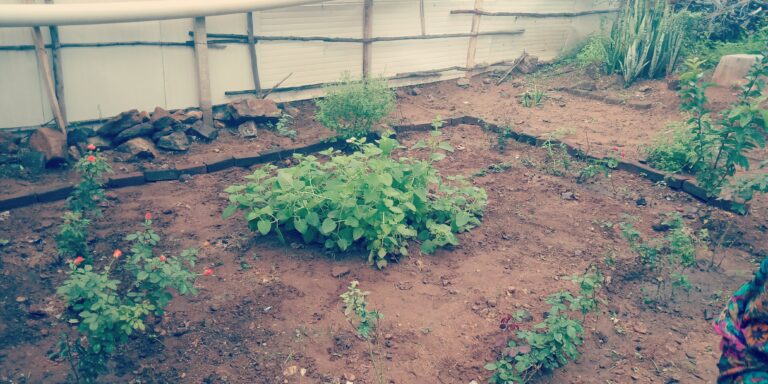
The photo above is exactly how my small garden looked in the early days—simple, unplanned, and honestly… a little sad. I didn’t fully understand what I was doing when I planted directly in the ground or kept a few plants in random pots before 2020. Our ground garden survived mostly because we used native plant varieties and kitchen waste compost. Even with minimal watering, they grew well enough on their own.
But everything changed the moment I shifted to container gardening—mostly because of space limitations. That’s when the real struggles began. One by one, my plants wilted or died, and I couldn’t figure out why. For nearly 2–3 years, I became an obsessive learner—reading gardening blogs, scrolling through tutorials, and buying pots, seeds, soil mixes, and every gardening essential I could find.
Slowly, through countless failures, I discovered the truth:
✔ You must choose plants that suit your climate, not what looks pretty on Instagram.
✔ You need a proper container soil mix, not heavy garden soil.
✔ And high-quality, long-lasting pots matter way more than beginners think.
Not every online tutorial works for every climate or gardener. There are a few essential facts—and a few deadly mistakes—that every container gardener must understand. After wasting money, energy, and many beloved plants, I finally learned what actually keeps plants alive in pots. These lessons helped me develop a real green thumb and cut down nearly 90% of the unnecessary spending I used to do.
👉 Curious about which pots genuinely make a difference?
Read my in-depth guide on the best pots for container gardening, where I share the exact ones that lasted for years and the ones you should avoid.
Biggest Mistakes I Made (And How You Can Avoid Them

Discovering container gardening in a small space wasn’t a dramatic moment—it happened almost accidentally. I was already growing a few trees in our ground garden, but the space filled up quicker than I expected. Still, I wanted more plants. So, without thinking too much, I grabbed a few terracotta pots and some easy foliage plants from a nearby nursery and placed them casually on our terrace.
Honestly, I didn’t even know this style of gardening had a name. “Container gardening” was a term I discovered much later.
But that small decision changed everything.
The plants struggled, wilted, and some died within weeks. That pushed me into full research mode. I started Googling every doubt I had—Why is my plant drooping? Why is the soil staying wet? Why is nothing growing? I read countless articles, watched tutorials, and tried random hacks. A few plants survived, most didn’t. That’s when the reader in me fully woke up, and I began collecting notes from every gardening blog I could find.
Like every beginner, I also experimented with popular products recommended by YouTube gardeners and influencers. But not everything worked, especially in our hot Tamil Nadu climate. The real turning point came only when I started taking serious notes and studying the basics:
✔ plant type
✔ climate suitability
✔ soil structure
✔ watering habits
✔ sunlight needs
✔ space requirements
✔ drainage
✔ fertilizers
Once I understood these fundamentals, everything changed.
I didn’t just learn—I tested. Every theory I read online went straight into my pots. Some experiments failed instantly, others gave me small wins. Over time, those wins became patterns, and those patterns became my gardening principles. I learned what truly works for container gardening—and what totally sucks.
Most importantly, I identified the common mistakes that can literally kill a plant, especially for beginners.
So yes, it’s perfectly normal to start clueless. But if you stay curious, observe your plants, and keep experimenting, container gardening can grow from a simple hobby into a full-blown passion—or even a career, just like it did for me.
First Successes: Small Wins with Pots and Plants
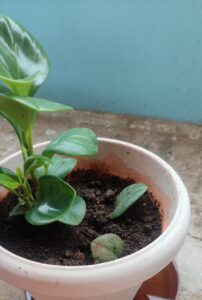
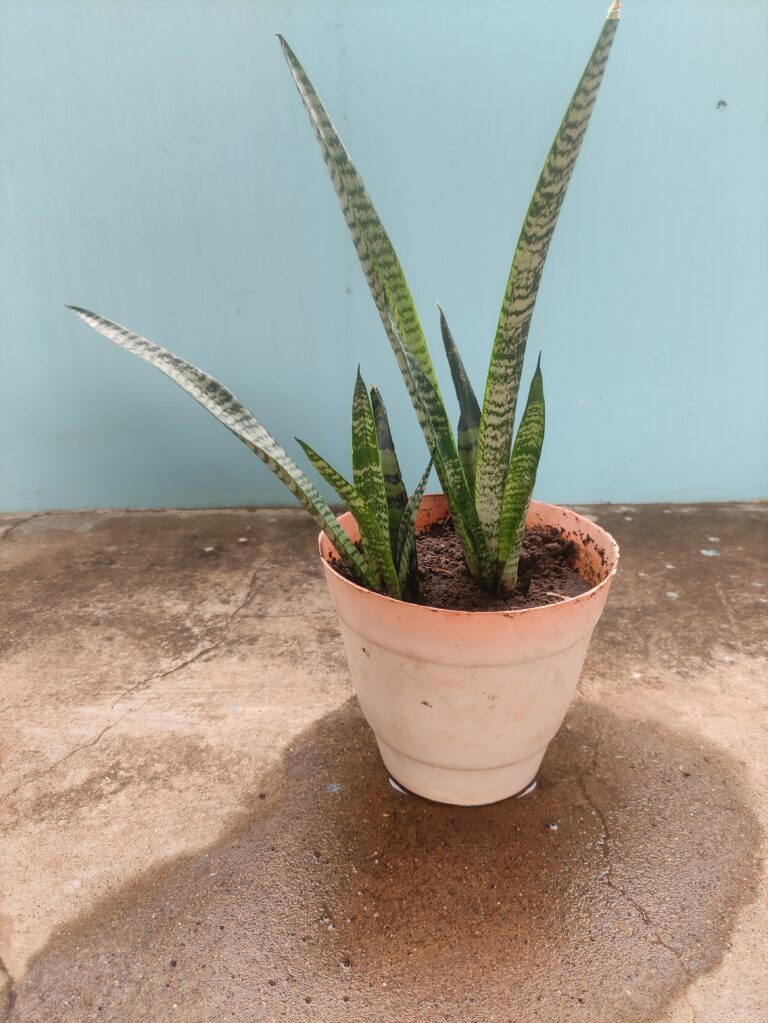


The search term that truly rescued my failing garden was simple: “easy plants to grow in pots for beginners.”
That single query opened the door to dozens of helpful blog posts—and introduced me to the plant families that are famously low-maintenance and hard to kill. I picked a few of them, and to my relief, they actually survived. They weren’t exotic or rare, but they kept the gardener in me alive during a very discouraging phase.
My first winning trio was pothos, snake plant, and peperomia—all incredibly beginner-friendly. But let me be completely honest: I still managed to kill a few peperomia plants, thanks to my two worst habits—overwatering and using heavy, compact soil. That experience taught me an important lesson early on:
Even the hardiest plants can die if your soil mix and watering habits are wrong.
These first successful pots helped me understand plant categories better—especially succulents, drought-tolerant varieties, and easy-care foliage plants that grow beautifully with minimal attention. As I slowly added more plants from these groups, something changed. With balanced watering, airy soil, proper pot size, and good drainage, my plants didn’t just survive—they began to thrive.
Along the way, I realized why so many beginners (including my past self) struggle with container gardening. There are a few golden rules that experts talk about all the time, yet beginners often ignore or misunderstand them. These simple principles can save countless plants from dying unnecessarily. I’ll share those rules in an upcoming blog, because they make a massive difference when you’re growing in pots.
Why Container Gardening Works for Me
Container gardening started working for me the moment I understood which plants actually thrive in pots. I focused on plant types that naturally do well in limited soil space—flowers, foliage plants, herbs, and succulents. I avoided root vegetables and most fruit trees in the beginning, because they are heavy feeders and need deeper soil, bigger containers, and more maintenance. Even now, although I grow a few fruits and vegetables, I’m extremely selective. Before buying any plant, I check its growing habit, mature height, and root structure to make sure it’s truly suitable for container life.
These small “reality checks” save me from disappointment—and they save money. Once you start choosing plants based on suitability instead of looks, the survival rate skyrockets, and the spending drops.
Speaking of money, container gardening has been far more affordable than traditional ground gardening. I’ve spent barely one-fourth of what it would cost to grow the same number of plants in a full landscape garden. There’s no need for excessive fertilizers, constant weeding, or major soil prep. If a plant doesn’t work out, replacing it doesn’t ruin the whole garden.
My main yearly investment is a simple soil amendment mix—cocopeat, compost, manure, and perlite. For feeding, I rely on a basic organic slow-release fertilizer routine, which is enough to keep most plants healthy and green.
And honestly, the best part is the flexibility. With container gardening, I can move pots around anytime—to chase sunlight, protect delicate plants from rain, or simply refresh the look of my terrace garden. This freedom is something traditional gardening can’t offer, and it’s one of the biggest reasons container gardening works so beautifully for my space and climate.
My Favorite Container Gardening Tools and Setups
One thing I love about container gardening is how beginner-friendly it is—you don’t need fancy or expensive equipment to start. In fact, the essential tools for new gardeners are simple, affordable, and long-lasting. I’ve been using the same basic tools for over 7 years, and they still work perfectly.
Here are the tools I genuinely recommend for every beginner:
Trowel– ideal for planting, repotting, and loosening soil.
Hand rake and fork – great for breaking compact soil and doing light weeding.
Gardening gloves – protect your hands and nails (my non-negotiable tool!).
Pruner– helps trim dead leaves, shape plants, and maintain plant health.
Watering can – gives controlled, gentle watering without disturbing the soil.
Gardening mat – sounds fancy, but trust me, it saves you from endless cleaning sessions.
These basics are more than enough to manage 10 to 50 plants comfortably.
When it comes to setting up your gardening space, here’s a tip that changed everything for me: keep a strong table with a little storage in a shaded corner. It keeps all your tools in one place, makes potting work easier, and saves your back from bending for long periods.
👉 Want to avoid the mistakes I made while buying tools?
Read my complete guide on the biggest tool regrets after 7 years of container gardening, so you don’t waste money and can choose smarter, budget-friendly alternatives.
Encouragement for Newbies
If you’re wondering how to start container gardening as a complete beginner, you’re not alone—I had the exact same doubt when I started. The best part is, you don’t need a big garden, fancy tools, or an expensive setup. With just a few basics, you can begin container gardening for under ₹2000, which is more than enough to set up and care for 5–10 healthy pots.
Beginner-Friendly Container Gardening Essentials
Here’s a simple shopping list to start your garden without wasting money:
-
Cocopeat block – retains moisture and keeps the soil light.
-
Compost+ manure – provides natural nutrients for plant growth.
-
Perlite– improves drainage and prevents soil compaction.
-
Organic slow-release fertilizer – long-term nourishment for your plants.
-
8-inch pots (12 pieces) – affordable, durable, and perfect for most small plants.
-
Watering can – gives gentle, controlled watering.
-
Basic gardening tool combo – trowel, fork, rake, pruner, gloves, etc.
-
Gardening mat – keeps your floor clean during potting work.
Most of these items are available locally and online, and once you buy them, they can support 20+ plants as your collection grows.
Top 5 Easy Plants to Start With
These plants are hardy, forgiving, and perfect for building your confidence:
They survive low light, inconsistent watering, and even beginner mistakes—exactly what helped me stay motivated in the early days.
If you’re scared of killing your plants (just like I was at the beginning), don’t worry. I didn’t have simple, honest guides like this when I started—and I still survived my era of being a “not-so-great gardener.”
Now, you have guidance, tools, and a head start. Mistakes will happen, but that’s where the learning comes from. And believe me—the moment you see a new leaf unfurl or a plant bouncing back from stress, the joy is worth every bit of effort.
Conclusion
tart your container garden today—one pot, one plant, one small step at a time. With the help of the blogs and practical guides here, you don’t have to feel lost the way I once did. And if you want more real experiences, honest tips, and beginner-friendly advice, make sure to follow me on social media so you never miss a new update.
If you’re still hesitant because you’re afraid of killing a plant, let me remind you of something:
I’ve killed more plants than I can count.
But I’ve also grown nearly 100 thriving plants, and I continue learning every single day.
That is the real journey—plants don’t just grow; they help you grow. They build your patience, curiosity, confidence, and joy in ways you won’t understand until you start.
I’d genuinely love to hear from you. Share your thoughts, experiences, or questions in the comments below. Your story matters, and your garden—no matter how small—is worth celebrating.
Let’s build a supportive, beginner-friendly gardening community together.
Until then, keep growing—in your garden, and in life.
Have questions about starting your container garden? 🌱
I’d love to hear from you! Visit the Contact Page to ask your questions, share your gardening experiences, or request personalized tips.

Pingback: What NOT to Grow in Containers (In My Experience) - Not_So_Green_Thumb
Pingback: My Biggest Tool Regrets After 7 Years of Container Gardening
Pingback: Simple Fertilizer Schedule That Actually Works (Tested!)