“If you think growing indoor plants in low light is impossible, think again! After years of trial, error, and tiny wins, I’ve found real survivors that thrive indoors — even in dark corners — without draining your wallet.”
I’ve been a groundbed gardener for almost 15 years — since the age of 14! Sounds crazy, right? But growing up in an agriculture-based family, gardening came to me naturally through my grandpa’s green thumb. He was my first teacher — patient, earthy, and full of plant wisdom.
When I moved to smaller spaces, I couldn’t grow plants in the ground anymore, so I turned to container gardening. It was around 2018 when I started experimenting with terrace gardening, trying to bring soil life to a cement space. At first, I treated container gardening like a side hobby — maybe 50/50 — but by 2020–2021, during the pandemic, it became a deep part of my daily life.
Back then, I was a true anthophile (flower lover). I started small — just a few semi-indoor plants like pothos, snake plant, and areca palm, the common varieties most beginners start with. But during those lockdown days, my love for foliage plants grew stronger, especially low-light indoor plants that could survive inside my home.
In these five years of indoor container gardening, I’ve tried (and honestly, killed) quite a few plants — but that’s how I learned! Through experience, I discovered not only which indoor plants truly thrive in low light but also what not to do if you want to keep them alive.
So, if you’re anything like the old me — wondering what plants can grow indoors with little light or how to care for them without spending too much — this blog is for you, my garden buddy. 🌱
Read till the end, and you’ll get the full picture — from the best budget-friendly low light plants to realistic indoor gardening care tips that actually work. You don’t have to waste money or watch another plant fade away. Let’s grow smarter, not harder.
💡 Before you bring home your next indoor plant, don’t miss this!
I’ve shared the 5 biggest foliage plant mistakes (and how I fixed them) — straight from my own trial and error.
🌤️ What “Low Light” Really Means for Indoor Plants
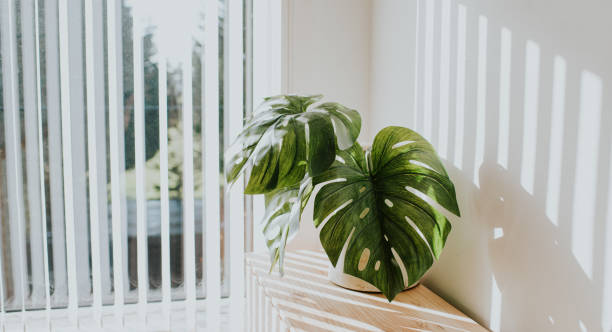
When we say low light, it doesn’t mean no light at all. It simply means less intense sunlight — the kind that filters through curtains, windows, grills, or buildings, or sunlight that’s tappled through trees or balcony screens.
Many new gardeners confuse short sunlight duration with low light, but that’s not always true. What matters most is light intensity, not just how long the sun shines. For example, early morning sunlight is softer and more plant-friendly than the harsh afternoon sun, even if both last for an hour.
Seasons also play a big role in light intensity indoors. During monsoon or winter, light levels naturally drop because of cloud cover and lower sun angles. So, when I say “low light” for indoor gardening, I mean spaces that receive less than 3 hours of gentle, indirect sunlight a day — that’s the sweet spot for most low-light indoor plants to thrive without stress.
🌿 Decode Your Space Before Choosing Plants
When it comes to light for indoor plants, the golden rule is simple:
👉 Decode your space before you bring your green babies home.
Start by observing your room or balcony in your current season, because light changes as the Earth rotates. You’ll notice how the sun’s direction and duration shift from summer to winter. Just a small plant placement adjustment every few months can make a big difference to how your indoor plants grow.
🔍 Easy Ways to Check Light Levels Indoors
I’ve tested plenty of ways to understand the lighting conditions in my home garden, both with tools and simple observation. Here are my go-to methods:
1. Using a Light Meter (Tool Method)
If you’re serious about getting accurate results and ready to invest a little, buy a light meter for indoor plants. It’s the easiest and most reliable way to measure light intensity in specific spots.
Here’s how I do it:
Take readings at 6 am, 8 am, 10 am, 12 pm, 3 pm, and 6 pm to understand your space’s light pattern throughout the day. This helps you decide which indoor foliage plants will do well in that area.
2. Using Your Smartphone Compass (Low-Budget Tool Way)
Most smartphones have a digital compass app, which helps you note directions — East, West, South, and North. Once you know where sunlight enters from, you can predict how bright or dim your space will be.
For instance:
- East-facing windows = perfect for morning low-light plants
- West-facing balconies = strong afternoon sun, better for hardy container plants
- North-facing windows = consistent but low intensity
You can even use AI tools or apps to identify approximate light levels based on photo data if you want a tech-assisted approach.
3. The Photo Method (No Tools Needed)
If you don’t want to buy anything, this method works great.
On a clear day, take photos of your plant spot every 1–2 hours from 6 am to 6 pm. Note how long the sunlight touches that area and when it fades. If direct sunlight hits it for less than 3 hours, that’s a low-light zone.
This is the method I used in my early terrace gardening days — simple, free, and eye-opening!
4. The Shade Method (Traditional Visual Way)
This is my favorite method because it’s old-school and surprisingly accurate.
Here’s how it works:
Stand near your plant spot around midday and hold your hand or a white sheet of paper about 12 inches above the surface.
- If your shadow is sharp and dark, that’s bright light (good for succulents, herbs).
- If your shadow is soft-edged or faint, that’s medium to low light (perfect for ferns, pothos, peace lilies).
- If you can barely see your shadow, it’s a very low-light area, best for ZZ plants or snake plants.
This method helps you judge light levels even without gadgets — just by reading the shade and shadow.
🌼Light Intensity > Light Duration
In short, low light indoors doesn’t mean dark corners. It means filtered, indirect, gentle sunlight that lasts for a few hours. Once you understand your space’s light pattern, you’ll be able to pick the right indoor plants for low light and stop guessing why some plants just don’t make it.
Remember, happy plants aren’t about perfection — they’re about right placement and consistent care. 🌱
🌿 Top 10 Best Plants That Truly Thrive in Low Light Indoors (Tested Since 2018)
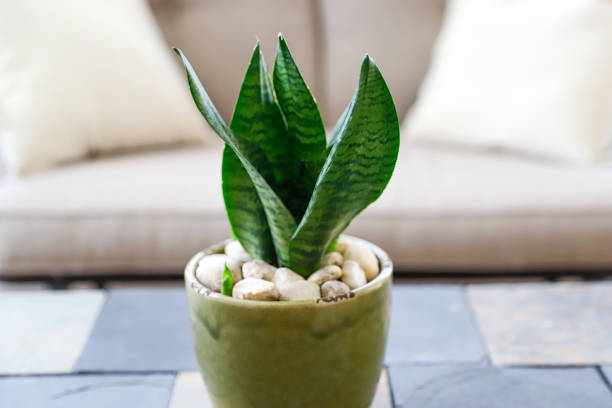
I’ve grown these beauties all over my terrace container garden and propagated them countless times. I move them around my home — sometimes for home décor, sometimes just to match my “plant mood.”
The reason I’m mentioning this is simple — these plants don’t just survive low-light indoors, they thrive beautifully in semi-indoor spaces too.
Some of them are sensitive to harsh sunlight and can get scorched if placed under direct afternoon sun, but all are low-maintenance plants if you follow a few basic care rules.
🌱 1. Snake Plant (Sansevieria trifasciata) — The Unkillable Air Purifier
This baddie is literally hard to kill. I started with just one snake plant in my ground bed back in 2018. Within a year, it turned into a mini hedge wall! I trimmed and propagated several cuttings, and now I’ve got four healthy pots, each around two feet tall.
It barely needs watering or fertilizing — just make sure the soil mix drains well and the pot has proper drainage holes. I only water when the soil feels dry, and that’s the secret to its long life.
💚 Pro Tip: Overwatering is the only killer here — “pouring love too often” will rot the roots! Give it a bit of sunlight once a week, and it’ll reward you with fresh, clean air.
🛒 Want to grow your own Snake Plant?
👉 Check price & buy Snake Plant online on Amazon »
(As an affiliate, I may earn a small commission at no extra cost to you.)
🌿 2. ZZ Plant (Zamioculcas zamiifolia) — For Those Who Forget They Own Plants
This cutie is one of my favorites — a slow-growing but elegant plant that loves being ignored. I started mine as a small plug sapling, and in six years, it has grown into a lush 2-foot-tall beauty.
It tolerates low-light conditions, needs minimal water, and rarely attracts pests. I’ve honestly never seen a pest attack on this one!
💧 Care tip: Use well-draining soil with good aeration, and feed a mild liquid fertilizer once every 4–6 weeks during the growing season.
🛒 Bring home your low-light hero!
👉 Shop ZZ Plant online at affordable prices.»
(Affiliate link disclosure applies — your support helps this garden grow!)
🌿 3. Pothos (Money Plant) — The Beginner’s Confidence Booster
If any plant deserves to be called the “starter plant of India,” it’s the money plant (pothos). This foliage beauty gives every beginner a confidence boost.
It grows fast, trails beautifully, and turns bushy if you place it right — ideally near east or north-facing windows with filtered light. Rotate once a month for even growth.
I’ve pruned mine countless times and propagated them easily in water and soil. With nutrient-rich potting mix and a liquid fertilizer every 6–8 weeks, it stays lush and green all year.
🛒 Get your first Pothos today!
👉 Buy Money Plant (Pothos) online here »
(Disclosure: This link may earn me a small commission — thank you for supporting my garden blog!)
🌸 4. Peace Lily — Not Lazy, Just Honest About Its Light Needs
Peace lilies are often misunderstood. They’re not lazy — they’re honest about their light needs. These plants prefer indirect sunlight, well-draining soil, and balanced watering.
Most gardeners lose peace lilies to overwatering or poor drainage. Remember, moist soil is fine; soggy soil is fatal. Feed a mild liquid fertilizer every 6 weeks during the growing season.
🛒 Add a touch of peace to your home!
👉 Buy Peace Lily online with pot combo »
(Affiliate disclosure: Small commissions help me keep sharing plant care guides!)
🌿 5. Aglaonema (Chinese Evergreen) — The Quiet Performer
Aglaonema is that underrated indoor gem — colorful, patterned, and surprisingly resilient. It brightens dark corners without much fuss.
Keep it in low to medium light, water only when the top soil is dry, and use pots with drainage holes. Avoid over-fertilizing — once every 2 months is more than enough.
💡 Pro Tip: Red and silver varieties do better in Indian homes as they handle humidity well.
🛒 Shop your favorite Aglaonema variety here!
👉 View Chinese Evergreen plants online »
(Affiliate link — helps support my terrace garden content!)
🌿 6. Spider Plant — The Easygoing Air Freshener
The spider plant is a true multitasker. It’s easy to grow, propagate, and perfect for hanging planters or vertical garden setups.
Just follow the basics — well-draining soil, bright indirect light, and minimal fertilizing. Watch for container pests during humid weather, since indoor air circulation is lower than outdoors.
Keep some distance between pots to avoid pest spread, and prune regularly to maintain shape.
🛒 Get your Spider Plant online!
👉 Shop spider plant varieties here.»
(Affiliate note: I earn a small commission from qualifying purchases.)
🎋 7. Lucky Bamboo — The Feng Shui Favorite
This water-and-soil-loving plant is popular for Vastu and Feng Shui reasons, but it’s also a charming tabletop green.
It thrives in filtered light, not in dark corners or harsh sunlight. Avoid overwatering or stagnant water. Replace water weekly if grown hydroponically.
🛒 Bring luck home with Lucky Bamboo!
👉 Buy Lucky Bamboo »
(Affiliate disclosure applies — thanks for supporting my garden journey!)
🌿 8. Philodendron — The Effortless Indoor Climber
Philodendrons are foliage showstoppers! With dozens of varieties, they’re perfect for low-light Indian homes.
Just ensure well-draining soil, moderate watering, and rotate them monthly for balanced growth. They’re fast-growing and easy to propagate from stem cuttings.
🛒 Start your indoor jungle with Philodendron!
👉 Buy Philodendron online here »
(Affiliate disclosure: This helps fund my plant care experiments!)
🌿 9. Cast Iron Plant (Aspidistra elatior) — The True Survivor
As its name suggests, this plant is tough as metal. Perfect for those dim, forgotten corners of your home.
It tolerates neglect, low light, dust, and dry indoor air — truly the “no-fuss” plant. Use rich but well-draining soil, and water only when the soil is dry.
💚 Fun fact: I call it the “zero-stress plant” — because once you pot it right, it just grows quietly for years.
🛒 Add a Cast Iron Plant to your low-light corner!
👉 Shop Cast Iron Plant online »
(Affiliate disclosure: I may earn from qualifying purchases.)
🌿 10. English Ivy — The Charming Green Curtain
English ivy adds instant charm to shelves, window sills, or hanging baskets. It’s great for air purification and low-light rooms if humidity is maintained.
Keep soil moist but not soggy, and mist the leaves occasionally. It enjoys indirect light, so avoid keeping it under harsh sunlight.
💡 Pro Tip: Trim regularly to keep it compact and lush.
🛒 Get your English Ivy starter today!
👉 Buy English Ivy online here.»
(Affiliate link disclosure: Helps support my gardening blog!)
🍃 Not all “air-purifying plants” actually work. These are the ones that made a real difference in my small space 👉
Discover the proven list
🌿 Hiding Ugly Corners? Best Container Ideas for Low Light Rooms
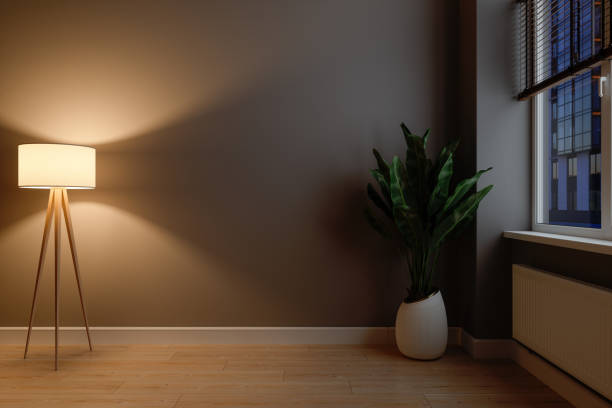
Hesitate to spend money on those dull, eye-sore corners? I gotcha, buddy! 🌱 You don’t need a big budget to give those dark corners an aesthetic and refreshing makeover. A little creativity can completely transform that dead space into a cozy low-light green corner.
Start by decluttering the area — remove unnecessary stuff and clean the surface properly. A tidy space instantly looks more inviting and gives your plants the spotlight they deserve.
Now, if that corner barely gets any sunlight, choose low-light survivor plants like Snake Plant or ZZ Plant. They’re tough, forgiving, and perfect for corners with no direct sunlight. You can even propagate them from your existing plants — totally free and rewarding!
If your corner receives low to medium light, try adding a small grow light for indoor plants to support plant health and growth. Even an affordable LED grow bulb can make a huge difference, especially during cloudy or monsoon days.
Next comes the fun part — containers! Don’t rush to buy new planters. Look around your home first.
Use DIY pots made from:
- Old ceramic mugs
- Kitchen glass jars
- Painted plastic buckets
- Or even upcycled wooden stools as plant stands
These small details bring instant personality and aesthetic charm to your low-light corner. Pair plants of different heights and leaf textures to create a layered, cozy vibe.
💚 Pro Tip: Mix functional and decorative elements — for example, place a trailing pothos in a glass jar beside a tall snake plant in a bucket-style pot. The contrast gives depth and makes even small spaces feel lush.
Remember, you don’t have to break the bank for beauty. Container gardening in low light is all about creativity, reuse, and a touch of plant magic.
🌿 Common Mistakes to Avoid in Low-Light Container Gardening
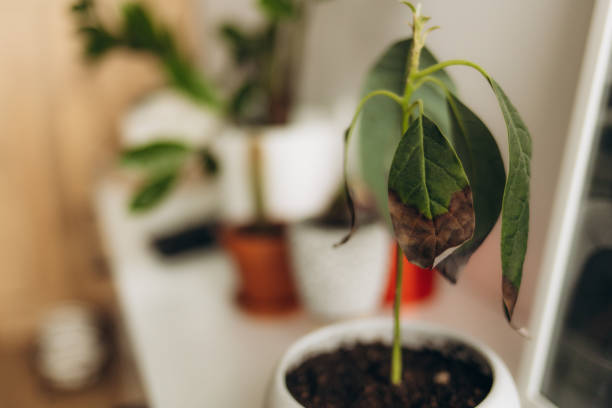
I’ve been there — spending hours caring for my indoor plants, only to find them turning yellow, wilting, or covered in fungus. If you’ve ever wondered, “Why are my indoor plants dying in low light?”, you’re not alone. I made every mistake in the book when I started, and trust me — learning what not to do made all the difference.
Let’s break down the most common indoor plant care mistakes beginners make, especially in low-light rooms, and how you can fix them easily.
💧 1. Overwatering in Dark Rooms (Slow Evaporation Trap)
Back in my early indoor gardening days, I believed watering meant “loving” my plants. Spoiler: that love drowned a few of them!
In low-light rooms, soil dries much more slowly, which means frequent watering leads to root rot. The golden rule I learned the hard way — always check the top 2 inches of soil. If it feels dry, water; if it’s even slightly damp, wait a few more days.
💡 Pro Tip: Use pots with drainage holes and a light, airy mix to avoid soggy soil.
🌬️ 2. Ignoring Air Circulation (Fungus & Mold Alert)
This one took me years to understand. Poor ventilation is a silent killer in indoor gardening. When air doesn’t move around, fungal spores thrive — causing mold on soil, yellow leaves, or even that unpleasant “damp” smell.
What I do now: keep a small desk fan on low speed near dense plant corners for 15–20 minutes daily. It mimics natural breeze, improves air circulation, and reduces pest and fungus issues drastically.
🌱 3. Using the Wrong Potting Mix (Too Heavy or Dense)
Early on, I used regular garden soil for everything — big mistake. Most indoor plants need a lightweight, well-draining potting mix that lets roots breathe.
Dense soil traps water and suffocates roots, especially in low-light conditions where evaporation is slower.
Now, I create my own mix:
- 40% cocopeat or peat moss (moisture retention)
- 30% perlite or sand (drainage)
- 20% compost (nutrition)
- 10% neem powder or coco chips (airflow & pest prevention)
This blend keeps my indoor foliage happy and fungus-free all year.
🌿 4. Neglecting Light Adjustments Between Seasons
Here’s a mistake I didn’t even realize I was making for years. The intensity and angle of sunlight change with the seasons. In winter or monsoon, that bright corner can suddenly turn into a dark spot — causing your plants to stop growing or drop leaves.
Now, I simply rotate my plants every few months or move them closer to the window when daylight gets weaker. This tiny habit keeps my plants active even during gloomy months.
✨ My “Then vs Now” Learning Curve
Then (2018):
I kept plants in one spot, overwatered them out of fear, used heavy soil, and never thought about ventilation. My peace lily and aglaonema barely survived those years.
Now (2025):
I treat my plants based on their space and light, not my routine. I use proper soil, water smartly, keep airflow constant, and rotate plants with the seasons. The result? Healthy, glossy foliage — and no more plant funerals! 🌿
Low-light gardening isn’t about giving less — it’s about giving right. Balance light, soil, and air — and your plants will reward you with quiet, steady growth.
Even in the darkest corner, the right care rhythm creates life. 🌱
🪴 Not sure what’s crawling on your indoor plants — or how it got there?
See the natural fixes that actually work
💡 When to Add Artificial Light — My Honest Experience
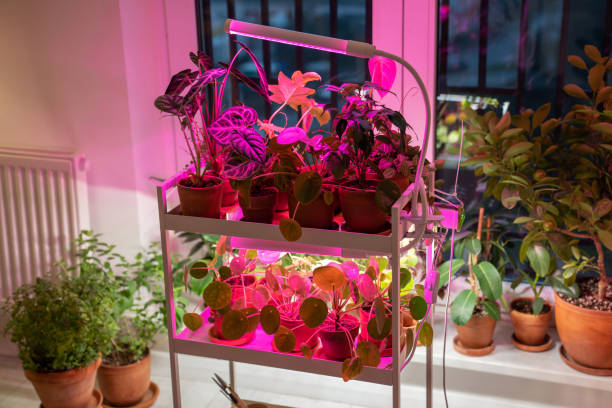
Let’s be real — not every corner in our homes gets sunlight, no matter how many times we shift plants around. That’s when I realized something important: sometimes, even the best low-light plants need a little artificial help.
When I first started my indoor container gardening, I believed plants could adjust to any light level. But over time, I noticed a few of my green babies — especially my peace lily and aglaonema — looking tired and dull. Their new leaves were smaller, and flowering almost stopped during the monsoon season. That’s when I decided to experiment with grow lights for indoor plants.
🌿 When Grow Lights Actually Help
Grow lights aren’t a luxury; they’re a simple plant survival tool when your home lacks natural light.
Here’s when I found them truly useful:
- 🌥️ During cloudy or monsoon seasons, when natural sunlight is minimal.
- 🏠 In rooms with north-facing or shaded windows, where sunlight rarely enters.
- 🌙 For working professionals, whose plants get only evening light after work. (no time to place them in sunlight)
- 🌱 For rooting cuttings or propagation, which need steady but gentle light.
So, if your indoor plants stop growing, lean or drop leaves despite regular care, it’s time to consider adding grow lights.
💡 My Personal Experience — Real Results
In 2023, I started using a 12W LED grow bulb on my peace lily for about 3 hours daily, just as an experiment. Within two weeks, I noticed a clear change — new leaf growth, stronger stems, and even a few flower buds!
The difference was remarkable — no expensive setup, just one affordable bulb fixed on a simple clamp holder. That moment changed how I looked at artificial light for indoor plants — not as cheating, but as support.
💰 Budget Grow Light Suggestions (Under ₹1000)
If you’re a beginner or just testing things out, you don’t need a fancy setup. I’ve tried a few affordable ones, and these worked well for me:
- 18W Full Spectrum LED Grow Light — Ideal for single plants or small corners.
- Clip-On Grow Light Lamp with Adjustable Arm — Perfect for flexible positioning on tables or balconies.
- Strip-Style LED Grow Lights — Great for shelves or multi-pot setups.
💡 Look for grow lights labeled “Full Spectrum (400–700 nm)” — they mimic natural sunlight and work best for most indoor foliage plants.
🛒 Recommended Product:
👉 Buy an affordable grow light for indoor plants (under ₹1000) »
(Affiliate disclosure: I may earn a small commission at no extra cost to you. I only recommend what I personally use and trust.)
🌱 Do Indoor Plants Really Need Grow Lights?
If your plants get at least 2–3 hours of natural, indirect sunlight, they can manage without grow lights.
But if your plants live in windowless corners, north-facing rooms, or areas with heavy curtains, a grow light is worth it — especially during the darker months.
Even low-light survivors like ZZ plants and snake plants will stay greener and healthier with a few hours of supplemental light.
💚 Think of it as giving your plants a mini sunrise — something steady and gentle to keep their growth rhythm alive.
🌿 Final Words: Grow What Works, Not What Trends
After years of experimenting, failing, and learning, here’s my truth — gardening doesn’t have to be picture-perfect. You don’t need a Pinterest-style home or a greenhouse setup to enjoy green life. All you need is a little space, patience, and the will to make something grow.
When I started container gardening for real homes, I didn’t have fancy pots or designer planters. I had old buckets, mugs, and clay pots that held my first few plants. What I learned through all these years — from my My Pots Garden experience — is that every space, no matter how small, can nurture life if you choose the right plants and give them consistent care.
Don’t fall for trends that make gardening look effortless and glossy. Plants are real, living things — they wilt, recover, and grow differently in every home. Follow realistic indoor gardening tips that fit your space, your light, and your routine — not what looks trendy online.
💚 Remember:
“Your home isn’t a Pinterest board, and that’s okay. Container gardening isn’t about perfection — it’s about creating life in the space you have, with the light you get.”
So, before you chase the next trending plant, take a deep breath and look around your space. Grow what works for you. That’s where true gardening joy begins. 🌿
🌸 Now it’s your turn, garden buddy!
Tell me — which plant survived your darkest corner? Drop your story in the comments — I’d love to hear what’s thriving in your home garden. 🌱
🌼 Recommended Reads for Every Container Gardener
Before you leave, here are a few of my most-loved guides that’ll help you grow smarter — not harder — in your container garden. These are all lessons learned through real experiences (and a few muddy mistakes!) from my 7+ years of container gardening journey. 🌱
🌞 1. Sunlight, Space & Drainage — The Holy Trio of Container Gardening
Confused about where to place your pots? Learn how to balance sunlight, spacing, and drainage to keep your plants thriving — even in compact apartments.
👉 Read this before you pick your next plant spot!
🌿 2. Perfect Potting Mix — Tips from 7 Years of Container Gardening
I’ve experimented with countless mixes, but only a few truly worked. Here’s how to build the perfect potting mix for healthy roots and faster growth — with ingredients you already have at home.
👉 Discover my tested soil mix recipe now!
🪴 3. Choosing the Right Containers — What Most Gardeners Overlook!
Not every pot suits every plant! Learn which container shapes, sizes, and materials help your plants grow stronger — and avoid those drainage disasters.
👉 Find your perfect pot match today!
💧 4. Liquid Fertilizer Secrets for Thriving Container Plants
From kitchen waste to DIY boosters — here’s how I use simple liquid fertilizers to revive tired plants and keep foliage glowing all year.
👉 Check out my low-cost fertilizer hacks!
🐛 5. Natural Pest Control in Container Gardening — No Chemicals Needed!
Struggling with tiny uninvited guests? I’ve tried and tested these safe, natural pest remedies that actually work — no toxins, no harm.
👉 Get my easy home remedies for pest-free plants!
💦 6. Watering Rules for Easy Container Gardening Care
Overwatering is the silent killer of indoor plants. Learn when and how to water smartly — your roots will thank you later!
👉 Master the art of watering wisely!
✂️ 7. Overgrown Pots? 7 Pruning Tips for Healthy Regrowth
Your plants aren’t dying — they’re just overgrown! Learn how to prune confidently for healthy, bushy growth without damaging your greens.
👉 Read my simple pruning guide for busy gardeners!
🌱 8. Safe Repotting Tips Without Damaging Roots
Repotting doesn’t have to be scary! Here’s how to move your plants safely with minimal shock and zero root damage.
👉 Follow these easy repotting steps I swear by!
💚 Loved this post? Keep exploring My Pots Garden — your go-to space for realistic indoor gardening tips and budget-friendly ideas for Indian homes. Every post here comes straight from my hands-on experience as a gardener since 2018. 🌱