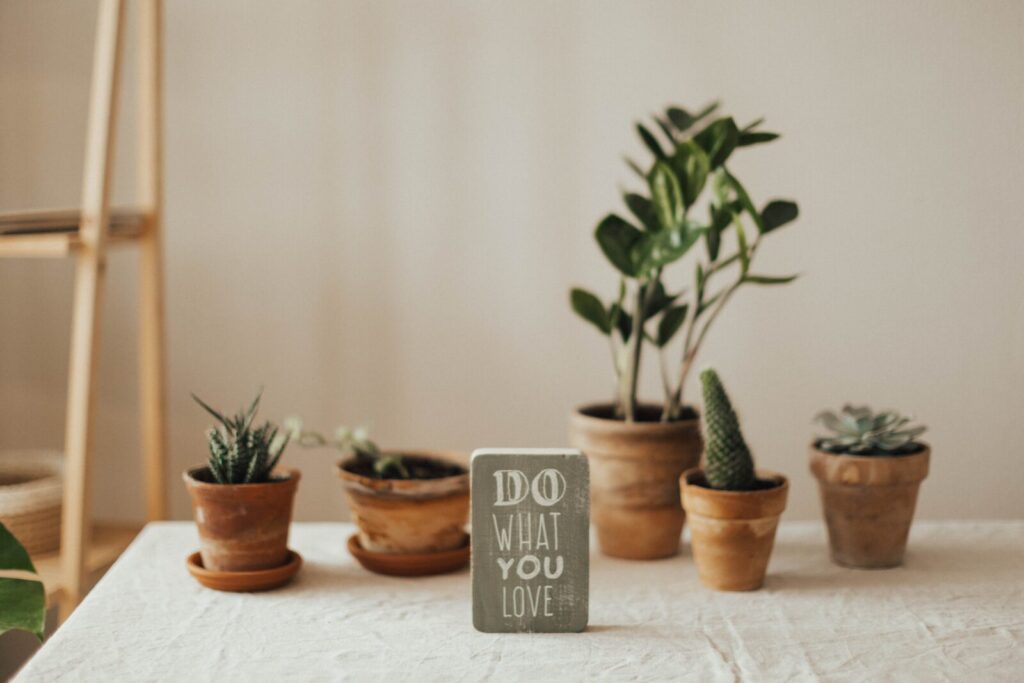
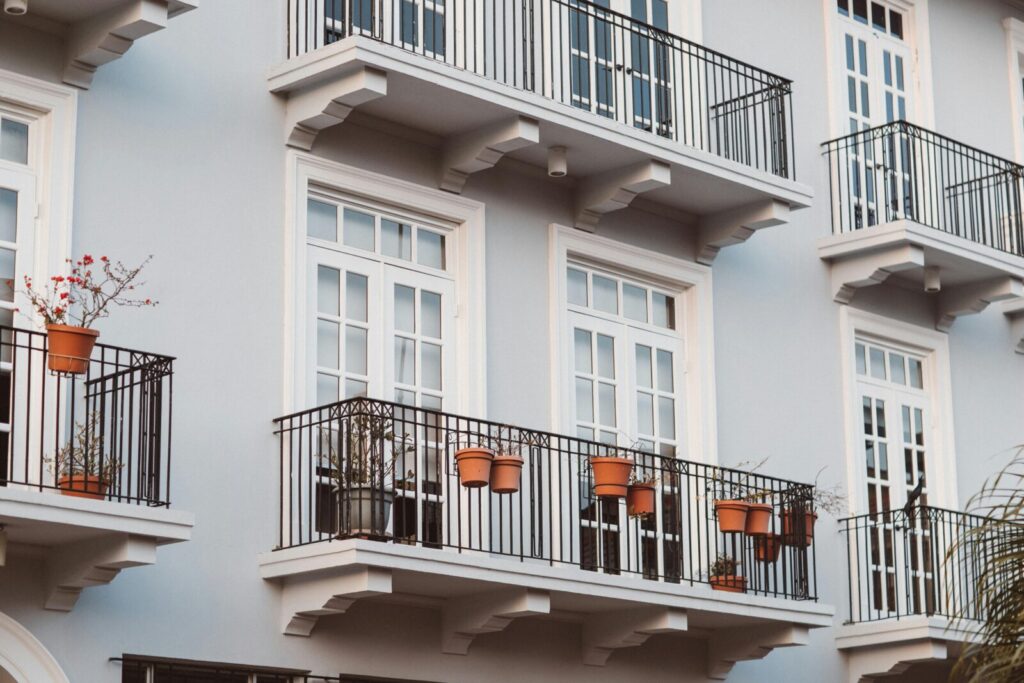
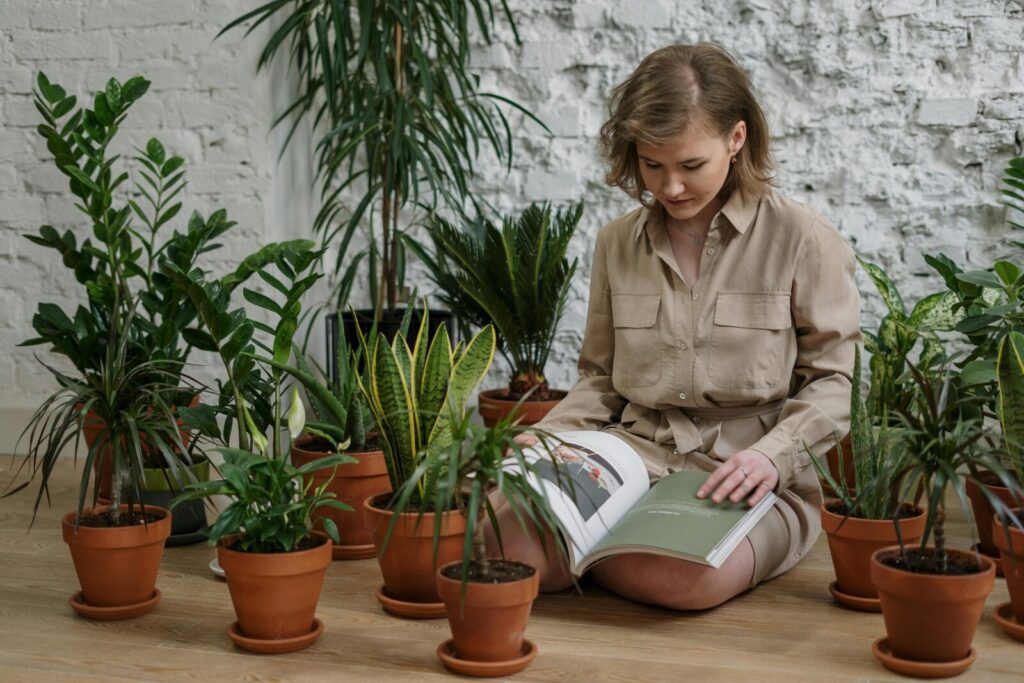
A balcony or terrace garden feels magical only when it’s calm, clutter-free, and filled with pots and plant stands that actually support healthy growth—no fancy décor needed, just smart choices that work in real spaces.
Balcony or terrace gardens aren’t just places to keep plants. They’re small pockets of calmness that give us fresh air, help us reset, and sometimes even heal us. But a chaotic garden does the opposite—it only brings irritation. When your balcony or terrace garden is neatly maintained, it doesn’t have to be aesthetic if you don’t want it to be.
A clean, organised garden with the right balcony plant pots and sturdy terrace plant stands completely changes the mood of the place. The right pot material, size, and stand height not only elevate the look but also help you utilise your small outdoor space better. It makes the whole area feel more open, breathable, and welcoming.
And if you think this setup needs a big budget—trust me, it doesn’t. With a few affordable garden pots for beginners, some smart stand choices, and an understanding of your space’s sunlight pattern, you can absolutely create a Pinterest-worthy balcony garden on a budget.
Let me walk you through what to look for, which mistakes to avoid, and how to pick pots and stands that last long, survive Indian summers, and support your plants even in challenges like overwatering or poor drainage. This way, you can build a garden that feels peaceful, functional, and uniquely yours—without compromising on cost or quality.
How to Choose Balcony Pots That Make Plants Thrive in Small Spaces (What I Learned After 7 Years)
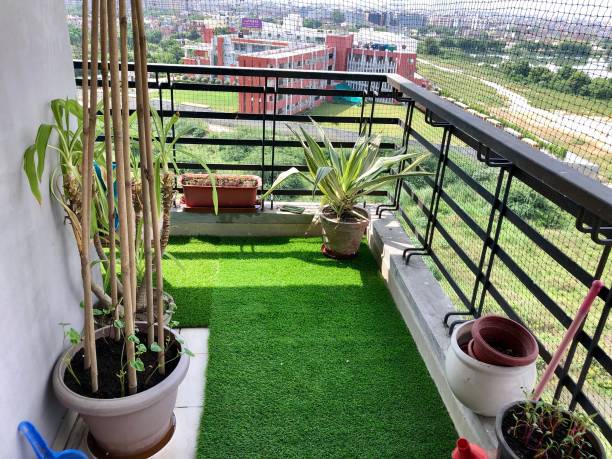
When we choose pots for a balcony or terrace garden, most of us focus on things like: “This pot looks cute… this one is cheaper… maybe a self-watering pot will reduce my workload…” These thoughts aren’t wrong, but they’re secondary. The first priority should always be the functionality of the pot, the part that directly affects plant growth, root health, and drainage.
So, what exactly is “functionality”?
- Pot material that suits your dominant weather
- Porous pots or pots with extra drainage holes
- The right pot size based on rootball size
- Pot type chosen based on your available balcony space
These four things decide whether your plant will thrive in small spaces or struggle.
Myth vs Reality – Why Fancy Ceramic Pots Don’t Automatically Help Plants Grow
I used to be obsessed with ceramic pots. In the middle of my 7-year gardening journey, I bought a few again—only to regret it. One of them shattered into pieces while I was repotting because the single drainage hole was clogged by hard-water salt buildup. The plant started wilting from poor drainage, moisture lock, and lack of airflow.
I managed to save the plant, but the pot was gone… and I ended up with a few cuts on my hand.
After that incident, I became very careful about ceramic planters in my terrace garden. I still buy them occasionally, but only if the vendor adds an extra drainage hole. When buying online, I use the double-pot method, keeping the plant in an inner nursery pot and placing it inside the ceramic one.
Fancy ceramic pots don’t magically help plants grow. If you want healthier roots and fewer overwatering issues, non-glazed terracotta pots are a better option. They’re porous, breathable, dry faster in humid climates, and are ideal for indoor or semi-indoor spaces.
But here’s my golden rule for vertical spaces:
No heavy pots—ever.
Heavy pots damage floors, crack shelves, and add unnecessary load.
Best Pot Materials for Indian Balconies (Terracotta vs Plastic vs Grow Bags)
From my experience, terracotta and concrete pots offer the best aeration and least waterlogging. But they’re heavy, which makes them unsuitable for small balconies, parapet walls, railing planters, and vertical stands. Over the years, I’ve seen heavy pots cause stress cracks on my terrace floors. That’s when I started using bottom trays more seriously.
For Indian weather—summer heat, monsoon humidity, and mild winters—you can safely use all three main pot types:
✔ Terracotta & Fabric Grow Bags (Porous)
- Allow natural evaporation through tiny pores
- Lower chances of root rot
- Great for beginners
- Still need drainage holes
✔ Plastic Pots & HDPE Grow Bags (Non-Porous)
- Lightweight
- Good for vertical and railing setups
- Need extra drainage holes
- Need a well-draining soil mix and mindful watering
Avoid blindly assuming “summer = extra water” or “winter = no water.” Instead, use the finger test—water only when the topsoil feels dry.
(For detailed seasonal tips, check my full seasonal balcony care series.)
Pot Sizes That Prevent Root Rot and Stunted Growth
Pot size is one of the most confusing topics online—blogs, reels, shorts, everyone says different things. Some suggest going for big pots so you water less often. Others say small pots look cute and aesthetic.
Both are wrong.
The rule is simple:
Choose a pot that is 2 inches bigger than the rootball—not the plant size.
Repot only when you see clear repotting signs:
- Roots circling
- Soil drying too quickly
- Stunted growth
- Water draining out too fast
- Salt buildup in soil
This method supports healthy roots, prevents waterlogging, and avoids stunted growth.
How to Fix Overwatered Balcony Plants Caused by Wrong Pots
Overwatering isn’t always about “too much water.” Most of the time, it’s caused by:
- Wrong pot material
- Wrong pot size
- Wrong pot depth
- Not enough drainage holes
When pots are too big, they hold excess moisture, which leads to:
- Foul smell
- Mushy stems
- Yellowing leaves
- Fungus
- Black gnats (fungus gnats)
- Stunted growth
Some pots are labeled as a certain size, but their depth is too large, causing water retention and root suffocation.
If your pot size is right, check pot material:
Best for preventing overwatering (porous):
✔ Terracotta
✔ Concrete
✔ Fabric grow bags
✔ Coco-coir pots
These dry out faster and naturally regulate moisture.
If you’re using non-porous pots (plastic, steel, glass, ceramic, resin):
- Use the double-pot method
- Add extra drainage holes
- Use a bottom drainage layer
- Always use a well-draining soil mix with cocopeat + perlite + compost
Right pot + right soil = fewer problems, fewer pests, and much healthier plants.
→ Must-Read Next:
- Ready to repot your plant the right way?
If you’re unsure about rootball size, timing, or how to shift plants without stressing them, my Repotting Guide breaks it all down step-by-step.
👉 Read the full repotting guide here
- Still confused about how much water your plants actually need?
Don’t worry—I’ve made a simple watering guide that helps you avoid overwatering and underwatering in real balcony conditions.
👉 Read the watering guide here.
- Struggling with drainage issues or mushy soil?
My drainage guide shows the exact fixes—from extra holes to proper pot layering—to help your plants dry evenly and stay healthy.
👉 Read the drainage guide here.
- Want to pick pots that actually support plant growth?
I’ve listed the best pot materials, sizes, and shapes for Indian balconies so you never waste money again.
👉 Read the pot selection guide here.
- Your soil mix decides 80% of plant success.
If you want a simple, affordable blend that prevents root rot and works for most balcony plants, don’t skip this one.
Balcony Plants That Survive Indian Summers & Harsh Weather (Pots & Stands That Actually Help)
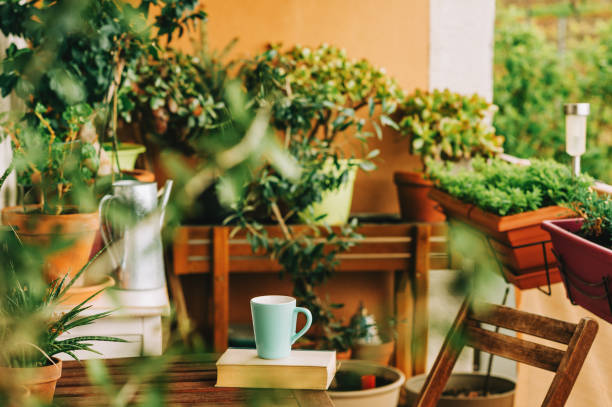
Indian summers are boiling—no lighter word fits. In many states, the sun dominates almost 70% of the year, and balconies face direct heat for hours. If you live in one of those regions where your balcony feels like an oven, choosing the right heat-resistant pots is the first step to protect your plants.
Heat-Resistant Pots That Don’t Crack or Fade in Indian Sun
The basic rule is simple: choose affordable pots, not “cheap” pots. There’s a huge difference.
If a pot costs ₹30 and cracks, fades, or warps after one harsh summer, you replace it again next year for ₹40 or ₹50. That’s not savings—that’s repeated loss.
But if you invest ₹60 on a quality pot once, it will last you seasons, even under full sun.
In my own case, I bought a set of UV-protected 8-inch plastic pots almost 6 years ago. They survived every summer—only the colour faded. But the structure is still intact. Meanwhile, the “offer buy” pots and cheap plastics I bought broke in 1–2 years.
Some simple buying rules that save money and plants:
- You don’t need ₹300–₹500 “designer pots” in the name of aesthetics.
- Read product reviews and see real user images.
- Check the sale numbers—more sales usually mean better reliability.
- In plastic pots: choose UV-protected (longer life, less heat damage).
- In terracotta: avoid suspiciously cheap ones; buy from trusted vendors.
- In ceramic: go with non-glazed pots that have drainage holes (glazed ones trap moisture).
- When trying a new pot material: buy one small pot first to test quality before bulk purchase.
Functionality > Looks.
A beautiful pot can still kill a plant if it traps heat, moisture, or cracks under pressure.
Best Plants for South-Facing Balconies (My Tested List)
South-facing balconies receive strong direct sunlight for 4–8 hours daily, especially in Indian summers. In my experience, only heat-tolerant, desi, and drought-resistant plants thrive here without constant babysitting.
Here’s my real, tested list:
🌿 Hardy Flowering Plants
- Bougainvillea – thrives in extreme heat, minimal watering
- Hibiscus (local varieties) – strong sun improves flowering
- Adenium – perfect for full sun, drought-tolerant
- Rangoon Creeper – great for railing or wall-side stands
🌿 Drought-Tolerant Herbs
- Tulsi (all varieties) – heat-loving, medicinal
- Lemongrass – drinks sun all day
- Thyme & Rosemary – love dry soil and heat
- Mint (Mentha) – grows fast even in hot climates if watered properly
🌿 Desi Foliage Plants That Don’t Sunburn Easily
- Jade (Crassula Ovata) – excellent for hot balconies
- Aloe vera – thrives in neglect and full sun
- Snake plant (desi cultivar) – surprisingly heat-tolerant
- Money plant (Marble Queen) – only if kept in shade pockets
Tips for South-Facing Balconies
- Use UV-protected pots or light-coloured pots to reduce soil heat.
- Elevate pots with metal or plastic stands for airflow.
- Add a 1-inch mulch layer to protect roots.
- Water early mornings—not evenings—to avoid heat shock.
Shade-Loving Plants That Thrive in Low-Light Apartments
Every balcony has those corners where sun never touches the floor—mine too. And ironically, some of my healthiest plants live there. Shade-loving plants don’t just survive low-light—they prefer it.
Here are the ones I tested and fully trust:
🌿 Foliage Plants for Dark Corners
- ZZ Plant – grows in deep shade with minimal watering
- Peace Lily – needs consistent moisture but loves indirect light
- Philodendron Brasil – gorgeous trails even in low-light
- Aglaonema (Chinese Evergreen) – colourful and surprisingly tough
- Ferns – thrive if humidity is decent
🌿 Small Plants That Add Freshness Indoors
- Pothos (Golden) – grows anywhere, even in bathrooms
- Spider Plant – perfect for shelves and hanging pots
- Syngonium – grows fast and survives low-light
What worked for me personally
- I placed my peace lily near the balcony pillar—zero direct sun but bright shade.
- My Philodendron Brasil trails beautifully from a hanging stand in my balcony’s darkest corner.
- ZZ Plant sits near the shoe rack—no sun, still gives new shoots.
Shade plants don’t need more light—they need consistent moisture, breathable pots, and airflow to prevent fungus.
Seasonal Setup – How to Rotate Pots Before Summer Heat Hits
Summer prep is not optional—it’s survival.
In my second year of gardening, I completely ignored pot placement and lost three plants in just two days. The sun hit them directly from noon to evening, the soil overheated, and the roots literally cooked. That mistake taught me how important seasonal pot rotation is for Indian balconies.
Here’s the exact routine I follow now:
🌞 Step 1: Identify Heat Pockets
Every balcony has hot zones and cool zones.
Hot zones = areas receiving 3–6 hours of harsh afternoon sun.
Cool zones = spaces near walls, behind pillars, under shelves, or any corner with filtered light.
Before summer starts, I observe my balcony for a few days and map these zones.
🌿 Step 2: Move Sensitive Plants to Shade
Plants like Syngonium, Calathea, ferns, pothos, peace lily, and most foliage plants can’t tolerate intense heat.
I shift them to shaded corners, under plant stands, or towards the east-facing side, where they get only soft morning sunlight.
🔥 Step 3: Move Heat-Tolerant Plants to the Frontline
Plants such as Bougainvillea, Adenium, Aloe vera, Jade, Lemongrass, and Hibiscus actually enjoy the strong sun.
I place them in the hottest zone—they become my summer “frontline soldiers.”
🪴 Step 4: Add Mulch & Elevate Pots
A 1-inch mulch layer keeps roots cool and slows evaporation.
Using stands lifts pots off the heated floor and improves airflow.
💧 Step 5: Change Watering Timing
I water early morning so plants start the day hydrated.
Night watering in summer is a big no—it causes fungus and root rot.
My Mistake (And What Fixed It)
In year two, skipping rotation caused sunburnt jade, wilted pothos, and two dead ferns.
Now, I rotate every March, and my plants handle the summer far better.
Affordable Balcony Garden Pots & Stands for Beginners (Including My Low-Cost DIY Fixes)
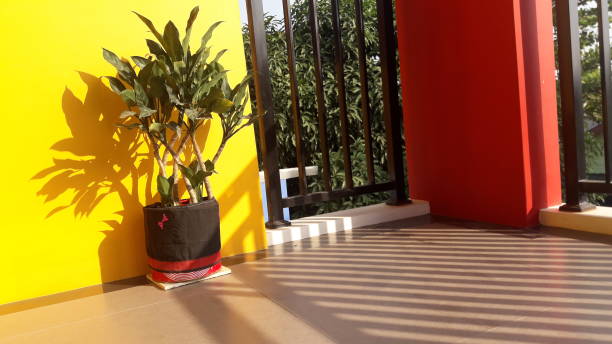
When you’re starting a balcony garden, it’s tempting to buy whatever looks cute or comes on “big sale.” But trust me—affordable doesn’t mean cheap, and beginners can easily build a durable setup without spending thousands. Here’s what actually worked for me.
Budget Pots Under ₹200 That Last Longer Than Expensive Ones
You don’t need fancy pots to grow healthy plants. My top picks under ₹200 are grow bags and plastic terracotta-look pots. They’re lightweight, practical, and last surprisingly long.
I still laugh (and cry a bit) remembering when my ₹600 ceramic pot shattered during a rainstorm, but the ₹80 grow bag next to it survived without a scratch. That day I realised functionality > looks.
Best Balcony Plant Stands for Small Spaces (Stable, Rust-Proof & Cheap)
For small balconies, multi-tier stands, corner stands, and horizontal stands are the best space-savers. But quality matters. My first ever plant stand collapsed because the rods were too thin to handle weight—one loud “clang” and three pots broke.
Now I always check rod thickness, base stability, and rust-proof coating before buying.
Tools Beginners Actually Need vs Marketing Gimmicks
Most gardening kits are full of unnecessary tools.
You only need 5 essentials:
- Pruning scissors
- Garden trowel
- Watering can or sprayer
- Gloves
- A moisture-check tool (your finger!)
Everything else is optional—don’t fall for gimmicks.
🪴 If your pots turn white, dry out fast, or feel icy — it’s not normal. Want to know what it means?
Read the winter pot-care guide
How to Arrange Balcony Pots for Better Drainage, Airflow & Sunlight (Beginner-Friendly Layout Guide)
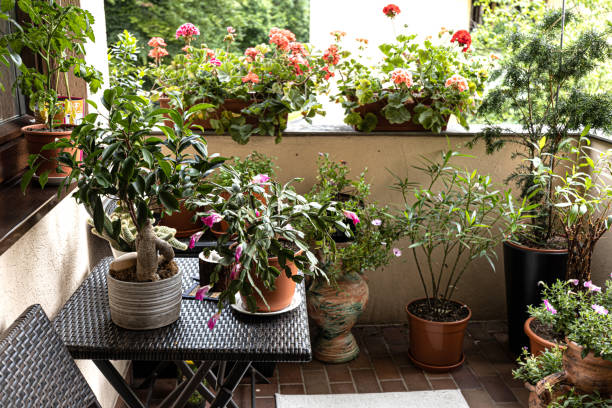
Good pot arrangement is the backbone of a healthy balcony garden. Most plant issues—fungus, root rot, yellow leaves, and stunted growth—come from poor airflow, drainage, or wrong sunlight exposure. I learned this the hard way.
The Balcony Layout Mistake That Killed 12 of My Plants
A few years ago, I overcrowded one corner of my balcony because I wanted a “full and lush” look. In reality, all I did was block airflow. Within two weeks, 12 plants died—fungus, gnats, and root rot everywhere.
That day I understood this one truth:
Plants need breathing space just as much as we do.
Now, I keep gaps between pots, elevate them on stands, and avoid pushing everything into one corner.
Sun Mapping – How to Use Your Balcony’s Light Without Burning Plants
Every balcony has different light zones. Before placing pots, observe:
- Where the sun hits in the morning
- Where the light becomes harsh
- Which areas get reflected heat
- Which spots stay shaded
My biggest mistake? Keeping a money plant in direct afternoon sun—it burned within a day.
Now I give heat-loving plants the “front row” and move shade plants behind pillars or towards the east.
How to Improve Drainage in Any Pot
Let’s bust the pebble myth—pebbles don’t fix drainage; they create a waterlogged layer.
Use these low-cost hacks instead:
- A thin layer of coconut husk chips
- A handful of broken terracotta bits
- Lightweight LECA (if available)
And always use a well-draining soil mix.
Best Pot Stands to Improve Airflow in Humid Indian Weather
Pot stands are not just for “aesthetic height.” In humid regions, elevation prevents fungus, mealybugs, and root rot by allowing airflow under the pot.
Metal stands, plastic risers, and brick-based DIY stands all work well—and they keep the floor from heating up your pot.
🌿 Your plants are already telling you whether they like their spot — but are you noticing the signs? 👉
Learn the placement secrets here
Final Mindset Shift — A Balcony Garden Is a Long-Term Relationship, Not a Quick DIY Project
If there’s one truth I learned after years of balcony gardening, it’s this: not every plant will survive, no matter how much care you give. Some pots break, some roots rot, some plants just never adapt. And that’s okay. Slow growth and failures aren’t signs of incompetence—they’re simply part of the gardener’s journey. Every dying leaf or wilted plant teaches you something new about timing, light, seasons, and patience.
A good pot or plant stand supports your plant quietly in the background—just like a good friend supports you without making noise. A wrong pot may look aesthetic but slowly suffocates the plant. A right one gives space, breathability, and stability. Over time, you learn to choose pots the same way you choose people: based on support and reliability, not appearance.
Seven years taught me that gardening success doesn’t come from fancy planters or perfect layouts. It comes from small, consistent actions—checking soil moisture, rotating pots, pruning regularly, adding fresh compost, and simply showing up. A plant won’t judge your balcony décor, but it will respond beautifully to routine care.
You don’t need 20 plants to begin. Start with two. Let yourself fail, learn, adjust, and grow alongside your garden. Fix slowly, enjoy the little wins, and let your balcony teach you patience.
A thriving garden is not built in a weekend—it grows with you.
💬 Before You Go — Share Your Experience With Me!
I’d love to hear from you.
Have you tried any of these pot choices, layout ideas, or seasonal setups? What mistakes taught you the biggest lessons? And what’s one thing you’re proud of in your balcony or terrace garden?
Your stories, feedback, and even tiny wins can inspire someone else who’s just starting out.
Drop your thoughts in the comments — let’s grow and learn together. 🌿✨