4 Money Traps I Avoided to Cut Gardening Costs in 2025

“Container gardening can get expensive fast—especially when trends, premium products, and quick-fix fertilizers promise miracles. But after 7 years of growing in pots, I learned the real savings hide in simple routines.”

“The Myth of ‘Expensive Gardening’ & What Actually Saved Me Money”

When I started container gardening in 2018, I had zero awareness about “must-have” gardening products. I simply used my basic ground-garden tools, local soil, and organic manure—nothing fancy, nothing premium. Like many beginners, once the hobby was rooted in my head, I fell into the rabbit hole of constant research, watching gardening videos on repeat, and searching for the best balcony gardening products.

And just like most new gardeners, I made the usual mistakes. I bought the wrong pots, invested in expensive potting mixes, and tried every “premium” solution the internet recommended. But none of those things saved my green thumb.

Myth-busting: You don’t need premium everything to get premium results in a small-space garden.

Over time, my approach changed. I stopped chasing expensive tools and switched to functional, long-term, budget-friendly gardening products. I also learned that in container gardening, minimal is gold. When you adopt simple, consistent care routines from the start, your plants naturally thrive.

Depending on expensive fertilizers, quick-result pesticides, or fancy imported products will never guarantee success. Why? Because container gardening is a lifestyle—a slow habit you blend into your daily routine. And in this lifestyle, routine outperforms any premium product.

This mindset shift, along with my 7 years of hands-on experience, helped me avoid so much unnecessary spending. But in 2025, I took it a step further. With better planning, decluttering my garden shelf, and focusing on what actually works in Indian climate conditions, I saved money, time, and stress—while helping my plants grow even better.

Read till the end to see the four loopholes I closed that saved me the most money this year—practical, India-specific tips you can apply today.

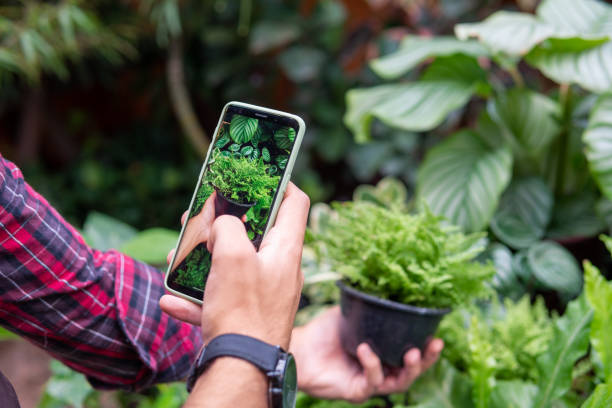
Person photographing a small potted plant at a nursery, illustrating how social media plant trends influence buying decisions in balcony and container gardening.

Trendy Plants = High Cost + High Failure Rate (What 2025 Taught Me)

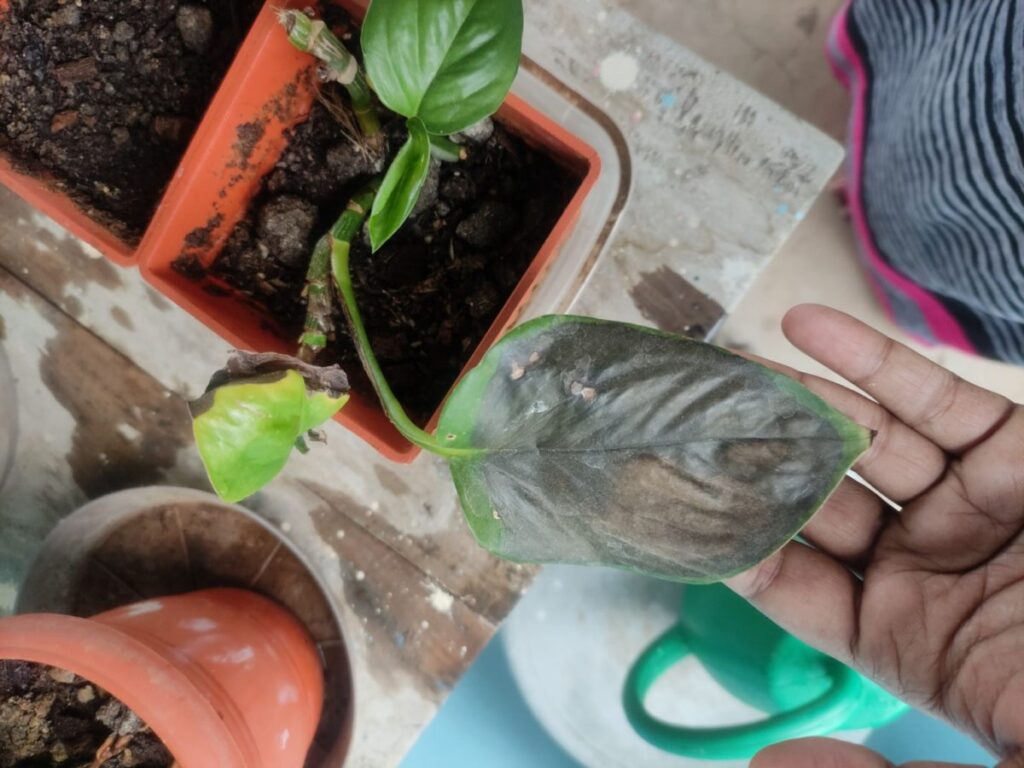
I hope it’s not just me—every gardener has felt this. You see a gorgeous plant reel on social media, fall in love instantly, and buy that pricey, “viral” plant… only to watch it turn into a totally different-looking plant after a few weeks or, worse, die completely. Then we buy expensive fertilizers, extra potting mix, and even new tools, trying to save it.

The truth hits only later: every plant has specific microclimate needs. If those needs don’t match your local weather, the plant struggles no matter how much you spend. Buying plants “for the trend” almost always ends with a frustrated gardener and an empty wallet.

I realized this two years ago, but in 2025, I finally committed to stopping trend-based purchases completely. This small mindset shift saved me from unwanted spending on unsuitable plants and saved my heart from unnecessary disappointment.

Buying plants—just like buying garden products—must be based on your climate zone, your space, and your own gardening habits, not what’s trending online.

How I Choose Plants Now for Guaranteed Success & Savings

For me, the first filter is always local weather. My climate is tropical with harsh heat and high humidity. So I stick to heat-tolerant, hardy plants and avoid sensitive varieties that require cooler temperatures or controlled environments.

Season matters too. Even strong, low-maintenance plants can die if bought in the wrong season due to transplant shock. After learning this the hard way, I now avoid buying plants during:

  • Peak summer (high stress, low survival)
  • Heavy monsoon (root rot issues)
  • Peak winter (slow growth, weak roots)

Instead, I buy during late summer, post-monsoon, or early winter, when plants get 3 months to settle into the local climate.

Your space matters as much as your climate—terrace gardens, balcony gardens, and indoor corners each get different sunlight, ventilation, and humidity levels. Matching plant needs to your space prevents unnecessary deaths.

And the final filter is your lifestyle. Some plants need consistent watering, pruning, and feeding. If your schedule doesn’t allow it, they will suffer. Choosing plants that match your time, energy, and care routine is the smartest way to avoid wasting money.

Plants That Save Money Because They Multiply Easily

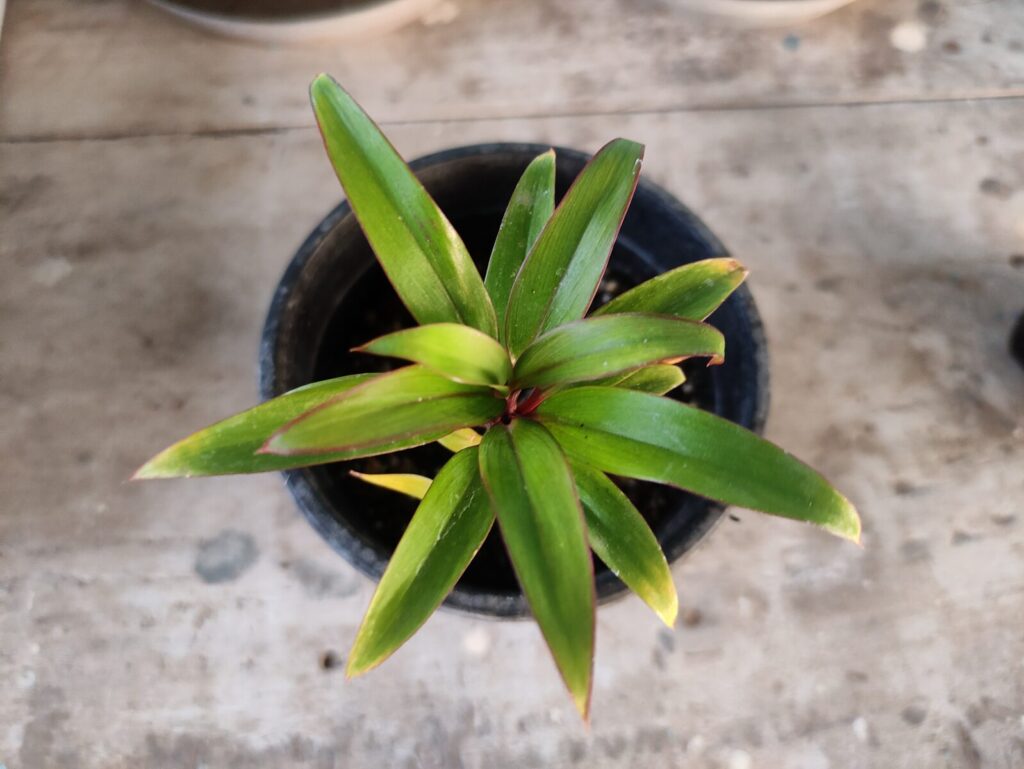
If you want a green, full-looking balcony without overspending, choose hardy, easy-care plants that propagate effortlessly. Succulents, foliage plants, grasses, and many shrubs fall into this category. These are the true budget-friendly plants for beginners because one purchase can give you dozens of new plants over time.

Edible plants, on the other hand, require consistent work—watering, pruning, pest checks, and nutrient management. They are rewarding, but they are not “low-maintenance.” Growing food is practically a part-time gardening job.

If your goal is simply to fill your space with lush greenery, stick to low-maintenance houseplants, succulents, and heat-tolerant foliage plants. For moderate care levels, flowers and herbs fit perfectly.

With this understanding, you only bring home plants that you can actually care for—so they don’t die on you. And the best part? You don’t need expensive gardening products to keep them alive. Just the right plant in the right place.

Before you bring home your next plant, read these!


They’ll help you avoid the exact mistakes I made in my early years of container gardening.

😳 I didn’t expect these plants to thrive — and I definitely didn’t expect these failures. Curious what really happened?

✔️ 5 Simple Gardening Tricks Smart Growers Use Daily
https://mypotsgarden.com/5-simple-gardening-tricks-smart-growers/

✔️ 7 Placement Tips for Indoor & Balcony Pots (Game-Changing!)
https://mypotsgarden.com/7-tips-place-indoor-balcony-pots-right/

✔️ Foliage Plant Mistakes I Finally Fixed—So You Don’t Repeat Them
https://mypotsgarden.com/foliage-mistakes-fixed-container-gardening/

I Buy Quality Hand Tools — Not the Expensive Ones, Not the Cheap Ones Either

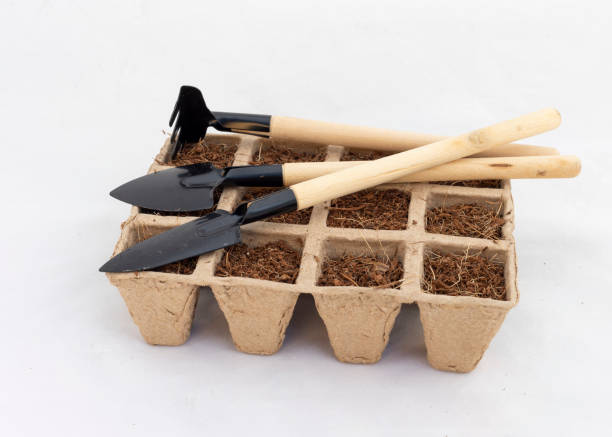
Set of small gardening hand tools placed on a biodegradable seedling tray, illustrating affordable, durable tools suitable for balcony and container gardening.

If you buy cheap gardening products just because the price looks low, you’ll end up spending even more later. Cheap tools bend, rust, snap, and need constant replacement. Worse, if they break while using them, you can actually get injured—I’ve experienced that firsthand.

Setting a budget for gardening tools is good. Being mindful about what you spend is even better. But choosing the cheapest option is never the solution.

On the other side, expensive premium tools are not always the best choice. Some imported brands look fancy but feel uncomfortable during long use, or they simply don’t suit Indian balcony gardening conditions. And no premium tool can replace the one thing that truly makes a garden thrive—routine care and consistency.

So what do you actually need?

Based on my 7 years of gardening, I survived 80% of day-to-day work with just a few basic, functional hand tools:

  • Watering can

  • Trowel

  • Hand fork

  • Hand rake

  • Gloves

  • Pruner

  • Gardening mat

I bought these tools one by one with months in between, but later I realized that many affordable gardening tool combos offer the same quality for less. Not cheap, not premium—just reliable, durable, and comfortable.

The key is to invest in good basic tools that you’ll use every week. No need for fancy gadgets or oversized kits. Your gardening hand tools should be:

  • Sturdy and well-balanced

  • Rust-resistant or powder-coated metal

  • Comfortable grip (wood or high-quality rubber)

  • Durable enough for container soil, cocopeat, compost, and daily digging

And for watering cans or gardening mats, choose good-quality plastic or silicone material that can withstand heat, sunlight, and long-term use in Indian climates. These small choices save money in the long run and make your gardening routine smoother.

🌿 My Gardening Tool Essentials (Tried, Tested & Budget-Friendly)

These are the exact tools I rely on every week in my tropical container garden. If you want long-lasting, functional tools without wasting money, start here:

👉 Gardening Tool Combo (Trowel, Fork, Rake, Pruner, Gloves)

Durable, rust-resistant, and perfect for everyday balcony gardening.
→ Check Today’s Price

👉 Gardening Mat (Thick, Foldable & Easy to Clean)

Protects floors, makes repotting cleaner, and lasts for years.
→ View the Mat I Use

👉 10L Watering Can (Best for Terrace Gardens)

Strong water flow, sturdy handle—ideal for larger plant collections.
→ See the 10L Can

👉 1.8L Watering Can (Perfect for Balcony & Indoor Plants)

Lightweight, neat pour, and beginner-friendly.
→ Explore the 1.8L Can

I Avoid Pricey Plants That Don’t Suit My Local Climate

It’s not about avoiding quality saplings or refusing to spend money. The real issue is not knowing a plant’s growing pattern or climate needs before buying it. If you buy a plant only because it looks beautiful online, without checking its requirements, you end up wasting money.

Start simple. Begin with local nursery plants, seeds, or affordable plug saplings that are already adapted to your climate. Once you gain experience and understand how plants respond to your space, then you can slowly explore a few “expensive” or uncommon plants. But never buy too many at once—try one, help it thrive, propagate it, and only then upgrade.

How Climate Mismatch Leads to Hidden Costs

Even if you know the basics of container gardening, a plant with climate requirements opposite to your local microclimate will struggle. It won’t thrive, it will constantly need “rescue care,” or it might simply die—leaving you frustrated and spending more money on fertilizers, soil, and pest control.

The solution is simple:
Understand your local climate before selecting plants.

Observe:

  • What is your dominant weather?
  • Do you get harsh summers?
  • Do monsoons cause fungal issues?
  • Is the humidity high most of the year?
  • Are winds strong during certain months?

Once you understand these patterns, choose climate-tolerant plants that can handle your conditions. This one step instantly reduces plant loss and unnecessary spending.

Plants That Thrive in My Zone (and Save Me Money Every Year)

I live in the southern part of Tamil Nadu, where the weather swings aggressively throughout the year:

  • Peak summers with intense heat
  • Dusty winds around July–August
  • Heavy monsoons from September to November
  • Winter mornings with fog and high humidity

With these extremes, I realized my terrace garden could only support hardy plants—whether foliage, flowering, or edible. Sensitive, cool-climate plants simply don’t survive here.

Once I accepted this, everything changed.
I started:

  • Categorizing garden spots based on wind and light
  • Tracking sunlight patterns throughout the year
  • Choosing plants that suit each micro-zone
  • Buying new plants only during stable weather months

Of course, mistakes still happen. Once, I bought plug saplings in the wrong season and lost all 10–15 of them. But those failures taught me to follow a simple checklist before buying anything new.

A Simple Checklist I Use Before Buying Any New Plant

1. Sun Requirement

Does the plant need full sun, partial shade, or indirect light?
Matching this with your balcony/terrace sun pattern prevents sunburn and stunted growth.

2. Heat Tolerance

Can it handle peak summer temperatures in your region?
If you live in hot zones like Tamil Nadu, heat-intolerant plants will fail no matter how much care you give.

3. Pest Resistance

Some plants naturally attract fewer pests, saving money on treatments.
Choose varieties known for disease resistance, especially for humid climates.

4. Growth Speed

Fast growers fill space quickly and give a sense of success.
Slow-growing plants need patience, stable climate, and more precise care.

5. Propagation Ability

Plants that multiply easily save the most money.
If one plant can turn into 5–10 over time, your garden grows without extra spending.

This simple checklist helps me avoid impulse buys and choose plants that truly match my space, climate, and routine—reducing loss and saving money every single year.

🌱 Most beginners fail not because of plants — but because they ignore these basics. Want to know what to fix first in 2026?

I Stock My Potting Amendments & Organic Fertilizers for a Year With Proper Storage

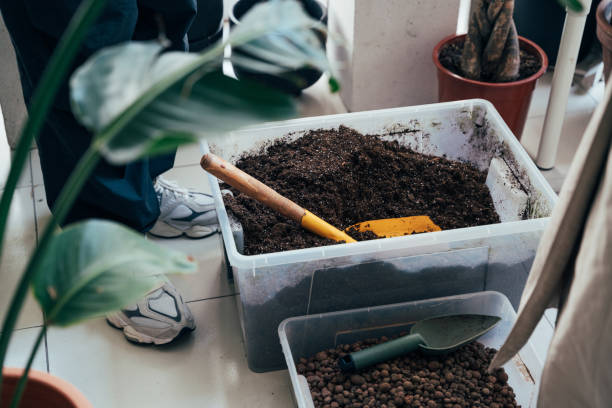
Containers filled with potting soil, cocopeat mix, and gardening tools, showing how to store potting amendments and organic fertilizers for balcony and terrace gardening.

Why Bulk Buying Saves Money (Cost Breakdown)

In my early gardening days, I was stubborn about using only garden soil and compost. But that heavy soil mix is not suitable for balcony or terrace container gardening the same way it works for ground beds. Eventually, I bought expensive ready-made potting mix without much understanding, and it didn’t last long.

By 2020, I finally learned about potting amendments and how they improve drainage, aeration, and root health. That’s when I switched to bulk buying, and it completely changed my gardening budget.

I started purchasing amendments like:

I store everything in recycled paint buckets with lids, which is one of the most budget-friendly container options. This stock is enough for one to two growing seasons for 50–60 plants, depending on pot size and repotting frequency.

Storage is what makes this method work:

  • Cocopeat blocks should be expanded, sun-dried into a loose powder, and stored in airtight buckets.
  • Compost and manure usually come moist. They need airflow, so keep them in containers with aerated lids or cover them with cloth to prevent fungus.
  • Perlite, vermiculite, bone meal, neem cake, mustard cake powder, and other dry organic fertilizers settle well in airtight containers.
    Use dry spoons, label containers, and always keep moisture away.
  • Liquid fertilizers and organic pesticides should stay in their original bottles with lids tightly closed.

Bulk shopping may look like a big purchase at first, but it’s far cheaper than buying small bags of potting mix throughout the year. It saves money, reduces packaging waste, and ensures you always have what your plants need — no last-minute nursery runs, no inconsistent soil mixes.

This once-a-year purchase system is one of the easiest ways to maintain a consistent potting mix and a budget-friendly balcony garden.

CONCLUSION — Functional Gardening Over Fancy Gardening: The Real Way to Save Money

At the end of the day, gardening success doesn’t come from luxurious plants, premium tools, or expensive soil mixes. It comes from understanding your space, choosing the right plants for your climate, and building a simple routine you can follow every week. After 7 years of container gardening, my biggest lesson is this: simple choices create the biggest savings.

When you ignore trends, choose hardy plants, invest in only the essential tools, and stock your potting amendments wisely, your garden becomes easier to manage—and far more affordable. These habits protect your plants, your time, and your budget.

I hope my experience helps you avoid the mistakes I once made and guides you toward a more functional, confident gardening journey.

If you have your own money-saving gardening tips, I’d love to hear them. Leave a comment below and share what worked for you!

🌿 Want to grow smarter? Read next:

Wanna Free Plant Guide?

Garden Care Basics - Just for You

Get your FREE PDF guide packed with tips on watering, sunlight, soil and potting.

Wanna Free Plant Guide?

Garden Care Basics - Just for You

Get your FREE PDF guide packed with tips on watering, sunlight, soil and potting.

Leave a Comment

Your email address will not be published. Required fields are marked *