Why Simple Gardening Goals Matter More Than “Perfect” Container Gardens?
In my 7 years of container gardening, I’ve grown many plants—and lost a lot of them, too. In the early years, my plant losses stayed under 30. But between 2021 and 2024, I lost 30+ plants, mostly because I was doing too much, not too little.
So in 2025, I made a conscious decision to reduce my plant count and slow down. Even if I increase it again in 2026, I now know how to keep plant care simple, repeatable, and low-effort. Container gardening doesn’t reward heavy weekly work or expensive products—it rewards a consistent care routine that fits real life.
Why Most Beginners Quit Gardening? (And It’s Not Because They’re Lazy)
Most beginners don’t start gardening with dreams of a huge terrace or an aesthetic garden. It usually begins with one plant that survives, and that small success sparks curiosity. Then come the videos, reels, and picture-perfect gardens online.
This is where many beginners get trapped. They start comparing their small setup with professional gardeners’ gardens, buy high-maintenance plants too early, and add more pots than they can realistically manage. Soon, watering schedules, pest problems, and feeding routines feel overwhelming. Some adjust their approach—but many quietly give up.
What a Functional Container Garden Really Looks Like in Indian Homes?
Container gardening in India doesn’t follow Western patterns—and it doesn’t need to. Our climate, space, water habits, and daily routines are different. A functional container garden does not look perfect online, but one that fits your home, time, and budget.
This blog is written to help beginners set simple gardening goals for 2026—so you can grow plants without burnout, reduce plant loss, and enjoy container gardening in a minimal, practical, and budget-friendly way.
- 🌿 2025 taught me some uncomfortable truths about plant care — and they changed how I garden.
Read the hard year-end lessons here
Goal #1 – Start With Fewer Pots, Not More (Beginner Container Gardening Mistakes to Avoid)
Why “More Plants = Better Garden” Is a Costly Myth
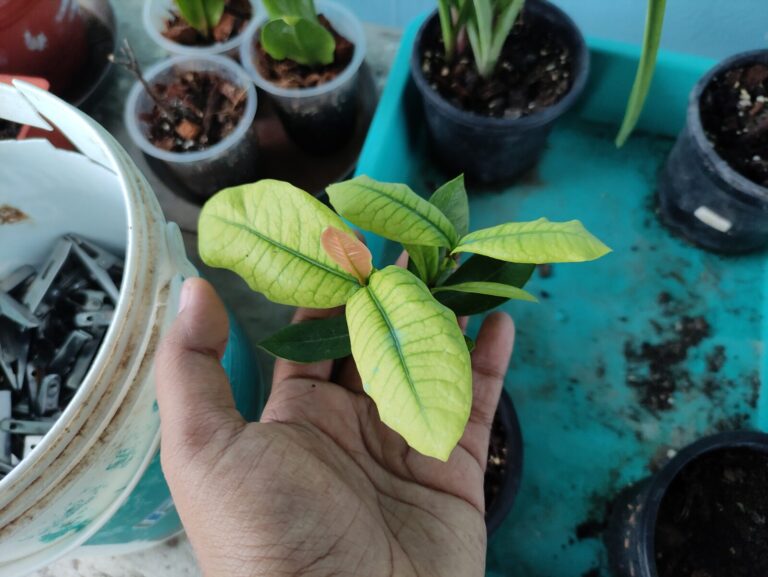
A huge plant collection always looks fascinating. I was once there too—filling my terrace with 70+ plants, thinking I had become a pro gardener.
At the beginning of 2023, I already had around 70 plants and was still adding more—at least in my head and shopping cart. Then life happened. By the end of 2023, I slipped and mildly fractured my knee. My terrace garden was suddenly without my regular presence, and it took weeks before I could even walk properly without shaking.
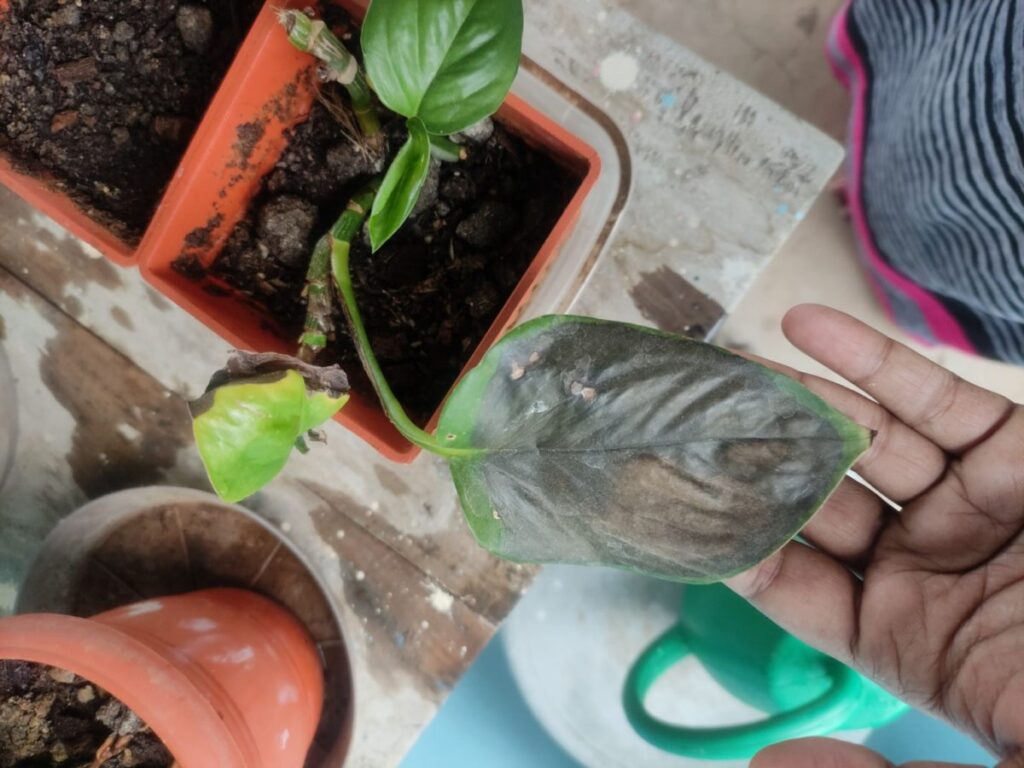
During that time, my house help and parents took turns watering the plants. When I finally visited my terrace after a few weeks, I had lost almost half of them due to overwatering. The remaining plants were struggling with heavy pest infestations and fungal issues, and many were clearly stressed and nutrient-deficient.
It took me 2–3 months just to clean up the garden after that phase. From then on, I intentionally kept my plant count as minimal as possible. Emergencies can come without warning—you may fall sick, travel suddenly, or be away from home for weeks. If your garden is filled only with high-care, sensitive plants, they simply won’t tolerate even small disruptions.
That’s when I truly understood that more plants don’t make a better container garden—manageable plants do.
How Many Pots Are Ideal for First-Time Container Gardeners in India
For beginners, being mindful of plant quantity is extremely important. Start small, focus on care, and choose easy-to-grow, hardy plants that can tolerate minor neglect. You need at least 2–3 seasons to understand your local climate changes and how plants actually behave in your space.
If you’re just starting, 10 potted plants are more than enough. Choose varieties based on your local weather conditions and opt for plants known to perform well in Indian container gardens. These few plants will teach you how sunlight, heat, rain, pests, and seasonal changes affect growth—and what truly helps plants thrive in your environment.
And please don’t fall for fancy plants, designer pots, or premium potting soil at this stage. You don’t need them. Simple terracotta pots from a nearby nursery are enough. Buy small quantities of cocopeat blocks, compost, perlite, neem cake powder, and a basic fungicide. Stick to basic gardening tools—nothing fancy. This phase is about learning, not perfection.
🌱 My Beginner-Friendly Container Gardening Starter Kit
(What I Actually Recommend After Years of Trial & Error)
If you’re just starting container gardening, you don’t need fancy tools or expensive setups. This simple starter kit covers everything required to grow plants without overwhelm or unnecessary spending.
Here’s what I recommend for beginners:
✔ Basic Gardening Tools Combo
A small hand trowel, cultivator, and pruner are more than enough for daily container care.
✔ Gardening Mat
Keeps soil mess under control while mixing potting mix or repotting plants—especially useful for terrace and balcony gardening.
✔ Cocopeat Block
Lightweight, budget-friendly, and ideal for improving drainage and aeration in container pots.
✔ Compost (Organic)
Provides slow, steady nutrients without burning plants—perfect for beginners.
✔ Neem Cake Powder
Helps with soil health and basic pest prevention when used regularly.
✔ Basic Fungicide
Useful during monsoon or humid seasons to control early fungal issues in containers.
✔ Watering Can (Small)
Helps avoid overwatering—one of the most common beginner mistakes.
👉 This is the same simple setup I suggest to anyone starting container gardening in India.
It’s affordable, easy to manage, and more than enough for learning plant behavior across seasons.
(Affiliate links may be included. I recommend only items that align with a beginner-friendly, practical gardening approach.)
😬 Most gardening advice costs you more money — not less. Want to know what I stopped buying in 2025?
Goal #2 – Choose Plants That Match Your Climate, Not Trends (Low-Failure Plants for Containers)
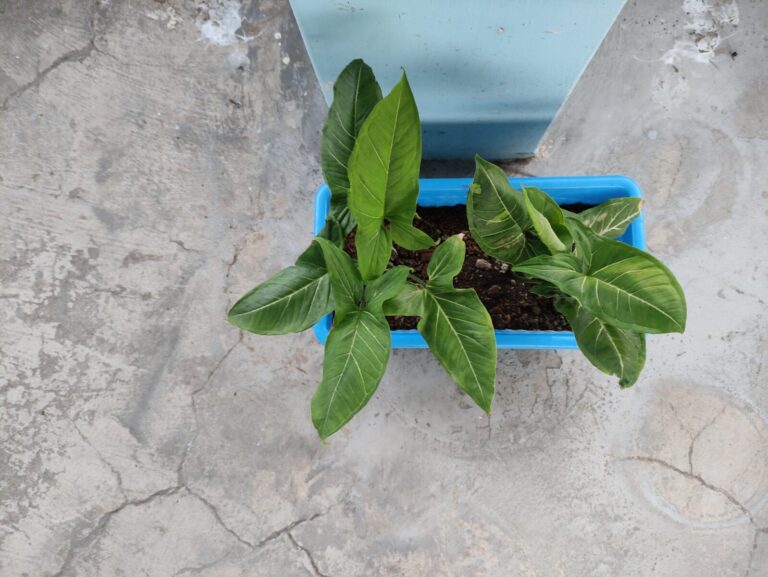
Plants That Consistently Perform Well in Indian Containers
India has a highly versatile climate, just like its culture. So I can’t point out one single plant that works everywhere in the country. But I can share some of my beginner-friendly plant buddies, along with their micro-climate needs, so you can choose what suits your dominant local weather.
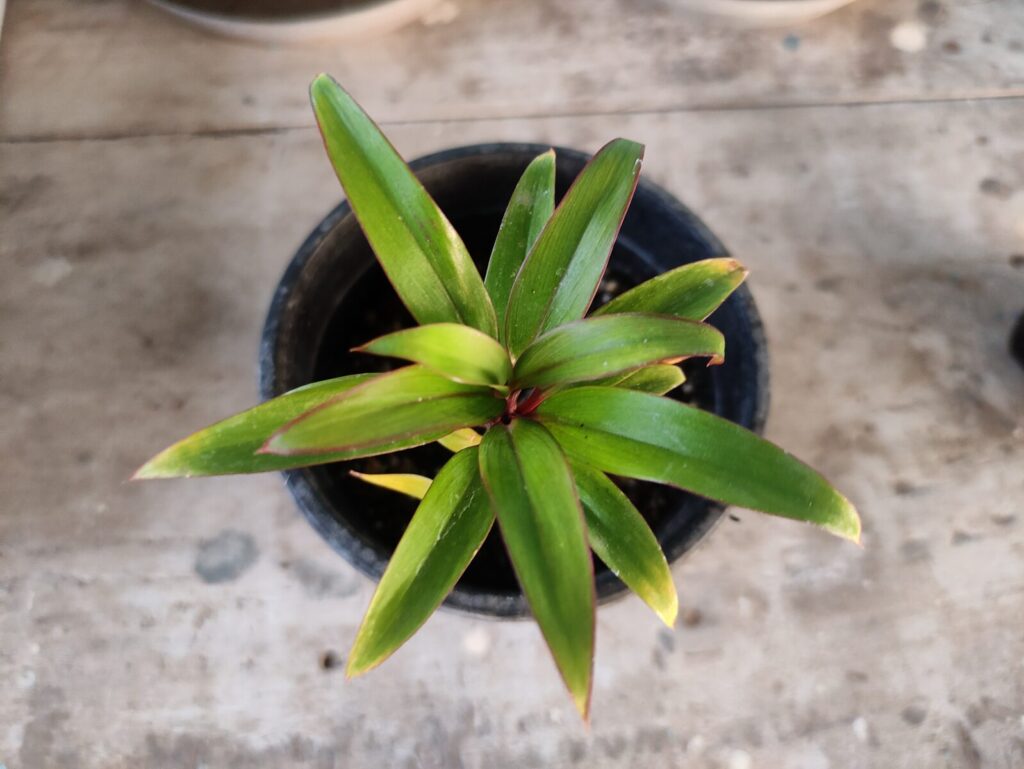
For foliage plants, snake plant, pothos, ZZ plant, peperomia, and devil’s backbone are truly plant-and-forget types. They tolerate heat reasonably well, prefer bright indirect sunlight, and demand very little attention. Overwatering is what kills them most often, so good drainage and checking soil moisture before watering are more important than frequent care.
For flowering plants, hibiscus, roses, bougainvillea, ixora, and crepe jasmine are comparatively hardy and less demanding once established. Keep them well-ventilated, check regularly for pests, and feed them with compost once a month. They grow best in bright light, with some direct sun, depending on your location.
Once you gain some confidence with flowering plants, you can slowly try growing flowers from seeds like marigolds, gomphrenas, zinnia, petunia, portulaca, and other easy varieties. But remember—flowering plants need closer attention, especially during monsoon and winter, as pests and root rot can wipe them out quickly if ignored.
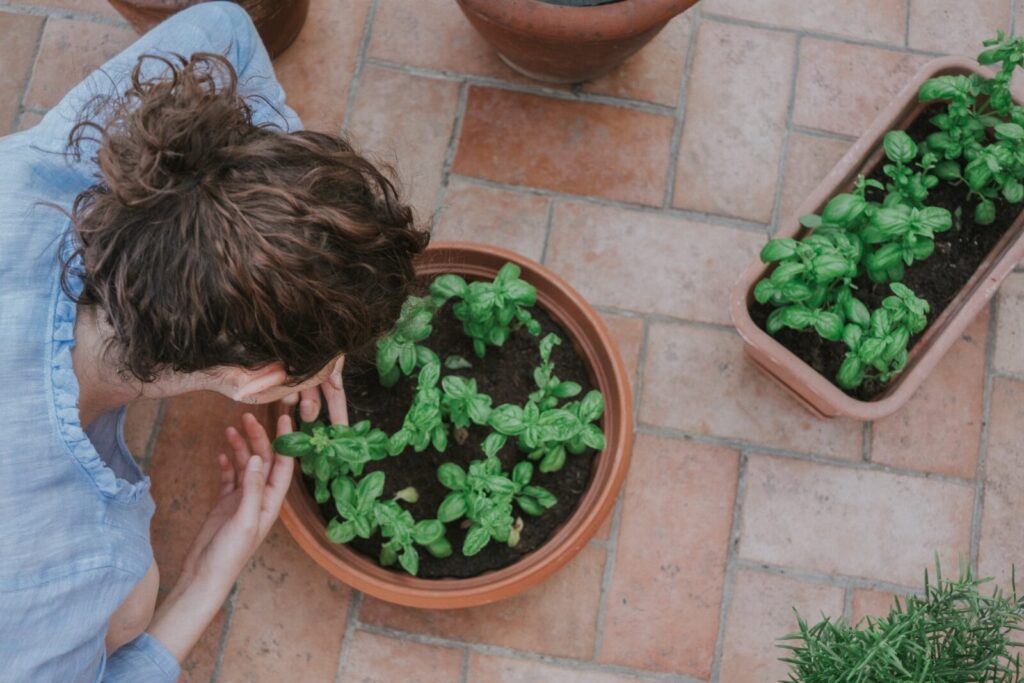
For herbs and vegetables, beginners can start with basil, sweet basil, coriander, chilli, and tomato. These plants are easy to try but are more prone to pest attacks. Always mix neem cake powder into the potting soil and keep an eye on the leaves. Most edible plants are heavy feeders and need at least 4 hours of direct sunlight, along with mindful watering.
Why Trending Instagram Plants Often Fail in Real Homes
Instagram reels mostly show the results, not the struggles behind them. You don’t see the failed cuttings, plant losses, climate challenges, or the level of experience and support those gardeners have.
What you’re watching is not the first few months of plant stress—it’s the outcome. Even if a plant looks effortless for an influencer, their local weather, light conditions, and routine may be completely different from yours.
Before choosing any plant, ask yourself three simple questions:
- How much time can I realistically give?
- What is my local climate and seasonal pattern?
- How much light does my garden space actually receive?
For beginners, plants from local nurseries are always easier to manage. They are already adapted to your regional climate and are far more forgiving than trendy, imported, or rare varieties.
🌿 Some plants surprised me… others completely failed. Want to know which ones actually earned their spot this year?
Goal #3 – Build One Reliable Potting Mix Instead of Chasing Recipes
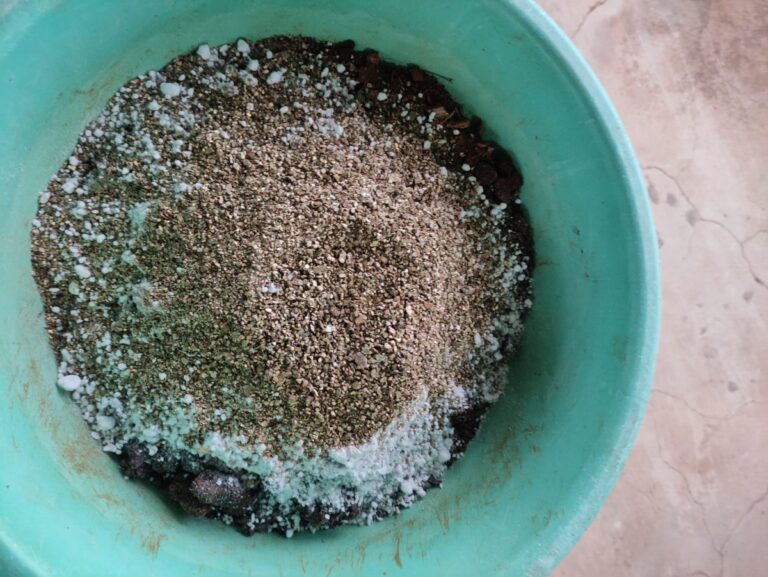
The Truth About “Perfect Potting Mix” Formulas
Many beginners feel that readymade potting mixes are easier. At first, they are—but in the long run, they’re expensive, and using one potting mix for all plants is a disaster.
Foliage plants and houseplants are low feeders. They burn easily if you add too much fertilizer—even organic compost. They also need a lighter, more aerated potting mix compared to flowering or edible plants. Too much nutrition or dense soil often leads to root stress, fungal issues, and slow growth.
On the other hand, flowering plants and edible plants are heavy feeders. They benefit from a mix that includes sterilized garden soil and compost for steady nutrition. These plants can tolerate slightly moist soil—but never soggy conditions. Poor drainage is still the fastest way to lose them.
This is why chasing a “perfect universal potting mix recipe” rarely works in real container gardening.
A Budget-Friendly, Beginner-Safe Potting Mix That Works Year-Round
In my experience, the best approach is not buying different potting mixes—but customizing one base mix with small adjustments based on plant type and local weather.
Instead of relying on readymade soil, invest in basic soil amendments like:
- Cocopeat
- Compost
- Perlite or vermiculite
- Neem cake powder
With these, you can build a reliable potting mix for most container plants.
A good potting mix should be aerated, well-draining, and structured. Aeration creates tiny air pockets that improve drainage and allow oxygen to reach plant roots. This reduces the risk of fungal infections and root rot. A soil mix with structure also makes it easier for roots to grow, absorb water evenly, and access nutrients without stress.
If you’re still confused, you can download my free soil mix guide where I’ve shared simple potting mix ratios for different plant types, based on real container gardening experience—not theory.
Goal #4 – Focus on Consistent Care, Not Daily Gardening
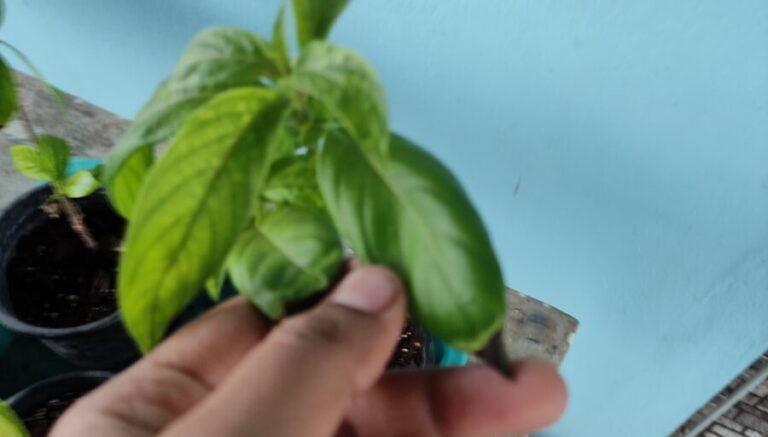
How Overwatering and Overfeeding Harm More Than Neglect
In our initial gardening days, we kept checking plants constantly. We overwater and overfeed, thinking we’re pouring love into them. But no—this isn’t love. It’s suffocation for plants.
This doesn’t mean you should ignore your plants. It simply means you need to stick to one balanced, consistent care routine. Gardening success is not about visiting plants every day just to look at them. Water only when the top 1–2 inches of soil are dry, and always water deeply until excess water drains out through the holes.
For heavy feeder plants, monthly organic feeding is enough in the beginning. Don’t complicate things with chemical fertilizers right away. Start with compost, observe plant response, and only later—if needed—move to slow-release fertilizers. Too much nutrition, too early, does more damage than good.
Plants thrive in the long run with minimal but consistent care, not with daily unnecessary attention or complete neglect.
Creating a Simple Weekly Container Garden Routine
Watering can never be fixed to a strict schedule. Small pots dry faster, while larger pots retain moisture longer. Porous pots like terracotta dry quicker, while non-porous containers stay moist for a longer time. On top of that, seasonal changes directly affect watering needs.
So instead of a schedule, follow the golden rule of the finger soil test.
Keep a simple weekly one-hour routine for your container garden:
- Clean the garden area
- Prune dried or decaying plant parts
- Water or feed only if needed
- Check plants for early pest signs
- If pests appear, use a neem oil spray
- Smell the soil—a foul smell is a clear sign of overwatering
- Ensure good ventilation
- Observe leaves to see if they show sun stress or nutrient deficiency
This one weekly check alone can prevent nearly 90% of common container gardening problems.
👉 Read my blog on simple watering rules for easy container gardening care and keep your plants thriving without the guesswork.
Your potted plants don’t need more fertilizer — they need it at the right time ⏰
💚 Learn the perfect monthly schedule that keeps soil balanced & roots thriving → Check the full routine here
Conclusion – A Sustainable Container Garden Is Built Slowly
(Beginner Gardening Goals for 2026)
After years of container gardening, one thing has become very clear to me: success is not measured by how many plants you own, but by how many you can care for consistently. Survival itself is a win. Every plant that lives through a season teaches you something—about watering, soil, light, pests, and even your own routine.
When you stop chasing perfection and start focusing on learning and repeatability, gardening becomes lighter and more enjoyable. A small, stable garden that you can manage year after year is far more valuable than a crowded space that constantly drains your time, money, and energy.
Slow gardening also builds confidence. When you work with fewer plants, you observe more. You notice early pest signs, understand seasonal changes, and learn how plants react to your care. This gradual learning curve naturally reduces plant loss and unnecessary spending, especially on replacement plants, fancy tools, and quick-fix products.
If you’re starting or resetting your container garden in 2026, do it without pressure. You don’t need to match anyone else’s garden. You don’t need rare plants or perfect setups. You only need plants that fit your climate, your time, and your lifestyle. Let your garden grow at a pace that feels manageable—and sustainable—for you.
Gardening is not a race. It’s a relationship built slowly, with patience, observation, and a lot of quiet learning.
😬 These changes weren’t easy, but they were necessary for healthier plants.
See what I’m doing differently in 2026