Why Do Some Plants Grow Too Fast for Container Gardening?
Beginners often enjoy fast-growing plants. But when that fast-growing plant suddenly pauses its growth and starts showing signs of stunted growth in containers, many gardeners panic and start analysing what they did wrong.
To be honest, there may be nothing wrong with your plant care or balcony garden space. In many cases, the plant grew quickly because you gave it everything it needed. The real issue is often that the plant itself is not well suited for container gardening.
Many beginners enjoy the instant gratification of quick blooms or rapid foliage growth from fast-growing plant varieties for pots. That feeling is completely natural. However, it is important to ask yourself an honest question:
Do you have the time, energy, money, and space for frequent repotting and upgrading pot sizes?
Just because a plant grows fast does not mean it has better tolerance to repotting stress in containers. Some plants grow rapidly but become sensitive when repeatedly moved into larger pots.
If you do not repot an outgrown plant, it can become root bound in a small pot, leading to stunted growth, weak leaves, and eventual wilting. On the other hand, if you keep repotting a plant that does not handle disturbance well, it may suffer continuous transplant stress. This combination can become one of the most frustrating problems in balcony and terrace container gardening.
For beginners, it is often better to start with compact or slow-growing plants that grow well in pots. These plants usually adapt better to limited soil space and give you time to observe how container plants behave across seasons. This approach helps beginners gain real gardening experience without constantly stressing the plant or the gardener.
For small-space gardeners, especially those growing plants on balconies or terraces, the choice between fast-growing vs slow-growing plants for containers matters more than many people realise.
This mismatch between plant choice and available space usually happens when gardeners are still learning about plant growth habits in pots and how their balcony or terrace microclimate affects plant growth.
This article will help you understand what fast-growing plants actually mean in container gardening, why they sometimes become difficult to manage in pots, and how to identify container-friendly plants that stay manageable in small spaces.
🌿 Some plants struggle in pots no matter how well you care for them. Find out why containers don’t suit every plant
Why Do Fast-Growing Plants Often Struggle in Small Containers?
It often starts when gardeners choose ground-bed varieties for pots. Many fast-growing plants naturally develop strong, spreading roots that search for water and nutrients across a wide soil area. When those same plants are moved into containers, they suddenly have to survive in limited root space in pots.
Some plants can adapt for a while, but their natural growth pattern gets suppressed. You may notice smaller foliage, slower growth, or reduced flowering or yield. Plant size is never measured by foliage alone — root space plays a major role in plant health. That is why observing the plant’s growth habit and mature size is important before choosing it for container gardening.
Many beginners also get influenced by photos of home gardeners growing massive tropical plants like Monstera or large fig plants in containers. What we often miss is the setup behind those plants. They usually grow in large containers with proper support like moss poles, and the plants have enough airflow and ventilation around them.
These plants are also rarely placed in tiny balconies with restricted airflow.
If you are gardening in a small balcony, terrace, or compact urban space, plant choice must match the available space. In container gardening, the garden space should decide the plant type — not just our wishlist. Buying plants that do not suit the available space, airflow, or climate often leads to plants that are already stressed before they even start growing well.
Signs of Fast-Growing Plants Struggling in Small Spaces
Fast-growing plants may perform well after the first repotting and show strong early growth. But within a few months, the growth often slows down and stunted growth in potted plants starts appearing.
Common signs include:
- Frequent root bound problems in containers
- Soil drying too quickly or uneven watering stress
- Smaller new leaves or weak stems
- Slower flowering or reduced plant vigor
Even if you repot regularly, the plant may keep becoming root bound again and again, leaving very little time for recovery between repotting cycles.
Containers naturally limit root space. When fast-growing plants are pushed into small pots, the roots quickly fill the soil volume, leaving less soil available for water and nutrient storage. This can lead to underwatering stress in containers, especially during hot balcony or terrace conditions.
Slow-growing or compact plants also need repotting eventually, but the repotting interval is much longer. They usually adapt better to container life and have more time to settle and recover after each repotting.
When plant roots remain under constant stress, much of the plant’s energy goes into survival and recovery instead of healthy growth.
Why Do Fast-Growing Plants Become Root Bound Faster?
Fast-growing plant varieties naturally develop roots quickly. In a container, this means the plant can fill the entire pot with roots within a short time.
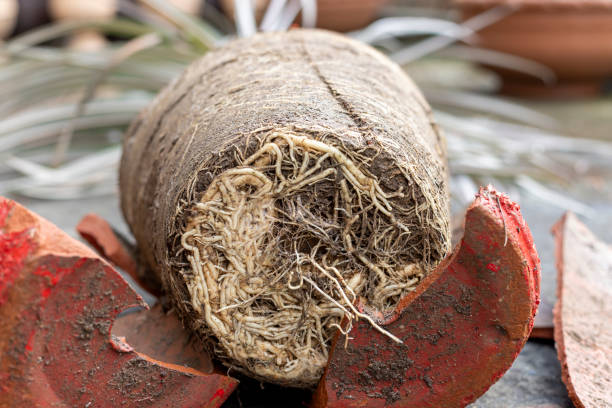
Once the roots occupy most of the container space, the plant becomes root bound. At this stage, water and nutrients are harder for the plant to absorb efficiently, even if watering and fertilizing are done correctly.
Simply upgrading the pot size or trimming roots may not fully solve the issue if the plant’s growth speed keeps outpacing the container size.
Most plants need four to six weeks after repotting to settle into the new soil and start healthy growth again. When fast-growing plants require repotting every one or two months, the plant spends most of its time recovering from transplant stress instead of growing normally.
For beginners, this cycle of constant repotting can turn gardening into a stressful routine rather than an enjoyable learning experience.
Why Do Balcony Gardeners Notice This Problem More?
Balcony gardening usually comes with limited growing space, and the restrictions are not just about pot size. Balcony and terrace gardens also face limits in air movement, sunlight distribution, and plant spacing.
All these factors can create additional stress for plants.
Many gardeners naturally want to fill every empty corner with plants. But from my experience, overcrowding plants in small balconies often leads to more problems than benefits.
Common issues include:
- Pest outbreaks due to poor airflow
- Fungal problems in humid weather
- Slow soil drying and overwatering issues in containers
- Weak plant growth due to limited sunlight exposure
Even when plants are placed on shelves or stands, proper ventilation and air circulation are still important. Sometimes rotating plants to balance sunlight also becomes necessary in balcony setups.
Growing too many plants in a very small space does not make someone a better gardener. It usually creates constant plant problems and higher plant loss over time.
Instead, choosing compact container-friendly plants that comfortably fit your available space often leads to a much more stable and low-maintenance balcony garden.
If you observe experienced gardeners, their gardens may look dense at first glance. But plants are usually arranged with intentional spacing and airflow between pots. The arrangement enhances the space without actually crowding it.
😬 I used to pick plants based on looks — until they failed later.
Discover the smart way to choose plants
What Makes Slow-Growing Plants Usually Better for Containers?
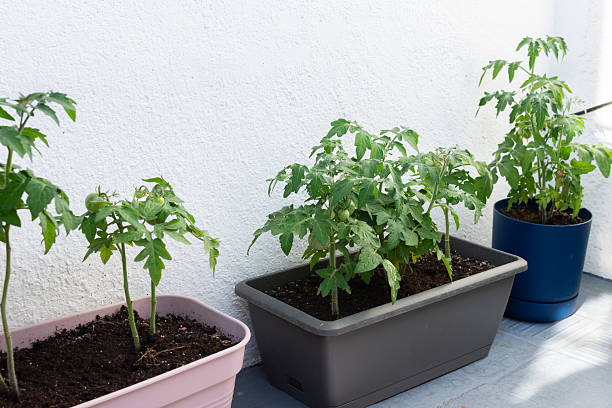
Slow-growing varieties or compact plants for containers are usually better suited for small-space gardening on balconies and terraces. These plants naturally grow at a gradual pace, which allows them to adapt better to the limited root space in pots.
When growth is slower, the plant has more time to settle into the container environment. Instead of constantly adjusting to repotting stress, the plant can focus on steady root development and healthy foliage growth.
Slow-growing plants also tend to have better recovery after repotting or light root trimming. Because the growth cycle is not extremely fast, the plant usually gets enough time to heal and stabilize before the next growth phase begins.
For gardeners who feel overwhelmed by the constant repotting needs of fast-growing plants in containers, choosing slow-growing or compact varieties can significantly reduce plant care workload.
Slow-growing does not mean stagnant or unhealthy growth. It simply means the roots expand at a slower and more controlled pace, which reduces how frequently the plant becomes root bound. As a result, the plant can stay in the same pot for a longer period.
This slower root development also allows the plant to adapt better to the balcony or terrace microclimate, including sunlight patterns, airflow, and watering cycles.
When I refer to slow-growing plants, I am not talking only about foliage plants or succulents. Many compact flowering plants for pots, seasonal annuals, and even certain container-friendly edible crops fall into this category.
When choosing flowers, vegetables, or fruits for container gardening, it often helps to choose compact or dwarf varieties developed for pots instead of the standard varieties that are normally grown in ground beds.
Foliage plants, succulents, leafy greens, and many herbs naturally have better adaptability to container gardening conditions, which makes them easier choices for beginners.
Why Do Some Fast-Growing Plants Work Only in Large Pots?
Fast-growing plants are not completely unsuitable for containers. Many experienced gardeners grow large fast-growing plants in pots successfully.
The difference is in the setup and level of care.
These gardeners usually use large containers, raised beds, or oversized planters that provide enough soil volume for the plant’s root system. They also manage plant care according to the plant’s size and growth habit — including proper fertilizing schedules, pruning, staking, and structural support.
Managing large fast-growing plants in containers often requires experience, planning, and consistent maintenance.
For beginners who are still learning container gardening basics, this approach can become demanding. When the goal is to gain gardening experience and build confidence, starting with manageable plants usually makes the process smoother.
Are All Slow-Growing Plants Good for Containers?
Not necessarily.
Slow-growing plants do not always remain small forever, and they do not always stay comfortable in the same small pot. Some plants eventually develop deeper root systems and will still need larger containers as they mature.
The difference is the time span. Slow-growing plants usually take much longer to fill the pot with roots compared to fast-growing varieties. This slower growth pace often matches the natural rhythm of container gardening and repotting cycles.
In fact, needing to upgrade the pot size occasionally is a positive sign. It means the plant is healthy and your gardening care is working.
The main reason for being cautious with fast-growing plants in containers is the frequency of pot size upgrades and how quickly their growth demands can outgrow typical balcony or terrace setups.
Choosing plants whose growth habits naturally match container life usually leads to a more stable and enjoyable container gardening experience, especially for beginners.
How Can Beginners Choose Plants That Grow Well in Containers?
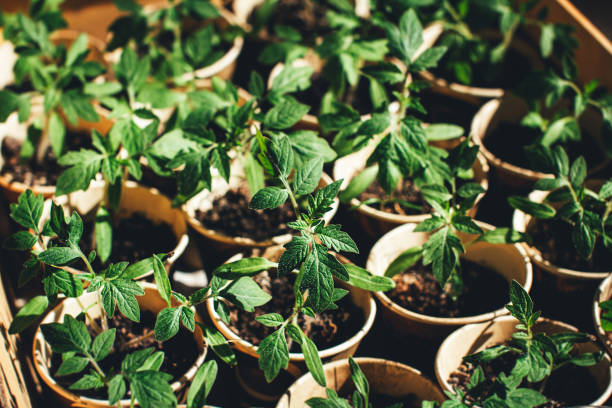
Choosing the right plants is one of the most important steps in successful container gardening for beginners. Many plant problems in balcony or terrace gardens do not come from poor care, but from choosing plants that simply do not match the available pot size or growing space.
Instead of trying to grow every plant you like, it helps to observe how a plant naturally grows — its root spread, growth speed, and mature size. When the plant growth habit matches the container environment, gardening becomes much easier and far less stressful.
Start With Naturally Container-Friendly Plants
Some plants naturally adapt well to pots because their root systems stay compact and their growth pattern remains manageable.
Common examples include:
- Herbs such as basil, mint, rosemary, thyme, and coriander
- Compact flowering plants like marigold, petunia, vinca, or dwarf hibiscus varieties
- Small shrubs or dwarf ornamental plants developed for pots
- Indoor foliage plants such as pothos, snake plant, philodendron, and syngonium
These plants usually have moderate root growth and steady foliage development, which makes them easier to maintain in containers.
Another reason these plants perform well is that many of them are already known to adapt to balcony microclimates, partial sunlight, and container soil conditions. This natural adaptability reduces problems like frequent repotting, sudden stunted growth, or root stress.
For beginners building a small balcony garden or terrace container garden, starting with these kinds of plants allows you to learn plant care without constantly dealing with space-related growth problems.
😬 I wish someone had told me these plant-selection rules when I started container gardening.
Discover what actually works
Match Plant Growth Speed With Pot Size
One simple guideline that helps beginners avoid many container gardening issues is to match the plant’s growth speed with the pot size.
A practical rule many gardeners follow is:
- Small pots → slow to moderate-growing plants
- Medium pots → moderate-growing plants
- Large containers or grow bags → fast-growing plants
Small pots contain very limited soil volume. This means less water storage, fewer nutrients, and restricted root expansion. Fast-growing plants quickly fill this space and become root bound in containers.
Larger pots hold more soil and moisture, which gives fast-growing plants more room to expand their root system.
When beginners match plant size, root spread, and container size, they reduce many common problems like frequent repotting, weak growth, and inconsistent watering.
Watch Early Signs That a Plant Is Growing Too Fast
Sometimes gardeners already have a plant before realizing it may outgrow the container. In such cases, it helps to watch for early signs that the plant is growing faster than the container can support.
Common signs include:
- Roots emerging from drainage holes, indicating the pot is full of roots
- Soil drying much faster than usual, even with regular watering
- Rapid top growth but thin or weak stems
- Leaves becoming smaller or growth slowing down after a rapid phase
These signs often indicate that the plant is becoming root bound in a pot.
In many cases, the solution is simple — repotting into a slightly larger container or upgrading the pot size. This provides fresh soil, more root space, and improved water retention.
However, if a plant repeatedly outgrows its container within a very short time, it may be a sign that the plant’s natural growth habit does not suit small-space container gardening.
Observing these early signals helps beginners make better plant choices over time and build a stable, manageable balcony or terrace garden without constant plant stress.
🌿 Seeds vs nursery plants isn’t just a preference — it changes your entire gardening experience. Read the beginner comparison guide
Why Container Gardening Works Better When You Match Plants to Pot Space
Container gardening works best when there is a balance between plant growth and available root space. Unlike ground gardens, pots limit how far roots can spread. When the plant’s natural growth speed is faster than what the container can support, problems like root bound plants, stunted growth in pots, and frequent repotting stress start appearing.
Fast-growing plants are not necessarily bad choices. Many of them grow beautifully in containers when they are placed in large pots, grow bags, or raised containers that provide enough soil volume. The challenge for beginners is that these plants usually require more frequent repotting, stronger feeding schedules, and more space management.
That is why slow-growing or compact varieties often become low-stress plants for container gardening beginners. Their roots expand gradually, giving the plant more time to adapt to the container environment. This slower pace allows gardeners to observe how the plant responds to watering, sunlight, and seasonal changes without constantly upgrading pot sizes.
If you are just starting a balcony or terrace container garden, it helps to begin with plants that naturally stay manageable in pots. As you gain experience, you will start recognizing plant growth patterns, root behavior, and container limits more clearly.
Over time, you can gradually experiment with larger containers and faster-growing plants once you feel comfortable managing their care.
If you want to understand more about choosing the right plants, containers, and soil setup for small-space gardening, explore the guide “Container Gardening Basics for Beginners.” It explains the foundations that help plants grow healthier and stay manageable in pots.
🌱 Starting container gardening feels overwhelming — this roadmap shows exactly where to begin.
Read the beginner’s complete roadmap