Introduction — Why Plant Choice Is the First Real Decision
By now, we already understand the basics of container gardening and how to analyse our space with previous blogs—especially light patterns and air movement. At this stage, you’re also becoming aware that choosing plants needs a more careful and mindful decision.
With this blog, you’ll start understanding what kind of plants actually suit your garden space and how to pick them wisely. I’m very strong about this topic because most beginners choose plants based on emotions or purely visual appeal—plants that look attractive or aesthetic at the moment of purchase.
But in container gardening, the right plant choice should be based on your experience level, the space you have, light availability, and your local weather conditions.
When plants are chosen this way, they adapt more easily to containers and show better resilience to climate change and common pest issues. That’s when gardening stops feeling overwhelming.
Choosing the right kind of plants makes the entire container gardening journey easier, more stable, and less stressful—especially for beginners working with limited space, budget, and seasonal challenges.
✨ If your plants look tired despite attention and effort, this guide will change your perspective. Explore the full explanation here
Ground Plants vs Container-Suitable Plants
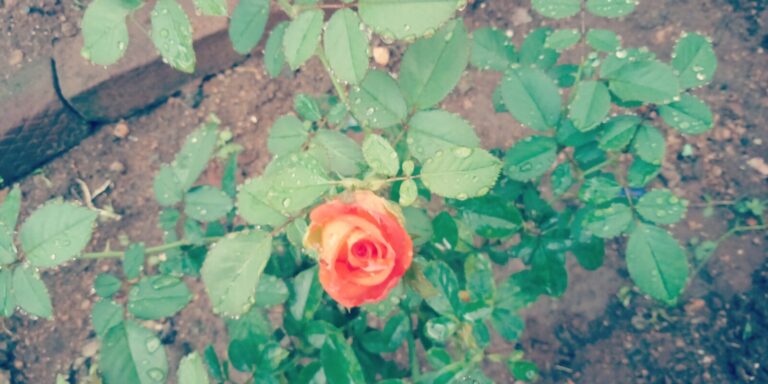
Not all ground-bed garden plants are suitable for growing in containers. You may see garden influencers or terrace gardeners growing very large plants in pots, but what’s often not visible is how much effort, constant care, and extra inputs are needed to keep those plants alive and thriving.
As a beginner container gardener, it’s better to avoid large or aggressive-growing plants—even if they are common houseplants. Bigger plants usually demand more frequent watering, regular feeding, pruning, and careful monitoring. In ground gardens, these same plants behave very differently because they have unrestricted root space and natural drainage.
In containers, however, root space is limited, and drainage problems are more likely. This directly affects how a plant grows, how stable it stays during seasonal changes, and how quickly it shows stress.
Why Not All Plants Adapt Equally to Pots
Some tall, bushy, or tree-type plants naturally prefer ground-bed gardens because their roots need freedom to spread. Tree saplings may grow well in pots initially, but as they mature, they perform better in the ground than in containers.
Deep-rooted plants especially struggle in pots because restricted root space interferes with their natural growth pattern. Roots are the lifeline of any plant—when roots are stressed, growth slows down, no matter how good the soil or fertilizer is.
That’s why, when choosing plants for containers, it’s wiser to pick plants that are naturally adapted to limited root space. Houseplants, herbs, annual flowering plants, seasonal edibles, and succulents are commonly better choices for pots. These plants usually have softer growth habits and adjust more easily to container conditions.
Your available space should always decide both plant size and pot size. Choosing tall-growing varieties for small spaces and trying to restrict them only leads to stress, weak growth, and poor overall performance.
✨ If your nursery plants struggle after bringing them home, this guide explains why.
Explore the terrace-friendly plant selection tips
Climate Compatibility Beats Plant Popularity
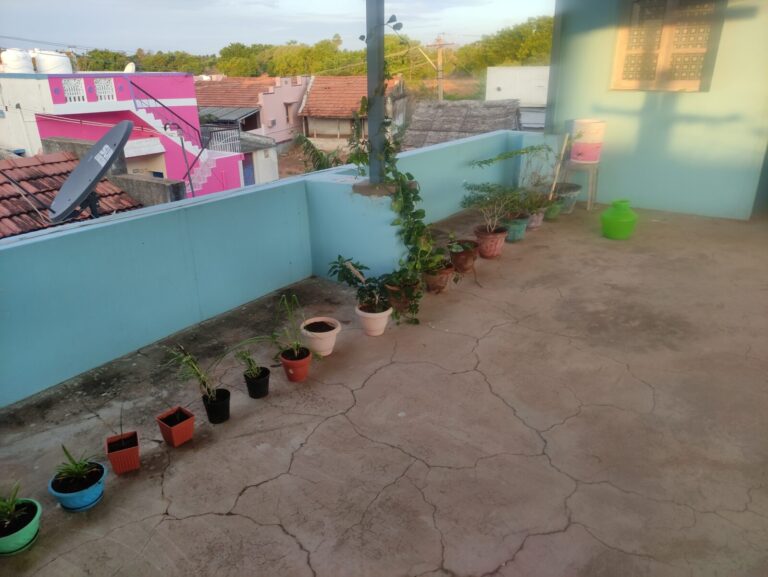
Containers Amplify Climate Effects
In container gardening, plants survive and thrive only when the microclimate suits them. Container plants are more sensitive to climate change and extreme weather conditions than ground-grown plants.
If you live in a hot region, choosing hardy or drought-tolerant plants gives them a better chance to adjust over time. Even these plants need a short adaptation period to settle into your local weather. But imagine choosing a heat-sensitive plant for a hot climate—when summer peaks, the plant will burn, regardless of the care you provide.
Unlike ground garden plants, container plants have limited root space, soil volume, foliage support, and nutrient reserves. Their ability to hold moisture is also restricted. When a plant doesn’t match your local weather conditions, these limitations affect it very quickly.
Why Nursery Labels and Online Trends Mislead Beginners
I’ve personally experienced this. An online plant shop labelled a houseplant as drought-tolerant, so I bought it assuming it would suit my tropical, hot climate. But the plant started wilting when temperatures reached just 28°C. Later, I realised the plant was mislabeled and not suitable for my region.
That’s why, before buying any plant, reading about the plant’s actual climate needs helps more than trusting plant shop labels or trending descriptions.
Climate ≠ Just Temperature (Humidity, Wind, Seasonal Swings)
If you think climate change means only temperature, that’s not true. In my region, the temperature stays around 28°C for most of the year, but it behaves very differently across seasons.
- In winter, the sunlight is softer, even with high humidity.
- In summer, the same temperature feels like a heat wave due to intense sunlight and dry winds.
- During the monsoon, that same temperature comes with strong winds and heavy humidity.
So, you can’t choose plants based only on temperature numbers. Understanding your local climate throughout the year matters more. For beginners, choosing hardy container plants is the safest option—they handle weather shifts better and survive seasonal stress with basic care.
Beginner Error: Copying Plants From Other Regions
This is a classic beginner mistake—choosing plants seen on influencer feeds from other countries just because they look good. The same tropical plant or succulent can grow very differently in the US compared to how it behaves in an Indian terrace garden.
Local climate and seasonal patterns decide how a plant grows and survives. If you choose plants based on other regions, you’ll need controlled environments like greenhouses or domes to recreate that preferred microclimate—something most beginners aren’t prepared for.
Growth Habit Matters More Than Current Size
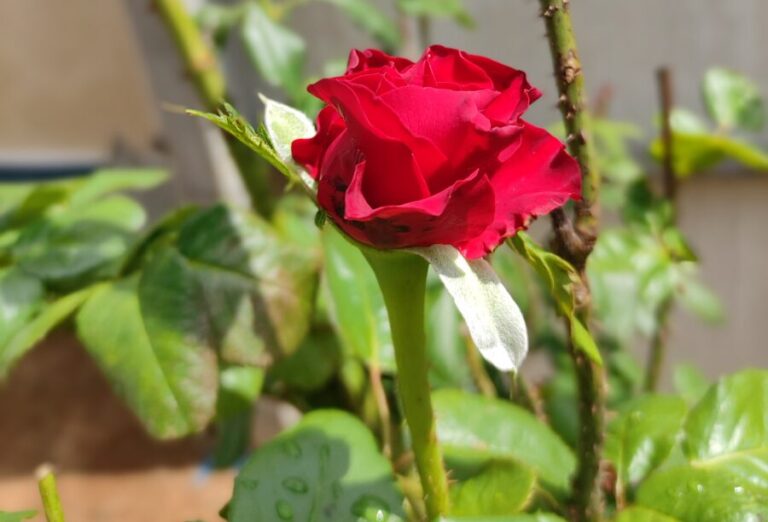
As a beginner, you might assume a plant’s size based on how it looks when you buy it or from display images on online stores. But there’s a big difference between a sapling size and a fully grown plant size. You only understand a plant’s real size once you’ve seen how it grows at maturity.
Many beginners buy plants from nurseries or online shops in plug sapling or young stages, assuming that’s their final size—or that they won’t grow much bigger. In reality, a plant that receives the right care in a properly sized pot can grow much larger than expected.
Continuous trimming to control foliage size may look neat from the outside, but roots tell a different story. You can’t keep trimming the top growth without considering the root system. Roots continue to grow, and when they’re restricted, plant health slowly declines.
Upright, Bushy, Trailing, and Aggressive Rooters
Before buying any plant, it helps to do a little research on its natural growth habit—whether it grows upright, spreads bushy, trails, or develops aggressive roots—and then compare that with your available space.
You might notice the same plant growing very differently in someone else’s garden. That difference often comes down to space availability, better aeration, and whether the plant has enough vertical or horizontal room to grow naturally. Restricting heavy-growth plants in small spaces causes stress and alters their natural growth pattern.
Overcrowding and Repotting Stress
We discussed in a previous blog how overcrowding affects plant growth, ventilation, and movement. Plants need surrounding space to grow freely, receive air circulation, and access sunlight.
Overcrowding leads to poor ventilation, pest hiding spots, excess moisture staying longer in the potting soil, and restricted plant movement—all of which affect healthy growth.
The same applies to repotting. When a plant shows clear signs that it needs repotting, it should be done. But frequent repotting just to change pots also stresses plants. Repotting is necessary only when the plant shows symptoms like root binding, slow growth, frequent wilting, or water running straight through the pot.
Beginner Error: Buying Small Plants, Assuming They Stay Small
I’ve made this mistake myself. I bought native rose saplings and kept them in pots for about two to three years, assuming they would stay that size. Over time, I noticed clear root-bound signs. Once I shifted them to a ground bed, they grew up to five feet within a year.
In pots, those same plants stayed below two feet for years, with very minimal flowering. After moving them to the ground, the plants produced clusters of blooms, showed better pest resistance, and handled climate changes more easily.
It wasn’t the wrong plant—it was the wrong choice of growing it in a container for its growth habit.
🌿 Seeds vs nursery plants isn’t just a preference — it changes your entire gardening experience. Read the beginner comparison guide
Care Load Is the Real Beginner Filter
Many beginners fail not because they lack knowledge, but because the care load of the plant doesn’t match their real-life capacity. When we start container gardening, we often overestimate how much time, energy, and consistency we can give every single day.
Some plants are very sensitive to watering. Missing one watering during peak summer or watering slightly late can stress them. Others are forgiving and bounce back even if you forget for a day. The same applies to feeding—some plants show quick deficiencies if nutrients are delayed, while others grow steadily with minimal feeding.
😬 I learned these watering lessons only after losing a few plants. Beginners don’t have to.
Discover the hard truths here
Pruning tolerance is another overlooked factor. Certain plants need regular trimming to stay healthy and balanced. If pruning is delayed, they become leggy, weak, or pest-prone. For beginners, this constant attention becomes tiring over time.
That’s why the term “low maintenance” is relative. A plant that feels easy for an experienced gardener may feel overwhelming for a beginner. What matters is not how easy a plant is in general, but how manageable it is for your routine, climate, and growing space.
A common beginner mistake is assuming that enthusiasm will automatically convert into consistency. In reality, life gets busy—family, work, weather changes, health, and seasonal fatigue all affect how regularly we care for plants. Choosing high-maintenance plants during this stage often leads to guilt, stress, and eventually plant loss.
When plants demand more than you can consistently give, even simple tasks start feeling heavy. But when plant care aligns with your actual capacity, gardening stays calm, enjoyable, and sustainable over the long term—especially in container gardening, where small delays show results quickly.
Conclusion — Choose Sustainable Plants, Not Impressive Ones
In container gardening, success doesn’t come from choosing the most attractive or trending plants. It comes from choosing plants that are compatible with your space, climate, and care capacity. A plant that looks impressive on day one may slowly decline if it doesn’t suit your conditions, while a simple, well-matched plant will grow steadily and reward you over time.
Plant choice in containers is a long-term commitment. Once a plant is placed in a pot, it depends entirely on you for space, water, nutrients, and seasonal care. When that choice is made thoughtfully, gardening becomes less stressful and more enjoyable—even with limited space, budget, or experience.
In the upcoming guides, we’ll go deeper into plant-specific choices, climate-based selections, and beginner-friendly plant categories to help you build a stable container garden step by step.
If you have doubts, observations, or lessons from your own container gardening journey, share them in the comments. And if you haven’t already, make sure to check the Container Gardening Basics blog—it lays the foundation that makes plant selection and long-term care much easier to understand.
Pingback: Which Plants Are Easy to Grow in Pots for Beginners?
Pingback: Why Do My Potted Plants Struggle Despite Care?