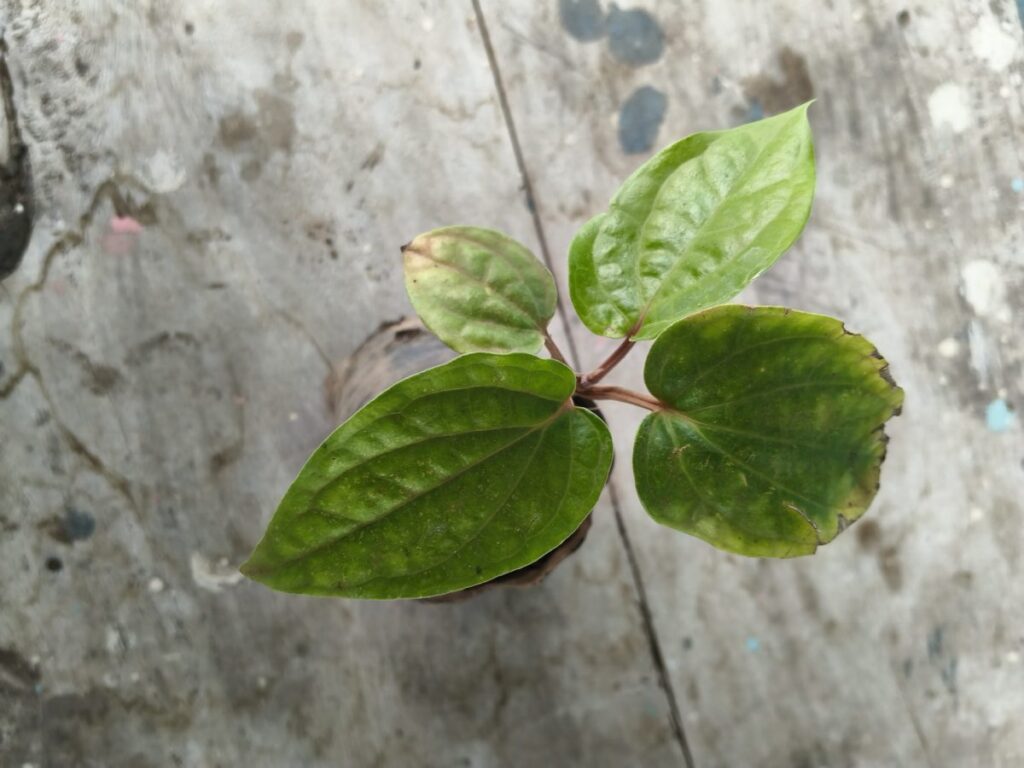
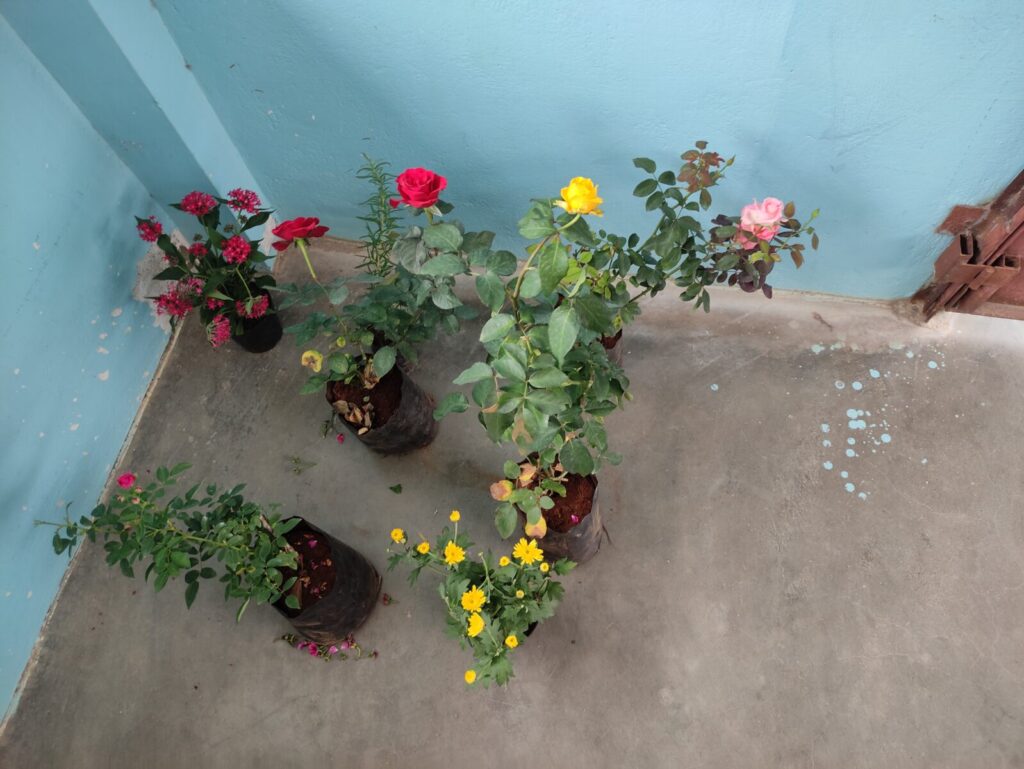
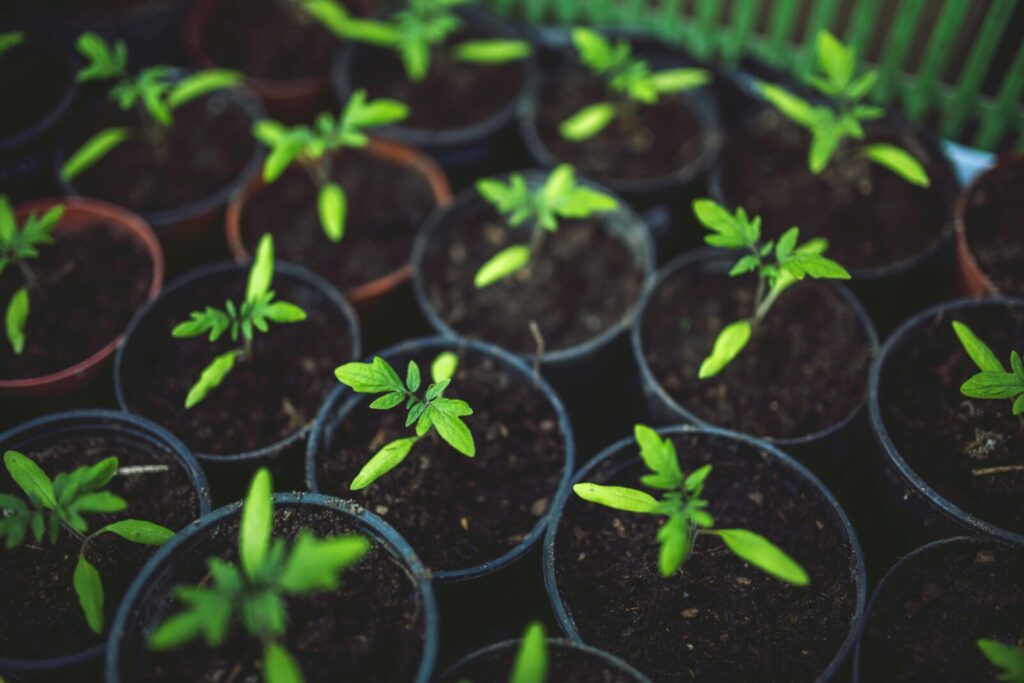
If you’re a beginner buying your first few plants from a nursery, this situation will feel very familiar. You bring home plants that look fresh, green, and perfectly healthy—but after repotting them in your balcony or terrace, they no longer look the same.
Sometimes the change is mild, like slower growth or reduced foliage. Other times, it becomes stressful—wilting, stem rot, or sudden decline even when you’re trying to care for them properly. Many beginners assume this means they lack a “green thumb,” but in reality, that’s not always the problem.
In most cases, the issue starts before you even bring the plant home—with how you choose a plant at the nursery.
For beginners, this is confusing because most plants look healthy at first glance. Dense foliage, bright leaves, or heavy flowering often attract attention, and naturally, we assume those are the best plants to buy. But nursery conditions are designed to make plants look their best, not necessarily to ensure they adapt well to your home environment.
That’s why learning how to choose a healthy plant before buying becomes an important beginner skill—especially for balcony and terrace gardening, where conditions are very different from nurseries.
In this guide, you’ll learn simple, practical ways to identify truly healthy plants before buying, so you can avoid early plant loss, save money, and grow with more confidence as a beginner gardener.
🌿 Not every healthy-looking nursery plant will survive on your terrace. Learn how to choose the right ones
What are the signs of a healthy vs unhealthy plant before buying?
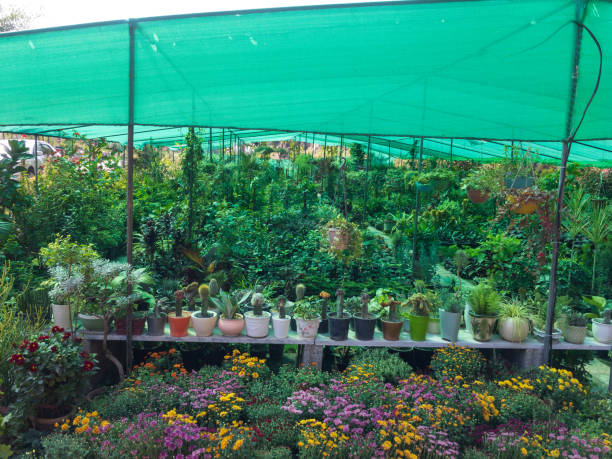
When we enter or even pass by a nursery, it’s always the appearance of the plant that attracts us and makes us think about buying it. But appearance alone is not enough to choose a healthy plant or avoid unhealthy ones.
With the tips below, you can easily identify healthy vs unhealthy nursery plants without any complicated knowledge or pro-level skills. Just a few simple but important signs to observe carefully before buying.
How do healthy plant leaves, stems, and growth look?
Start with the leaves. They should feel firm and fresh, not soft or weak. There should be no spots (which can indicate fungal disease or stress), and no wilting.
- Mushy wilting usually points to rot or overwatering
- Crispy wilting often means underwatering or root stress
Also check for the natural green color of that plant variety. If the green shade looks dull, pale, or unusual compared to what the plant normally looks like, it may not be healthy.
Look closely for early pest signs like sticky residue, tiny brown or black spots, or even very small insects. Also check for ants—if you see them moving around the plant, it’s better to skip it, as they often indicate hidden pest issues.
Most beginners get attracted to dense foliage or heavy flowering plants, but that doesn’t always mean the plant is healthy. Instead, look for tiny new leaves or shoots, which indicate that the plant is actively growing.
Dense foliage usually means older leaves, while new growth shows active and adaptable plants for balcony gardening.
Next, check the soil. If it looks too wet, compacted, or has a foul smell, it usually means overwatering. This can lead to root stress or early root rot, especially after shifting the plant to your balcony or terrace.
If possible, also check if the plant is root bound (roots tightly packed or coming out of drainage holes). These plants often struggle to adjust after repotting.
Finally, observe the stem area. It should be firm and healthy. If you notice dark, brown, or soft patches near the base, it can be an early sign of stem rot.
What unhealthy signs should beginners avoid when buying plants?
- Visible pest signs on leaves or stems
- Root-bound or heavily compacted soil
- Soggy, waterlogged soil with smell
- Mushy, soft leaves or weak, shaky stems
- Thick foliage but no new growth
- Too many flowers (forced blooming condition)
- Black or dark spots on the stem
- Extremely dry, hard root ball with roots coming out of holes
- Unusual or foul smell from soil
These are common signs of unhealthy nursery plants that may fail after repotting, especially in balcony or terrace conditions.
Why do nursery plants look healthy but die after being brought home?
Nursery plants are usually grown in controlled environments like greenhouses, where light, humidity, and watering are carefully managed. They are often given frequent feeding that focuses more on fast foliage growth and flowering, rather than strong root development.
Because of this, plants look very lush and attractive in the nursery. But when you bring them home to a balcony or terrace environment, the sudden change in sunlight, heat, and airflow can cause stress, leading to wilting or slow growth.
If the plant has been heavily fed, it may take time to adapt to your home conditions. When repotting, it helps to gently loosen the compacted root ball or remove some nursery soil, so roots can adjust better in your potting mix.
Also, avoid placing the plant directly in harsh sunlight or strong wind right after repotting. For greenhouse-grown plants, this can be a shock. The roots need a few days to settle and recover before being exposed to full balcony conditions.
😬 I blamed myself for months — until I understood what was really wrong. See what actually causes plant decline
Why do healthy-looking nursery plants fail after buying balcony pots?
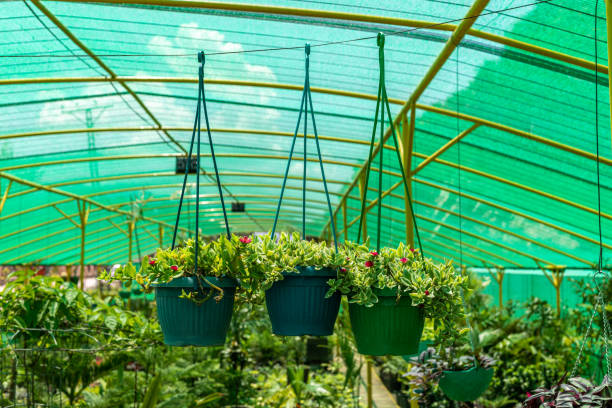
If a plant looks healthy with flowers or thick foliage, it doesn’t always mean it’s actually healthy under the soil. Root health matters more than foliage density or flowers, especially in container gardening.
Nurseries mostly focus on maintaining a healthy-looking appearance, not always a strong root system. So what we call “healthy-looking” is often just visual appeal, not the actual health of the plant.
Does root condition affect plant survival after buying?
Yes. Two common conditions affect plant survival after buying:
- Root-bound plants (tight, circling roots)
- Overwatered nursery soil (looks moist but unhealthy)
These two issues can severely affect plant survival if the signs go unnoticed.
You can check drainage holes—if you see excess roots coming out, the plant is likely root-bound. If it has been in that condition for long, the plant is already stressed, which reduces its ability to adjust after bringing it home.
The same applies to overwatered nursery soil. It’s not just soggy soil—if water sits for long and drains slowly, it usually means the soil is compacted or the roots are stressed and not absorbing water properly. This is a common reason for plant stress after repotting in balcony gardens.
Remedy:
Try to avoid buying such plants. If you already brought them unknowingly, let them settle for a day in the nursery pot after bringing them home.
Then inspect the soil, stems, and leaves. If you notice rot in any part, remove that portion and dispose of it immediately from your garden space. Keep only the healthy parts. If the roots are fully damaged or stems are rotting, survival chances are low.
After inspection, you can remove the nursery soil and gently loosen the roots (full washing is not always needed for all plants—be gentle based on plant type). Use a well-draining potting mix for container plants with proper aeration. Make sure the pot has drainage holes.
After repotting:
- Avoid heavy watering immediately.
- For sensitive plants, wait about 24 hours before watering.
- For hardy plants, you can wait longer or do very light watering if the soil is completely dry.
Keep watering light so the soil dries within 24–48 hours, and avoid watering again on already wet soil. Continue light, controlled watering for the next 4–6 weeks, and keep the plant in shade or indirect light for better recovery.
How do light and environment changes affect new plants?
Nursery plants are usually grown in controlled environments like greenhouses or under shade nets, where sunlight is filtered and conditions are stable.
These plants are not used to direct sunlight, strong wind, or sudden climate changes. When you bring them home and immediately place them in harsh balcony sun or wind, they get stressed.
At the same time, roots are already disturbed due to repotting. This combination of root stress + environmental shock reduces survival chances.
For the first 4–6 weeks after repotting, the focus should be on root settling, not full exposure.
Even if the plant is a sun-loving variety, keep it in morning sunlight or bright indirect light until you see new growth. Also, protect it from strong winds to avoid additional stress or physical damage.
Are pests and diseases hidden when buying plants?
Yes. Even though nurseries may use pesticides, it doesn’t always mean the plant is completely pest-free.
Sometimes the plant looks clean on the surface, but pests can hide in:
- Nodes (stem joints)
- Underside of leaves
- Near the soil surface
You may also find snails, fungus gnats, or early-stage infestations. Disease signs are often visible on leaves, so it’s better to inspect plants carefully in daylight before buying.
This is important for balcony gardeners, where pests can spread quickly in small spaces.
Remedy:
If you already brought a plant home and notice pests or disease, first quarantine it—don’t keep it near your existing plants.
Then inspect what type of pest or issue it is. Instead of directly using strong chemical pesticides, start with basic control steps:
- Prune affected parts using a disinfected pruner
- Dispose of infected parts immediately (don’t leave them in the garden)
- Keep the plant in a well-ventilated, indirect light area
If needed, repot with a clean, well-draining potting mix (cocopeat, perlite, vermiculite, with a small amount of neem cake for prevention).
Water carefully—don’t repeat watering until the soil dries.
You can use diluted neem oil spray every 3–4 days to help break pest cycles. For fungal issues, use a mild fungicide at proper intervals (around 10–14 days), based on severity.
How to choose a healthy plant before buying and avoid beginner mistakes?
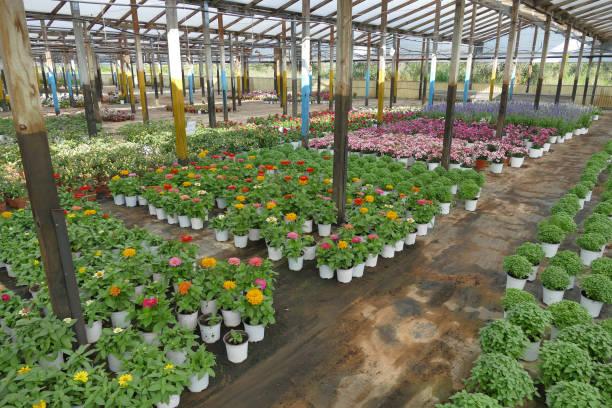
As a beginner, learning to choose healthy plants before buying is much easier than trying to fix unhealthy ones later. A truly healthy plant—not just a healthy-looking one—has a much higher survival rate after repotting in balcony or terrace conditions. With the right care, it can slowly start thriving.
What should you check before buying a plant step by step?
Leaves:
Checking leaves alone can help you avoid most beginner mistakes.
Leaves without spots usually indicate fewer chances of fungal issues, watering stress, or early root problems. But don’t stop at just appearance—look closely for tiny pest eggs, small insects, or sticky residue, which are common in nursery plants.
Leaf firmness is also important. If leaves are upright and not soft, it means turgor pressure is good, and the roots are absorbing water properly. Soft, droopy leaves can indicate stress.
This is one of the easiest ways to check plant health before buying at a nursery.
Stem:
Stems should be firm, not weak or shaky. There should be no black or brown spots, which can indicate fungal infection or rot.
Sometimes pests hide along the stem, so take a closer look. In non-woody plants, a healthy stem is usually green—mushy texture or dark discoloration often indicates stem rot.
You can gently test stability—if the plant feels well anchored when slightly lifted, roots are likely holding properly (avoid pulling too hard).
Also observe how the plant is propagated. Some nursery plants grown from quick cuttings may look full but are not always as strong initially compared to well-rooted plants.
Roots:
Roots may seem invisible, but you can still check them.
Look at the drainage holes—if you see many roots coming out, the plant is likely root bound in a pot. Long-term root-bound plants are already stressed and may struggle after repotting.
You may also notice fine, hair-like roots on the soil surface—another sign of restricted space.
Soil:
Soil is often ignored, but it can reveal many hidden problems.
If soil stays too wet, compacted, or smells bad, it usually means poor drainage or stressed roots. This increases the risk of root rot after bringing the plant home.
If the soil is cracked and very hard on top, it may lack structure and aeration, making it difficult for roots to adapt in your balcony garden.
Checking soil condition is one of the most practical beginner plant buying tips for container gardening
Can you fix an unhealthy plant after buying or should you avoid it?
It’s not impossible—I have recovered a few unhealthy nursery plants. But honestly, it takes extra effort and consistent follow-up care.
For beginners, this can quickly become overwhelming. Unhealthy plants already have lower survival chances compared to healthy ones.
So for beginners, it’s better to avoid unhealthy plants at the nursery instead of struggling to fix them later.
🌿 Bought a rare plant… and it started declining within days? Find out what’s really going wrong
What are common beginner mistakes when buying plants?
Choosing based on looks only:
A healthy-looking plant is not always a healthy plant. Always look closely for new growth (tiny leaves), which indicates active growth. Don’t rely only on dense foliage.
Buying flowering plants without checking roots:
Plants with too many flowers are often heavily fertilized for display. This pushes energy into blooms rather than root strength.
Instead, choose plants with balanced growth. Even if you buy a flowering plant, removing some flowers early can help redirect energy to root establishment.
Ignoring light suitability for balcony/terrace:
Before buying, understand your space—sunlight duration, airflow, and heat reflection from floors.
I personally faced root heat stress even when placement seemed correct. My cracked concrete floor increased heat, and only after using pot stands did the condition improve.
This is important for balcony gardening in hot climates like India, especially during summer.
Buying too many plants at once:
This was my mistake. I once bought around 30 plants at once. Initially, everything looked fine, but when I had a health issue and couldn’t care for them, most plants declined.
Watering alone is not enough—plants also need fertilizing, pest checks, and pruning.
As a beginner, keep your plant count manageable. Fewer plants = better care = higher success rate.
🌱 Not all “easy plants” are truly beginner-friendly.
See which ones actually thrive in pots
Is it normal to make mistakes while choosing plants as a beginner?
Yes, it’s completely normal.
Almost every beginner buys a few plants that don’t survive—not because they don’t care properly, but because they are still learning how to choose healthy plants before buying. What looks good in a nursery doesn’t always adjust well to a balcony or terrace environment, and this difference is something you understand only with experience.
In the beginning, it’s easy to get attracted to dense foliage, bright flowers, or “perfect-looking” plants. But over time, you start noticing small details—new growth, root condition, soil moisture, and how plants respond after bringing them home. That observation is what builds real gardening confidence, not perfection.
Instead of trying to get everything right from day one, focus on learning from each plant you buy:
- Which plants adjusted well to your balcony conditions
- Which ones struggled after repotting
- What signs you missed while selecting them
This kind of slow, experience-based learning is more valuable than any checklist.
Also, try to buy plants slowly instead of all at once. When you bring fewer plants, you can observe them closely, understand their needs, and adjust your care routine. This reduces stress—for both you and the plants—and improves overall survival in container gardening.
Over time, you’ll notice a shift. You’ll stop choosing plants based only on looks and start selecting them based on health, adaptability, and your growing conditions.
That’s when gardening becomes easier—not because mistakes stop, but because you understand them better.
🌱 Most beginners choose plants with their eyes — not logic. These rules change everything. Read the beginner logic rules here
If you’re just starting and feeling confused about plant selection, setup, or care, this is just one small step.
👉 Read the complete beginner guide here: Start Container Gardening at Home (Beginner Guide)