Why are my plants dying or wilting after repotting or pruning in pots? – This is a frustrating question most beginners ask when a healthy plant suddenly declines after repotting.
If your plant was healthy but started wilting right after repotting, you’re not alone. This is one of the most common beginner problems in container gardening. In many cases, it’s not a watering or sunlight mistake — the real issue is root damage or stress during repotting, often caused by using the wrong tools or handling the plant roughly.
Understanding this helps you stop the decline early and avoid making it worse. When a plant wilts after repotting, a beginner’s mind usually goes to:
“Is it too much sunlight?”
“Did I overwater or underwater?”
“Is this a pest issue?”
“Was the sapling unhealthy?”
But understanding root behaviour after repotting in pots helps identify the core issue. If roots are healthy, they absorb water, nutrients, and support the plant in handling sunlight. But if roots are stressed or damaged, the plant cannot take up water properly — even if the soil is moist. That’s why potted plants wilting after repotting is often not a watering mistake.
After repotting, mild stress is normal. This is called transplant shock in container gardening. But within 24–48 hours, most healthy plants start recovering — they absorb water from the soil, and the leaves regain firmness through turgor pressure.
If this recovery doesn’t happen, observe closely. Look for signs of root damage during repotting, or small wounds near the base of the plant. Think back — did you disturb the root ball too much? Did you pull the plant out forcefully? Did you use tools that were too large or not suitable for small pots? In many balcony and terrace gardening setups, using the wrong size tools can easily damage delicate roots and cause this kind of stress.
Pause here: if your plant is already in decline, avoid the common reaction of watering again and again or adding fertilizers immediately. Overwatering a stressed plant or feeding it too soon can worsen the condition instead of helping it recover. Give the plant time, keep the soil lightly moist, and allow the roots to stabilize before making further changes.
If your plant is still struggling after repotting, don’t rush to fix everything at once. In the next sections, we’ll break down exactly what might have gone wrong and how to handle it gently so your plant can recover.
✨ If gardening feels messy, tiring, or inconsistent, your tools might be the missing piece. Explore the complete tools guide
Why do potted plants suddenly wilt, droop, or stop growing after repotting or pruning?
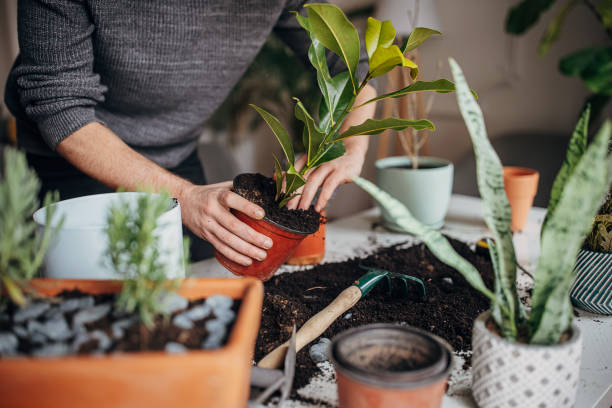
You might notice this often — right after repotting, pruning, or any plant care involving tools, the plant looks completely normal. But after a few hours or within a day, it slowly starts to look dull. Leaves begin to wilt, droop, and the whole plant looks sluggish.
If you observe closely, leaves may start losing colour even when the plant is kept in the right light spot. Water may also stay longer in the soil instead of being absorbed. At this stage, don’t immediately assume it’s a watering issue, sunlight problem, or nutrient deficiency.
Also, don’t ignore it as just transplant shock in container plants without checking the signs. Mild repotting stress in potted plants is normal, but within 24–48 hours, plants usually begin to stabilize and start absorbing water again.
The full settling period after repotting can take 2–3 weeks, especially in balcony or terrace gardening conditions, but that is not the same as recovery from damage.
Look closer. If you notice spreading brown spots, softened foliage, full drooping, or leaves losing firmness (lack of turgor pressure), it may not be normal stress. These are often early signs of root damage after repotting or wounds caused during handling. In some cases, small injuries near the stem or roots can lead to stem rot in potted plants, especially in humid or low-airflow setups.
And sometimes, this kind of stress doesn’t show immediately. The plant may look fine right after repotting, but the damage becomes visible only after the roots fail to function properly. That’s when you start noticing plants wilting after repotting in pots.
Is it normal for plants to look weak after repotting in pots?
Usually, plants take their own time to recover after repotting — from absorbing water to showing new growth. Every plant type has its own timeline. Hardy plants adjust faster and establish roots quickly even with small environmental changes.
But sensitive plants take longer. Where most beginners go wrong is misinterpreting the signs — assuming root stress or tool-related damage as normal repotting shock. This confusion often delays the right action.
In many cases, these issues are linked to wrong tools used during repotting, especially when tools are too large for small pots or not suitable for container gardening.
Why do plants stop growing after pruning in containers?
Pruning in container gardening needs precision, not force. Using large or heavy tools increases the chance of unnecessary wounds. Container-specific pruners allow better control and reduce the risk of damaging stems.
Using regular scissors without sanitizing, or pruners that are used for ground gardening, can be risky. They can create rough cuts that take longer to heal, or in some cases, don’t heal properly and develop into infections like stem rot.
Even if you use scissors, keep them garden-specific, clean them before use, and make sure they are rust-free. But pruners are generally safer — not because they are sharper, but because they are designed for clean, controlled cuts without crushing plant tissue.
The curved blade design helps in safe pruning, especially in tight spaces common in balcony gardening setups.
Also, don’t skip checking the plant after pruning. Sometimes a small cut can slowly turn into rot if not noticed early.
🪴 Repotting should help plants — so why does it sometimes make them worse? Discover the hidden reasons here
How do wrong gardening tools damage roots, stems, and soil in container plants?
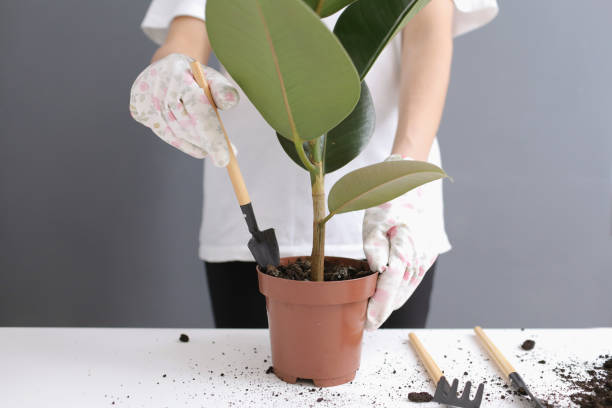
I would even give a clear warning here — don’t apply groundbed gardening methods, tools, or habits directly to container gardening. These are two completely different systems, operating under different root behaviour, microclimate, and growing patterns.
In container gardening, roots are confined, soil volume is limited, and recovery capacity is lower. Because of this, using the wrong tools in pots or not using the right tools at all can create more stress compared to ground plants. Many beginners don’t realize this and treat both systems the same.
Container plants also take time to settle into a new pot. When you use strong, heavy tools designed for ground soil, it can create plant wounds, disturb the root structure, and even shake the plant loose from the pot. This leads to root stress after repotting, which delays recovery.
On the other hand, not using tools at all and handling plants with bare hands can be equally damaging. Without proper control of pressure, roots and stems can get pressed, bent, or torn during repotting.
Can pulling plants by hand damage roots during repotting?
Yes, this is one of the most common beginner mistakes in container gardening. When a plant doesn’t come out easily, the natural reaction is to pull harder. But when you do that, the plant often comes out suddenly with broken or cut roots.
The fine, hair-like feeder roots — which are responsible for water absorption — are very delicate. Pulling damages these roots, leading to root damage during repotting in pots and immediate plant stress.
Using a hand fork tool for repotting helps avoid this. It allows you to gently loosen the soil around the edges before removing the plant. This way, the root ball comes out intact, even for sensitive plants like seedlings and succulents.
Hand forks are not sharp — they are designed to loosen soil without cutting roots. This makes them ideal for safe transplanting in small pots.
Can using large or sharp tools cut too many roots in small pots?
Yes. Tools designed for groundbed gardening are built for strength — to break hard soil and handle thick roots or woody stems. When used in small pots, they can easily damage delicate root systems.
Even household tools like sharp scissors can create unintended cuts. If they are rusted or not clean, they can also introduce infections through these wounds.
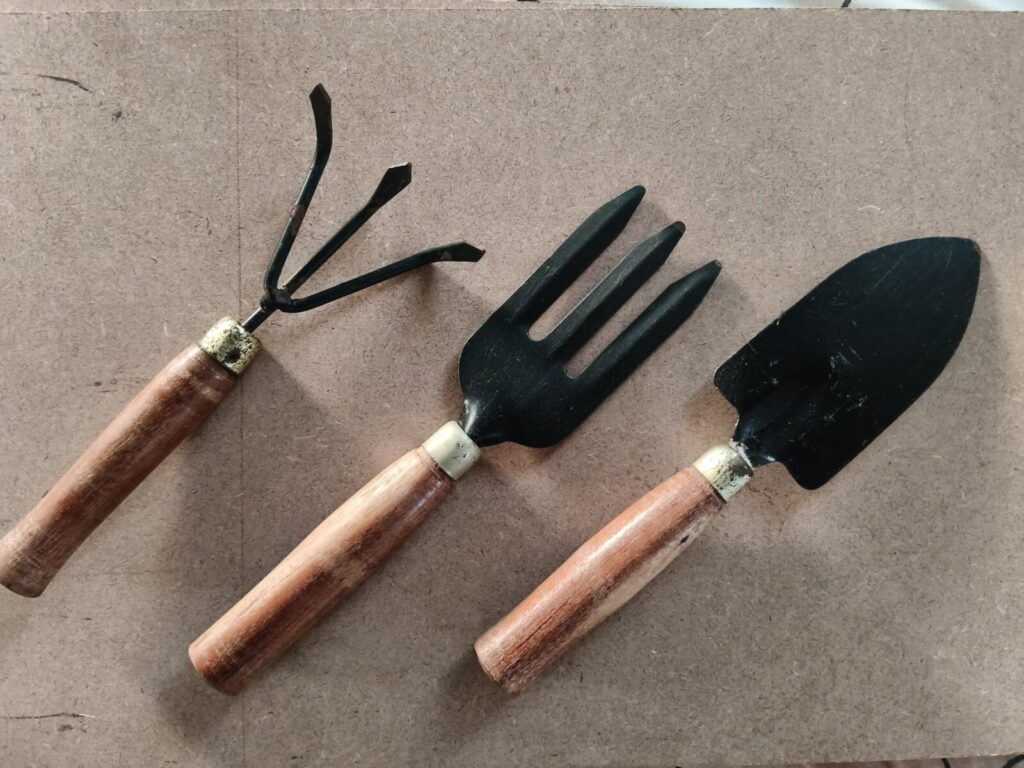
In contrast, container gardening tools like hand trowels, forks, and small rakes are designed for controlled handling. They help loosen soil and lift plants without breaking roots.
Using large tools in small pots often leads to hidden damage — roots get cut or bruised without you realizing it. This increases root stress in container plants and slows down recovery after repotting.
Why do dull scissors or pruners damage plant stems?
Well-maintained pruners make clean, precise cuts and can reach tight spaces without damaging nearby stems. But dull scissors or poorly maintained pruners don’t cut cleanly — they crush or tear the stem instead.
This kind of damage takes longer to heal, especially in sensitive container plants. In some cases, the wound may not heal properly and can lead to infections like stem rot.
Also, when tools are dull, you tend to apply more pressure to cut. This extra force can strain or even break the plant. That’s why using clean, sharp pruning tools for pots is important for healthy growth.
Why are container plant roots more sensitive than ground plants?
Container plant roots grow in a restricted space. This limits how much water and nutrients they can access at a time. Because of this, container plants depend on consistent care and minimal disturbance.
Unlike ground plants, container roots don’t have the space to recover from damage easily. Even small root injuries can affect water absorption and slow down growth.
This is why it’s important to understand container root behaviour and not treat it like ground soil gardening. Using strong tools meant for groundbeds, or poorly maintained tools, can create wounds that directly impact plant health.
Container roots may not grow thicker or larger like ground plants, but they are efficient in their own way — as long as they are handled gently and correctly.
🌱 Container gardening feels harder than it should — and tools are often the missing piece. Follow the beginner-friendly tool guide here
How to prevent plant damage after repotting or pruning in pots?
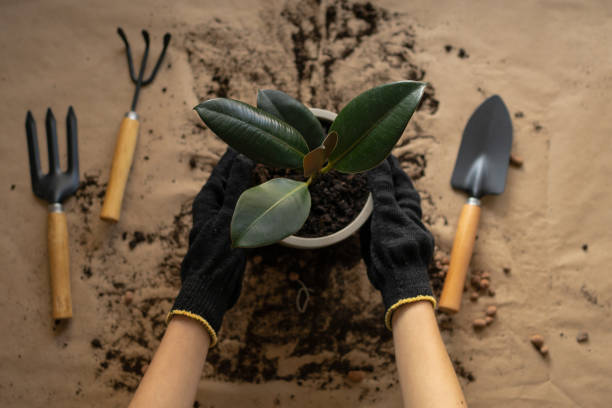
Understanding container gardening tools and how to use them properly can prevent most plant damage after repotting, pruning, or any routine care. In fact, the right tools and handling methods can avoid nearly 80% of common beginner mistakes in pots.
When you know which tools to use — and how to use them with control — container gardening becomes simpler, calmer, and far less stressful for both you and the plant.
What are the safest tools to use for container gardening beginners?
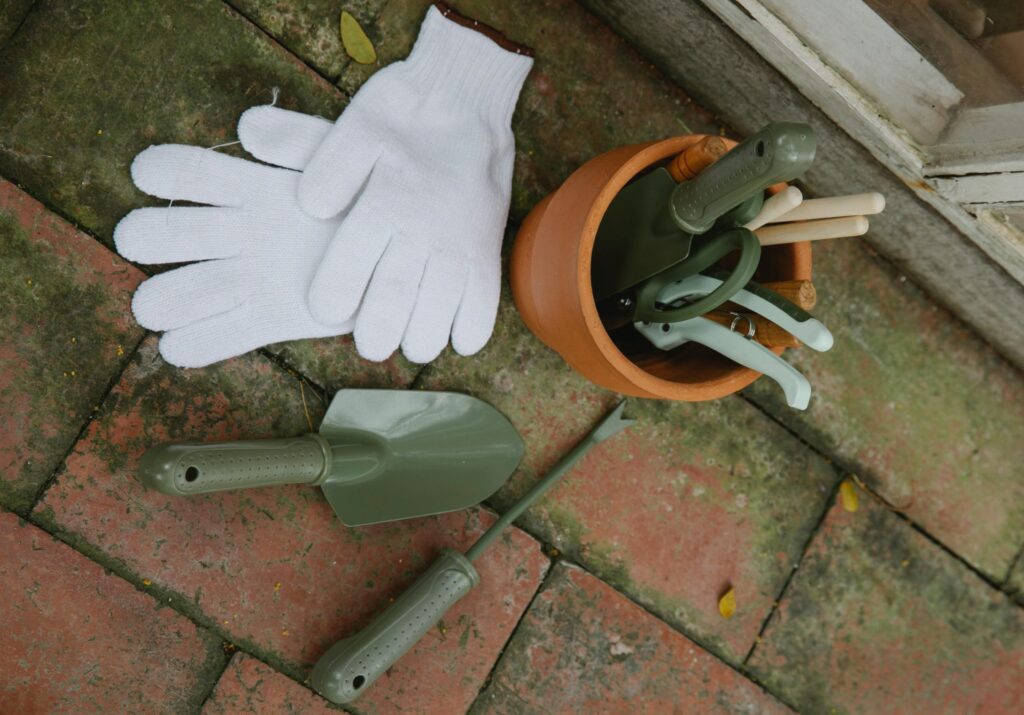
A few simple tools are enough for most container gardening needs:
- A hand trowel, hand fork, and small hand rake for soil work and root handling
- A clean, well-maintained pruning tool for pruning, deadheading, and harvesting
- A watering can with a long spout and rose to avoid soil disturbance and root damage
These basic tools for small pots and balcony gardening give better control and reduce accidental damage compared to large groundbed tools.
How to repot plants without damaging roots in pots?
Avoid shaking, pulling, or stressing the root ball. Using bare hands or large tools often leads to root damage during repotting in pots.
Instead:
- Water the plant a day before repotting to soften the soil
- Use a hand fork tool for repotting to gently loosen soil around the edges
- This helps separate the root ball without breaking fine roots
Once loosened:
- Slightly roll or tap the pot (with a mat underneath to avoid mess)
- Remove the plant gently, keeping the root ball intact
- Place it in the new pot and fill soil using a trowel
After repotting:
- Avoid watering immediately; give at least 24–48 hours for roots to settle and heal
- Then water lightly using a watering can — not deep watering
- Since roots are not fully settled, excess water can stress them instead of helping
How to prune plants in pots without stressing them?
Use clean, container-specific pruning tools that are well maintained. Clean blades reduce the chances of plant wounds and prevent damage to nearby stems.
Good pruners:
- Make precise cuts without pulling or tearing
- Are sharp enough to cut cleanly, but controlled for small plants
If using scissors:
- Keep them only for gardening use
- Ensure they are rust-free and clean
- Wipe with alcohol before use to prevent infection spread
This simple step helps avoid pruning damage in container plants and reduces the risk of stem rot.
How to handle soil in pots without compacting it?
Using the right soil mix is key to preventing compaction:
- Avoid using only garden soil
- Use an aerated potting mix for container plants with cocopeat, perlite, or vermiculite
- For succulents, adding pumice improves drainage
Before potting:
- Break any lumps using a hand fork
- Use a hand rake to mix soil evenly and keep it airy
Even stored soil can become compact over time. Loosening it before use improves airflow and supports healthy roots.
Can damaged plants recover after wrong tool use?
Yes, they can — but only if you avoid panic-based care.
Don’t overwater, over-fertilize, or keep changing conditions. Most damage worsens when we misread the signs and try to fix everything at once.
Container plants respond better to:
- Small, consistent care
- Stable placement
- Observing the plant before watering or feeding
With patience, many plants recover from root stress after repotting or minor tool damage. The key is to let the plant settle instead of overwhelming it.
✨ You don’t need many tools — just the right few for your space.
Read the complete balcony gardening tools guide
Is it normal to make these beginner mistakes while using gardening tools in pots?
Yes, it’s completely normal. Most beginners unknowingly damage their plants while repotting or pruning — not because they don’t care, but because they don’t yet understand how sensitive container plants in pots can be.
In balcony and terrace gardening setups, small mistakes with tools — like pulling roots, pressing soil too hard, or using oversized tools — can create stress without showing immediate signs. That’s why many plants look fine at first and then slowly start wilting or declining after a few days.
This is where many beginners misinterpret the situation. It’s not a lack of care, watering mistake, or sunlight issue in most cases — it’s the handling technique during repotting or pruning that affects the plant.
Once you understand this, everything becomes easier.
Small changes in how you handle plants can lead to visible improvements:
- Loosening soil instead of pulling roots
- Using the right-sized tools for small pots
- Making clean cuts instead of rough pruning
These are simple shifts, but they reduce root stress after repotting and help plants recover faster.
Container gardening is not about force — it’s about control. Unlike ground gardening, you are working in a limited space where every root, every cut, and every movement matters more. The goal is not to “finish the task,” but to handle the plant in a way that keeps it stable and stress-free.
With time, observation, and gentle handling, you’ll naturally improve. And once you get this part right, you’ll notice your plants not only survive repotting and pruning — but continue growing steadily without setbacks.
🌿 From pots to plants to placement — everything beginners need, in one place. Click to follow the container gardening roadmap
✨ If your plants struggle after repotting or handling, this could be the hidden reason.
Explore the full guide here