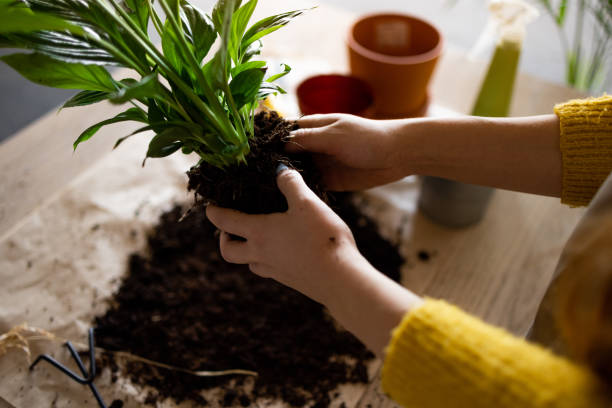
Introduction
Why Repotting Seems Easy, but Triggers Stress in Containers
After years of container gardening, I’ve slowly learned how to reduce repotting stress in potted plants—mostly by understanding when not to repot. For healthy, actively growing plants, the effects of repotting stress are often mild or sometimes not visible at all.
But when a plant is already struggling—whether from pest issues, disease, weak roots, or environmental stress—repotting shock can easily make the problem worse. This is one of the most common reasons beginners feel repotting “failed,” even when their intentions were right.
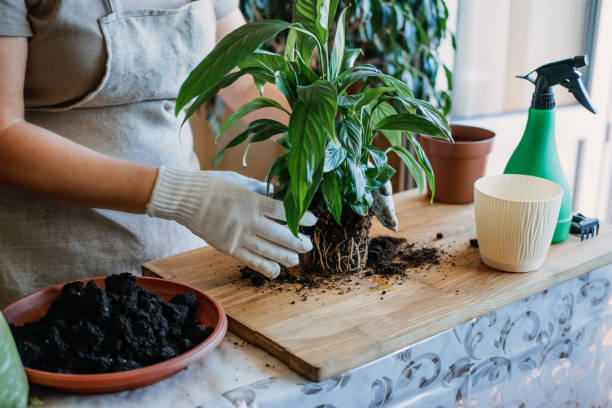
Careful handling of the root ball, avoiding unnecessary root damage, using a balanced potting mix suitable for container gardening, and providing proper after-care can greatly reduce repotting shock. On the other hand, poor handling or rushed care can trigger root stress in containers, even in otherwise healthy plants. Repotting itself isn’t the problem—how and when it’s done inside a container environment is what matters.
How Container Gardening Changes Repotting Rules Completely
In ground beds, repotting usually happens only once—when a plant is moved from its nursery pot into the soil. After that, roots have space to spread, buffer stress, and recover naturally. Even when ground plants struggle, the soil volume gives them more time to adapt.
Container gardening works very differently. Repotting becomes almost non-negotiable, not because plants “need” frequent disturbance, but because the root zone is limited. As roots fill the pot, water retention drops, pots dry out faster, and roots begin circling or emerging from drainage holes. These are common repotting signs in container plants.
Following a simple pot-size transition—such as moving about 2 inches bigger than the existing root ball—helps plants adjust gradually. When combined with proper soil structure and realistic care, repotting supports steady growth rather than sudden stress. In containers, repotting isn’t a growth boost; it’s a space correction.
What Years of Container Gardening Taught Me About Repotting
Over time, repotting became far less stressful once I learned to read repotting timing, not just plant size. Repotting at the right stage, handling the plant without breaking the root ball, using a neutral, well-draining soil mix, placing the plant in a suitable recovery spot, and watering appropriately all play a role in reducing container plant shock.
Timing matters more than many beginners realize. Repotting during early morning (7–9 am) or evening (4–6 pm) avoids heat stress and rapid moisture loss—especially important in Indian climates and hot balcony gardens. Midday repotting under harsh sun or very late-night repotting that keeps the soil soggy can increase the risk of root stress.
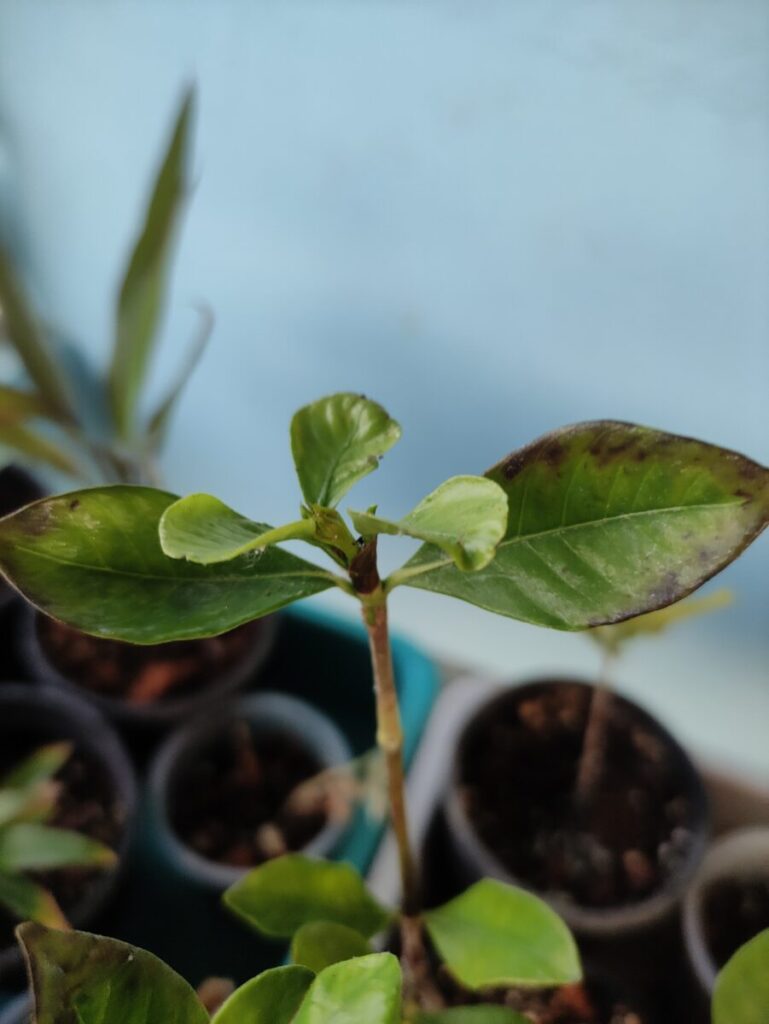
If a plant is already under severe pest or disease pressure, repotting often adds more stress instead of solving the problem. In such cases, I’ve learned to take a few healthy cuttings as a backup before attempting any major disturbance. This small step has saved many plants—and a lot of frustration—over the years.
If you’re new to container gardening or want to understand how pots, roots, soil, and environment work together, start with the master guide on container gardening fundamentals. This post builds on those basics and prepares you for deeper, plant-specific guides.
What “Repotting Stress” Really Means in Container Plants

How Repotting Stress Looks Different in Pots vs. Ground Soil
In ground beds, you usually notice repotting shock about 2–3 days after planting. Newly planted plants may look dull, lifeless, or slightly unstable because the roots are adjusting and temporarily lose turgor pressure. After this phase, plants usually firm up—older leaves may drop, and fresh leaves or new growth begin to appear. In ground soil, even if you keep the area moist, overwatering is less common because the surrounding soil mass absorbs excess water easily.
The same loss of turgor pressure happens in potted plants, but it looks much more dramatic. Within just a few hours of repotting, you may see sudden wilting, leaf drooping, or bud drop. In container gardening, plants often take longer to settle because roots have limited space and fewer buffering layers. Unlike ground beds, containers require very balanced watering—both overwatering and underwatering increase container plant shock. After repotting, roots often feel temporarily “disconnected,” so shallow but consistent watering that keeps the soil evenly moist—without drying out or staying soggy—is important.
Avoid overloading plants with fertilizers right after repotting, even organic ones. Occasionally, a very small amount of Epsom salt may help stressed plants, but excess nutrients can easily worsen root stress in containers. Give the roots time to adapt by placing plants in bright but indirect sunlight, especially in hot balcony gardens or terrace setups. Avoid frequently moving the pot, as repeated environmental changes increase stress.
🪴 Most container plants succeed or fail quietly — long before you notice. Read the container truths that decide success
Why Container Roots React Faster to Disturbance
The restricted root space in containers means that even small changes—extra water, fertilizer, or handling—can overwhelm roots that are already disturbed from repotting. This is why container roots react faster and more harshly compared to ground plants. Using a loose, well-draining potting mix helps roots spread and re-establish more easily inside a limited space.
In containers, plants often take longer to fully recover, even if they look fine on the surface. If you notice dry topsoil, prolonged wilting, or no new growth for weeks, the plant may still be under repotting stress, not actively failing. At this stage, patience matters more than intervention.
Container roots are naturally more vulnerable than ground-bed roots due to space limitations. You can see this clearly in nature—wild trees grow stronger than cultivated field trees, even within the same plant family. The difference lies in soil volume and access to micronutrients. In pots, roots cannot expand freely, so plant strength is limited. Instead of adding more fertilizer, allowing time for recovery with gentle, consistent care is often the best response.
🌱 What’s happening under the soil matters more than what you see above it. Discover the hidden root truths here
The Invisible Shock Behind Repotting Stress in Potted Plants
Sometimes, after repotting, plants look completely fine for the first few days. Then suddenly—2–3 days later—yellowing leaves, dull wilting, or drooping appear. This doesn’t always mean root damage. In many cases, it’s a root physiology response to an unfamiliar environment, including new drainage patterns, soil texture, and moisture flow. This is the hidden side of repotting stress in potted plants.
Container plants live within carefully balanced micro-environments. Any sudden change can disturb that balance. Using porous potting materials, mild organic matter like compost, and balanced watering helps roots re-adjust gradually. Most importantly, don’t panic. Avoid overwatering, overfeeding, or repotting again too soon. Overdoing care during this phase often worsens stress and can lead to plant decline rather than recovery.
✨ If your plants struggle no matter what you do, your soil might be the reason. Explore the full soil truth guide
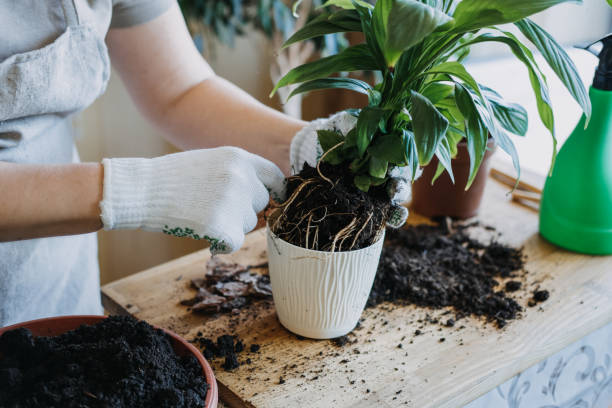
Why Containers Make Repotting Harder Than We Expect

Limited Root Space Leaves No Margin for Repotting Errors
In potted plants, root space is extremely limited, and so is the soil volume. That’s why learning container gardening basics is not optional—it’s the only way to manage this limitation with experience and skill, and still grow plants successfully in pots. Period.
This restricted root zone amplifies even small gardening mistakes—watering imbalance, sunlight stress, fertilizer misuse, pest pressure, or disease issues. That’s why choosing the right combination of pot size, potting mix, and plant type matters more in container gardening than it does in ground beds. The goal is not perfection, but reducing avoidable complications.
With such limited root space, a newly repotted plant is suddenly moved from one microclimate to another—with different soil texture, drainage behavior, and moisture patterns. Some hardy, healthy plants adapt faster, but many plants need time. Maintaining consistent care after repotting, instead of reacting with excess water or fertilizers, helps reduce repotting stress in containers.
How Soil, Water, and Temperature Change Overnight in Pots
Moving from a familiar micro-environment to an unfamiliar one causes immediate stress to plant roots—until the plant slowly senses that the new conditions are safe.
Only then do roots enter a recovery phase, absorbing water and nutrients gradually. This is why well-draining, aerated potting soil is essential—it allows proper oxygen flow, which roots need during recovery. Along with soil structure, pot material and watering habits play a major role in maintaining a stable root-zone temperature.
You can’t perfectly recreate the old micro-environment in a new pot. But you can choose a potting mix suitable for container plants so roots can adapt with less shock. It’s very normal for repotted plants to look dull or inactive for a week or more due to these sudden changes. Once the stress eases, visible signs of recovery start to appear.
Why Budget Pots and Balcony Heat Increase Repotting Stress
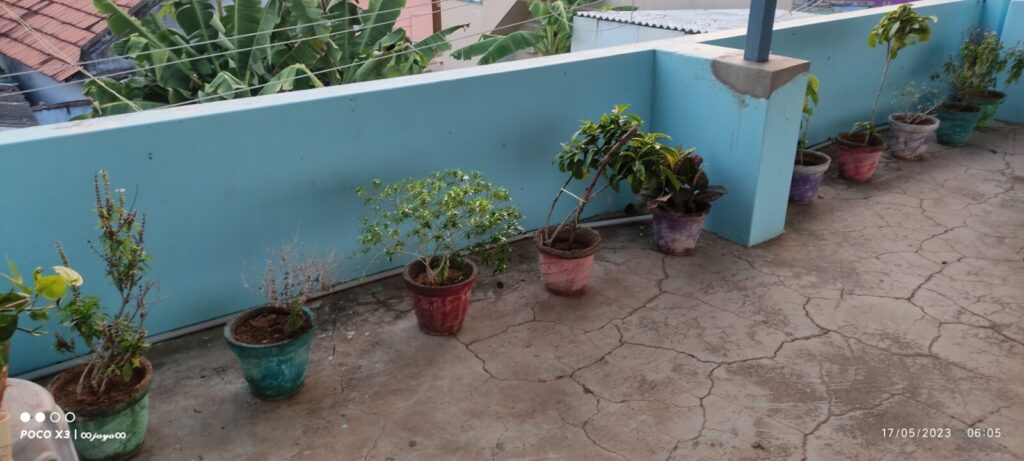
Two major factors increase repotting stress: budget pot materials and balcony heat exposure. Non-porous containers or repurposed items like old buckets often restrict oxygen flow. Water stays longer in the potting mix, and heat builds up faster—creating stress for already vulnerable roots.
Even when there are no better options, small adjustments help. Adding extra drainage holes at the bottom, or a few tiny holes near the rim for aeration, improves airflow. Using a well-draining soil mix and a simple drainage layer, like stones or gravel also helps manage moisture levels.
During recovery, be mindful of watering and fertilizers. Avoid placing freshly repotted plants under harsh sun—especially in hot balcony gardens or terrace spaces common in Indian climates. Heat exposure at this stage can cause wilting because roots are still adjusting and absorbing water slowly.
Common Beginner Misunderstandings About Repotting

One of the most common misunderstandings in container gardening is the belief that a bigger pot automatically leads to faster or healthier growth. In reality, moving a plant into an oversized pot too early often creates more problems than benefits. Excess soil holds moisture longer, roots struggle to access oxygen evenly, and instead of growing stronger, plants may show wilting, yellowing, or stalled growth. In containers, growth is gradual and closely tied to how well roots occupy the available space—not how much space they’re given all at once.
Another frequent assumption is that fresh soil always means healthy roots. While the new potting mix looks clean and rich, it also represents a completely new environment for roots. Changes in soil texture, drainage speed, microbial balance, and moisture behavior can temporarily confuse roots. This is why many beginners feel shocked when plants droop after repotting, even though they used “good soil.” Fresh soil supports recovery only when roots are ready to adapt to it.
Timing is another area where beginners unknowingly add stress. Repotting during heatwaves, active flowering, or recovery from pests or disease often worsens existing stress. During these phases, plants are already using most of their energy to survive or reproduce. Repotting at such times interrupts that balance, leading to container plant shock that can last weeks. In hot climates, especially in balconies and terraces, this mistake becomes even more visible.
Many beginners also overhandle roots because of fear-driven advice around being “root-bound.” While severely root-bound plants do need attention, unnecessary teasing, washing, or cutting of roots during repotting often does more harm than good. Container roots are already sensitive due to limited space. Excess handling breaks fine feeder roots, delaying recovery and increasing repotting stress in potted plants.
Finally, a major source of confusion comes from applying ground gardening advice directly to pots. In-ground plants benefit from vast soil buffers that absorb mistakes—containers do not. Watering deeply, feeding heavily, or repotting aggressively may work in ground beds but often backfires in containers. Understanding this difference is key to avoiding repeated repotting mistakes in container gardening. Pots follow different rules, and learning those rules takes observation, patience, and a few mistakes along the way.
Conclusion – Learning to Respect the Root Zone in Containers
Repotting in container gardening isn’t routine maintenance—it’s a structural change. Every time a plant is repotted, the root zone experiences a shift in space, soil behavior, moisture flow, and temperature. Treating repotting as a quick fix or growth booster often leads to stress, while respecting it as a major transition helps plants settle with fewer setbacks.
Over time, one lesson becomes clear: slowing down and observing works better than doing more. Extra watering, extra feeding, or repeated adjustments usually come from panic, not plant’s needs. Containers respond best to consistency. When roots are adjusting, patience allows them to re-establish balance in their limited space.
If you’re gardening with limited space, reused pots, or a tight budget, you’re not at a disadvantage—you’re learning the most important skills first. Container gardening naturally teaches observation, restraint, and timing. These are strengths, not limitations.
Most importantly, mistakes around repotting aren’t failures. They’re learning milestones. Every wilted leaf, delayed recovery, or stalled plant teaches you how roots behave inside containers. That understanding compounds over time and makes future repotting decisions calmer and more confident.
👉 To strengthen this foundation, revisit the master guide on container gardening fundamentals, where pot choice, soil behavior, watering logic, and root health come together. This article builds on those basics and prepares you for deeper, more specific guides ahead. 🌱