You might wonder why your plants suddenly wilt, develop stem rot, or show yellowing leaves without any clear reason. In many cases, this is not a watering or sunlight issue—but a hidden mistake in how you handle container plants during routine care. Pulling weeds, removing debris, or plucking leaves with bare hands can create root disturbance in potted plants, leading to stress, weak stems, and even rot. Because container plants have limited root space, even small physical movements can affect their stability and health. Understanding this can help you avoid plant damage during everyday gardening tasks.
If you notice closely, when you do this in groundbed plants, they bend and then return to their position. The same thing happens in container plants—but much more subtly. It often goes unnoticed, yet it can cause root disturbance in container plants, shaken root systems, and small wounds that later lead to stem rot or plant stress.
I’ve experienced this myself—plants suddenly developing stem rot or wilting without any clear reason. Even a small pull using bare hands creates pressure that shakes the entire plant in a pot.
Unlike groundbed plants with deeper and stronger root systems, container plants have limited root space, making them more sensitive to physical disturbance. And this is where many beginners—and even experienced gardeners—miss the issue until the plant starts showing visible stress.
You might think it’s a small task—like pinching or plucking—so tools are not needed. But even these small actions can create physical stress in potted plants, especially when done repeatedly or without support.
Once roots are disturbed in containers, they don’t recover as easily. And if you continue regular watering, fertilizing, or keep the plant in the same sunlight without recognizing the stress, it can overload the plant. The roots absorb less water, increasing the risk of overwatering issues and root rot in pots.
Let’s break down this issue in detail, so next time you won’t unknowingly damage your plants while doing routine care.
✨ If gardening feels messy, tiring, or inconsistent, your tools might be the missing piece. Explore the complete tools guide
What problems do potted plants show after rough handling or using hands instead of tools?
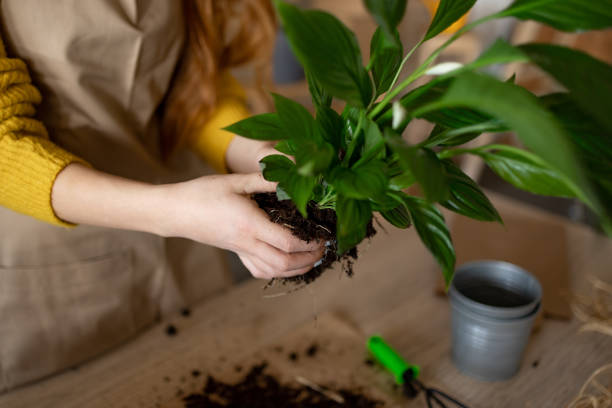
You might notice sudden changes in your plant after handling it roughly — especially during repotting or cleaning.
Common symptoms beginners observe:
- Sudden wilting even when soil is moist
- Leaves drooping or turning soft
- Water staying longer in pots (slow drainage)
- No turgor pressure even after watering
- Sudden stem rot or base softening
These signs often appear after:
- Repotting
- Cleaning debris using hands
- Plucking or pinching plant parts roughly
- Handling roots or soil aggressively
This is where confusion starts.
Most beginners assume:
👉 “Maybe I didn’t water properly”
👉 “Maybe sunlight is wrong”
But the real issue is often handling stress, not care routine.
Tools naturally give control — they slow you down and make you more precise.
“But even with tools, rough handling can still damage plants.”
From experience — rushing is the real problem.
When you handle plants fast or forcefully, especially in containers, the damage is immediate but the symptoms appear later.
Once a potted plant is shaken, stressed, or wounded, recovery is slow. Unlike ground plants, container plants don’t have extra space or buffer to heal quickly.
A well-growing plant can decline completely just from one rough handling session.
Why do plants wilt after touching roots or disturbing soil?
Handling roots and soil in pots is like handling glass.
The slower and gentler you are, the safer it is — not just for plants, but for your hands too.
(If you’ve done enough repotting, you already know — thorn cuts and bruises come from rushing.)
Here’s what actually happens:
- Container roots are delicate and tightly packed
- Pulling or cleaning the root ball roughly breaks fine roots
- These roots are responsible for water and nutrient absorption
Once damaged:
- Roots stop absorbing water, oxygen, and nutrients temporarily
- Plant loses turgor → leaves droop even in wet soil
- Growth slows or stops
- Leaves may fall or turn yellow
If you don’t realize root damage happened:
- You continue watering normally
- But roots are not functioning
- Water stays in soil → leading to rot
This is why:
👉 Wilting + wet soil = often root damage, not underwatering
Frequent disturbance also creates stress:
- Moving pots often
- Repotting unnecessarily
- Changing soil repeatedly
- Adding compost too frequently
All this disrupts the plant’s stable micro-environment inside the pot
Container plants depend on:
👉 consistency, not constant improvement
Best approach:
- Make a good soil mix once
- Place the plant in the right spot
- Leave it undisturbed
Only repot when clear signs appear (root-bound, drainage issues, etc.)
Why does soil become hard or compact after using hands?
This is a small mistake with a big impact.
When you use tools like a hand fork or trowel:
- Soil is loosened gently
- Air pockets are maintained
- Structure stays light and aerated
But when using bare hands:
- You unknowingly apply pressure
- Soil particles get pressed together
- Air gaps collapse
This leads to:
- Compacted soil
- Reduced oxygen flow to roots
- Poor drainage
- Water staying longer in pots
And that triggers a chain reaction:
👉 Compacted soil → poor airflow → root stress
👉 Water retention → overwatering symptoms → rot
👉 Hard soil → roots cannot spread → stunted growth
Roots don’t just need water — they need oxygen and space.
Once soil structure is damaged:
- Roots struggle to penetrate
- Growth slows
- Fungal issues increase
🌱 Most repotting stress isn’t visible right away — but it’s already happening inside the pot. Read the 3 hidden causes
Why does using hands damage roots and soil structure in container plants?
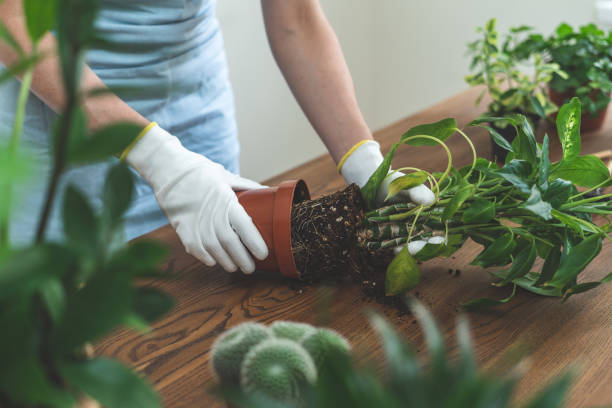
Container plant roots grow in a very limited space. Even thicker roots don’t have much room to expand, and most container plants depend on fine feeder roots.
These fine roots are not strong. They are soft, thin, and essential for absorbing water and nutrients.
When we use bare hands and handle roots roughly, we don’t realize how much pressure we’re applying. A small pull, a squeeze, or even trying to “clean” the roots can break these fine roots easily.
If you’ve repotted succulents, you already know how delicate their roots are. One wrong move, and the roots snap.
Once these roots are damaged, the plant cannot function normally. It may look like a watering issue from outside, but internally the roots are stressed and not able to absorb anything properly.
Do hands damage delicate roots in small pots?
Sometimes we do have to handle roots directly, especially while loosening a root-bound plant or removing old soil.
But this is where most damage happens.
When you rush, or try to pull apart the root ball, the fine roots tear without you even noticing. If your hands or soil are sticky, roots tend to cling and break more easily.
I’ve learned this the hard way. What feels like a small adjustment can actually damage the part of the plant that keeps it alive.
Now I avoid pulling completely. Instead, I slowly loosen the soil around the roots. If the roots are too tangled, soaking the root ball in water helps separate them without force.
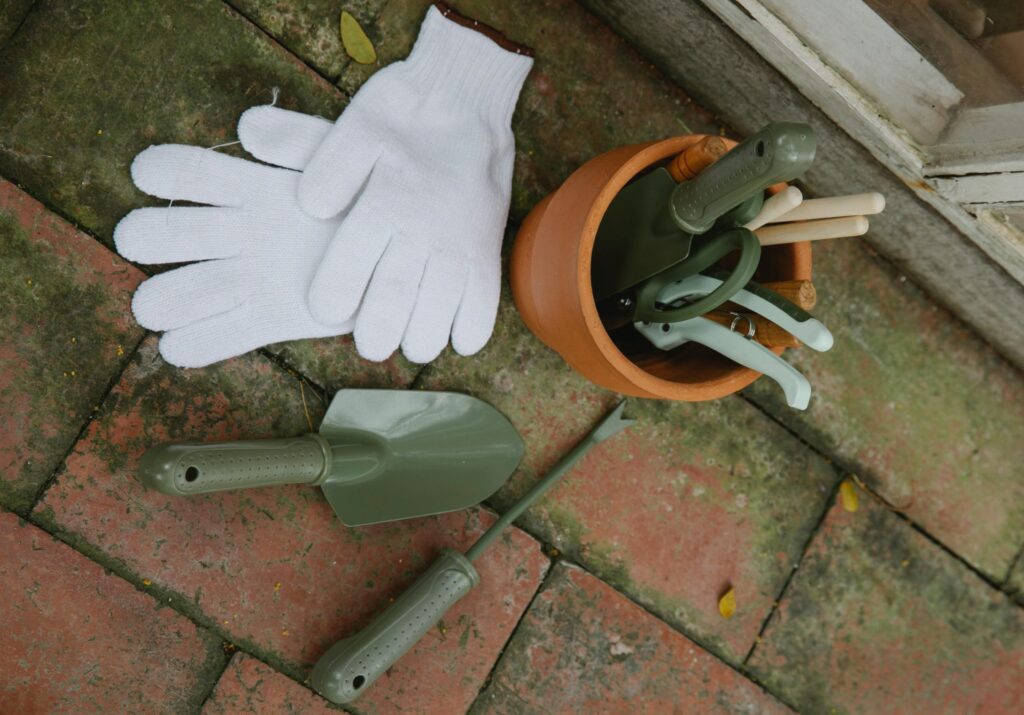
Using a simple weeder tool or even a stick gives more control than fingers. And wearing gloves reduces the direct pressure from your grip.
Why is handling stress worse in container plants than ground plants?
This becomes more obvious when you compare it with plants growing in the ground.
In open soil, roots have space. If something gets damaged, the plant can still grow new roots into surrounding soil and recover faster.
But in containers, everything is limited — space, soil, airflow, even water balance.
I noticed this clearly when I started recording videos for my YouTube channel. I was more focused on getting the shots right, so I rushed the repotting process. I handled some plants roughly without realizing it.
Some plants survived, but many didn’t. A few started getting pests soon after. At that time, it felt random and confusing.
Later I understood — it wasn’t random. The plants were already stressed. Once the roots were disturbed, their resistance dropped, and problems started showing one by one.
In containers, plants don’t have extra support to recover quickly. When roots are damaged, the whole system slows down.
That’s why even small mistakes in handling feel bigger in pots than in ground gardening.
🌿 Container soil behaves very differently from ground soil — and beginners rarely realise it. Click to learn the real soil rules
How to handle soil and plants safely in pots without causing root damage?
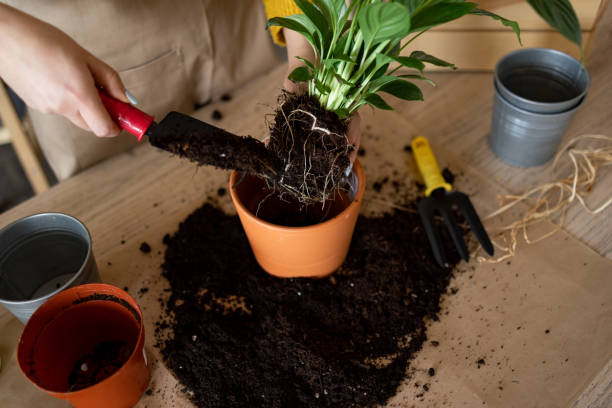
Handling soil and plants is not complicated. It’s more about patience than skill.
Most of the damage happens when we rush.
Container gardening takes time, whether you treat it as a hobby or serious work. If you try to finish repotting quickly, that’s when mistakes happen — roots get pulled, soil gets pressed, and plants get stressed.
It helps to:
- set aside time just for repotting
- choose a comfortable space to work
- avoid peak heat, especially in summer, so you don’t feel rushed or tired
Slowing down itself solves half the problem.
Can you use tools instead of hands for container gardening?
You don’t need too many tools. Just a few basic ones, and knowing how to use them properly.
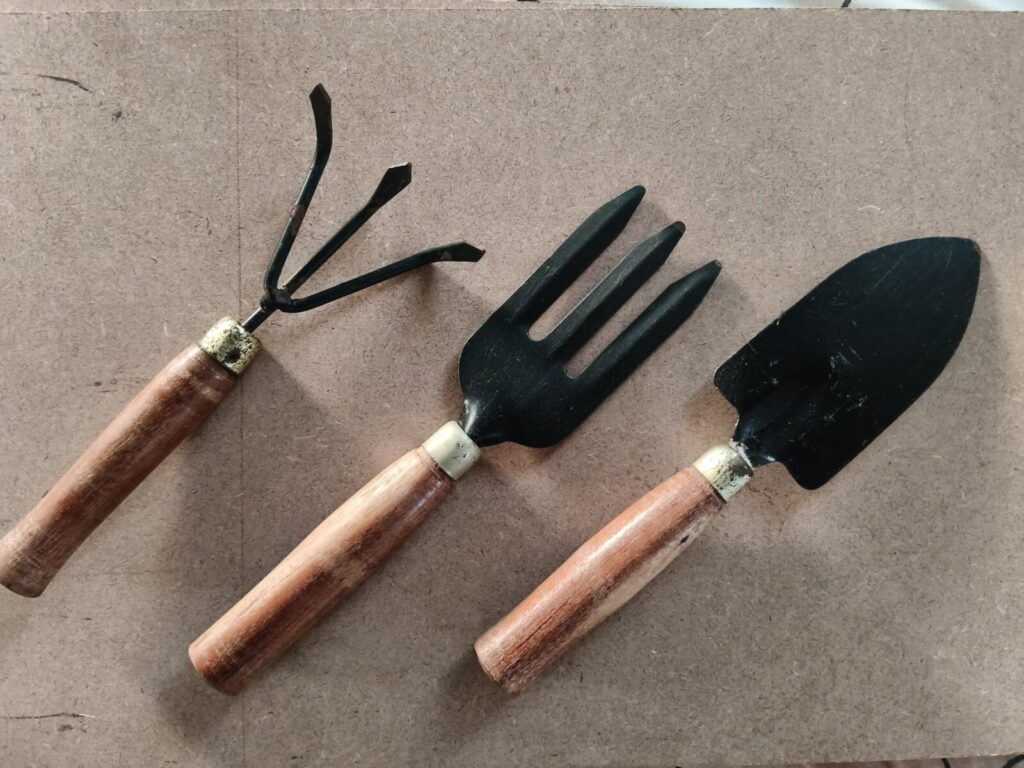
A trowel is enough for most tasks like potting, planting, and mixing soil.
A hand rake helps loosen and mix soil without pressing it down.
A hand fork is useful when removing a root ball from pots gently.
A weeder can help loosen tight soil around roots.
Pruners make clean cuts instead of tearing stems by hand.
Tools don’t just make work easier — they make you more careful. You automatically slow down and handle plants with more control.
How to repot plants without damaging roots in pots?
Start by watering the plant a few hours before repotting. This softens the soil and makes it easier to work with.
When removing the plant, don’t pull it out forcefully. Use a fork to loosen the edges of the pot first. Then slowly tilt the pot and let the root ball come out.
Hold the plant near the base, around the top soil area, instead of pulling stems.
If the plant is small, you can lift it gently using a trowel or fork instead of fingers.
While preparing the new pot:
- use a hand rake to mix the soil
- use a trowel to fill and adjust soil around the plant
The idea is simple — guide the plant, don’t force it.
How to fix compacted soil in pots after handling damage?
Soil compaction is easier to prevent than fix.
Before planting, always loosen the soil well using a rake or fork. This creates an aerated mix where roots can grow easily.
After planting, if soil becomes compact:
- you can gently loosen the top layer using a weeder
- but going deeper can disturb roots again
So it’s better to fix the structure before planting itself.
Good soil should feel light and breathable, not pressed or heavy.
Can damaged container plants recover after root disturbance?
Yes, but only if you give them time and don’t stress them further.
After root disturbance:
- avoid deep watering immediately
- water lightly and only when the top soil dries a bit
- keep the plant in a shaded or less harsh light area
You’ll start noticing small new growth when the plant begins to recover.
Until then:
- don’t add fertilizers
- don’t prune
- don’t keep shifting the plant
Too many “fixes” can slow recovery instead of helping.
Sometimes the best thing you can do is leave the plant alone and let it stabilize again.
🪴 Repotting isn’t the problem — the tools you use might be.
See the hidden tool mistakes here
Is it normal for beginner gardeners to damage plants by using hands instead of tools?
Yes, it’s very normal.
Most beginners naturally use their hands. It feels easier, more direct, and honestly more connected to the plant. No one starts gardening thinking they need tools for every small step.
But over time, you start noticing a pattern. Plants that were doing well suddenly struggle after repotting or handling. And it’s not always because of watering or sunlight — sometimes it comes down to how the plant was handled.
Container gardening is a bit different in that way. It needs more precision than force. Small actions have bigger effects because everything is happening in a limited space — roots, soil, water, all of it.
This is where simple habits start to matter.
Using the right tools, slowing down, and handling plants carefully might feel like small changes, but they directly affect how well a plant survives and grows in a pot.
It’s not about being perfect. It’s about becoming aware.
Once you notice this, your approach to gardening naturally changes. You stop rushing, you handle plants with more care, and you start understanding how sensitive container plants really are.
From here, the next step is learning:
- how to choose the right basic tools
- how soil structure affects root health
- how to handle plants without disturbing their balance
That’s where container gardening becomes easier — not by doing more, but by doing things more carefully.
🪴 Most beginners fail because they skip the basics. Don’t make that mistake. See the step-by-step container gardening guide