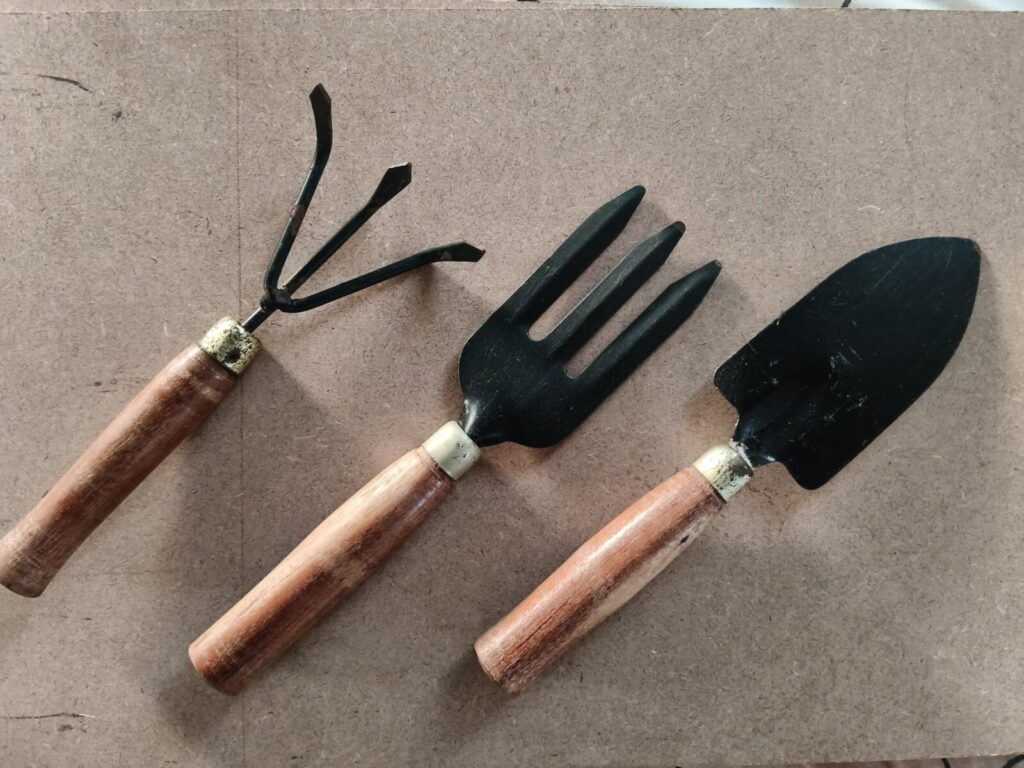
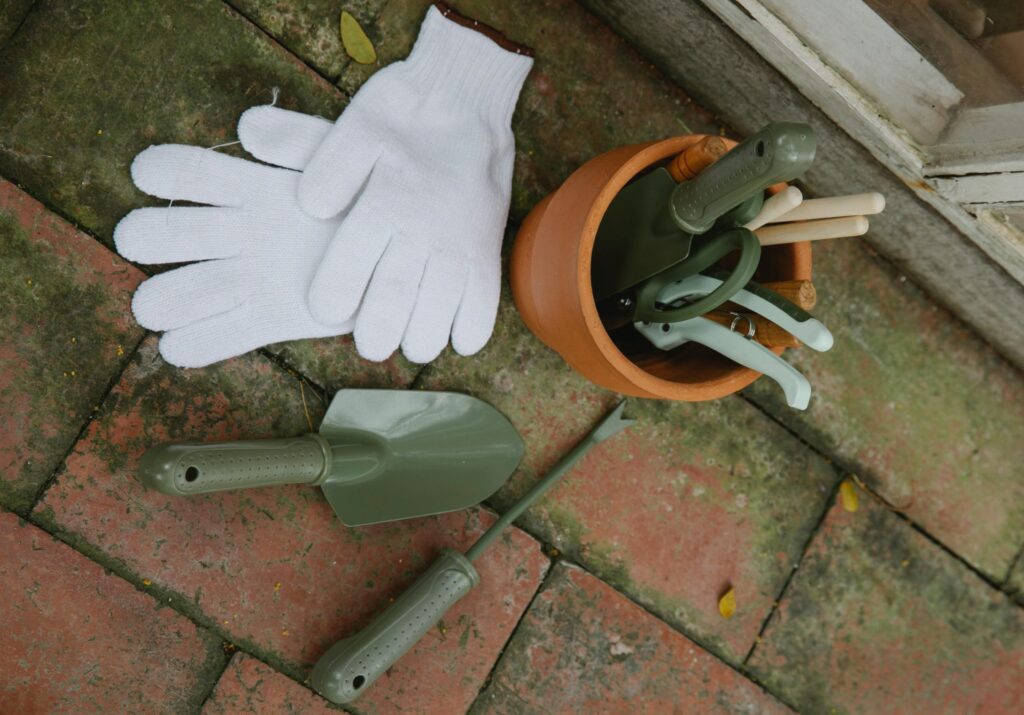
You bought the tools. You’re trying to take care of your plants regularly.
But somehow… gardening still feels tiring, messy, and inconsistent.
Some days you water too much. Some days you skip care completely. And even with the right tools, it still feels like more work than it should be. In small balcony or terrace setups, this often shows up as uneven soil moisture, stressed leaves, or plants not responding the way you expect.
The problem is not your effort. It’s the lack of a simple gardening tool routine.
In previous blogs, we covered how to pick the right gardening tools, how to maintain them, and what tools beginners actually need for container gardening. But even after setting all that up, many beginner gardeners still feel stuck. The missing piece is creating a routine that makes your tools work consistently for you, instead of guessing what to do each day.
If the word routine feels heavy, you’re not alone. But setting a simple, repeatable gardening routine one time—and following it based on your garden conditions—makes your tools far more effective than daily guesswork. Instead of reacting to problems like overwatering, underwatering, or delayed pruning, you start preventing them.
This tool routine isn’t just about using tools more often. It’s about using the right tool at the right time, so your plants receive steady, consistent care. That’s what reduces plant stress, especially in tropical balcony gardening conditions where heat, airflow, and pot size already create fluctuations.
And this becomes your next step as a beginner—turning your gardening tools into a simple system. A system that supports your plants, reduces effort, and makes container gardening feel more manageable day by day.
Why Gardening Feels Messy (Even With the Right Tools)
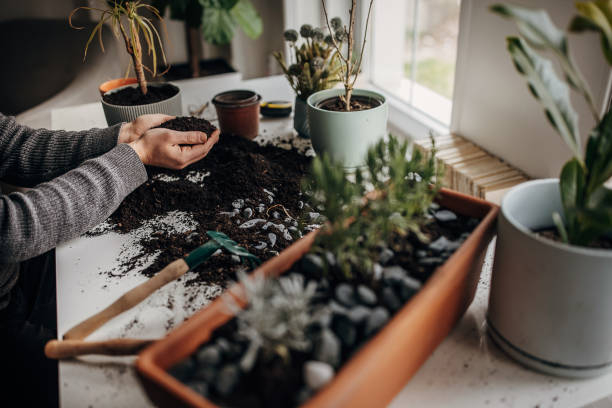
You might wonder, “I bought the right gardening tools, even good quality ones—why is gardening still not easier, and why does it still feel messy?”
The reason is simple: tools are a support system, not a magic wand. To actually see results, that support system needs a routine. Without a simple gardening tool routine, even the best tools won’t run smoothly or help you in the process.
Tools Without Routine = More Effort, Not Less
Buying tools without clearly knowing what you need—and keeping them scattered on a shelf or corner—often increases fatigue instead of reducing it.
You end up repeating the same tasks again and again, rechecking the same plants, and still feeling unsure. It’s not your mistake if you can’t remember every small detail of plant care. No one can track watering schedules, pruning timing, and pest checks mentally every day—especially in a small balcony container garden.
This is where the lack of a routine creates confusion instead of a system.
These repeated mistakes—missing watering days, delaying pruning, or uneven care—don’t just make gardening feel exhausting. They lead to inconsistent care in potted plants, which directly affects plant health. In tropical balcony gardening conditions (like heat, airflow, and fast-drying soil), this inconsistency shows up quickly as plant stress, yellowing leaves, or slow growth.
Routine Reduces Mental Load in Small-Space Gardening
If you set a simple gardening routine once weekly or monthly—you don’t have to decide what to do every day. You just follow a clear plan.
This reduces daily decision fatigue and the confusion of “what should I do today?” or “what should I fix this weekend?”
In small-space gardening, where multiple pots need different attention, this matters even more.
Nothing complicated is needed. A simple planner or garden calendar to track watering, pruning, and fertilizing—along with a small to-do list for quick daily checks—is enough to build a working system. This is how you make container gardening easier, instead of reactive.
Plants Respond Better to Consistent Tool Use
Tools help plants grow better only when used at the right time and at the right frequency.
With a routine, you create consistent care using your tools—like proper watering instead of guesswork, timely pruning instead of delayed cuts, regular fertilizing, and early pest control instead of late treatment.
This consistent approach covers the basic needs of any container plant.
If you feel like your plants are still struggling even after using good tools, this routine is often the missing part. It replaces one-day “perfect care” with steady, repeatable care, which is what actually helps plants thrive in balcony and terrace gardening setups.
You bought the pots, the tools, even the plants… so why does it still feel messy and tiring?
👉 This is what’s actually going wrong: https://mypotsgarden.com/gardening-feels-too-much-work/
How to Create a Simple Gardening Tool Routine (Watering, Planting, Pruning Days)
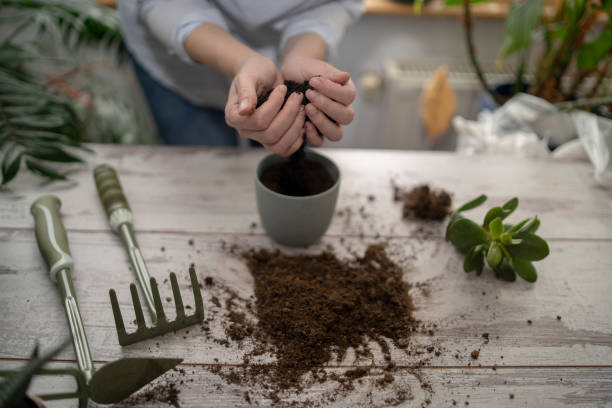
There are three key areas to set a simple gardening tool routine: watering, planting, and pruning.
Watering is the most frequent and important task in container gardening. Planting covers all soil-related work like loosening soil, adding fertilizers, and repotting. Pruning is not just seasonal cutting—it’s regular care to keep plants healthy, pest- and disease-free, manageable in pots, and visually neat.
To create a practical container gardening routine and cover all basic plant care, you only need to set these three key routine days. Together, they form a complete system for using your gardening tools efficiently while supporting plant health.
Set a Watering System (Not Random Watering)
Following a rigid watering schedule for potted plants can actually harm them. Container plants dry at different rates depending on season, temperature, pot size, pot material, and how the potting mix holds moisture over time.
That’s why a fixed “everyday watering” routine often leads to overwatering or underwatering problems in container gardening.
So how do you create a watering routine?
Keep it simple—no rigid days. Instead, build a flexible watering system based on observation and seasonal changes.
Start by grouping plants with similar watering needs. Plants in similar pot sizes or materials (like plastic vs. terracotta) tend to dry at similar speeds, which makes watering more organized in small balcony gardening setups.
At the beginning of each season, observe how long it takes for your pots to dry—not just the topsoil, but about 1–2 inches below the surface. This helps you estimate a general watering rhythm for that season.
But don’t follow it strictly.
If a plant still feels moist, skip watering—even if it’s a watering day.
If a plant looks dry earlier, water it—even if it’s not scheduled.
The goal of watering days is not perfection—it’s to cover most plants efficiently without rushing or guessing daily.
Using a small watering can with gentle flow helps achieve deep, even watering without disturbing the soil. This supports healthy root growth and avoids surface-only watering issues.
Bonus tip: Early morning watering works best in tropical balcony gardening conditions (like India), as it reduces excess moisture at night and helps prevent fungal issues.
🪴 I used to overwater and underwater my plants… until I found these easy watering rules that actually work.
Assign a “Planting & Repotting Day”
This routine works best when supported by quick daily or alternate-day plant checkups. These small observations help you decide when to schedule a weekly or bi-weekly planting and repotting day.
On this day, keep your soil tools ready—like a trowel, hand rake, or hand fork—along with a gardening mat and gloves. This preparation reduces friction and makes soil work more manageable.
Planting days are not only for repotting. They also include:
loosening compacted topsoil
adding fertilizers
refreshing potting mix
checking roots for early repotting signs
Repotting days, however, are best kept separate and focused only on repotting. This avoids rushing and reduces plant stress. Planning repotting in advance also allows you to prepare the potting mix properly.
This routine helps prevent common beginner container gardening problems like compact soil, delayed repotting, and uneven fertilizer use.
🪴 Repotting should help plants — so why does it sometimes make them worse? Discover the hidden reasons here
Fix a Pruning & Plant Health Day
Pruning is not just something you do after seasonal blooms or harvest. That’s only one part of it.
In a routine, pruning is regular maintenance to keep plants healthy, pest-free, disease-free, and manageable in limited pot space.
There are two parts to this:
Health pruning: removing yellow leaves, dried flowers, damaged stems, or pest-affected parts
Growth pruning: controlling excess foliage so the plant can balance energy between leaves, roots, and flowering
For herbs and leafy greens, simple pinching promotes fresh, bushy growth.
In container gardening, pruning becomes more important because root space is limited. Dead or unnecessary plant parts act like extra load, pulling energy without contributing to growth.
Also, constantly increasing pot size is not always practical in small balcony or terrace setups. Keeping plants manageable through pruning reduces the need for frequent repotting.
If you’re familiar with root pruning, it can also be included occasionally as part of this routine.
🌿 I avoided pruning for years… until my plants stopped thriving. Read the 7 pruning lessons that changed everything
Simple Cleaning Routine for Gardening Tools After Every Use
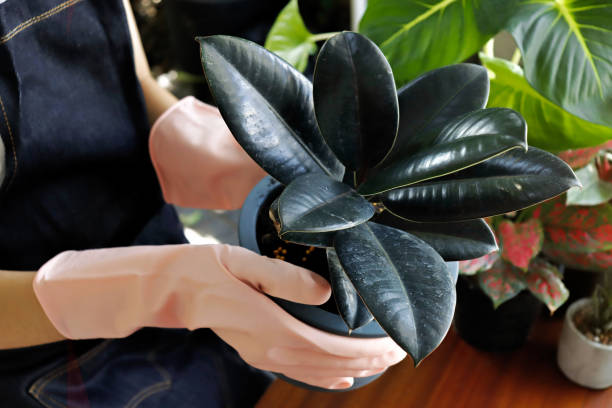
A cleaning routine is important for both tools and the garden. I’ll cover full garden cleaning separately in another blog. For now, you just need to focus on cleaning gardening tools after use so they stay usable for a long time.
Tool cleaning is often ignored in beginner container gardening. But skipping it slowly reduces tool lifespan and can affect plant health without you noticing. A properly cleaned tool works longer, cuts better, and supports plant care without causing damage.
Why Dirty Tools Damage Plants Over Time
When tools are left with soil debris and moisture, the metal parts start to rust over time. This is common in balcony gardening setups where humidity and watering are frequent.
The same happens with plastic watering cans—if water is left sitting inside, algae can form, especially in warm tropical conditions.
These small issues build up:
- Rusted tools don’t cut cleanly → they create rough wounds on plants
- Blunt blades require more pressure → this stresses stems and branches
- Algae-contaminated water can affect soil health over time
- Salt or residue buildup in watering cans can slowly affect potted plant roots
This is how uncleaned gardening tools silently contribute to plant stress and reduced growth in container gardening.
2-Minute Cleaning Routine (Beginner-Friendly)
After every use, you don’t need deep cleaning. But a simple cleaning routine is necessary.
For soil tools like a trowel, a fork, or a hand rake:
- Rinse off soil debris with water
- Remove stuck dirt properly
- Let them dry completely before storing
This takes just 1–2 minutes but helps prevent rust, dull edges, and long-term damage.
You can do deep cleaning once in 1–2 months using mild soap, rinse well, dry in sunlight, and lightly oil metal parts if needed. But this daily quick clean is what actually protects your tools.
For watering cans:
- Empty leftover water after use
- Avoid storing water inside
- Wash properly once a month or every 2 months
Also, avoid leaving tools on the floor or in direct sunlight, as it causes faster wear and tear in balcony environments.
Weekly Deep Cleaning for Frequently Used Tools
If you use certain tools very frequently—like watering cans, pruners, or soil tools—they need periodic deep cleaning.
For regularly used tools:
- Do a deeper clean once a month
- Remove dirt from joints and small gaps
- Clean after pest treatment to avoid spreading issues
For less frequently used tools:
- Deep cleaning once in 2–3 months is enough
Deep cleaning helps maintain tool performance and hygiene. Drying tools properly after cleaning is just as important as washing them—any leftover moisture can lead to rust again.
🪴 Your tools aren’t just getting old — your balcony conditions are speeding up rust. See why tools rust faster here
Smart Tool Storage & Maintenance to Extend Tool Lifespan
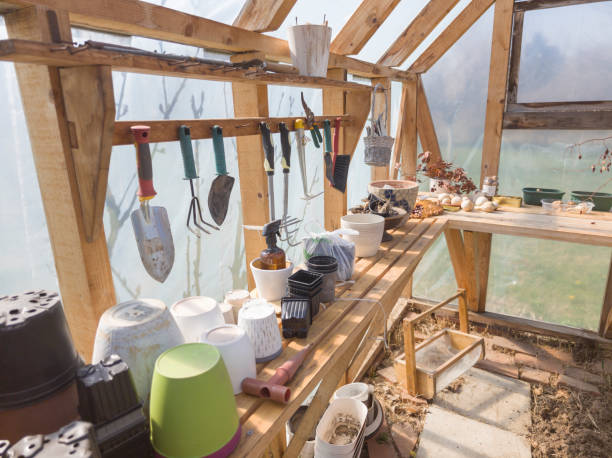
Storage and maintenance come right after proper cleaning. Because even if you clean your tools well, storing them with moisture or in the wrong way can slowly damage them.
Keeping tools dry, clean, and stored properly is what actually helps them stay in good condition—and prevents plant damage like rough cuts or infections while using them.
It’s nothing complicated. Just a few practical habits that make a big difference in balcony and container gardening setups.
Avoid Common Storage Mistakes in Balcony Gardens
Storing tools the wrong way is one of the most common beginner mistakes in gardening tool care.
- Don’t store tools with moisture → this leads to rust and wears off protective coating
- Don’t keep tools uncleaned with soil or dust → debris slowly damages metal surfaces
- Clean with a disinfecting solution (like diluted cleaning alcohol) after pest or disease treatment
- Don’t stack or pile tools over each other → this causes scratches and weakens tools
- If storing in a box, make sure it is completely dry or use moisture-absorbing gels
- Avoid repeated exposure to direct sunlight or high humidity → both reduce tool lifespan
These small mistakes don’t show immediate damage, but over time they reduce tool performance and reliability in container gardening.
Simple Storage Setup for Small Spaces
In balcony gardening or small terrace setups, storage needs to be simple and accessible.
- Hang tools vertically or place them on a shelf without touching each other
- Always store tools clean and completely dry
- Apply a light oil coating to metal parts once every 2–3 months to prevent rust
- Don’t store rusted tools with clean tools → rust can spread and damage others
- Keep tools in a dry, shaded, and well-ventilated space
- After pest treatment, clean tools with alcohol and dry them in sunlight before storing
- If using a storage box, keep only essential tools to avoid overcrowding
A simple setup like this makes tools easy to access, which also improves consistency in your gardening routine.
Monthly Tool Check Routine
Along with daily cleaning and proper storage, a simple monthly tool check helps you maintain tools before problems build up.
Once a month (or at least once in 1–2 months), take a few minutes to inspect your tools:
- Check for early signs of rust on metal parts
- Look for dull edges in pruning tools or blades
- Inspect handles for looseness or cracks
- Clean hidden dirt in joints, gaps, or corners
- Make sure watering cans don’t have algae buildup or residue
If you notice small issues early, they are easy to fix—like light rust removal, tightening handles, or cleaning buildup.
This prevents tools from becoming unusable or damaging plants later.
You can also use this time to:
- Reorganize your storage space
- Remove tools you don’t use often
- Replace heavily damaged tools if needed
This monthly check keeps your gardening tools functional, safe for plants, and ready for regular use—especially important in humid, tropical balcony gardening conditions where wear happens faster.
🪴 Starting gardening doesn’t mean buying everything — just the right few tools.
See which tools you actually need first
Turn Your Gardening Tools Into a System, Not Just Items
At this point, you don’t need more tools—you need a simple system for using the ones you already have.
When tools are used randomly, they stay as separate items. You pick them up only when there’s a problem, and most of the time it feels like you’re reacting instead of caring for your plants. That’s when gardening starts to feel messy, tiring, and inconsistent.
But when you connect your tools to a routine—watering days, planting days, pruning days—they start working together. You don’t have to think every day or remember every detail. The routine guides you.
This shift is what makes container gardening easier, especially in small balcony or terrace setups where conditions change quickly. Instead of overwatering one day and skipping care the next, you give steady, consistent care using the right tools at the right time.
And that consistency is what plants actually respond to.
A simple gardening tool routine doesn’t make things perfect—it makes things manageable. Your tools last longer, your plants stay healthier, and your effort feels lighter because you’re not constantly figuring things out.
This is the step where you move from “trying to manage plants” to “running a small, simple gardening system.”
If your gardening still feels messy even after having the right tools, what you need is not more effort — just a simple system you can follow.
I’ve created a beginner-friendly gardening planner to help you track watering, pruning, and plant care in a clear routine — so you don’t have to guess every day.
You can check it here → https://jayashantha.gumroad.com/l/xsybb