I Water Only When the Top Soil Looks Dry, So What Am I Doing Wrong?
If you’re dealing with overwatering problems but the soil surface looks completely dry, you’re not alone. I made the same mistake for years in my balcony and terrace garden. I believed that if the top soil looked dry, the entire potting mix must be dry too. So I watered without checking what was happening deeper inside the pot.
Then one day a plant started wilting, yellowing, or growing weak, and I found myself wondering, “What did I do wrong?” The confusing part was that the real problem wasn’t visible on the surface. It was happening underneath the soil, while the plant and soil were already showing subtle signs of overwatering that I simply didn’t recognize.
As a beginner container gardener, it’s easy to assume that dry top soil means a thirsty plant. You see the soil surface looking dry, dusty, or light in color and immediately think the pot needs water. This is one of the most common watering mistakes in Indian balcony gardening and terrace gardening.
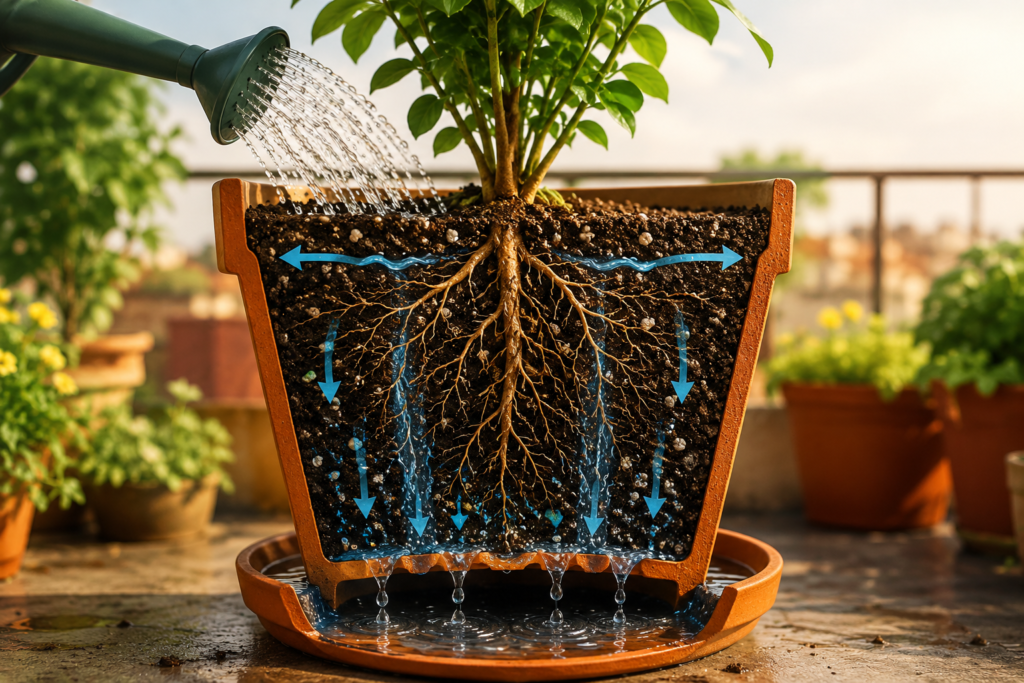
The reality is that the top layer of soil dries much faster because of heat, wind exposure, and direct sunlight. Even when the top inch feels dry, the root ball deeper inside the pot can still be holding plenty of moisture.
When we water again without checking that inner soil moisture, we’re adding water to soil that hasn’t fully dried. This repeated watering slowly turns the potting mix soggy, reduces airflow around the roots, weakens root health, and eventually creates the perfect conditions for overwatering problems and root rot.
I went through this myself more times than I’d like to admit. I blamed the soil mix, the watering can, the pot material, drainage holes, and even the quality of the plant. But the actual issue was much simpler. I wasn’t checking the soil properly before watering, and I didn’t understand the early warning signs that the root zone was staying wet for too long.
What surprised me even more was that not every plant waits until the soil becomes completely waterlogged. Some plants start developing fungal issues, weak roots, slow growth, or yellowing leaves long before the soil looks obviously soggy.
To avoid overwatering in potted plants, you first need to understand why it happens, what signs your plants are already showing, and how to spot the problem before you lose a healthy plant.
In this blog, I’ll walk through the real causes behind this common container gardening mistake, the warning signs many beginners overlook, and the simple practical fixes that helped me prevent it in my own balcony and terrace garden.
If you’ve ever looked at dry soil and still ended up with an overwatered plant, keep reading. The explanation is often hiding deeper in the pot than most beginners realize.
💧 Most beginners think they’re watering correctly — until these hard truths show up. Read the watering truths beginners miss
What Are the Signs of Overwatering in Container Plants That Beginners Often Miss?
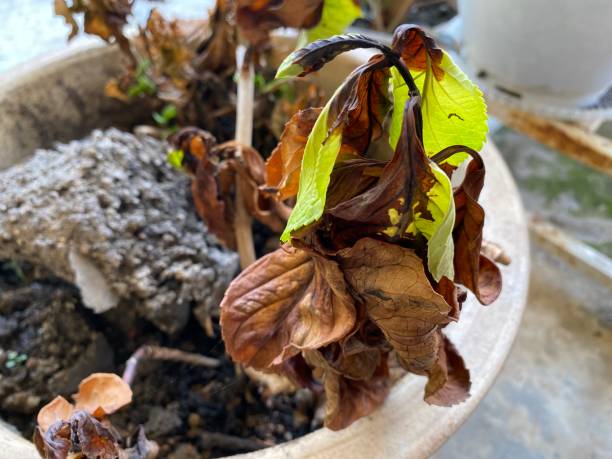
These are some of the signs you need to know before it’s too late. Trust me, the more closely you observe your plants, the more you learn. Many of these signs look common and easy to ignore, but they often reveal what is happening underneath the soil long before severe root rot develops.
When you learn to read these early warning signs, you can often save a plant before overwatering causes permanent damage.
Yellow Leaves Even When You Are Watering Carefully
One of the earliest signs of overwatering in container plants is yellowing leaves, even when you feel like you’re watering correctly.
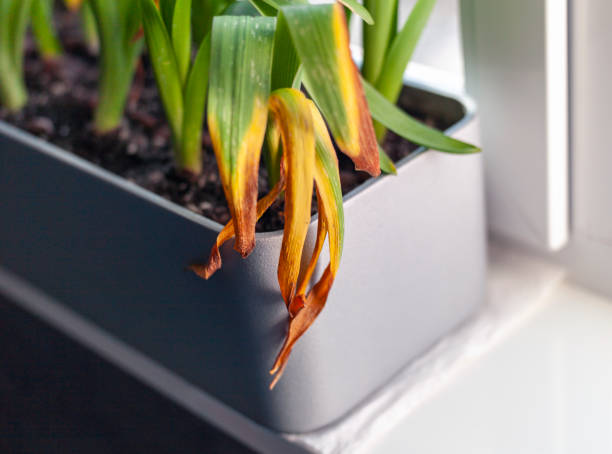
The yellow leaves usually look soft or slightly mushy rather than dry and crispy. In many cases, the yellowing starts on older leaves and gradually spreads to newer growth. You may also notice that affected leaves droop easily when touched and fall off sooner than expected.
At the same time, the soil often stays damp for longer than usual.
One thing I’ve learned in container gardening is that you should never diagnose a plant problem from a single symptom. Instead, look for multiple signs appearing together. Yellowing leaves combined with constantly moist soil, poor growth, and drooping foliage often point toward root stress caused by overwatering.
Drooping Plants That Look Thirsty but Are Actually Waterlogged
This is one of the most confusing overwatering symptoms for beginner balcony and terrace gardeners.
The plant looks limp and tired, so naturally you think it needs water. Sometimes the leaves hang down exactly like an underwatered plant.
The difference is that underwatering causes temporary wilting because the plant lacks enough water to maintain turgor pressure. After watering, those plants usually begin recovering within a few hours.
Overwatered plants behave differently. The soil is already wet, yet the plant continues drooping because stressed roots cannot absorb water properly.
In severe cases, you may also notice a sour smell coming from the potting mix. If drooping leaves, wet soil, and a sour smell appear together, the roots may already be struggling.
Slow Growth, Leaf Drop, and Mushy Stems in Terrace Garden Pots
I see this problem often with newly purchased nursery plants and plug saplings.
Many beginners assume the plant is experiencing normal transplant shock after repotting. Sometimes that’s true. But another issue often goes unnoticed.
Nursery plants are commonly grown in root balls designed to hold moisture longer. This helps keep plants healthy during transport and reduces frequent watering requirements at the nursery.
Even after repotting into a well-draining soil mix, that original root ball can continue acting like a small pot inside a larger pot.
The surrounding potting mix may dry normally because of wind, heat, and terrace temperatures, but the old nursery root ball stays wet much longer. Over time, roots inside that area can begin rotting silently.
The plant may respond with several symptoms at once:
- Slow or completely stalled growth
- Few or no new shoots
- Leaves dropping without an obvious reason
- Soft or mushy stems near the base
This issue can be especially common in Indian balcony gardening and terrace gardening where high temperatures dry the surface quickly while moisture remains trapped deeper inside.
To reduce this risk, I prefer soaking the root ball before repotting and gently loosening or washing away as much of the old nursery soil as possible before planting into an airy, well-draining potting mix.
Why Overwatering Symptoms Often Look Similar to Underwatering
One reason overwatering confuses so many beginner gardeners is that both problems can produce very similar symptoms.
You may see:
- Wilting leaves
- Yellowing foliage
- Slow growth
- Leaf drop
- A stressed or unhealthy appearance
The difference usually becomes clear when you observe the leaf texture, soil condition, and other symptoms together.
Wilting Leaves
Underwatered plants often have dry, thin, crispy leaves. Some leaves may feel like a deflated balloon because they have lost moisture.
Overwatered plants usually have softer, heavier wilting. Leaves may feel mushy and sometimes develop black or brown patches.
Yellowing Foliage
With overwatering, yellow leaves often feel soft and spread from older leaves to newer growth relatively quickly.
With underwatering, yellow leaves are usually drier, crispier, and may show wrinkling before they fall.
Slow Growth
When a plant is underwater, it slows growth because it doesn’t have enough moisture to support active development.
When a plant is overwatered, growth slows because the roots are stressed and cannot efficiently deliver oxygen, water, and nutrients to the rest of the plant.
This is why checking soil moisture below the surface is so important. The symptoms above can look nearly identical, but what is happening around the roots is often completely different.
Watering seems simple until plants start wilting, yellowing, or struggling despite your efforts. Learn why: Why Watering Feels So Confusing in Container Gardening
Why Does Overwatering Happen So Easily in Balcony and Terrace Containers?
Overwatering happens much more easily in container gardening than in ground beds. In the ground, water can move sideways and deeper into the soil. But in pots, the root space is limited, the soil quantity is restricted, and there is very little room for mistakes.
A container is basically a small ecosystem. If water stays trapped, airflow is poor, or the soil dries slower than expected, roots can quickly become stressed. That’s why overwatering is one of the most common potted plant problems for beginner balcony and terrace gardeners.
Does Water Stay Trapped at the Bottom of Pots Even When the Top Looks Dry?
Yes, it absolutely can.
Most Indian gardeners use plastic pots because they are affordable, lightweight, and easy to move around. I do the same. Terracotta pots are excellent for airflow, but they become very heavy, especially for solo gardeners managing a balcony or terrace garden. Fabric grow bags provide better aeration too, but they wear out much faster.
The challenge with plastic pots is that the pot walls don’t breathe. Even if we make drainage holes, airflow through the container remains limited compared to terracotta or fabric containers.
Over time, the lower portion of the potting mix can also become more compact than the upper layer because of repeated watering and the natural weight of the soil above it.
In Indian balcony and terrace gardening, the soil surface often dries quickly because of heat and wind exposure. The top inch may look completely dry, while the middle and bottom sections of the pot are still holding moisture.
Plant placement also plays a role. Pots placed in crowded corners, against walls, or in areas with poor airflow usually dry much slower than pots exposed to gentle air movement.
One thing many beginners don’t realize is that overwatering isn’t always caused by poor drainage. Sometimes it’s caused by poor airflow.
That’s why checking soil moisture below the surface before watering is so important.
If your plant keeps drying out, staying soggy, or growing slowly, the pot size may be wrong. Read: How Do I Choose the Right Pot Size for My Plant?
Why Shade, Humidity, and Poor Airflow Slow Down Drying
This is another reason overwatering catches many gardeners by surprise.
Humidity
Weather and seasonal conditions have a huge impact on soil drying speed.
Monsoon periods, continuous rainy days, cloudy weather, winter conditions, and high humidity can all slow evaporation significantly.
The soil may stay moist much longer than expected, even when temperatures remain warm.
Shade
This often happens with indoor plants, shaded balconies, covered terraces, or corners that receive very little sunlight.
Even if the plant itself tolerates low light, the soil will naturally dry more slowly because less sunlight reaches the pot.
Poor Airflow
Poor airflow is common in vertical gardening setups, crowded shelves, densely packed plant collections, and indoor growing spaces.
The closer plants are packed together, the less air movement reaches the soil surface.
All three factors—shade, humidity, and poor airflow—slow down soil drying.
This is why overwatering isn’t always about soaking the soil. Sometimes the problem is simply that the soil stays moist for much longer than the roots can comfortably handle.
The Common Beginner Mistake of Watering on a Fixed Schedule
I’ll be honest.
Having a fixed watering schedule sounds neat, organized, and Instagram-worthy.
But Indian gardening conditions are far too unpredictable for that.
A few weeks ago in my area, we had back-to-back rains with extremely high humidity. Then suddenly the temperature climbed above 104°F with intense sunlight.
Imagine following a strict watering schedule during weather like that.
If I watered every pot simply because it was “watering day,” many plants would be sitting in already wet soil from the rain. Some could develop root problems surprisingly fast.
This is why I never recommend watering based only on a schedule.
Instead, water based on what the soil is actually telling you.
Even when the weather looks similar, drying speed changes because of:
- Pot size
- Pot material
- Soil mix texture
- Plant type
- Growth stage
- Airflow
- Seasonal weather conditions
The soil decides when it’s time to water—not the calendar.
Why Large Pots Can Stay Wet Longer Than You Expect
You’ve probably heard this advice before:
“Use a bigger pot and you won’t need to repot or water as often.”
It sounds convenient because it promises less maintenance.
But there’s another side to that advice.
Large pots hold a much greater volume of soil, which means they can hold moisture for much longer periods.
If the root system is still small compared to the container size, much of that extra soil stays unused by the plant and remains damp longer than necessary.
That’s why moving a plant into a pot that’s only about 2 inches larger than the root ball is usually a safer approach.
The plant gets enough room to grow without surrounding the roots with excessive moisture-retaining soil.
Large pots are not automatically bad. They just require more attention because the deeper sections often take much longer to dry than most beginners expect.
When in doubt, use a long wooden stick, skewer, or moisture-checking tool to test deeper into the pot before watering again.
Overwatering happens much more easily in container gardening than in ground beds. In the ground, water can move sideways and deeper into the soil. But in pots, the root space is limited, the soil quantity is restricted, and there is very little room for mistakes.
A container is basically a small ecosystem. If water stays trapped, airflow is poor, or the soil dries slower than expected, roots can quickly become stressed. That’s why overwatering is one of the most common potted plant problems for beginner balcony and terrace gardeners.
Does Water Stay Trapped at the Bottom of Pots Even When the Top Looks Dry?
Yes, it absolutely can.
Most Indian gardeners use plastic pots because they are affordable, lightweight, and easy to move around. I do the same. Terracotta pots are excellent for airflow, but they become very heavy, especially for solo gardeners managing a balcony or terrace garden. Fabric grow bags provide better aeration too, but they wear out much faster.
The challenge with plastic pots is that the pot walls don’t breathe. Even if we make drainage holes, airflow through the container remains limited compared to terracotta or fabric containers.
Over time, the lower portion of the potting mix can also become more compact than the upper layer because of repeated watering and the natural weight of the soil above it.
In Indian balcony and terrace gardening, the soil surface often dries quickly because of heat and wind exposure. The top inch may look completely dry, while the middle and bottom sections of the pot are still holding moisture.
Plant placement also plays a role. Pots placed in crowded corners, against walls, or in areas with poor airflow usually dry much slower than pots exposed to gentle air movement.
One thing many beginners don’t realize is that overwatering isn’t always caused by poor drainage. Sometimes it’s caused by poor airflow.
That’s why checking soil moisture below the surface before watering is so important.
How Can I Prevent Overwatering in My Balcony or Terrace Garden Pots?
Yes, you can prevent overwatering. Not by following social media watering hacks or sticking to rigid schedules, but by understanding how your own garden behaves and watering based on what the soil and plants are actually telling you.
Every balcony garden and terrace garden has its own microclimate. Once you learn how quickly your pots dry, how your soil behaves, and how different plants use water, preventing overwatering becomes much easier.
Check Moisture Below the Surface Before Watering Again
The top soil can fool gardeners very easily.
Because of heat, sunlight, and wind exposure, the soil surface often dries much faster than the lower layers. What matters is not whether the top looks dry, but whether the root zone actually needs water.
For smaller pots, I like using a toothpick to check moisture deeper inside the soil.
For larger containers, thin wooden sticks, barbecue skewers, or similar tools work much better because they can reach deeper into the pot.
One thing I always avoid is poking directly into the root ball. Instead, insert the stick near the edge of the pot to reduce the risk of damaging roots.
If you don’t like poking the soil, another simple option is the weight test.
Lift the pot and compare it to how it normally feels. A pot that still contains plenty of moisture will usually feel noticeably heavier than a dry pot. This works best when you become familiar with the usual weight of your own containers.
These simple moisture tests have prevented countless overwatering mistakes in my garden.
When it’s time to water, I also prefer using a watering can with a gentle shower head. It helps distribute water more evenly through the potting mix instead of creating dry and wet pockets.
Use a Well-Draining Potting Mix for Container Gardening
The soil mix plays a huge role in balanced watering.
A good potting mix helps you avoid both overwatering and underwatering by creating the right balance between moisture retention, drainage, and aeration.
In container gardening, roots have limited space. Because of that, the soil needs enough structure and texture to allow water to move evenly throughout the pot while still leaving air pockets for healthy root growth.
Heavy soils often stay wet for too long and compact over time.
An airy, well-draining potting mix designed for the plant type allows excess water to move through while still holding enough moisture for the roots.
This balance helps prevent soggy soil, poor root aeration, and many common overwatering problems in potted plants.
Many potted plants slowly decline because trapped water blocks root airflow. Learn why here: Why Poor Drainage Suffocates Potted Plants
Match Watering Frequency to Weather, Pot Size, and Plant Type
One of the biggest lessons I learned is that watering frequency should never be fixed.
The first factor is weather.
Your local climate and even small microclimate changes around your balcony or terrace affect how quickly soil dries after watering.
During summer, pots often dry much faster because of heat and wind exposure.
During monsoon season, rainy periods, cloudy weather, and winter conditions, the same pot may stay moist for several extra days.
The second factor is pot size.
Small pots contain less soil and usually dry faster.
Large pots hold more moisture and often require longer drying periods between watering sessions.
The third factor is plant type.
Different plants use water differently because of their root systems, growth habits, and energy requirements.
Foliage plants and many houseplants generally use less water than flowering or edible plants.
Flowering plants and vegetables often need additional moisture because they are supporting foliage growth, root growth, flowering, and fruit production at the same time.
This is why watering schedules often fail. The plant, the pot, and the weather are constantly changing.
Improve Drainage and Airflow Around Potted Plants
Preventing overwatering isn’t only about the soil inside the pot.
It’s also about making sure excess water can leave the container efficiently.
Check that drainage holes remain open and aren’t blocked by compacted soil or debris.
If you use saucers or trays under pots, empty any standing water after watering so the roots aren’t sitting in moisture for long periods.
Also make sure water isn’t collecting underneath pots because stagnant water slows drying and can encourage root problems.
Airflow is another factor many beginner gardeners overlook.
Good plant placement can make a surprisingly large difference in how quickly soil dries.
When plants are crowded together on shelves, in vertical gardening setups, or tucked into corners with little air movement, the soil often remains moist much longer than expected.
Poor airflow can also increase the risk of fungal issues and leaf spot diseases.
Sometimes improving airflow solves moisture problems that gardeners mistakenly blame on watering.
Moist soil + still air = the perfect fungal environment.
Click to understand how it develops
What to Do If You Think a Pot Is Already Overwatered
If you suspect a plant is suffering from severe overwatering or root rot, acting early gives the plant the best chance of recovery.
Carefully remove the plant from the pot and gently wash away the soil around the roots.
Inspect the root system closely.
Healthy roots are usually firm and light-colored.
Rotting roots are often dark, soft, mushy, and may have an unpleasant smell.
Trim away any clearly rotten roots using clean pruning tools.
If both the roots and stem have become black, extremely mushy, and severely damaged, recovery may not be possible.
However, if you still find healthy firm roots or healthy stem sections, there is often a chance to save the plant.
After trimming, allow the roots to dry slightly before repotting.
Plant it into a fresh, airy, well-draining potting mix.
I usually avoid deep watering immediately after repotting a recovering plant. Instead, I wait a few hours after planting and then water lightly. Once the plant begins producing healthy new growth, normal watering can gradually resume.
Finally, make sure the container has adequate drainage holes.
If you’re growing in plastic pots, adding extra side aeration holes can improve airflow around the root zone and help the potting mix dry more evenly after watering.
✨ There’s a gentle way to repot even delicate plants — without stress, breakage, or shock. Curious how? 👉
Explore the full guide
Can an Overwatered Plant Recover, and How Can I Avoid This Problem in the Future?
Yes, in many cases an overwatered plant can recover if the problem is identified early. I’ve seen plants with yellow leaves, drooping stems, slow growth, and stressed roots bounce back once the soil conditions improved and the roots could breathe again.
One thing container gardening taught me is that overwatering is rarely about giving too much water at one time. More often, it’s about watering again before the existing moisture has been used by the plant. This is why a pot can look dry on the surface while the root zone underneath remains wet for days.
If there’s one lesson worth remembering from this blog, it’s this: don’t water based on appearance or a fixed schedule. Water based on soil moisture.
Most balcony garden watering mistakes happen when we assume the plant is thirsty without checking what is happening deeper inside the pot. Learning to read early signs such as yellowing leaves, slow growth, leaf drop, soggy soil, or prolonged moisture can help prevent serious root problems.
The good news is that this becomes easier with observation. The more you understand how your pots, soil mix, weather, and plants behave, the easier it becomes to avoid overwatering and grow healthier container plants with confidence.
🌿 From pots to plants to placement — everything beginners need, in one place. Click to follow the container gardening roadmap