I hope not many gardeners are still doing this, but I know a lot of beginners start here.
You water your plants every 3–4 days, once a week, or follow a fixed watering schedule because you read it somewhere or saw someone mention that particular plant’s watering frequency. Then a few weeks later, you’re seriously wondering why your container plant is struggling, growing slowly, turning yellow, developing soggy soil, or suddenly drying out.
The answer is simple: the plant doesn’t care about your schedule.
It only responds to the actual moisture available in the pot.
In container gardening, watering frequency changes with weather, pot size, and growing conditions. If you keep watering on a fixed schedule without observing the plant and soil, you’ll eventually overwater or underwater it.
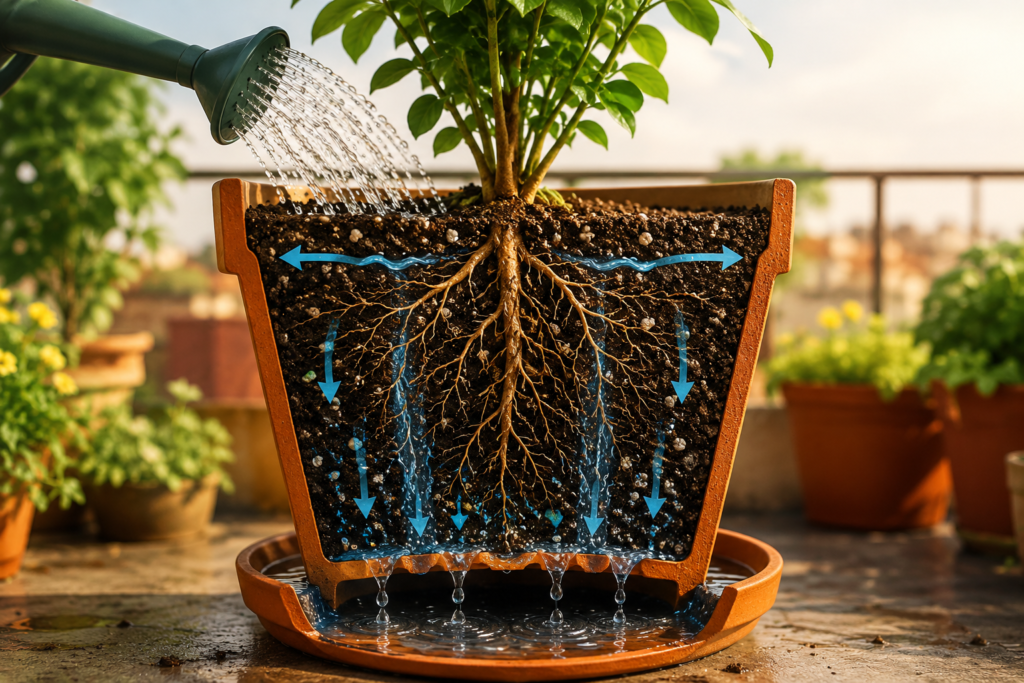
Ground plants usually have a larger area for excess water to move through and disperse. But in potted plants, the water stays inside a limited space. What happens inside that container matters much more than many beginners realize.
The soil drying time depends on several factors: your local microclimate, pot size, pot material, soil mix, drainage, sunlight exposure, airflow, and even the plant itself. If any one of those factors changes, the water drying rate changes too.
This is why watering frequency needs to change throughout the year.
If you miss seasonal changes, shifts in local weather, or changes around your balcony or terrace garden, the watering routine that worked perfectly before can suddenly become overwatering or underwatering.
A few days of unexpected rain can increase humidity and slow down soil drying. A sudden rise in summer temperatures can make potting soil dry much faster than usual. Repotting into a larger or smaller container changes how long moisture stays in the soil. Even switching from a plastic pot to a terracotta pot can affect watering needs.
As container gardens mature, more things start influencing watering frequency. Older potting mixes often lose their structure and stay wet longer than expected. On the other hand, root-bound plants can dry out surprisingly fast and begin showing signs of underwatering even when you’re following the same routine as before.
There are simply too many factors affecting soil moisture in container plants for any fixed watering schedule to work forever.
When you don’t understand these changes and continue watering by habit instead of observation, an imbalance develops inside the pot. That’s when many common potted plant problems begin—slow growth, yellow leaves, weak roots, constantly soggy soil, dry soil pockets, and stressed balcony or terrace plants that never seem quite healthy.
The good news is that once you understand what changes watering frequency and what signs to watch for, watering becomes much less confusing. The rest of this guide will help you recognize those factors and adjust your watering routine with more confidence.
Watering seems simple until plants start wilting, yellowing, or struggling despite your efforts. Learn why: Why Watering Feels So Confusing in Container Gardening
What Happens When My Watering Frequency No Longer Matches My Pot's Needs?
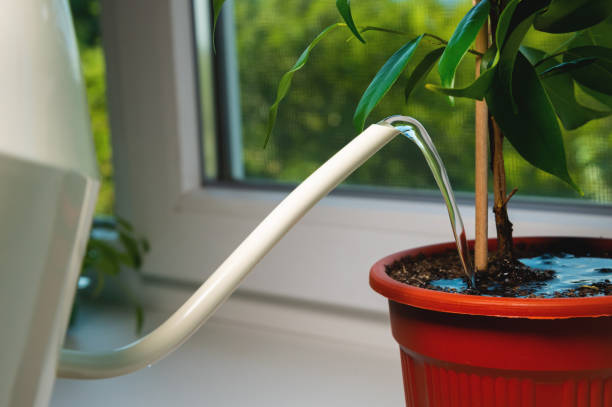
This is usually where many container gardening problems begin.
The plant starts growing slowly. Leaves begin yellowing. The soil stays soggy for days or dries out much faster than before. New growth becomes weak, and the plant never seems as healthy as it once was.
Most beginners assume watering frequency means watering on fixed days or following a rigid schedule for a particular plant type. But in container gardening, watering frequency is not about sticking to a calendar.
It is about observing how quickly the potting soil dries in your garden’s microclimate and adjusting your watering accordingly.
The right watering frequency should match the plant’s actual needs. When watering becomes too frequent or too infrequent for the conditions inside the pot, the imbalance starts affecting root health, growth, and overall plant performance.
Why Are My Plants Wilting Even Though I Follow the Same Watering Schedule?
Ironically, those fixed watering schedules are often what create the wilting problem.
Rigid watering days mean you are watering based on the calendar instead of observing the soil or the plant itself.
Watering frequency needs to stay flexible. It often needs small adjustments when weather changes, seasons change, or conditions around the plant change.
Factors such as plant type, pot size, pot material, potting mix, drainage, and balcony or terrace microclimate all influence soil drying time.
When we continue watering on fixed days without checking soil moisture, the same routine can slowly turn into overwatering or underwatering. The plant may wilt in both situations, which is why many beginners become confused about what is actually going wrong.
If your once-healthy plant suddenly dries out or stays soggy, it may be time to change your watering routine. Learn how: How to Adjust Watering as Potted Plants Grow
Why Does Soil Stay Wet Longer During Some Seasons and Dry Faster During Others?
The answer usually comes down to seasonal changes, local weather, and microclimate.
Seasonal and weather changes constantly influence the conditions around your pots. Those changes affect how quickly moisture leaves the soil after watering.
During monsoon and winter, humidity levels are usually higher. Even during summer, several back-to-back rainy days can create humid conditions with less airflow.
When humidity stays high and airflow becomes limited, potting soil often remains moist longer than expected. If you continue watering at the same frequency, overwatering problems can develop without you realizing it.
The opposite happens during hot summer periods and dry windy weather.
Terrace gardens often experience stronger wind exposure, which dries the soil surface faster. Small containers lose moisture even more quickly. During extreme heat, concrete floors absorb and radiate heat throughout the day, increasing soil temperatures and speeding up moisture loss.
This is why the same watering frequency rarely works throughout the year.
If your plants keep struggling despite regular watering, your technique—not the amount of water—may be the problem. Learn more: Why Container Plants Struggle: Watering Mistakes Beginners Make
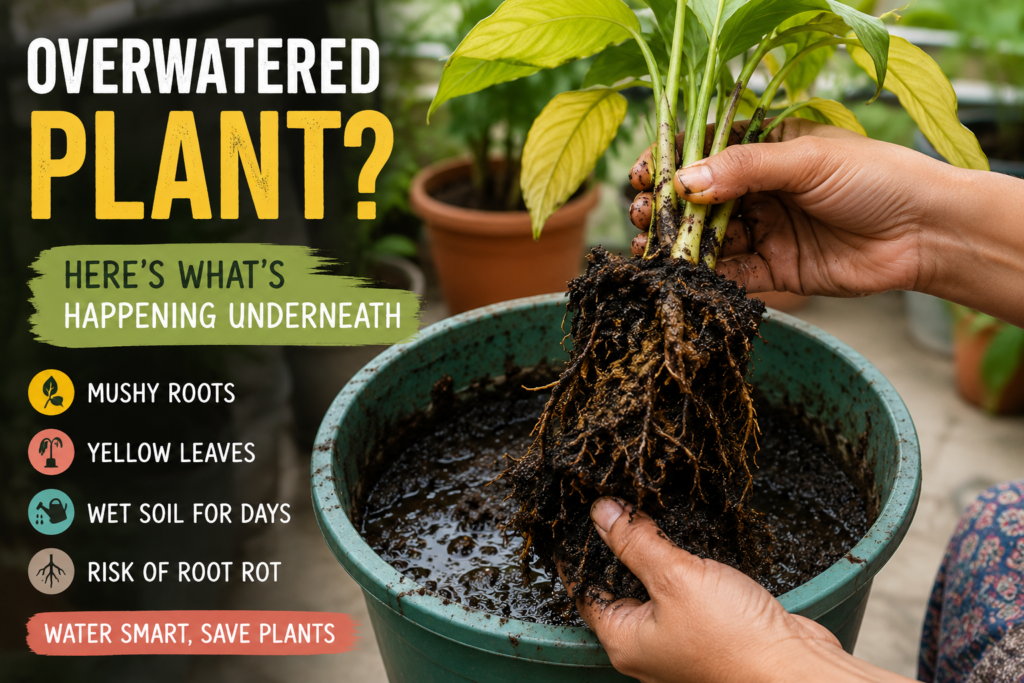
What Overwatering Signs Appear When Watering Frequency Becomes Too High?
Overwatering usually happens when we water without checking soil moisture or without noticing that the soil has not dried enough since the previous watering.
The more frequently we water without observing the soil, plant condition, or microclimate changes, the greater the risk becomes.
Sometimes the symptoms appear slowly.
The soil surface stays wet for longer than usual. A slightly sour or fishy smell develops from the pot. Leaves start turning soft and yellow. Fungal spots may appear. Growth slows down even though the plant seems to be receiving plenty of water.
Many beginner gardeners assume these symptoms mean the plant needs more water, which often makes the problem worse.
Your plant may not be getting moisture evenly, even when you’re watering correctly. Learn how water moves through pots: How Water Moves in Pots (And Why Watering Feels Uneven)
What Underwatering Signs Appear When Watering Frequency Becomes Too Low?
Underwatering creates a different kind of stress.
Instead of excess moisture, the plant repeatedly experiences dehydration. Growth slows, leaves lose firmness, edges may turn brown, and the plant struggles to maintain healthy development.
Underwatering often happens when soil starts drying faster because of seasonal changes, heat, stronger airflow, root growth, or smaller containers, but the watering routine never changes to match those conditions.
The plant becomes trapped in a cycle of dehydration and recovery.
The soil dries too much, the plant becomes stressed, then watering finally arrives. The plant recovers for a while before the cycle repeats again.
Over time, this constant stress affects root health, growth, flowering, and overall plant vigor.
Not sure whether to water more or stop watering? These signs can help you identify the real problem:
Why Do Some Containers Need Frequent Watering While Others Do Not?
Not all containers dry at the same speed.
Small pots usually need more frequent watering because they contain less soil volume and hold less moisture.
Porous containers such as terracotta pots, fabric grow bags, and coco coir planters also lose water faster than non-porous materials.
Containers placed in strong airflow, full sun, or exposed terrace locations generally dry faster as well.
The opposite is true for larger containers with higher soil volume. Non-porous pots retain moisture longer, and crowded plant arrangements often create shade and reduce airflow, slowing down soil drying.
Seasonal changes add another layer of variation. Humidity, airflow, temperature, and sunlight exposure all change throughout the year, affecting how often your plants need water.
This is why successful container gardening is rarely about finding the perfect watering schedule. It is about understanding what affects soil drying time and adjusting your watering frequency before small imbalances turn into bigger plant problems.
Before buying your next pot, learn which materials support healthier roots and easier watering: Which Pot Material Is Good for Plants?
If your pots dry too fast or stay wet for too long, the material may be part of the problem. Read: Which Pot Material Is Good for Plants?
Why Does Watering Frequency Change So Much in Container Gardening?
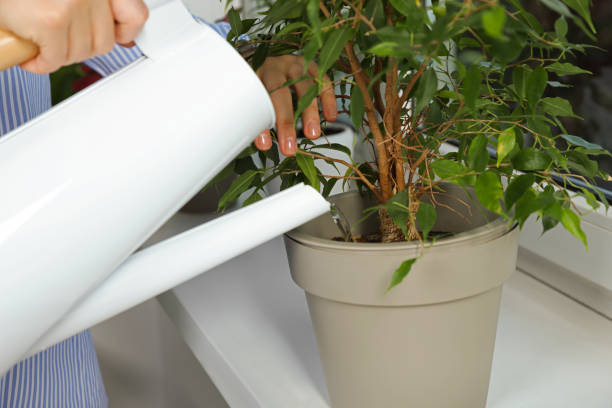
This is where many beginner watering mistakes in container gardening start.
Most of us assume watering frequency only changes because of weather. So we water every 3 days, every 5 days, or once a week and expect the routine to keep working. Then suddenly the plant starts yellowing, growing slowly, developing soggy soil, or drying out much faster than before.
The confusing part is that nothing seems to have changed.
But in potted plants, a lot of factors affect watering frequency and soil drying time.
For in-ground garden beds, watering frequency is mostly influenced by weather and seasonal changes. The larger soil volume acts as a buffer, so moisture levels stay more stable. Overwatering problems are usually less common because excess moisture can spread into the surrounding soil. Underwatering can still happen during hot summer weather if watering is missed.
But in container gardening, the situation is completely different.
The roots have limited space, the soil volume is limited, and the water stays inside that container until it drains or dries. How quickly that happens depends on pot size, pot material, potting mix, drainage, airflow, sunlight exposure, plant size, and root growth.
If we go even deeper, plant placement, floor heat, nearby walls, and crowded container arrangements can also change watering frequency.
Why does this matter?
Because watering frequency needs to stay flexible. It should change based on local weather, seasonal changes, and the microclimate around your balcony or terrace garden. It cannot be fixed to specific watering days without observing soil moisture after watering.
How Does Weather Affect Watering Frequency in Balcony and Terrace Gardens?
In container gardening, microclimate often affects watering frequency more than general climate.
But in balcony and terrace gardens, that microclimate is heavily influenced by plant placement.
Plant placement determines how much airflow and sunlight each pot receives. These factors affect the temperature around the container, the temperature inside the potting mix, and how quickly moisture evaporates after watering.
Weather changes and seasonal changes are not exactly the same.
Seasonal changes are predictable. Summer, winter, and monsoon bring expected shifts in sunlight angle, wind patterns, temperature, and humidity.
Weather changes are more sudden.
A few unexpected rainy days during summer, a sudden heat wave during monsoon, or unusually humid weather in late summer can all change how quickly potting soil dries.
How much these changes affect your plants depends on your balcony structure, terrace layout, and plant placement.
This is why gardeners who check soil moisture before watering usually avoid many common potted plant problems. Their watering frequency adjusts naturally as weather conditions change.
Why Do Wind, Direct Sunlight, Humidity, and Concrete Heat Change Soil Drying Time?
Wind
Wind exposure varies in every balcony and terrace garden. Nearby buildings, open spaces, and garden layout all influence airflow.
If your containers receive strong airflow, moisture evaporates faster from both the soil surface and the plant leaves. As a result, the potting mix often dries faster than expected.
Direct Sunlight
Direct sunlight increases temperatures around the plant and inside the container.
It also increases floor heat, especially on concrete terraces and balconies common in Indian gardening conditions. This additional heat warms the potting mix and speeds up soil drying after watering.
Sunlight exposure can also change throughout the year because of seasonal shifts and changes in the sun’s angle.
Humidity
Humidity changes more often than many beginners realize.
It isn’t limited to monsoon or winter seasons. Cloudy weather, back-to-back rainy days, and periods of high atmospheric moisture can all increase humidity levels.
When humidity stays high, the root zone often remains moist longer. If you continue watering at the same frequency without checking the soil, overwatering problems can develop even though your watering routine hasn’t changed.
How Do Pot Size and Pot Material Affect Water Retention?
Pot size directly affects soil drying time.
Small pots contain less soil volume, so they usually dry faster. Larger pots hold more soil and more moisture, which often means they stay wet longer.
This is one reason why repotting into an excessively large container can create watering problems. The goal isn’t to give the plant the biggest pot possible. The goal is to give the roots enough growing space without leaving too much unused wet soil around them.
A pot that is roughly 2 inches larger than the existing root ball is usually enough for most container plants.
Pot material also affects watering frequency.
Porous materials such as terracotta, fabric grow bags, and coco coir planters allow moisture to escape through the container walls. Because of this, they often dry faster.
Non-porous materials such as plastic, resin, fiberglass, and metal containers generally retain moisture longer.
Why Does Repotting Change How Often Plants Need Water?
Repotting usually means moving a plant into a container that is about 2 inches larger than its previous pot.
This increases soil volume around the roots. Over time, the plant grows larger, develops a bigger root system, and eventually uses more water.
But this doesn’t automatically mean you need to water more frequently.
Many gardeners make that mistake.
What usually changes first is the amount of water needed during each watering session, not necessarily the watering frequency itself.
If you continue giving the same small amount of water used for the previous pot size, the new container may dry unevenly and appear to dry faster.
On the other hand, increasing watering frequency without checking soil moisture can easily create soggy soil and overwatering problems.
The safest approach is still the same: check the soil first, then decide whether the plant actually needs water.
How Do Aging Potting Mixes and Root-Bound Plants Affect Watering Needs?
Potting mix changes over time.
After months and years of watering, organic materials such as compost and coco peat gradually break down. As the texture changes, the soil’s ability to hold water and release excess moisture also changes.
Some old potting mixes stay wet longer than expected, increasing the risk of overwatering.
Root-bound plants create the opposite problem.
As roots fill most of the container, there is less available soil volume to hold moisture. Water moves through the pot faster, and the soil may dry out sooner than it did before.
This often causes underwatering symptoms even when you’re following the exact same watering routine that worked months earlier.
That is why watering frequency can never stay fixed forever.
As weather, pot size, potting mix, roots, and growing conditions change, watering needs change too. Understanding these factors is the first step toward preventing both overwatering and underwatering problems in container plants.
In the next section, we’ll look at how to adjust your watering routine without relying on a fixed schedule, so your plants stay healthier through changing seasons and conditions.
Ever wonder why one side of the pot stays wet while the other dries out? Learn how water actually moves in containers: How Water Moves in Pots (And Why Watering Feels Uneven)
How Can I Adjust My Watering Routine When Conditions Change?
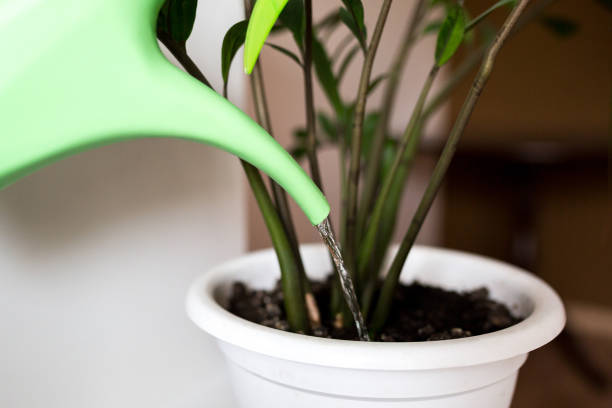
The golden rule is simple: avoid fixed watering days.
Keep your watering frequency flexible and based on observation.
A good watering routine is not about watering every 3 days or every Sunday. It is about checking your plants, observing soil moisture, and noticing how quickly the pot dries under your garden’s current conditions.
Over time, this observation helps you understand your seasonal watering patterns. You start noticing that your pots dry faster during some months and stay moist longer during others.
But even seasonal watering frequency should not become another fixed schedule.
It still needs monitoring. Local weather, microclimate changes, plant growth, and pot conditions can all affect how quickly the soil dries. The goal is not to follow a schedule. The goal is to understand what your plants need today.
Why Should I Check Soil Moisture Instead of Following a Fixed Schedule?
Watering frequency can be estimated. Routines can be created. But fixed watering schedules rarely work for long in container gardening.
The reason is simple.
Potted plant watering is influenced by many factors, including pot size, pot material, potting mix, plant growth, weather conditions, and microclimate. A fixed schedule ignores all of those changing conditions.
Instead of constantly trying to calculate every factor, simply check the soil before watering.
A wooden skewer, toothpick, chopstick, or any thin wooden stick works well for this.
Insert it into the soil and pull it out.
If it comes out mostly dry, the soil has dried enough and the plant may need watering. If it comes out damp or carries moist soil particles, moisture is still present and watering can wait.
I usually do this test after the top layer starts looking dry. Surface dryness alone can be misleading, especially in larger pots where moisture often remains deeper inside the root zone.
This simple habit prevents many common overwatering and underwatering mistakes.
How Can I Adjust Watering During Summer, Rainy Season, and Winter?
Many gardeners assume summer automatically means increasing watering frequency.
Sometimes that is true, but not always.
Plants certainly need water during hot weather. They need hydration. But increasing watering frequency without checking soil moisture can easily backfire.
In balcony and terrace gardens, heat comes from more than direct sunlight. Concrete floors, nearby walls, metal railings, and surrounding surfaces can all radiate heat into the growing area.
If you are using porous containers and a well-draining potting mix, the soil may dry much faster and require more frequent watering.
But if airflow is poor, humidity is high, plants are crowded together, or you are using non-porous containers, the soil may stay moist much longer than expected.
Rainy seasons and monsoon periods create a different challenge.
Higher humidity levels reduce evaporation and often slow soil drying. Even if the topsoil looks dry, moisture can remain deeper inside the pot.
If we continue watering at the same summer frequency without checking the soil, overwatering problems can develop surprisingly fast.
Winter often behaves similarly. Cooler temperatures and reduced evaporation usually mean containers stay moist longer between watering sessions.
That is why seasonal watering adjustments should always be based on observation rather than assumptions.
What Should I Do After Repotting Into a New Container?
Repotting changes watering needs immediately.
If you are repotting succulents, cacti, or drought-tolerant plants, it is often helpful to wait 24 to 48 hours before watering. This gives any disturbed roots time to recover.
For most other container plants, a light watering after repotting is usually enough to settle the soil around the roots.
One thing I personally prefer when dealing with nursery plants, online plug plants, or plants arriving in heavy nursery media is gently loosening or washing away some of the old root ball material before repotting.
This helps prevent moisture differences between the old root ball and the new potting mix, which can sometimes create watering problems later.
After repotting, avoid the temptation to deep water repeatedly just because the container is larger.
The plant does not suddenly need excessive moisture.
Monitor the soil carefully. Water when needed. Let the roots adjust and expand into the new soil naturally.
Many overwatering issues after repotting happen because gardeners react to the larger pot size rather than the actual soil moisture.
How Can Mulch and Better Soil Mixes Help Stabilize Moisture Levels?
Potting mix acts as a temporary water reservoir for plant roots.
A good soil mix holds enough moisture for the roots while still allowing excess water and air to move through the container.
When the soil stays balanced, roots experience fewer periods of water stress, soggy conditions, or extreme drying.
That balance makes watering much easier.
An airy, well-draining potting mix helps prevent both overwatering and underwatering by creating a healthier moisture cycle inside the container.
Mulch provides another layer of protection.
During hot summer weather, mulch helps slow moisture loss from the soil surface and reduces temperature fluctuations around the roots.
This means the soil stays more stable between watering sessions, especially in balcony and terrace gardens exposed to strong sunlight and concrete heat.
Neither mulch nor soil mixes eliminate the need to monitor moisture, but both make watering frequency easier to manage and more forgiving when weather conditions suddenly change.
Watering seems simple until plants start wilting, yellowing, or struggling despite your efforts. Learn why: Why Watering Feels So Confusing in Container Gardening
How Can I Feel More Confident About Watering Potted Plants?
If there is one thing I wish I had understood earlier in my container gardening journey, it is this: watering is not about memorizing a plant’s watering frequency. It is about understanding soil moisture and observing how conditions change around your plants.
Many beginners spend time searching for exact answers like “water every 3 days” or “water once a week.” I did the same. But over time, I realized that no watering schedule stays accurate forever because the pot, soil, roots, weather, and microclimate are constantly changing.
A plant that needed water every two days in peak summer may only need it every four or five days during a humid week. The same pot can behave differently after repotting, during monsoon season, or when surrounding plants become larger and create more shade.
That is why confident watering comes from observation, not memorization.
The more you check soil moisture, notice drying patterns, and pay attention to your balcony or terrace garden’s microclimate, the easier watering becomes. You stop guessing. You stop worrying about fixed schedules. And you start understanding what your plants actually need.
If watering still feels confusing, don’t worry. Every gardener goes through this learning phase. Once you learn to recognize soil moisture levels and the factors that affect drying time, both overwatering and underwatering become much easier to avoid.
To make this even easier, continue with the related guides below, where I’ll show you simple ways to check soil moisture, recognize watering signs, and avoid common container gardening mistakes before they affect your plants.
💧 Not Sure When to Water Your Potted Plants?
Stop guessing and learn how to read soil moisture, plant signals, and weather conditions so you can water with confidence and avoid common mistakes.
Pingback: How to Build a Watering Routine for Container Plants