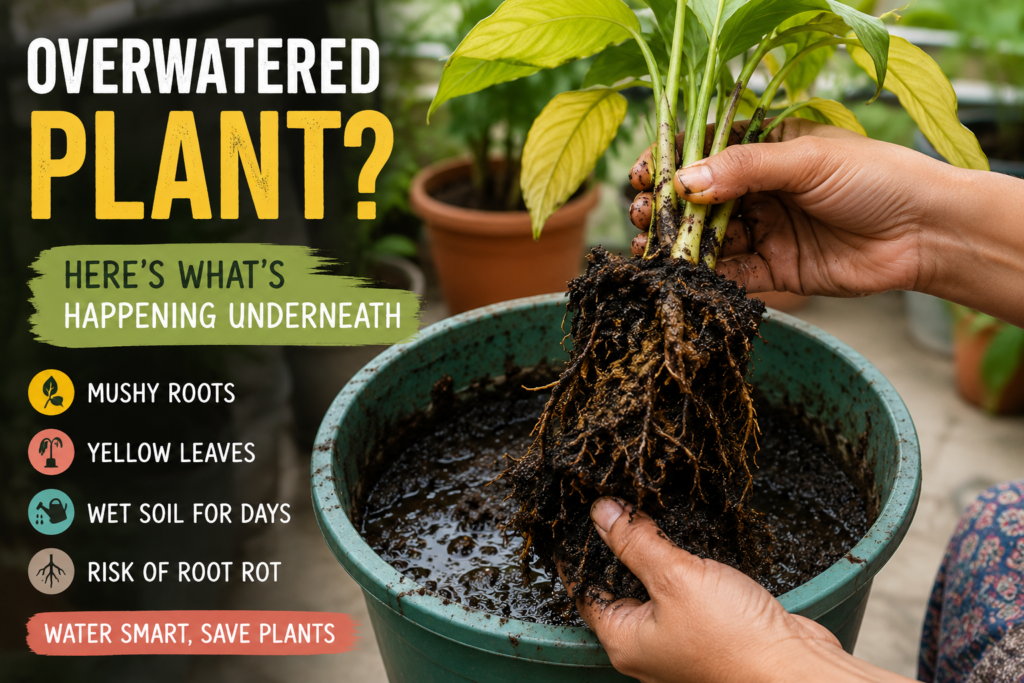
Building a watering routine for container plants sounds simple until you actually have to do it every day. Miss watering for a day or two, and your potted plants begin to wilt. Water too often, and the potting soil stays soggy, leading to weak roots, yellowing leaves, or even root rot. Finding that balance is what makes watering one of the most important parts of beginner container gardening.
For many busy gardeners and beginners, watering becomes the reason they lose healthy balcony and terrace plants. It isn’t always because they don’t care. Most of the time, they simply don’t have a routine that works with their daily life. Over time, this creates stress, second-guessing, and the feeling that keeping container plants alive is much harder than expected.
Even for hobby gardeners, watering can slowly become overwhelming as the plant collection grows. A few pots are easy to manage, but once the balcony or terrace fills with containers, it’s surprisingly easy to miss one that dries out faster than the others. Sometimes we water the same pots repeatedly while another sits unnoticed with completely dry soil.
When there isn’t enough time to observe each plant properly, both underwatering and overwatering become common potted plant problems.
Many gardeners also follow rigid watering schedules without adjusting for seasonal weather, Indian summer heat, monsoon humidity, changing microclimates, or the visible signs their plants are giving. This is where many watering problems begin. A routine and a schedule are not the same. A schedule tells you when to water, while a good watering routine teaches you how to observe first and water accordingly.
After a while, these struggles can make gardeners question whether they even have a “green thumb.” But from my experience, this is rarely about gardening skill or years of experience. More often, it’s simply a gap in observation and having a routine that fits both the plants and your lifestyle.
In this blog, we’ll build a practical, stress-free watering routine that helps you spend less time worrying, notice your plants with more confidence, and keep your container garden healthier without feeling like watering is another daily chore.
If you’re never sure whether your plant needs water or not, you’re not alone. Read: Why Watering Feels So Confusing in Container Gardening
What Problems Happen When I Water My Pots Randomly Instead of Following a Routine?
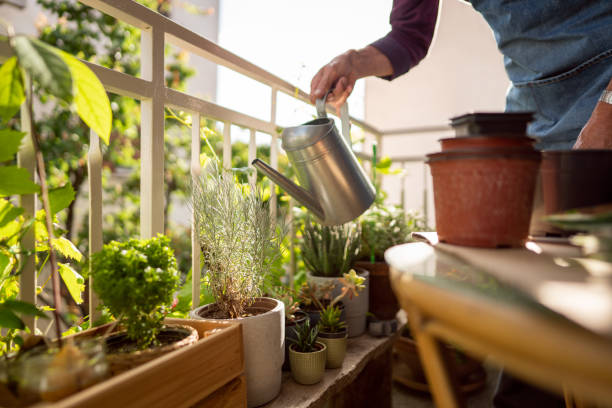
Random watering is one of the biggest reasons container plants become stressed. A good watering routine isn’t about watering on fixed days. It’s about creating a habit of checking your plants first and watering only when they actually need it. That small change can make a big difference in the health of your balcony and terrace garden.
The drying speed of potting soil changes constantly. Pot size, potting mix, pot material, plant size, seasonal weather, and even the microclimate on your balcony or terrace all affect how quickly a container dries out. Ignoring these changing conditions often leads to overwatering or underwatering because you’re following a routine based on dates instead of the plant itself.
Even healthy container plants react badly when watering becomes random. Soggy soil weakens the roots and can eventually lead to root rot, while dry soil slows growth, causes yellowing or wilting, and puts the entire plant under unnecessary stress. The real routine should always be simple—observe first, then water. When we skip this plant check, we also miss the early signs our plants are trying to show us.
Balanced watering helps container plants stay healthy even as seasons change. But once a plant falls into an overwatering or underwatering cycle, it often spends more time recovering than growing. Instead of putting out fresh leaves and healthy roots, it keeps moving between stress and healing.
A watering routine should also stay flexible. As plants are repotted, grow larger, or move through Indian summer heat, monsoon humidity, or cooler seasons, the routine should adjust with them. Rather than watering randomly or sticking to a rigid schedule, it’s more helpful to observe the plant regularly and simply keep track of when it actually needed water.
This approach makes it much easier to notice early signs of potted plant problems before they become serious. A few minutes of observation today can often prevent weeks of recovery later, and that’s exactly what we’ll build throughout this guide.
Watering every 2 days last week but every day this week? Learn why watering frequency keeps changing in container plants: Why Does Watering Frequency Keep Changing in Potted Plants?
Why Is It So Difficult to Stick to a Watering Routine in Container Gardening?
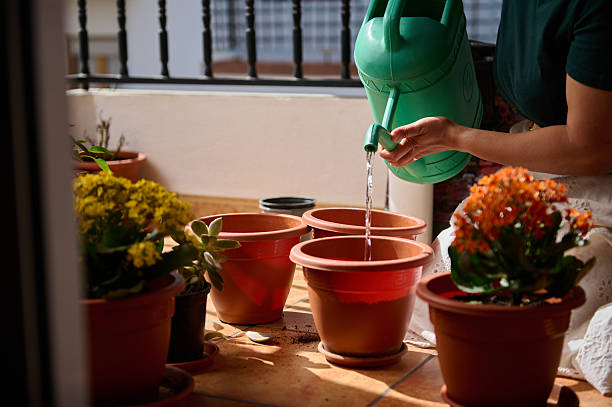
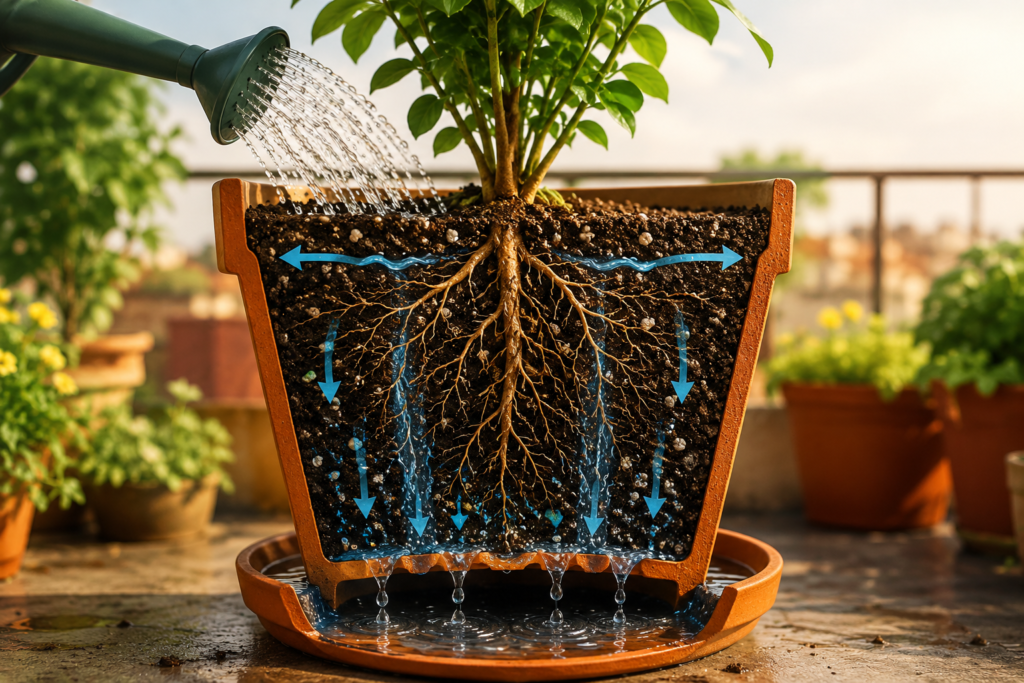
Unlike ground-bed gardening, container gardening has very little buffer space. The roots are confined inside a limited amount of potting soil, so even a small watering mistake shows up much faster. The soil can become completely dry within a short time or stay soggy for too long, leading to yellowing leaves, weak roots, slow growth, and unnecessary stress for balcony and terrace plants. Recovery also takes longer because the roots have nowhere else to grow.
This restricted root space is why almost every care routine in container gardening—from watering to fertilizing—needs a little more observation. Every time we water, we should make sure we’re helping the plant instead of accidentally stressing it.
At the same time, this limited root space also gives us one big advantage. Unlike plants growing in the ground, container plants can be moved when the weather changes. We can shift pots into shade during extreme summer heat, protect them from heavy monsoon rain, or move sensitive plants into brighter locations during cloudy days. That extra control only works well when our watering routine stays flexible too.
Why Daily Weather Changes Make Watering Hard to Predict
A container garden on an Indian balcony or terrace experiences constantly changing microclimates. Because of this, sticking to a watering routine doesn’t mean following one fixed watering frequency. It means adjusting your routine based on the weather, the soil, and the signs your plants are showing.
Indian weather is rarely consistent. During summer, intense sunlight combines with floor heat and heat reflected from nearby walls and concrete surfaces, making pots dry much faster than expected. During the monsoon, high humidity, frequent rain, and strong winds can leave the potting soil wet for several days while also causing taller plants to topple. Even winter brings its own challenge, with cooler temperatures, stagnant air, and lingering moisture slowing down soil drying.
Because of these changing conditions, simply looking at the top layer of soil is rarely enough. A quick soil moisture check before watering gives a much more accurate picture than following yesterday’s routine.
Why Every Container Dries at a Different Speed
Every container has its own drying pattern after watering. That’s why one watering schedule rarely works for an entire balcony garden.
Pot size makes a noticeable difference. Smaller pots hold less potting mix, so they dry much faster. Larger containers hold more soil volume and usually retain moisture for a longer period.
Pot material also changes the drying speed. Porous pots like terracotta allow moisture to evaporate more quickly, while non-porous plastic or glazed pots keep the soil moist for longer.
The plant itself also changes its water needs throughout its life. Young seedlings need a different watering approach than actively growing plants. A mature plant may use less water during normal growth but suddenly require much more while flowering or fruiting. This is why watering needs continue changing even though it’s the same plant in the same pot.
Why Healthy Plants Don’t Need Water at the Same Time
Healthy plants rarely become thirsty together. Their watering needs change depending on their growth stage, surrounding microclimate, pot size, pot material, and how much sunlight each container receives.
Because of this, it’s normal for one pot to need water today while another stays perfectly moist for another day or two. This is where observing each individual plant becomes more important than following a fixed watering schedule.
Grouping similar plants together can certainly make watering easier. Plants with similar pot sizes, growing habits, or water needs often dry at a similar pace. But even then, make it a habit to read the plant’s signs and perform a simple soil moisture check before watering. That small observation can prevent many common potted plant problems.
Why Relying on Memory Instead of Observation Creates Watering Mistakes
Observation is one of the most valuable habits a container gardener can develop. It helps you notice early signs of stress before yellowing leaves, root problems, or severe wilting become difficult to reverse.
As your plant collection grows, it’s almost impossible to remember which pot was watered, which one dried quickly, or which plant has recently been repotted. Instead of relying on memory, build a simple tracking system.
A small gardening diary or calendar works surprisingly well. Mark the days each group of plants actually needed watering instead of creating a rigid schedule. Write down simple observations like how quickly the soil dried, how the leaves looked, or how the plant responded after watering. Over time, these small notes become your own gardening guide, making future watering decisions easier, more confident, and far less stressful.
The goal isn’t to remember everything. The goal is to build a watering routine that helps you observe more, guess less, and keep your container plants healthier through every season.
Small watering mistakes can slowly weaken even healthy container plants. Learn the most common beginner errors: Why Container Plants Struggle: Watering Mistakes Beginners Make
How Can I Create a Simple Watering Routine That Fits My Daily Life?
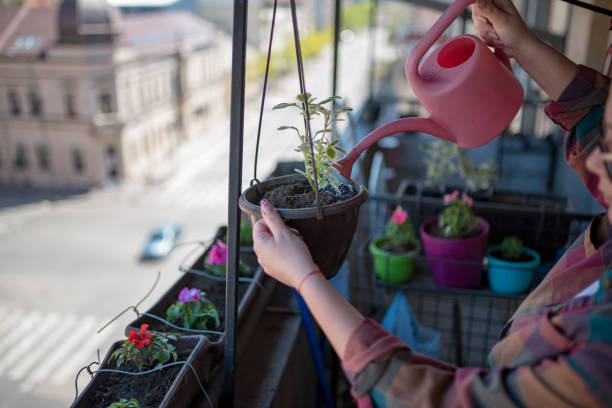
Attach Watering to an Existing Daily Habit
Instead of setting a separate time just for watering, attach the habit of checking your plants to something you already do every day. If you have a balcony garden, take your morning or evening tea outside and spend a few minutes simply looking at your plants. Observe the leaves, feel the soil, and notice if anything has changed since yesterday.
This small habit removes the pressure of finding extra time for gardening. Keep your watering can filled or your water source ready nearby so you can quickly water only the plants that actually need it. Even a five-minute observation break is often enough to prevent many common container gardening problems.
Walk Through Your Garden in the Same Direction Every Day
I noticed that once I started taking a short morning walk around my terrace, I began spotting plant problems much earlier. Keeping a simple gardening diary and calendar nearby also made it easier to record watering days instead of trying to remember everything.
Walking through your balcony or terrace garden in the same direction every day gradually builds muscle memory. You naturally become familiar with each plant, making it easier to notice subtle changes like drooping leaves, yellowing foliage, dry soil, or slower growth before they become serious.
It also helps you understand your garden’s changing microclimate. Some corners may stay humid after a drizzle, while other pots dry much faster because of direct sunlight or reflected heat. These daily observations make watering decisions much easier than following a fixed schedule.
Divide Plants into Quick-Check and Occasional-Check Groups
Not every plant needs the same level of attention.
Keep drought-tolerant, hardy, and well-established plants together since they usually handle missed watering better and don’t always need daily checks. On the other hand, keep seedlings, newly repotted plants, plug saplings, flowering plants, or sensitive varieties in another group where you naturally spend more time observing them.
This simple organization saves time while helping you focus on the plants most likely to react quickly to changing soil moisture.
Build a Five-Minute Plant Check Instead of a Watering Schedule
The purpose of a watering routine isn’t to water every day. The purpose is to build a habit of observing your plants every day.
A simple five-minute walk through your garden before or after watering helps you notice early signs of stress, detect watering mistakes sooner, and maintain more balanced soil moisture throughout the seasons. Small observations today often prevent bigger problems later.
Over time, you’ll realize that the routine isn’t about following fixed watering days. It’s about checking your plants regularly and watering only when they actually need it. That simple shift makes container gardening feel much less stressful and much more enjoyable.
Watering every 2 days last week but every day this week? Learn why watering frequency keeps changing in container plants: Why Does Watering Frequency Keep Changing in Potted Plants?
How Can I Make Watering Feel Easy Instead of Stressful?
Building a watering routine isn’t about becoming perfect.
It’s about becoming consistent. You don’t have to water your container plants at the exact same time every day or follow a rigid watering schedule. What matters is creating a simple habit of checking your plants regularly and responding to what they actually need.
Remember, your plants don’t expect a perfect routine—they simply respond to balanced care. Some days the potting soil may dry faster because of intense summer heat, while other days it may stay moist after cloudy weather or monsoon humidity. A flexible watering routine that adapts to these changes will always work better than following fixed watering days.
As your balcony or terrace garden grows, your routine will naturally evolve too. You’ll begin to recognize which pots dry first, which plants need closer attention, and which ones can comfortably wait another day. Over time, these small daily observations become second nature, making watering feel less like another household chore and more like a relaxing part of your gardening routine.
If you’re still finding it difficult to manage a growing collection of potted plants, the next challenge is learning how to water multiple container plants efficiently without missing any. In the next guide, I’ll share simple ways to organize your watering process, group plants by their needs, and save time while keeping every container healthy. That way, you can spend less time worrying about watering and more time enjoying your container garden.
✨ If watering feels confusing, this blog explains why — without oversimplifying it. Explore the honest container watering guide
Many beginners struggle with watering simply because they are using the wrong tool. Learn more: Struggling with Water Pots? These Watering Cans Help