This year has been a whirlwind of emotions—both in my garden and in my life. I didn’t go on frequent plant-shopping sprees like I did over the past five years. Here and there, I picked up a few plants, and surprisingly, those small choices ended up giving me some of the best gardening lessons for terrace and balcony growers.
Some of my lovelies survived beautifully and are definitely joining me in 2026. But I also lost plenty of plants before they even reached the stable plant stage. Yes, I lost a handful of plug saplings—some were too weak, some arrived late, and some simply couldn’t handle the extreme climate fluctuations on my terrace garden. NGL, 2025 has been the toughest weather year I’ve experienced in my Indian terrace gardening journey.
But I learned a lot—honestly, more than any previous year of growing plants in containers. So I decided to share my terrace garden experience here, especially for anyone facing similar struggles.
This year wasn’t emotionally easy or stable for me. I dealt with multiple health issues—both mine and my family’s. Still, I stayed connected to my plants. Even with low energy, they kept teaching me small things every day. And the surprising part? Some plants survived effortlessly despite everything.
So in this post, I’m sharing the plants that made it, the simple hacks that helped them survive, and the practical takeaways every home gardener can use.
Read till the end if you want honest insights about what truly grows well on an Indian terrace in unpredictable weather.
- 🪴 These year-end plant care lessons cost me time, patience, and a few plants.
Learn what I’ll never ignore again
Best Flowering Plants That Grew Beautifully This Year (Low-Maintenance Flower Plants for Indian Climate)

Hibiscus Growth Journey — Best Fertilizer, Pruning Method & Sunlight Routine
Hibiscus is one of my easiest, most loyal plants because it adapts beautifully to Indian terrace garden weather. The only real issue I faced—both in my tall 5 ft hibiscus and the younger sapling—was mealybugs. For the big plant, I used a stronger pesticide since the infestation was heavy. But for the sapling, I stuck to neem oil spray, wiping the leaves physically every 7 days to break the pest cycle. This routine works like magic for early-stage attacks.
Hibiscus needs proper ventilation, a well-draining, nutrient-rich soil mix, and balanced watering. Don’t let the soil stay soggy, but also don’t allow it to go bone dry in summer. If you feed compost or bonemeal every 4–6 weeks, you can literally see new leaf shoots and bud formation within days.
Until the plant reaches 2–3 feet, keep it in bright indirect light. After that, it can handle semi-outdoor or full sunlight depending on your local heat. Prune after blooming to encourage fresh growth. And honestly, hibiscus loves organic fertilizers for flowering in pots way more than chemical ones.
Chrysanthemums That Bloomed Non-Stop — Seasonal Care Guide for Winter Flower Lovers
Chrysanthemums are high-blooming beauties for container gardens, but ironically, I lost almost 10–15 plug saplings this year. The last sapling I bought survived for a few reasons:
- Timely repotting
- Well-draining soil
- Pinching off early buds
- Compost feeding
- Adding Saaf to prevent root rot (the biggest mum issue in Indian winters)
- Creating extra drainage holes even in plastic pots
- Minimal but consistent watering
These simple, life-saving tips honestly rescued my confidence with my mums. Once you get the basics right, chrysanthemums will bloom non-stop in winter containers.
Crepe Jasmine (Nandhiyavattai) — Evergreen Flowers That Thrive in Heat & Humidity
My Crepe Jasmine grows in the front yard in a concrete pot. These pots breathe well and rarely have drainage issues. I kept the plant in a semi-shaded area and fed it compost with a bit of neem cake to prevent bugs. With good ventilation, this baddie survived everything—heatwaves, humidity, even irregular watering.
After blooming, prune the soft tip foliage to encourage more flowers. And honestly, even without flowers, Crepe Jasmine has stunning glossy leaves that make it a great decorative foliage plant for tropical climates.
Roses in Pots — My Success with Disease Control & Bloom Boosters
I lost 3 out of 4 rose plants this year. It wasn’t a care issue—the plants arrived weak, and three of them wilted inside their nursery bags before I could even repot them. But one beauty survived.
I pruned off the dry stems and premature flowers, repotted it in a well-draining rose potting mix, and placed it in a plastic pot with extra drainage holes. Regular compost feeding and balanced watering helped it bounce back.
Roses—especially native rose varieties—don’t need complicated care. They do need timely repotting for root space, and they are heavy feeders, so compost every 4–5 weeks is non-negotiable. Roses hate soggy soil but thrive when you combine red soil + vermicompost + a little cocopeat for structure and moisture balance.
Never let them go fully bone dry, and always do a quick finger test before watering.
🌿 My Tried & Tested Gardening Essentials for Flowering Plants
These are the exact tools and products that helped my hibiscus, roses, chrysanthemums, and crepe jasmine survive tough weather this year. If you purchase through these links, I may earn a small commission at no extra cost to you—this supports my garden blog and keeps my experiments going. 🌱
✔ Best Organic Fertilizer for Hibiscus & Mums
– Improves blooms, boosts leaf growth, and prevents nutrient deficiency.
👉 Shop Organic Flower Fertilizer
✔ Neem Oil for Mealybugs & Common Pests
– Weekly spray helped me save hibiscus and rose saplings.
👉 Buy Neem Oil Cncentrate (easy to dilute)
✔ Well-Draining Potting Mix for Flowering Plants
– Perfect for hibiscus, roses, and chrysanthemums in Indian climates.
👉 Check Potting Mix
✔ Saaf Fungicide (Root Rot Protection for Mums)
– A little goes a long way in preventing fungal issues in monsoon/winter.
👉 Buy Saaf Online
✔ Pruning Shears (Sharp & Rust-Proof)
– Essential for hibiscus, roses & jasmine to encourage more blooms.
👉 Shop Pruners
✔ Pots With Extra Drainage
– Helps avoid root rot in roses & chrysanthemums.
👉 Explore Pots
🌸 Want more easy flowering plants for Indian homes?
I’ve created a full guide on bloom-friendly, low-maintenance varieties you can grow even in extreme heat.
Herbs That Thrived Effortlessly on My Pots Garden (Easy Herbs for Beginners in India)
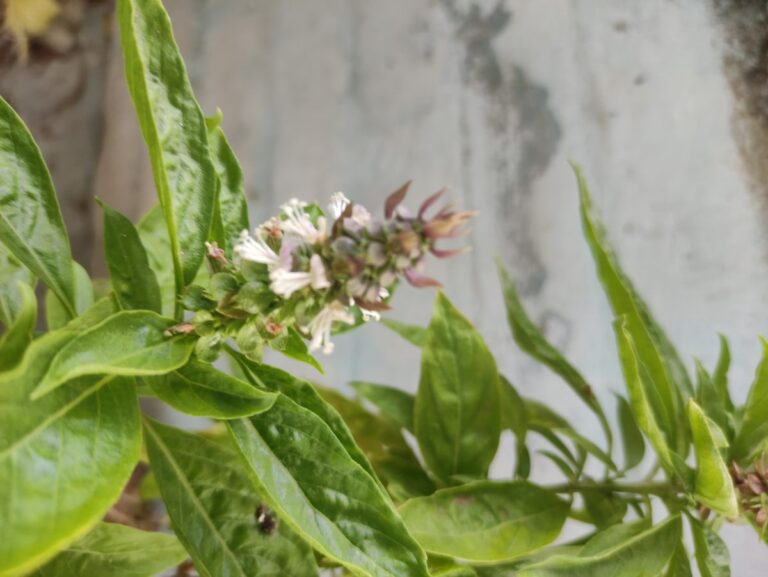
Sweet Basil — How I Kept It Bushy During Monsoon & Summer
Sweet basil is like my “beekapoo”—it grows however it wants, but still gives me joy. I keep it in my front-yard garden in concrete pots, and these porous pots help with perfect drainage. The basil goes lush, produces seed pods, dries, drops seeds everywhere, looks bald for a while, and then magically comes back again next season. It’s like a self-growing herb that never leaves you.
My routine is simple: water regularly, give monthly compost feeding, and keep it in full sun for 4–6 hours. I barely prune, yet it still grows well because the strong basil smell keeps most pests away. This plant is not only lush and pretty—it’s a skincare herb and smells heavenly.
If you have a patio or entrance with decent sunlight, basil is perfect. You can collect seeds or just let them fall in the same pot—they sprout easily in the next season. Truly one of the easiest herbs for beginners in India.
Betel Pan (Thalir Vetrilai) — Shade-Loving, Fast-Growing Indoor/Outdoor Herb
Betel pan is my cold medicine. It thrives in well-draining soil, and you only need to fertilize once in 6–8 weeks. If you give it a small support stick or stake, it climbs beautifully. Overwatering is the real villain—betel pan hates soggy soil more than anything.
I lost one of my grown betel pans earlier this year, but a single node cutting turned into a fully grown plant by year-end. These leaves are edible, and I use them traditionally for cold relief by crushing them and soaking them in warmed coconut oil with camphor. It works better than any balm for me.
Betel leaves also have spiritual value, digestive benefits, and traditional uses in many cultural functions. You can buy a sapling from a nursery or propagate it yourself from a neighbour’s cutting. Just ensure balanced watering and a pot with good drainage.
Bhringraj (Karisalankanni) — Ayurvedic Herb That Grows Faster Than We Expect
I adore this herb’s tiny flowers, but I grow bhringraj mainly for my haircare routine. Honestly, it needs zero care. With a porous pot (I use concrete pots), well-draining soil, garden soil + compost, and occasional pruning, this herb grows wild—even when ignored.
Bhringraj tends to trail and expand fast, so I prune heavily to keep it in shape and manageable. I use its leaves to make homemade hair oil to support hair growth. Truly one of the most rewarding Ayurvedic medicinal herbs for Indian home gardens.
🌱 My Go-To Herb Gardening Essentials (Tested on Basil, Betel Pan & Bhringraj)
These are the exact tools and supplies I used to keep my basil, vetrilai, and karisalankanni thriving in pots this year. If you purchase through these links, I may earn a small commission—at no extra cost to you. This helps support my blog and keeps my garden experiments going. 💚
✔ Lightweight, Well-Draining Potting Mix
Perfect for basil, betel pan & all Ayurvedic herbs. Prevents soil compaction and root rot.
👉 Shop Potting Mix
✔ Cold-Pressed Neem Oil (Pest Protection for Herbs)
Great for preventing mealybugs, mites & aphids on basil and leafy herbs.
👉 Buy Neem Oil
✔ Organic Compost / Vermicompost for Monthly Feeding
My only “fertilizer” for basil and bhringraj. Keeps herbs lush and healthy.
👉 Check Compost Options
✔Clay pots (Porous Material)
Excellent for drainage—herbs love breathable pot materials.
👉 Explore Herb-Friendly Pots
✔ Mini Garden Pruners
Helpful if you want basil to stay bushy & bhringraj to stay in shape.
👉 Shop Compact Pruners
🌱 Want to start your own herb garden?
I’ve put together a simple beginner-friendly guide on herbs that thrive in Indian balconies, terraces, and patios with minimal effort.
Foliage Plants I Loved This Year (Low-Water, Heat-Tolerant Indoor & Outdoor Greens)
Cordyline — Colourful Leaves That Survived Harsh Sunlight
I bought four cordylines this year. I lost one because my aesthetic brain overpowered my green thumb—I sprayed water on the foliage during peak monsoon, and that finished it. The other three variations survived, but I battled mealybugs, which love hiding deep inside the crown.
The right way to deal with mealybugs on cordyline (in my experience) is:
- Spray a very diluted vinegar or neem solution
- Physically wipe off pests from the crown and folds
- Quarantine the plant for a week
- Sanitize the surrounding space so they don’t return
Cordyline foliage can wilt if water sits on it for too long, so always wipe off the spray after a few minutes. Crisp leaf edges also happen due to hard water, not just sunlight issues. And yes—cordylines are not harsh-sun-tolerant. They do best in bright indirect sunlight, and you must keep an eye on them during monsoon and winter because pests love humid weather.
A simple routine works:
- Well-draining soil
- Monthly compost feeding
- Water only when the top layer dries
- Make sure there’s airflow and good drainage
These basics kept mine alive after the early drama.
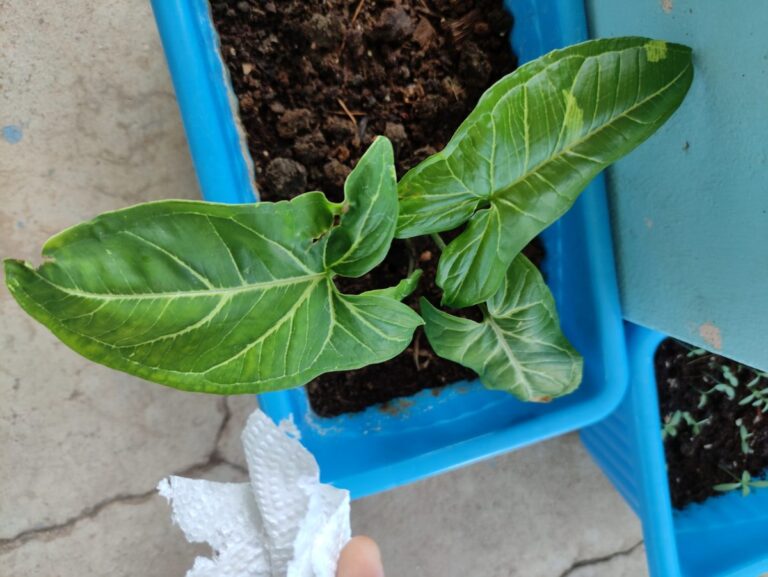
Syngonium — My Go-To Low-Maintenance Indoor Plant
My syngonium had a near-death experience thanks to severe mealybugs. I chopped 98% of the plant, and somehow it bounced back from a few strands. Mealybugs are monsters for container plants—they hide in corners, lay eggs, and come back even after deep cleaning.
Syngonium grows fast and bushy, so updating the pot size based on growth is important. To avoid pests, I add neem cake monthly, clean pots, and keep the soil mix airy.
My syngonium growth formula:
- Well-draining soil + compost + neem cake + a pinch of Saaf (to prevent root rot)
- Monthly organic fertilizer feeding
- Bright indirect sunlight because direct sun scorches the leaves
Once you set the right routine, syngonium becomes one of the most low-maintenance indoor plants for Indian homes.
ZZ Plant — Zero-Maintenance, Low-Water Plant That Never Fails
ZZ plant is the ultimate “plant and forget” plant, just like snake plant. If you overwater or overfeed them, they’ll die. If you give them space and ignore them, they thrive.
All they need is:
- A well-draining soil mix
- Porous pots
- Watering only when the soil is at least 1–2 inches dry
ZZ plants do amazingly well in shade and low-light corners. They grow slowly but steadily, and even a single leaf can be propagated into a new plant. Minimal care = maximum survival. The only rule is: never let water sit at the bottom.
🌱 Foliage Plant Essentials I Personally Use (Cordyline, Syngonium & ZZ Plant)
These tools and supplies helped me save my cordylines from pests, revive my syngonium, and keep my ZZ plant thriving with almost zero care. If you buy through these links, I may earn a small commission—at no extra cost to you. This supports my blog and my plant experiments. 💚
✔ Well-Draining Indoor Plant Soil Mix
Perfect for cordyline, syngonium & ZZ. Prevents root rot and soil compaction.
👉 Shop Indoor Plant Soil Mix
✔ Cold-Pressed Neem Oil (For Mealybug Prevention)
Essential for syngonium and cordyline care—safe, effective, and beginner-friendly.
👉 Buy Neem Oil
✔ Neem Cake Powder (Monthly Pest Prevention)
Keeps mealybugs, fungus gnats & root pests away naturally.
👉 Check Neem Cake
✔ Saaf Fungicide (Root Rot Control for Syngonium)
A pinch in the soil mix prevents fungal issues during monsoon.
👉 Buy Saaf
✔ Breathable Terracotta Pots
ZZ and cordyline perform better in porous pots with extra drainage holes.
👉 Explore Pots for Foliage Plants
✔ Soft Microfiber Plant Cleaning Cloths
Great for wiping foliage after neem spray or cleaning mealybugs from crowns.
👉 Shop Plant Cleaning Cloths
🌿 Want more low-maintenance indoor plant ideas?
I’ve curated a full list of foliage plants that survive heat, pests, and low light—perfect for Indian homes and terraces.
Plants That Didn’t Do Well (What I Learned From My Failures)

Overwatering Issues, Pest Attack Mistakes & Wrong Sunlight Decisions
The plants I lost this year mostly fall into three categories:
- Severe mealybug attack spreading from one plant to another
- Overwatering issues caused by unpredictable climate changes
- Wrong sunlight decisions, especially placing plants in harsh winter sun
Mealybugs were the biggest villains this year—honestly, only god knows where they were hiding in my terrace garden. I lost my gardenia, one cordyline, and several foliage plants because the pests multiplied faster than I had expected.
Climate fluctuations also made things worse. Sudden rains or humid spells kept the soil wet for longer, leading to stress and fungal issues. And thinking I’m “outsmarting the weather,” I placed some sensitive plants in direct winter sunlight… and that backfired too.
The hard lessons I learned:
- Practice mindful watering—not by routine but by soil condition
- Monitor sudden weather and humidity changes in India
- Give plants their ideal light, no matter the season
- Deep clean pest-prone plants and sanitize pots regularly
These small changes helped me save the rest of my garden.
Seasonal Mismatch & Buying Plants at the Wrong Time
Another frustrating failure was buying plants during the wrong season. Some plant varieties simply do not adjust well if you buy them outside their growing cycle. Plug saplings, especially, need extra care.
I lost over 15 plug saplings this year—80% of themwere chrysanthemums. Most died because of:
- Root rot (very common in mums + monsoon humidity)
- Sensitivity to hard water
- The unexpected second summer heat of September
Lesson learned:
- Buy sensitive plants during their ideal season
- Choose a trustworthy nursery or seller
- Repot plug saplings immediately into airy soil
- Avoid overwatering until roots strengthen
These small changes will save me a lot of heartbreak next year.
😬 Most gardening advice costs you more money — not less. Want to know what I stopped buying in 2025?
😬 I ignored these goals when I began — and paid for it with dead plants. Learn what actually matters.
Conclusion — My Year-End Gardening Lessons & What I’ll Grow Next Year
This year taught me that even with low energy, unpredictable weather, and a few heartbreaks, the right plants always find a way to survive. My easy winners—hibiscus, mums, basil, vetrilai, syngonium, and ZZ—are definitely joining me again in 2026. They handled my chaos better than I did, honestly.
I’m also walking into next year with fewer mistakes: mindful watering, seasonal buying, pest deep-cleaning, and choosing the right sunlight for each plant. These small shifts made a huge difference in my late-year garden.
For 2026, I’m planning a simple, slow garden—more foliage, a few hardy flowering plants, and a proper setup for plug saplings so I don’t lose another batch.
If you enjoyed this journey, drop a comment below. I’m giving a free soil mix recipe PDF for anyone who comments on this blog. Let’s grow smarter (and calmer!) together. 🌿


