Why Tools Matter More in Containers Than You Think
First things first, I’m not here to suggest gardening tools for you to buy. I’m here to show how tools improve your container gardening experience and your plants’ health. It’s your choice whether to buy them or not, but when you start learning the fundamentals of container gardening, tools take an important place.
Many rural gardeners, people already working in agriculture, or those used to ground gardening don’t buy specific tools for container gardening—just like my past self. I bought my first trowel after one year of gardening without any proper gardening tools, when I had only a few potted plants.
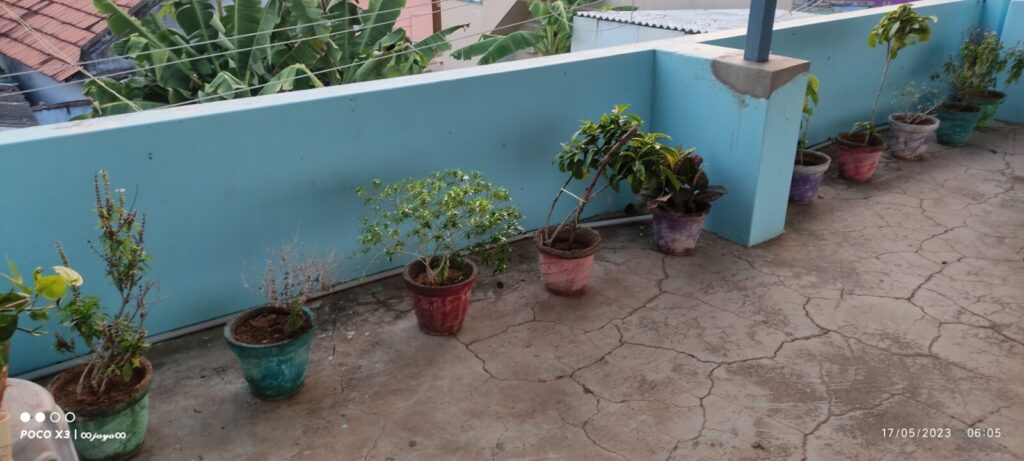
I stuck with that one tool for almost two years. I upgraded my basic gardening tools during the pandemic, when I started adding more plants to my terrace container garden.
I never regret upgrading my tools. Those affordable, basic container gardening tools changed my gardening journey to the next level. They didn’t make me a perfect gardener, but they gave me better control while handling soil, roots, and watering.
Those tools made my daily gardening routine simpler. They reduced the mess after repotting, helped me avoid damaging roots, and made it easier to manage common beginner problems like plants not growing in pots or balcony plants drying out too fast in summer.
Because of that, I was able to experiment more with plants and learn faster without stressing them too much.
You don’t need expensive ergonomic tools or a full gardening tool set with 20+ items. In a small balcony or terrace garden, you only need a few essential gardening tools that can handle most of your work. The important thing is understanding each tool and its purpose, so you can use it correctly in your container garden setup.
If you choose to buy tools later, focus on affordable, good-quality options that last longer in Indian weather conditions like heat, humidity, and monsoon exposure.
Sign up for my newsletter to get updates on beginner-friendly container gardening tools, how to use them properly, and how to avoid common mistakes. I’ll be sharing practical, experience-based blogs throughout the year to build a strong foundation for your container gardening journey.
In containers, root space is limited, so root care works very differently compared to ground-bed gardening. Root growth in pots needs closer observation, especially to identify early repotting signs. Limited root space also means limited access to nutrients and restricted water retention. Because of this, balancing watering and fertilizers becomes more critical in container plants than in open soil.
In my early years (2018–2020), I made the mistake of fixing visible symptoms instead of understanding root limits. When I noticed yellow leaves or brittle foliage, I would immediately change light locations, increase fertilizer, or adjust watering schedules. Over time, I realized that not all foliage issues point to nutrient deficiency or lack of sunlight. Very often, the real issue lies in the roots.
Learning root behavior helps prevent repeated plant losses. Overwatering in containers can lead to root rot, where excess moisture blocks oxygen flow and creates conditions for fungal infections. On the other hand, root-bound plants often show yellowing leaves, uneven watering, and stunted growth because tightly coiled roots can no longer hold moisture effectively.
For beginners, understanding root health gives a clear advantage in the container gardening journey. Once you learn to read root stress instead of reacting only to leaf symptoms, plant care becomes more predictable—even within tight budgets, limited space, and challenging seasonal conditions.
How Container Gardening Changes the Role of Basic Gardening Tools
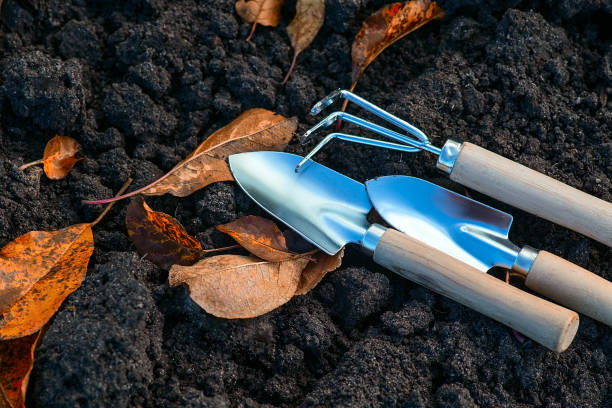
When you think about using ground garden tools for container gardening, you need to understand the difference in both size and purpose.
In ground gardening, tools are usually stronger and larger—designed to dig tough soil, handle bigger plants, and work across wide spaces. But in container gardening, the situation is completely different. You need small, precise tools to work inside tight pot spaces without damaging the plant.
Container plants are more sensitive to physical damage. Even small wounds can lead to issues like stem rot or slow recovery, especially in humid or monsoon conditions. That’s why tools in container gardening are not just for convenience—they are for control and precision while handling soil, roots, and stems.
You end up using tools for almost every small task—filling soil, mixing fertilizers, loosening compacted soil, pruning, and repotting. Even watering tools need to be chosen carefully to avoid disturbing the soil surface or damaging delicate roots.
Unlike ground gardens, potted plants need more frequent repotting as they outgrow their containers. For this, basic hand gardening tools like a trowel, hand fork, or small rake make the process easier and reduce root disturbance. From my experience, I would also include a gardening mat as a basic tool in container gardening—it helps avoid the common problem of soil spilling all over the balcony or terrace.
Pruners are not just seasonal tools here. In container gardening, they become part of your regular maintenance routine. You use them to remove yellowing leaves, pinch new growth, harvest flowers or herbs, and keep plants clean without shaking or stressing them.
Keeping pruners within easy reach in your balcony or terrace garden helps you quickly remove wilted or dead parts before they attract pests or diseases—something that spreads faster in small-space gardening setups.
Watering cans in container gardening also need careful selection. The goal is even watering without soil erosion. Using a long spout watering can with a rose (shower head) helps reduce water pressure and prevents disturbance to the soil. I personally prefer smaller cans that are easy to carry and give better control while watering multiple pots in a balcony garden.
Containers force roots to circle, compress, or slow down once they run out of space. This condition is commonly called root bound. If early root-bound signs go unnoticed or repotting is delayed, the plant may start wilting even though watering and light seem correct.
When growing plants in pots, it’s important to understand the difference between ground-soil freedom and pot restriction.
In ground beds, root growth stays hidden—you rarely know the true depth or spread unless the plant is removed. In containers, however, root behavior becomes visible.
Seeing roots emerge from drainage holes is not a failure; it often indicates that your care is supporting active growth.
At this stage, repotting into a pot about 2 inches larger than the current one helps restore balance. Root space restriction is also why many experienced gardeners—including myself—recommend container-friendly plant varieties over ground-bed plants for beginners.
These plants are naturally better suited to limited root zones.
Most container plants are slow-growing varieties that take longer to develop dense root systems. Even some ground-bed plants, such as thick-stemmed flowering plants, can adapt to pots when given gradual pot-size upgrades and occasional root pruning.
This is where pot depth and width matter more than the visible plant size.
Many beginners choose pots based only on how big the plant looks above the soil. That approach often backfires.
When selecting a pot, the size should be based on the root ball, not the foliage. A pot that is roughly 2 inches wider and deeper than the root ball works as a practical middle ground. Larger pots tend to hold excess moisture, while smaller pots restrict nutrient uptake and water movement.
A common myth is that “roots will adjust naturally.” In reality, roots can adapt to container ecosystems—but not to severe root binding or prolonged space restriction. When this balance is ignored, roots suffer first, and the plant declines soon after.
Beginner misunderstanding addressed:
Bigger plants don’t automatically mean stronger root systems in containers.
The Essential Tool Categories Every Container Gardener Uses (Not Buys First)
1. Soil & Root Handling Tools
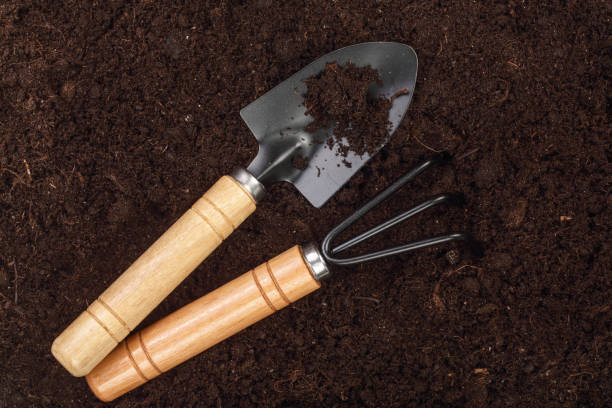
You can easily find hand gardening tool combos that include a trowel, hand rake, hand fork, and sometimes a weeder. In container gardening, these tools play a major role in handling soil and roots without causing damage.
There are usually two types of trowels available. A wider trowel is useful for filling soil quickly, removing compacted plants from pots, and handling bigger repotting tasks. A smaller, sharper-edge trowel helps you reach tight spots in small pots. It’s useful for refilling soil, adding solid fertilizers, and lifting plants even from compact containers.
A hand fork helps loosen compacted soil before feeding fertilizers. It also breaks lumps in potting mix or cocopeat and improves aeration in pots. You can even use it to take out seedlings carefully without damaging roots.
Hand rakes are helpful while preparing potting mix. They help mix soil evenly, break lumps, and create a more aerated base before sowing seeds. In pots, weeding is less common, but if your combo set includes a weeder, it can still help in transplanting small seedlings or removing growth near the pot edges.
2. Water Control Tools
In container gardening, there are many watering tools available, but the focus should be on control, not variety.
A watering can with a long spout and a rose (shower head) is ideal for even watering and to prevent soil erosion in pots. Smaller cans are easier to carry and give better control, especially if you have many small plants in a balcony or terrace garden.
For very small pots or succulents, narrow spout watering cans are useful. They help water directly at the base without wetting the leaves or disturbing tight plant arrangements.
Watering spikes can help if you travel frequently, but they should be used carefully based on your plant’s water tolerance and your local climate conditions.
3. Pruning & Maintenance Tools
Don’t skip this category. You need at least one good-quality pruner along with a basic pair of scissors.
In container gardening, pruning is not just for shaping plants. Flowers, herbs, and leafy greens need regular pruning or harvesting after growth or blooming. If you skip this, plants may start to weaken, wilt, or stop producing new growth.
Removing dead or yellowing leaves helps the plant save energy and reduces the chances of pest and disease problems, which are more common in small-space gardening.
Avoid pinching or pulling plants frequently by hand, as it can shake and stress them. Keeping pruners within reach in your balcony or terrace garden makes it easier to maintain plants consistently without causing damage.
4. Pest & Cleaning Tools
If your garden area is clean, has proper airflow, and enough spacing between pots, you can already reduce a large portion of common pest problems in container gardening.
Pests often hide in floor cracks, shelf corners, and pot rims. Ants can also carry pests from one plant to another. Basic cleaning tools like a broom, dustbin, and regular debris removal help maintain hygiene in your garden space.
Occasional floor cleaning with mild solutions (like diluted floor cleaner or camphor water) can help reduce ants and common house pests around your plants.
A spray bottle is useful for applying diluted pesticides or neem oil solutions. Keep rubbing alcohol to clean your pruners and scissors before and after use to avoid spreading infections between plants. Tissue or cloth can help remove pests immediately when spotted.
Using a gardening mat also reduces soil mess during repotting and makes cleanup easier—especially in balcony setups.
These are essentials I’ve learned over years of terrace container gardening.
5. Observation Tools (Most Ignored Category)
This is underrated, but from experience, it matters a lot.
When working with materials like perlite, vermiculite, or cocopeat, fine particles can float in the air. It’s better to use a mask or cover your nose and mouth with a cloth while handling them.
If you don’t wear glasses, consider protecting your eyes when pouring soil amendments or fertilizers. Even organic materials can cause irritation if they enter your eyes.
Washing your hands and nails after gardening is important, especially if you handle fertilizers, pesticides, or soil regularly. If you have sensitive skin, using basic garden gloves can help prevent rashes.
When handling thorny plants or woody stems, wearing full sleeves can protect your skin from scratches.
If you garden with bare hands, dry skin and irritation are common. Keeping a simple hand cream like Vaseline helps soothe dryness after gardening.
You don’t need all of these from day one. These are tools and habits I discovered over 8 years of container gardening—through trial, mistakes, and long days of cleaning and maintenance.
Soil structure plays a major role in maintaining this air–space–water balance. When soil has good structure, it holds moisture without staying wet for too long and allows oxygen to move freely around the roots.
Why does constantly wet soil suffocate roots?
Excess water fills the air pockets in the soil and blocks oxygen flow. This disrupts the natural porous structure of container soil and slows root respiration. Over time, prolonged moisture weakens the roots and makes them more vulnerable to fungal issues like root rot.
Importance of Air Gaps and Drainage in Containers
Air gaps in soil—often called air pockets—are created by a balanced combination of soil components. A well-structured potting mix supports water retention, aeration, and drainage at the same time. These air pockets allow oxygen to reach the roots while preventing the soil from becoming compacted or waterlogged.
Drainage is essential for all container plants. Proper drainage prevents excess moisture buildup, reduces the risk of fungal growth in the soil and roots, and keeps the soil moist without turning soggy. When drainage is poor, plants use much of their energy dealing with stress and disease instead of nutrient absorption and photosynthesis. Without healthy roots, there is no steady growth, flowering, or fruiting in container plants.
How Humidity and Monsoon Conditions Change Root Behavior
Climate change directly affects root behavior. In hot and dry weather, roots dry out faster and require more frequent moisture checks. In humid seasons like monsoon or cooler winters, water stays in the soil much longer—even when watering seems moderate.
This is why watering container plants during humid weather needs extra attention. Instead of following a fixed schedule, it’s important to check soil moisture before watering. In prolonged humidity, consistently wet soil increases the risk of root rot in pots.
Soil amendments play a major role here. Using garden soil alone often leads to compaction over time, especially with repeated watering. This creates a clay-like structure that restricts airflow. Adding soil amendments such as cocopeat, perlite, and compost helps keep the soil aerated, improves drainage, and reduces the chances of root-related diseases in containers.
Budget Reality: Simple, Well-Structured Soil Beats Expensive Mixes
You don’t need expensive potting mixes to protect root health. A simple, well-balanced soil structure that maintains aeration and drainage is more effective than costly blends that don’t suit your climate or watering habits.
Experience insight:
Most root damage I caused came from overcare, not neglect.
Common Beginner Misunderstandings About Gardening Tools
❌ “Tools are optional in small gardens”
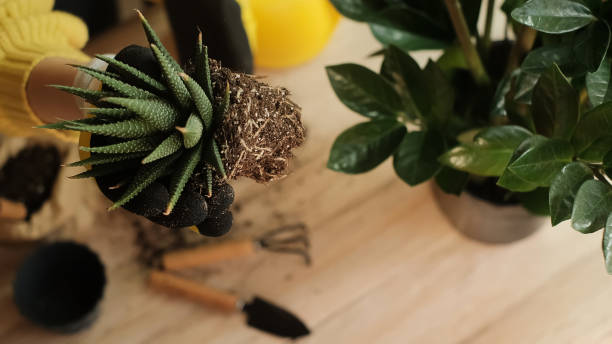
Not even close. In my early days without proper gardening tools, my container gardening was very limited. I couldn’t explore different plant varieties or handle plants properly.
Even if you grow plants without tools, the way you handle them matters. Without proper tools, plants get stressed during repotting or pruning. Small wounds can easily lead to rot in potted plants. At the same time, the gardener gets exhausted from extra effort and the constant cleanup after messy work.
❌ “More tools = better gardening”
This is also wrong. For nearly 5–6 years, I managed around 100 plants using fewer than 10 basic gardening tools.
It’s not about owning a tool for every task. It’s about having a few essential gardening tools for container gardening that help you work with control and reduce chaos. With 5–6 hand tools, a gardening mat, and a good watering can, most container gardening work is covered.
To make things easier, simple additions like tissues and spray bottles also help in daily maintenance.
❌ “Expensive tools work better”
Not true. Expensive tools can actually add pressure for beginners.
What you need are affordable, good-quality gardening tools that suit your setup. Tools perform better based on how you use and maintain them—not their price. Cleaning and storing tools properly matters more than buying costly ones.
❌ “Hands alone are enough for everything”
This doesn’t work in container gardening. Many plants are small and delicate. Pulling or pinching with bare hands can shake the entire plant and cause stress.
In pots, plant wounds don’t heal as easily as in ground soil. There is always a higher risk of rot, especially in humid or monsoon conditions. Using proper tools helps you handle plants gently and avoid unnecessary damage.
What Happens Without the Right Tools
Lack of tools often leads to:
- Rough root handling during repotting
- Overwatering due to poor control
- Improper pruning that stresses plants
On the other hand, over-buying tools leads to:
- Confusion about what to use
- Clutter, especially in small balcony gardens
From my experience, many beginners struggle not because of the plants, but because they lack control while handling them.
Hurting plants during repotting, pruning, or even watering with high pressure are common beginner mistakes. Having the right tools—and knowing how to use them properly—makes a big difference in helping plants grow without stress.
Tools Don’t Make You a Gardener, But They Prevent Beginner Damage
You don’t need a full set of gardening tools to start container gardening. Most beginners assume they need everything at once, but that’s not how it works in real gardens—especially in small balcony or terrace setups.
What actually matters is not the number of tools, but the control they give you while handling plants.
In containers, every action—repotting, watering, pruning—happens in a limited space. Small mistakes can stress the plant faster than in ground gardening. Tools don’t make you a better gardener overnight, but they reduce avoidable damage and help you work with more precision.
From my experience, once I started using a few basic gardening tools properly, my plants responded better—not because the tools were special, but because I was able to handle roots, soil, and stems more carefully.
You don’t need complexity.
You need clarity on:
- Which tools are actually useful in container gardening
- How to use them without stressing plants
- When to use them during your routine care
This is where most beginners struggle—not with plants, but with how they handle them.
What to Learn Next in Your Container Gardening Journey
Once you understand the role of tools, the next step is not buying more—but using them better.
You can move forward by learning:
- How to choose the right gardening tools based on your plant types and space
- How to use tools correctly for repotting, pruning, and watering
- How to avoid common beginner mistakes that damage potted plants
These topics will go deeper into practical handling, which is where real improvement happens.
Before going deeper into tool-specific guides, it’s important to understand the bigger picture of container gardening.
If you’re new or still struggling with plant care basics, start here:
👉 Container Gardening Basics (Master Pillar)
That guide will help you understand:
How container gardening works differently from ground gardening
Why plants behave differently in pots
The core setup, care routine, and beginner mistakes
Once that foundation is clear, everything about tools—how to use them, when to use them—will make much more sense.