Beginners often feel like they did everything right — watered properly, placed the plant in the right sunlight spot, and followed basic care — but still, their plants look the same as when they brought them home. No new growth, no visible progress.
For some beginner container gardeners, the situation feels worse. The plant looked perfectly healthy when brought from the nursery, stayed fine for a few days or weeks, and then slowly started turning mushy, soft, or wilted without any clear reason.
At this stage, it’s common to start searching: is this overwatering or underwatering? Is my plant lacking nutrients? But in many balcony and terrace gardening setups, the real issue is often hidden in the potting mix or soil, not just watering or fertilizer.
You might feel confused and think, “I’m using the same soil from my ground garden where plants are growing well.” That can be true for ground beds — but potted plants work very differently because they have limited root space and no natural soil system.
Ground soil behaves as part of a large ecosystem. It absorbs water gradually, drains excess moisture, and allows roots to spread freely. But in containers, the soil becomes a closed environment. Water can either drain too quickly or stay trapped longer than expected, depending on the mix. This is why the same soil that works in ground beds often leads to overwatering issues in pots, root stress, or slow plant growth in containers.
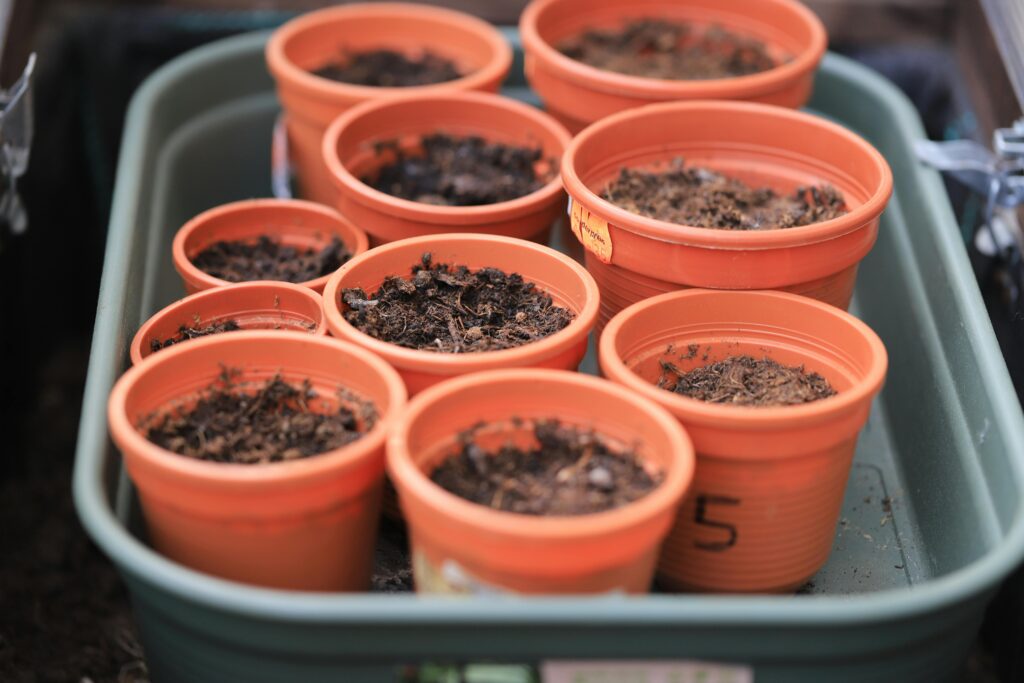
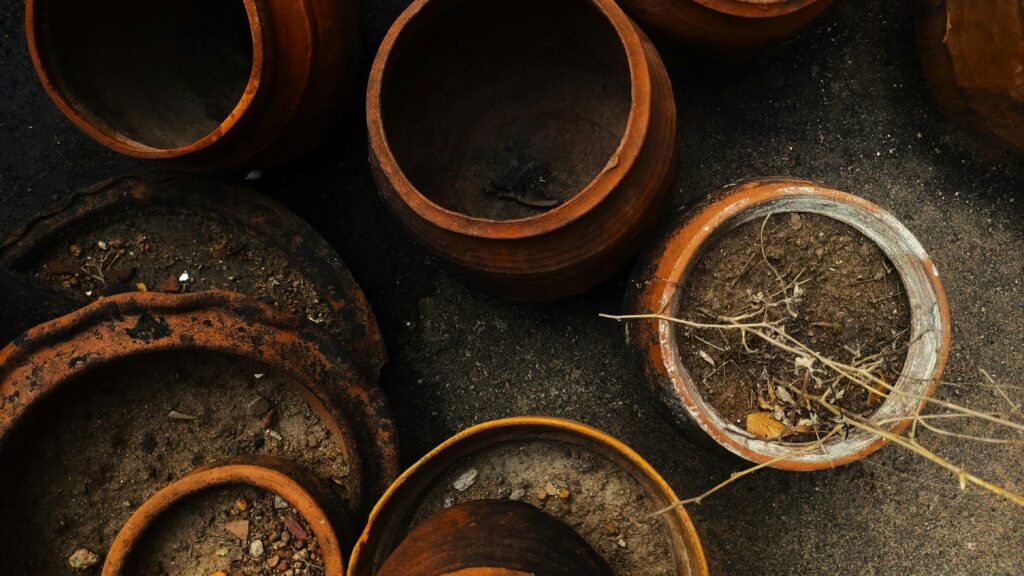
Another factor many beginners don’t notice is how pots themselves affect soil behavior. The temperature inside the pot changes based on pot material and porosity — for example, terracotta dries faster, while plastic pots retain more moisture. Because of this, the same watering routine or soil mix will not behave the same way in every setup.
Also, the limited root volume in pots means plants need a well-balanced, airy potting mix, not heavy red soil or a “one soil fits all plants” approach. Dense soil can compact over time, reducing airflow to roots and making watering feel inconsistent — sometimes too dry, sometimes too wet.
Every plant actually needs a slightly different potting mix balance. The ratio changes depending on:
- pot size and depth
- pot type (plastic, terracotta, grow bag)
- plant type (flowering, foliage, herbs)
- and your balcony or terrace micro-climate in India (heat, airflow, humidity)
This is why random soil mix recipes you see online don’t always work in real balcony gardening conditions. What actually helps is understanding how potting mix behaves — so you can adjust it based on your space instead of guessing.
And a suitable ratio for your plant type matters too. I’ll guide you through this step-by-step in upcoming blogs this month to help you understand potting mix better.
If you want a simple starting point without trial and error, you can subscribe to my newsletter to get a free soil mix ratio PDF for container plants, so you don’t have to guess the right mix for your plants.
What does it mean when plants stay alive but don’t grow in pots?
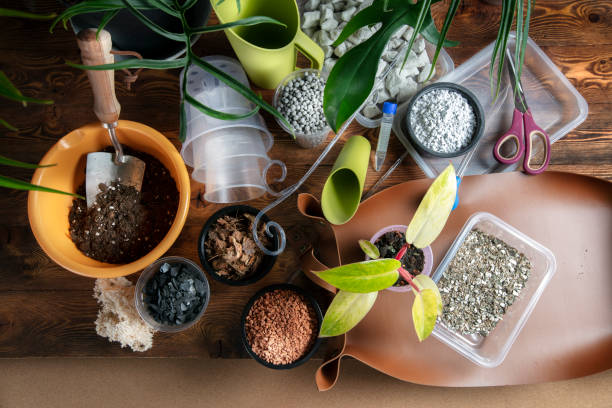
This is where many beginners get confused. The plant looks stable from the outside, almost healthy, but what’s happening inside the soil is different.
For weeks — sometimes even a month — the plant looks just fine. But there’s no new growth. Slowly, you may start noticing small changes: slight yellowing, leaves drooping a bit, and soil staying moist longer than expected after watering.
Pale leaves, smaller leaf size, and slow development are early signs that the potting mix is not supporting healthy root growth. To put it simply, it often starts as stunted growth in pots, and if it goes unnoticed, it gradually leads to root stress and rot issues.
At this stage, most beginners start comparing: “The plant was fine in nursery red soil or ground beds… why is it struggling in my pot?”
Nursery plants may look thriving, but that appearance is often maintained with regular feeding and controlled care. The plant looks healthy above the soil, but the root system may not always be as strong or adapted to your home setup.
In ground beds, red soil works differently because it is part of a larger ecosystem. Even if the soil is dense, it is supported by compost, microorganisms, and natural soil structure that keeps it loose over time. Roots have space to spread, and even small plants can develop stronger, wider root systems.
But in containers, the situation changes. The limited root space in pots means roots cannot expand freely, and the soil does not have the same natural support system. This makes the plant more sensitive to soil structure and moisture balance.
Using red soil alone in pots often leads to compaction. Over time, with repeated watering, it can harden like clay. Even when cocopeat or compost is added without a proper balance, the soil can still hold excess moisture. This reduces airflow inside the pot and increases the risk of overwatering problems in containers and root rot.
You may have experienced this: you bring a plant from a nursery or order it online, plant it directly into red soil or a random mix without loosening the root ball. The plant stays stable for a few weeks, giving the impression everything is fine. Then suddenly, leaves start drooping, stems soften, and signs of rot appear. Within days, the plant declines.
This is how poor soil structure in container gardening quietly affects the plant — not immediately, but slowly — until the roots can no longer support healthy growth.
🪴 Good-looking soil can still kill plants slowly. Want to know why? Discover the hidden soil truths here
Why does soil matter more in containers than in ground gardening?
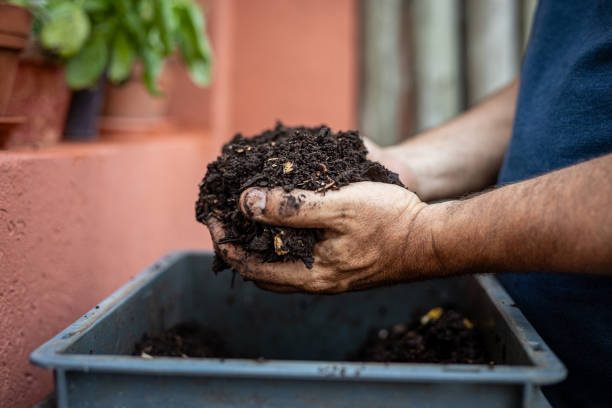
First, you can’t directly compare the soil behavior of a ground bed with potted plants.
In ground beds, soil is part of a living ecosystem. It is structured by compost, natural microorganisms, and continuous biological activity already present in the soil. Water doesn’t stay trapped in one place — it moves, drains, and evaporates naturally with airflow.
Also, ground-grown plants develop larger, deeper root systems that adapt to that open environment.
The same adaptation happens in pots too — but within limits. In containers, roots grow smaller and stay confined to the available space.
To create a better micro-environment for potted plant roots, you need a well-structured potting mix, not just red soil. A single heavy soil cannot provide the balance of moisture, airflow, and structure that container plants require.
Does pot size limit plant growth even if soil looks fine?
Yes — but it’s more about limitation than complete restriction.
Pot size controls how much space roots have to expand. When roots reach the boundary, growth slows down. But this can be managed by observing repotting signs and using a soil mix that actively supports root health.
A good potting mix should be:
- balanced in moisture retention (not too dry, not soggy)
- structured with air pockets for oxygen flow
- light enough for roots to spread easily
Red soil or a “one mix for all plants” approach may look fine initially, but it often doesn’t support long-term plant health.
Healthy soil supports healthy growth — especially in containers.
Healthy container plants begin with a soil system designed for long-term root health, not short-term fixes. Read more: Building a Potting Soil System That Actually Lasts
Why does water behave differently in pots compared to ground?
Comparing ground soil with pot soil can feel confusing because they behave very differently.
In ground beds, water spreads across a large area, drains deeper, and evaporates naturally with airflow. It rarely stays trapped around the roots.
But in pots, water behavior depends on multiple factors:
- soil mix composition
- pot size
- pot material (terracotta vs plastic)
- airflow in your balcony or terrace
- local humidity and heat (common in Indian climates)
All of these affect how long the soil stays wet after watering.
This is why fixed watering routines often fail in container gardening. You need to check the soil before watering to avoid overwatering in pots.
At the same time, the opposite can happen. If the mix has too many drainage materials, or the pot is small and exposed to heat, the soil dries too quickly. This leads to underwatering stress in container plants.
Understanding this balance helps you adjust your potting mix and watering based on your specific setup, instead of following a generic schedule.
Why does poor soil mix cause slow growth in containers?
A poor soil mix is not always obvious at first — but it affects the plant gradually.
Red soil alone tends to compact over time, especially with repeated watering. It can harden like clay, making it difficult for roots to penetrate and grow.
Soil mixes made with incorrect ratios or guesswork can:
- reduce air pockets → limiting oxygen flow to roots
- increase moisture retention → raising the risk of fungal issues and root rot
- dry unevenly → causing inconsistent watering stress
If the mix holds too much water, roots stay constantly wet and weaken.
If it drains too fast, roots don’t get enough time to absorb moisture.
In both cases, roots become stressed and cannot properly absorb water or nutrients.
This is why soil mix matters so much. In containers, it is the plant’s entire growing medium — a micro-environment.
Healthy roots depend on a healthy soil mix, and plant growth depends on root health.
Why do nursery plants grow faster than balcony plants?
Nursery plants are grown in controlled environments. They receive regular feeding, optimized soil mixes, and stable conditions that promote fast, lush growth.
They are often maintained for appearance — to look full and healthy for sale.
In contrast, balcony and terrace gardens in India face:
- direct heat
- fluctuating humidity
- limited airflow
- inconsistent watering patterns
Because of this, plants may not immediately perform the same way after bringing them home.
It’s not that your care is wrong — it’s that the environment and soil conditions have changed.
Once the plant adjusts to your space and gets the right soil support, growth becomes more stable and realistic over time.
🌿 Ever wondered why nursery plants look huge… but yours stay small? Discover what really limits growth in pots
How to fix slow plant growth in pots by improving soil (even in small balcony setups)?
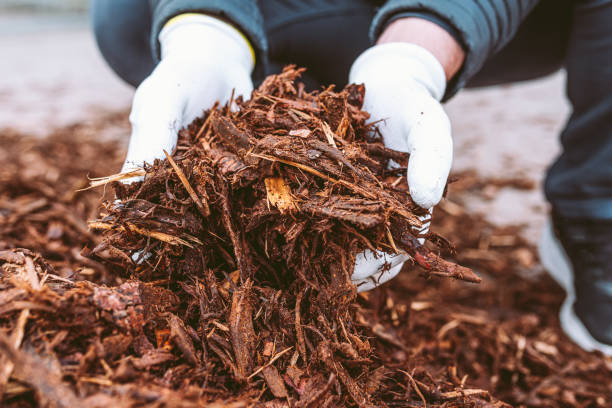
Slow or stunted growth in container plants usually comes from a poor soil mix — compacted soil, poor drainage, excess heaviness, or lack of available nutrients.
When the soil structure is not right, roots struggle first. And when roots struggle, the plant cannot grow properly even if you water and care consistently.
Fixing the soil is often the turning point. Because in pots, soil is not just support — it holds the entire life of the plant.
How to improve soil mix for better root growth in containers?
To improve plant growth, first accept this pattern: healthy roots come before visible growth.
Before expecting blooms, bigger leaves, or harvest, the focus should be on building a strong root system.
For that, you need an airy, well-draining potting mix.
- Compacted soil restricts root penetration
- Poor airflow reduces oxygen around roots
- Both together lead to weak roots that cannot absorb water or nutrients properly
Air pockets inside the soil are important. They allow oxygen to reach roots and help the soil dry evenly. Without this, especially in non-porous pots without side ventilation, the risk of root rot in container plants becomes higher.
A good mix should be:
- lightweight (to maintain structure)
- well-draining (to avoid soggy conditions)
- able to retain some moisture without staying wet
You can create this balance using:
- cocopeat → helps with moisture retention and structure (useful in hot Indian balcony conditions)
- perlite or sand → improves aeration and drainage, creates air pockets
Garden soil alone cannot create this structure. It can be used in small portions, but not as the main medium.
Also, over time, cocopeat and organic components break down, and nutrients reduce. So the soil mix needs refreshing after a period, especially in long-term container gardening.
Can changing pot size improve plant growth?
Yes — pot size plays a direct role in root health.
Think of pot size as the space given for the root ball to grow comfortably.
- Very small pots → restrict roots and slow growth
- Very large pots → hold excess moisture and can lead to overwatering and salt buildup
The ideal approach is simple:
Choose a pot that is about 1–2 inches larger than the root ball, not the plant size.
Repot only when you see signs like roots circling, coming out of drainage holes, or growth slowing down.
The right pot size helps maintain the right balance of:
- soil volume
- moisture holding
- nutrient availability
Too much or too little soil both create stress.
How to prevent soil from becoming too compact over time?
Over time, all potting mixes settle slightly. Organic materials like cocopeat and compost break down, and structure reduces.
But heavy red soil compacts much faster — sometimes within a few months — especially with repeated watering.
To manage this:
- Use a balanced mix with aeration materials (perlite, pumice) from the beginning
- During repotting, refresh with new soil mix
- If you notice compaction, gently loosen the top layer using a hand fork (avoid disturbing roots deeply)
Long-term, the best prevention is building the right structure early, not fixing it later.
What small changes make the biggest difference?
Small adjustments often solve most beginner container gardening problems:
- Water based on soil check, not a fixed routine
- Avoid bone-dry soil (underwatering stress)
- Avoid constantly wet soil (overwatering issues in pots)
- Use a well-draining soil mix with proper drainage holes
- Check if holes are clogged (common with hard water salt buildup)
- Choose pots based on your conditions
- If you face frequent root rot, consider more porous pots like terracotta for better airflow
These small changes help stabilize the soil environment, which directly improves root health and plant growth.
🪴 I wasted years on the wrong potting mix… until I found the perfect blend that changed my garden.
Is it normal for plants to grow slower in containers than in ground?
Yes — it’s completely normal.
In ground beds, plants grow in a natural, open system. Roots can spread freely, soil regulates moisture better, and there is a constant balance created by microorganisms, airflow, and depth.
But in containers, everything is limited and controlled.
The root space is restricted, the soil volume is fixed, and the watering and nutrient supply depend entirely on you. Because of this, growth in pots is usually slower compared to ground gardening — especially in balcony and terrace setups.
That doesn’t mean something is wrong.
Growth in containers is not about speed — it’s about stability.
A plant growing slightly slower but staying healthy, producing steady leaves, and adapting to your space is a good sign. In fact, many plants first focus on adjusting their roots to the new environment before showing visible growth above the soil.
So instead of expecting fast results like nursery plants or ground beds, it helps to shift your mindset:
- from “Why is my plant not growing fast?”
- to “Is my plant growing steadily and staying healthy?”
This small shift reduces a lot of confusion and overcorrection.
Because when growth feels slow, beginners often:
- change watering frequently
- move plants between different light spots
- add extra fertilizers too early
These changes can actually stress the plant more than help it.
The real foundation is simpler.
In containers, soil is not just something that holds the plant — it is the plant’s entire environment.
It controls how roots breathe, how water moves, how nutrients are absorbed, and how stable the plant feels day to day.
When the soil mix is right, many common issues — overwatering confusion, slow growth, yellowing — naturally reduce over time.
And improvement in container gardening usually comes from small, consistent corrections:
- adjusting soil structure
- observing moisture before watering
- repotting at the right time
- allowing the plant to settle instead of constantly changing conditions
These small steps don’t give instant results, but they create visible improvement over time.
So if your plant is growing slowly but not declining, you are already on the right track.
Container gardening becomes easier when you focus less on quick results and more on building a stable environment — one adjustment at a time.
🌿 Your plants look fine… but not growing, not thriving, just stuck? You’re not alone — most balcony gardeners miss what’s happening inside the soil.
👉 Start fixing it step by step here: Gardener Jay YouTube Channel
😬 I wish I had this roadmap when I started container gardening. It would’ve saved years. Explore the complete beginner guide
Pingback: Potting Soil Not Working? Here’s What’s Wrong
Pingback: Using Garden Soil in Pots? It Can Damage Roots