Why Do My Potted Plants Struggle Despite Care?
Sometimes, a few of your favorite plants keep declining in your container garden. No matter how carefully you water, how consistently you feed with organic fertilizer, or how many times you refresh the potting mix — that one plant keeps struggling in a pot. You replace it with a healthier nursery plant. You upgrade to a better soil mix. Still, the same slow decline.
Naturally, you assume it’s a lack of care. Maybe you think you’re overwatering. Maybe you feel there’s a gap in your gardening skills.
But pause for a second.
Look at that other plant in your balcony garden — the one you barely fuss over. It’s growing well. It’s stable. It’s not dramatic.
That contrast is important.
In container gardening for beginners, especially in small balcony or terrace setups, plant selection often matters more than plant care. When a plant is mismatched to your space, no amount of “perfect watering schedule for potted plants” or “best organic fertilizer for container plants” will fully solve the issue.
While you’re busy decoding yellow leaves, wilting stems, root rot in pots, or repeated pest problems, you might notice the same plant thriving somewhere else. Why?
Usually, the reason comes down to two things:
Some plants naturally perform better in ground beds with unrestricted root systems and deeper soil zones. In pots, restricted root growth creates ongoing stress.
The plant’s microclimate needs — sunlight hours, airflow, humidity, seasonal temperature shifts — may not match your local conditions or your terrace garden environment.
In hot-climate terrace gardening (like many parts of South India), small containers heat up quickly. In monsoon season, excess moisture lingers longer than expected. These local and seasonal factors matter more than we think.
Many of us choose plants based on Instagram reels, aesthetic balcony garden ideas, or nursery promotions. But are we actually choosing plants based on container suitability, root behavior, and climate compatibility? Are we checking whether it’s truly a low-maintenance plant for balcony pots — or just trending online?
I’ve been a terrace container gardener for 8 years. I’ve tried growing more than 200 plants in pots. Only about half of them truly survived and adapted long term in my space.
It wasn’t because I didn’t care. And it wasn’t because I was “bad with plants.”
It was a mismatched plant selection.
The lack of awareness around how to choose the right plant for containers led to endless plant stress cycles — soil-borne disease in pots, recurring pest issues, overwatering problems, root stress, wilting in summer heat, and yes… gardener stress (which we rarely talk about).
This is something many beginners experience but don’t immediately recognize.
So before your next “add to cart” moment at an online plant nursery or local garden center, let me share a few key insights about plant selection in container gardening — so you can choose plants that actually suit your balcony, climate, and care capacity.
If your plants keep struggling, the problem might start at the buying stage. See the 4 rules beginners miss
Why Does the Wrong Plant Struggle in Containers Even With Good Care?

Do Some Plants Naturally Outgrow Pots Faster?
The choice of plant always has to match your available garden space and the pot sizes you can realistically manage.
It’s inspiring to watch terrace vegetable gardens and fruit gardens filled with trees and large shrubs. But if you look closely, those setups usually have very large containers, deep grow bags, or even semi-permanent planters. Bigger root systems need bigger soil volume.
And when we talk about plant care in containers, the bigger the plant, the bigger the responsibility. More watering. More feeding. More pruning. More frequent repotting. More root management.
Choosing fast-growing plants with aggressive or deep root systems — and then feeling frustrated about frequent repotting — is not really a care issue. It’s an awareness gap about root behavior in pots.
Some plants are simply not ideal plants for small pots. They are biologically programmed to expand. When you restrict them in tight containers, root binding happens quickly. You may notice slowed growth, constant wilting, or repeated nutrient deficiencies even with good fertilizer.
For beginner to intermediate gardeners, especially in small balcony or terrace container gardening setups, I wouldn’t recommend starting with heavy root feeders or large shrubs that demand constant up-sizing. Forcing a large-root plant into a small container garden is like compressing its natural growth pattern. Sooner or later, the plant shows stress signals.
This is a common reason why potted plants struggle despite good care — the container size never truly matches the plant’s long-term root growth.
Why Do Sun-Loving Plants Fail in Balcony Shade?
Another common plant selection mistake in balcony gardening is ignoring actual sunlight hours.
🌞 Your balcony may look bright — but is it truly “plant-bright”? Find out how to measure sunlight correctly
If a plant requires 6+ hours of direct sunlight and you place it in partial shade or bright indirect light, it may survive — but it won’t thrive. Growth becomes stunted. Internodes stretch. Flowering reduces or stops completely.
Even when foliage appears “okay,” deeper processes suffer. With reduced sunlight, photosynthesis drops. That means weaker root development, fewer flowers or fruits, and low energy reserves.
You might also notice that soil in low-light areas dries more slowly. Slower drying combined with limited airflow — common in compact balcony gardens — can increase the risk of fungal problems in pots.
In hot-climate terrace gardening, we often focus on preventing heat stress. But placing a sun-loving plant in permanent shade is another form of stress. It’s like underfeeding the plant’s energy system.
Low light also reduces pest resistance. A plant with limited energy becomes more vulnerable to mealybugs, aphids, and recurring pest issues in container plants.
So when beginners search “why is my plant not flowering in a pot?” or “why is my balcony plant growing slowly?”, the real issue is often light mismatch — not fertilizer.
Can High-Water Plants Survive in Small Pots?
Different plants have different moisture needs and tolerance levels for overwatering or underwatering. To manage watering problems in container gardening, you first need to understand both your plant type and your space conditions.
If a plant prefers consistently moist soil but you keep it in a small pot, one common issue is rapid drying. Small containers, especially in summer balcony heat, lose moisture quickly. The plant goes through repeated dry-stress cycles.
But jumping to a very large pot is not automatically the solution. Oversized containers can hold excess moisture around roots for too long. That increases the risk of root rot in pots, nutrient imbalance, and fungal issues — especially during monsoon season when evaporation slows.
On the other hand, keeping moisture-loving plants in tight containers due to lack of space can lead to chronic underwatering and visible stress symptoms like drooping, leaf curl, or browning edges.
Low airflow in crowded small spaces adds another layer of risk. Water may stay longer near the root zone, increasing susceptibility to fungus and pest outbreaks.
So when you wonder, “why does my potted plant keep wilting even with regular watering?”, it may not be about watering frequency at all. It may be about plant selection and container compatibility.
Core Teaching
Container gardening compresses natural growing conditions into a limited soil volume and microclimate.
When the plant’s root behavior, light requirement, and moisture preference don’t match the container environment, it will constantly struggle — no matter how careful your plant care routine is.
In many cases, it’s not poor maintenance.
It’s a mismatched plant choice fighting against the realities of container life.
How Do You Know If the Plant Is the Problem (Not Your Care)?

What Are Signs of Environmental Mismatch in Pots?
The first — and most ignored — sign is stunted growth.
When a plant stops growing but still “looks fine,” many beginners don’t notice the early warning. We usually pay attention only when flowering or fruiting fails. But in container gardening, foliage growth itself is a health indicator.
If a plant shows no new leaves for months, even though the existing foliage looks stable, that’s not normal active growth. That’s survival mode.
Some gardeners only notice the issue when there’s no flowering or fruiting. But remember — flowering and fruiting depend on overall plant strength. Healthy plants produce steady vegetative growth first. (In some succulents and certain foliage plants, flowering can signal stress or the natural life cycle stage, but consistent fruiting is usually a sign of stability.) I personally noticed this with my peperomia — when it produced healthy spikes, it was in a well-matched microclimate.
If a plant remains stagnant despite proper sunlight exposure, a balanced watering routine for potted plants, appropriate fertilizer, and no visible pest or disease — that’s a red flag.
Yellowing leaves without overwatering. Drooping even with moist soil. No visible root-bound signs but no upward growth either.
After repotting, most plants need about 2–4 weeks to adjust. Some mild drooping is normal. But if there are no signs of recovery — no new leaf buds, no firm stems, no subtle growth movement — the plant may be struggling with the new micro-environment rather than repot shock alone.
When the environment does not match the plant’s needs, issues tend to appear one by one:
- Persistent drooping
- Yellowing leaves in containers
- Mushy stems
- Wilting even when soil is moist
- Soil staying wet too long because roots are stressed and not absorbing efficiently
If you keep searching “why is my potted plant not growing?” or “why are my plant leaves turning yellow in pots?” — consider environmental mismatch before blaming your care routine.
Why Do Some Plants Improve Immediately After Rehoming?
Sometimes the issue is simply placement.
✨ If your container plants grow slowly even in an open layout, this explains why. Explore the full space-truth guide
If the plant’s basic needs were unmet — like sunlight, airflow, or spacing — moving it to a more suitable spot can show visible improvement within days.
I’ve seen this clearly with my rosemary. It stayed droopy in bright indirect light. The moment I shifted it to a location with direct sunlight and better airflow, the stems became firmer and upright. Same plant. Same pot. Same soil. Just the right placement.
It’s not only about sunlight.
Space factors matter:
- Air circulation in balcony gardens
- Overcrowding between pots
- Heat reflection from walls or floors
- Seasonal shifts in terrace light
When you solve the real environmental gap, recovery can feel almost immediate. That’s usually a sign the plant wasn’t “difficult” — it was mismatched.
Are You Trying to Force a Garden Aesthetic Instead of Matching Conditions?
This is a quiet but common mistake.
Buying trending plants because they look good on Instagram.
Choosing what looks lush at the nursery without checking long-term care needs.
Not measuring actual sunlight hours on your balcony before purchase.
In small-space container gardening, aesthetic-first decisions often lead to plant stress later.
A plant that thrives in a large, open terrace garden with 6+ hours of sun may not adapt to a shaded apartment balcony. A plant displayed beautifully in a nursery under controlled conditions may struggle in a hot, windy terrace.
If your garden choices are based more on inspiration photos than on climate compatibility and container suitability, you may unknowingly create recurring problems.
In container gardening, matching plant needs to your real conditions matters more than copying a visual setup.
Sometimes the problem isn’t your watering, fertilizer, or pruning skills.
Sometimes, the plant was never the right fit for your space.
What Plants Are Easier for Balcony and Terrace Containers?
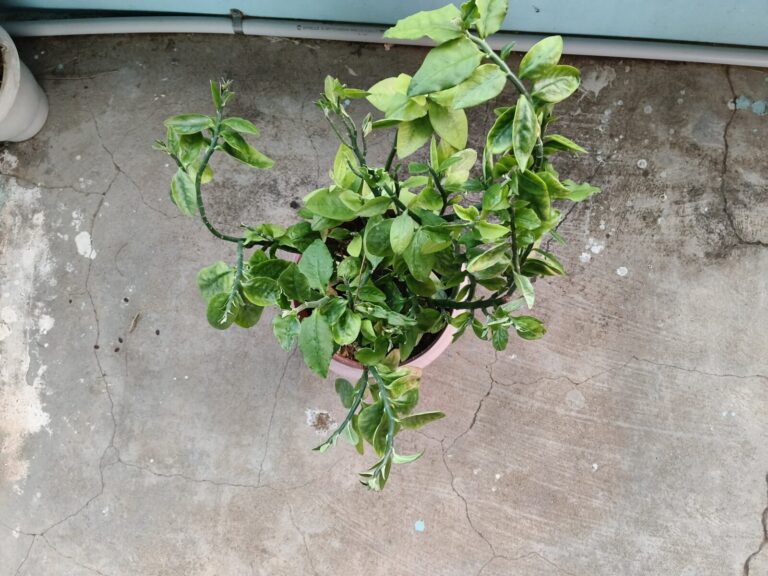
Which Low-Maintenance Plants Adapt Better to Pots?
Not every plant is designed for container life. Some adapt quietly. Some constantly resist it.
From years of terrace gardening, I’ve noticed that plants with compact root systems adjust better to pots. They don’t rush to outgrow the container within months. They don’t demand frequent repotting. They stay proportionate to the soil volume available.
When choosing the best plants for balcony pots, look for plants that naturally grow slow to moderate — not aggressive spreaders.
The second factor is moderate water needs.
Plants that demand consistently soggy soil or extreme dryness are harder to manage in containers. Pots exaggerate watering mistakes. In hot climates, small pots dry fast. During the monsoon, they stay wet longer. A plant that tolerates slight variation in moisture levels handles this fluctuation better.
The third overlooked factor is tolerance to heat reflection and airflow variation.
In terrace and balcony gardening, walls and floors reflect heat. Wind tunnels form between buildings. Some plants collapse under these microclimate shifts. Others adapt.
Low-maintenance container plants are usually those that:
- Don’t panic in brief heat waves
- Recover after mild underwatering
- Tolerate airflow changes
- Don’t require daily correction
If you’re searching for “easy plants for terrace containers” or “low maintenance plants for balcony garden,” focus less on trends and more on plant behavior.
Stable plants reduce gardener stress.
Are Native or Climate-Adapted Plants Better for Containers?
In most cases — yes.
Plants that are already adapted to your local climate tend to survive better in containers. Especially in extreme heat or heavy monsoon cycles.
In hot-climate terrace gardening, I’ve seen climate-adapted plants handle summer stress far better than exotic varieties. They recover faster after leaf burn. They bounce back from pruning. They don’t shut down completely during temperature spikes.
During monsoon season, fungal problems in pots become common. Plants already accustomed to local humidity often show fewer fungal issues and less stem rot.
Another advantage is shorter recovery time after stress.
Every container plant faces occasional stress — repotting, root disturbance, seasonal change. Climate-compatible plants usually adjust faster because the surrounding environment supports them instead of challenging them.
If you’re wondering “what plants grow well on a balcony in a hot climate?” — start by observing what naturally thrives in gardens around you. That’s often a better clue than online plant ads.
Should Beginners Start With Fewer, Stronger Plants?
This is something I learned the hard way.
In the beginning, I wanted variety. Different foliage textures. Flowering plants. Herbs. Succulents. Everything looked exciting.
But stability matters more than variety in container gardening for beginners.
When you start with fewer, stronger plants, you actually learn more. You observe how they respond to sunlight shifts. How fast their soil dries. How they react to pruning. You begin to understand plant signals instead of constantly firefighting problems.
Adding too many plants at once creates overlapping care needs:
- Different watering schedules
- Different light requirements
- Different fertilizer timing
That quickly becomes overwhelming, especially in small balcony garden setups.
Starting small allows you to build pattern recognition. Once you understand how plants behave in your specific microclimate, expansion becomes easier and less risky.
In container gardening, success is not about how many plants you own.
It’s about how stable the ones you keep truly are.
In Container Gardening, Plant Choice Is a Design Decision
In container gardening, care cannot override biological mismatch.
You can water carefully. You can fertilize correctly. You can prune on time. But if the plant’s root behavior, light requirement, and moisture preference don’t align with your balcony or terrace conditions, effort alone won’t fix it.
When plant choice is wrong, effort increases.
You end up troubleshooting yellow leaves in pots, adjusting watering schedules constantly, battling recurring pest issues, or repotting again and again. Over time, gardening starts to feel heavy instead of calming.
Stable container gardens don’t begin with advanced techniques.
They begin with compatible plants.
Fewer plants that genuinely match your sunlight hours, airflow pattern, container size, and watering capacity will always outperform a crowded balcony full of struggling varieties.
Before your next plant purchase, pause and observe:
- How many hours of direct sunlight does your space actually receive?
- Does your balcony have steady airflow or trapped humidity?
- How often can you realistically water during summer?
- Do you have space for root expansion over time?
Plant selection is not just a buying decision.
It’s a layout decision. A microclimate decision. A workload decision.
Sometimes the problem isn’t your effort.
It’s simply that the plant and the space were never designed for each other.
If your garden has started to feel overwhelming, you may want to look beyond plant care and examine your overall setup:
→ Is your layout secretly making plant care harder than it needs to be?
Read: How Do You Create a Low-Stress, Maintainable Balcony Garden Layout?
And if you’re still building your foundation:
→ Not sure where to begin with container gardening basics?
Start here: Beginner’s Guide to Container Gardening
Want to see real plant examples instead of just reading about them?
I document these container gardening lessons step-by-step on YouTube.
Watch practical terrace garden breakdowns here → Gardener Jay on YouTube