Why Do Potted Plants Struggle Even When I Water and Fertilize Correctly?
“I did everything right—water, fertilizer, sunlight—so why is my plant still unhappy?”
This is a common question among container gardeners, especially those growing plants in small spaces or arranging pots too close together. In many cases, it’s not a care-related issue at all—it’s tight space stress in containers.
Tight space stress happens when plants don’t have enough room for natural plant movement, air circulation, and ventilation. Even when watering and fertilizing are done correctly, this hidden stress slowly affects plant health.
A common false assumption is:
“As long as the pot size is correct, space doesn’t matter.”
Pot size does matter for keeping roots stress-free. But tight space stress affects the above-soil environment. When plants are kept too close together, without proper ventilation or light exposure, even a healthy plant can begin to struggle. This often happens with tightly packed shelves, balcony corners, or indoor “home jungle” arrangements.
While these setups may look aesthetic, plants need air movement to gently move, proper ventilation for the soil to dry naturally, and open space to prevent pest nesting and fungal growth. With poor airflow, soil stays wet longer, increasing the risk of soil-borne diseases and unintentional overwatering—especially during humid or rainy seasons.
Crowding potted plants without adequate sunlight also affects the photosynthesis process. Leaves may sit in blind spots, receiving uneven light. Over time, this crowding creates care blind spots too—missed watering, uneven fertilizing, or delayed problem detection—despite good intentions.
A healthier plant arrangement allows space between pots, better ventilation, and freedom for plants to grow naturally. Rotating potted plants every few weeks helps ensure even sunlight exposure on all sides, supports balanced growth, and reduces stress. This practice improves not only airflow and light access, but also allows plants to move and grow without restriction.
🌿 Most container plants don’t die suddenly — they fade because of space mistakes. See the 5 space errors gardeners miss
How Does Crowding in Containers Stress Plants Over Time?
What gardeners usually mean by ‘crowding’ (and what they miss)
Crowding isn’t just about plant count. Many gardeners think plant crowding only happens when too many plants are grown together in one tight pot tight space. That is a problem—but it’s not the only one.
Crowding also happens when plants are kept in small-sized pots, when too many pots are placed on a single shelf for aesthetic reasons, or when plants are pushed into tight corners with poor ventilation. Plant stands that leave no room for air movement, stacked pots that aren’t maintained, and plants left unpruned for long periods all create hidden crowding stress.
😬 More levels don’t always mean better growth. Light and airflow shift in unexpected ways. See the hidden shelf mistakes here
Hanging plants, shrubs, and creepers can also cause crowding when they aren’t pruned regularly. Over time, their growth blocks airflow and light for nearby plants. Even just two or three potted plants with leaves constantly touching can disrupt ventilation and natural plant movement.
Small-space gardeners often try to use every available spot—including vertical space. Vertical planters filled with dense foliage on a single wall may look productive, but they often create long-term stress. Some gardeners say, “My plants look fine with this setup.” And they often do—until the problem grows quietly and begins to affect the roots.
As you’ve noticed in real life:
“The plant doesn’t fail immediately—it declines slowly, which makes the cause hard to spot.”
Why crowded container plants show slow, confusing symptoms
One of the most common signs is yellowing leaves despite regular feeding. You may not see pests or visible disease. The plant may be in a right-sized pot, not root-bound, receiving proper watering and sunlight. When all care seems correct and yellowing still appears, tight space stress is often the missing factor.
Another sign is wilting even with balanced watering, sometimes combined with sun-scorch-like symptoms. Poor ventilation and restricted air movement trap heat and moisture around the plant. In crowded setups, pests also spread faster compared to plants kept with proper spacing.
You may also notice stunted growth without visible pests. A plant can sit on the same shelf for months, staying alive but not growing, flowering, or responding—no clear signs of disease, just no progress. This is common in container plants under long-term crowding stress.
Container plants often show a delayed stress response. Because the damage builds slowly, the connection between crowding and decline is easy to miss. By the time symptoms become obvious, the plant has already been under stress for weeks or even months.
🪴 Gardening shouldn’t exhaust you — so why does it sometimes feel overwhelming?
Discover the hidden layout and routine issues
Why Is Poor Airflow a Bigger Problem in Potted Plants Than Garden Beds?
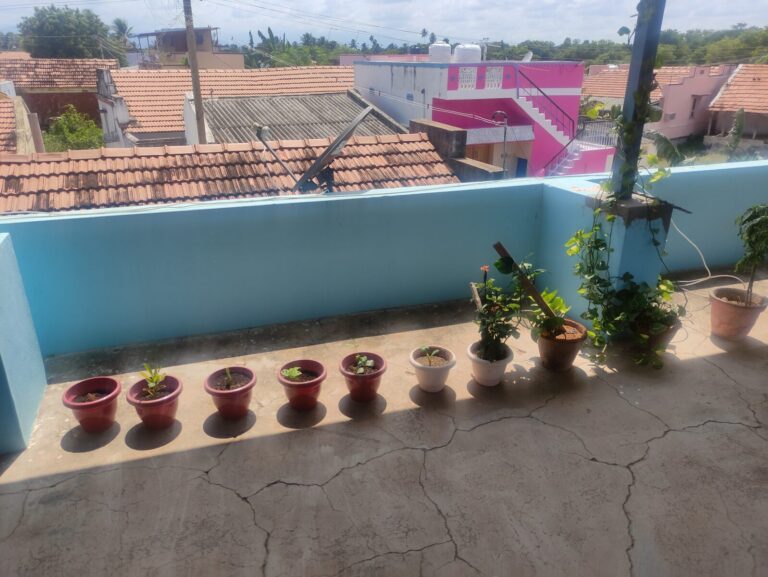
In garden beds, air movement happens naturally. Plants are usually spaced to grow freely, and even when ground plants are crowded or shrubs aren’t pruned properly, they still have an advantage—stronger, unrestricted root systems and access to deeper soil layers. While overcrowding can cause wilting even in garden beds, the impact is slower and easier to recover from.
In potted plants, airflow matters more because the growing environment is restricted on all sides. Roots are confined, soil volume is limited, and the plant depends entirely on its immediate surroundings. When airflow is poor, stress builds faster in containers than in ground beds, especially in small-space or indoor setups.
How does restricted airflow affect leaves, stems, and soil in potted plants?
Restricted airflow traps humidity around foliage. This is especially common in indoor and semi-indoor potted plants, tight corners, and spaces without cross-ventilation. In containers, plants rely heavily on a stable micro-environment, and poor airflow disrupts this balance.
When air movement is low, soil takes longer to dry. This leads to overwatering symptoms without actual overwatering, increases the risk of soil-borne problems, and stresses roots because excess moisture fills the air pockets in the potting mix.
Poor airflow also increases fungal and pest risk. Algae, fungus, and insects are more likely to appear on the topsoil when ventilation is weak. If a plant is already stressed from prolonged moisture retention, pests and diseases establish themselves more easily.
Is grouping potted plants tightly on balconies or windowsills a mistake?
Yes—this is a very common real-world mistake.
Grouping pots tightly to “save space” on balconies or windowsills is often treated as a smart hack, but in reality, it invites pests, fungal issues, and multiple plant problems indirectly.
When pots are pushed close together, airflow drops, light becomes uneven, and moisture stays trapped longer than expected. Over time, this setup creates stress even when watering, soil mix, and drainage holes are correct.
What are the signs your container plant isn’t getting enough air movement?
One clear sign is a damp or foul soil smell. This fishy or musty odor is usually caused by fungus or algae when water stays too long in the soil mix and there isn’t enough airflow to help it dry.
Another sign is leaves staying wet for hours. Overhead watering already increases moisture on foliage, and with poor ventilation, leaves remain damp longer. This raises the risk of fungal growth and pests. Hard water can also leave mineral residue on leaves, adding stress over time.
You may notice fungal spots even without overwatering. This happens when moisture lingers in the topsoil and potting mix due to poor placement and lack of air movement—even if you’re using a well-draining soil mix and pots with drainage holes.
A classic symptom is fungus gnats appearing “out of nowhere.” When topsoil doesn’t dry properly in tight spaces, repeated watering creates algae layers. These layers produce foul smells and attract pests like fungus gnats. Compared to well-ventilated pots, crowded containers take much longer to dry, making this problem repeat again and again.
Pests don’t appear randomly — they’re responding to something your plant is signalling. Discover what your plants are really telling you
How Does Heat Build Up in Tight Container Spaces and Damage Plants?
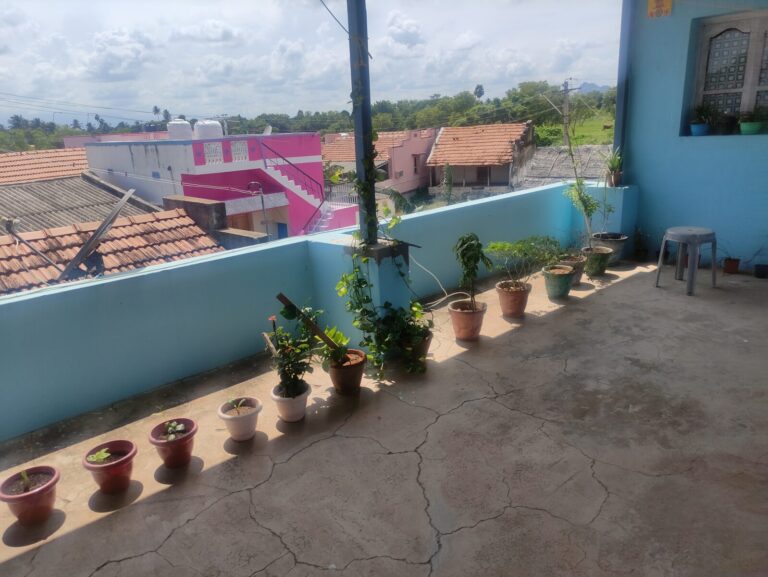
Winter may be ending, but in the Indian climate, heat isn’t limited to just summer. For most months, containers are exposed to constant warmth, reflected heat, and sudden heat waves. If you’re a beginner container gardener working with tight spaces and poor ventilation, heat stress becomes more intense and more frequent.
In small, crowded setups, heat doesn’t escape easily. When airflow is limited, temperature builds up around the plant, and the effects compound day after day. With tight spacing, the problem isn’t just sunlight—it’s trapped heat.
Why do containers trap heat more than ground soil?
Containers heat up faster because of limited soil volume. Restricted soil space warms quickly, and the pot material—whether plastic, ceramic, or even terracotta—absorbs and holds heat. Even when using terracotta pots and an organic, well-draining soil mix, heat still builds up because the container is directly exposed.
It’s similar to keeping a vessel under heat exposure: regardless of material, the container warms up due to surrounding temperature. This repeated temperature rise directly affects the roots, leading to root stress.
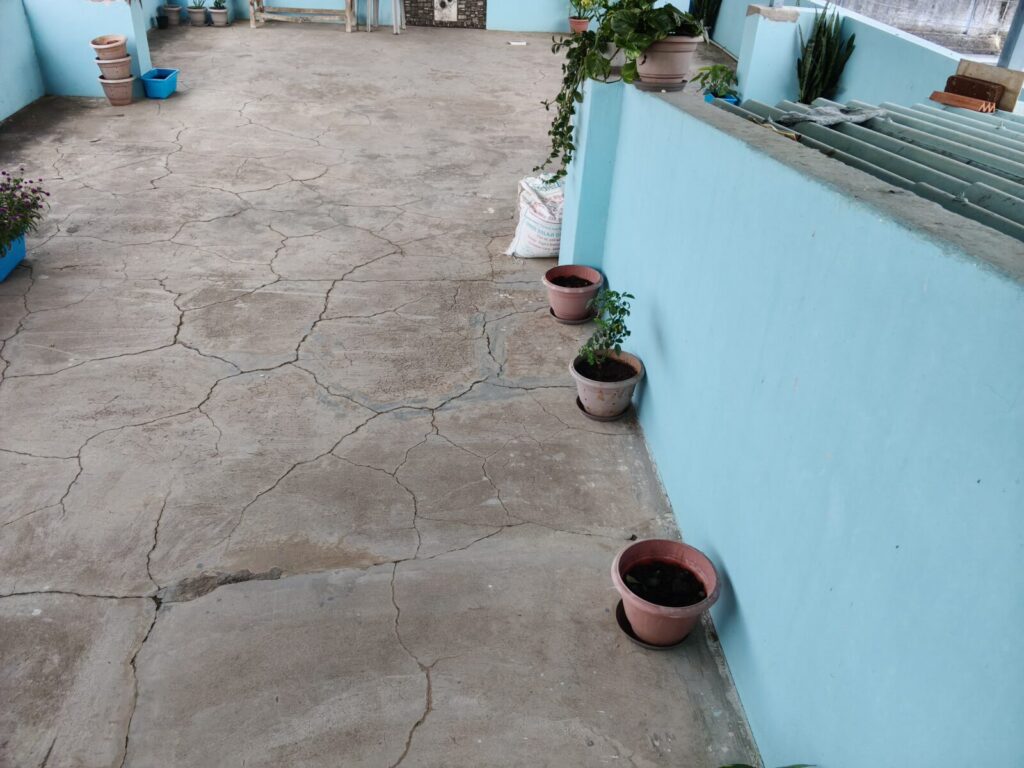
In Indian terraces and balconies, heat stress increases further because tiles, cement floors, and walls reflect heat back onto pots. This reflected heat raises the temperature around both the roots and foliage.
As you’ve experienced:
“This happens even in partial shade—especially in Indian climates.”
When pots are placed too close together, they also block heat release. Like people crowded into a small space, warm air keeps circulating within the same area instead of escaping. Without proper ventilation, heat stays trapped around the plants.
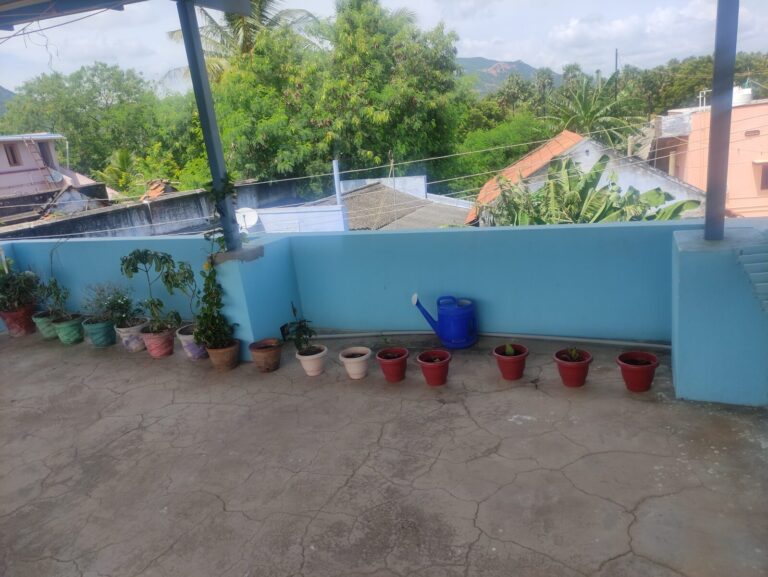
Maintaining distance between pots makes a visible difference. Keeping at least one foot of free space around each plant allows ventilation, natural air movement (the gentle “plant dance”), and normal growth patterns. This spacing also gives you room to water, inspect, rotate plants for even sunlight, and reduce pest and fungal risk. Most importantly, it dramatically reduces heat buildup around roots and foliage.
What heat stress symptoms look like common care mistakes?
Leaf curl mistaken for underwatering is one of the most confusing symptoms. Reading plant signals correctly takes experience, and even after years of gardening, severe symptoms can still be hard to decode. This is why routines and garden journaling matter.
If leaves curl even when watering is consistent, pause before adding more water. Check whether the space is ventilated. In high temperatures, poor airflow raises the surrounding heat, causing heat stress rather than water stress.
Crispy leaf edges despite enough moisture are often blamed on direct sunlight. But when this happens without harsh sun exposure and watering is correct, it usually points to heat trapped due to poor spacing and airflow, not neglect.
Sudden decline during hot afternoons is another classic sign. Plants may look fine in the morning and evening but appear dull or wilted during midday. This isn’t always excess sunlight—it’s often the space itself overheating without enough air movement.
In these cases, the issue connects back to space and ventilation, not lack of care.
How Can I Reduce Tight-Space Stress Without Buying Bigger Pots?
When you search for garden problems online, most answers quickly lead to product recommendations. I won’t blame all of them—some tools and materials have genuinely helped my terrace garden over the years through blogs and YouTube. But the real question is what works for your space and what doesn’t.
As a beginner, I don’t recommend mindless spending on garden products. Not just to save money—but because, early on, your hands-on understanding of your own garden space is limited. That gap often leads to poor use of tools or misinterpretation of advice, even if the product itself is good.
I misunderstood many gardening products when I started. The difference between my first year and now—after eight years of container gardening—is huge. Today, I keep a small set of reliable tools and inputs to avoid plant problems. But when it comes to space-related stress, expensive products rarely solve the issue. What works better is a consistent routine and thoughtful plant arrangement.
More effort doesn’t always mean healthier plants — sometimes it does the opposite. Discover the hidden power of plant routines
The most important thing to understand here is plant spacing. No jargon—just a simple rule. Each plant needs at least a one-foot open circle around the pot. This space allows natural air movement, proper ventilation, and enough room for you to water, inspect, and care for the plant properly. With this spacing, many tight-space issues reduce naturally, and you’ll often notice improvement within a week after moving a crowded plant to a ventilated spot.
Along with spacing, it’s important to rotate plants regularly so all sides receive even sunlight. Keep plants neat by removing decayed parts immediately and pruning overgrown areas gently. This prevents pest nesting and improves airflow without stressing the plant.
Tight spaces also create problems during fertilizing or pest treatment. Liquid or moisture-based inputs take longer to dry when airflow is poor, leading to fungal growth on the topsoil. Gentle pruning near the soil surface—not aggressive cutting—helps keep the top layer ventilated and healthier.
Sometimes, gardeners misinterpret tight-space stress as a pot size issue. Pot size is a different category in container gardening and needs careful selection. What we’re addressing here is not root space, but creating the right micro-environment above the soil. When plant spacing and placement are chosen for function over aesthetics, plants stay healthier and problems reduce naturally.
“Good care isn’t only what you add—sometimes it’s what you give space to.”
“If this surprised you, the full breakdown of container space types explains why space is more than pot size.”