“This year’s wild climate nearly destroyed my terrace garden—but it also taught me the most powerful lesson I’ve learned in 7 years of gardening.”
No matter how many years of gardening experience you have, every year your terrace garden finds a new way to surprise you. And honestly, I don’t see them as “problems” anymore—I see them as little checkpoints in my gardening skill evolution.
As I mentioned in my previous blog post, 2020 was the year I poured myself completely into terrace container gardening—not just my time and patience, but also my emotions and a surprising amount of money. That year made me feel like I was finally getting the hang of things.
But the past six years (yes, the pandemic was five years ago—time is flying, it’s not 2019 anymore!) taught me something deeper. With every season shift, I faced new climate patterns, unexpected pest flare-ups, and the usual container plant issues that all Indian terrace gardeners quietly deal with.
And then came 2025, easily one of the most fluctuating years I’ve ever seen in terms of weather.
We had:
- Unbearable peak summer heat that pushed even heat-loving plants to their limits,
- August and September are behaving like a sudden second summer,
- November rainstorms that were ruthless from start to finish,
- And frequent cyclone warnings that kept the temperature bouncing up and down.
With this kind of climate rollercoaster, it’s no surprise that my terrace plants struggled. These fluctuations triggered multiple issues—from watering inconsistencies to cold stress, from unexpected pest outbreaks to root rot in containers. And yes, my own carelessness and a few blind spots cost me more than a couple of plant lives. I won’t pretend otherwise.
But November changed something for me. In the midst of all this chaos, I adopted a new terrace gardening habit—one that has already transformed how I care for my plants.
Read to the end to discover the small but powerful shift that made a big difference.
I Underestimated How Harsh Winters Can Be on a Terrace (Winter Mistakes Terrace Gardeners Make in India)
I’ve seen winter damage every single year in my container garden. Sometimes it’s one plant, sometimes two—but it always happens. Whether it’s root rot, pest infections, or the classic lack of winter sunlight, something gets affected.
Beginner gardeners often assume that people with years of experience do gardening effortlessly and never lose plants.
But honestly? That’s far from true.
I can’t claim I’m a “pro gardener” yet—maybe I’ll say that confidently after a few decades. But I’m definitely not a beginner or intermediate anymore. And here’s the truth: most people don’t say out loud:
Losing plants is normal.
Sometimes we forget to check a pot, sometimes we get busy, sometimes the weather just wins. But over the years, the number of plant losses has naturally reduced. That’s how we slowly earn our “green thumb.”
Myth: “Terraces get full sun, so winter won’t affect plants much.”
Absolutely not. Winter is winter for everyone—terrace gardeners are not exempt. In fact, we sometimes struggle even more.
Terraces face:
- Excess humidity after long, cloudy days
- Sudden high-intensity sunlight right after weeks of no sun
- Winter drizzle that wets the foliage unnecessarily
Even with a terrace garden, you still need winter protection:
Balanced watering, better ventilation, monitored sunlight, and correct plant placement.
Cold Winds & Low Night Temperatures Damaged My Containers
This is a huge issue for terrace container gardeners with semi-open spaces like mine. Even plants kept under a roof still face problems.
Why?
- The foliage stays damp longer.
- Soil takes extra time to dry.
- Dry cold winds + sudden sunlight create a false dry top layer, leading to overwatering mistakes.
This temperature drop also cools the potting mix, especially in plastic pots, making them prone to root rot.
So winter care becomes a game of:
- Balanced watering
- Correct pot placement
- Shifting sensitive plants indoors when needed
Winter Sun Shifting → Plants Went Into Shock.
If you think winter is only about lack of sunlight, wake up—because winter sunlight can surprise you.
We move plants to “bright spots” thinking we’re helping them… and then one random, intense sunny day scorches them.
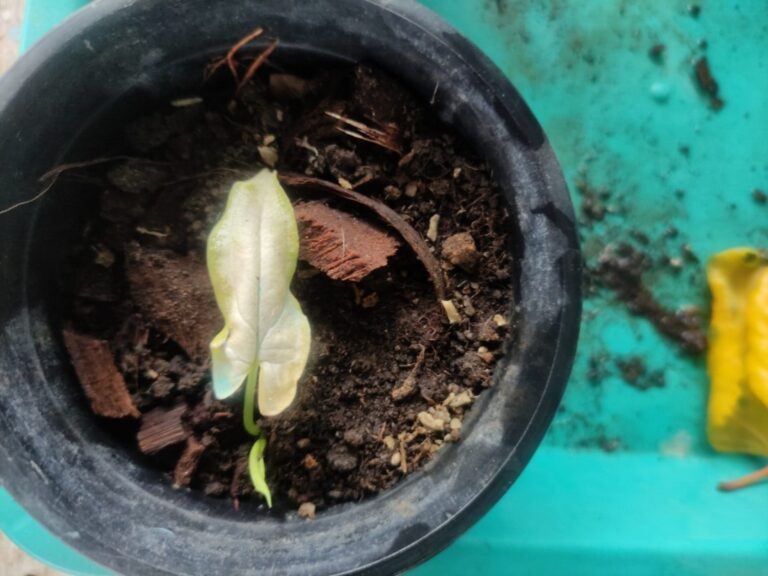
Exactly what happened to my Syngonium on the south side of my parapet wall?.
Even in winter, plants need only the required amount of sun, not 3–4 hours of harsh, direct sunlight. Limited winter sun is helpful, but too much winter sun is absolutely damaging.
Budget Winter Fixes for Terrace Plants
(Especially for Indian terrace gardeners dealing with fluctuating temperatures)
I’m still wondering what else this winter has planned for me, but here are the things I’m already doing:
1. Upgrade Pot Material Before Winter
Switching to terracotta pots helps prevent:
- Root rot
- Excess humidity retention
- Overwatering issues
2. Check Moisture Properly
Topsoil may look dry, but the inner layers might still be wet.
Use:
- A skewer/wooden stick
- Or a moisture meter
- And water using a small, low-pressure watering can
3. Mulching (Use Carefully)
Mulch protects the topsoil from temperature fluctuations, but…
If plants are placed in open areas during winter drizzle, mulch can trap moisture and create fungal issues.
4. Plant Placement is Everything
This alone can save half your terrace problems.
Move plants based on:
- Sun intensity
- Wind direction
- Humidity pockets
- Night temperature drops
Winter is not about doing “more”—it’s about doing the right small things consistently.
1. Stop Winter Damage: One Trick Saves All Your Plants
If winter is already stressing your plants, don’t panic. I’ve shared one simple habit that prevented 80% of my terrace winter problems.
👉 Read the blog: Stop Winter Damage: One Trick Saves All Your Plants
2. Cold-Proof Plants for Pots: Winter Survivors You Can’t Kill
Not every plant can survive our unpredictable Indian winters. But some do—effortlessly.
👉 Discover my list of Cold-Proof Plants for Pots that thrive even in harsh weather
3. 5 Proven Winter Pot Care Tricks Indian Gardeners Swear By
If you want quick, practical winter care tips you can apply today, this post is for you.
👉 Check out 5 Proven Winter Pot Care Tricks Indian Gardeners Swear By
If you’re unsure when to water in winter, this tool removes all guesswork.
👉 Get the moisture meter I personally use and trust (perfect for winter, balcony, and terrace container gardens)
💸 I used to overspend on gardening without realising it. These 4 traps were quietly draining my budget.
My Worst Root Rot Problems Came from My Terrace (Container Drainage Mistakes 2025)
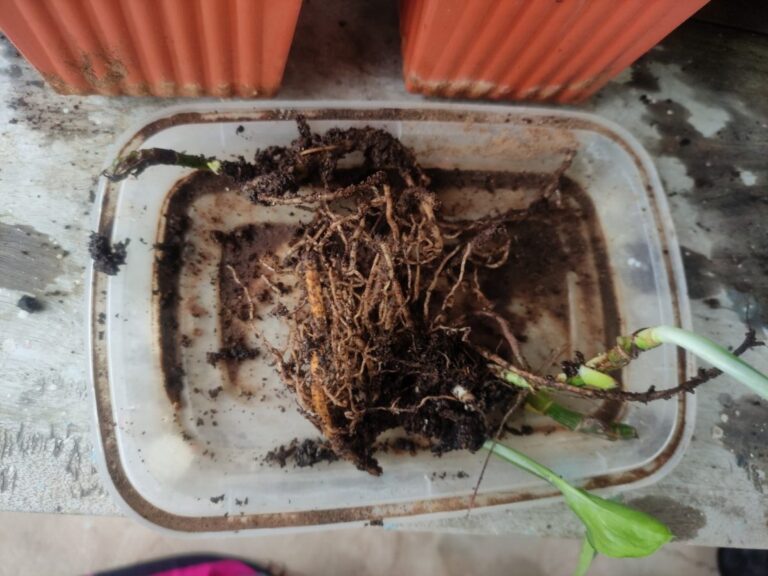
NGL, 2025 was my worst root rot year ever. I lost almost 20 saplings—not big plants, actual young saplings—just because of root rot. And honestly, there were two major reasons behind it:
- I bought most of them online as plug saplings,
- And I underestimated how sensitive these tiny plants actually are.
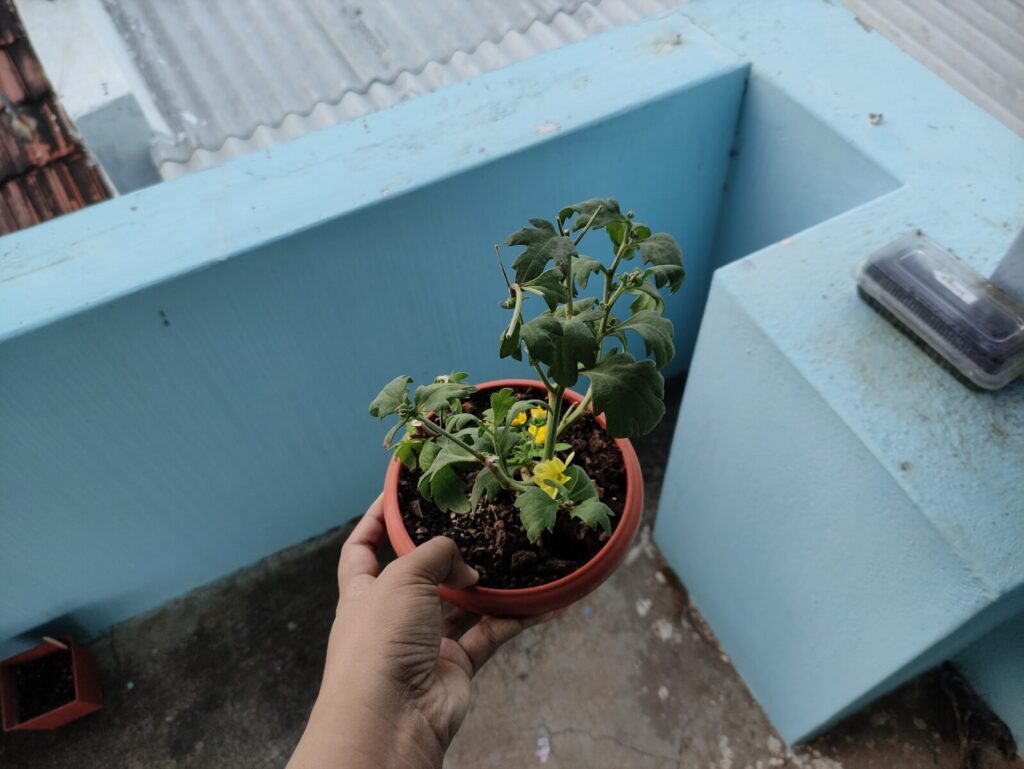
Plug saplings are grown in controlled greenhouse environments, so they’re extremely vulnerable when they reach our real-world terrace conditions. Half of them survived and thrived, but the other half—mostly my chrysanthemums—died because of root rot.
These delicate saplings need extra care in the early stages until they develop a stronger root system. I did try to give them the right conditions:
- clear pots,
- a well-draining potting mix,
- indirect sunlight,
- and airflow.
But still, they rotted.
Why? Because of watering imbalance, skipping fungicide treatment, and a mealybug attack from a nearby Syngonium, all teamed up and made my saplings wilt.
Wrong Timing Made It Worse
The timing of my purchases made everything even more complicated.
First batch — bought in peak summer:
Suddenly, the heatwave hit, the topsoil dried too fast, and I ended up overwatering without noticing. Classic summer trap for terrace gardeners.
Second batch — bought in August:
This batch was supposed to do well, and most of them actually did.
But the chrysanthemums? A total nightmare.
The package arrived almost one month late, and the plants looked dull and stressed right out of the box. No matter how carefully I treated them, most of them didn’t make it.
Lesson Learned: Some Plants MUST Be Bought from Reliable Sources
I learned this the hard way—some plants, especially sensitive ones like chrysanthemums, should be bought from reliable nurseries or trusted plant sellers, even if they cost a bit more.
Buying stressed, weak, or greenhouse-grown saplings in extreme weather is basically inviting root rot.
And Yes… My Carelessness Made It Worse
I have to admit it:
Not cleaning my pots properly added more chaos. Dirty containers hold fungal spores, pests, and bacteria—everything that supports root rot.
Winter moisture + dirty pots + delicate saplings = disaster.
Lesson noted. And never forgotten.
👉 Want to Avoid This Mistake? Read My Pot-Cleaning Guide
If you’re unsure how to clean pots the right way—or you’ve been reusing pots without sanitising them (like I did)—don’t skip this. I’ve written a simple step-by-step guide to help you prevent root rot, fungal spores, and hidden pest eggs from ruining your next batch of saplings.
👉 Read: How to Clean Pots Properly Before Repotting (Terrace Gardener’s Guide)
🪴 If you’re starting fresh in 2026, these 6 goals will save you months of confusion and plant loss. Curious what they are?
Overhead Watering Was My Silent Enemy (Terrace Heat + Direct Sun = Leaf Damage)
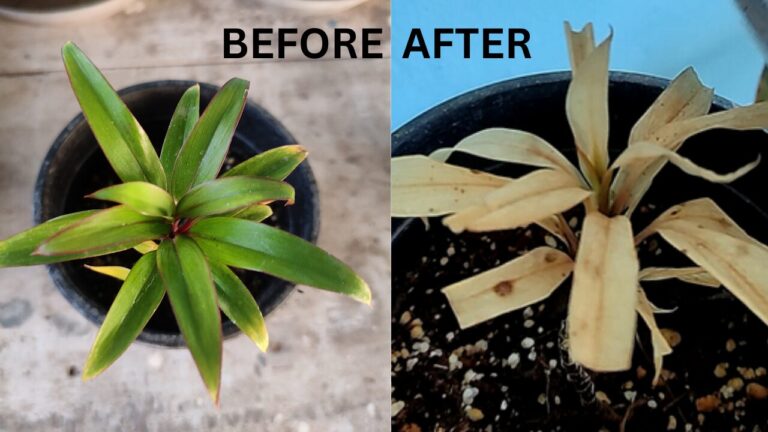
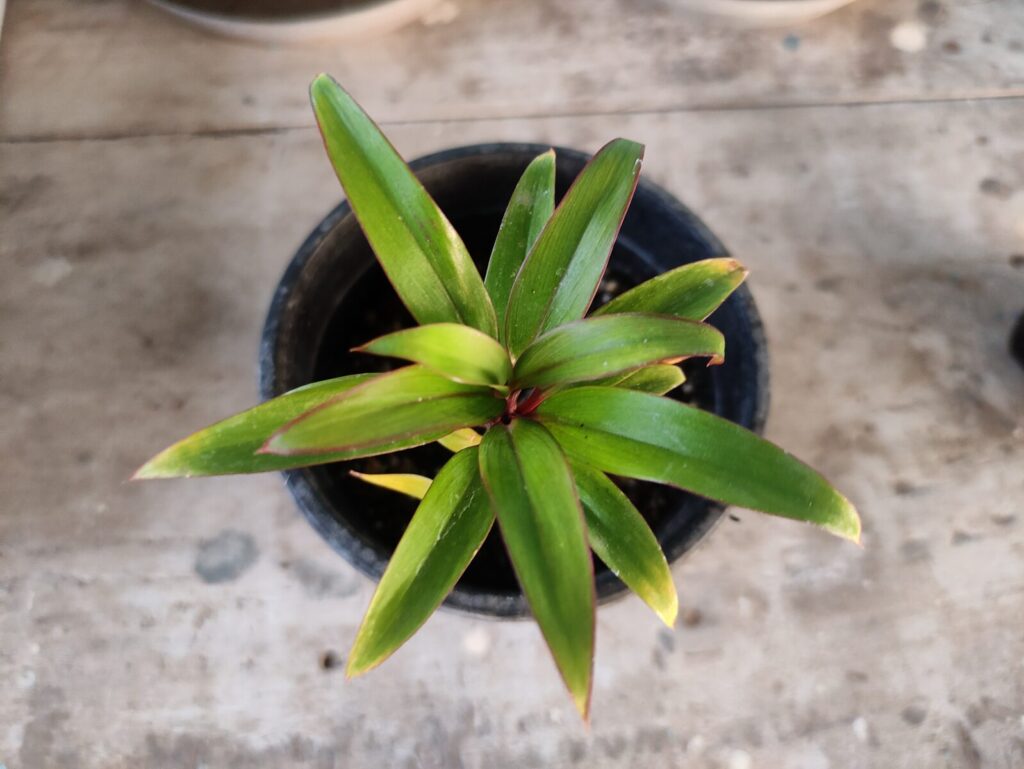
This time, nature and I both went against my plants. I was taking a photo for my blog—trying to make it aesthetic—and I watered my Cordyline overhead. Then I forgot to wipe the leaves. Boom, plant wilted.
And my Purple Lady Iresine, the one with massive foliage that I proudly posted on YouTube?
It was already stressed from mealybugs, and when I washed the leaves to remove them manually, the water stayed on the foliage… and the vulnerable plant died.
Myth: “On a terrace, you MUST water from the top because plants dry faster.”
- NEVER.
I never consciously do this overhead watering nonsense.
But sometimes I zone out and water from the top, or terrace drizzle + strong winds cause accidental overhead watering.
People think this is only an indoor or balcony problem, but overhead watering in terrace container gardening is equally dangerous—especially during monsoon and winter when plants stay moist for longer.
Cold winds, excess humidity, and low night temperatures all make overhead watering a silent killer.
Leaf Burn + Fungal Infections from Sudden Wet–Dry Cycles
A classic winter issue:
The weather swings between intense short-duration sunlight and sudden cold nights.
This kind of fluctuation:
- stresses the plant,
- causes leaf burn,
- invites fungal infections,
- and weakens the root system.
And here’s the hidden part nobody talks about:
Even if your soil is well-draining, once roots get affected, they lose the ability to absorb water properly. So water just sits in the potting mix → leading to overwatering symptoms even when you didn’t actually overwater.
Check Soil Properly—Top Layer Lies in Winter & Monsoon
You have to check the soil every time you water. In peak winter and monsoon, the top layer dries fast, but the middle and bottom layers stay moist, creating the perfect fungal situation.
You need at least 2–3 inches of dryness before watering. Topsoil dryness alone is not enough.
How Windy Terraces Evaporate Water Faster — But Not from the Roots
Terrace gardeners (including me) enjoy great ventilation and good sunlight—NGL, it’s a blessing.
But the same wind brings:
- weed seeds,
- pest larvae,
- fungal spores,
- and worst of all… the top-layer-dry illusion.
The wind dries only the surface—not the root zone.
So we think the soil is dry → we water → and the already moist bottom layer becomes a root rot party.
You only notice the damage when:
- leaves yellow,
- soil stays wet longer,
- or root rot signs appear.
By then, the mistake has already happened.
How to Water Safely on a Terrace
Situations like these need a proper soil-checking habit:
- Always check moisture before watering.
- Only spray the topsoil lightly if your plant needs humidity.
- Avoid deep watering unless you’re sure the entire pot has dried appropriately.
Terrace gardening gives freedom, but it also demands more observation.
🪴 I used to overwater and underwater my plants… until I found these easy watering rules that actually work.
I Didn’t Check for Pests Regularly (Terrace Pests Spread Faster Than Indoor or Balcony Gardens)
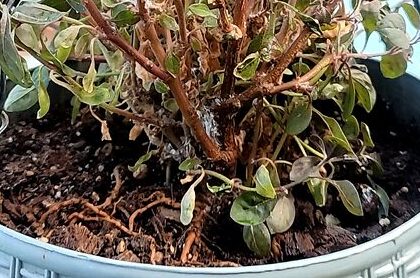
Most of my pest problems start from my hanging plants—the ones above my eye level. And yes, my same old nightmare: mealybugs.
I’ve treated them endlessly, but here’s the truth I learned the hard way:
Plants only survive mealybugs when the infestation is caught early.
Once the infection spreads fully, the chances of saving the plant drop dramatically.
Plants placed below eye level are easy to inspect, but hanging pots hide everything—
- underneath the bushy foliage,
- near the pot rim,
- inside tight leaf clusters.
And these blind spots cost plants, no matter how good your care is.
Even with:
- extra drainage holes,
- well-draining potting mix,
- and good sunlight…
Pests will still sneak into the hidden areas of a terrace garden.
Why Regular Pest Checks Are Non-Negotiable
The only real prevention method is simple but effective:
- Add neem cake powder to the soil,
- thoroughly check plants once a week,
- keep foliage lightly pruned,
- avoid overcrowding,
- and protect new growth.
Early detection is everything.
When you catch pests early, you can break the pest cycle with neem oil or insecticidal soap. Spraying with a 7-day gap usually disrupts their lifecycle and prevents reinfestation.
Hanging Plants Get Hit the Worst
Trust me, hanging plants or plants in unreachable corners are the first ones to get attacked—and the last ones you notice. By the time you spot them, the mealybugs have already spread to stems, new shoots, and even the pot edges.
Unnoticed = uncontrolled.
And uncontrolled = plant loss.
Terrace gardening gives us great ventilation, but it also spreads pests faster than indoor setups. That’s why a simple habit like weekly pest inspection saves more plants than any fertilizer ever will.
🌿 I almost gave up on my plants because of pests… until I found natural remedies that actually work.
✨ Break the Pest Cycle Before It Spreads
A quick reminder: early detection + neem oil is the simplest combo to stop pests from taking over your terrace garden. One spray every week is enough to protect most container plants.
👉 Shop Neem Oil for Terrace Gardening (Beginner-Friendly Option)
Conclusion — Why Making Mistakes Is Normal, Even After 7 Years of Terrace Gardening
If there’s one thing my real gardening experiences have taught me, it’s this:
Mistakes = growth.
Even after seven full years of terrace gardening, I still mess up. Weather changes, plant moods, and unexpected pests keep teaching me new lessons every season. That’s exactly why terrace gardening feels more alive than balcony or indoor setups—it demands seasonal awareness, observation, and the willingness to adjust quickly.
Terrace gardeners don’t get to rely on stable microclimates.
We deal with:
- heat waves,
- sudden rainstorms,
- wind-driven pest attacks,
- scorching winter afternoons,
- unexpected cloudy days…
And all of this shapes how we grow as gardeners. So if you’re just starting your journey and searching for terrace gardening tips in India or terrace plant care for beginners, remember:
You won’t become perfect in one season.
You learn by observing, experimenting, failing a little, and trying again.
Every mistake you make today makes your garden stronger tomorrow.
😳 I didn’t expect these plants to thrive — and I definitely didn’t expect these failures. Curious what really happened?
Let’s Grow Together 🌱
If you found this helpful or if you’ve faced similar plant disasters, share your experience in the comments—I genuinely love reading your stories. Your feedback helps me create better guides, and your questions often inspire my next blog post.
Also, feel free to join my gardening community and check out my YouTube channel for more terrace-friendly tips, plant care routines, and real-time fixes. We’re all learning together, one plant at a time. 🌿💚