Why does consistency matter more than effort in container gardening?
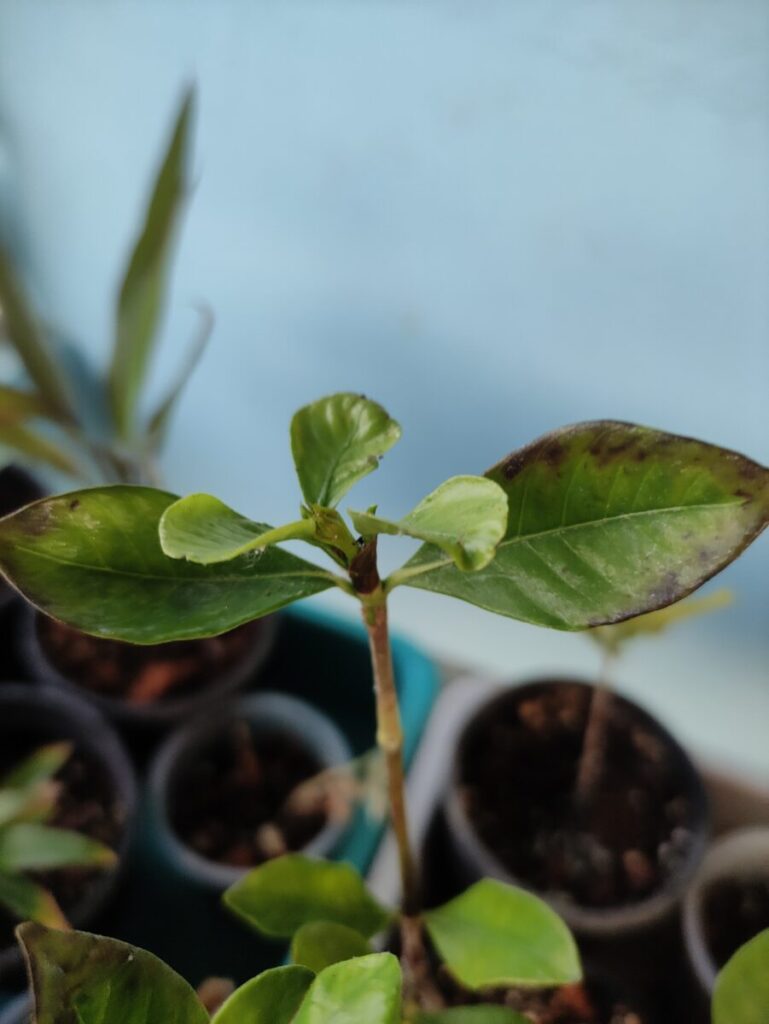
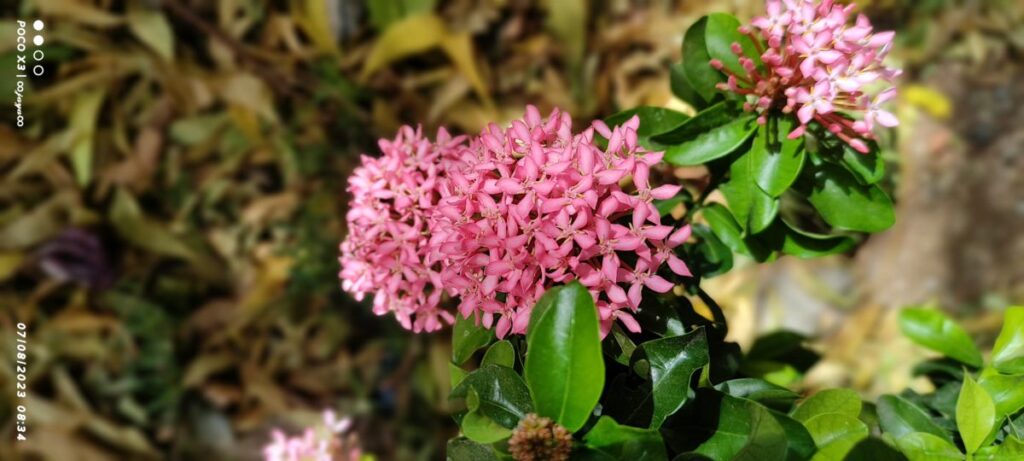
I’ve been doing container gardening since 2018, before that I tried ground gardening. But honestly, my real exploration—and the results I was actually looking for—only began after 2021, when I started taking my potted plants seriously and setting simple plant care routines.
Even now, in 2026, one of my resolutions is still the same: to maintain a consistent garden routine for plant care and basic record-keeping. Because, unlike many other tasks, gardening demands both mental attention and physical effort. When energy dips, stress builds up, or illness hits, the first thing that usually takes a toll is the garden—especially container plants that depend fully on us.
We can stay optimistic, but the ground reality of sticking to a plant care routine through life’s ups and downs isn’t easy. Unless you choose container gardening intentionally—and design routines that work within your energy, space, and climate—it becomes overwhelming very quickly.
If you want results, it’s not just a hobby. It’s a commitment to steady care, so plants can repay that effort with the kind of growth you expect. I’m not perfect—never have been—but I’ve learned to be consistent. And that’s why my plants usually bounce back even after periods of irregular care, especially during extreme weather, busy weeks, or health breaks.
By reading this blog, you’ll understand the importance of consistent plant care in container gardening, the kind of results it brings over time, how to think about a routine without burning yourself out, and a few practical ways to work around common consistency problems that most balcony and small-space gardeners face.
How Do Plant Care Routines Work Differently in Containers vs Ground Gardening?
Why Do Container Plants React Faster to Watering and Fertilizer Mistakes?
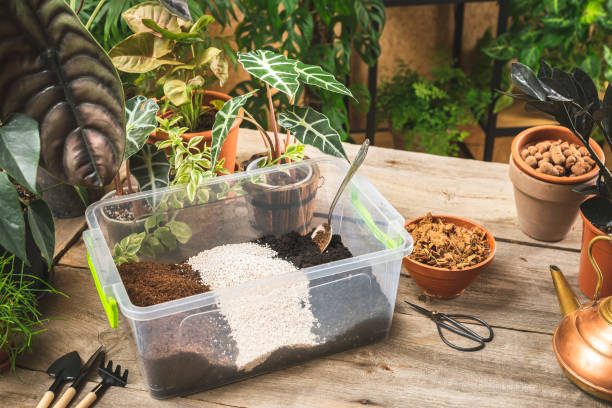
Containers are a limited root–soil space, a semi-controlled environment where plants depend entirely on what we provide. Unlike ground gardening, container plants have restricted access to water and nutrients, and this is where many beginners first notice that overwatering and fertilizer burn affect potted plants much faster than garden soil plants.
In containers, you can’t add extra water or fertilizer “for later.” Any excess stays trapped in the pot and quickly leads to plant stress and root stress. Roots have very limited space, so the natural buffer that exists in ground soil is almost non-existent in pots. This is why small mistakes show big symptoms in container gardening.
What really works here is not more care, but small, consistent care. When you follow this approach, plants receive just enough water, nutrients, and attention without being stressed. The biggest advantage of consistency is that you can adjust based on the plant’s reaction. When care is steady, even minor issues show up early and can be noticed and stopped before they become serious problems.
Why Do Containers Amplify Inconsistency in Plant Care?
Container plants live in a micro-environment inside the pot—the potting mix, root zone, and moisture level—and are also influenced by the external micro-climate, like sunlight, airflow, heat, and humidity. This is where correct pot placement, ventilation, and light exposure start to matter more than people expect.
Potting mix preparation, fertilizer type, watering frequency, sunlight hours, and airflow all fall under these two environments. When these areas are handled with basic but consistent care, many common problems—like pests, fungal issues, and weak growth—are reduced early or avoided altogether, especially in balcony and small-space container gardening.
Planning a container gardening routine is important, but planning it too perfectly often leads to inconsistency. Chasing perfection usually causes burnout. Instead, routines should be designed to take minimal time and energy, while still being repeatable long-term.
Your routine must align with your lifestyle and daily rhythm, not fight against it. Create buffers for busy days, seasonal weather changes, or low-energy periods. Missing one or two days of care won’t kill a healthy container plant—but dropping the entire routine because of a missed schedule often does.
The goal is simple:
“Be consistent, not perfect.”
Why Does Consistent Plant Care Outperform Heavy Effort Over Time?
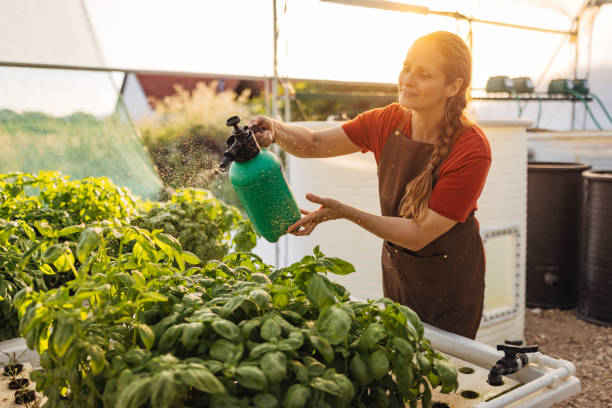
Is One Big Day of Plant Care Worse Than Small Daily Attention?
“I cared a lot last week” and “I cared steadily over months” may sound similar, but in container gardening they lead to very different outcomes. Heavy effort packed into one full day or one week often looks productive, but it’s still inconsistent care.
In containers, even a mealybug infestation can spread across a plant in 3–4 days if it goes unnoticed. When plants are checked only once a week, early signs are missed, and problems escalate fast.
Rigid scheduled watering is another common issue. Even when plants are placed in the same space, they don’t behave the same way. They may belong to different plant families, sit in different pot sizes, use different soil mixes, and receive different amounts of sunlight. Because of this, soil can dry faster in one pot and stay wet longer in another. Sticking to fixed watering schedules often leads to overwatering or underwatering, both of which stress container plant roots very quickly.
🪴 Overwatering and underwatering aren’t opposites — they’re often the same mistake. See what actually happens inside containers
The same logic applies to fertilizers, pruning, and repotting. The right timing is decided by the plant, not the calendar. When I talk about routines, I don’t mean one care day a week or one big session a month. I mean 15–30 minutes of daily observation, where you notice signs—watering when the top 2 inches of soil are dry, spotting pests early and isolating affected plants, identifying pruning or repotting needs, and then planning a proper garden care day later in the week.
That ongoing observation is the routine.
What Patterns Become Visible After Years of Inconsistent vs Steady Care?
From my experience, pouring extra love into plants after days of underwatering only pushes them into stress recovery mode, not growth. The same happens with other neglected care. Understanding fertilizer timing and quantity for each plant type matters, especially before nutrients are fully depleted.
Balanced watering—guided by simple soil checks—keeps plants hydrated without root damage. Pruning at the right time prevents plants from wasting energy on dead or diseased parts and reduces pest attraction. Regular plant rotation avoids leaning growth and uneven foliage caused by directional sunlight, especially in terrace and balcony container gardening. Proper ventilation also plays a big role in preventing pest and fungal problems.
All of this falls under routine observation and planned care days. These routines exist to catch issues early and act at the right time, not to follow rigid dates or fixed schedules.
Do Plants Adapt to Predictable Care Patterns in Containers?
In containers, plants adapt better to consistent, minimal care than to occasional overcare. The limited root space simply can’t handle excess water or fertilizer at once. But small, repeated care over time keeps plants stable and thriving.
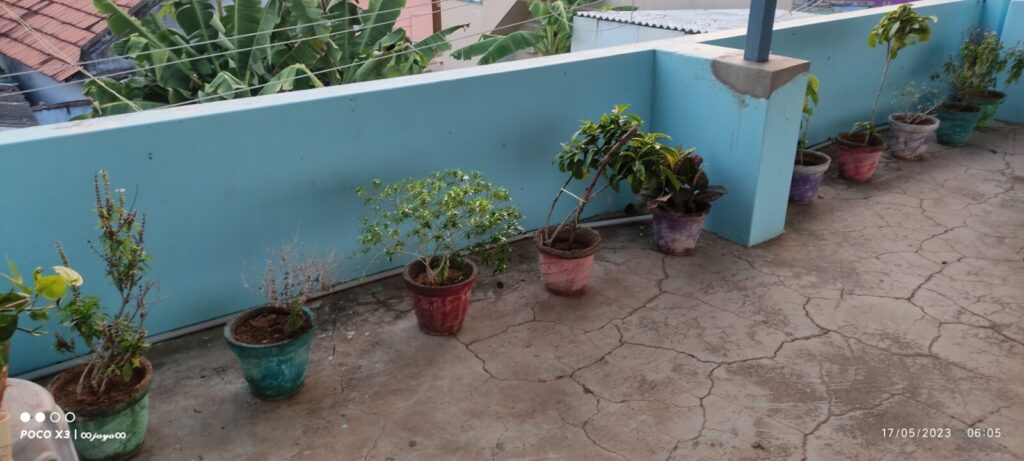
One honest truth from my own terrace container gardening journey is this: the first 5–6 years of inconsistent care didn’t teach me much about what my garden actually needed. The real learning came when I started spending 15–30 minutes a day, with at least one focused garden care day after observing plant needs.
Daily observation, combined with simple record-keeping through a garden journal, helped me understand patterns—what declined, what recovered, and why. It’s not an exciting task, and honestly, it can feel boring. But this is exactly where my plants started to thrive.
Is Consistency a Low-Energy, Low-Cost Way to Maintain Plant Health?
Not everyone is a full-time gardener, and most home gardeners don’t have hours to spend on plants every day. I certainly don’t. On most days, it’s just 15–30 minutes, and even on busy days, I try to do at least a 15-minute walk-through.
When I know busy periods are coming up, I do a full garden check in advance and ask family members to water only specific plants placed in clearly marked spots. That small preparation prevents major setbacks.
If gardening is a hobby alongside a busy life, choosing plants wisely and learning the basics allows for targeted care in minimal time, instead of spreading energy thin across too many needs. For frequent travelers, keeping plant counts low and selecting hardy container plants that tolerate irregular watering and need less fertilizer makes consistency realistic.
Consistency doesn’t demand more effort—it reduces stress, cost, and burnout for both the gardener and the plants.
What Do Beginners Often Misunderstand About Plant Care Routines?
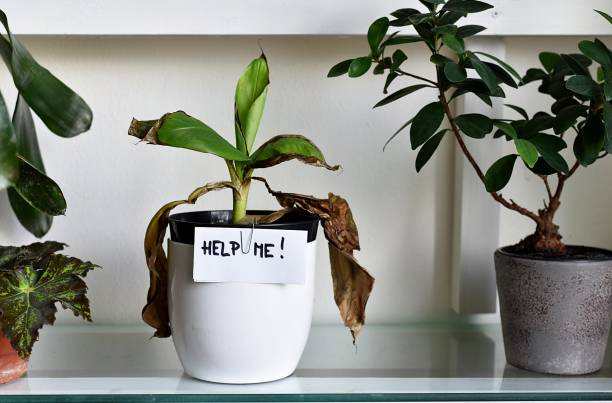
There’s a lot of confusion around what a “garden routine” actually means. Many beginner gardeners get overwhelmed by care sheets, influencer advice, and short-form content that pushes one-size-fits-all routines. Some clickbait or inexperienced advice even promotes scheduled watering as the correct approach, without considering plant type, pot size, or climate.
Before building any routine, it’s important to spot these red flags early, so your plant care system actually supports you—rather than draining your energy or harming your plants.
Is a Routine the Same as Rigid Timings and Fixed Schedules?
One common misunderstanding is confusing routines with rigid timings. Fixed schedules may still work for some fertilizer feeding, but even then, seasons matter. You can’t follow the same fertilizer timeline throughout the year when plant growth changes with weather, temperature, and daylight.
Fertilizer types and frequency need to shift based on growth stage and seasonal conditions, especially in container gardening. Rigid watering schedules, however, are one of the fastest ways to stress or kill potted plants. Watering should always be guided by soil moisture checks and visible plant signals—not by the calendar.
Container plants should never be left bone dry or constantly soggy. Ignoring this balance leads to root stress, nutrient lockout, and long-term decline.
Does Putting in More Effort Automatically Lead to Better Results?
Another misunderstanding is believing that effort equals results. Buying expensive soil mixes or fertilizers won’t fix plant problems overnight without consistent, basic care. Healthy container plants depend on steady routines that include watering, feeding, sunlight rotation, spacing, ventilation, pruning, repotting, and early pest or disease control.
These routines should never be rigid. They must remain flexible to match local climate changes, seasonal weather, and your growing space. From choosing the right plant to placing it correctly and adjusting care during seasonal shifts, container gardening works as a connected system, not isolated tasks.
If this sounds technical, it doesn’t have to be. Keeping it simple—knowing the basics, doing daily observation, planning one proper care day, and maintaining garden cleanliness—is enough for most beginners.
Picture-perfect routines often look good online but break down quickly in real life. Missing one step can feel discouraging and lead to giving up entirely. That’s why routines should be built around your lifestyle, energy levels, and time availability. It’s okay to be imperfect. Build buffers, accept small gaps, and focus on the long game. Consistency over time matters far more than doing everything perfectly.
Conclusion – Building a Sustainable Rhythm, Not a Perfect System
If there’s one thing container gardening has taught me over the years, it’s this: plants don’t thrive on intensity, they thrive on reliability. Doing a lot once in a while feels productive, but what actually keeps plants healthy is small care that happens again and again, even on low-energy days.
For beginners especially, the biggest shift is learning to observe your own habits honestly. How much time can you realistically give? Which days are usually busy? When do energy dips happen? A routine that ignores these realities will always break, no matter how well it’s planned.
Instead of building routines that look impressive, build ones you can repeat without stress. A few minutes of daily observation, paired with flexible care days, does far more for long-term plant health than strict schedules or complex systems. Container gardening works best when routines bend with seasons, weather, and life—without completely collapsing.
As you move forward, this foundation makes everything else easier. In the upcoming guides, we’ll go deeper into:
- finding the right watering rhythm for pots
- understanding feeding cycles without overdoing fertilizers
- adjusting care for seasonal and climate changes
- building simple observation habits that prevent problems early
All of these work only when placed on top of a steady, repeatable routine.
If you ever feel lost or overwhelmed, come back to the master container gardening pillar to reconnect with the basics and see how each part fits into the larger system. Container gardening isn’t about chasing perfection—it’s about creating a rhythm that both you and your plants can live with, grow in, and sustain over time 🌱
🌱 Start Here: Learn Container Gardening the Right Way
If you’re new to container gardening—or if your plants haven’t been doing as well as you hoped—you’re not alone. Most beginners struggle not because they don’t care, but because the basics are scattered, confusing, or explained without real-world context.
This Start Here guide brings all the core container gardening fundamentals into one place—no shortcuts, no pressure, and no unrealistic routines.
You’ll learn:
- How container gardening actually works (and why it’s different from ground gardening)
- What plants really need on a day-to-day basis
- How to build simple care routines you can actually maintain
- How to avoid common beginner mistakes before they cost you plants
- How to adapt care to small spaces, busy schedules, and changing seasons
This isn’t about perfection or expensive setups. It’s about understanding the system, building confidence, and growing plants steadily—even with limited time, space, or budget.
 Start with the Container Gardening Basics Guide
Everything else on this site builds from there.
Begin once. Learn slowly. Grow consistently. 
 Prefer Learning by Watching?
If reading feels heavy or you want to see how container gardening actually works in real life, head over to my MPG YouTube channel.
I share short, practical videos on:
-
Real container plant care routines
-
Common beginner mistakes (and what actually helped)
-
Balcony & terrace gardening realities
-
Slow, consistent gardening—not perfection
Watch and learn on the MPG YouTube channel
Grow at your own pace, with real examples—not staged gardens.
Subscribe if it helps. Come back anytime.