Why Pests and Diseases Behave Differently in Container Gardening?
When you feel like plant pests appear magically, join the club—I used to think the same way. It took me years of container gardening to realise that pests and diseases don’t show up overnight. They creep in slowly through the blind spots of our care routines and the small mistakes we make unknowingly.
In container gardening, pests rarely arrive suddenly. They build up over time due to repeated container gardening mistakes. And once they flare up, they spread much faster than most beginners expect. If they aren’t treated properly and the surrounding conditions aren’t corrected, the same pests will keep returning—moving from one potted plant to another again and again. It isn’t bad luck. It’s usually a gap in pest care or plant hygiene.
Container plants grow in a controlled micro-environment, but that control comes with restrictions. Compared to ground-bed plants, roots in pots experience more stress because of limited space, limited soil, and limited margin for error. When this root stress combines with even small routine mistakes—like inconsistent watering or poor airflow—it creates the perfect opening for pests and plant diseases in containers.
Limited soil volume in potted plants often leads to excess moisture being held in the soil, especially during humid or rainy seasons. This encourages fungal growth and attracts pests. Crowded placement, poor air circulation, and shaded balcony corners become ideal hiding spots for insects. Using garden soil alone without proper soil amendments further worsens the problem, something many beginners in container gardening don’t realise early on.
Stop guessing in container gardening.
Learn the basics properly with free, detailed blogs updated weekly. Start with a clear roadmap—not trial and error—and build your container garden with confidence.
Visit the Start Here page to begin your gardening journey the right way. 🌱
Heat retention in pots—especially plastic, cement, and metal containers—is another overlooked issue in hot climates. In summer, these pots trap heat and raise soil temperature, stressing the roots. A stressed plant becomes far more vulnerable to pest attacks, even if watering and feeding seem “correct” on the surface.
In urban environments like balconies, terraces, and indoor gardening spaces, limited space alters the micro-climate around each pot. Light exposure, airflow, and humidity behave very differently than in open ground. When this restricted environment combines with a lack of awareness about basic container plant care, pest problems can develop in no time.
Interestingly, in my ground beds, issues like root rot and mealybugs still exist—but I have far less control there. I can’t easily change the soil, repot plants, or catch early pest signs before a flare-up. In container gardening, though, pest control becomes much easier once you learn to observe early symptoms and follow a consistent routine using organic pest control methods.
If you’re struggling with recurring pests in your container garden, read the full blog to understand what’s really happening—and how awareness, not panic, is the first step to breaking the cycle.
How does plant stress cause pests in container gardening?

As I said earlier, pests usually enter our container gardens through tiny mistakes and blind spots we don’t notice at first. Plant stress is a key factor that makes plants vulnerable to pests and diseases—but the real question beginners ask is: where do these pests actually come from, and what opens the window for them?
From my experience, pests and diseases in container gardening often start due to:
- Using non-sterilized garden soil that already contains pest eggs or fungal spores
- Reusing pots and garden tools without proper cleaning
- Skipping deep cleaning after a pest attack, allowing residue to remain
- Ants carrying pest eggs and residue, spreading infestations between pots
- Keeping plants overcrowded in small balcony or terrace spaces
- Frequent overhead watering, especially in humid weather
- Leaving plant debris in the garden for long periods
- Composting pest-affected plant parts, which reintroduces problems
- Using excess fertilizer or poorly processed organic inputs
- Bringing in unchecked nursery plants already carrying pests
- Poor plant maintenance—no pruning or timely trimming
- Excess moisture in the environment is common during monsoon or low-airflow.
Moist soil + still air = the perfect fungal environment.
Click to understand how it develops
Individually, these may look harmless. Together, they quietly create the stress loop that attracts pests in container plants.
How does overwatering cause pests in potted plants?
This is where overwatering damages plants—not instantly, but internally. Excess water stays trapped in the soil’s air pockets, blocking oxygen flow to the roots. This weakens root function and slows overall plant processes, increasing stress rather than growth.
When airflow is poor, fungal growth increases, which attracts ants—and ants often lead pests straight to stressed plants. Constant moisture on the topsoil encourages algae formation, another early sign of imbalance that draws insects.
Unaware watering patterns—swinging between overwatering and underwatering—push plants into repeated shock cycles. At this stage, plants spend most of their energy just recovering from stress, not growing or defending themselves. That’s when pests and diseases in containers take hold easily.
Can excess fertilizer attract pests in container gardening?
Even organic fertilizers can cause problems when used too often or without considering season, plant stage, or nutrient balance. Repeated feeding without proper gaps can lead to nutrient spikes—especially excess nitrogen—which results in soft, fast foliage growth.
This kind of growth looks healthy on the surface but is highly attractive to pests. In some cases, plants focus energy on leaves, flowers, or fruits while roots remain stressed or damaged. That’s why healthy-looking leaves don’t always mean a healthy plant.
In container gardening, pest and disease symptoms often appear late on foliage—sometimes only after root damage has already progressed. This delay is what confuses beginners and makes pest problems feel sudden, even though the stress has been building quietly.
Why do pests multiply quickly in potted plants?

Unlike ground-bed gardening, pests in potted plants spread extremely fast once they settle in. I learned this the hard way. I lost hanging pots simply because they were above eye level—I couldn’t notice the early signs, and within a week pests were already farming there. In just two or three days, they spread across the entire plant.
This is where routines matter. When you follow a consistent observation routine, you can catch early pest signs before they explode. Treating pests early—using organic neem oil or organic pest control methods and breaking the pest cycle—is far more effective than trying to save severely affected plants later. Once the spread reaches that stage, recovery becomes difficult, especially in container gardening.
Does overcrowding cause pests in container plants?
Because of space limits, we often grow many pots close together on balconies and shelves. It may look productive, but are the plants actually healthy and thriving? In most cases, no.
Plants need air space for ventilation, movement space to grow, and even human space for proper care. Overcrowded plants lack airflow, receive uneven sunlight, and create hidden spots where pests can settle undisturbed. This constant stress—combined with poor ventilation—makes pest spread much easier in container gardens.
Can reused pots and soil spread pests?
Reusing pots and soil sounds budget-friendly—until you start losing plants and spending repeatedly on pest control. When pots are reused without proper cleaning, drainage, and aeration, excess moisture builds up and attracts pests while encouraging soil-borne diseases.
Garden soil reused without sterilization often carries plant debris, pest eggs, weeds, and fungal spores. These remain dormant for a while and then slowly re-activate, spreading pests from one pot to another. This quiet reinfestation is one reason pests seem to “keep coming back” in container gardening.
Why do indoor container plants get more pests?
One downside of container gardening—especially indoors or in high-rise buildings—is the lack of natural predators. In open ground, beneficial insects help keep pest populations in check. In balconies and indoor spaces, that balance is missing.
From my experience, when organic fertilizers and organic pest control practices are used consistently, plants slowly begin attracting beneficial insects. This doesn’t eliminate pests completely, but it helps reduce uncontrolled pest multiplication over time.
How does night watering increase pest problems?
This is where night watering often goes wrong. Ideally, watering should be done in the morning—before 10 a.m. Evening or night watering keeps the soil moist for longer hours, especially in warm and humid climates.
Still air combined with prolonged moisture turns pots into pest breeding hubs. Without sunlight and airflow to dry the soil surface, pests multiply faster, and fungal issues develop quietly overnight.
Can one potted plant spread pests to others?
In container gardening, one infected pot is enough to affect an entire cluster. Pots placed close together allow pests to move easily between plants—often before visible damage is noticed. This is why pest spread in pots feels sudden, even though it starts small and local.
Why do my potted plants keep getting pests?
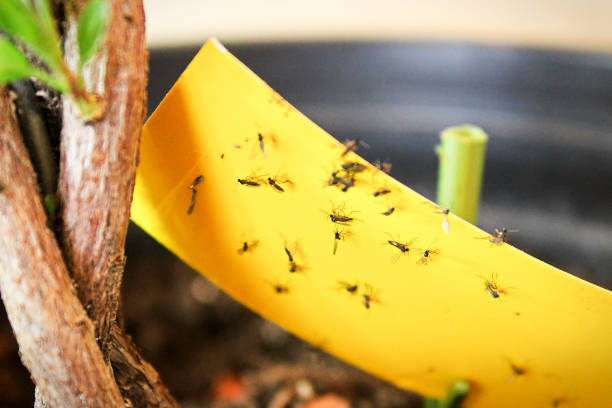
One of the most confusing parts of container gardening is doing “everything right” and still facing repeated pest and disease problems. I’ve been there. Over time, I realised that most issues weren’t caused by neglect—but by misunderstandings about how pests actually work in pots.
“Pests Mean Poor Cleanliness”
This is one of the most common assumptions beginners make. When pests appear, we immediately blame hygiene or think we’ve done something wrong. In reality, pests don’t arrive because a garden is “dirty”—they appear when plants are stressed.
Even well-maintained container gardens can attract pests if the soil stays wet too long, roots lack oxygen, or airflow is limited. Clean pots alone don’t prevent pests if the plant is already struggling inside the container.
“Organic Gardening Has Fewer Pests”
Organic gardening reduces chemical damage, but it doesn’t eliminate pests—especially in container setups. I learned this after repeated losses, even while using only organic inputs.
In pots, organic fertilizers can still create nutrient imbalances, and organic soil can still hold excess moisture. Without natural predators and open airflow, pests can thrive regardless of whether the garden is organic or not. Organic methods support long-term balance, but they don’t make plants immune.
“More Spraying Means Better Protection”
This misunderstanding often comes from panic. When pests show up, the instinct is to spray more—more often, and on every plant nearby.
In container gardening, this usually backfires. Repeated spraying without understanding the cause disrupts the plant’s natural recovery cycle. It may reduce visible insects temporarily, but it doesn’t stop pests from returning because the underlying stress remains.
Confusing Pest Damage With Disease Symptoms
Another common beginner mistake is misreading symptoms. Yellow leaves, curling growth, spots, or sudden drooping can look like pest damage—but they’re often signs of disease, root stress, or watering imbalance.
In pots, diseases often begin below the soil surface. By the time pests are visible on leaves, the real issue may already be affecting the roots. This confusion leads to treating the wrong problem and wondering why nothing improves.
Treating Visible Insects Without Addressing Root Conditions
This is one lesson I learned only after losing plants repeatedly. In container gardening, what you see on the surface is rarely the full picture.
Pests usually target plants that are already weakened by root stress, compacted soil, poor drainage, or repeated moisture imbalance. Removing insects without understanding what’s happening below the soil line allows the same pests to return—sometimes even stronger.
Why Observation Beats Reaction in Container Gardening
Over time, I learned that reacting fast isn’t the same as observing well. Container plants change quickly, but they also give subtle early signals—slight color shifts, slowed growth, soil behavior, or leaf texture changes.
Once you learn to observe patterns instead of reacting to damage, pest problems stop feeling random. They start making sense.
This mindset naturally prepares you for deeper learning—like identifying pests versus diseases, understanding stress signals, and developing an observation-based container gardening routine rather than relying on constant intervention.
How to prevent pests in container gardening?
Once you understand why containers are more vulnerable, pest problems stop feeling random or intimidating. Over time, I realised that container plants aren’t weaker than ground-grown plants—they’re simply more sensitive. Small changes in water, soil, heat, or airflow affect them faster, which is why pests appear sooner and spread quicker.
In container gardening, prevention isn’t about controlling every insect or reacting to every symptom. It’s about balance. When plants grow in stable conditions—with manageable stress and consistent care—they naturally become less attractive to pests. This balance develops through awareness, not constant intervention.
Another shift that changes everything is learning to think long-term. Short-term reactions—spraying, moving pots, or panicking—often create more stress than relief. A steady rhythm of observation, routine, and understanding works far better than quick responses driven by fear. Once I stopped chasing pests and started observing patterns, my gardening approach became calmer and more effective.
Mastering container ecology also reduces pest fear. When you understand how soil behavior, root space, moisture, and heat interact inside a pot, pest issues stop feeling like failures. They become signals—indicators that something needs attention, not panic.
If you’re starting or restarting your container gardening journey, this understanding matters. The Container Gardening Fundamentals master guide brings these concepts together and helps you see the bigger picture before diving into specific problems. From there, you can explore focused guides on seasonal pest patterns, soil life in containers, pot materials and heat stress, and observation-based plant health—each building on the same foundation.
Container gardening doesn’t need guesswork. It needs awareness, patience, and a roadmap that respects how pots actually work.