What is fertilizer in potted plants?
Whether it’s ground-bed garden soil or a potted soil mix, the primary role of soil is to create structure—with air pockets and a non-compact environment that allows roots to spread easily. Good soil structure improves oxygen flow, supports proper water drainage, and reduces problems like root rot, fungal infections, pest buildup, and overwatering stress. All of this indirectly supports healthy photosynthesis and overall plant function.
However, pause here—this soil structure alone does not automatically supply enough macro or micronutrients needed for sustained plant growth in containers. This is where fertilizers come into the picture. In container gardening, fertilizers act as the main nutrient source, especially once the limited nutrients in the potting mix are used up. Using organic fertilizers based on the season, plant type, and growth stage, and maintaining the right gap between applications, helps plants grow steadily without stress.
Why fertilizer works differently in containers than in ground soil
Containers are closed systems. Unlike ground soil, nutrients do not naturally replenish through soil life and decomposition. Whatever nutrients leave the pot—mainly through watering—are gone unless replaced. Over long days of watering, especially in warm or tropical climates, nutrient loss happens faster in pots.
At the same time, containers cannot be overfed in the name of improving nutrition. Even organic fertilizers, when applied in excess quantity or too frequently, can burn container plants. Overfeeding often leads to pest attraction, salt buildup, and root stress caused by dehydration rather than visible nutrient deficiency. This is a common container gardening problem beginners face when trying to “fix” slow growth quickly.
Is fertilizer the same as soil or compost for container plants?
- Soil = Provides structure for the potting mix, maintains air pockets, prevents compaction, and allows proper oxygen flow to roots.
- Compost = Adds organic matter and slow nutrition. It introduces beneficial microorganisms that gradually improve soil health, root structure, and nutrient availability over time.
- Fertilizer = Supplies direct nutrients to plants. Unlike compost, fertilizers deliver specific macro and micronutrients that plants can access more immediately.
Understanding fertilizer contents and how they behave at different growth stages is important. For example, during the vegetative stage—from seedling to sapling—plants generally prefer higher nitrogen for foliage growth. Likewise, plant type, growth phase, and even seasonal conditions influence how fertilizers work in container gardening. Matching the right nutrient at the right time is more important than applying more.
Why beginners often confuse these roles and overdo one expecting another
Soil and soil amendments are meant to support root comfort—better aeration, fewer drainage issues, and reduced root stress. Fertilizers, on the other hand, exist to supply macro and micronutrients through the soil so plants can grow, flower, and fruit properly.
When these roles are misunderstood, beginners often expect soil or compost alone to drive growth, or they overuse fertilizers to compensate. This imbalance leads to common issues like weak growth, pest problems, or fertilizer burn in potted plants.
Knowing the patterns and roles of every gardening input—soil, compost, fertilizer—helps you understand when and what to use, especially within budget limits and small-space container setups. Read this blog fully to gain clearer insight and awareness about fertilizers before buying one for your potted plants, so your choices support long-term plant health instead of quick fixes.
Why do container plants need fertilizer?
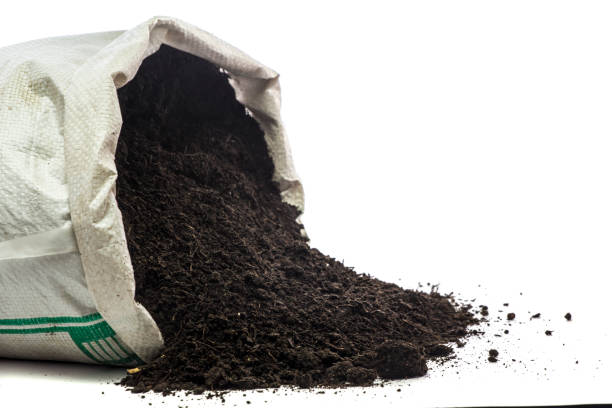
Whether it’s ground-bed gardening or container gardening, fertilizers play an important role in plant growth. Preferably, organic fertilizers for container plants are safer because they reduce side effects like salt buildup, post-feeding dehydration, and plant burns.
In ground beds, fertilizer quantities are usually higher because the soil volume is large and nutrients spread naturally. But in container gardening, the pattern is completely different—small quantities fed at the right time gaps work better than heavy feeding. Containers simply cannot hold or buffer excess nutrients the way garden soil can.
How nutrients get used up faster in pots
In potted plants, soil space is limited. Because of this, excess fertilizer causes more side effects than results. It’s natural for plants to experience slight dehydration after fertilizing, which is why balanced watering after fertilizer application is important.
Avoid excess watering that leaches nutrients out of the pot and creates overwatering problems. At the same time, insufficient watering increases root stress. Balance is the key in container plant nutrition.
Since fertilizers are given in small quantities, nutrients usually get leached out through regular watering within 4–6 weeks. After that, plants need a nutrient top-up for stable growth. Switching organic fertilizers based on plant growth stage helps plants use nutrients efficiently.
- During the vegetative stage, plants mainly need nitrogen for foliage growth, along with some phosphorus for root development.
- For flowering plants, once foliage is established, phosphorus supports blooming, while balanced NPK helps fruiting and vegetable growth.
- For foliage plants, feeding should stay minimal—just enough to maintain steady growth without forcing it.
What happens when container plants don’t get enough nutrients
Without proper nutrients, container plants struggle to grow. Growth may pause, plants look weak, and sometimes foliage remains healthy but there is no flowering or fruiting. These are common signs of nutrient deficiency in potted plants.
At the same time, overfeeding—either too frequently or in excess quantity—does not solve this problem. Knowing the nutrient value and behavior of organic fertilizers, and matching them to the plant’s growth stage, matters more than feeding often.
When it comes to seasonal fertilizer use, timing is critical. In peak summer, fertilizers can increase dehydration due to heat stress. During monsoon, applying fertilizer while plants are exposed to heavy rain is often wasted effort because rainwater quickly leaches nutrients away. In winter or high-humidity weather, liquid fertilizers or wet manures can increase fungal growth and overwatering issues.
Understanding these seasonal patterns helps prevent common fertilizer mistakes in container gardening and supports long-term plant health instead of short-term growth spikes.
Why does fertilizer damage container plants?
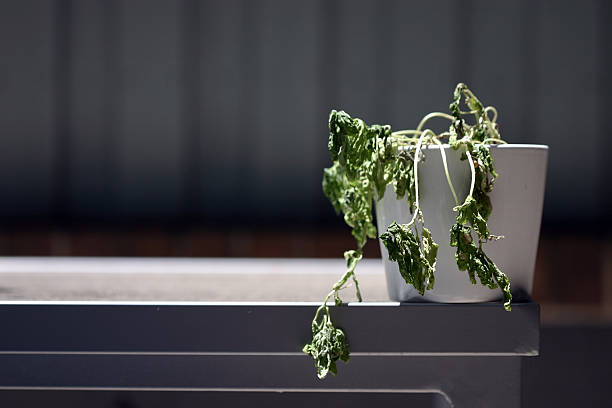
Does more fertilizer mean faster growth in pots?
No. That’s the most honest answer.
In potted plants with limited soil space, growth depends more on a consistent care routine than on excess quantity. A proper routine of fertilizer feeding, balanced watering, and basic plant care benefits container plants far more than heavy feeding done once in a while.
Excess fertilizer and frequent feeding—even when using organic fertilizer for container plants—often backfire. Over time, this leads to salt buildup in pots, which blocks proper water movement, reduces air pockets in the soil, and interferes with drainage holes. After fertilizing, plants naturally experience mild dehydration; when excess fertilizer is added, this dehydration turns into underwater stress, even if the soil looks wet.
🌿 More effort doesn’t always mean healthier plants — sometimes it does the opposite. Discover the hidden power of plant routines
Another issue is nutrient imbalance. Excess of a single nutrient can attract bugs, snails, and other insects. Ants are especially problematic because they act as carriers for pests like aphids. Overfeeding can quietly turn a healthy container into a pest magnet.
Foul smells caused by excess compost or fertilizer can also attract house bugs, reptiles, and other animals. I experienced this in my own front yard when I overfed compost—earthworms multiplied rapidly, which then attracted insects and even nearby hens, disturbing my potted plants. These are very real side effects of overfertilizing container plants that don’t get talked about enough.
Why healthy-looking soil can still produce nutrient-starved plants
In container gardening, experience helps you slowly learn how to identify and classify plant signals to diagnose issues correctly. Most of the time, foliage looks fine until the problem becomes serious.
This is especially common in nutrient-starved potted plants. Growth pauses while the plant continues to look “okay” for weeks—no visible pests, no yellowing leaves, but also no flowers, fruits, or new growth. Even foliage plants may stay green yet grow very slowly. At first glance, you may assume the plant is healthy simply because the leaves look fine.
Only when you observe closely—over time—do you notice stunted growth and lack of progress. This slow decline is often misunderstood in container gardening, where limited soil volume hides nutrient issues longer than expected.
How often should container plants be fertilized?
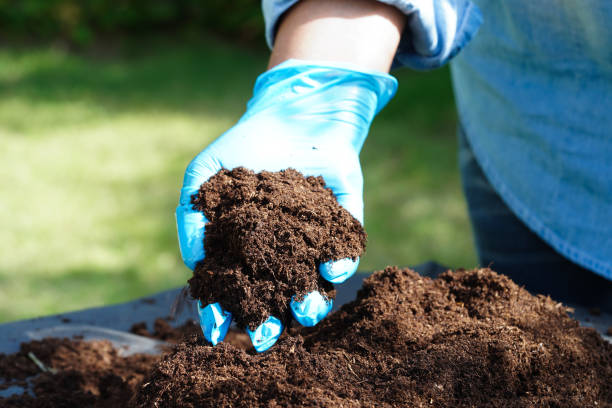
To put it simply, fertilizing container plants depends on plant type, plant growth stage, and pot size. Plant type decides whether a plant is a heavy, medium, or light feeder.
Edible crops—especially short-term vegetables, fruiting plants, and fruit trees grown in pots—are generally heavy feeders. They need regular nutrient support, usually at least once every 4 weeks, even if it’s only compost or mild organic fertilizer.
Flowering plants, herbs, and leafy greens fall under medium feeders. They are not as nutrient-hungry as vegetables or fruiting plants, but they still need feeding every 4–6 weeks. During flowering or blooming seasons, plants use more phosphorus to support blooms. After the blooming season, pruning flowering plants increases the need for nitrogen to support fresh foliage growth.
Herbs and leafy greens usually perform well with compost and mild organic feeding. Overfeeding—especially close to harvest—often makes herbs and leafy greens bitter, which is a common mistake in container gardening.
Foliage plants like houseplants, shrubs, and succulents need the least feeding, usually once every 6–8 weeks. Overfeeding these plant types does more harm than good.
Why fertilizing on a schedule isn’t always right for potted plants
Even within the same plant category, pot size controls the quantity, not the calendar. In smaller pots (around 4 inches), nutrient needs are very limited. If using compost or manure, about ¼ of a handful is enough. If using powdered or granulated organic fertilizer, ¼ spoon works better than more.
As pot size increases to 8–10 inches, feeding can be increased to ½ quantity, and for pots above 10 inches, closer to 1 cup of compost or 1 spoon of organic fertilizer is usually sufficient.
In small containers with limited root space, excess fertilizer causes root burn, salt buildup, and clogged drainage, instead of improving growth. This is why fertilizing potted plants strictly by schedule often leads to problems.
Seasons also change how fertilizers behave. In summer, fertilizer can increase dehydration stress more than expected. During monsoon, rainwater easily leaches nutrients out of pots. In winter or high-humidity weather, fertilizers stay moist longer, increasing the risk of fungal growth and overwatering issues.
What “light but consistent feeding” means in real life
Expensive chemical fertilizers don’t work magic overnight. They may show faster visual results, but the side effects often shorten a plant’s lifespan in containers.
Choosing a slow-release organic fertilizer for container plants is not only more affordable but also better for long-term gardening. It supports slow, steady growth without sudden stress, nutrient spikes, or hidden damage.
In real life, light but consistent feeding helps container plants grow steadily and thrive over time—without forcing growth or risking plant health.
How do fertilizers fit into container plant care?
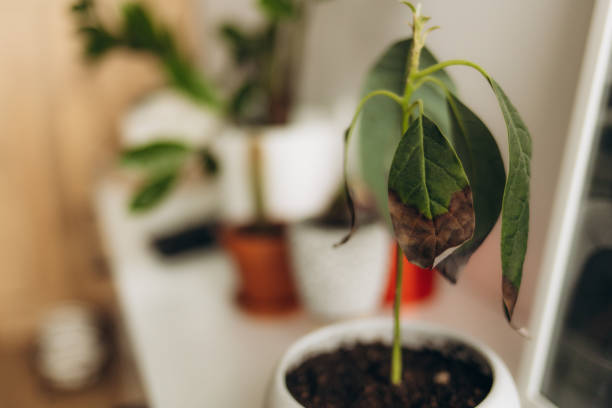
How fertilizer connects with watering, pot size, and soil mix
In container gardening, nutrients don’t work alone. Fertilizer is only one part of a system that includes watering habits, pot size, soil mix, drainage, light, and even seasonal weather. When one part is off balance, fertilizer often gets blamed—even though it isn’t the root cause.
Most fertilizer problems actually start elsewhere. Poor drainage keeps nutrients sitting too long around roots. Inconsistent watering causes nutrients to concentrate or wash away too fast. A compact soil mix blocks air pockets, so even if nutrients are present, roots can’t absorb them properly. In small pots, the same fertilizer quantity behaves very differently than it would in larger containers.
This is why container plants don’t respond well to quick fixes. Adding more fertilizer to a stressed plant rarely solves the issue. Container gardening works best when everything stays in balance—light feeding, correct pot size, breathable soil, and steady watering—rather than pushing growth through extra inputs.
What beginners should understand before choosing any fertilizer
Before choosing any fertilizer, beginners benefit more from reading plant behavior than from reading labels. Slow growth, paused flowering, or dull foliage don’t always mean nutrient deficiency. Often, the plant is responding to limited root space, seasonal slowdown, heat stress, or excess moisture.
It’s also important to match expectations to container limitations. Container plants grow within boundaries—limited soil volume, faster nutrient loss, and stronger reaction to mistakes. Fertilizers can support growth, but they cannot override these limits. Expecting container plants to behave like ground-grown plants often leads to overfeeding and long-term stress.
Thinking of fertilizers as part of a system also prepares you for deeper understanding later—like why organic fertilizers behave differently from liquid feeds, how different nutrients support different growth stages, and why seasonal feeding patterns matter more in pots than in ground beds.
Once this foundation is clear, fertilizers stop feeling confusing or risky. They become a supportive tool—used thoughtfully, not desperately—to maintain plant health over time.
Conclusion: Fertilizers Work Best When You Understand the Basics
Fertilizers aren’t magic boosters for container plants—they’re support tools that work only when soil structure, watering habits, pot size, plant type, and seasons are already in balance. In container gardening, more effort doesn’t mean better growth. What actually works is understanding why plants respond the way they do and feeding them lightly, consistently, and at the right time.
If you’re just starting out—or if you’ve faced repeated issues like slow growth, no flowers, pest attraction, or fertilizer burn—it’s often not about choosing a “better” fertilizer. It’s about learning the fundamentals of container gardening and building awareness step by step.
👉 New to container gardening?
Start from the basics here: Start Here – Container Gardening Fundamentals. This page will help you understand soil, pots, watering, light, and plant routines before fertilizers even come into play.
👉 Want to learn from real experience, not theory?
Read My Container Gardening Journey, where I share what actually worked, what failed, and the lessons I learned over years of growing plants in limited space, tight budgets, and changing seasons.
Container gardening becomes easier—and more enjoyable—when you stop chasing quick fixes and start understanding patterns. Learn the basics, observe your plants, and let experience guide your care.