Introduction
“I Gave It Space… So Why Is My Plant Still Struggling?”
Many gardeners say, “I gave enough space for my plant pots—then why is my plant not growing?”
They keep their plants near a bright window, on a balcony, or on the terrace. Still, the plants don’t grow well. In fact, many slowly decline, and some even die.
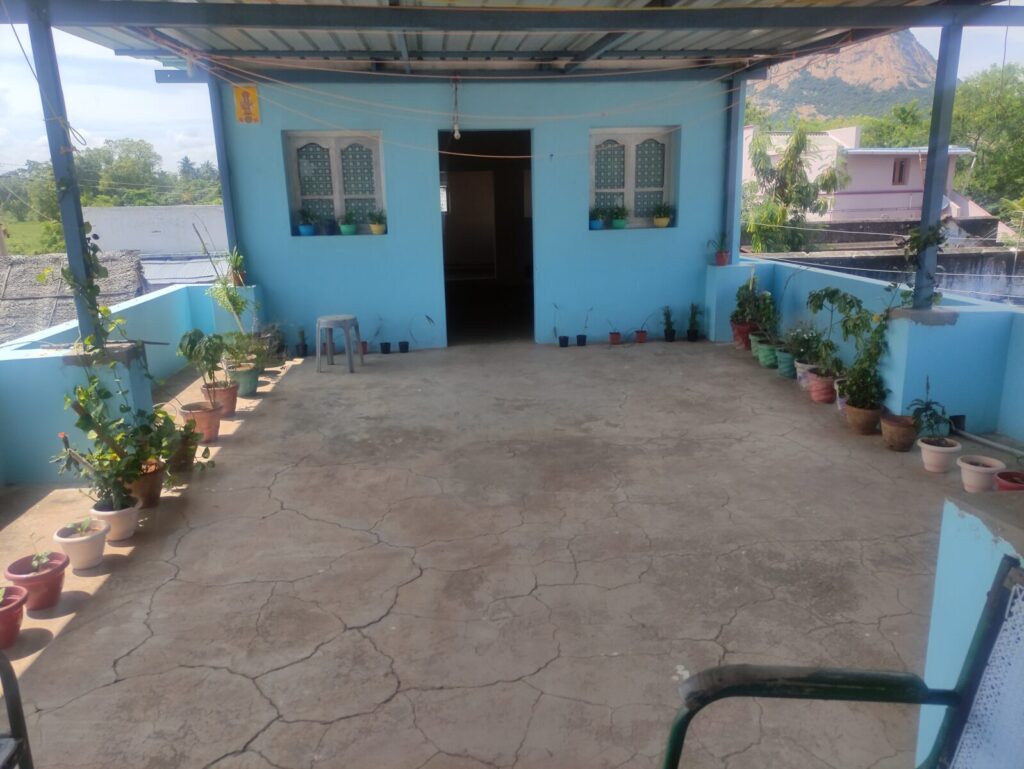
If this sounds familiar, you’re not alone. I’m a terrace container gardener with over eight years of hands-on experience, and wrong plant placement has cost me plants more times than I want to admit. Most of my early container gardening problems didn’t come from lack of care, but from misunderstanding what space actually means for potted plants.
So when you ask, “Is space just the floor or flat surface we give to a plant?”
The answer is no.
🌿 If the plants in the back corner always struggle, this explains why. Discover the hidden access problem
What does “space” actually mean for potted plants?
In container gardening, space is not just about where a pot sits—on the floor, a grill, or a stand. It’s about whether the plant receives appropriate sunlight (not always bright sunlight, because not all container plants need direct sun), air movement for ventilation, and enough openness to grow without turning into a pest-hiding spot.
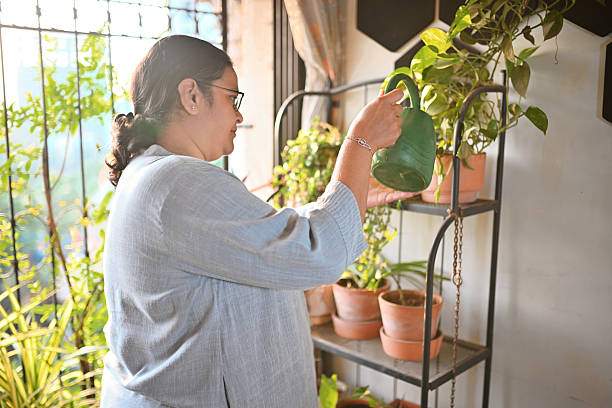
Space also includes human movement space—how easily you can reach the plant for watering, pruning, checking pests, or adjusting placement. Poor access often leads to inconsistent care, which silently stresses container plants.
Without this kind of space, plants struggle in one way or another—slow growth, repeated pest issues, or unexplained leaf drop are common signs.
“Adding shelves increased my plant count — but reduced plant health. Read why shelves can secretly stress plants”
Why does space matter more in containers than in the ground?
Even in ground beds, space matters. The soil provides root space, and the surrounding area allows natural plant movement. Traditional gardeners always plant saplings with gaps between them—there’s a reason for that.
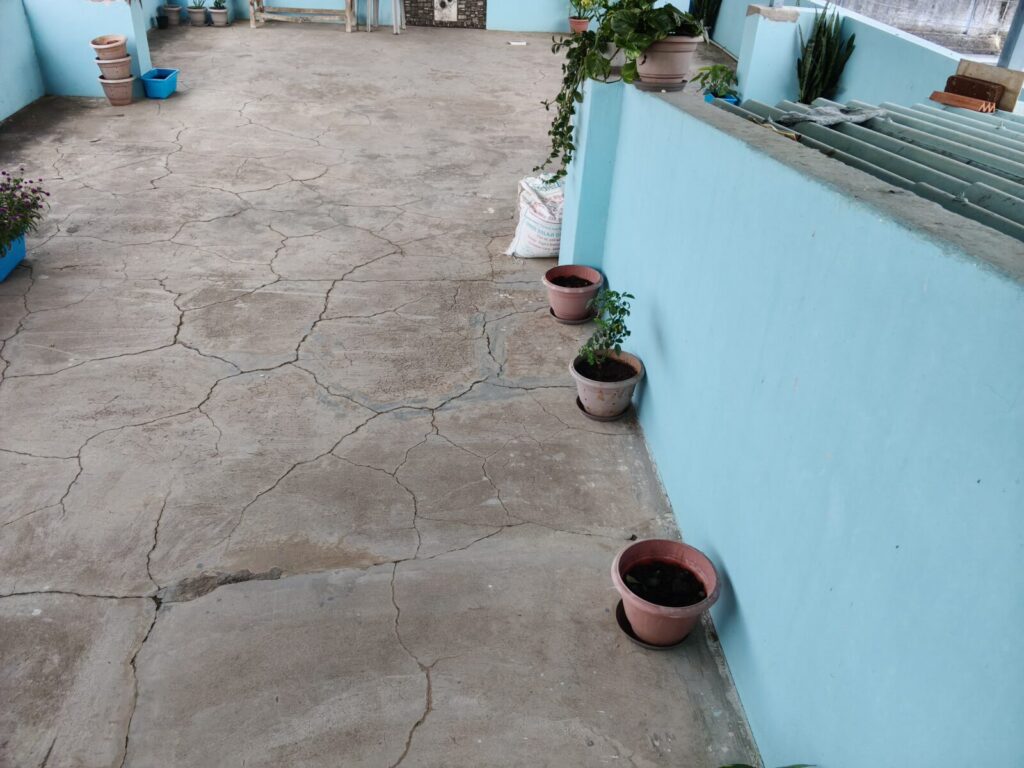
Most people choose container gardening because they don’t have ground space. That space limitation is real. Containers make it possible to grow plants without land, but that doesn’t mean we can crowd plants just because every inch of balcony or terrace is available.
Even if your container gardening space is small—and even if you optimize vertical space—it’s important to stay mindful of space-related needs of container plants before buying and placing them. Limited space doesn’t mean plants should live under constant stress.
Most container plants don’t die suddenly — they fade because of space mistakes. See the 5 space errors gardeners miss
The Biggest Mistake: Thinking Space Only Means “Where the Pot Sits”
Is sunlight alone enough space for container plants?
When I first started terrace container gardening, I arranged plant pots based on my mood, aesthetics, and symmetry. I wasn’t aware of how space, air movement, and sunlight patterns actually work together in container gardening.
Because of that, I placed foliage houseplants on the south side where the sunlight was intense, and many of them slowly died. At the same time, I placed sun-loving flowering plants on the north side. They didn’t dry out properly after watering, and I lost several plants to root rot. I was also unaware of simple soil moisture checks before watering, which made the problem worse.
Overwatering and underwatering aren’t opposites — they’re often the same mistake. See what actually happens inside containers
Arranging plants is not just about aesthetics. Plant placement needs to align with a plant’s micro-climate needs—the temperature around the pot, the amount and direction of sunlight on the foliage, and enough air movement for ventilation. When these factors don’t match the plant’s natural preference, container plants start to struggle even if they look “well placed.”
Why do plants fail even when pots aren’t crowded?
As mentioned earlier, container gardening works as a system. Multiple factors must align for healthy plant growth. Non-crowded pots help reduce ventilation problems, allow soil to dry properly, limit pest hiding spots, and reduce the spread of pests. They also give plants room for natural movement, ensure better access to sunlight without obstruction, and make it easier for gardeners to water, prune, and fertilize on time.
But even with non-crowded pots, plants can still struggle due to temperature stress. When pots are exposed to long hours of sunlight, the pot material itself heats up. Even if the foliage doesn’t show visible scorching, the root zone temperature fluctuates, affecting the plant’s internal micro-environment. This is a common container gardening problem, especially on terraces and balconies during hot seasons.
Container plants grow best when their micro-environment and micro-climate stay relatively stable. When light, air movement, temperature, and access are balanced, plants respond well—but only with consistent care routines, not once-a-week attention.
More effort doesn’t always mean healthier plants — sometimes it does the opposite. Discover the hidden power of plant routines
Can a plant outgrow its space without getting bigger?
Yes, a plant can outgrow its space without showing visible size growth. In container gardening, this often happens when the plant’s functional space is restricted rather than its physical size. The plant may stop producing new leaves, show weak growth, or repeatedly face pest and watering issues—even though it hasn’t visibly grown larger.
This usually means the roots, airflow, light direction, or temperature balance no longer support healthy growth. The plant adapts by slowing down rather than growing outward. This is one reason container plants appear “stuck” for months without obvious symptoms, even when the pot doesn’t look small.
The 4 Invisible Types of Space Every Container Plant Needs
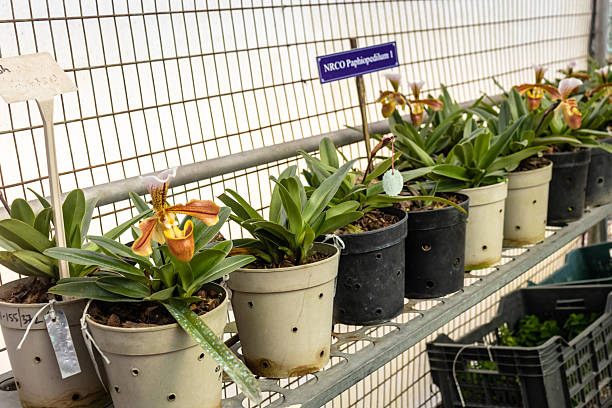
How much light space do container plants really need?
If you’re someone who hasn’t paid much attention to small natural changes, container gardening slowly teaches you—everything from seasonal shifts to daily sunlight patterns.
Sunlight is not fixed throughout the year. As seasons change, sunlight duration, direction, and intensity also change. That’s why I always recommend checking the sunlight pattern of the current season before starting container gardening or moving plants to new spots.
One simple method that helped me a lot was observing a single spot from 6 AM to 6 PM, taking photos every hour. This gives a clear idea of sunlight duration, intensity, and direction. In general:
- East-facing areas receive gentle, low-intensity morning sunlight
- South-facing areas get the longest duration, often 6+ hours
- West-facing areas receive harsh, high-intensity sunlight in the late afternoon
- North-facing areas usually get indirect or reflected light, or very little direct sun
These patterns can change due to nearby trees, walls, or buildings that block or reflect sunlight. Seasonal intensity also matters. Peak summer brings extreme heat, while late winter and early monsoon often have harsh sunlight despite shorter exposure. Mid-monsoon and late winter usually offer softer, diffused light.
From January to June, the sun shifts slightly toward the south, while in cooler months it moves slightly north. These shifts affect container plants more than we expect because pots heat up and cool down faster than ground soil.
Air Space: Why Stagnant Air Weakens Potted Plants
Air space is more important than most gardeners realize. Indoor plants without natural airflow and plants kept in stagnant corners often look less healthy than semi-outdoor plants—even when light and watering seem correct.
Natural air movement helps soil dry evenly and keeps foliage dry, reducing the risk of pests and fungal problems. When plants are placed in tight corners or against walls, those spots often turn into pest hiding zones.
Fresh air and enough open space for gentle plant movement support stronger growth. Plants kept on crowded shelves or in closed corners often struggle not because of poor care, but because of poor air circulation.
Movement Space: The Missing Factor Most Gardeners Never Notice
Plants evolved with wind, rain impact, and regular temperature changes. Gentle movement strengthens stems, supports proper transpiration, and helps plants adapt to their environment.
When container plants remain completely still—especially indoors or in overly protected corners—they often develop weak stems and slow growth. Overprotecting plants from wind or natural exposure can backfire, even when watering and sunlight are correct.
This is why sheltered plants sometimes look weak despite good care. A little natural movement helps container plants stay resilient.
Why do sheltered plants grow weak even with good care?
Because their environment lacks the small stresses that support healthy plant structure and internal balance.
Can pot placement affect plant health?
Yes—very directly. Hard-to-reach pots often suffer from:
- uneven watering
- delayed pruning
- skipped pest inspections
This doesn’t happen due to neglect. It happens because poor access creates inconsistent care. When a pot is difficult to reach or observe, small issues go unnoticed until they become bigger problems. Easy access is an invisible form of space that supports long-term plant health.
How to Know When a Plant Lacks “Real Space” (Without Measuring Anything)
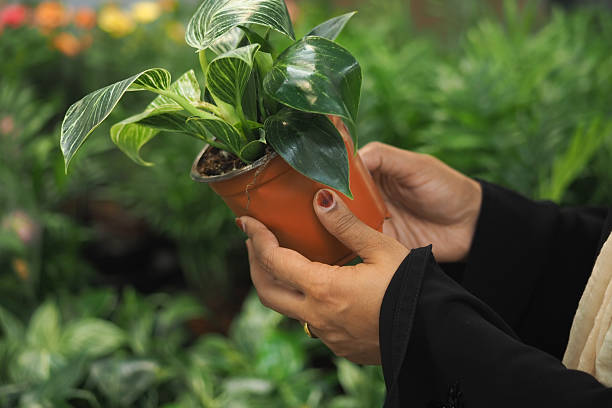
This isn’t about instructions or fixing things immediately. It’s about learning to read signals that container plants quietly show when their space isn’t working for them.
Many beginners misread these signs because they look like common care problems.
Slow growth is often blamed on lack of fertilizer. But in container gardening, slow growth frequently comes from restricted light space, poor air movement, or unstable temperature around the pot, not nutrient deficiency.
Repeated pest attacks are usually seen as a hygiene issue or bad luck. In reality, pests often return when plants sit in stagnant air or tight corners, where airflow is limited and inspection becomes irregular.
Yellowing leaves are commonly treated as a nutrient problem. While that can be true, yellowing in potted plants often points to airflow imbalance, uneven light exposure, or soil staying wet too long due to poor space conditions.
Instead of measuring anything, a few simple awareness checks help reveal space-related stress:
- Does air move around the pot naturally during the day, or does it stay still?
- Does light always hit the same side of the plant, causing uneven growth?
- Can you easily water, prune, and inspect the plant without effort?
When the answer to these questions is mostly “no,” the plant may not be lacking care—it may be lacking real, functional space. These issues often go unnoticed because they don’t cause sudden damage, but over time they quietly weaken container plants.
Conclusion: Space Isn’t About Bigger Areas, It’s About Better Conditions
You don’t need a bigger balcony or a larger terrace to grow healthy container plants. Most of the time, the issue isn’t lack of space—it’s how space is understood and used.
In container gardening, space works quietly. When light direction, air movement, temperature, and access are slightly off, plants struggle in ways that look like fertilizer problems, pest issues, or poor care. But the root cause is often invisible space stress.
Once you start seeing space as a set of conditions rather than a physical area, many container gardening problems begin to make sense. Small changes in placement often solve multiple issues at the same time—better growth, fewer pests, and more consistent care—without adding extra effort.
Understanding space this way makes choosing the right spot much easier. That’s exactly what we explore deeper in Choosing the Right SPACE for Container Plants.
Follow MPG for real container gardening—no hype, just what actually works.