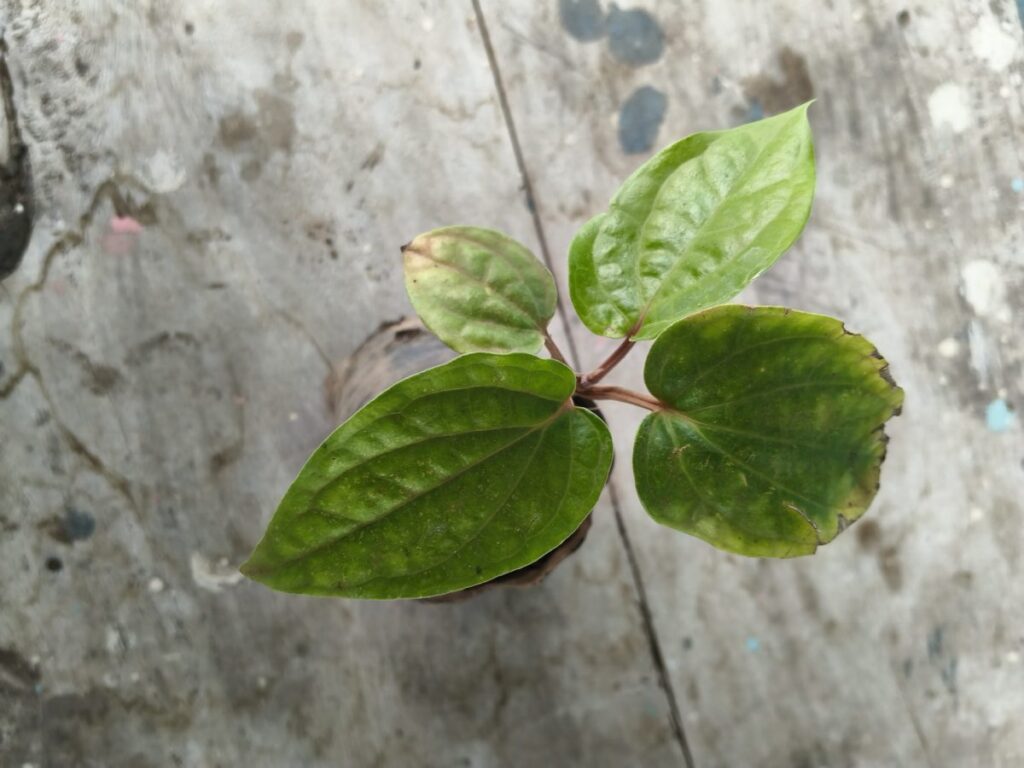
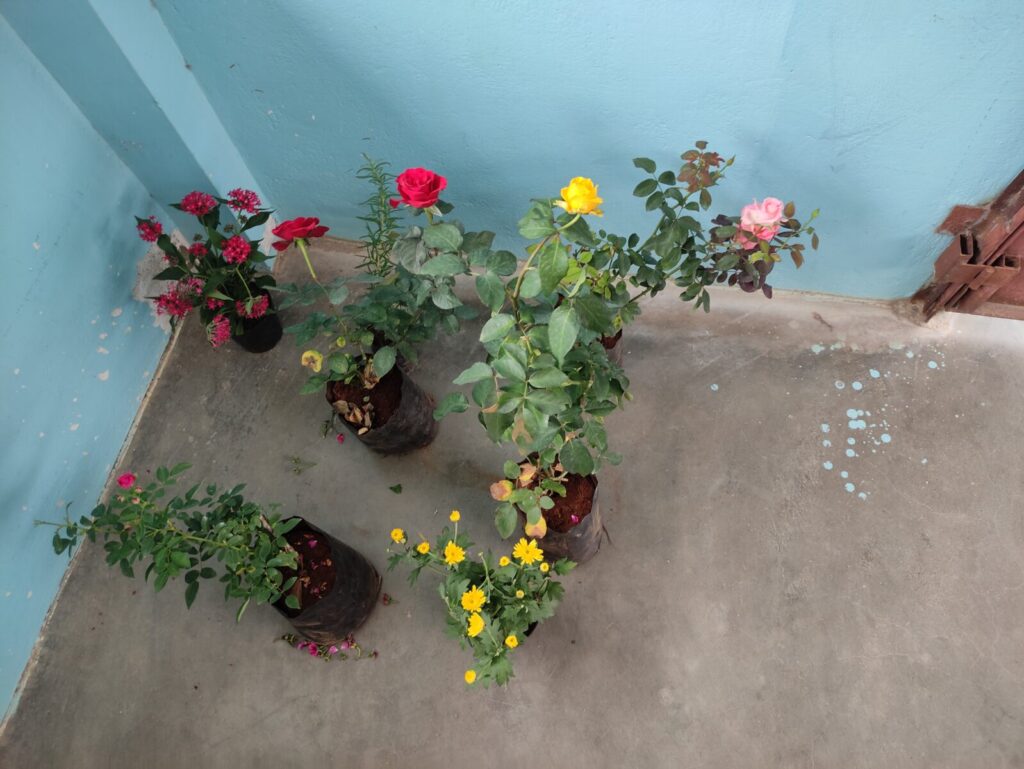
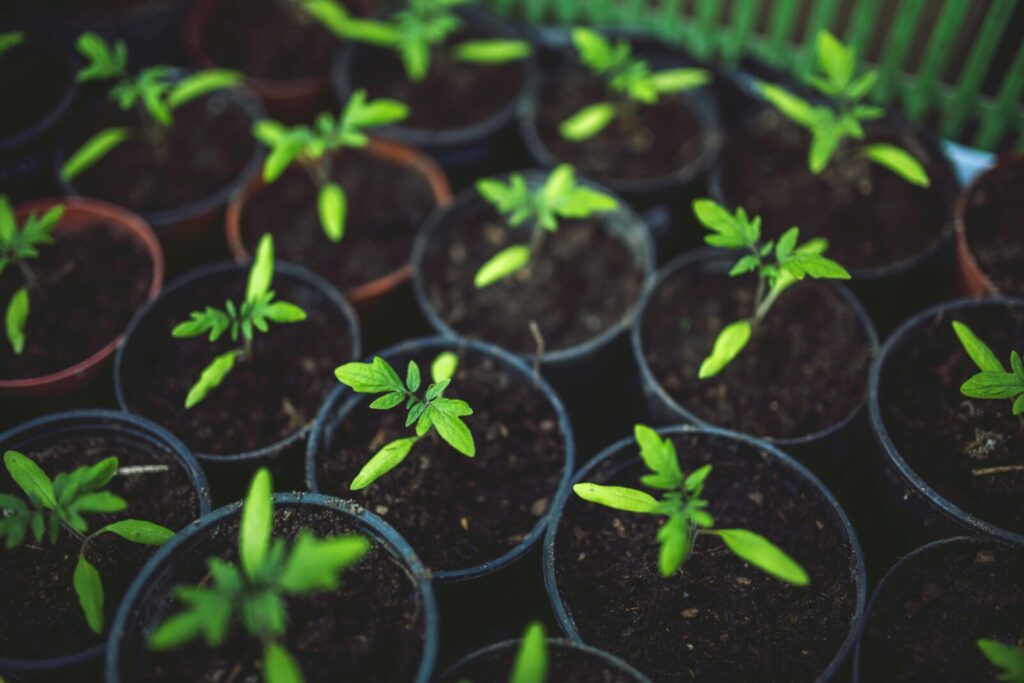
Beginners in container gardening often ask: what plants are easy to grow in pots at home, and why do some plants survive even with irregular care while others die despite doing everything “right”?
This confusion is very common in balcony and terrace gardening. You might forget to water one plant, yet it keeps growing, while another plant struggles even with careful watering, sunlight, and attention.
The answer usually lies not in your effort, but in plant selection.
As a beginner, it’s easy to group plants as foliage, flowers, or vegetables. But experienced gardeners look beyond that. They understand how a plant behaves — especially its roots, tolerance, and growth pattern.
Most beginners focus on what they see above the soil. But in container gardening, success often depends on what happens below — the roots.
Root behavior decides how a plant handles watering mistakes, heat, pot size, and space. Some plants are naturally forgiving, while others are sensitive to even small changes.
This guide focuses on helping you choose beginner-friendly plants that grow well in pots, based on real conditions in Indian balcony and terrace gardens — so your plants don’t just survive, but grow with less stress.
🌱 Most beginners choose plants with their eyes — not logic. These rules change everything. Read the beginner logic rules here
Why do some plants grow easily in pots while others struggle for beginners?
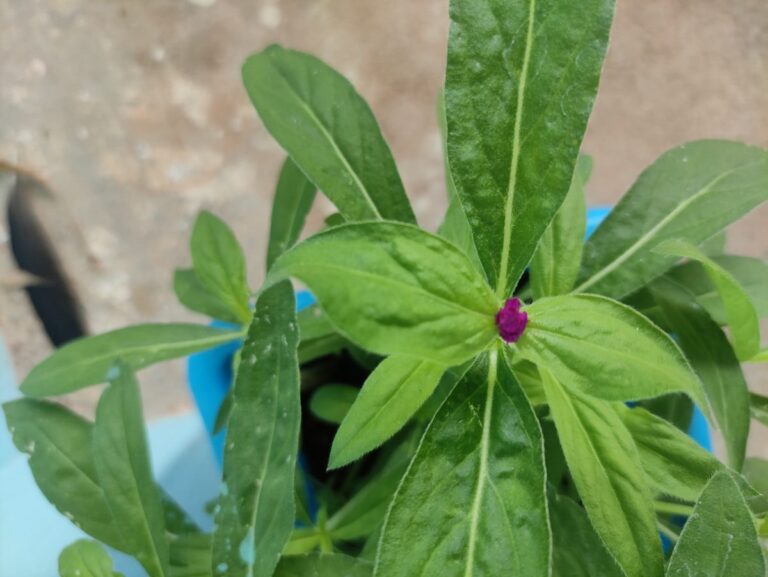
You might wonder: why does a neglected snake plant grow like a bush, while even with careful watering and attention, your philodendron dies?
This confusion is very common in container gardening. And the answer is not always about care.
Most of the time, it’s a plant selection mismatch.
As beginners, we assume all plants will behave the same if we give “proper care.” But in reality, every plant responds differently based on your balcony or terrace conditions — sunlight, airflow, heat, and space.
If you understand:
- how much sunlight your space actually gets
- how much heat rises from the floor
- how much airflow is present
- how much space (vertical and horizontal) you have
…your plant choices automatically become better.
Without this awareness, it’s easy to pick plants that simply don’t suit your environment, no matter how much care you give.
Why does the same plant look healthy in the nursery but struggle at home?
This is where many beginners (and even experienced gardeners) get confused.
Plants in nurseries are grown in controlled conditions:
- consistent watering
- filtered light
- high humidity
- frequent feeding for appearance
They are often given fertilizers that promote fast foliage and blooms, making them look attractive for sale — not necessarily strong for long-term survival.
When you bring that plant home:
- it faces harsh sunlight or uneven light
- watering becomes inconsistent
- airflow changes
- soil conditions are different
This sudden shift creates plant shock.
Some plants adapt. Many don’t.
That’s why buying expensive or sensitive plants as a beginner often leads to disappointment.
😬 I expected my plants to grow like nursery ones — until reality taught me otherwise. See what actually affects plant size in pots
Why thinking “all plants behave the same in pots” causes failure
Another common mistake is assuming all plants can grow equally well in containers.
But if you observe closely, only a few plants:
- tolerate missed watering
- handle heat and humidity
- survive in small pots
- recover from beginner mistakes
These are container-friendly, hardy plants.
In Indian terrace and balcony gardens, plants don’t just die from heat —
very often, they die from:
- overwatering
- poor drainage
- root rot (especially in plastic pots)
So even “good care” can become harmful if the plant is not suited for containers.
The real reason behind beginner plant failure
It’s not bad luck.
It’s not the evil eye.
It’s usually this:
👉 Choosing plants that don’t match your space, weather, and container conditions
Once you understand this, everything changes.
- You stop chasing “fancy nursery plants”
- You start choosing plants that adapt easily
- You reduce plant loss drastically
Because the truth is:
👉 Plant selection alone can solve most beginner problems in container gardening
Not all plants are meant for pots.
Some will always struggle outside ground soil.
And once you accept this, gardening becomes much simpler — and much less stressful 🌱
🌿 Some plants struggle in pots no matter how well you care for them. Find out why containers don’t suit every plant
What makes certain plants easier to grow in containers for beginners?
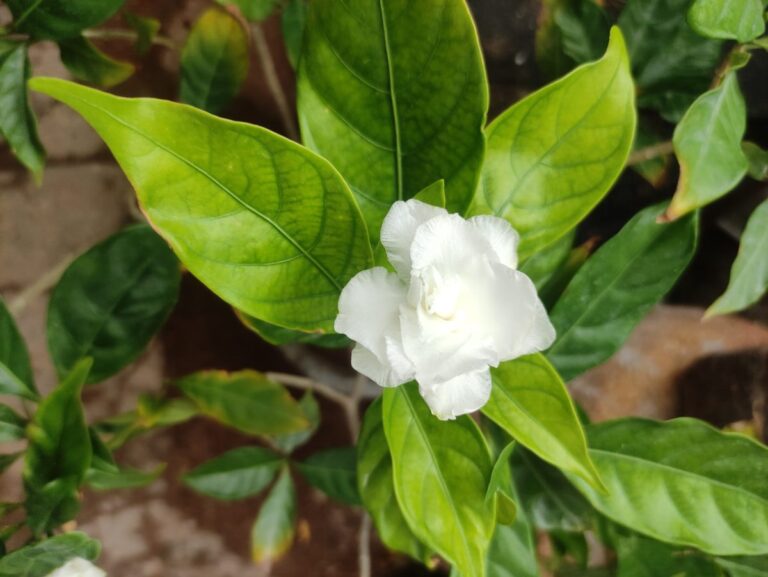
Some plants are naturally better suited for container environments. They can handle limited root space, irregular watering, heat, and environmental changes without quickly declining.
These plants have one key advantage:
👉 strong adaptability — especially in their root system
Their roots can:
- adjust faster after repotting
- handle stress from transport
- absorb water efficiently
- recover from small care mistakes
Because of this, both the roots and foliage remain stable even when conditions are not perfect — which makes them ideal for beginners.
🌿 Not every healthy-looking nursery plant will survive on your terrace. Learn how to choose the right ones
Do some plants tolerate watering mistakes better in pots?
Yes — and this mostly depends on the root sensitivity.
Some plants have sensitive or already stressed roots, which:
- struggle after transport or repotting
- absorb water slowly
- cannot handle excess moisture
In such cases, even correct care can go wrong.
If water sits in the soil longer (because roots are not absorbing it well), it leads to:
- root rot
- stem rot
- fungal issues
This is why many beginners lose plants after bringing them home, not immediately.
On the other hand, hardy plants:
- adapt faster to new soil and environment
- start absorbing water quicker
- tolerate slight delays in watering
- recover even after minor mistakes
This doesn’t mean they can handle careless watering —
but they are more forgiving compared to sensitive plants.
Also remember:
👉 In container gardening, plants die more from overwatering than underwatering
Especially after repotting, when roots are still healing. Watering deeply and frequently during this phase can delay recovery and increase rot risk.
🌱 Most repotting stress isn’t visible right away — but it’s already happening inside the pot. Read the 3 hidden causes
Does sunlight requirement affect how easily plants grow in balconies?
Yes — and this is one of the most overlooked reasons.
Every plant has a specific light requirement, but your balcony or terrace has limited and uneven light availability.
If these don’t match:
- low-light plants may burn in harsh sun
- sun-loving plants may become weak in shade
So success depends on matching:
👉 plant requirement vs actual light in your space
To do this, you need to observe:
- which areas get direct sunlight
- how many hours of light each spot receives
- what time of day the light is strongest
Once you understand this, you can place plants correctly and avoid:
- sun scorch
- weak growth
- leaf yellowing
Also important:
After repotting or plant treatment, even sun-loving plants should be kept in indirect light for 2–3 weeks.
This allows roots to heal before exposing them to full sunlight.
🌿 Guessing sunlight leads to struggling plants. There’s a simple way to observe it accurately. Click to learn the method
Do root systems affect plant success in small pots?
Yes — this is a major factor beginners often miss.
Plants differ in how their roots grow:
- Fast-growing plants
- develop roots quickly
- fill the pot faster
- require frequent repotting
- Slow-growing or compact plants
- have controlled root growth
- stay stable in the same pot longer
- handle container life better
Fast growth is attractive, but it comes with responsibility.
If a fast-growing plant is also sensitive to repotting, it becomes difficult for beginners.
On the other hand, compact, hardy plants:
- adjust better to limited space
- recover faster after transplant
- require less frequent intervention
This makes them more suitable for container gardening.
😬 I loved seeing quick growth — until my plants hit a sudden slowdown. See what happens inside small pots
The core mechanism beginners should understand
Before choosing any plant, try to understand:
- how its roots grow
- how sensitive it is to water
- how well it adapts to stress
- how often it needs repotting
Because in container gardening:
👉 Root behavior decides plant success more than appearance
Once you start selecting plants based on this,
you automatically avoid many common beginner problems 🌱
✨ If your plants struggle after buying, the mistake may have happened at the nursery. Explore the complete selection guide
How to choose easy plants for pots without killing them as a beginner? (Practical solution)
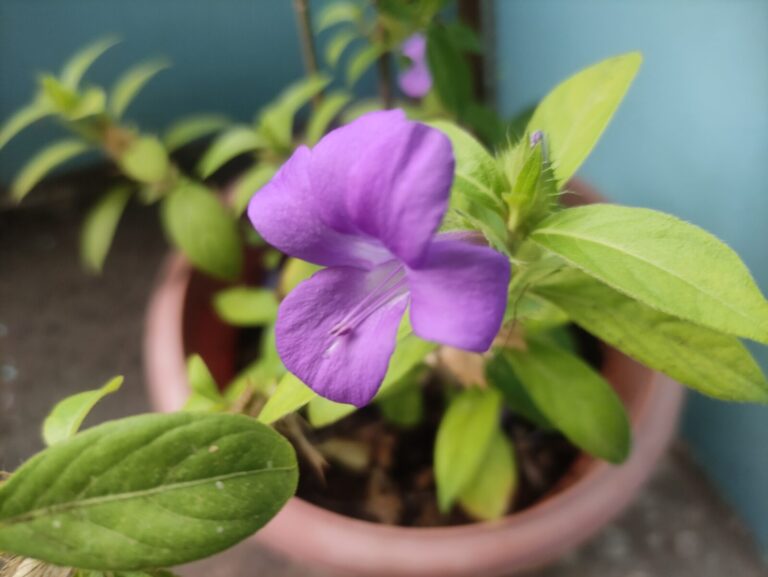
Choosing the right plant is not about luck or price — it’s about matching the plant with your space, weather, and care routine.
As a beginner, your goal is not to grow everything.
It’s to grow plants that can tolerate your current habits.
What are the best low-maintenance plants for beginners in pots?
Instead of choosing rare or expensive plants, start with commonly available plants from local nurseries.
These plants are already adapted to your local climate and are easier to manage.
Some reliable beginner-friendly options:
- Pothos (Money plant)
- Snake plant
- Coleus
- Sweet marjoram
- Rosemary
- Marigold
Even growing from seeds can be a good starting point — it’s affordable and helps you understand plant growth from the beginning.
These beginner-friendly plants are usually:
- drought-tolerant
- pest-resistant
- adaptable to different light conditions
They can handle:
- missed watering schedules
- minor placement mistakes
- inconsistent care
👉 Bonus insight:
Plants can tolerate missed watering, but they rarely tolerate overwatering or crowded placement.
Can you make difficult plants easier to grow in pots?
There’s no plant that is “difficult” by default.
It becomes difficult when the plant’s needs don’t match your environment or routine.
Rare or expensive plants:
- need precise care
- are less tolerant to mistakes
- require more monitoring
As a beginner, you don’t need that level of complexity.
Instead, focus on closing this gap:
👉 what your plant needs vs what your space provides
You can make plant care easier by:
- placing plants based on actual light and airflow
- choosing the right pot size and drainage
- avoiding frequent watering without checking soil moisture
Also remember:
👉 Local nursery plants survive better because they are already adapted to your climate — not because they are “basic.”
How to know if a plant is beginner-friendly before buying?
Before buying any plant, don’t just look at how it looks —
observe how it behaves.
Look for:
- tolerance to irregular watering
- adaptability to different light conditions
- slow to moderate growth
- stable, hardy leaves
Avoid (initially):
- high-maintenance flowering plants
- fast root-bound plants
- plants that require constant pruning or monitoring
Simple rule to follow as a beginner
👉 If a plant needs constant attention to survive, it’s not beginner-friendly.
👉 If a plant can adjust to small mistakes, it’s the right choice.
When you start choosing plants this way,
you’ll notice something important:
You’re not just growing plants —
you’re building a stress-free, sustainable container garden 🌱
Is it normal for beginners to struggle with plant selection in pots?
Yes — it is completely normal.
Every beginner loses plants in the beginning. Not because they are careless, but because they are still learning how plants behave in containers, not just how they look in nurseries or online.
In container gardening, success is not about being perfect.
It’s about choosing the right plant + giving simple, consistent care.
Most early failures happen when:
- plants don’t match your balcony conditions
- watering is done without understanding the soil
- or expectations are based on nursery appearance
Once you correct plant selection, everything becomes easier.
Why starting small makes a big difference
Instead of buying many plants at once, start with 2–3 easy, hardy plants.
This helps you:
- observe each plant properly
- understand watering patterns
- notice how sunlight changes across your space
- reduce overwhelm and maintenance stress
When you manage fewer plants, you learn faster — without feeling frustrated.
Why observation matters more than “perfect care”
Beginners often search for exact rules:
- “How many times to water?”
- “How much sunlight is enough?”
But in reality, plants don’t follow fixed schedules.
They respond to:
- daily weather changes
- pot size and material
- airflow and heat from surroundings
So the real skill is not memorizing steps —
it’s learning to observe small changes.
For example:
- slightly drooping leaves → early sign of watering need
- soil staying wet longer → risk of overwatering
- leaf color changes → light or root stress
These small observations help you adjust before the plant declines.
How beginners slowly become confident gardeners
With time, you’ll start noticing patterns:
- which plants grow easily in your space
- which spots receive the best light
- how long your soil takes to dry
This awareness builds naturally — not instantly.
And once you reach that stage:
- you stop guessing
- you stop overcorrecting
- you start choosing plants that actually suit your garden
If your plants have died before, it doesn’t mean you’re bad at gardening.
It simply means:
👉 you were still learning what works in your space
Start simple.
Choose the right plants.
Observe more than you interfere.
And slowly, your container garden will become stable, manageable, and rewarding 🌱
🪴 Instead of random gardening tips, follow a clear beginner path.
Explore the container gardening fundamentals here
👉 Still confused which plants to start with?
I’ve shown real easy plants that survive beginner mistakes on my channel: YouTube
https://www.youtube.com/@GardenerJay