If you searched for the best ready-made potting mix for container gardening but your plants still struggle, you’re not alone. Many beginner balcony gardeners buy popular potting mixes expecting healthier growth, only to face overwatering issues, root rot, yellow leaves, drooping, or plants that simply stop growing in pots.
This happened to me too as a beginner before I understood how potting mixes actually work inside containers. The biggest confusion is believing one ready-made potting mix works for all plants. But in reality, every plant type needs different soil amendments based on its root behavior, watering needs, pot material, pot size, and growing environment.
Your balcony or terrace micro-climate also changes how a potting mix behaves. Heat, airflow, humidity, direct sun, and even wall reflection affect how long the soil stays wet, how quickly it dries, and how roots grow inside the container. This is why the same ready-made potting mix may work perfectly for one gardener but fail badly for another.
Even within the same house, moving a plant from one corner to another can slightly change moisture retention and airflow around the pot. That small environmental difference changes how the roots experience the soil.
The truth is, soil is not just something that “holds the plant.” In container gardening, potting mix becomes the plant’s entire lifeline. A healthy potting mix should hold enough moisture without becoming soggy, stay breathable for roots, and maintain a loose structure that allows proper root spreading.
This is where many beginners unknowingly struggle. Most ready-made potting mixes are not completely bad, but using the same mix for flowering plants, vegetables, foliage plants, succulents, and indoor plants rarely works long term without adjustments. Heavy feeders like flowering and edible plants usually need richer, more moisture-balanced soil, while houseplants and succulents often prefer lighter, faster-draining mixes.
Pot material and pot size also completely change how soil behaves. Terracotta dries faster than plastic pots. Small pots heat up and dry differently compared to larger containers. Using too much or too little drainage amendment without understanding these factors often leads to root stress, overwatering confusion, or weak growth.
One thing many beginners don’t realize is that experienced gardeners rarely use ready-made potting mix exactly as it comes from the bag. Even when they buy branded or premium mixes, they usually tweak the ingredients by adding extra drainage materials or organic matter based on the plant’s needs and their local growing conditions.
So if you hoped a premium branded potting mix alone would automatically fix plant health issues, it usually doesn’t work that way. Understanding soil amendments and how potting mix behaves inside containers matters much more than blindly trusting a label or influencer recommendation.
In this blog, I’ll help you understand why some ready-made potting mixes fail in balcony and terrace gardening, how soil behaves differently in containers, and how you can choose or customize a potting mix that actually works for your plants and growing conditions.
😬 I used to blame my plants… until I understood these soil mistakes. See what beginners overlook
What are the signs that your ready-made potting mix is not suitable for container gardening?
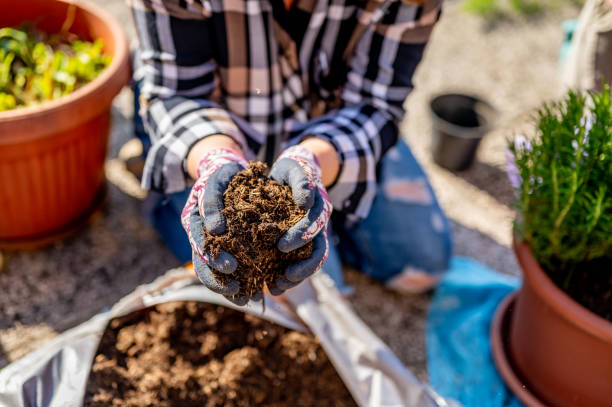
I noticed these signs not once, but multiple times whenever I used ready-made potting mix alone without tweaking it based on the plant and growing conditions. Most beginners actually notice these signs too, but usually overlook them until the plant starts declining badly.
One of the first signs is the soil staying wet for too long after watering. In a balanced container soil mix, the top layer usually starts drying within 24 hours if there’s decent airflow. But when the potting mix holds too much moisture, the soil can stay wet for one or two days continuously, especially in plastic pots or low-airflow balcony corners.
The opposite problem also happens. Sometimes water flows straight down from the drainage holes immediately after watering without properly moistening the root zone. This usually means the potting mix has too many drainage materials without enough moisture balance, causing water to escape before roots can absorb it properly.
Yellow leaves even after “doing everything right” is another frustrating sign. You may provide proper sunlight, watering, and drainage holes, yet leaves still turn yellow slowly. In many cases, this is an early signal that the roots are stressed because the potting mix structure is imbalanced for that specific plant and environment.
Slow growth or no visible growth is another subtle but important sign beginners often ignore. The plant may stay alive for weeks or months without pushing new leaves, flowers, or healthy roots. At that stage, the plant is usually in survival mode instead of actively thriving.
Another major warning sign is overwatering symptoms even when your watering routine is correct. If the potting mix keeps holding moisture much longer than needed, roots remain stressed constantly. Over time, the top soil slowly becomes compacted, and later the entire pot starts losing its loose, breathable structure.
Why do plants stop growing even when fertilizer is added?
Many beginners assume fertilizers can “fix” a struggling plant. But fertilizers are mainly growth boosters for already healthy plants — they cannot repair stressed roots.
When roots become stressed because of poor potting mix structure, they slowly lose the ability to absorb water, oxygen, and nutrients properly. At that point, adding more fertilizer often creates even more stress through salt buildup, pH imbalance, and excess moisture retention inside the pot.
This is why sometimes plants look worse after fertilizing. The issue is not always nutrient deficiency — the real issue is unhealthy root conditions.
Healthy plant growth starts with balanced soil structure first. The potting mix must match:
- The plant type
- Pot size and material
- Watering frequency
- Balcony or terrace micro-climate
There is no single ready-made potting mix recipe that works perfectly for all plants in every growing condition.
Adding the wrong ingredients can make potting soil heavier, wetter, and harder on roots. Learn what works and what to avoid: What to Add to Potting Soil (And What to Avoid)
Why do plants stop growing even when fertilizer is added?
Many beginners assume fertilizers can “fix” a struggling plant. But fertilizers are mainly growth boosters for already healthy plants — they cannot repair stressed roots.
When roots become stressed because of poor potting mix structure, they slowly lose the ability to absorb water, oxygen, and nutrients properly. At that point, adding more fertilizer often creates even more stress through salt buildup, pH imbalance, and excess moisture retention inside the pot.
This is why sometimes plants look worse after fertilizing. The issue is not always nutrient deficiency — the real issue is unhealthy root conditions.
Healthy plant growth starts with balanced soil structure first. The potting mix must match:
- The plant type
- Pot size and material
- Watering frequency
- Balcony or terrace micro-climate
There is no single ready-made potting mix recipe that works perfectly for all plants in every growing condition.
Why does the top soil look dry but roots stay wet underneath?
This is one of the biggest ways beginners — and sometimes even experienced gardeners — get fooled while watering plants.
Many people check only the top soil before watering. Since the top layer gets direct airflow, sunlight, and heat exposure, it dries much faster. But inside the root ball, moisture can still remain trapped for days if the potting mix contains excess cocopeat, too much compost, or heavy organic matter.
The imbalance does not need to be extreme to create problems. In small pots especially, even slightly excess moisture-retaining material can trap water around roots longer than expected.
This becomes more confusing in Indian balcony and terrace gardening because strong heat makes the top soil appear bone dry very quickly. But if you’re using plastic pots, the inner root zone may still stay wet underneath.
This is where many gardeners unknowingly create repeated overwatering problems while believing the plant “needed water.”
Why do some ready-made potting mixes become hard like clay?
Sometimes this happens because of old stock potting mixes sold during clearance sales or heavy discount offers. Over time, organic ingredients inside the bag continue decomposing and breaking down, causing the mix to lose structure and hold excess moisture.
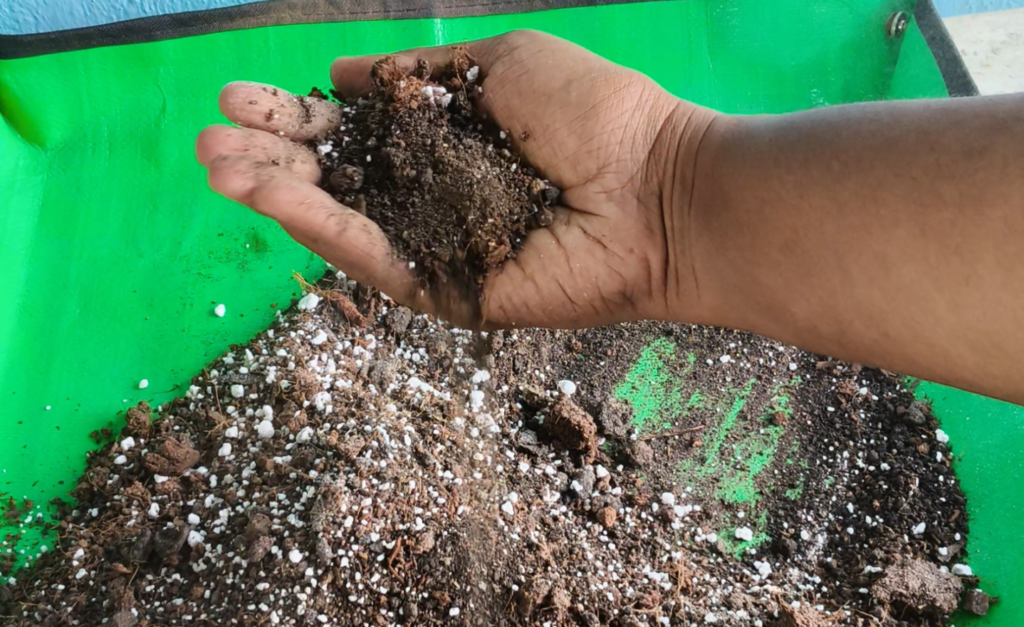
Another common issue is low-quality potting mixes made mostly from garden soil with small amounts of cocopeat or perlite mixed in for marketing. From outside, the bag may look attractive, but once opened, the texture often feels dense, sticky, or muddy instead of light and airy.
The difficult part is that many beginners cannot identify poor soil texture immediately. Sometimes you only realize the problem after the plant starts declining or roots begin rotting.
This is why understanding soil texture, airflow, moisture balance, and soil behavior matters much more than simply trusting labels, discounts, or influencer recommendations.
✨ If your plants stay alive but never really grow, your soil may be quietly holding them back — fix the real problem here
Why do some ready-made potting mixes fail in balcony and terrace containers?
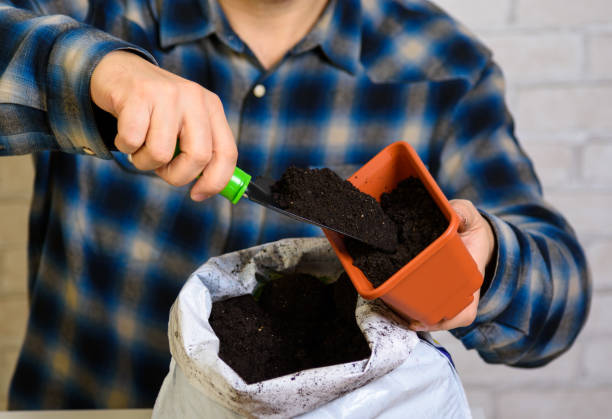
One thing I repeatedly noticed with many premium ready-made potting mixes is that most of them use cocopeat as the main soil base to create that fluffy, airy texture beginners love. Honestly, cocopeat is an absolute hero in container gardening when used correctly. I’ve been using it for years myself.
But the real issue is not cocopeat itself — the ratio matters. Cocopeat has almost no nutrients on its own. Its main job is moisture retention, keeping the soil light, and helping maintain structure. Over time, it also slowly decomposes.
None of these are bad traits when cocopeat is used in balanced amounts. The problem starts when the same cocopeat-heavy mix is sold as a “universal potting mix” for every plant type. Excess cocopeat as the main soil base can trap moisture longer than needed, especially in plastic pots, low-airflow balconies, or humid Indian weather.
Most ready-made potting mixes do contain drainage materials like perlite, but usually not in the amount many plants actually need in terrace and balcony conditions. Personally, whenever I notice a plant taking too long to dry, I immediately tweak the mix by adding more perlite for better aeration and drainage.
Using potting mix directly from the bag without adjusting it for your plant and environment often means you’re unknowingly allowing roots to stay moist longer than they should.
Another hidden problem is cheap filler materials. Beginners usually focus only on what’s written on the bag — visible perlite, vermiculite, rich color, or fluffy texture. But many low-quality mixes contain dense filler materials added simply to increase weight and reduce production cost.
Initially the soil may still look fine, but these fillers compact quickly after watering cycles. Slowly the soil structure collapses, airflow reduces, and moisture starts getting trapped unevenly. This is why sometimes a plant looks perfectly healthy one week and suddenly declines the next.
The biggest misunderstanding beginners have is believing one potting mix recipe works for all plants. But different plant categories behave completely differently inside containers.
Edibles, flowering plants, and fruiting plants are usually heavier feeders. They tolerate richer and slightly more moisture-retentive soil because their roots actively consume water and nutrients faster.
Meanwhile many houseplants and succulents have lower tolerance for soil staying wet too long. Even excess organic fertilizers can stress them if airflow and drainage are poor.
This is why soil mix should always be customized based on:
- Plant type
- Pot size
- Pot material
- Balcony or terrace micro-climate
- Airflow and sunlight exposure
Even pot material changes soil behavior. Small pots dry faster than large containers. Terracotta loses moisture faster than plastic pots. Sometimes smaller pots need slightly less perlite to avoid drying too quickly, while moisture-loving plants in porous pots may need slightly more moisture-retentive soil base.
Another thing many beginners don’t realize is nursery conditions are completely different from home balcony gardening.
When nurseries say, “We also use this same potting mix,” they probably do — but their plants grow inside controlled environments with:
- Better airflow
- Shade net or greenhouse protection
- Precise watering schedules
- Heavy feeding routines
- Less heat and wind stress
Their goal is often making plants look fuller, greener, and blooming for selling. But long-term root health inside Indian balcony and terrace conditions is a completely different challenge.
Does too much cocopeat cause root problems in pots?
Absolutely — if the ratio becomes excessive for that plant type and growing condition.
I’ve personally used cocopeat for more than 6 years and still regularly restock it because it’s honestly one of the best soil base materials for container gardening compared to untreated garden soil.
But the secret is understanding where to use cocopeat and how much to use.
Cocopeat behaves almost like a sponge. It holds moisture extremely well while keeping the mix lightweight and easy to blend with other amendments. When balanced properly, it creates loose, breathable soil structure that roots love.
For example:
- Seed starting mixes work beautifully with cocopeat because seedlings need gentle, consistent moisture.
- Tropical moisture-loving plants also benefit from balanced cocopeat blends.
But using cocopeat alone or in very high amounts for succulents, cacti, or sensitive houseplants often creates constant moisture around roots. That eventually leads to poor aeration, root stress, fungal issues, or rot.
Another important thing beginners misunderstand is that cocopeat itself is not a fertilizer. It does not contain strong nutrients. It mainly works as a soil base and organic structure material. Over time, it slowly decomposes inside the potting mix.
When used correctly, cocopeat is actually far safer and cleaner than using raw, non-sterilized garden soil in containers.
Can poor airflow make potting mix stay wet longer?
Big yes. Poor airflow is one of the biggest hidden reasons behind overwatering confusion in container gardening.
Good drainage and healthy airflow happen only when the potting mix has balanced soil structure with the right ratio of amendments.
As a beginner, these are the main soil amendment categories worth understanding:
- Soil base → cocopeat, garden soil
- Drainage amendments → perlite, pumice
- Moisture retention support → vermiculite
- Nutrient sources → compost, manure
But simply adding these materials is not enough — the ratio decides whether the soil succeeds or fails.
Airflow inside soil happens through tiny air pockets between particles. Only a well-structured soil mix can create those pockets consistently. Once the soil becomes compacted, soggy, or dense, airflow reduces heavily around the roots.
And without proper airflow:
- Soil stays wet longer
- Roots struggle to breathe
- Water absorption slows down
- Root rot risk increases
- Plant growth weakens slowly over time
This is why healthy soil structure matters just as much as watering and fertilizers in container gardening.
✨ If your potting soil dries too fast, stays soggy for days, or plants stop growing even after watering, your mix may be working against the roots — fix the soil problem here
How can you choose a beginner-safe ready-made potting mix that actually works in containers?
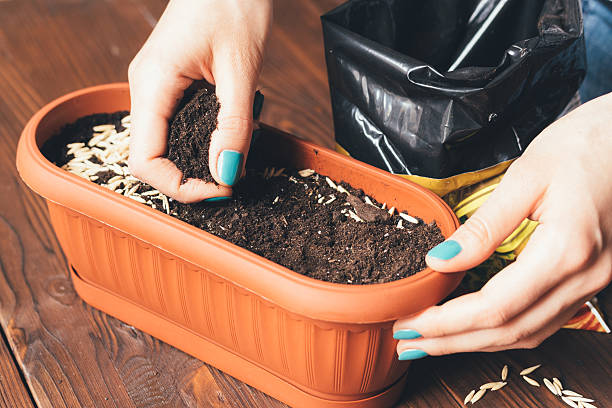
Ready-made potting mixes are honestly fine when you only have one or two decorative plants. But for most plant lovers, container gardening slowly becomes an obsession — the number of pots grows, plant types increase, and suddenly one universal potting mix stops working for everything.
I personally switched to ready-made potting mixes after struggling with plain garden soil during my beginner days. At first, it felt like a huge upgrade. But over time, I still lost plants, faced root rot issues, and kept spending money on repeated purchases while trying different brands.
That’s when I realized the real solution was not blindly buying another premium potting mix — it was understanding soil amendments and customizing the mix based on plant needs.
For beginners, the safest and most budget-friendly long-term method is actually buying basic soil amendments in bulk once or twice a year and storing them properly in dry buckets or containers away from moisture.
This is exactly how I manage my own potting mixes now. Whenever I repot or plant something new, I slightly adjust the soil mix based on:
- Plant type
- Pot material
- Pot size
- Balcony or terrace conditions
- Drying speed and airflow
Once you understand how soil amendments behave, making a customized potting mix becomes much easier than constantly searching for the “perfect ready-made mix.”
If you want exact beginner-friendly ratios for different plant types, feel free to check my free soil mix guide PDF.
Soil amendments that actually help in Indian balcony and terrace gardening
Indian balcony and terrace gardening comes with extreme heat, sudden rain, humidity changes, strong airflow, and small-space limitations. These soil amendments genuinely help create balanced container soil mixes for those conditions.
Cocopeat
One of the best soil base materials for container gardening. It creates lightweight soil structure and helps with moisture balance. Usually works well as around 40–50% of many potting mixes depending on plant type.
Garden soil
Can work as a filler material when properly sterilized and mixed with other amendments. Avoid using heavy raw garden soil alone in containers.
Perlite
Honestly a lifesaver for Indian gardeners struggling with root rot, overwatering, mushy stems, or compact soil. Excellent for improving drainage, airflow, and root aeration.
Pumice
A great option for succulents and cactus mixes because it improves drainage while keeping the mix airy. Can also work for houseplants, though flowering and edible plants usually don’t need large amounts.
Vermiculite
An optional amendment that helps retain moisture and maintain soil structure longer. Decomposes slower compared to some organic materials.
Compost
One of the best organic additions for container gardening. Adds nutrients, improves soil biology, supports microbial activity, and helps maintain healthier soil structure naturally.
Manure
Another organic nutrient source that can work well in potting mixes when used in proper ratio. During cooler seasons it may hold moisture longer, so balance matters.
Coconut husk chips
Helpful for flowering and edible plants because they improve airflow while also supporting moisture retention. Great for creating chunky soil structure, but excess use can retain too much moisture.
Neem cake powder
One of my personal favorite additions. I usually add a small handful while preparing potting mix because it helps reduce soil pests and certain fungal or disease-related issues naturally. Beginners often underestimate how useful this becomes long term.
What should beginners check before buying ready-made potting soil?
If you still prefer buying ready-made potting mix, don’t worry — just approach it carefully instead of assuming every branded mix will work perfectly.
A few things beginners should always check:
- Buy small quantities first before committing to large bags
- Read reviews carefully for drainage and moisture complaints
- Feel the texture if possible — avoid heavy muddy mixes
- Check whether the mix feels airy or overly dense
- Observe how fast it dries after watering
- Be willing to tweak the mix with extra drainage amendments if needed
One important thing I learned is this: tweaking soil for your plants never hurts, but losing plants repeatedly definitely does.
Also, avoid getting emotionally attached to one “all-purpose” potting mix brand. Different plants often need different adjustments even if the base mix is good.
Can you improve cheap potting mix instead of replacing it?
Yes — in many cases you can improve cheap potting mix by identifying how the soil behaves and adjusting it with proper amendments.
For example:
- If it stays wet too long → add perlite or pumice
- If it dries too fast → add more cocopeat or compost
- If it compacts quickly → improve aeration and soil structure
- If drainage is poor → reduce dense organic material
But honestly, constantly buying cheap potting mix and then spending extra money fixing it often becomes more expensive over time.
That’s why buying good-quality soil amendments in bulk usually ends up more affordable and reliable long term compared to repeatedly purchasing low-cost ready-made mixes that still need corrections later.
✨ If your plants stay small, weak, or barely grow even with regular watering, your potting mix may be silently limiting root growth — fix the real soil issue here
Is it normal to experiment with different potting mixes before finding what works?
Absolutely yes — even experienced container gardeners keep adjusting their potting mixes over time. There is no single “perfect” soil recipe that works for every plant, season, balcony, or terrace condition.
If you already faced root rot, yellow leaves, slow growth, or overwatering confusion because of potting mix problems, you’re not alone. Most beginners go through this stage while learning how soil behaves inside containers.
The biggest challenge in balcony gardening is that every home has a different micro-climate. Sunlight, airflow, humidity, wall heat, pot size, and watering habits can completely change how quickly the soil dries. Sometimes even moving a plant to another corner slightly changes moisture retention inside the pot.
This is why blindly following influencer recipes or trusting “all-purpose premium potting mix” labels often creates frustration. A soil mix that works perfectly for one gardener may fail badly in another balcony setup.
Over time, observation becomes more important than copying exact soil ratios. Instead of chasing the “perfect” potting mix, focus on understanding how your soil behaves:
- Does it stay wet too long?
- Does water drain too fast?
- Is the soil compacting quickly?
- Are roots healthy and actively growing?
The real goal of a healthy potting mix is simple:
- Moisture without sogginess
- Good drainage
- Proper airflow
- Loose structure for roots
- Balanced nutrients
And honestly, small tweaks often create the biggest improvements. Adding a little more perlite, reducing excess cocopeat, improving airflow, or changing pot size can completely change how plants grow over time.
Container gardening is mostly observation, adjustment, and patience. The more you understand your plants and soil behavior, the easier it becomes to create a potting mix that actually works for your balcony or terrace garden.
🪴 Most beginners fail because they skip the basics. Don’t make that mistake. See the step-by-step container gardening guide