Why are my potted plants not growing even though I’m using potting soil?
This is usually the first question beginners ask after buying a readymade potting mix or making a soil mix without fully understanding how potting soil actually works in containers.
After choosing premium-labelled potting mix, “magic soil,” or one-mix-for-all options, many beginners feel frustrated when their plants still struggle. The leaves may turn yellow, growth feels slow, or in some cases, the plant starts declining. Often, the issue comes back to the soil mix itself—not because it is “bad,” but because it doesn’t match the plant or the growing conditions.
Even with consistent watering, basic fertilizers, and what looks like proper care, the plant may not grow as expected. This creates confusion: “I’m doing everything right, so what’s going wrong?” Many beginners assume that a readymade potting mix or an influencer-recommended soil recipe will automatically work for every plant. But in container gardening, potting mix is not just about fixed ratios—it’s about how that mix behaves inside your specific pot and environment.
In balcony container gardening or terrace gardening setups in India, potting mix acts as a complete growing system. It controls how water drains, how roots breathe, and how nutrients are held and released. Unlike ground soil, there is no natural buffer. So if the mix holds too much water, roots may suffocate. If it dries too fast, the plant goes into stress cycles. This is why even a “good” potting mix can fail in pots.
To create a suitable potting mix for your plants, it needs to be adjusted based on practical factors:
- Pot size and depth (which affect moisture retention)
- Plant type (foliage, flowering, succulent, etc.)
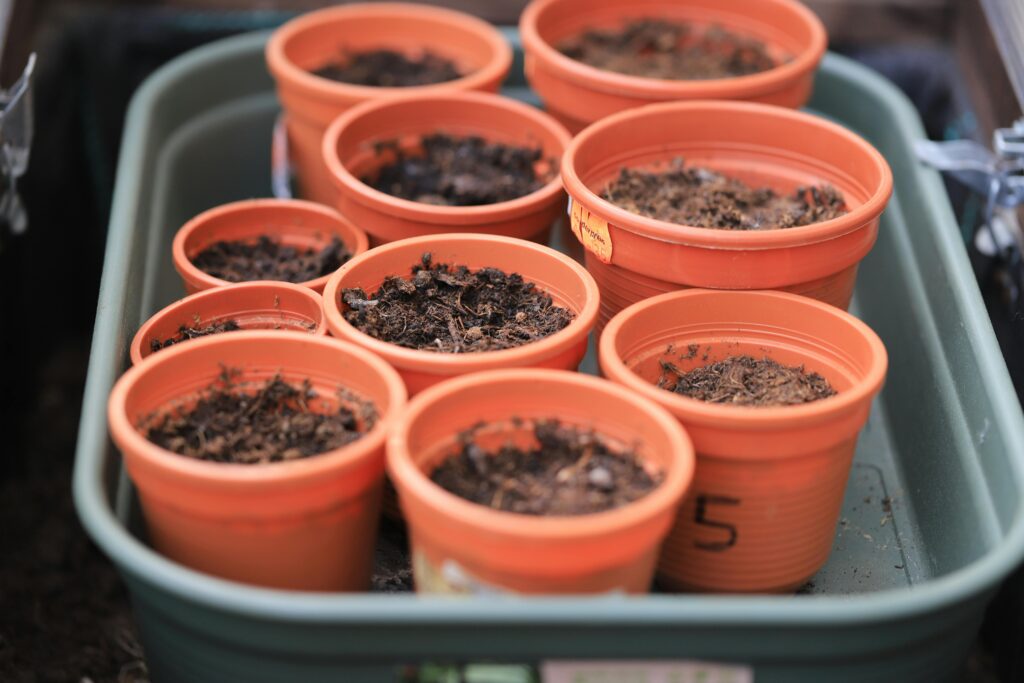
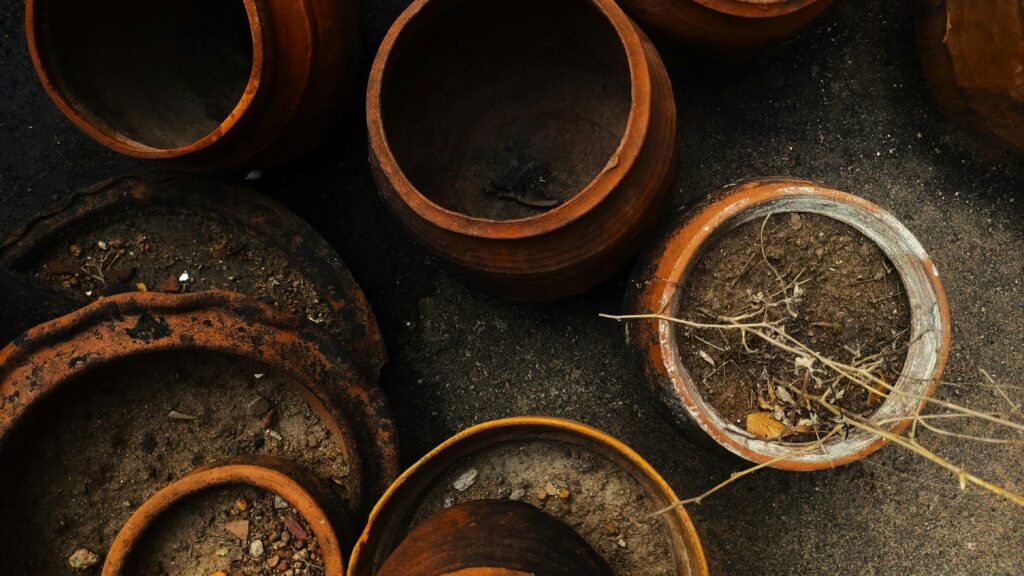
- Pot material (plastic vs terracotta changes drying speed)
- Local microclimate (heat, humidity, airflow in Indian balconies/terraces)
- Most importantly, aeration and drainage balance in the soil
When these are not aligned, beginners experience common problems like overwatering confusion, inconsistent drying, root stress, and slow plant growth in pots—even when effort is consistent.
This blog will help you understand why your potting mix is not working in your container setup, what actually works in Indian balcony and terrace gardening conditions, and how to fix your soil mix in a simple, budget-friendly way without overcomplicating your routine.
✨ If your plants look alive but never grow, the problem is often in the soil — fix it here: https://mypotsgarden.com/plants-not-growing-in-pots-soil-fix/
What does it mean when plants survive in pots but don’t grow or look weak?
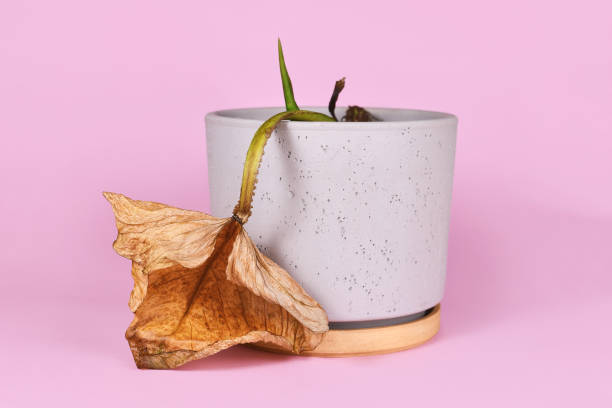
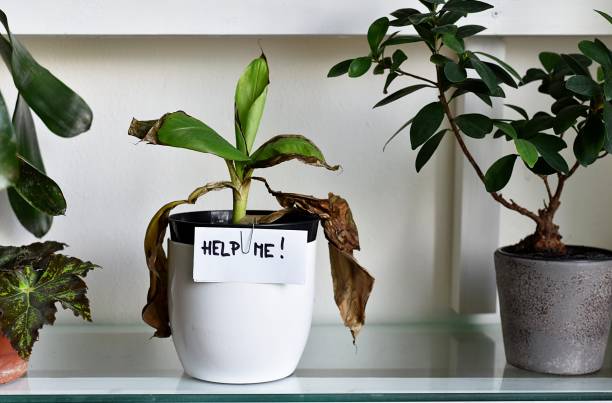
The plant may look fine for weeks or even months, but there’s no real growth. No new leaves, no visible progress—just a plant that stays the same. Then suddenly, one day, it may start wilting, turning yellow, or becoming soft and weak.
This is where the confusion starts.
You feel like you’ve done everything right—watering regularly, placing it in the right sunlight spot, even using a premium potting mix. Still, the plant isn’t growing as expected. This is one of the most common beginner experiences in container gardening, especially in balcony and terrace setups.
Even if your watering and placement are correct, the soil ultimately decides how well the roots function—and root health directly controls plant growth.
In most cases, slow plant growth in pots or weak-looking plants comes down to two core soil-related issues:
Water is not staying in the soil long enough for roots to absorb it properly
Water is staying too long, blocking airflow and reducing oxygen in the soil
Both situations stress the roots.
When roots are stressed, the plant shifts from “growing” mode to just “surviving.”
That’s why your plant may look stable for a while but not actually thrive.
You might also notice this: “The same plant looked healthy and full at the nursery—why is it showing yellow leaves or drooping at home?”
Nursery setups are controlled environments. They use experience-based soil mixes, consistent watering schedules, and protected conditions. In contrast, your home garden—especially in Indian balcony or terrace gardening—faces direct exposure to heat, wind, humidity shifts, and sudden seasonal changes like unexpected rain during summer.
This difference matters more than it seems.
Your potting mix might be technically “good,” but if it doesn’t match your local microclimate, it won’t perform well. That’s why many beginners face issues like yellow leaves in potted plants, inconsistent watering confusion, or plants not growing in containers despite effort.
Potting mix is not a fixed formula—it needs to work with your environment.
General ratios (like cocopeat + compost + perlite) help as a starting point, but they don’t automatically suit every balcony setup. The way soil behaves depends on multiple real conditions:
The pot material (plastic holds moisture longer, terracotta dries faster)
The pot size (small pots dry quickly, large pots retain moisture longer)
The airflow in your balcony or terrace (affects drying speed)
The heat exposure (direct sun vs partial shade changes internal soil temperature)
For example, a potting mix labelled “well-draining and aerated” may still hold excess moisture if used in a plastic pot placed in a low-airflow corner. The topsoil may dry quickly, but the inner soil can stay wet for days—leading to root stress without you realizing it.
Plant type also plays a big role.
Edible plants and flowering plants usually prefer evenly moist, nutrient-rich soil—but not soggy conditions
Succulents and cacti need highly aerated, fast-draining soil with minimal moisture retention
If you use a highly aerated, low-nutrient mix meant for succulents on leafy or edible plants, they may struggle to grow due to lack of moisture and nutrients. On the other hand, using heavy, nutrient-rich soil for succulents or certain houseplants can lead to root rot because the soil stays wet longer than the plant can handle.
This mismatch between soil type, plant type, and environment is one of the biggest reasons behind weak plant growth in pots.
A good potting soil system supports healthy roots, easier maintenance, and fewer gardening problems. Read: Building a Potting Soil System That Actually Lasts
Why do most potting soil mixes fail in containers like balcony or terrace gardens?
You can’t compare ground bed soil with pot soil. Red soil or garden soil may work well in ground gardening, but it behaves very differently in pots. In containers, plants are limited by soil space; there is no natural root buffering like in the ground, and temperature is influenced by the pot material itself.
These factors change how soil behaves inside pots. That’s why a customized potting mix becomes more important for plant success in balcony or terrace container gardening setups. Most potting mixes fail not because they are “wrong,” but because they are not suited to your specific garden conditions.
Readymade potting mixes—or even mixes you prepare yourself—often fail when they are used without adjusting for your space. Every balcony or terrace in India has a slightly different microclimate (sunlight, heat, airflow, humidity). When the soil mix doesn’t match this, it creates a mismatch between how the soil behaves and what the plant actually needs.
Does poor soil drainage cause root problems in pots?
Yes—this is one of the most common reasons behind plant decline in container gardening.
In many Indian home gardens, beginners reuse red soil or garden soil in pots. While red soil is not bad, using it alone in containers leads to compaction and poor drainage. On the other hand, some readymade potting mixes also fail because they contain excess cocopeat and compost, which hold moisture for too long.
When drainage is poor:
- Soil stays wet for longer than needed
- Air pockets in the soil get blocked
- Oxygen flow to the roots reduces
- Roots begin to suffocate, leading to slow growth or rot
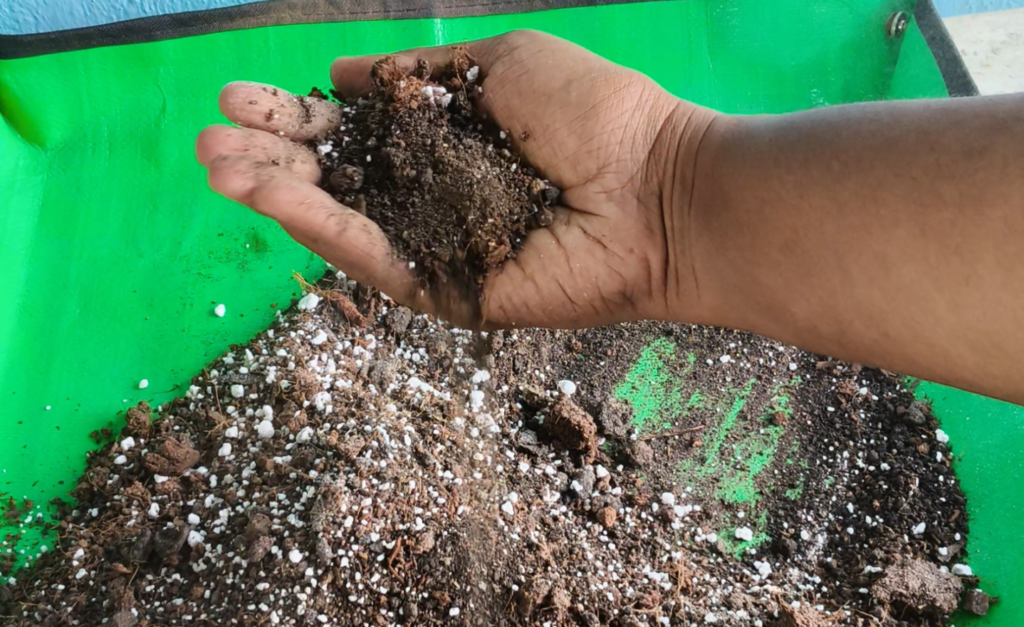
A good potting mix should feel light and airy. When you hold it in your hand, it should not form a tight, sticky clump. This structure allows water to pass through while still keeping enough moisture for roots.
It’s important to understand that well-draining soil is not just for succulents or houseplants. Even flowering plants and edible plants in pots perform better in a mix that allows proper aeration.
Potted plants generally struggle in soggy soil. Without airflow in the root zone, even regular watering can become harmful. Adding drainage materials like sand, perlite, or pumice helps create a loose structure where water can move, and roots can breathe.
Can soil that dries too fast also stop plant growth?
Yes, this is the opposite problem—and equally common.
Using too much sand or excess aeration material can make the potting mix dry very quickly. In Indian balcony gardening conditions, especially during hot months, this can lead to inconsistent moisture levels.
If the soil dries before roots can properly absorb water:
- Plants experience repeated stress cycles
- Leaves may wilt or droop frequently
- Growth slows down because the plant focuses on survival
A balanced potting mix should not stay wet for too long, but it also should not dry out too fast. Ideally, it should hold moisture for at least 1–2 days (depending on plant type and weather), allowing roots enough time to absorb water gradually.
The key difference:
- Good soil holds moisture
- Poor soil holds excess water or loses it too quickly
When roots go through repeated drying and wetting stress, the plant diverts energy into recovery instead of growth.
Why do plants grow better in nursery soil than at home?
This is a very common observation—and it often creates confusion.
In nurseries, plants are grown in controlled environments like shade nets or greenhouses. These conditions reduce harsh sunlight, protect from strong winds, and maintain more stable humidity levels. Plants are also regularly fed to maintain a healthy appearance.
However, when you bring the same plant home:
- It faces direct sun, heat, wind, and rain
- The microclimate of your balcony or terrace is very different
- The same soil mix may not behave the same way
This is why the concept of microclimate matters more than general climate. Even within the same city, each balcony or terrace setup behaves differently depending on:
- Direction (east/west facing)
- Building structure and shade
- Airflow and surrounding walls
Without adjusting the potting mix to this microclimate, soil may compact faster, hold too much water, or dry too quickly. This leads to root stress, poor growth, or watering confusion.
Even expensive potting mixes can fail if they don’t match your watering routine or environmental conditions.
Do pot size and soil volume affect growth?
Yes, pot size directly affects how the soil behaves and how roots grow.
A general guideline is to choose a pot about 1–2 inches larger than the root ball. This gives enough space for roots to expand without overwhelming the plant.
- Small pots:
- Limited soil volume
- Dry out faster
- Less nutrient storage
- Can lead to dehydration and stunted growth
- Oversized pots:
- Hold excess soil and moisture
- Increase risk of overwatering
- Reduce oxygen flow to roots
- Can lead to root rot and nutrient imbalance
Too much soil combined with excess fertilizer can also cause salt buildup, which may damage roots over time.
The goal is not just choosing the right pot size, but pairing it with the right soil mix. When both are balanced, roots grow steadily, and plants can focus on healthy, consistent growth instead of stress response.
🪴 Most container plants succeed or fail quietly — long before you notice. Read the container truths that decide success
How to fix poor potting soil and make plants grow better in containers?
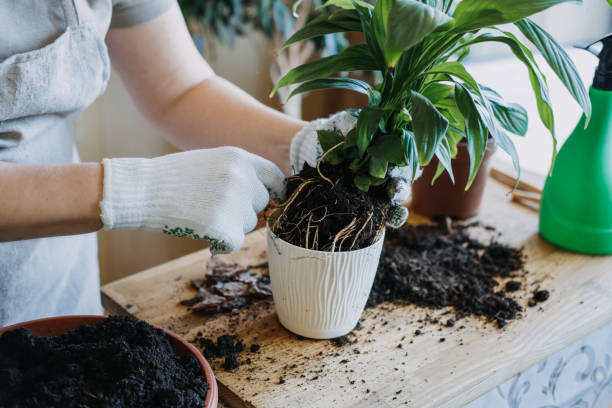
What is a good potting mix for balcony container gardening?
In container gardening, drainage is the first priority to keep plants alive and healthy. Even before nutrients and sunlight, drainage is a non-negotiable factor—especially in Indian balcony and terrace gardening conditions, where heat, humidity, and watering patterns vary a lot.
A practical beginner-friendly structure:
- Around 40% drainage materials (perlite, coarse sand, pumice)
- Remaining 60% adjusted based on plant type and space conditions
For example:
- Heavy feeders → increase compost (around 25–30%)
- Light feeders → reduce compost (around 15–20%)
The base (cocopeat or red soil) should not be fixed blindly. It needs to be adjusted based on your microclimate:
- Low airflow + less sunlight → reduce soil base, increase drainage
- High heat + strong sunlight → slightly increase moisture-holding base
The goal is not a “perfect ratio,” but a balanced mix that drains well and still holds enough moisture for your space.
👉 For a simple beginner breakdown, you can also guide readers to your free soil mix PDF here.
How to check if your current soil mix is the problem?
Most beginners face confusion between watering issues and soil issues. But often, the soil mix itself is the root cause.
Signs of poor drainage (too wet):
- Water sits on top before absorbing
- Soil stays wet for many days
- Foul smell from soil
- Stems become soft or mushy
Signs of soil drying too fast:
- Soil cracks or shrinks from pot edges
- Dries within a day in Indian heat
- Frequent wilting even after watering
A healthy potting mix should:
- Stay moist, not soggy
- Dry gradually within 48–72 hours (depending on plant and climate)
This time window allows roots to absorb water properly. If soil stays wet too long → root rot risk. If it dries too fast → root stress.
Can you improve the soil without repotting completely?
Yes—this is more practical for balcony gardeners.
You don’t always need full repotting. You can improve soil gradually:
- Use a hand fork to gently loosen the topsoil
- Add perlite or sand to improve drainage
- Loosen soil near pot edges and add fresh, well-draining mix
- Avoid disturbing roots deeply
Top-dressing with compost also helps:
- Improves soil structure over time
- Supports beneficial microorganisms
- Naturally loosens compact soil
Improving drainage holes and keeping pots in a space with good airflow also supports better soil behavior.
How to maintain soil health over time in pots?
Soil in containers is not “set and forget.” Over time:
- Nutrients get washed away with watering
- Soil becomes compact
- Structure breaks down
To maintain healthy soil:
- Add compost or organic matter every 30–45 days (based on plant needs)
- Loosen the top layer every few months to prevent compaction
- Refresh soil partially during seasonal changes if needed
Organic matter helps build microbial activity, which improves soil structure and supports root health naturally.
Is it normal for beginners to struggle with potting soil in container gardening?
Yes—this is completely normal, and it’s one of the most common hidden struggles in container gardening. Most beginners assume that once they buy a good potting mix, things should just work. So when plants don’t grow as expected, it feels confusing and discouraging.
But the truth is, even experienced gardeners keep adjusting their soil mixes over time. Not because they are doing something wrong—but because soil behaves differently in every space. What works in one balcony may not work in another, even within the same city.
It’s important to reframe this clearly:
It’s not about finding a “perfect potting mix” once and for all.
It’s about understanding how your soil behaves in your pots, under your watering routine, and in your specific microclimate.
That’s why small observations matter more than fixed formulas:
- How fast is your soil drying?
- Is it staying wet longer than expected?
- Are roots getting enough airflow?
Instead of constantly changing everything, the better approach is simple:
Observe → adjust → simplify
- Notice what your plant is showing you
- Make small corrections (not full changes every time)
- Keep the routine manageable for your space
Over time, this builds consistency—and consistency is what plants respond to.
Also, healthy soil does not show instant results. Unlike fertilizers or quick fixes, soil improvements work slowly but steadily. When the structure is right, roots grow better, watering becomes easier, and plant stress reduces naturally.
So if your plants are not growing well right now, it doesn’t mean you failed. It usually means your soil needs small adjustments.
Because in container gardening:
Healthy soil leads to stable growth—not instant results.
And even small improvements in your soil mix can create big, long-term changes in plant health.
🪴 Most beginners fail because they skip the basics. Don’t make that mistake. See the step-by-step container gardening guide
🌿 Want to see real balcony gardening fixes in action?
Watch simple, practical plant care videos on my channel