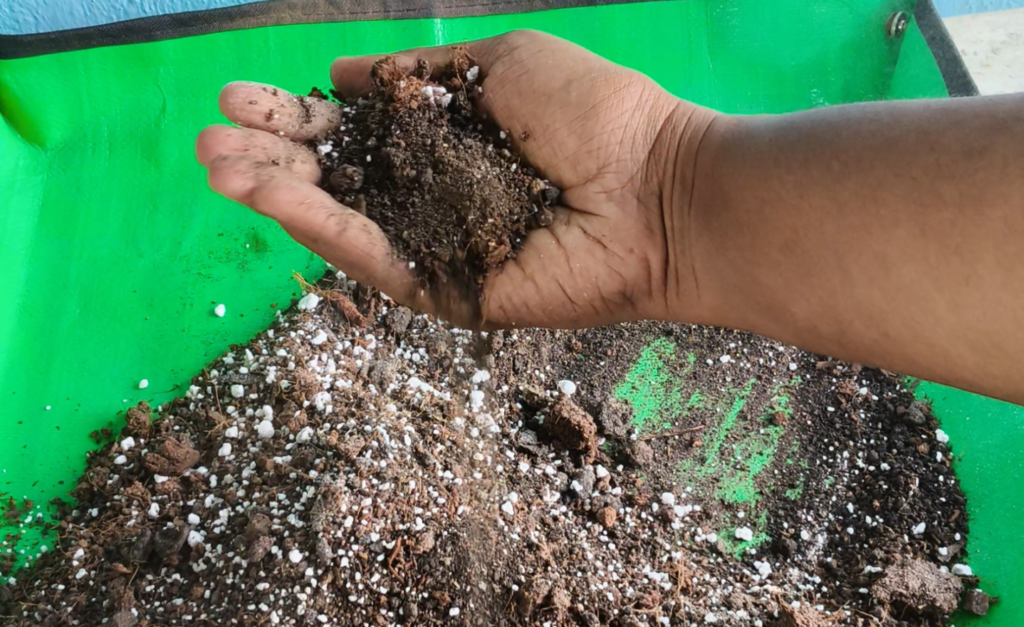
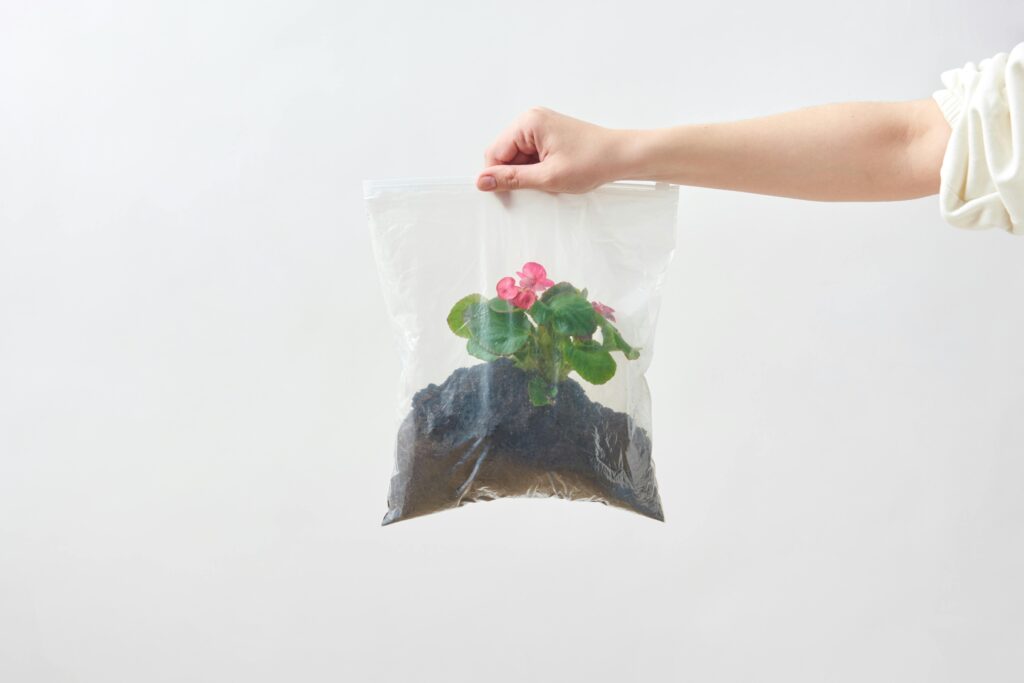
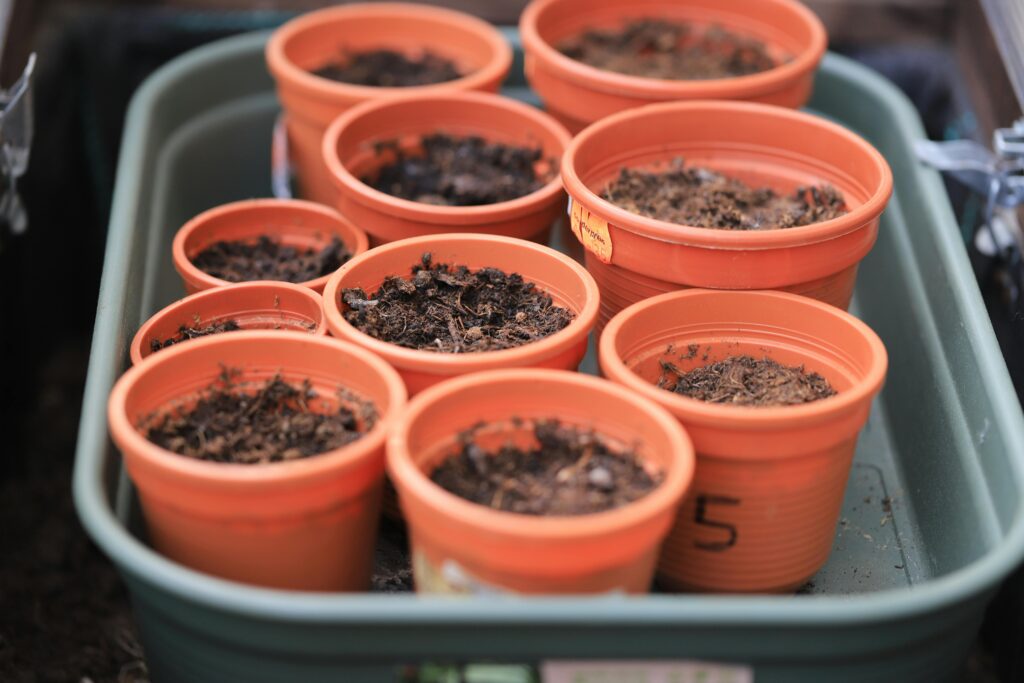
You looked at that one potted plant that was completely fine a few days ago… and suddenly it’s wilted. The leaves are drooping, stems feel weak, and the whole plant looks like it collapsed overnight. You watered carefully, kept it in the right sunlight spot, and even rotated the pot for balanced growth. Still, the plant started dying.
This is one of the most frustrating potted plant problems every beginner balcony gardener faces. Your full focus goes into watering schedules, sunlight, and fertilizers. But did you ever stop and focus on the potting soil itself?
Most beginners assume plant death happens because of watering mistakes, low sunlight, or fertilizer issues. Sometimes yes… but all three are heavily influenced by the soil mix inside the pot. If the soil texture is unhealthy, watering never stays balanced. The soil either stays soggy for too long or dries out too fast. If the potting soil lacks airflow, the roots stay stressed even when the plant gets perfect sunlight.
The same thing happens with fertilizers, too. Weak or suffocating roots cannot properly absorb nutrients. This is where leaf yellowing, drooping, slow growth, stem collapse, and sudden wilting start happening in container plants. Sometimes the soil stays wet for days and slowly rots the roots. Other times, the soil becomes bone dry too quickly and stresses the plant badly.
This sudden collapse creates self-doubt in beginner gardeners.
“Did I water too much?”
“Did I underwater?”
“Did I place the pot in the wrong spot?”
“Am I bad at gardening?”
Actually, nothing is completely wrong with you, buddy. These are missed soil signs that almost every beginner in container gardening goes through. You cannot become experienced in gardening overnight. It takes hands-on observation, failed plants, seasonal learning, and slowly understanding how roots react inside pots.
Honestly, growing plants in Indian balconies and terrace gardens is not as easy as people think. Sounds surprising for a country filled with agriculture, right? But growing plants in containers on balconies and terraces is completely different from growing in the ground soil.
Indian balcony and terrace gardening spaces are mostly surrounded by concrete floors, walls, tiles, and reflected heat. That changes the entire microclimate around your potted plants.
In summer, concrete terrace floors become like a furnace, transferring heat directly into pots and heating the soil faster than beginners realize. During monsoon and winter, the same floors hold moisture and humidity longer, making potting soil stay wet for days.
And one thing most gardening advice ignores in Indian container gardening is airflow. People talk a lot about sunlight and watering, but poor airflow between tightly packed pots quietly creates root stress, fungal problems, and root rot issues more often than you think.
The heavy use of plastic pots also traps moisture longer, even during hot summer conditions. Add sudden weather fluctuations, monsoon humidity, harsh afternoon sun, and compact balcony spaces… and the roots inside containers go through constant stress. Unlike ground gardens, pots have no natural soil buffer to stabilize moisture and temperature.
That’s why soil mix matters much more in container gardening than beginners realize. A healthy potting mix is not just about holding water. It should also balance moisture retention, airflow, drainage, and root temperature.
And honestly, the real reason many potted plants suddenly die is not lack of care. It’s the gap in understanding how the soil mix behaves inside containers.
The right soil mix keeps roots healthy. Healthy roots keep the plant alive.
In this blog, I’ll help you identify the hidden soil problems that slowly kill potted plants in balcony and terrace gardens. I’ll also help you understand how to build or choose a beginner-friendly soil mix that supports healthy root growth instead of stressing the plant. So if you are tired of watching plants go from one yellow leaf to sudden wilting, read till the end. You’ll start understanding what your potting soil has been trying to tell you all along.
Most Balcony Plant Problems Start From the Soil
Yellow leaves, soggy pots, root rot, slow growth, and sudden wilting often happen because of unhealthy potting soil. Learn beginner-friendly soil mix basics for Indian balcony & terrace gardening.
What are the warning signs that potting soil is slowly killing my container plants?
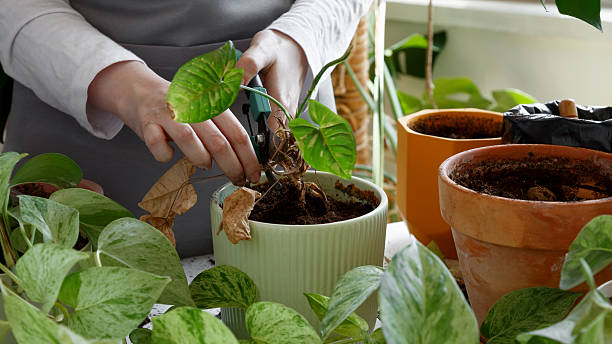
You might feel like the plant died overnight. But honestly, most container plants show warning signs for days or even weeks before collapsing. The problem is, beginners usually don’t recognize those signs because nobody really talks about how unhealthy potting soil behaves in balcony and terrace gardening.
Not all plants dramatically collapse at first. Some slowly struggle in silence. A little yellowing here, slightly weak stems there, slow growth, soggy soil, or leaves looking “off.” These subtle signs are easy to ignore until one day the whole plant suddenly wilts.
Once I started paying attention to soil behavior instead of only watering schedules, I realized most potted plant problems actually start from the roots much earlier than we think.
If you learn these early warning signs, you can save your next container plant before it reaches the sudden collapse stage.
Why do leaves turn yellow even when the soil looks wet?
Just observe carefully. Leaf yellowing alone can point toward many container gardening problems, but the pattern matters a lot.
If newer leaves or leaves near the stem start yellowing first, it’s often a sign the potting soil lacks airflow and is not draining properly. The roots stay stressed inside constantly moist soil, even if the top layer looks okay.
Also notice sudden black spots, brown patches, or soft-looking leaves along with wet soil that refuses to dry. These are early signs of fungal stress inside the soil caused by excess moisture and poor airflow around the roots.
And honestly, this lack of airflow happens more often in Indian balcony gardening than people realize. Tight plant placement, overcrowded terrace gardens, non-porous plastic pots, and heavy soil mixes all trap moisture around the roots.
This is why overwatering is not always about watering too frequently. Sometimes you watered at the wrong time — before the previous moisture fully dried from inside the pot.
Why does the soil stay wet for too many days in pots?
I lost many potted plants earlier because I ignored wet soil staying moist for too long. I used to think, “More moisture means the plant is safe.” But slowly I realized constantly wet soil is one of the biggest root stress triggers in container gardening.
In a balanced potting mix during normal summer weather, the top soil usually dries within one day after watering. During cloudy weather maybe around 48 hours. In rainy season or winter conditions, maybe 3 days maximum.
But if your potting soil still feels wet and cold even after that, it’s usually a warning sign that the soil mix is too heavy.
This happens because of compacted soil, poor drainage, lack of soil texture, or potting mixes without enough aeration materials. The moisture gets trapped instead of balancing properly.
External conditions also make this worse:
- lack of sunlight
- poor airflow in balconies
- tightly packed pots
- non-porous containers
- pots without enough drainage holes
But honestly, most of the time the real issue is the soil mix itself becoming imbalanced because of poor soil amendments or wrong ingredient ratios.
Why do healthy plants suddenly collapse overnight in terrace gardens?
Root rot.
When you remove the plant from the pot, the roots look mushy, black, dark brown, or smell rotten instead of looking healthy and white. This is one of the most common fungal root problems in container gardening.
Root rot mostly happens when the soil stays wet for too long, and the roots sit trapped in moisture without enough oxygen or airflow. The roots slowly suffocate underneath before the plant even shows visible stress above the soil.
This problem becomes very common in terrace gardens using plain garden soil, compact soil mixes, or potting mixes without proper drainage texture.
The scary part is that the plant looks healthy until the final stage. Then, suddenly, one day:
- leaves droop badly
- stems weaken
- The lower stem turns brown
- plant collapses overnight
But underneath, the roots were struggling silently for many days.
Most beginners think the plant suddenly died. Actually, the roots were already stressed long before the visible collapse happened.
Why does the topsoil look dry while roots are still rotting underneath?
This confused me a lot in my early container gardening days.
The topsoil looked completely dry, so naturally I watered again. But inside the pot, the roots were already sitting in trapped moisture.
This usually happens because of an imbalanced soil mix and poor soil texture.
If you use garden soil alone, the soil becomes compacted over time. Water pools on top initially, then the surface dries fast under sunlight, while deeper layers stay wet for too long.
But this problem is not only caused by garden soil. Even excess cocopeat can create hidden moisture problems in pots if the soil mix lacks texture and airflow materials.
This is why some succulents, indoor plants, and houseplants suddenly droop or wilt “out of nowhere” even when the topsoil looks dry.
The surface dries because of sunlight and terrace airflow. But underneath, the moisture gets trapped inside compact soil layers without proper air pockets. The roots stay stressed in that hidden wet zone for days.
And honestly, once you start understanding how soil behaves inside containers, many “mysterious” plant deaths suddenly start making sense. That’s why in the next section, we’ll look at why these soil problems become much worse, specifically in balcony and terrace container gardening conditions.
Slow growth, soggy soil, and hard, compacted pots often begin with the wrong soil texture. Learn more: Why Plants Stop Growing in Pots: Soil Texture Matters
Why does this happen more often in balcony and terrace container gardening?
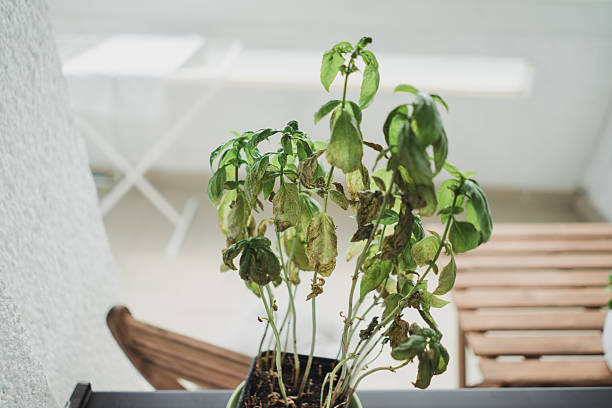
The reason many plants suddenly collapse in Indian container gardening is because beginners follow practices that work perfectly in ground gardens… but fail badly inside pots.
Most of us start gardening by copying nearby gardeners, YouTube advice, or family gardening methods without analyzing whether those methods actually match our balcony or terrace growing conditions.
And honestly, many gardening creators grow plants in completely different climate zones, weather conditions, humidity levels, or garden setups. What works beautifully in one place can silently stress plants in another.
Every balcony and terrace garden has its own microclimate. The airflow, reflected heat, humidity, sunlight timing, rain exposure, and even wall placement change how the soil behaves inside pots.
That’s why understanding Indian-specific container gardening problems matters much more than blindly following “one universal gardening rule.”
Does regular garden soil become dangerous inside pots?
More than beginners realize.
You may think, “This same garden soil works perfectly in ground beds… so why not in pots?”
The reason is simple. In ground soil, excess water has huge surrounding space to spread, drain, and balance naturally. But inside pots, especially balcony containers, the water gets trapped in a very limited space.
Over time, regular garden soil becomes compact because of repeated watering. The soil slowly loses air pockets and healthy texture. Instead of staying loose and breathable, it turns heavy and dense around the roots.
This creates classic container gardening problems:
- slow growth
- yellowing leaves
- soggy soil
- weak roots
- root rot
- sudden wilting
And honestly, using garden soil alone without balancing it with proper soil amendments is one of the biggest beginner mistakes in terrace gardening.
Different plants need different soil behavior. Some roots need more airflow. Some need slightly higher moisture retention. But plain garden soil usually becomes too heavy inside pots for most balcony plants.
Using untreated garden soil also brings other hidden problems:
- pest eggs
- weeds
- fungal diseases
- harmful soil organisms
And when this heavy soil gets combined with non-porous plastic pots, poor airflow, and limited drainage… the roots slowly suffocate without you realizing it.
Using Garden Soil in Pots? It Can Damage Roots
Why do balcony pots dry fast on top but stay soggy below?
This confused me a lot during my early container gardening days.
The top soil looked completely dry because sunlight, terrace heat, and airflow dried the surface quickly. Naturally, I watered again thinking the whole pot had dried.
But inside the pot, the deeper soil layers were still wet.
This is where proper soil checking becomes extremely important in balcony gardening. If you water only based on dry-looking top soil, you may unknowingly overwater the plant again and again.
Potted plants need internal soil moisture checking before watering:
- finger test
- toothpick test
- long stick method
- checking pot weight
All these simple observations help you understand whether the inner root zone is actually dry or still holding trapped moisture.
This soggy-bottom issue mostly happens because of:
- poor soil drainage
- compacted soil mix
- lack of drainage holes
- excess garden soil
- soil mixes without enough texture or aeration
And honestly, many roots start rotting from this exact hidden moisture problem while the gardener thinks the plant is “too dry.”
Can ready-made potting mixes also cause sudden plant death?
Yes… just like plain garden soil can kill plants, the “one bag potting mix for all plants” idea also creates problems in container gardening.
The roots decide the soil mix — not the marketing label on the bag.
Not every plant wants high moisture retention. Not every plant wants an airy cactus-style mix either. The plant type, root thickness, moisture tolerance, climate, and pot placement all influence what kind of soil mix actually works.
This is why those “magic universal potting mix recipes” sometimes fail badly.
For moisture-sensitive plants, the mix may trap excess water and cause root rot. For thirsty plants, the same mix may dry out too fast and stress the roots.
And honestly, even good ready-made potting mixes need adjustment based on your balcony or terrace microclimate.
A soil mix behaving perfectly in cool weather may suddenly stay wet too long during monsoon humidity. The same mix may dry aggressively during peak summer terrace heat.
That’s why observation and tweaking slowly become the real key to successful container gardening.
Why do rainy season and humidity make soil problems worse?
Many Indian gardeners believe rainwater automatically means healthy plants. And yes, rainwater is beneficial. But continuous rain exposure without enough drying time becomes dangerous for container plants.
If rainy weather continues for days and sunlight disappears, even when the top soil looks dry from wind exposure, the inside soil layers may still remain wet.
And if you continue watering without checking the inner soil moisture properly, the trapped air pockets inside the soil slowly fill with water. This creates a very high risk of root rot and fungal stress.
Even if your pots are protected from direct rain, monsoon humidity itself becomes a hidden problem in balcony and terrace gardening.
During monsoon and winter, the potting soil stays moist much longer than beginners expect. Sometimes even the top 2 inches feel dry while the deeper root zone remains wet.
This is why during humid weather:
- checking pot weight helps
- using a long stick to test deeper moisture helps
- spacing pots for airflow helps
- reducing unnecessary watering helps
Honestly, trapped moisture from humidity quietly kills more potted plants than harsh summer heat in many Indian balconies.
And this excess moisture doesn’t just stress roots. It also attracts fungus gnats, pests, fungal diseases, and random plant decline “out of nowhere.”
That’s why monitoring soil moisture carefully during monsoon matters so much. Small habits like improving airflow and adding neem cake powder to the soil mix can make a surprisingly big difference over time.
And once you understand how climate, soil texture, humidity, and pot behavior work together, container gardening starts feeling far less confusing. In the next section, we’ll look at practical ways to fix these soil problems before they kill more plants.
Your soil often shows warning signs before plants start struggling. Learn what to look for: How to Check Soil Health Without Tools (Beginner Signs)
Many potted plants slowly decline because trapped water blocks root airflow. Learn why here: Why Poor Drainage Suffocates Potted Plants
How can beginners fix unhealthy potting soil before plants completely die?
🌱 Confused About Potting Soil?
Stop losing plants from soggy soil, root rot, and unhealthy potting mixes. Download my FREE Beginner Soil Mix PDF made for Indian balcony & terrace gardeners.
Simple soil mix guidance to help beginners stop killing plants from hidden soil problems.
Honestly, switching to a customized potting mix based on plant type solves more container gardening problems than beginners realize. Much more than using plain garden soil, random YouTube recipes, or one ready-made potting mix for every plant.
The real goal of a healthy potting mix is balance.
The soil should hold enough moisture for plant hydration without becoming soggy. At the same time, it should stay airy, well-draining, lightweight, and breathable enough for healthy root growth.
And this balance changes based on the plant type.
Some plants love slightly higher moisture retention. Some roots need fast drainage and more airflow. This is why soil mix ratios matter so much in balcony and terrace gardening.
That’s exactly why I created a simple free soil mix PDF for beginners — to help readers understand soil mix ratios without getting overwhelmed by complicated gardening advice.
How do I know if my potting mix needs changing?
This is where many beginners stop observing… but experienced gardeners don’t.
Good gardeners don’t just make a soil mix once and blindly trust it forever. They continuously observe how that soil behaves after planting.
Because sometimes even a “good” potting mix behaves differently depending on your balcony microclimate, airflow, weather, sunlight exposure, humidity, or pot type.
Sometimes the soil dries too slowly. Sometimes it dries too fast. Sometimes one corner of the terrace stays humid longer. Sometimes plastic pots trap moisture more than expected.
This is why soil observation becomes more important than blindly following a fixed recipe.
And honestly, most soil problems don’t need a full soil replacement immediately. Small tweaks usually solve the issue.
If the soil stays wet too long:
- add a little extra perlite or pumice
- improve drainage holes
- move the pot to a better airflow spot
- reduce heavy soil components
If the soil dries too quickly:
- add light moisture-retaining materials
- use coconut husk mulch
- protect the pot from harsh afternoon heat
Tiny adjustments based on observation slowly make a huge difference in container gardening success.
What kind of potting mix works better for balcony container plants?
The exact ratios may change based on plant type, but the core idea stays the same:
- airy
- lightweight
- well-draining
- breathable
Because honestly, most potted plants suffer more from trapped moisture and lack of aeration than from temporary dryness.
Soil texture matters a lot in container gardening. Good texture creates healthy soil structure with tiny air pockets inside the mix. These air pockets help:
- better drainage
- root airflow
- easier root penetration
- balanced moisture retention
And this becomes even more important in Indian balcony and terrace gardening where airflow is already limited because of walls, tight spaces, nearby buildings, and crowded plant placement.
That’s why heavy compact soil becomes dangerous faster in containers.
A lightweight and airy potting mix not only protects roots better, but also reduces extra weight pressure on balcony floors, railings, shelves, and vertical gardening setups.
How can I stop overwatering problems without watering less?
Most beginners think fixing overwatering means watering less frequently. But honestly, the real solution is improving how the soil behaves after watering.
A healthy potting mix should release excess water while still keeping balanced moisture around the roots.
Simple changes help a lot:
- use a well-draining and aerated potting mix
- add perlite or pumice for better soil structure
- reduce excess garden soil to avoid compaction
- use cocopeat carefully as a balanced soil base
- always water after checking internal soil moisture
- avoid overcrowding plants
- improve sunlight and airflow around pots
- use porous pots when possible
- keep the soil mix lightweight
- choose pot size based on root size instead of “bigger is better”
And honestly, once you stop treating watering as a fixed schedule and start observing the soil itself, container gardening becomes much less stressful.
Healthy roots usually come from healthy soil behavior — not from perfect watering timing alone.
Can dying potted plants recover after fixing the soil problem?
Honestly, many dying potted plants can recover if you identify the soil problem early. Yellow leaves, drooping, slow growth, or sudden wilting do not always mean the plant is permanently dead. Sometimes the roots are simply stressed from soggy soil, compacted potting mix, or lack of airflow.
And please don’t blame yourself too quickly. Even experienced container gardeners lose plants sometimes, especially in Indian balcony and terrace gardening where heat, humidity, monsoon moisture, and airflow issues constantly affect the soil.
The important thing is learning from the signs earlier next time.
Sometimes small fixes make a huge difference:
- improving drainage
- reducing heavy soil
- adding aeration materials
- checking soil moisture before watering
- moving pots to better airflow
But if the roots are fully rotten or the stems are collapsing badly, restarting the plant is okay too. That is not failure. Every lost plant teaches something about soil behavior, watering, sunlight, and root health in containers.
Most beginner plant problems become easier once you understand how potting soil behaves inside pots.
So before changing fertilizers or watering schedules again, focus on the soil first. Healthy roots create healthy plants.
And if you want practical help next, you can also read:
- best beginner potting mix recipes for containers
- signs your potting soil has poor drainage
- how to stop root rot in balcony plants
These simple soil lessons can save more plants than you think.
🌿 Need Simple Balcony Gardening Help?
Watch real container gardening experiences, soil mix tips, plant recovery guides, and beginner-friendly balcony gardening videos on my YouTube channel.
New beginner-friendly gardening videos, terrace gardening observations, and practical plant care tips.