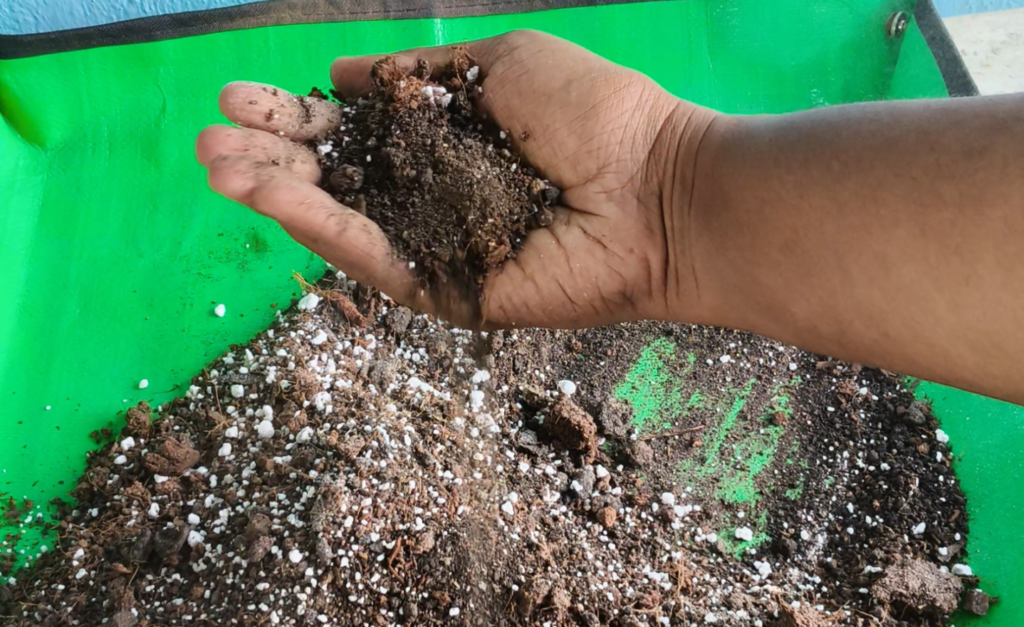
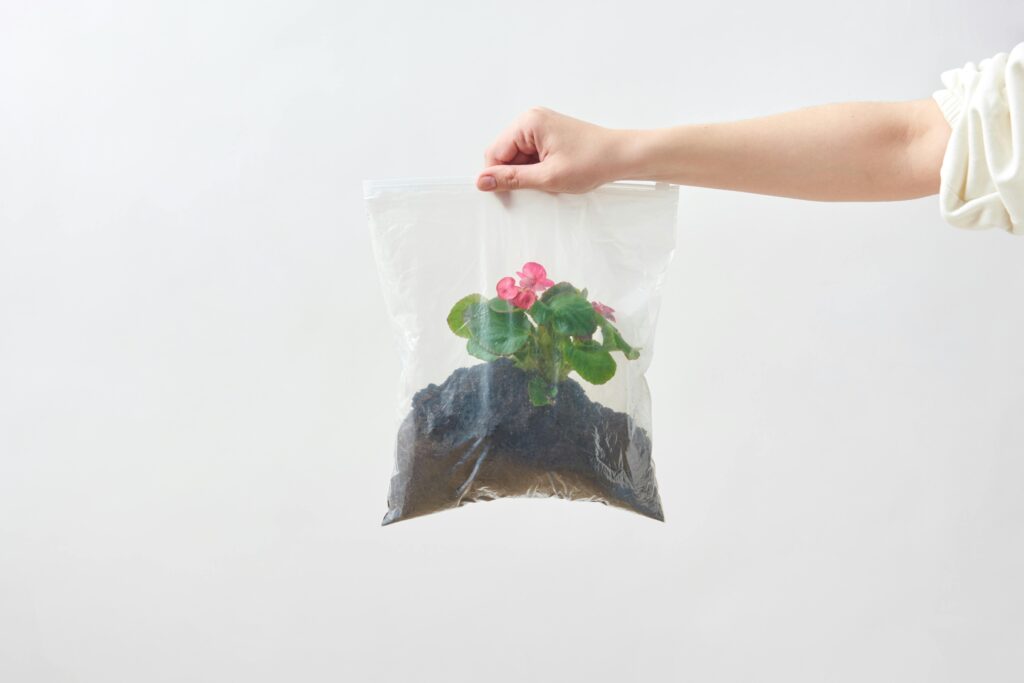
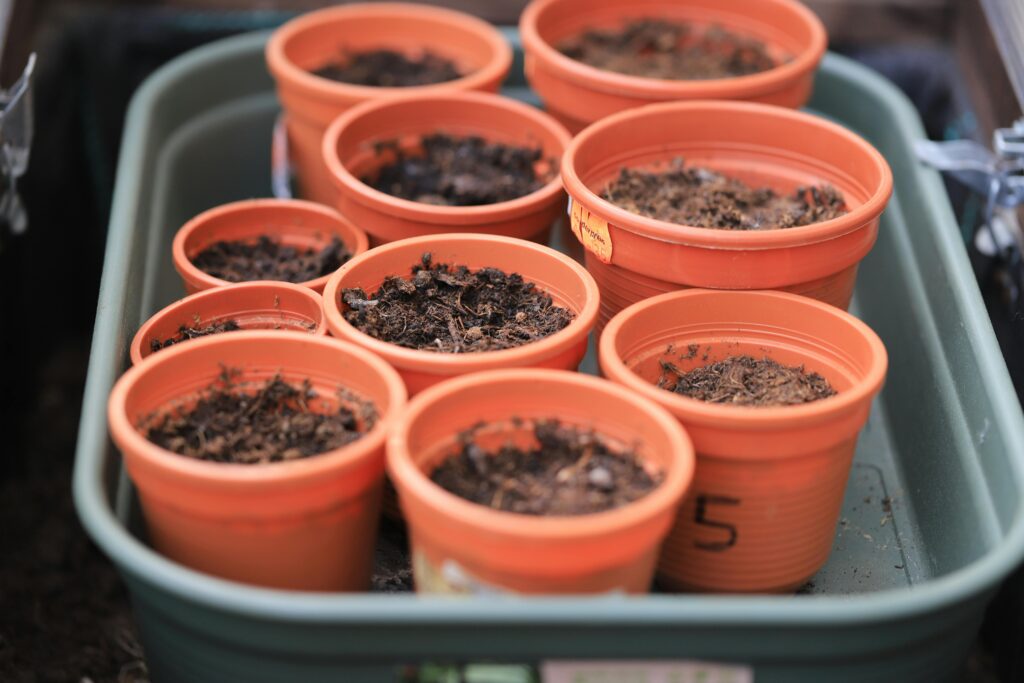
Potting soil in containers is nothing like ground bed soil, and that’s something many beginner container gardeners slowly realize only after losing a few plants. In the ground, you can plant directly into the soil and mostly focus on occasional fertilizer feeding and watering. But in pots, especially in balcony gardening and terrace gardening setups, the potting soil itself becomes an artificial growing environment that needs intentional management.
In container gardening, you cannot simply fill a pot once and expect the soil to stay healthy forever. The soil needs maintenance — refreshing during repotting, adding nutrients back slowly, watching for soil issues, and paying attention to plant stress signs before the plant starts declining badly.
Ground soil naturally has buffer space. There are worms improving drainage, deeper soil layers balancing moisture, and natural microbial activity helping the soil structure stay alive longer. But in pots, roots are trapped inside a limited space. That whole micro-environment depends completely on the soil mix you create. If the soil structure slowly fails, the plant usually follows along with it.
This is why container plants need a proper soil system.
Potting soil breaks down much faster in containers than people expect. In hot Indian terrace gardening conditions, heat dries the soil mix faster and turns the top layer hard. During the monsoon, the same soil can suddenly stay wet for too long. Over time, fertilizers create salt buildup, watering compresses the soil, airflow reduces, and the potting mix slowly loses its structure.
And most potted plant problems somehow circle back to soil.
The slow growth, yellowing leaves, soggy soil, dry soil that repels water, root rot, fungal issues, algae buildup, overwatering confusion, weak roots, nutrient loss, pest breakouts, drooping foliage — many of these container gardening struggles often start below the surface long before the plant shows major damage.
That’s why building a reliable soil base from the beginning makes plant care easier later.
Instead of constantly changing potting soil, struggling with repeated repotting, or trying to fix one plant issue after another, having a simple soil system helps you maintain the soil gradually as part of your normal gardening routine. The goal is not to create some “perfect” soil mix. It is to keep the soil stable, breathable, manageable, and healthy long-term for container plants.
Once the soil becomes stable, even beginner plant care starts feeling less stressful. Watering becomes easier to understand, roots stay healthier, plants recover better from balcony heat or monsoon humidity, and overall container gardening starts feeling more manageable instead of constantly reacting to problems.
And honestly, that’s when many gardeners slowly realize healthy plants are usually built from healthy soil first.
Not sure if your potting soil is healthy? These simple beginner signs can help you check without any tools. Read: How to Check Soil Health Without Tools (Beginner Signs)
What Makes a Soil Base Reliable for Long-Term Use?
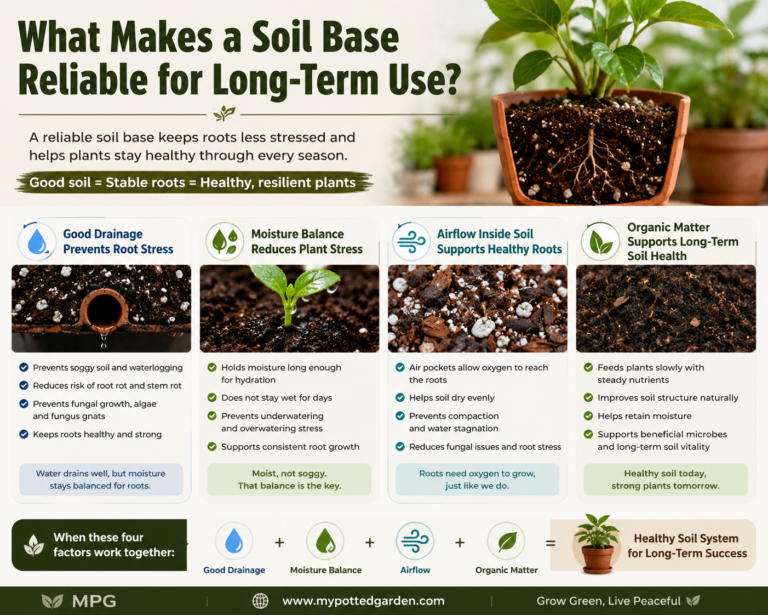
The idea of reliable soil is more important than many beginner container gardeners realize. Plants and roots love stability. Most plants actually thrive in undisturbed soil unless they genuinely outgrow the pot. And honestly, this one realization changed the way I looked at potted plant problems.
You can list a hundred different plant issues — yellowing leaves, drooping, fungal spots, root rot, slow growth, dry soil, soggy soil, pest breakouts — but most of them slowly settle under one core issue: stressed roots.
That’s why a reliable soil base matters so much in container gardening.
If the soil stays stable, breathable, and balanced, the roots stay less stressed. And once the roots are less stressed, many common balcony gardening and terrace gardening problems become easier to manage naturally.
Lack of drainage creates constant soggy soil around roots. That stress slowly turns into overwatering issues, root rot, fungal growth, algae buildup, and weak plant growth. Lack of moisture balance creates another type of stress — the plant swings between underwatering and overwatering with no stable environment for roots to settle and thrive.
Then comes airflow inside the soil. If the soil holds moisture for too long without airflow, fungal issues increase and roots struggle for oxygen. But if the soil becomes too airy without enough moisture retention, the pot dries too fast, especially during Indian summer heat and terrace floor heat, leading to underwater stress again.
And when the soil lacks organic matter, two problems usually happen together — weak soil structure and lack of nutrition. The plant struggles to stay hydrated properly while also facing nutrient deficiencies over time.
Once you slowly connect all these things together, you start seeing the bigger picture. Soil problems and plant stress are deeply connected in container gardening.
Good Drainage Prevents Root Stress
To understand why drainage matters so much in potting soil, you first need to understand how roots actually want the soil to feel.
Not bone dry.
Not constantly soggy.
Roots prefer soil that stays lightly moist long enough to absorb water gradually while still having free air pockets for oxygen flow. Those tiny air spaces inside the potting mix are important not just for roots breathing, but also for helping the soil dry evenly instead of staying wet and stagnant in patches.
Good drainage reduces root stress in so many ways.
It helps avoid:
- overwatering issues
- root rot
- fungal problems
- stem rot
- algae growth
- fungus gnats and moisture-loving pests
- black fungal spots on leaves caused by excessive wet conditions
In many potted plant problems, drainage failure usually starts the chain reaction long before the plant visibly declines.
Moisture Balance Helps Reduce Plant Stress
Plants need moisture. Only certain plants like succulents can tolerate staying dry for long periods because they store water inside their leaves. Most container plants need consistent moisture — just not soggy soil.
Balanced moisture in the soil helps plants stay hydrated without suffocating the roots. That balance becomes even more important in Indian gardening conditions where terrace heat, balcony sunlight, floor heat reflection, and heat waves can dry pots faster than expected.
At the same time, monsoon humidity can suddenly slow down soil drying completely.
That’s why moisture balance matters so much in long-term container gardening.
Healthy soil should not become bone dry within hours, but it also should not remain wet for days without airflow. A reliable soil mix creates that middle ground where roots stay hydrated while still getting oxygen.
This balance helps reduce:
- underwatering stress
- root suffocation
- sudden wilting
- weak root growth
- soggy soil problems
- rot risk during rainy seasons
Airflow Inside Soil Supports Healthy Roots
Airflow inside soil usually comes from airy soil amendments like perlite, pumice, bark, or chunky materials mixed into the potting soil. Sometimes a small amount of coarse sand helps, but personally I noticed perlite and pumice do a much better long-term job maintaining structure and creating air pockets inside the soil.
And those air pockets matter more than people think.
They allow oxygen flow around roots and help the potting mix dry evenly instead of trapping moisture in dense sections. Yes buddy, roots need oxygen too.
When soil loses structure and becomes compacted, airflow reduces. The soil stays moist longer, roots remain stressed, fungal growth increases, and slowly the plant starts showing stress signs like yellowing leaves, drooping, black fungal spots, or weak growth. If ignored longer, it often leads to root rot.
I personally use coconut husk chips in chunky soil mixes because they work as a good bark alternative and are easier to find in Indian gardening markets. They help create space inside the soil while still holding some moisture balance for container plants.
Organic Matter Supports Long-Term Soil Health
Adding compost or organic matter in the right proportion helps container plants absorb nutrients slowly over time instead of getting sudden nutrient spikes. That’s why organic fertilizers are often called slow-release fertilizers.
Compost breaks down gradually, releases nutrients slowly, and allows roots to absorb them in smaller amounts without extreme pH swings or sudden fertilizer stress that sometimes happens with heavy chemical feeding.
But organic matter does more than just feeding plants.
Compost and manure also help support soil structure. Unlike heavy garden soil that compacts inside pots, organic matter helps keep the potting mix softer and more workable over time. The microbial activity created by compost also helps maintain healthier soil structure naturally.
And importantly, organic matter helps retain moisture so container plants stay hydrated longer without the soil becoming lifeless too quickly in hot balcony or terrace gardening conditions.
Stability Matters More Than Constant Changes
One thing I slowly realized in container gardening is this — plants hate frequent root and soil disturbance.
Repotting itself stresses plants. Of course, plants need repotting when they genuinely outgrow their pots. But many beginner plant care problems happen because people keep changing soil frequently due to fungal issues, excess moisture, pest outbreaks, or unstable potting mixes.
In pots, stressed plants usually take longer to recover. Their energy goes into survival and healing instead of healthy growth.
That’s why building a better soil mix from the beginning matters so much.
If the soil stays balanced and manageable, you can usually maintain it with simple habits like top dressing fertilizers, occasional soil loosening, seasonal refreshes, and watering adjustments instead of fully changing the potting soil repeatedly.
Plants genuinely love stability. Healthy roots settle better in stable soil environments.
And honestly, once you start focusing on building reliable soil instead of constantly fixing plant problems later, container gardening starts feeling far less exhausting and much more manageable long-term.
Yellow leaves, drooping, or sudden plant decline after watering may point to hidden root problems. Learn why: Why Potted Plants Die Even After Watering?
The Simple 3-Part Soil Foundation for Most Container Plants
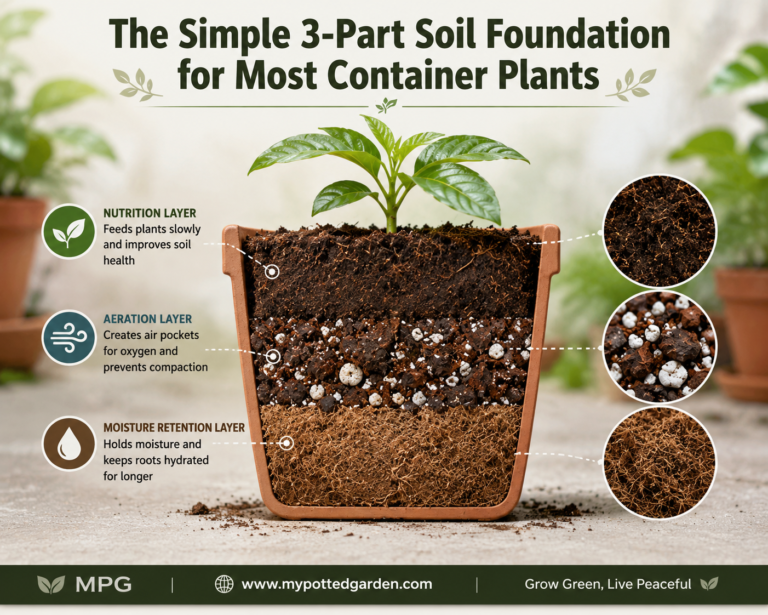
One mistake many beginner container gardeners make is overcomplicating the potting mix. Too many soil amendments, too many ratios, too many random “must-add” ingredients from gardening videos — and still the plants end up with yellowing leaves, soggy soil, weak roots, fungal spots, or dry soil that turns hard within hours.
After a point, I slowly realized healthy container soil mostly comes down to just 3 core foundations:
- Moisture retention layer
- Nutrition layer
- Aeration layer
That’s it.
The ratios may change depending on the plant type, climate, balcony heat, terrace gardening conditions, or watering habits. But almost every good potting mix somehow supports these three core areas.
Moisture Retention Layer
This moisture retention layer is created using soil base amendments that help the potting mix hold water long enough for roots to access gradually. Plants need water for almost everything — nutrient breakdown, maintaining turgor pressure, cooling themselves during heat, and staying hydrated without stress.
In container gardening, the potting mix acts like temporary storage. It stores water and oxygen inside the soil for roots to use slowly over time.
That’s why moisture retention matters so much.
Without a proper moisture-holding layer, pots dry too fast, especially in Indian terrace gardening conditions where heat waves, floor heat reflection, and strong balcony sunlight pull moisture out of pots quickly. This usually leads to underwatering stress, crispy leaves, drooping, weak growth, and constant watering confusion.
Garden soil can work as a moisture retention layer, but it needs proper sterilizing and cleaning before use. Otherwise, pests, weeds, fungal spores, or compaction issues can spread easily inside pots.
For most potted plants, I personally feel cocopeat works better as a lightweight soil base. It holds moisture well, creates better soil structure, stays airy compared to heavy soil, and naturally breaks down slowly over time.
You can also add coconut husk chips to create a chunkier soil mix with better structure. Honestly, for Indian container gardening, cocopeat feels like a lifesaver on a budget.
But the important thing is understanding that moisture retention ratios change based on plant types.
Succulents prefer lower moisture retention because they already store water inside their leaves. Houseplants usually need moderate moisture retention — enough to stay hydrated, but not enough for the soil to remain wet for too long. Flowering plants and edible plants often need slightly more moisture retention because their growth, flowering cycle, and root activity demand more consistent hydration.
Once you understand this balance, soil mixing starts making much more sense instead of blindly following random recipes.
Aeration Layer
This layer is just as important as drainage when it comes to preventing root rot, fungal issues, weak roots, and stressed plants.
Aeration layers are usually created using amendments like:
- perlite
- pumice
- coarse river sand
- chunky bark alternatives
These materials help create air pockets inside the potting mix.
And honestly, airflow inside soil matters more than many beginner gardeners realize.
In Indian balcony gardening and terrace gardening setups, airflow becomes even more important because of tight spaces, plant crowding, humidity, and uneven drying conditions. Even when the soil does not look completely soggy, if it stays moist for too long without airflow, fungal spots on leaves and root stress slowly start showing up.
That’s why some plants look unhealthy even when watering seems “correct.”
Adding aeration amendments helps the soil dry more evenly while still allowing oxygen flow around roots. Yes buddy, roots need oxygen too.
Without airflow, soil slowly compacts. Moisture gets trapped inside dense areas, roots struggle to breathe, fungal growth increases, and eventually the plant starts showing stress signs like yellowing, drooping, weak growth, black spots, or root rot.
Perlite and pumice usually hold soil structure longer compared to materials that compact faster over time. And personally, I like using coconut husk chips too because they create chunkiness in the soil while being easier to find in Indian gardening markets.
Nutrition Layer
This layer supports plant growth, but honestly, I place it third because stressed roots cannot properly absorb nutrients anyway.
The first two layers — moisture balance and aeration — need to work first before nutrients can actually help the plant thrive.
Adding organic matter like compost or manure helps create this nutrition layer. It slowly feeds plants over time while also improving soil structure and microbial activity inside the potting mix.
One thing I personally like about organic matter is how gradually it works.
The nutrients break down slowly with watering, and roots absorb them in smaller portions over time. This feels much safer for potted plants compared to heavy chemical feeding that sometimes creates salt buildup, excess fertilizer stress, or sudden pH swings inside containers.
Organic matter also helps the soil stay alive instead of turning into lifeless compact material after a few months. It improves moisture holding capacity, supports microbes, and helps the potting mix stay softer and healthier longer in container gardening conditions.
And honestly, once these three layers start working together properly, many common potted plant problems slowly reduce on their own because the roots finally have a stable environment to grow in.
Slow growth, yellow leaves, and weak roots often begin with unhealthy pot soil. Learn why: Plants Not Growing in Pots? Check Your Soil First
Small Habits That Keep Potting Soil Healthy Longer
Free Potting Soil Mix Ratio PDF for Container Gardening
Struggling with soggy soil, root rot, dry pots, or unhealthy container plants? Download my beginner-friendly Soil Mix Ratio PDF and learn how to build a balanced potting mix for healthier roots and easier plant care.
- ✔ Simple soil mix ratios for container plants
- ✔ Moisture, drainage & aeration balance explained
- ✔ Beginner-friendly Indian balcony gardening guide
- ✔ Helps reduce common potting soil mistakes
Potting soil in containers is not something you can simply fill once and forget forever. Over time, watering slowly breaks down the soil structure, nutrients leach out, airflow reduces, and the potting mix starts changing inside the pot little by little.
You cannot completely stop natural breakdown in container gardening. That’s normal. But using the right soil mix and maintaining it with small habits can stretch the timeline before the next repotting becomes necessary.
And honestly, many common potted plant problems start showing small early signs long before the plant fully declines.
The good thing is, with a few simple weekly or monthly plant care habits, you can catch soil issues early and maintain the potting mix in healthier condition instead of constantly reacting to fungal issues, root rot, yellowing leaves, soggy soil, or stressed plants later.
Mulching Helps Reduce Soil Stress
This becomes especially useful during heat waves and Indian summer conditions where terrace floors and balcony surfaces reflect heat directly into pots. Sometimes the top soil dries within hours even when the lower soil still has moisture.
Using a mulching layer like coconut husk chips on the top soil helps reduce fast moisture loss and protects the soil surface from overheating too quickly.
I also noticed this helps a lot in windy balconies and terrace gardens where lightweight potting mix slowly blows away over time.
Pots usually do not have major weed problems like ground beds, so mulching in container gardening is more about:
- reducing top soil drying
- regulating soil temperature
- protecting the soil structure
- reducing heat stress on roots
But yes, mulch also comes with one important thing to remember.
If you mulch heavily and water without checking the actual soil moisture underneath, the pot can stay wet longer than expected. So always check the soil properly before watering instead of trusting only the dry-looking top layer.
Seasonal Soil Refresh Prevents Exhaustion
Different plants exhaust soil differently.
Flowering plants and edible plants usually outgrow pots faster and consume nutrients heavily. But houseplants, foliage plants, and succulents often stay in the same pot much longer.
Over time, regular watering causes nutrient leaching in all pots. That’s why occasional top dressing with compost or manure helps refresh the nutrition layer without fully disturbing the roots.
I also like adding neem cake powder during peak humidity and monsoon seasons because it helps reduce soil pest issues and fungal problems naturally in container gardening setups.
And if possible, replacing a little top soil or side soil carefully with fresh potting mix helps revive old soil without stressing the roots too much.
Small seasonal refreshes usually work better than waiting until the whole pot completely collapses into compact, lifeless soil.
Avoid Compacting the Potting Mix
One thing many beginners accidentally do during repotting is pressing the soil mix too hard into the pot.
Even a well-aerated potting mix can lose airflow if you compact it aggressively while planting.
That pressure slowly removes the air pockets inside the soil and creates dense sections where water gets trapped longer. Over time, this leads to soggy soil, uneven drying, weak roots, fungal issues, and stressed plants.
Instead of pressing harder, it actually helps more to occasionally loosen the top soil and pot edges gently using a hand fork without disturbing the roots deeply.
Using heavy garden soil excessively also increases compaction problems because natural ground soil becomes dense and clay-like much faster inside limited pot spaces.
That’s why lighter and airier soil mixes usually perform better for long-term container gardening.
And honestly, sometimes gentle loosening helps stressed soil breathe again.
Flush Excess Fertilizer Salts Occasionally
If you have ever noticed plants suddenly drying faster after heavy fertilizer feeding, crispy leaf edges, white crust on top soil, or unusual wilting even when the soil has moisture, that can sometimes be excess fertilizer buildup inside the potting soil.
Salt buildup is common in container gardening because pots have limited space and repeated feeding slowly accumulates residues over time.
This happens with both chemical fertilizers and excessive organic feeding sometimes.
One simple thing that helps is deep watering the pot occasionally until water flows thoroughly from the drainage holes. This helps flush excess salts out of the soil.
After that, let the soil dry properly before watering again.
Honestly, this simple habit can save plants from many overfeeding mistakes before root stress becomes severe.
Loosen the Top Layer Carefully
This habit is more important than many gardeners realize.
Even good soil mixes slowly compact over time because watering pressure compresses the potting mix little by little inside limited pot space.
When the top layer hardens, airflow reduces and water starts moving unevenly through the pot.
To avoid this, gently loosen the top soil and pot edges occasionally using a hand fork or small hand rake. The important part is being gentle and patient — no rushing, no deep digging, and no disturbing roots aggressively.
You are simply helping the soil open up again.
And honestly, small habits like this are what slowly keep container soil healthier longer without constantly needing full soil replacement or emergency repotting because of preventable soil problems.
Many potted plants die from poor soil airflow and root stress — not lack of water. Read here: Why Potted Plants Die Even After Watering?
Signs Your Soil System Is Working Properly
These signs honestly help calm down the overthinking gardener brain. Because if you’re anything like me, sometimes you keep wondering:
“Is this soil mix actually working… or is something slowly declining inside the pot?”
Let me ease that stress a little.
Healthy soil usually gives quiet signs before dramatic plant growth. The funny thing is, we often notice plants only when something goes wrong. But when the soil system is working properly, the plants slowly start behaving in a more stable and predictable way.
And honestly, that itself is a very good sign in container gardening.
Watering cycles become more predictable.
Of course, seasons, monsoon humidity, heat waves, and local weather still affect how fast pots dry. But with a healthy soil system, the drying cycle starts feeling more even and understandable instead of random chaos.
The soil absorbs water properly, holds moisture for a balanced time, and dries evenly because of better airflow inside the potting mix.
You stop seeing things like:
- soggy soil staying wet for days
- dry pockets inside pots
- sudden next-day dryness after watering
- water rushing straight through compacted soil
And honestly, this is one of the biggest healthy soil signs people overlook because “nothing bad is happening.”
Sometimes stable soil itself is the success sign.
Root health is usually reflected through steady plant behavior.
Healthy roots respond better to sunlight, watering, and fertilizers. The plant starts looking firmer, foliage stays healthier longer, new shoots appear more consistently, and overall water intake becomes more balanced.
Even sunlight stress becomes easier for the plant to handle because stable roots support better recovery.
And something I noticed over time — stressed roots make plants vulnerable to even small pest flare-ups. But healthy roots usually create stronger, more resistant plants overall.
Plants also show healthy signs very subtly.
Not every healthy plant looks dramatic or constantly pushes explosive growth. A healthy container plant often simply feels more stable.
Less sudden yellowing.
Less random drooping.
Less mysterious wilting.
Less stress after watering changes or weather shifts.
The plant becomes more predictable instead of constantly reacting.
And honestly, predictability is underrated in beginner container gardening.
A healthy plant does not mean “zero pest or zero issues forever.” It usually means:
- better resistance
- faster recovery
- less severe stress reactions
- more stable growth patterns
Fungal issues on foliage also reduce noticeably when the soil system improves.
Those brown or black spreading spots on leaves, edema-like fungal patches, stem softness, or constant moisture-related leaf problems often happen because the soil stays wet too long without enough airflow.
When the soil has:
- better drainage
- healthier structure
- proper airflow
- balanced moisture retention
…the foliage usually starts showing fewer fungal stress signs over time.
This is often the soil quietly saying:
“I can hold moisture without suffocating.”
And finally, the soil itself starts feeling healthier physically.
The potting mix stays lighter and airier longer instead of turning into heavy compact material after a few months. You notice:
- less crust formation
- less hard top soil
- fewer compacted sections
- better water absorption
- more even drying
This lightweight feel usually comes from an airy soil mix with balanced drainage and proper structure.
And honestly, once your soil starts behaving this way consistently, container gardening becomes much less stressful because you stop constantly fighting the potting mix itself.
The same soil mix can help one plant thrive while slowly damaging another. Learn why: Why the Same Soil Helps One Plant but Kills Another
Common Mistakes That Destroy Potting Soil Faster
I talked about why container plants need a soil system, how to build one, and the signs that show your soil is working properly. Those are the good parts.
Now comes the important part — the mistakes.
Because long-term container gardening is not just about making a good potting mix and maintaining it. It’s also about avoiding the common mistakes we normalize, overlook, or stay blind to until plants start struggling with yellowing leaves, soggy soil, fungal issues, weak roots, or constant stress.
And honestly, many soil problems in balcony and terrace gardening slowly build up from repeated small mistakes instead of one big disaster.
Using Heavy Garden Soil Alone in Containers
This is one of the most normalized mistakes in Indian balcony gardening and terrace gardening.
People naturally assume:
“Garden soil is natural, so it must be best for plants.”
But ground soil behaves very differently inside containers.
In open ground, there is deep buffer space, natural drainage layers, worms, microbes, and airflow movement. But inside pots, the space is limited. Heavy garden soil or red soil compacts much faster, dries unevenly, and sometimes holds moisture too long around roots.
Instead of staying loose, the soil slowly turns dense and heavy inside containers.
And once compaction starts, many potted plant problems follow:
- root stress
- poor airflow
- soggy soil
- fungal issues
- weak root growth
- uneven watering
- hard crust formation
Using non-sterilized garden soil also increases the risk of bringing fungal spores, weeds, pests, insects, or hidden eggs directly into the potting mix.
That’s why garden soil needs proper sterilizing, cleaning, and balancing with airy amendments before using it in container gardening.
Garden soil behaves very differently inside pots and can slowly damage roots. See why: Using Garden Soil in Pots? It Can Damage Roots
Overfertilizing Damages Soil Balance
This is another very common gardening myth.
Many people believe feeding more compost, manure, or fertilizers automatically “fixes” weak soil.
But honestly, overfeeding is still overfeeding — even if the fertilizers are organic.
In pots, compost and manure behave differently compared to open ground. Excess organic fertilizers can still stress roots, create salt buildup, increase excess moisture retention, and sometimes even burn plants slowly.
Healthy soil is not about dumping more nutrients endlessly.
Plants need feeding based on:
- plant type
- pot size
- growing season
- soil condition
Because not all plants feed equally.
Edible plants are usually heavy feeders. Flowering plants are moderate feeders. Most foliage plants are lighter feeders compared to vegetables or flowering annuals.
And feeding frequency matters too.
In container gardening, even good fertilizers should usually be added in balanced intervals instead of constantly feeding small pots repeatedly. Otherwise the soil slowly loses balance.
Chemical fertilizers create another issue. Excessive chemical feeding can reduce beneficial microbial activity, disturb soil pH, increase salt buildup, and affect moisture balance inside the potting mix.
And honestly, this is something many beginner gardeners realize too late:
“More fertilizer does not fix weak soil structure.”
Because stressed roots cannot properly absorb nutrients anyway.
Most plant parents fertilize wrong — even the regular ones! 😬
Find out how often your pots really need feeding (and when to stop) 👉 Read the simple fertilizer guide now
Poor Drainage Holes Keep Soil Constantly Wet
Sometimes the soil mix is not even the main problem.
The pot itself can create the issue.
Pot size, pot material, drainage holes, airflow, and plant placement all affect how soil behaves inside containers.
Even a well-draining and airy soil mix can struggle if:
- the pot has poor drainage
- water gets trapped at the bottom
- trays stay filled constantly
- the pot material overheats or traps excess moisture
- there are no side aeration holes
- plants are crowded together without airflow
In Indian terrace gardening especially, crowded plant setups and poor airflow can keep soil moist much longer than expected.
And once soil stays wet continuously, fungal issues and overwatering problems slowly start appearing even in otherwise healthy potting mixes.
If unnoticed longer, the plants eventually suffer.
That’s why drainage is not only about soil — it’s about the entire container setup.
Many potted plants slowly decline because trapped water blocks root airflow. Learn why here: Why Poor Drainage Suffocates Potted Plants
Keeping Soil Soggy During Monsoon
Indian monsoon seasons can become extremely intense for container gardening.
Strong winds, continuous rain, sudden storms, high humidity, cloudy days, and back-to-back wet weather completely change how the soil behaves. I personally experienced humidity crossing extreme levels even during summer rain periods.
During monsoon, pots dry much slower than usual.
And if the soil and foliage stay wet continuously, fungal issues spread fast.
To reduce monsoon-related soil problems:
- clear standing water from trays
- reduce unnecessary watering
- avoid repeated rain exposure during heavy rainy weeks
- improve airflow between plants
- allow both soil and foliage to dry properly whenever possible
Because during monsoon, constant wetness becomes the real problem — not lack of watering.
And honestly, once you start understanding how seasonal conditions affect potting soil, you stop treating container gardening like a fixed routine and start managing it more naturally based on how the plants and soil actually behave.
🌿 One simple trick kept my pots safe during last year’s nonstop rains. Want the secret? 👉 Click to uncover it
Healthy Soil Creates Healthier Container Plants Long-Term
Healthy container gardening honestly starts below the surface. Many common potted plant problems like yellowing leaves, root rot, fungal issues, weak growth, soggy soil, or dry stressed pots usually connect back to the soil system in some way.
Long-term success in balcony and terrace gardening is not about constantly changing soil mixes or chasing perfect recipes. It’s about building a stable, breathable, manageable soil base and maintaining it with small simple habits over time.
Once the soil becomes reliable, plant care also becomes easier. Healthy soil helps container plants stay stronger, recover better through changing seasons, and grow with far less stress overall.
🌿 Container soil behaves very differently from ground soil — and beginners rarely realise it. Click to learn the real soil rules