Buying gardening tools can feel surprisingly confusing for beginner container gardeners, especially with the huge range of options available on online shopping sites. When you search for a watering can, you will find countless designs, colours, sizes, and shapes. But do all these fancy-looking watering cans actually provide the deep, even watering that potted plants need?
This is something many beginners do not think about initially. When a balcony garden or terrace garden starts showing problems like dry soil, soggy soil, yellowing leaves, weak growth, or stressed plants, we often blame the soil, fertilizer, or weather. But sometimes the way we water our container plants plays a bigger role than we realize.
If I said there is a kind of fit check for buying a watering can, you might wonder how. But watering is one of the most important parts of beginner plant care. Potted plants need the right water pressure and even moisture distribution to support healthy root growth. Too much force can wash away soil, while uneven watering can leave parts of the root zone dry.
While choosing a watering can for potted plants, it is important to look for certain features that help prevent soil erosion, root disturbance, and water runoff. A good watering can should make watering easier, not create more problems for your container garden.
Many beginners also feel confused about watering can size and capacity. Bigger is not always better, and smaller is not always convenient. The right choice depends on the size of your balcony garden, terrace garden, and the number of containers you maintain, not on random recommendations or appearance alone.
So, if you have ever stood in front of dozens of watering can options wondering which one is actually suitable for your plants, this blog will help you understand exactly what type of watering can fits your container gardening needs and why that choice matters more than it may seem.
What Problems Can the Wrong Watering Can Cause in Container Plants?
This is one of those mistakes many beginners do not realize until they experience it themselves. Gardeners with a few seasons of container gardening behind them have usually faced these issues already.
The wrong watering can, especially one with excessive water pressure or a poorly designed spout, can create more problems than expected. Instead of helping water reach the roots evenly, it can disturb the soil surface, create deep holes in the potting mix, wash soil away, and even expose delicate roots over time.
Many common potted plant problems such as uneven moisture, dry patches, soil loss, and messy watering routines can sometimes be traced back to the watering can itself.
Why Does Water Splash Soil Out of Pots?
This often happens with the aluminum watering cans commonly available in local nurseries. Many of them are designed more for ground bed gardening than for balcony or terrace container gardening.
The problem is usually the spout design. When the rose has fewer holes, the water comes out with much stronger pressure. Instead of a gentle shower, it hits the potting soil forcefully. This is when wet soil starts splashing out of pots and spreading onto nearby containers, shelves, walls, and floors.
I have also noticed the same issue when watering with mugs. The water falls too quickly and with too much force, especially in smaller pots and grow bags.
Apart from creating a mess, this means extra cleaning work. Soil stains on terrace floors, balcony tiles, and walls become common over time if this happens regularly.
Potted plants usually benefit from a long-spout watering can with a compact rose attachment. It helps reach tight spaces between containers while delivering water more gently. You do not have to bend awkwardly or pour water from a height, which reduces soil disturbance and makes watering more comfortable.
Why Do Some Pots Stay Dry Even After Watering?
This is another problem that beginners often miss.
Some poorly designed watering cans disturb the soil surface so much that watering becomes uneven. One side of the pot receives most of the water while another area remains relatively dry. Over time, this can create uneven root growth and inconsistent moisture levels inside the container.
I have also seen watering cans that appear to shower a lot of water on the surface, but the flow is so fast that much of it runs off before the potting mix can absorb it properly. The top layer looks wet, giving the impression that watering is complete, while deeper parts of the root zone remain dry.
For container gardening, the watering can should match the size of your pots and provide a slow, gentle shower that allows the soil to absorb moisture evenly from top to bottom.
Another overlooked issue is spout length. A watering can with a short spout can be difficult to use in crowded balcony gardens or terrace gardens where pots are packed closely together. Back-row containers often receive less water simply because they are harder to reach, which can gradually lead to underwatering and plant stress.
😬 I learned these watering lessons only after losing a few plants. Beginners don’t have to. Discover the hard truths here
Why Does Watering Technique Matter More in Containers Than in Ground Gardens?
This is one of those mistakes many beginners do not realize until they experience it themselves. Gardeners with a few seasons of container gardening behind them have usually faced these issues already.
The wrong watering can, especially one with excessive water pressure or a poorly designed spout, can create more problems than expected. Instead of helping water reach the roots evenly, it can disturb the soil surface, create deep holes in the potting mix, wash soil away, and even expose delicate roots over time.
Many common potted plant problems such as uneven moisture, dry patches, soil loss, and messy watering routines can sometimes be traced back to the watering can itself.
Why Does Water Splash Soil Out of Pots?
This often happens with the aluminum watering cans commonly available in local nurseries. Many of them are designed more for ground bed gardening than for balcony or terrace container gardening.
The problem is usually the spout design. When the rose has fewer holes, the water comes out with much stronger pressure. Instead of a gentle shower, it hits the potting soil forcefully. This is when wet soil starts splashing out of pots and spreading onto nearby containers, shelves, walls, and floors.
I have also noticed the same issue when watering with mugs. The water falls too quickly and with too much force, especially in smaller pots and grow bags.
Apart from creating a mess, this means extra cleaning work. Soil stains on terrace floors, balcony tiles, and walls become common over time if this happens regularly.
Potted plants usually benefit from a long-spout watering can with a compact rose attachment. It helps reach tight spaces between containers while delivering water more gently. You do not have to bend awkwardly or pour water from a height, which reduces soil disturbance and makes watering more comfortable.
Why Do Some Pots Stay Dry Even After Watering?
This is another problem that beginners often miss.
Some poorly designed watering cans disturb the soil surface so much that watering becomes uneven. One side of the pot receives most of the water while another area remains relatively dry. Over time, this can create uneven root growth and inconsistent moisture levels inside the container.
I have also seen watering cans that appear to shower a lot of water on the surface, but the flow is so fast that much of it runs off before the potting mix can absorb it properly. The top layer looks wet, giving the impression that watering is complete, while deeper parts of the root zone remain dry.
For container gardening, the watering can should match the size of your pots and provide a slow, gentle shower that allows the soil to absorb moisture evenly from top to bottom.
Another overlooked issue is spout length. A watering can with a short spout can be difficult to use in crowded balcony gardens or terrace gardens where pots are packed closely together. Back-row containers often receive less water simply because they are harder to reach, which can gradually lead to underwatering and plant stress.
😬 I learned these watering lessons only after losing a few plants. Beginners don’t have to. Discover the hard truths here
Why Does Watering Technique Matter More in Containers Than in Ground Gardens?
How Do Small Pots React Differently to Water Flow?
This is something I learned through experience.
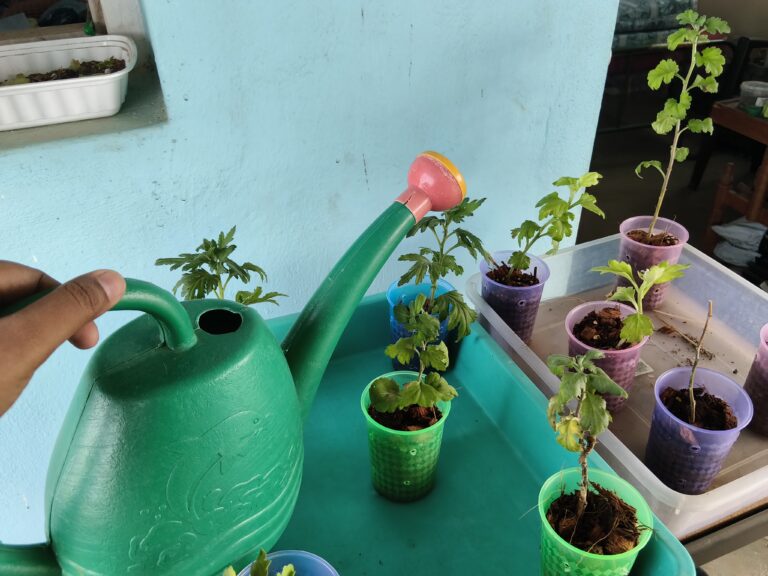
Small pots often react very differently to water flow compared to larger containers. I faced this issue when using bigger watering cans on smaller pots. The force of the water would sometimes make lightweight pots topple, create soil erosion, and concentrate most of the water in one spot instead of distributing it evenly. In some cases, it even contributed to overwatering because too much water was delivered too quickly.
Using a smaller watering can for small pots makes a noticeable difference.
You might wonder why a gardener would need multiple watering cans, but the answer usually comes down to convenience and the types of plants being grown.
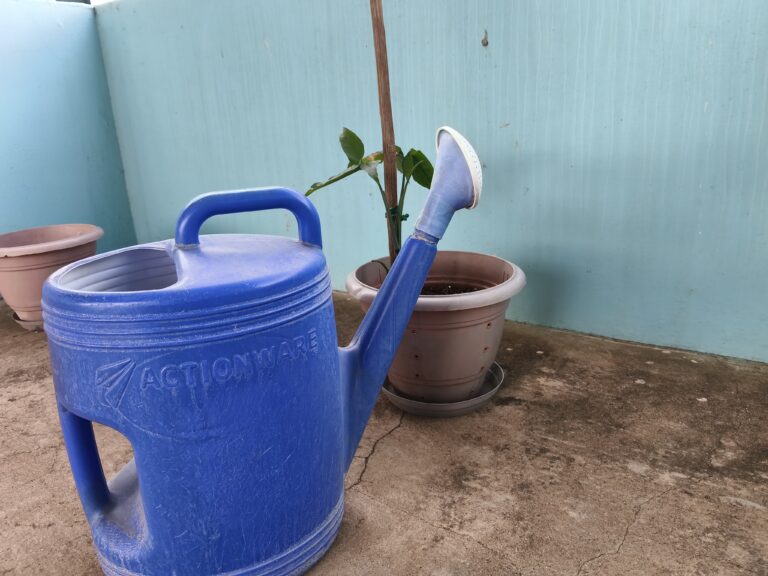
Back in 2023, most of my garden consisted of larger plants and bigger containers. A 10-litre watering can made sense because I could water many pots without constantly refilling it.
By the end of 2025, I had added a lot more plug saplings and young plants to my container garden. That was when I bought a smaller 3-litre watering can with a long spout and rose attachment.
The difference was immediate. The water flowed more slowly, the pressure was gentler, and it became much easier to water small pots, hanging baskets, and newly planted containers without causing soil erosion. It was also lighter to carry around the terrace and easier to control during watering.
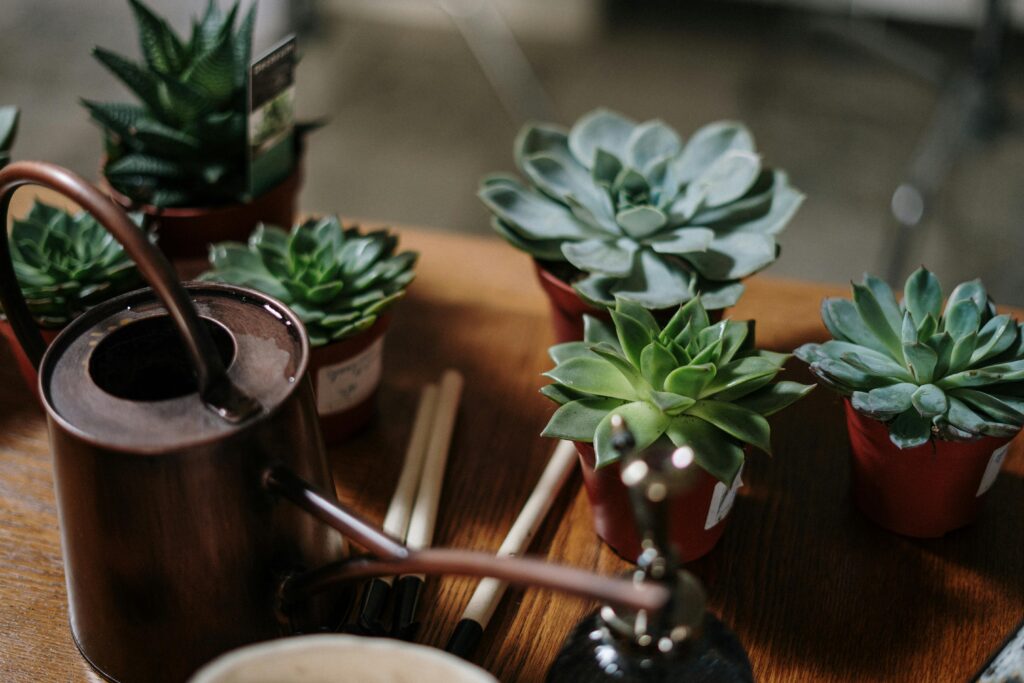
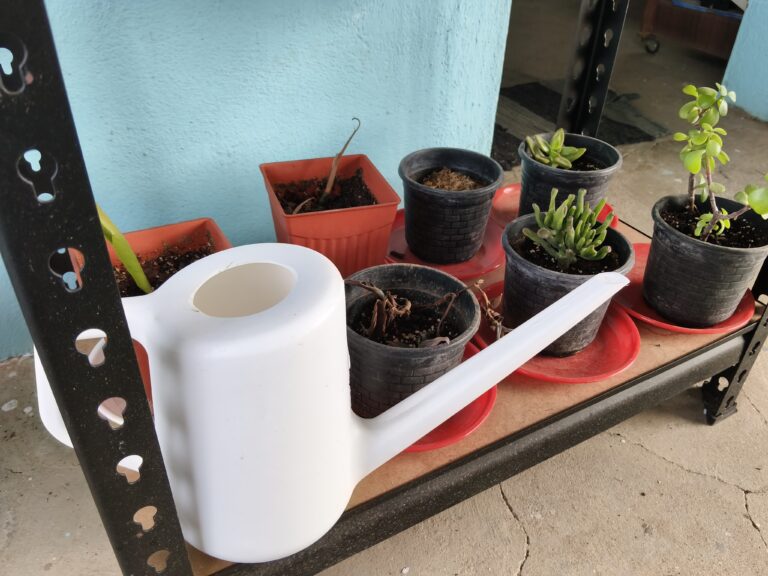
Then in 2026, succulents started taking up a larger part of my garden. That was when I added another watering can with a long, lean spout but without a rose attachment. This allowed me to water very precisely between tightly packed pots on shelves without splashing water everywhere.
The narrow spout also helped me reach containers at the back of shelves without moving pots around every time I watered.
I still have that old 10-litre watering can after many years because it serves a purpose. The newer watering cans were not replacements; they were simply more suitable for specific plants and situations.
However, if I were starting container gardening as a beginner today, I would probably keep things simple and buy only two watering cans:
- A small or medium-sized watering can with a long spout and rose attachment for most potted plants.
- A watering can with a long, narrow spout for shelf plants, succulents, and hard-to-reach containers.
The right watering can is not about collecting tools. It is about choosing something that matches your garden size, plant types, and daily watering needs.
Why Is Gentle Watering Important for Container Plant Roots?
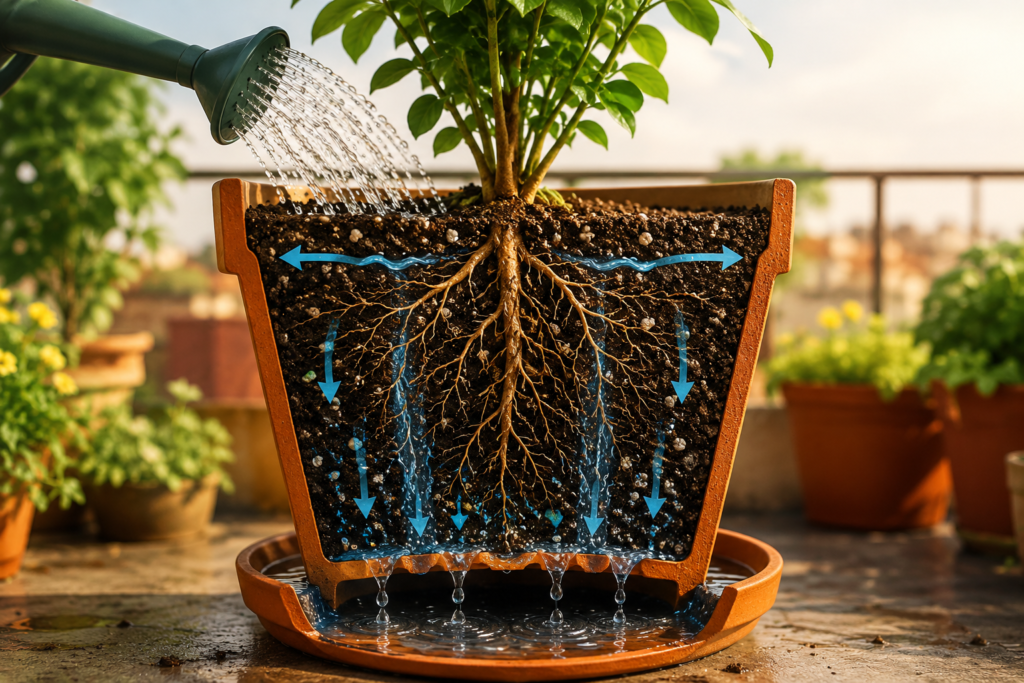
Container plants have limited soil volume, which means watering needs to be more precise than in ground gardens. Water should reach the root zone evenly instead of flooding one area while leaving another section dry.
When watering is concentrated in one spot, roots may grow unevenly, moisture levels become inconsistent, and plants can experience unnecessary root stress. This is especially common in balcony gardens and terrace gardens where containers dry at different speeds depending on sunlight and airflow.
Good watering is not just about providing enough water. It is also about providing it evenly and with minimal disturbance.
Most gardeners would agree that nobody enjoys cleaning soil splashes from floors, shelves, and walls after every watering session. A watering can that delivers water gently helps reduce both plant stress and garden maintenance.
Another issue with high-pressure watering is root disturbance. In container plants, roots have limited space to spread and recover. Repeated soil disturbance can expose shallow roots, wash away potting mix, and force the plant to spend energy repairing damage instead of producing healthy growth.
Soil structure matters too. Excessive water pressure can gradually compact the surface of potting mix or create channels where water repeatedly flows through the same area. Over time, this can affect drainage, moisture distribution, and overall root health.
Seedlings are another situation where watering technique becomes extremely important.
Newly germinated seedlings have delicate roots and fragile stems. Strong water pressure can easily flatten, displace, or damage them. For seedlings, low-pressure watering with a narrow spout or a very gentle watering method usually works much better than forceful shower-style watering.
In container gardening, watering is not simply about getting water into the pot. It is about delivering it gently enough that the soil structure, roots, seedlings, and overall plant health remain undisturbed.
Ever wonder why one side of the pot stays wet while the other dries out? Learn how water actually moves in containers: How Water Moves in Pots (And Why Watering Feels Uneven)
What Are the Best Watering Cans for Container Gardening Beginners?
Best Small Watering Can for Tight Spaces
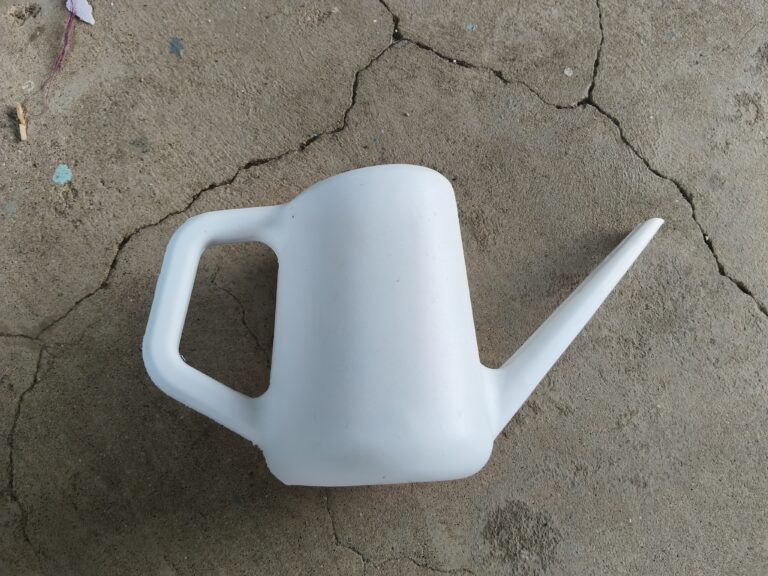
These narrow-spout watering cans are extremely useful for tight spaces such as plant shelves, vertical gardens, hanging pots, and small balcony gardens where reaching every container can be difficult.
I am currently using a 1.8-litre narrow-spout watering can. It is lightweight, easy to carry, and allows precise watering without spilling water onto shelves, walls, or nearby pots.
But why choose this type of watering can?
The biggest advantage is control. The narrow spout helps direct water exactly where it is needed. This becomes especially useful for hanging baskets, back-row shelf pots, and containers placed in crowded corners.
I recently bought one specifically for my succulent shelf, and it has been surprisingly useful. Instead of moving pots around or accidentally watering neighboring containers, I can reach individual pots easily and water only the soil surface where needed.
For gardeners with limited balcony space or vertical gardening setups, this type of watering can can make daily watering much easier and less messy.
Best Medium Watering Can for Terrace Gardens
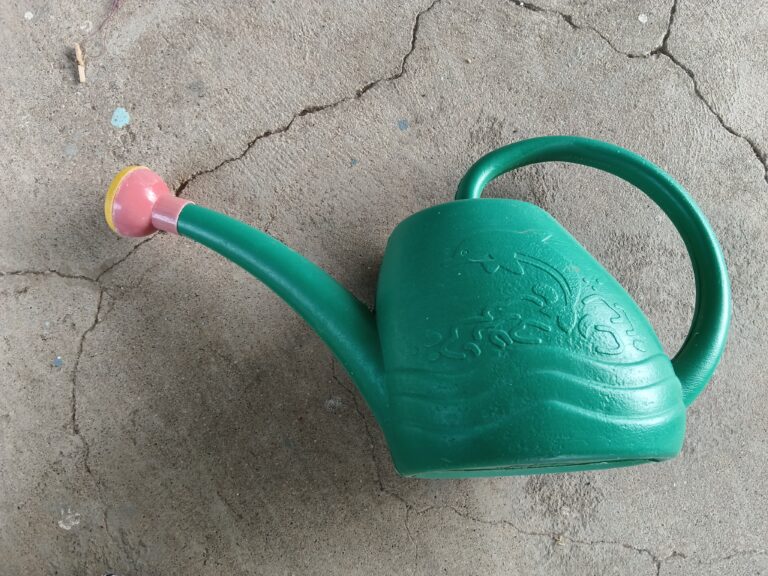
My medium-sized watering can holds around 3 litres of water and comes with a long spout and detachable shower rose.
This size works well if you have around 10 to 20 pots in a balcony garden or small terrace garden. You may need a few extra trips to refill water, but the lighter weight makes watering much more comfortable.
I bought this watering can after realizing that my older 10-litre watering can felt heavy to carry, especially when watering hanging baskets and smaller containers.
The long spout makes it easier to reach pots without bending too much, while the shower rose provides slow and even watering. This helps reduce soil erosion and allows the potting mix to absorb moisture more evenly.
I would not consider it ideal for tightly packed shelf plants because the shower head takes up more space, but for small and medium-sized pots, it provides deep watering without creating a mess.
Another feature I like is the detachable shower rose. It collects small debris over time, and being able to remove and clean it helps maintain a smooth water flow.
Best Budget-Friendly Watering Can for Everyday Plant Care
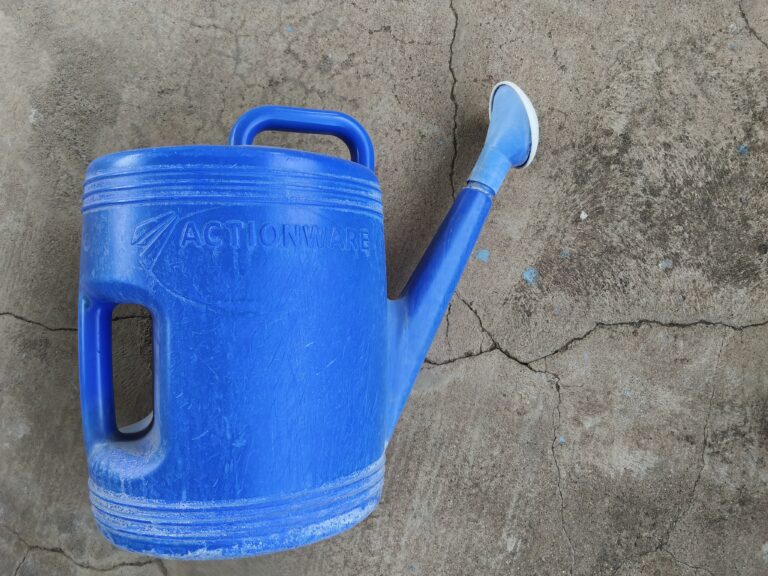
If you are someone who does not want to spend money on multiple watering cans or replace tools frequently, the classic 10-litre plastic watering can is still a practical choice.
Many Indian gardeners have used these for years because they are affordable, durable, and suitable for everyday watering. A model with a long spout and detachable shower rose can handle most general container gardening tasks.
I have been using my 10-litre watering can since the early days of my gardening journey, and after almost eight years, it is still in good condition.
The only maintenance I do is occasional cleaning to remove algae buildup inside the can. Washing it every few months and storing it in a shaded area helps extend its lifespan significantly.
One habit that also helps is emptying the remaining water after use. When left full for long periods, algae growth tends to happen faster.
With basic care, a good-quality plastic watering can can easily last for many years.
The main drawback is its size. While it works well for larger containers and watering multiple pots at once, it can feel bulky when watering small pots, shelf plants, succulents, or crowded balcony gardens.
The spout is long enough to reach most containers, but it is not as narrow or precise as dedicated watering cans designed for tight spaces. Because of that, accidental spills and overwatering become more common in smaller containers.
For gardeners with a mix of large and small pots, this watering can works best as a primary watering can rather than the only watering can.
Which Watering Can Should You Choose for Your Balcony or Terrace Garden?
If you have reached this point and are still wondering which watering can is best, the answer is actually simpler than most online shopping pages make it seem.
The right watering can is not the most expensive one, the most colorful one, or the one with the most features. It is simply the one that matches your garden size, plant types, and watering routine.
If you have only a few pots on a balcony, a small or medium-sized watering can with a long spout and shower rose is usually enough. It provides gentle watering, is easy to carry, and helps avoid soil erosion in containers.
If your garden includes shelves, hanging baskets, vertical planters, succulents, or tightly packed pots, a narrow-spout watering can can make watering much easier. Being able to reach back-row containers without moving pots around saves time and reduces accidental spills.
For gardeners with a larger terrace garden and many medium to large containers, a bigger watering can may still be practical because it reduces the number of refill trips. However, keep in mind that heavier watering cans can become tiring during daily watering sessions.
Over the years, I have learned that watering cans are not really about gardening tools. They are about making plant care easier.
A watering can that is too heavy, difficult to control, or unsuitable for your containers often creates small frustrations every day. Water spills on the floor, soil splashes out of pots, hard-to-reach containers get skipped, and watering gradually starts feeling like a chore.
On the other hand, a watering can that suits your garden helps create a smoother routine. Water reaches the root zone more evenly, there is less mess to clean afterward, and watering becomes something you can do comfortably even on busy days.
The good news is that beginners do not need multiple expensive watering cans to start container gardening successfully.
If I were starting from scratch today, I would probably choose just one good-quality small or medium watering can with a long spout and detachable shower rose. That single watering can would handle most balcony and terrace gardening needs.
As the garden grows, you may discover specific needs such as watering shelf plants, succulents, seedlings, or hanging baskets. That is when adding a second specialized watering can may make sense.
Until then, keep it simple.
A healthy container garden is not built by owning every gardening tool available online. It is built by understanding what your plants need and choosing tools that make those tasks easier.
The best watering can is not the fanciest one on the shopping website. It is the one that helps you water consistently, comfortably, and without creating unnecessary stress for either you or your plants.
If you are still struggling with watering routines, you may also find these guides helpful:
- How Often Should You Water Container Plants?
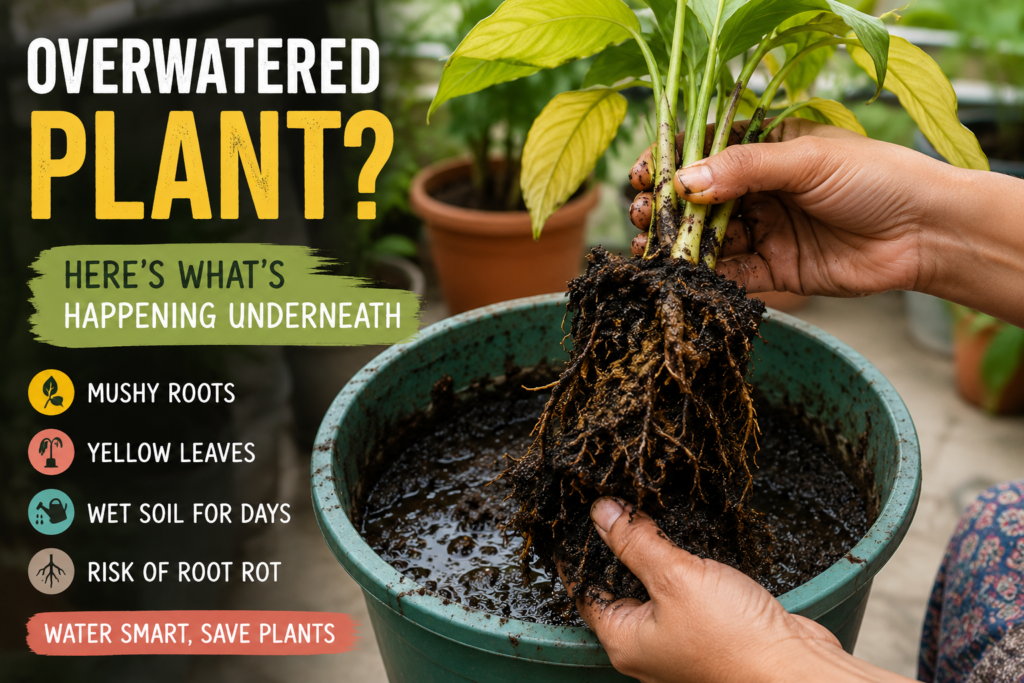
- Signs of Overwatering in Potted Plants Beginners Often Miss
- Why Water Runs Straight Through Potting Soil
- How Water Moves Inside a Pot and Reaches Plant Roots
Understanding how water behaves inside containers is often more important than the watering can itself, and those small insights can make a noticeable difference in plant health over time.