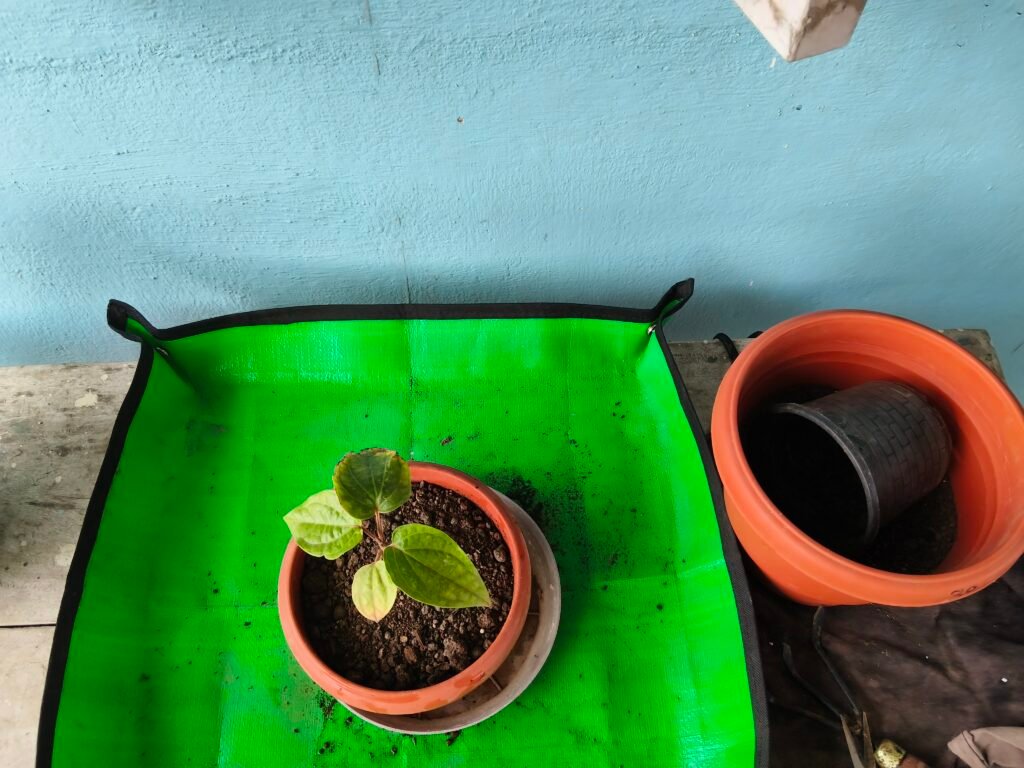
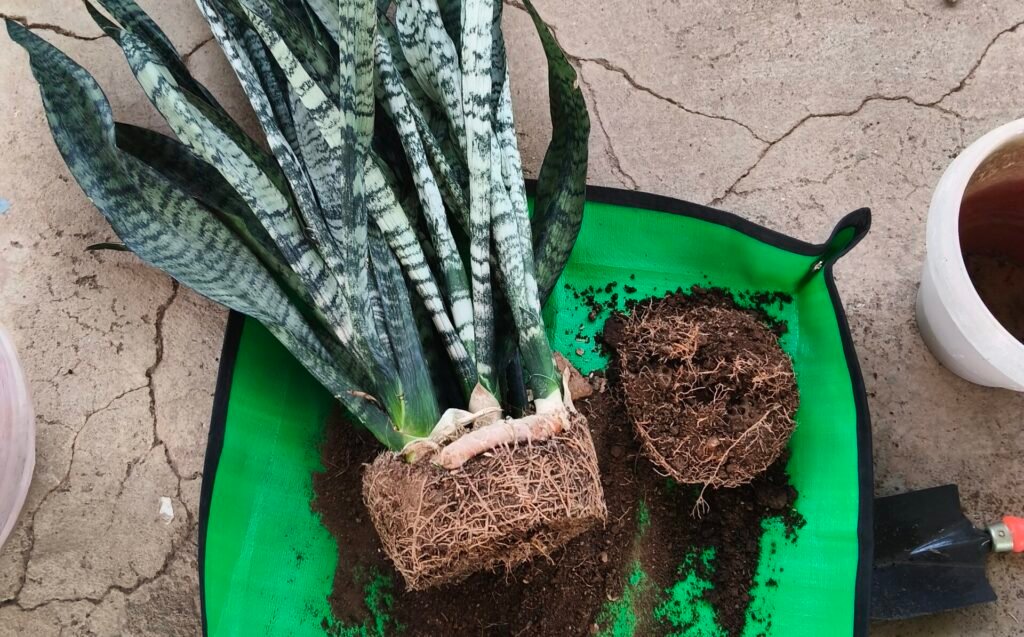
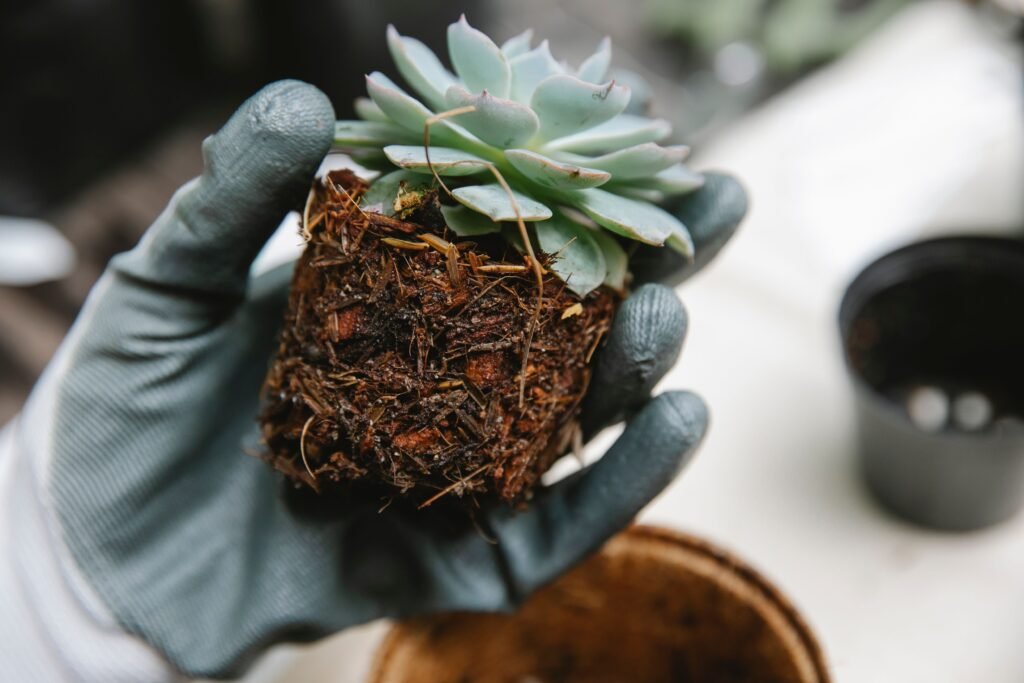
You may have repotted the plant correctly, followed all the right steps, used a well-draining container and well-draining soil mix, and everything seems perfect—until that droopy look happens after repotting, maybe within 24 hours.
You start to panic when you see the plant looking droopy, wilted, or dry even after watering. You may rush to check what’s wrong with the root ball, and that can actually kill the plant.
Some of you may also feel unsure after seeing the droopy plant and start worrying about what to do next. First, understand repotting and transplant shock, which I mentioned in the previous article.
There’s no need to panic over a droopy plant or transplant shock. The first 30 days, or around 4 weeks after repotting, are a key time. The plant needs this time to settle into the pot and start producing new growth.
These 30 days need specific after-repotting care, not the usual care you may give your plants. This time is not about making the plant thrive immediately, but about helping it settle first and establish healthy roots in its current micro-environment.
Indian balconies and terraces can have extreme weather changes, from intense heat to heavy rain. This plays an important role in how a plant responds after repotting, how severe transplant shock becomes, and how long recovery may take.
So, the aftercare includes the right placement and specific care rather than regular plant care for pots.
This blog will help you understand the first 30 days of aftercare, how to handle dramatic signs shown by your plant, and which stress signs actually need your attention.
What Signs Show That a Plant Is Still Settling After Repotting?
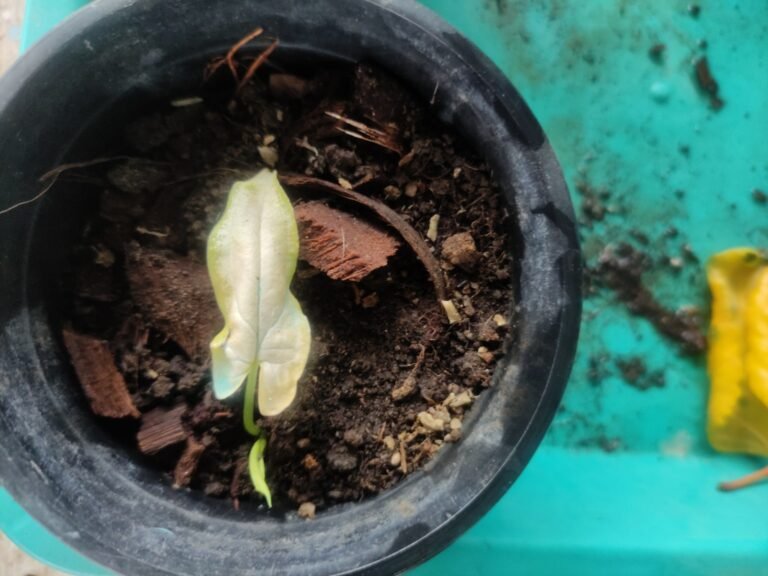
To read the signs better, you need to understand three things first: the usual transplant shock, the things you need to be concerned about, and the timeframe of transplant shock and settling. Understanding these three helps you read the signs better without panic gardening.
How can you tell if your container plant is experiencing normal post-repotting stress?
These are some very common but dramatic-looking signs after repotting. Yes, it’s transplant shock. But nothing needs to be done out of panic gardening.
Drooping leaves, leaves becoming crispy even when the soil stays moist, yellowing leaves, and overall leaf drooping can all happen after repotting. This happens because the disturbed roots take time to absorb water properly. Even when they do, it can be a very slow process. That’s why the plant loses water and starts to look like this.
Even I panic sometimes after years of endless repotting because this stage looks dramatic, and the plant looks like it’s dying. But it’s not necessarily dying. If the plant stems stay green and firm, even when all the leaves look like they are going to fall, they can bounce back.
A repotted plant also focuses its available energy on root development rather than new leaf growth. This can create that “the plant is failing” look.
Mostly, a potted plant with normal transplant shock will start to bounce back within a week or two. But some sensitive plants can take 4 to 6 weeks to bounce back. If the stem is firm and the roots are gripping the soil, don’t throw the plant away even if it looks dead. Some plants can bounce back even after 6–8 weeks.
Sometimes, the weather and climate can delay recovery. If you repot on peak summer days or during winter, plants can struggle. Hot days create more heat stress around the roots, while winter conditions with excess humidity, less sunlight, and poor ventilation can create a delayed recovery situation.
When should you be more concerned about a newly repotted plant?
This is where you need to pay attention to signs beyond the usual transplant shock.
- Black or brown stems
- Mushy plant parts
- Soil staying wet for days
- No green inside the stem
- Severe leaf scorch
- Foul smell from the root zone
These are not things you should conclude from just one day of observation. Give the plant at least 2–3 days of consistent observation. It’s not always one sign—it’s the pattern and multiple signs coming together.
A repotted plant absolutely needs time for healing and recovery. It can take weeks, no doubt. But every potted plant needs consistent observation along with care, especially repotted plants, so you can see the pattern rather than reacting to one or two signs.
I’ve had plants bounce back after 8 weeks even when one stem had dried. Consistently pulling the roots out to check whether they are still alive can actually kill the plant. And I’ve done that plenty of times.
How long does it usually take a container plant to settle after repotting?
There is no single standard timespan for plant recovery because there is no one standard micro-climate for all of us. The plants we buy grow in different conditions, and the soil mix we use also differs.
The micro-climate and weather can delay or speed up recovery. The repotting process is also important, and how you handle and pot the root ball matters too.
The thing I do is soak and remove the red soil from the root ball completely before potting my plants because this clay-like soil around the root ball can create root-rot problems. This entire root-ball washing process is risky because if the weather suddenly becomes hot, windy, or rainy, you may lose the plant, and this can make the plant look dead for weeks.
But this keeps my plant roots healthy for longer. At the same time, there is a risk of peak root stress and failed recovery. It’s all about how patiently and carefully you handle the roots.
For hardy plants, the first 1–3 days are when they start to adapt. By days 4–7, the firmness may start coming back, and from the second week, you may see new leaves. This is more typical of plants with strong roots that are less sensitive to root disturbance.
You don’t need to worry too much about old leaves dropping or wilting. Focus more on how long the soil takes to dry and whether new leaves are coming.
🌱 Not sure whether your plant actually needed repotting?
Before repotting a stressed plant again, learn how to recognize the signs that a plant genuinely needs a new container.
Why Does Repotting Stress Container Plants So Easily?
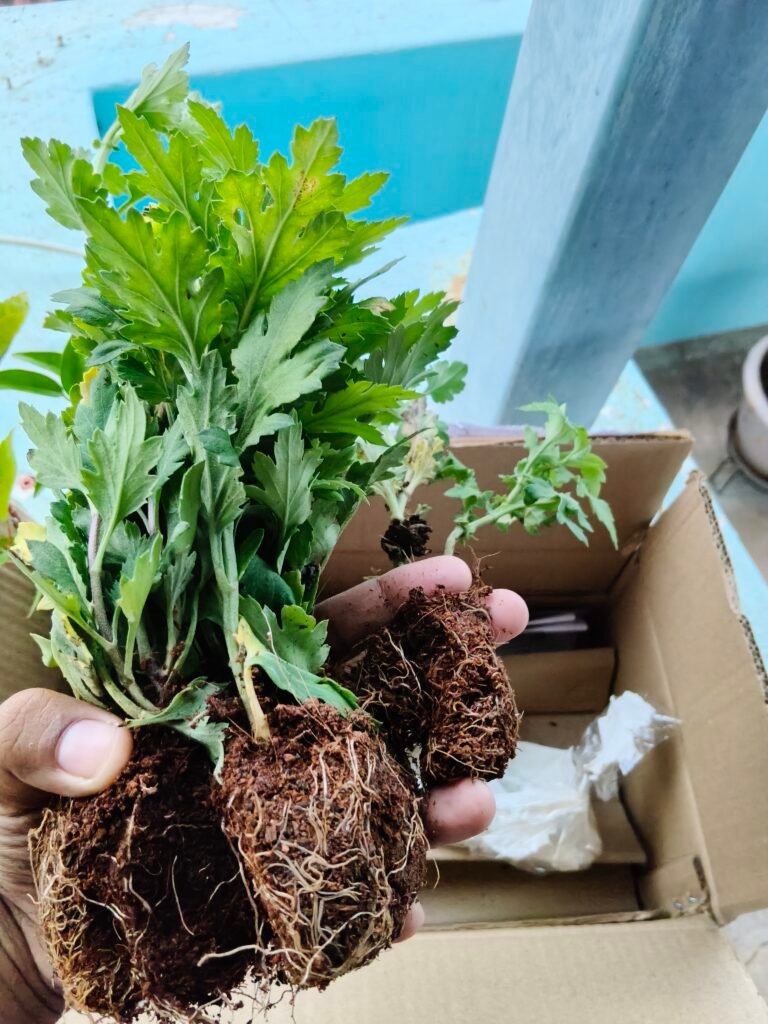
Why do plant roots struggle when their growing environment suddenly changes?
This usually happens with potted plants because, in the ground, there is no concept of regular repotting. Once a plant grows from a sapling and establishes in the ground, it generally stays there. Ground-grown plants are also less likely to survive being dug up and moved once they are established.
But potted plants can experience transplant shock after repotting, and they can gradually adapt and survive it. Any plant can become stressed when its roots are disturbed. That’s just nature. During repotting, plants can lose those fine, hair-like feeder roots that help take up water.
This creates that droopy, wilting look and slower water intake. This is why I suggest shallow watering when the soil dries rather than deep drench watering immediately after repotting and during the recovery period. During this time, water intake is slower. If you keep watering, the water can stay around the roots and create conditions for root rot.
Potted plants also depend heavily on their micro-environment. Repotting suddenly changes the moisture, airflow, and growing medium around the roots. This creates a shock for the potted plant, and it takes time to adapt.
This root disturbance, along with the time needed for feeder roots to regrow, can create slow growth and fewer new leaves.
Why can a new pot and fresh potting mix change how a plant receives water?
The old potting mix, with its different soil amendments, is already in a different structure after a few months of use. Organic matter and amendments such as cocopeat and coconut husk break down over time and alter the soil structure. The old soil also has a different temperature, drainage pattern, depth, width, and available root space compared with fresh soil.
When you repot, all of this changes at once.
The new soil is still fresh and hasn’t broken down yet. It may be more airy, while the roots are also not fully developed or settled into the new medium yet. Because of this, the new soil mix may stay wet for longer.
If you water the plant according to the old soil mix routine, it can create an imbalance and lead to overwatering issues. The old soil may have acted as a water reservoir that the established roots could access easily. In the new soil, the roots are not settled yet, so the soil can stay wet for longer if you continue watering the same way as before.
For the first 30 days, I prefer shallow watering once the soil has dried. Don’t let it become completely bone-dry, but don’t keep it soggy either. Maintain the moisture so the recovering roots can access it slowly.
This is mainly for the first 30 days. As the roots develop and settle into the new pot, you’ll notice that the soil starts drying at a different rate.
Why are Indian balcony and terrace conditions harder on newly repotted plants?
This is where placement takes priority. When I mention the right space for a repotted plant, it includes factors such as sunlight availability, airflow, wind or rain exposure, and the heat coming from the floor or nearby surfaces.
In Indian container gardening, terrace and balcony plants mostly suffer from either a lack of sunlight or extreme heat from the floor. These two can be major problems for repotted plants.
We already talked about watering, but when it comes to placement, choose a spot with bright, indirect light, proper ventilation, and protection from strong wind or heavy rain.
Don’t keep the newly repotted plant directly on a bare floor. Use a plant stand or bottom tray, and avoid placing it too close to a wall where heat can build up.
At the same time, keeping a repotted plant in complete shade or immediately throwing it into strong sunlight is also a bad move. Give it mild, suitable light and let the plant settle gradually.
🌱 Plants don’t measure space the way we do. That misunderstanding causes silent stress. Click to understand plant-perceived space
How Should You Care for a Plant During Its First 30 Days After Repotting?
Where should you keep a newly repotted plant during the first few days?
After repotting, potted plants need less than 3 hours of mild light, like morning light, and the rest of the daytime in a bright area with indirect light—not in a shade corner. Avoid harsh direct sunlight from 11 a.m. to 4 p.m.
Photosynthesis depends on water as well, and during the recovery time, the plant can’t absorb water properly because the roots are still settling.
Harsh sunlight creates three main problems. One is plant dehydration from heat when the roots are slowly absorbing water. The second is the root ball temperature rising, and the third is the heat from the floor affecting the plant.
Also, even before repotting, pick the recovery spot with mild light and proper ventilation. Moving a plant means you are altering its micro-climate frequently, and this can delay recovery.
Once the plant has stabilized and established its roots, you can keep it according to its normal light requirements. But during recovery, the plant needs a different situation from its usual care.
How should you water a newly repotted container plant during the first 30 days?
No overwatering, deep watering, or drench watering during this recovery from transplant shock. Before adding any water, observing the soil is my priority.
During this time, the feeder roots and disturbed roots absorb water slowly. If you keep the soil constantly wet, water can fill the air pockets in the soil, creating a lack of oxygen and increasing the risk of root rot.
Observe the soil and use a stick test near the pot rim to check the moisture. Water shallowly and let the soil dry, but avoid letting it dry out completely. Keep it hydrated, not soggy.
Also, use low-pressure watering cans with a shower head or pipes with low pressure. This helps prevent further root disturbance.
Avoid following a rigid watering schedule. Stick to observing the plant and watering based on the weather, because weather conditions can change how quickly the soil dries.
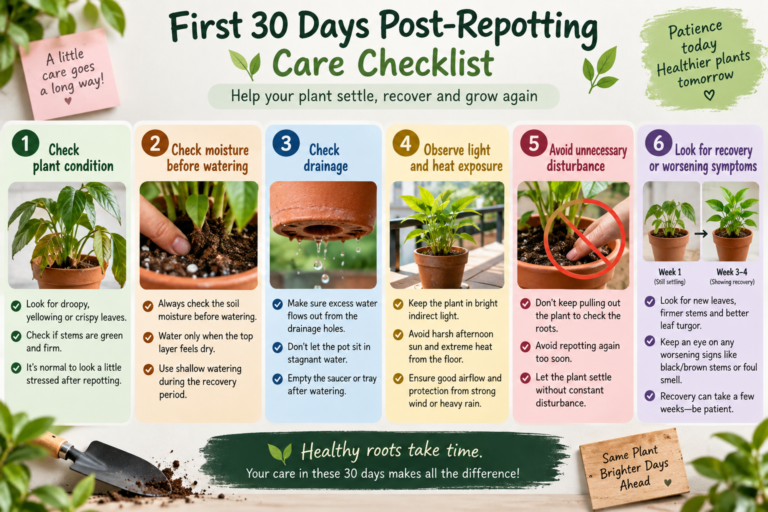
When should you fertilize, prune, move, or otherwise intervene after repotting?
My simple advice is to avoid fertilizer during these 30 days, even if it’s organic.
Fertilizer is something that can’t get directly to the plant just because you feed it. Even in liquid form, the fertilizer needs water to break down and the nutrients need to be absorbed by the feeder roots.
While repotting, these feeder roots get disturbed, so water and nutrient uptake can slow down. These two factors are important when it comes to fertilizer intake.
This period is all about letting the plant settle, giving it minimal care, and observing it. Unnecessary feeding, fertilizer, pruning, or pesticides can add more stress. Frequent moving should also be avoided.
If you give the minimal care I mentioned here and leave the plant undisturbed for 30 days, you may start to see visible new growth.
What Should You Remember About Caring for a Plant After Repotting?
The first 30 days after repotting are mainly a settling and recovery period, not a time to force the plant to grow. Some drooping, wilting, yellowing, or slower growth can happen because the roots have been disturbed and need time to settle into the new pot.
So don’t panic when the plant looks different after repotting. Look at the overall pattern instead of reacting to one damaged or drooping leaf. If the plant is still showing signs of life and the situation is not getting worse, give it time.
During these 30 days, focus on the basics: give it suitable light, protect it from extreme heat and weather, check the soil before watering, and avoid unnecessary fertilizer, pruning, moving, or disturbing the roots.
The most important thing is to observe before you intervene. Check your plant today, look at the soil moisture and placement, and use the first-30-days care checklist instead of changing several things at once.
If you want to understand the bigger picture of container gardening, continue with my Container Gardening Basics: Beginner’s Complete Roadmap. And if you’re wondering whether the plant actually needed repotting, read How to Know When a Plant Needs Repotting. If crowded roots were the reason, you can also learn How Can You Tell If a Plant Is Actually Root-Bound?