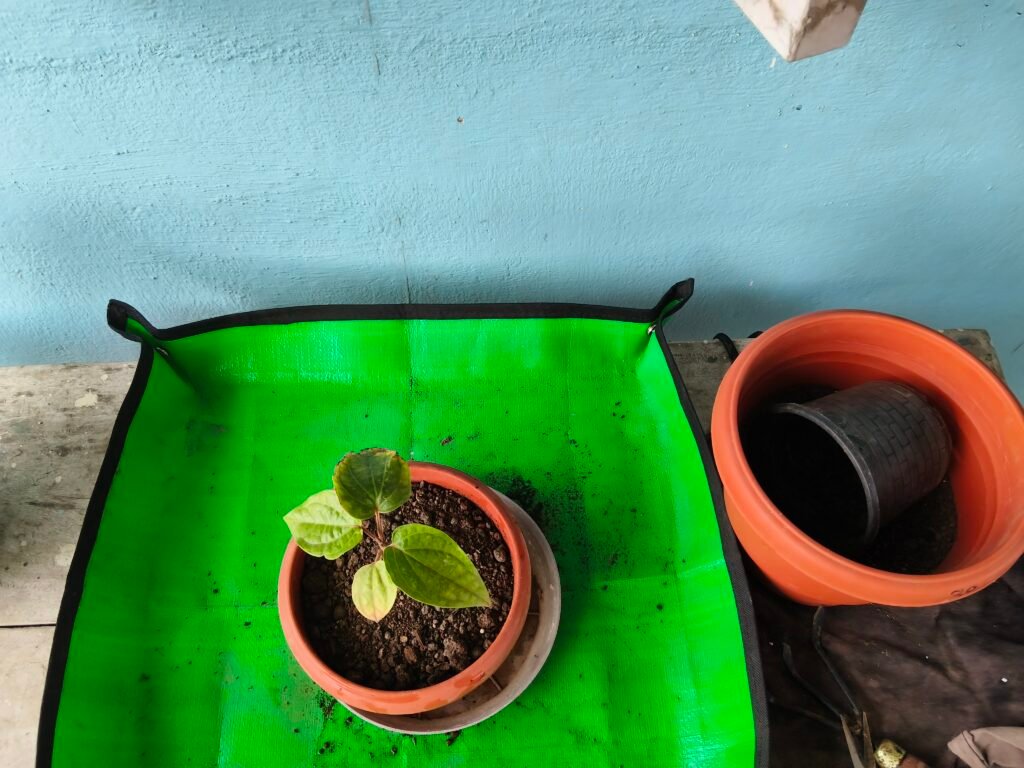
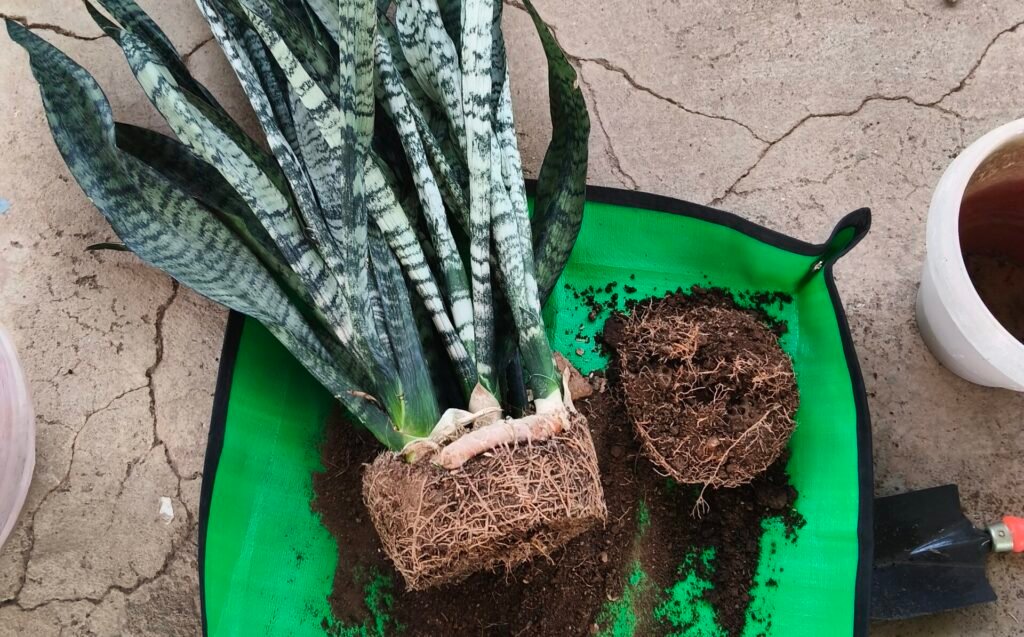
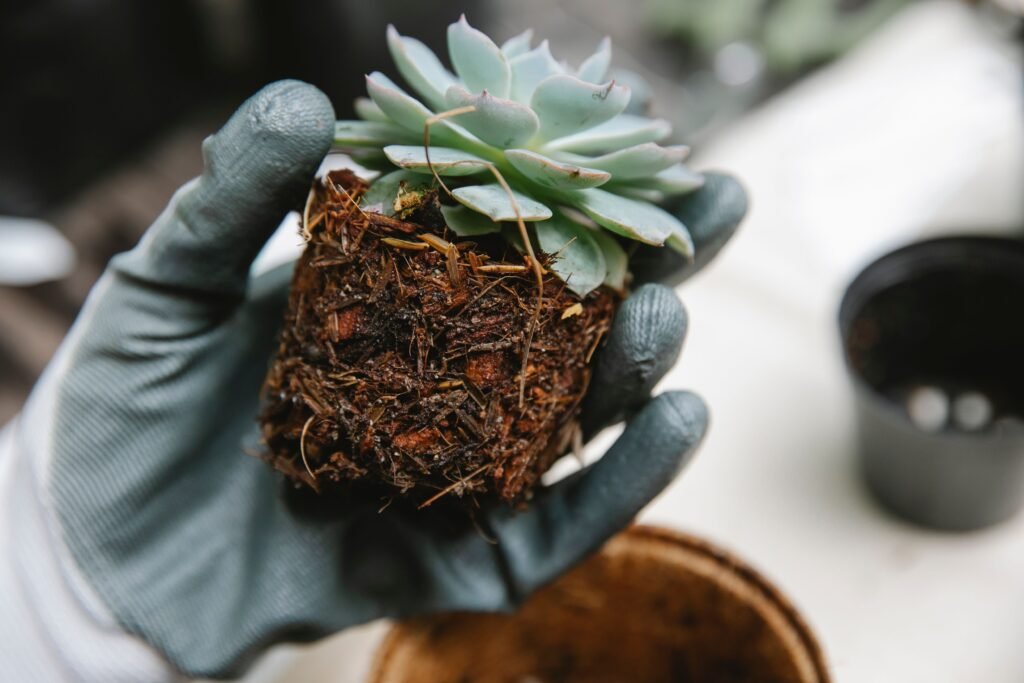
To understand this, let’s know the term transplant shock first. It indicates the stress a potted plant experiences after being transplanted or repotted into a new pot. It can happen after you bring a plant home from a nursery, or when you up-pot the plant after it has outgrown its existing pot.
After you repot or transplant the plant into a new pot, it may start to look dull or droopy, lose leaves, have soil that stays wet for longer, or develop yellowing leaves. These are some shallow-level signs of transplant shock.
It happens because potted plants depend on their micro-environment—the ecosystem within that pot and soil. So, when you repot them, the entire micro-environment of the plant suddenly changes, and the roots can get disturbed during the repotting process.
It’s more common after repotting, and you don’t need to panic and feed all varieties of fertilizers or try different remedies to save the plant. It doesn’t mean the plant is dying. The plant and its roots take time to settle into the new micro-environment, and until they settle, this dull look may still be there.
But proper after-repotting care can help handle transplant shock and help the plant recover faster. This also depends on the repotting process itself, which I explained in my previous blog, How to Know When a Plant Needs Repotting.
Transplant shock becomes an issue when you handle it without proper knowledge about why transplant shock happens and how to deal with it.
In this blog, I’ll help you with handling transplant shock and show you how to save the plant during this time. Read the blog fully and bookmark it so you can refer to it later.
How can you tell if your container plant is experiencing transplant shock?
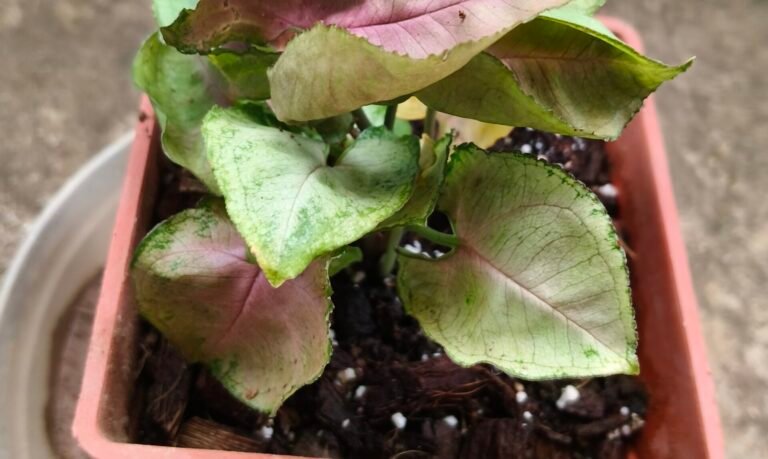
Transplant shock shows through different signs, and knowing them clearly can help you handle it without panic gardening. Ignoring transplant shock and continuing normal plant care, or ignoring the signs completely, can lead to root rot, wilting, and more stress for the roots and plant.
What are the most common signs of transplant shock after repotting?
The visible signs of transplant shock usually show up in the foliage after the roots have suffered some stress.
- Sudden wilting despite correct watering or drooping foliage.
- Yellowing and drooping leaves.
- Existing leaves becoming pale, limp, and curly instead of green and lush.
- No signs of new growth or reduced new leaf growth.
- Even a bushy plant can become less vigorous and less dense when it experiences transplant shock after repotting.
These are foliage signs you may notice later. Before that, the topsoil can also show signs, such as the soil staying wet longer than usual. The stem may start wilting, and there may be a mild foul smell from the soil.
For a proper diagnosis, one sign is not enough. You need to look at multiple signs together to understand whether the plant is actually experiencing transplant shock.
When is wilting after transplanting normal, and when should you be concerned?
This distinction is important to understand the difference between normal transplant shock and something you should act on. Transplant shock can be normal for a plant, whether it is a new plant or one that has been repotted from an old pot.
Usually, plants can look dull for a week, sometimes even two weeks, while they settle without a serious decline and adjust to the care you give them. But sometimes plants really struggle under stress and become less able to absorb water. This can become a bigger issue because you may not realize how stressed the roots are and continue watering, put the plant in sunlight, or even give mild fertilizers.
But the roots may not be in a stage where they can absorb much water, and that excess water can stay around the roots and block oxygen flow for days. If this goes unnoticed, it can seriously lead to root rot.
Watching the plant closely over time and paying attention to your after-repotting care can help. Even with all this, if a plant looks increasingly stressed, you need to pay more attention.
This starts with the repotting process itself. If the roots are disturbed while repotting, the plant can experience more stress than usual. Pay attention to soil aeration and drainage above everything else because airflow around the roots and the right amount of water are more important than fertilizers immediately after repotting.
Also, placing a newly repotted plant in heat and wind exposure can stress it before the roots settle into the new pot and soil’s micro-environment.
The normal signs can include a droopy plant, some yellowing leaves, and older leaves falling. These can happen after transplanting, and the plant may recover within a few days or a week.
But serious signs include soil staying wet for much longer than usual, a foul smell, stem rotting, and mushy plant parts. These need more attention. You should stop treating the plant with your normal routine and switch to the special care it needs after repotting.
Which recent transplanting situations are most likely to cause plant stress?
When you buy a plant from a nursery and suddenly move it into your garden space without giving it time to adapt, the plant is going from one environment to an entirely different one. Immediate repotting can add more stress and cause transplant shock.
Also, planting nursery plants with compact red soil without loosening the root ball can create problems. Removing that tightly packed soil and disturbing the roots during the process can create additional root stress.
Repotting an established houseplant or balcony plant into a new pot can also stress the plant. Larger plants naturally get disturbed more during repotting, especially when you’re a solo gardener and it’s difficult to avoid some root and plant movement during the process.
Transplanting a seedling or young sapling into a new pot or moving it to a new spot can also give it transplant shock. Potted plants depend on their micro-environment and micro-climate, so sudden changes can stress them.
Repotting terrace garden plants has its own challenges. Doing the repotting in the afternoon heat or on a very sunny day can cause more root stress. Placing a newly repotted plant directly on a bare floor can also expose it to additional heat stress coming from the floor.
All of these things can affect the plant before you even realize what caused the transplant shock. Avoiding these situations where possible can help you avoid unnecessary transplant stress as well.
Repotting is more than moving a plant into a bigger pot. Understanding why roots eventually need more space can help you repot at the right time and avoid unnecessary root stress: Why Is Repotting Necessary in Container Gardening?
Why does transplant shock happen more easily in container gardening?
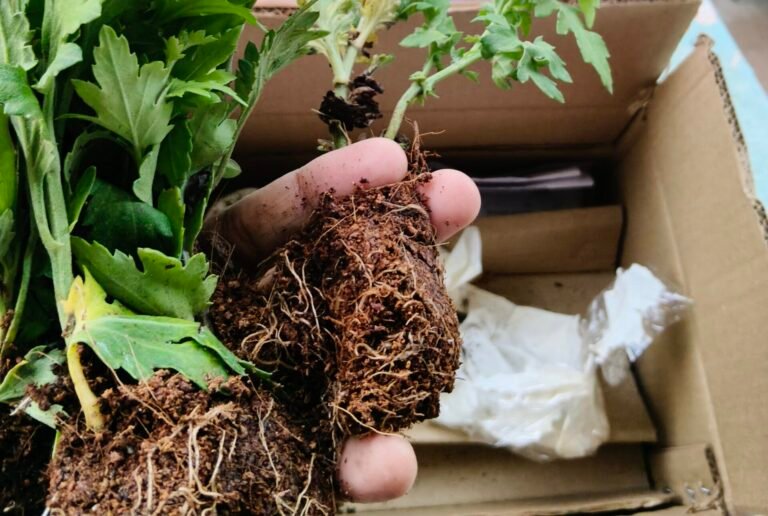
How does disturbing the roots cause transplant shock in potted plants?
While repotting, if the roots are disturbed, the first issues can start there. When roots are disturbed, they become stressed, and stressed roots may not absorb water properly in the first place.
Water is not just for plant hydration; it is also important for photosynthesis, temperature regulation, and turgor pressure. Roots that are broken, compressed, exposed, or disturbed become stressed.
And potted plant roots can take time to settle into their new pot after being disturbed. If you don’t notice the signs of stressed roots and adjust the care, water can stay in the soil without being properly absorbed by the roots, which can eventually lead to root rot.
Crispy leaves, wilting leaves, and leaf dropping can happen in the first place because the roots are not taking up enough water to support the leaves. Even a healthy plant can look stressed after repotting, but if the roots are not heavily disturbed, they can recover faster.
If the recovery time stretches and the plant keeps showing signs of transplant shock, the roots may be struggling to heal from the disturbance.
This can be avoided by being patient and careful while repotting and handling the root ball.
How do sudden changes in a container plant’s environment add to transplant stress?
To understand this, you need to be more aware of how potted plants depend on their micro-environment. The root ball ecosystem contains factors such as temperature, airflow, water-holding capacity, and the pH of the soil.
Another factor is the microclimate—the temperature, sunlight availability, and airflow around the plant. This is called the microclimate, and potted plants depend on both their root-zone environment and their surrounding climate throughout different weather and seasons.
Even when the climate and season change, your garden space reflects those seasonal and weather changes, which can directly impact your potted plants. That’s why knowing your space becomes important in container gardening.
When you transplant a potted plant, its micro-environment and microclimate change. Potted plants naturally become stressed by these changes and take time to settle. During this time, doing panic gardening can create more chaos.
This is why a greenhouse-grown nursery plant can become more stressed after repotting. The transplant shock can be more dramatic when the plant suddenly moves from a protected nursery environment into a completely different home garden environment.
If your plants struggle despite good spacing, the issue is more subtle than crowding. Discover the hidden space problems
Why can a new container and potting mix make a transplanted plant struggle?
In potted plants, the root ball with its soil is not just a soil mix; it is their micro-environment and ecosystem. The soil mix and the amendments it contains influence water-holding capacity, drainage, aeration, root-to-mix contact, and root-zone temperature.
When making a potting mix, pay more attention to these conditions. Using plain garden soil or simply choosing any store-bought potting mix may not be ideal. Knowing your plant type, its water needs, and its pH preference can help you make a more suitable mix. A lightweight mix is also important for allowing roots to breathe.
When you repot, don’t make the soil excessively heavy with organic matter or fertilizer. You can feed the plant once it has recovered. Focus on soil structure rather than feeding because stressed roots may not be ready to handle additional inputs.
The roots need time to settle into their new soil mix and their new micro-environment. Observe the plant and give it the care it needs rather than trying to solve everything with theory or too many interventions.
Many container plants struggle because the roots cannot breathe properly inside heavy soil. Read this guide: Plants Not Growing in Pots? Best Potting Mix Guide
What should you do to help a container plant recover from transplant shock?
Before any care steps I gonna give below, just dont do panic care seeing visible sign one or two without observing the plant. That’s the key ingredient.
How should you care for a plant immediately after transplanting?
Dont compare the newly repotted plant to already exciting plant. The repotted plant in stress more or less they need care and observation not the usual plant care. Consider it’s a quarantine care for repotted plant to handle the transplant shock.
I wanna start with first watering after repotting, leave the plant atleast one hour in shade before give one deep watering after repotting, water wait till you see the water drain from drainage holes.
Once this watering done place the plant in shade and in-direct light spot with less wind exposure and dont place without bottom tray. Especially avoid afternoon sun,
After repotting the plant need airflow, soft light and no heat stress and overwatering this is key to avoid more stress in transplant shock plant.
Dont add any fertilizers or pruning tools on the repotted plant even you saw wilting. Just let the plant settle, if you see severe transplant shock signs, still you need give more time to settle and reduce watering to avoid soil staying wet longer, ventilation and no harsh sunlight exposure.
When you see wiilted foliage keep watering only cause overwaytering and root rot in stressed roots. The same happens on fertilizer, if leaves fell give time theyll regrow feeding nitrogen rich fertilizer thinking it feed the plant is not how plant roots works.
Roots absorb from water and soil, fertilzier need to be break down by watering and stressed root cant absrb anything.
Dont repeatedly moving plant this period choose one right place and let the plant there until it settle and new growth. The handle of transplant shock or repotting after care came with patient observation.
How can you decide whether a transplanted plant needs water, protection, or simply time to recover?
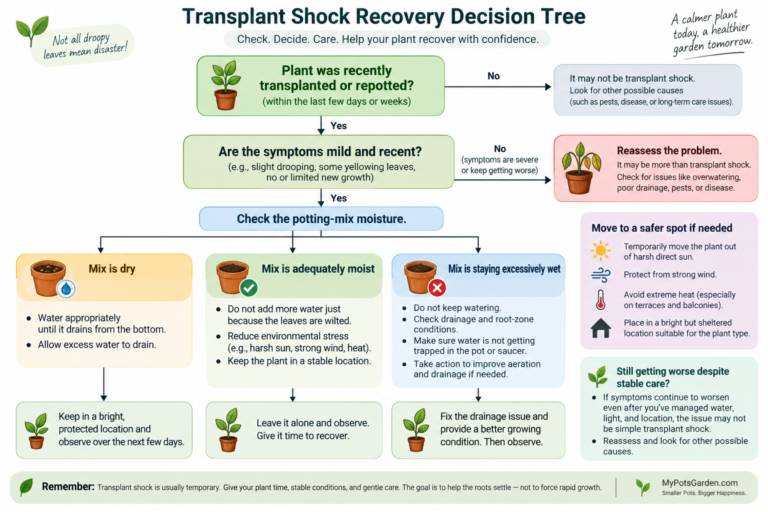
How long does transplant shock last, and when should a container plant recover?
Transplant shock can look worrying, but temporary stress after transplanting does not always mean something is seriously wrong with your plant. A little drooping, some yellowing, or a pause in new growth can happen while the roots settle into their new pot and adjust to the new micro-environment.
The important thing is to watch the direction of recovery. If the plant has stopped getting worse, the foliage is slowly stabilizing, and the soil moisture is being managed properly, give the roots time instead of trying one remedy after another.
Protect the plant from additional heat, harsh sunlight, and strong wind when needed. Check the root-zone moisture before watering, and avoid pushing fertilizers or unnecessary treatments while the plant is already stressed. Recovery may not immediately mean seeing a fresh new leaf—the first positive sign can simply be that the plant stops declining.
So, after repotting, don’t panic when your plant looks a little dull. Observe first, adjust what actually needs adjusting, and give the roots time to settle. If the plant keeps getting worse despite stable care, that’s when you need to step back and reconsider whether transplant shock is really the problem.
If you’re still wondering whether your plant needed repotting in the first place, start here: How to Know When a Plant Needs Repotting. And if you’re dealing with roots that have become tightly packed inside the pot, learn How Can You Tell If a Plant Is Actually Root-Bound?.
For the bigger picture of caring for plants in containers, continue with Container Gardening Basics: A Beginner’s Complete Roadmap.
Your plant doesn’t need panic gardening after repotting—it needs the right conditions, careful observation, and time to recover. 🌱