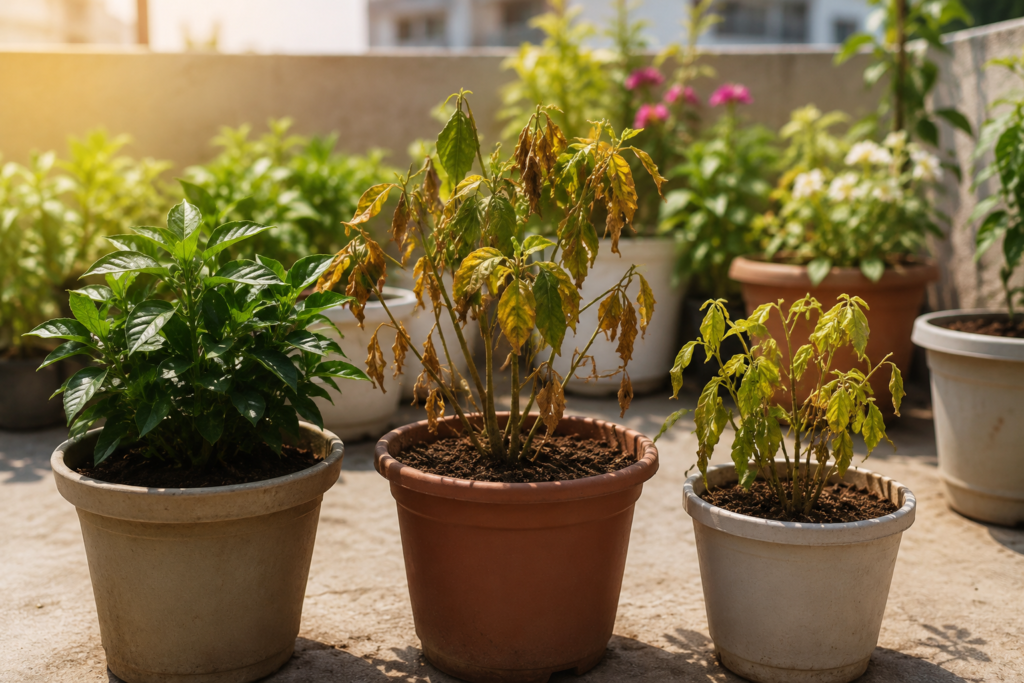
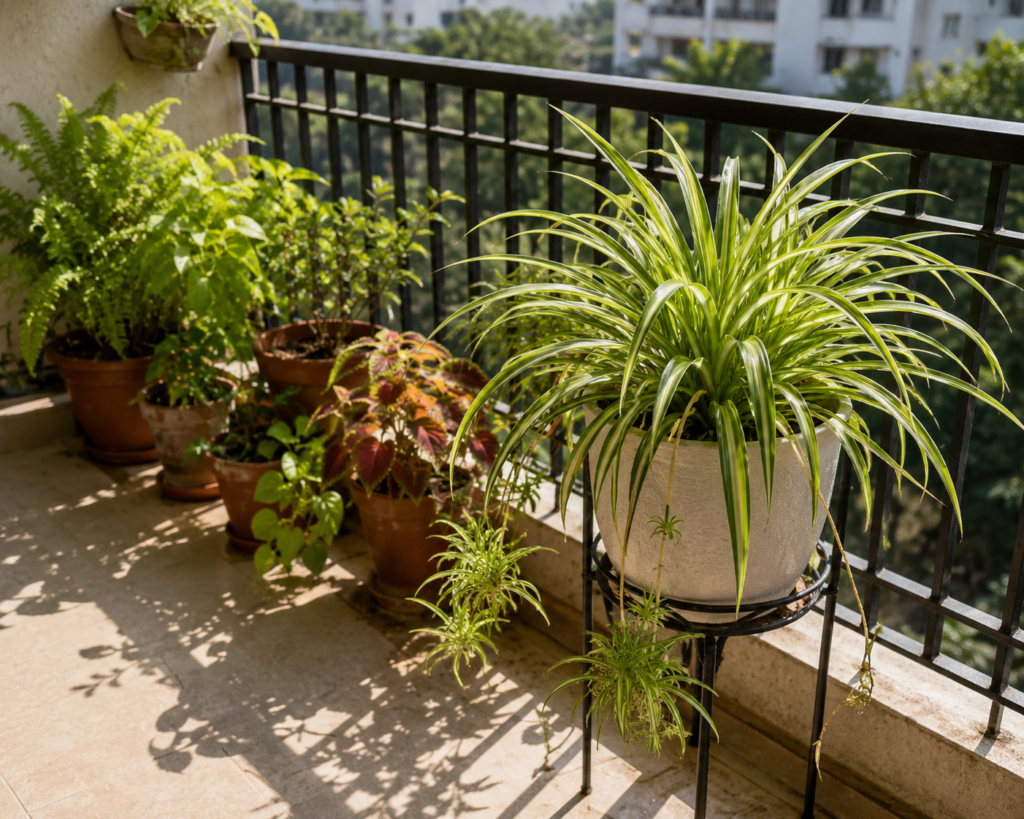
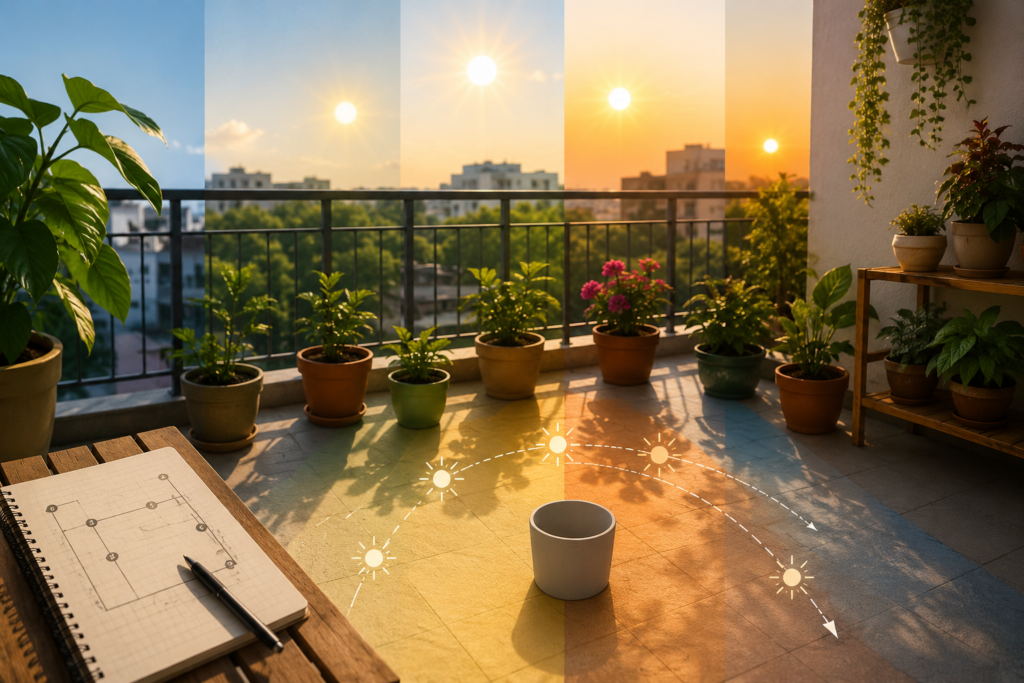
Many beginner gardeners assume that full sun is always the best thing for container plants. So when your potted plants sit in plenty of sunlight but still develop burnt leaf edges, scorched leaves, or dry brown patches, it feels confusing. If you’ve been wondering, “Why do my container plants look burnt even though they get plenty of sun?”, you’re definitely not alone.
In India, this confusion is even more common because our weather doesn’t always behave the way we expect. Heat waves and scorching sunlight aren’t limited to peak summer. Some years, even July or September can feel extremely hot. On balconies and terraces, the problem becomes even worse because the floor, walls, and nearby surfaces reflect extra heat back onto your potted plants.
All of that extra heat raises the potting soil temperature, making container gardening much more challenging than it first appears.
Many of us believe that more sunlight automatically means healthier growth. That’s not completely true. Plants certainly need sunlight for photosynthesis to produce their food. But that doesn’t mean they need the same amount of sunlight every day or during every stage of their life.
A plant’s sunlight needs don’t depend only on whether it’s a full-sun or low-light plant. Even a sun-loving plant can struggle with intense sunlight when it’s still a young sapling, recovering after pruning, stressed from transplanting, or already dealing with underwatering. During these times, the same plant becomes much less tolerant of heat and strong afternoon sun.
The burnt look on the leaves usually happens because the plant starts losing water from its leaves faster than the roots can replace it. When the heat is intense, moisture disappears quickly from the leaf edges, while the roots struggle to move enough water from the hot potting soil to keep up. That’s why leaf scorch on container plants often begins around the edges first.
This happens even faster during heat waves. The pot itself is already hot from the heated balcony or terrace floor, while strong sunlight increases evaporation from both the soil and the leaves. Together, these conditions create heat stress in potted plants, even if you’re watering regularly.
In this blog, I’ll help you understand why container plants get too much sun, how to recognize the early signs before serious damage happens, what causes leaf scorch in balcony and terrace gardens, and the simple ways you can protect and recover sun-damaged plants. Read until the end so you can identify these problems early and prevent unnecessary damage before your plants begin to decline.
What Are the Early Signs My Potted Plants Are Getting Too Much Sun?
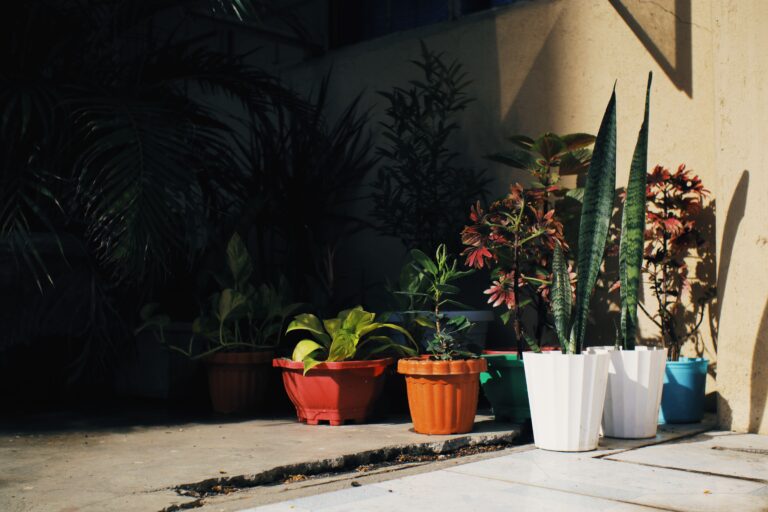
The good thing about too much sun on container plants is that your plants usually give small warning signs before they start declining seriously. Most beginner gardeners notice burnt leaves, wilting, or slow growth only after the damage becomes obvious. But if you learn to recognize these early signs, you can protect your balcony or terrace plants before they develop severe heat stress or underwatering problems.
Why are my plant leaves turning brown on the edges?
Leaf edges are usually the last part of the leaf to receive water through the veins. When the temperature rises, the water already inside the leaf starts evaporating much faster.
Even if you water your plant, it still takes time for that water to travel from the roots through the stem and into every leaf. During those few hours, strong sunlight and heat continue pulling moisture away from the leaf edges. Eventually, those edges become dry, brown, and crispy.
This is often one of the first signs that your container plant is getting more sunlight and heat than it can comfortably tolerate. It’s not always a watering problem. Sometimes it’s simply the gap between how fast water moves through the plant and how fast the heat is removing it.
Why do leaves look faded, bleached, or scorched?
Let’s keep leaf scorching aside for a moment.
The faded or bleached look usually happens because the plant is struggling to maintain enough chlorophyll. Chlorophyll gives leaves their rich green colour, and it depends on healthy photosynthesis. Photosynthesis itself needs the right balance of sunlight, water, and carbon dioxide.
When sunlight becomes excessive, that balance starts breaking down. The plant struggles to absorb and move enough water while also carrying out photosynthesis efficiently. Over time, the leaves lose their healthy green colour and begin looking pale or washed out.
Now about leaf scorch.
Scorching usually appears where the leaf receives the most direct sunlight. That particular area loses water faster than the rest of the leaf, eventually creating dry, burnt patches. I’ve also noticed this happens more often when we don’t rotate our potted plants regularly. One side keeps facing the harsh afternoon sun every day while the other side stays protected.
Why is my container plant wilting even after watering?
This is one of the most confusing potted plant problems.
You water the soil. The soil absorbs that water. The roots then pull the water upward through the plant’s veins.
But before enough water reaches every leaf, the hot sunlight may already be evaporating moisture from the foliage. That gap between water absorption and water loss is what causes the plant to wilt, even though the soil was watered recently.
In Indian balcony and terrace gardening, this happens even faster because water also helps cool the potting soil. During heat waves, strong sunlight combines with hot balcony floors and terrace surfaces, raising the soil temperature inside the pot.
The hotter the potting soil becomes, the harder it is for roots to keep supplying water quickly enough.
Why are flowers dropping or fading quickly in strong sunlight?
You might notice flower heads bending down, petals fading early, or flowers simply falling before they finish blooming.
This is usually a sign of heat stress in potted plants.
The plant is already working hard to regulate both the hot soil around its roots and the intense sunlight hitting its leaves. At the same time, water continues evaporating from the foliage.
Plants need sunlight for photosynthesis, but they also need enough water for that entire process to work properly. Water helps transport nutrients and supports many activities inside the plant.
When that balance is disturbed for several days, the plant starts protecting itself. One of the first things it sacrifices is flowers, causing early flower drop or faded blooms.
Why has my plant stopped growing during summer?
Container plants in India often struggle with more than just direct sunlight.
Most gardeners notice the sun, but they pay less attention to hot terrace floors, heated balcony walls, poor airflow, and rising potting soil temperatures. Together, these create a much hotter microclimate around your plants.
While the leaves are losing water quickly, the roots are also struggling inside overheated soil.
If you regularly notice dry soil soon after watering, burnt leaf edges, slower growth, smaller new leaves, or plants that simply stop growing during summer, these are all signs that your plant may be dealing with too much heat, not just too much sunlight.
Sometimes the problem isn’t the sun alone. It’s the entire growing environment becoming hotter than the plant can comfortably handle.
How to tell the difference between sunburn, underwatering, and nutrient problems
These problems often look similar, which is why many beginners accidentally treat the wrong issue.
Sunburn
- Burnt or crispy leaf edges
- Brown patches on the side facing the sun
- Afternoon wilting that improves later in the day
- Potting soil drying much faster than usual
Underwatering
- Wrinkled or drooping leaves
- Slow growth
- Dry soil for long periods
- Can happen because of missed watering, root-bound plants, poor soil mix, or damaged roots—not only because of hot weather.
Nutrient problems
- Smaller new leaves
- Pale or yellowing foliage
- Little or no flowering and fruiting
- Very slow growth over several weeks or months
- Often caused by exhausted potting soil or a lack of organic matter rather than sunlight alone.
Learning to notice these differences takes time, but once you start observing your plants closely, the signs become much easier to recognize. In the next sections, we’ll look at why container plants become more vulnerable to excessive sunlight and the simple changes that can protect them before serious damage begins.
Full sun doesn’t always mean healthy plants. Discover why your container plants may still be struggling: Why Are Your Container Plants Struggling Even in Full Sun?
Why Do Container Plants Get Too Much Sun Faster Than Garden Plants?
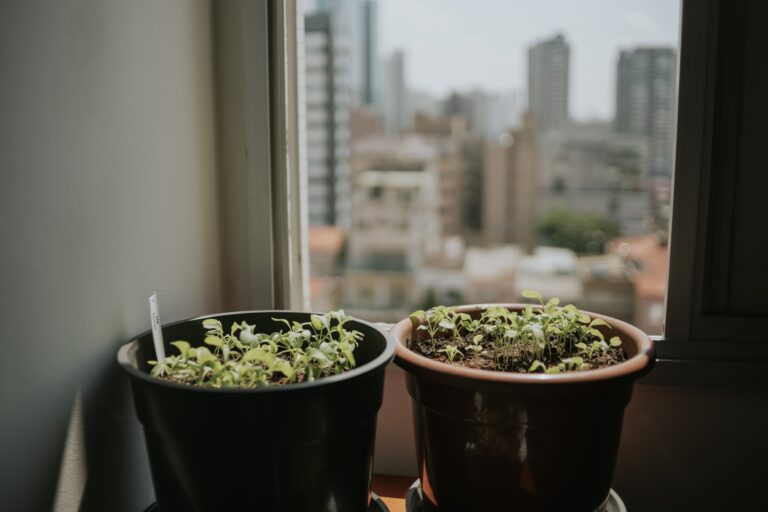
Many beginner gardeners wonder why their container plants struggle in full sun, while the same plant growing in the ground nearby looks perfectly healthy. It doesn’t mean garden plants never experience heat stress or too much sun. They certainly do. But plants growing in the ground usually have a natural advantage that potted plants simply don’t.
The ground acts like a large buffer. It holds more moisture, stays cooler for longer, and regulates temperature much better than a container. Even if the weather becomes extremely hot, the soil beneath the surface doesn’t heat up as quickly as the potting soil inside a container. Of course, ground plants can also benefit from shade nets or temporary protection during heat waves, but they generally have a much larger margin before heat becomes a serious problem.
Container plants are different.
Their potting soil temperature is influenced not only by sunlight but also by the heat coming from the balcony or terrace floor. The pot itself becomes part of the problem because different materials handle heat differently. Breathable containers like terracotta pots or fabric grow bags release heat more easily, while plastic pots and especially metal pots tend to trap more heat around the roots.
Pot size also makes a bigger difference than many beginners realize.
Small pots contain less soil, so they heat up much faster during hot afternoons. They also lose moisture quickly, which means underwatering stress develops sooner than it would in larger containers. Bigger pots hold more soil, giving the roots a little more insulation against sudden temperature changes.
The colour of the pot matters too.
Dark-coloured containers absorb and hold much more heat than light-coloured pots. That extra warmth may not seem like much, but during Indian summers or unexpected heat waves, it can raise the temperature around the roots enough to increase heat stress in potted plants.
Another thing I slowly learned is that a plant’s sunlight tolerance isn’t fixed.
Even plants labelled as full-sun plants don’t always handle the same amount of sunlight throughout their life. A young sapling, a recently pruned plant, a plant recovering from root stress, transplant shock, pests, or disease is much less capable of handling harsh afternoon sun than a healthy, established plant. The plant hasn’t changed—its condition has.
Once you begin noticing these small differences, many common container gardening problems start making much more sense. The encouraging part is that most of these issues don’t require expensive solutions. A few simple adjustments to your balcony or terrace garden can dramatically reduce heat stress, and that’s exactly what we’ll look at in the next section.
How Can I Protect My Balcony and Terrace Plants From Too Much Sun?
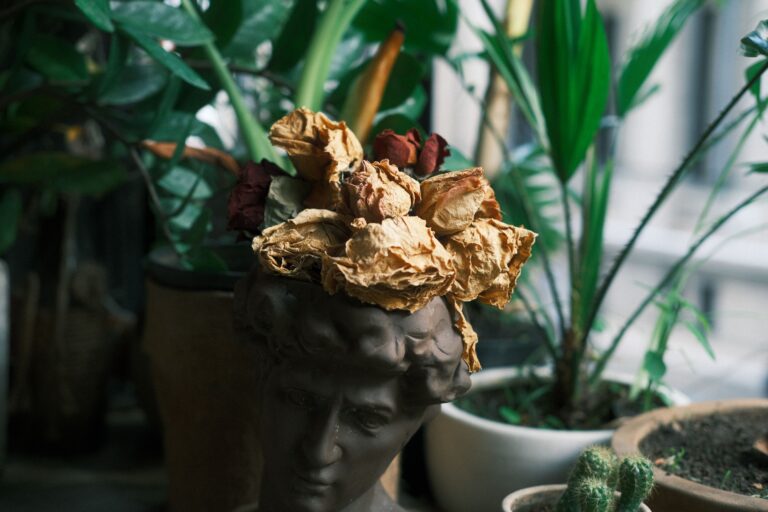
Protecting your balcony and terrace plants from too much sun during Indian summers isn’t about constantly moving every pot or buying expensive gardening products. Most of the time, it comes down to observing your plants, understanding how sunlight changes, and making small adjustments before heat stress becomes a serious problem.
The previous sections helped you recognize the warning signs. Now let’s look at the simple habits that can help prevent sun damage on container plants before it starts.
- Place each plant in the right sunlight spot. Sunlight isn’t rigid. Its intensity changes with the seasons, the direction your balcony or terrace faces, and even the time of day. A spot that is comfortable in winter may become too harsh during summer or a heat wave.
- Rotate your potted plants regularly. If one side of the plant receives harsh afternoon sun every day while the other side stays shaded, you’ll often notice leaf scorch or uneven growth. Rotating the pot helps distribute sunlight more evenly.
- Avoid placing pots directly on hot floors. Terrace and balcony floors absorb a tremendous amount of heat during the day. That heat transfers into the container and raises the potting soil temperature. If possible, place pots on plant stands, pot feet, or at least a bottom tray to reduce direct heat transfer.
- Move plants slightly during peak summer. Even full-sun plants appreciate some protection during extreme heat waves. You don’t always need full shade. Sometimes shifting the pot to receive morning sun and a little afternoon protection is enough.
- Maintain balanced watering. Don’t overwater, but don’t allow the potting soil to become completely bone dry either. Consistent moisture helps roots cope with high temperatures much better than repeated cycles of drought and heavy watering.
- Avoid excessive misting or spraying the foliage. If you’re using hard water, frequent spraying can leave mineral deposits on the leaf surface. Over time, these deposits may reduce the efficiency of the stomata, making it harder for the plant to regulate water loss naturally.
- Choose breathable pots and the right potting mix. Terracotta pots and fabric grow bags release heat more effectively than many plastic or metal containers. Likewise, use a potting mix suited to your plant, rather than relying on random garden soil or generic potting mixes for every plant.
- Avoid excessive chemical fertilizers during extreme heat. Strong chemical fertilizers can place additional stress on already dehydrated plants. During hot weather, it’s better to focus on keeping the roots healthy than encouraging rapid growth.
- Apply mulch during very hot days. A layer of mulch on top of the potting soil helps slow moisture loss and keeps the soil temperature more stable throughout the day.
- Keep observing your plants. Small warning signs like slightly burnt leaf edges, faster-drying soil, afternoon wilting, or faded leaves often appear several days before serious damage. Acting early is much easier than trying to recover a severely stressed plant.
- Choose plants that match the sunlight your space naturally receives. One of the simplest ways to prevent ongoing stress is to grow plants suited to your balcony or terrace conditions instead of forcing shade-loving plants into full sun or expecting sun-loving plants to handle every heat wave without support.
✨ If your plants look tired despite attention and effort, this guide will change your perspective. Explore the full explanation here
Can My Sun-Damaged Container Plants Recover If I Act Early?
Yes, in many cases they can. One of the biggest mistakes beginners make is assuming a plant is dying just because a few leaves have become burnt or scorched. In reality, plants are much more resilient than they appear. If you identify the problem early and reduce the heat stress, most container plants can recover surprisingly well.
The first thing to understand is that burnt leaves usually don’t turn green again. Once a leaf edge has become brown, crispy, or completely scorched, that damaged tissue is permanent. You can leave slightly damaged leaves on the plant if they’re still mostly green because they continue producing food through photosynthesis. However, if a leaf is almost entirely burnt or dried out, you can prune it off so the plant can focus its energy on healthy new growth.
Instead of looking only at the damaged leaves, start watching the new growth. Fresh leaves should emerge with a healthy green colour, normal size, and no burnt edges. Flowers should begin lasting longer, and the plant should gradually stop wilting so quickly during the afternoon. These are much better signs of recovery than waiting for old damaged leaves to improve.
The good news is that recovery usually doesn’t require expensive products or miracle fertilizers. Small changes often make the biggest difference. Moving the pot slightly away from harsh afternoon sun, raising it off a hot terrace floor, watering consistently without overwatering, using mulch to reduce soil temperature, rotating the pot regularly, or choosing a better potting mix can all reduce heat stress over time. These simple habits create a healthier growing environment, allowing the plant to recover naturally.
One lesson I’ve learned through container gardening is that plants rarely decline overnight. They usually give us several small warning signs first—slightly burnt leaf edges, faster-drying soil, afternoon wilting, faded leaves, or slower growth. When we notice these signs early and make a few adjustments, we can often prevent much bigger problems later.
If you’re still unsure whether your plants are actually getting too much sunlight, the next step is learning how sunlight moves across your own growing space. Every balcony and terrace receives light differently depending on its direction, surrounding buildings, and the season.
Next, read: How to Observe Sunlight in Your Space Without Any Tools to learn a simple way to identify your garden’s sunlight pattern before choosing the right place for each container plant.