Why are my potted plants not growing big like I expected at home?
This is one of the most frustrating moments for beginners in container gardening. You buy a plant that looks full, healthy, and mature in the nursery or in photos—but once it comes home, it just… stays small. No major growth, slower leaves, sometimes even wilting or leaf drop.
Many beginners quietly wonder: “Why are my plants not growing big in pots like in the nursery?”
You might even start doubting your care.
You see nursery plants thriving in red soil or clay-like soil, and it feels confusing—because at home, even with a better potting mix and regular watering, your plant struggles or slows down.
First, understand this clearly: you’re not doing anything wrong. In most cases, you’re actually doing the right beginner plant care.
Let me explain what’s really happening.
In nurseries or plant shops, plants are grown to look good fast. They may be in compact red soil, but the focus is not long-term root health. Instead, they are often given quick-release or frequent feeding that pushes fast foliage growth and blooming. This creates the illusion of a bigger, fuller plant—what many beginners expect as “normal container plant growth.”
At the same time, nursery plants are grown in more controlled outdoor conditions—consistent light, open airflow, and stable watering cycles. They are not dealing with the same balcony or terrace microclimate stress that your home setup has, especially in Indian summer heat or monsoon humidity.
When you bring that plant home, two things happen:
- It gets exposed to real, variable conditions
- It shifts from a fast-growth system to a root-adjustment phase
That’s when you see transplant shock symptoms—wilting after bringing plant home, leaf drop, or slow foliage growth. This is a normal plant adjustment phase, not a failure.
And here’s the important part most people miss:
At home, you’re likely using a better, well-draining potting mix for container plants and focusing on basic plant care—watering correctly, avoiding overfeeding, and giving time for roots to establish. This is actually what supports long-term plant growth in pots, even if it looks slower at first.
So yes, it feels like your plant is “not growing,” but in reality, it is stabilizing below the soil before it grows above it.
That shift—from fast, nursery-style growth to slow, sustainable container growth—is a big change for any plant.
If you don’t panic, avoid constant repotting, and don’t push excess fertilizers, most plants will gradually adapt and start putting out healthier, fuller growth over time.
If you’ve been confused about why your plants stay small after buying from a nursery, or how to actually make potted plants grow fuller without damaging them—keep reading.
This will clear the gap between nursery plant expectations vs real home container gardening reality.
🪴 I used to pick the prettiest plants at nurseries — until they struggled at home. Discover the smarter selection method
Why do plants in pots stay smaller than nursery or ground-grown plants?

Why do nursery plants look bigger than home plants?
This is a real confusion almost every beginner in container gardening faces.
You bring home a full, bushy plant with blooms—and within a few weeks, it starts looking smaller. Less foliage, fewer flowers, sometimes leaf drop after repotting. It creates a strong feeling that “my plant became smaller after bringing it home.”
And yes, what you’re seeing is real.
Nursery plants often become less bushy, with reduced blooming once you repot them into your balcony or terrace garden. But this doesn’t mean your plant is failing.
The difference between nursery plants vs home container plants is in the goal.
Nurseries focus on fuller display to attract buyers, not long-term container plant growth. You’ll often see big plants in small grow bags. This happens because growth is directed more towards foliage and blooms rather than balanced root development.
This kind of setup works only for the short term. If the same compact red soil or nursery root ball is kept unchanged at home, it can lead to issues like poor drainage or even root rot in pots over time—especially in humid or monsoon conditions.
Another practical reason: if nurseries allow full root growth, they would need to shift plants to bigger pots more frequently, which increases cost and maintenance. So plants are often maintained in a “controlled growth stage.”
Why do nursery plants grow faster than balcony plants?
Yes, nursery plants appear to grow faster—but it’s not always balanced or sustainable growth.
Nurseries prioritize visual appearance—quick foliage, active blooming—not long-term plant health in containers.
That’s why, after bringing plants home and repotting into a breathable potting mix, you often see:
- Leaf drop after repotting
- Slow or paused growth
- Slight wilting
This is not decline. This is an adaptation phase.
The plant is shifting from a fast, controlled system to a real home environment—especially in Indian balcony gardening conditions with heat, airflow changes, or seasonal shifts.
This adjustment period is often misunderstood as a nutrient deficiency in potted plants, which leads many beginners to panic and buy fertilizers immediately.
But here’s the truth:
During this phase, the plant is focusing on root establishment after repotting, not top growth.
Adding fertilizers at this stage can overload the plant and even damage young or recovering roots.
Instead:
- Keep watering minimal but consistent
- Avoid keeping the soil soggy
- Let the roots slowly adapt and grow
This is the safest way to support healthy root growth in container plants.
Do plants always grow smaller in pots than in the ground?
With the right care and realistic expectations, plants can grow full and healthy in pots.
But comparing them directly with ground-grown plants creates unnecessary disappointment.
In ground:
- Roots have unlimited space
- Moisture and temperature are more stable
In pots:
- Root space is limited
- Conditions change faster
So instead of expecting the same size, focus on maximum healthy growth possible in containers.
What actually harms potted plants is not slow growth—but panic-driven care after repotting.
- Overfeeding
- Frequent repotting
- Constant shifting
These interrupt the plant’s recovery.
Some plants, especially in small-space container gardening, can take 3–8 weeks (or even longer in certain seasons) to fully settle.
If your plant looks stressed after repotting—even with the right soil mix—focus on:
- Bright indirect sunlight
- Balanced watering routine
- No fertilizers initially
- No unnecessary disturbance
Give it time. Once roots establish, visible growth will follow.
Bonus tip:
Don’t hesitate to gently remove compact nursery red soil while repotting. Just handle the roots carefully to avoid excess stress. This small step can improve long-term drainage and root health in pots.
What limits plant growth in pots and keeps them small?
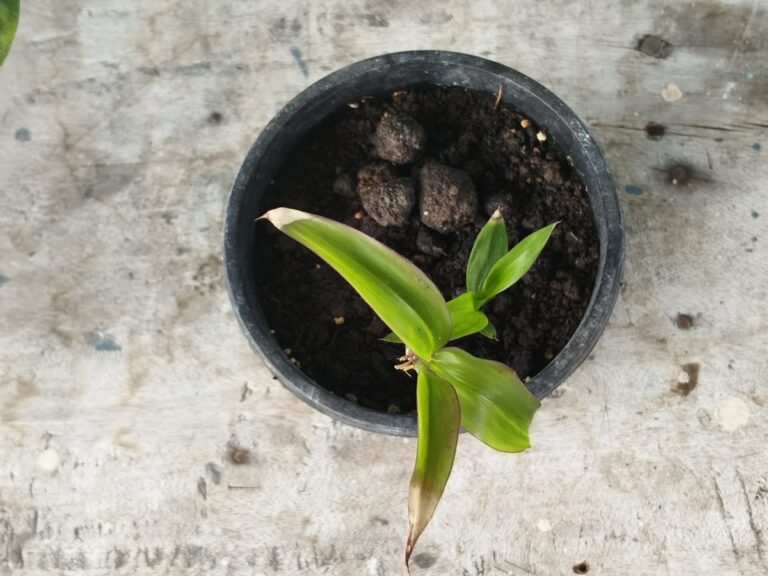
While growing plants in pots, it’s important to understand the basic growth structure and how container gardening differs from ground-bed gardening.
In the ground, root space is not restricted. Because of that:
- Roots can spread freely
- Foliage can grow larger
- Plants can reach their natural size more easily
- They tolerate harsh sunlight better
- Overwatering risk is lower since excess water drains deeper into the soil
But in containers, everything is limited and controlled.
The root space is restricted, and whatever you give—water, fertilizers, or even pesticides—stays inside the pot and takes time to drain or break down. This directly affects how the plant grows.
It simply means:
Roots absorb slowly and within limits—so overfeeding (water or fertilizers) can easily stress the plant.
This is why compact or slow-growing varieties perform better in pots, especially in balcony or terrace container gardening, compared to fast-growing ground varieties that need more space.
Does pot size limit how big a plant can grow?
Yes—but it’s not a disadvantage.
Not everyone has access to ground space, and that doesn’t mean you can’t grow healthy plants. In fact, growing plants in pots at home allows you to manage plants even in small spaces like balconies, patios, or terraces.
In containers, plants grow at their own controlled pace.
With proper basic care and a good understanding of:
- Pot size selection
- Soil mix
- Watering routine
you can still achieve healthy, thriving plants in pots, even if they don’t reach ground-level size.
Container gardening gives you the flexibility to grow plants anywhere there is sunlight—this itself is a huge advantage.
🪴 Most beginners fail because they skip the basics. Don’t make that mistake. See the step-by-step container gardening guide
Can less sunlight slow plant growth in balconies?
Yes.
In balcony or terrace gardening, sunlight for potted plants is often limited or uneven.
Unlike ground plants that receive uninterrupted sunlight, container plants may get:
- Filtered light
- Partial sunlight
- Reflected heat from walls or floors
That’s why plant placement in balcony gardening matters a lot.
Not too much harsh sunlight (which can cause leaf burn), and not too little (which slows growth).
Plants need sufficient light for photosynthesis. In potted plants—with already limited root and foliage capacity—it becomes even more important to ensure the entire plant receives adequate light exposure for balanced growth.
🌞 Sunlight doesn’t work the way beginners think it does in containers. Read the hard sunlight lessons here
Do roots stop growing when pots are small?
Yes—but it’s not something to panic about.
Roots slowing down or circling inside the pot (root-bound stage) is a natural part of container plant growth. In fact, it often means your plant has been growing well in that space.
You may notice:
- Roots coming out of drainage holes
- Soil drying faster than usual
- Slower top growth
These are signs the plant needs more space.
At this stage, you can repot carefully into a slightly bigger pot (about 1–2 inches wider than the current root ball). This gradual upgrade helps the plant continue growing without overwhelming it.
A common beginner mistake is jumping to a very large pot too quickly. Instead, step-by-step pot size increase supports steady growth.
Root-bound plants may slow down, but they won’t fail if you repot them correctly. With the right timing and care, they continue to grow and thrive.
🌱 Most repotting stress isn’t visible right away — but it’s already happening inside the pot. Read the 3 hidden causes
How can you help plants grow better or bigger in pots?
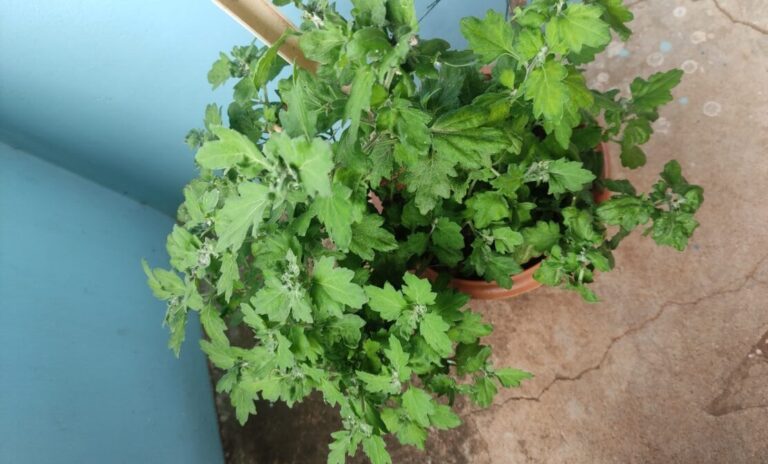
Don’t expect ground-bed-like growth in pots—that’s an unrealistic goal in container gardening.
Understanding container gardening growth patterns helps you grow healthy, thriving plants even without land, on a low budget, and in small balcony or terrace spaces.
The honest answer for beginners expecting fast results is this:
plants in pots won’t grow as fast as ground-grown plants.
And that’s not a problem.
In containers, roots develop slowly—and that’s actually the right, healthy process. When roots establish well in a limited space, the plant later supports better foliage and flowering. This is how long-term plant growth in pots works.
Chasing fast growth in pots often leads to common beginner mistakes in container gardening—like overfeeding, overwatering, or frequent repotting—which can stress or even damage the plant.
This doesn’t fully apply to short-term plants like leafy greens, seasonal vegetables, or annual flowers, which naturally grow fast and complete their cycle quickly.
But for most perennials and foliage plants, slow and steady growth in pots is the correct path.
Can you make plants grow bigger in pots?
Yes—but instead of chasing “bigger plants,” focus on healthy, thriving plants in containers. The fuller look naturally follows plant health.
The real shift is this:
Stop comparing container plants with ground-grown plants.
Ground gardening methods don’t directly work in pots. Once you understand this difference, it becomes much easier to improve your results in balcony or terrace container gardening in India.
What actually helps:
- Gradual pot size upgrades (not sudden large pots)
- Using a well-draining potting mix for container plants
- Feeding with organic fertilizers at proper intervals (not frequently)
- Understanding your garden space and sunlight exposure
- Adjusting watering based on pot size, weather, and soil drying speed
- Basic care like pruning and simple pest control
All these together support healthy plant growth in pots.
With consistency and patience, plants adapt, roots strengthen, and growth becomes fuller over time—without forcing it.
🪴 Instead of random gardening tips, follow a clear beginner path. Explore the container gardening fundamentals here
Is it normal for plants to stay smaller in pots?
Yes—it’s completely normal for container plants to grow smaller than ground-grown plants.
This is not a failure. It’s simply how container gardening works.
In pots, plants grow within limits—root space, water retention, sunlight exposure—all of these are controlled. So naturally, the plant adapts its size to match those conditions.
What matters more is not how big your plant looks, but how healthy and stable it is over time.
If your plant is:
- Putting out new leaves (even slowly)
- Holding its color and structure
- Not constantly wilting or declining
Then your plant is doing well.
Many beginners worry about slow plant growth in pots, especially after seeing big, full plants in nurseries or on social media. But those are often short-term visuals—not long-term reality.
Your plant growing slowly, steadily, and adapting to your space is actually a sign of healthy container plant growth.
In container gardening, success is not about size.
- Healthy plant > large plant
- Steady growth > fast growth
A smaller plant that is stable, pest-free, and consistently growing is far better than a large plant that was pushed with fast growth and later declined.
This mindset shift helps avoid common mistakes like:
- Overfeeding fertilizers
- Constant repotting
- Changing positions too often
All of which can harm plants more than help them.
The best skill you can build in balcony or terrace container gardening is observation.
Instead of chasing results:
- Watch how your plant responds to sunlight
- Notice how fast the soil dries
- Track new growth patterns over weeks
This kind of observation-based gardening builds real understanding—something no shortcut or quick tip can replace.
One of the biggest silent pressures beginners face is comparison.
- Nursery plants are grown for display, not long-term survival
- Social media often shows peak growth moments, not the full lifecycle
So when your plant looks smaller or slower, it can feel like you’re doing something wrong.
But you’re not.
Your plant is growing in real conditions, adapting to your balcony or terrace environment, your climate, and your care routine.
That growth may look slower—but it is more stable, sustainable, and real.
If you stop comparing, stay consistent with basic care, and give your plant time, you’ll start seeing a different kind of progress—one that lasts.
And that’s what truly matters in container gardening.
🌿 Every plant taught me something — sometimes the hard way. Follow my container gardening journey here
If you want to see real, practical container gardening tips and plant growth journeys, check out my YouTube channel 👉 Gardener Jay 🌿
I share simple, experience-based methods to help your potted plants grow healthier and thrive in balcony and terrace spaces.


