Why Sunlight Feels Confusing in Container Gardening
“More sun = better growth.”
This is one of the most common myths beginners carry into container gardening—and it largely comes from groundbed gardening logic.
In ground gardens, plants often perform better with more sunlight because those spaces usually contain trees, heavy-feeding edibles, and large outdoor shrubs. These are typically sun-loving plants with deep root systems and stable soil temperatures. In that setting, sunlight works predictably.
But container gardening is different.
In pots, we don’t grow only sun-loving plants. The variety is endless—drought-tolerant succulents, sun-loving edibles, flowering plants that need 5+ hours of sunlight (not scorching heat), and low-light plants suited for shaded balconies. Treating all of them with the same sunlight rule often leads to confusion and poor plant performance.
One unique advantage of container gardening is mobility. Unlike groundbed plants, potted plants can be moved. This flexibility makes it even more important to understand your sunlight patterns and place plants accordingly, so photosynthesis happens efficiently without causing stress. In small spaces like balconies and terraces, sunlight management directly affects plant growth, leaf health, and watering behavior.
Why Does Sunlight Behave Differently in Containers Than in Ground Gardening?
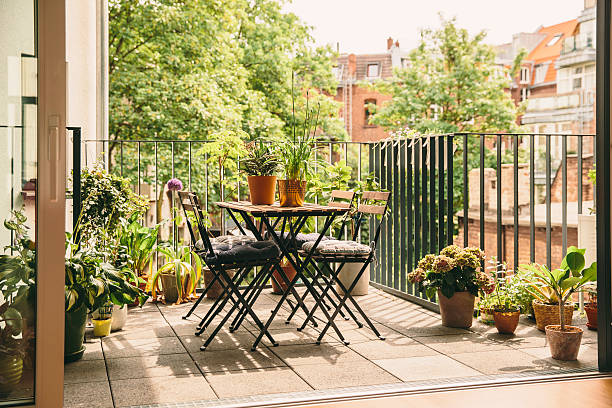
Unlike open groundbeds with uninterrupted exposure, potted plants receive filtered and fragmented sunlight. Buildings, nearby trees, balcony grills, curtains, and parapet walls all influence how light reaches your plants. Even on balconies and terraces, sunlight is rarely open-roofed all day. What you receive depends on daily sunlight patterns, not just availability.
Sunlight is not a fixed input, and it cannot be measured blindly using only east–west formulas. Direction does matter—
- East-facing spaces usually receive gentle morning sunlight
- South-facing areas often get longer hours of sun
- West-facing balconies receive short but intense afternoon sun
- North-facing spaces may get reflected or seasonal light, sometimes none
However, this directional formula works only partially.
Two major factors change everything:
- Your exact location and building orientation (not just general compass direction)
- Seasonal sunlight shifts, which dramatically alter light intensity and duration across the year
This is why beginners often struggle when plants behave differently in summer, monsoon, and winter—even when placed in the same spot. In real-world container gardening, you need at least one full year of observation to truly understand how sunlight moves through your own space.
In this blog, you’ll learn the basics of sunlight patterns in container gardening, how to start observing and tracking them, and why understanding sunlight early prevents many common beginner mistakes.
New to container gardening or feeling overwhelmed?
This sunlight confusion makes more sense when you see how watering, pots, roots, airflow, and space all work together.
→ Start with the complete Container Gardening Master Guide here.
How Sunlight Actually Works in Containers (Not the Way Labels Say)
Hours of sunlight vs light intensity
As a beginner, the first thing you need to understand when reading plant sunlight requirements is the difference between hours of sunlight and light intensity.
Most plant labels mention terms like direct sunlight, indirect sunlight, and filtered sunlight. These terms describe light intensity, not just duration.
Direct sunlight means a spot receives unfiltered sun rays, usually strong and concentrated. Along with this, you also need to understand how many hours of sunlight a plant actually needs—whether it’s around 3 hours or 4+ hours of exposure.
Indirect sunlight refers to areas where light is present but not hitting the plant directly. For example, the center of a balcony may receive direct sun, while the surrounding edges receive indirect light.
Filtered sunlight occurs when light passes through objects like trees, curtains, balcony grills, or shade nets, reducing intensity. This type of light is often suitable for low-light and shade-tolerant houseplants commonly grown in balconies.
I’ll go deeper into plant-specific light needs in future blogs and beginner-friendly digital guides based on real container gardening experience. Subscribe to my newsletter to stay updated.
Why do pots heat faster and amplify the impact?
Groundbeds also absorb heat, but they behave very differently from containers. Plants in the ground have deeper root systems and better moisture buffering, which helps them tolerate temperature fluctuations.
In potted plants, root space is limited, and water cannot be stored in excess without risking fungal issues or root rot. The roots are more exposed, making them sensitive to heat stress. This is why container plants often show stress symptoms even when watering feels “adequate.”
Another major factor is the pot material. Some materials absorb and hold heat more than others. Concrete floors, terrace tiles, and surrounding walls further increase the heat around containers. This combined effect explains why pots heat up faster than soil beds, especially during peak summer months in balcony and terrace gardens.
Using plant stands or bottom trays helps reduce direct heat transfer from hot floors, which can make a noticeable difference in summer container gardening.
How do walls, floors, railings, and tiles change light behavior?
When sunlight passes through or reflects off walls, parapet structures, floors, and railings, its intensity and direction change. In many cases, these structures block sunlight for certain hours, reducing total exposure without it being obvious.
This is why it’s important to observe your space from sunrise to sunset, ideally by noting or photographing light changes at different times of the day. This helps you understand your space’s sunlight pattern for that season. When seasons change, the same spot may behave differently, requiring you to adjust plant placement slightly rather than assuming the plant is failing.
Floor surfaces also matter. Light-coloured tiles reflect sunlight, which can increase brightness and heat around plants. This reflected light can alter plant behaviour, especially in compact balcony gardening setups.
Why does the same plant behave differently in the ground or a different pot material?
Groundbed plants and container plants experience sunlight very differently. Even in groundbeds, plants can suffer during peak summer—my own ground plants need shade nets to prevent leaf burn. The difference is that containers give you mobility, allowing you to shift plants away from intense sun when needed.
When space is limited and moving pots isn’t possible, using shade nets or bamboo screens becomes necessary to manage sunlight stress in container plants.
Pot material plays a big role here. Clay pots are porous and release heat faster, making them more forgiving in hot climates. Plastic pots without UV protection tend to trap heat, increasing root stress. Metal pots are the worst choice for semi-outdoor or outdoor gardening because they transfer heat directly to the roots. If metal pots are used for aesthetics, the double-pot method helps reduce damage by creating insulation between the plant and the outer pot.
🌿 Not every plant belongs in a pot — and beginners often learn this the hard way.
More sunlight isn’t always worth moving your pots every day. Learn when repositioning actually benefits plants: Should You Move Container Plants Daily for Sunlight?
Most beginners choose plants with their eyes — not logic. These rules change everything. Read the beginner logic rules here
The Hidden Relationship Between Sunlight, Heat, and Root Stress
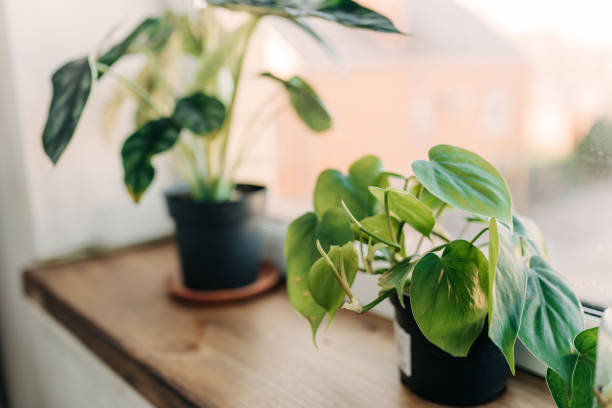
Containers heat up much faster than groundbeds, mainly because of pot material, concrete floors, and where the pot is placed. You might notice leaf scorching when a plant receives more sunlight than it needs, but root stress is harder to spot because it doesn’t show as clearly or as quickly as foliage damage.
When root stress goes unnoticed, the damage builds over time. Stressed roots lose their ability to absorb water and nutrients properly, which often leads to confusing symptoms—overwatering or underwatering signs, yellowing leaves, and stunted growth, even when you feel you’re giving the right care.
Leaf behavior that points to ROOT heat stress (not leaf burn)
- Midday wilting that recovers by evening
- Leaves curling downward or inward as a defensive response
- New growth appearing small, pale, or stalled
- Flowers dropping before opening
Key clue:
💧 You water → soil feels wet → plant still wilts in the sun
Touch Test (Simple but powerful)
Try this between 11:30 am and 3:00 pm, when heat stress is most common:
- Touch the side of the pot
- Touch the soil surface
- Slightly lift the base of the pot
If it feels hot or uncomfortable to hold, the roots are overheating.
Afternoon sun behaves very differently from morning sun. Between late morning and mid-afternoon, sunlight intensity is much higher, which is why watering during this window often worsens the problem. Wet soil combined with high heat can act like a boiling surface, stressing roots further instead of helping the plant.
Even drought-tolerant plants labelled as “full sun” (6+ hours of sunlight) should not be placed in direct harsh sun between 11 am and 3 pm, especially on south-facing terraces. While the foliage may tolerate it, the roots suffer silently, particularly when pot materials trap heat. Dark-coloured or black pots make this worse by absorbing more sunlight. Lighter shades or natural terracotta colours are better—but avoid painting pots white, as paint can clog pores and reduce breathability.
If possible, choose porous pot materials like clay pots, concrete pots, non-glazed ceramic, fabric grow bags, or coco coir pots. These materials release heat faster and allow better airflow. When using non-porous containers such as plastic, resin, glass, or metal, ensure extra drainage and aeration holes, and keep them away from harsh direct sunlight.
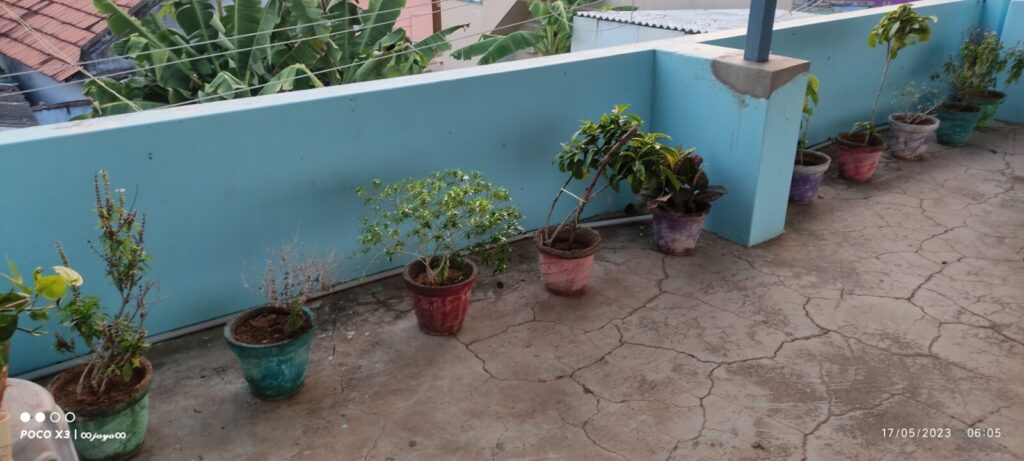
Heat stress is generally lower in clay pots, which is why they are a safer option for beginners. Placing pots directly on concrete also increases heat transfer—this is why I always use bottom trays or pot stands in my terrace garden. Plant placement matters too: maintain airflow, avoid overcrowding, and be cautious with tight corners.
Avoid placing pots too close to parapet walls or railings, as these structures absorb and transfer heat back to the plants. If your plants wilt only during peak sun hours and recover later in the day, it’s a textbook sign of root heat stress, not a watering issue.
Why This Is Common in Indian Terrace Gardens
- High surface temperatures
- Small container sizes
- Direct sun combined with concrete reflection
- Lightweight soil mixes that heat up quickly
Common Beginner Misunderstandings About Sunlight Exposure
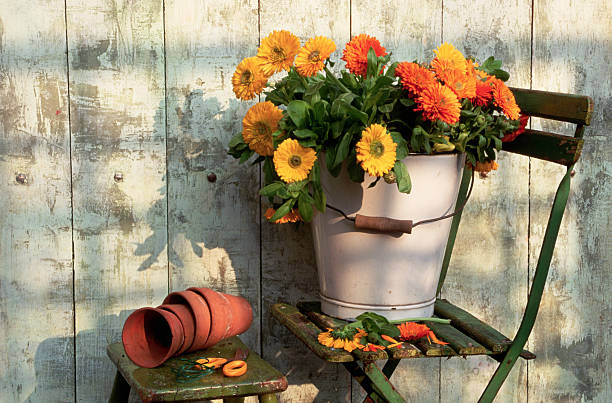
One of the hardest parts of container gardening is that sunlight problems rarely look dramatic at first. Most misunderstandings don’t come from neglect—they come from applying ground gardening logic to pots without realizing how different containers behave.
“Full sun plants need sun all day” — why does this backfire in containers
Many beginners assume that if a plant is labelled “full sun,” it should sit in sunlight from morning to evening. In containers, this often does more harm than good. Pots heat up faster, roots are confined, and excess sun—especially during peak afternoon hours—creates root stress long before leaves show damage.
In groundbeds, soil volume and depth buffer heat. In containers, sunlight combined with heat buildup can turn “full sun” into overexposure, particularly on balconies and terraces with concrete surfaces that reflect the sun’s rays. This is why plants that appear healthy for weeks can suddenly decline during hotter months, even when care seems consistent.
Assuming window light equals indoor plant light
Another common misunderstanding is treating window light as stable or sufficient light for indoor or semi-indoor plants. Window light changes drastically based on direction, season, curtains, grills, and nearby buildings. A bright-looking room doesn’t always translate to usable light for plants.
Many container gardeners place plants near windows, assuming they are receiving indirect sunlight, only to notice slow growth, pale leaves, or leaning stems over time. The issue isn’t the plant—it’s the quality and duration of light, which is often overestimated indoors.
Moving plants frequently while chasing sunlight
Mobility is one of the biggest advantages of container gardening—but overusing it can backfire. Constantly shifting plants in search of “better sunlight” creates environmental stress, especially when light, heat, airflow, and watering patterns keep changing.
Plants adapt slowly. When they are moved too often, they spend more energy adjusting than growing. This is why beginners sometimes feel a plant is “never happy anywhere,” when in reality it just hasn’t had time to settle into one light pattern.
Confusing weak growth with low sunlight alone
When growth looks slow or weak, sunlight is often blamed first. But in containers, light works together with airflow, pot size, root space, and soil temperature. A plant may receive enough sunlight but still struggle due to poor aeration, overcrowding, or heat buildup around the pot.
This misunderstanding leads to placing plants in stronger sun unnecessarily, which increases stress instead of improving growth. In many cases, the problem isn’t low light—it’s an imbalance between light and the container environment.
Relying only on nursery tags without observing real conditions
Nursery tags are helpful, but they are generic guidelines, not guarantees. They don’t account for your specific balcony direction, terrace heat, seasonal sun shifts, or pot material. Beginners often follow labels strictly while ignoring what the plant is actually showing day to day.
In container gardening, observation matters more than labels. The same plant can behave very differently in two homes, even within the same city. Learning to read plant responses in your own space is what gradually replaces confusion with confidence.
Learning to Read Your Space Instead of Following Sun Rules
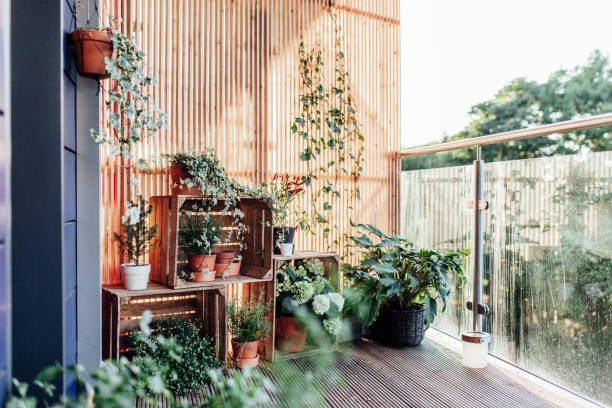
In container gardening, strict sunlight rules often create more confusion than clarity. What works on paper doesn’t always work in real spaces—especially balconies, terraces, and rented homes. This is why observation matters more than memorizing charts or labels.
Instead of forcing plants to match generic sunlight rules, container gardening works better when you learn how your own space behaves. Sunlight isn’t fixed—it moves, shifts, weakens, and intensifies depending on season, weather, and surroundings. Reading your space helps you respond to these changes naturally, without panic or constant rearranging.
One useful way to build this awareness is to light-map your balcony or terrace across seasons. The spot that receives gentle sun in winter may become harsh in summer, or completely shaded during monsoon months. Seasonal sun shifts—especially the contrast between summer, monsoon, and winter light patterns—play a huge role in how container plants grow and rest. Many beginner struggles come from assuming sunlight behaves the same all year round.
This kind of observation doesn’t require light meters, apps, or tools. In fact, relying on gadgets too early often disconnects beginners from what matters most. Budget-friendly container gardening thrives on awareness, not equipment. Watching when light arrives, how long it stays, and how it feels on pots and leaves gives more useful information than numbers on a screen.
Over time, plants themselves become the best indicators. Leaf posture, colour, growth speed, and recovery patterns offer clearer feedback than any sunlight chart. When you start trusting plant responses over fixed rules, sunlight stops feeling confusing and starts feeling predictable.
This shift—from following rules to reading your space—is one of the most important mindset changes in container gardening. It doesn’t happen overnight, but once it develops, decisions around sunlight feel calmer, more confident, and far less stressful.
🌿 Most container plants don’t die suddenly — they fade because of space mistakes.
Conclusion
Understanding sunlight in container gardening isn’t about getting it right immediately. It’s a skill that improves with time, shaped by observation, small adjustments, and seasonal experience. What feels confusing in the beginning slowly becomes familiar as you learn how light moves through your own space.
Sunlight is also one of the core foundations of container gardening success. It quietly influences watering patterns, root health, growth speed, and even how resilient a plant feels. When sunlight is misunderstood, many other problems appear. When it’s understood, several issues resolve themselves without extra effort.
Mistakes are a natural part of this learning process. Every container gardener misreads sunlight at some point—plants get scorched, shaded too much, or placed in the wrong spot for the season. These experiences aren’t failures; they are how understanding develops. Over time, each mistake adds clarity rather than frustration.
With patience, observation, and consistency, sunlight stops feeling like a rule you must follow and starts becoming something you can read and respond to. That shift is what turns container gardening from confusing to confident, one season at a time.