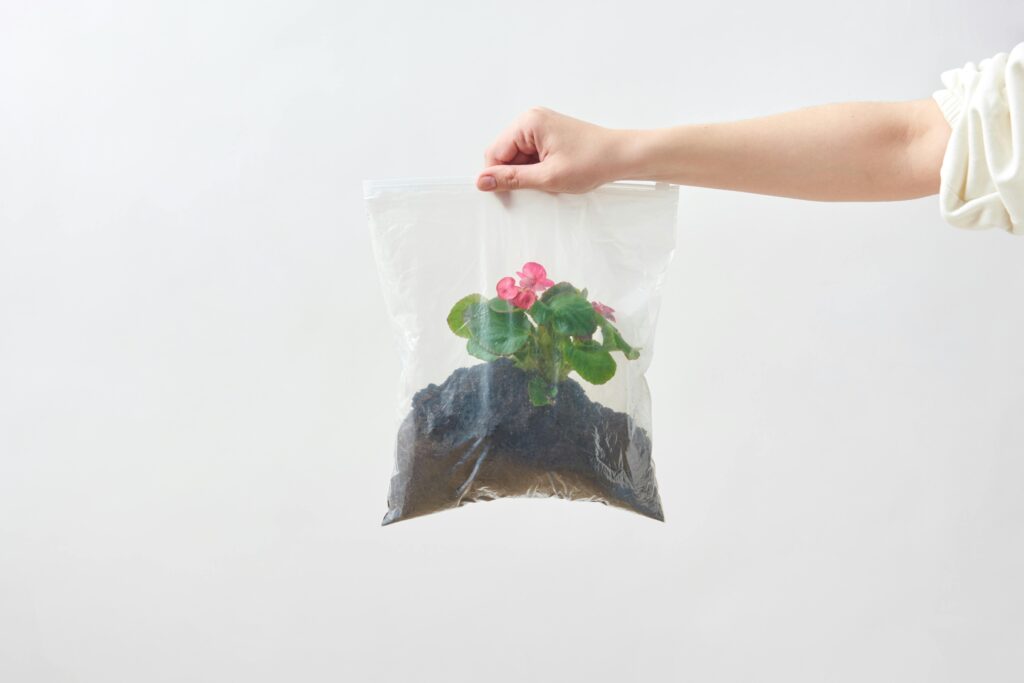
Why do my potted plants keep struggling even when I water them regularly? The soil looks moist, but the plant still doesn’t look healthy. Sometimes the leaves turn dull or yellow, growth slows down, leaves start drooping, and there’s barely any new growth even after regular watering.
But have you ever noticed the topsoil staying wet for too long, the pot feeling heavy even after several days, or a mild fishy or sour smell coming from the soil? These are common signs many beginner balcony gardeners in India miss at first, especially in humid or low-airflow terrace setups.
The confusing part is that the soil may look healthy from the top, but inside the pot the roots may silently be struggling because of poor drainage, lack of airflow, and uneven moisture balance. In container gardening, healthy soil is not just about nutrients or fertilizer. The soil also needs proper drainage, enough airflow around the roots, and balanced moisture retention — moist enough to hydrate the plant, but not constantly soggy.
At first, this combination can feel difficult to understand, especially when you’re already trying to follow watering schedules, use good potting mix, and care for your plants consistently. But once you understand how drainage, airflow, and moisture retention work together in container soil, it becomes much easier to identify why potted plants struggle despite regular watering.
Good drainage helps excess water leave the pot instead of sitting around the roots. Proper airflow inside the soil allows roots to breathe and reduces the chance of fungal growth or root rot. Balanced moisture retention helps the soil stay evenly hydrated without becoming compact, sticky, or waterlogged.
When drainage is poor, roots stay wet for too long and slowly begin to weaken or rot. When airflow inside the potting mix is low, the soil becomes dense and roots struggle to access oxygen properly. And when moisture retention is imbalanced — either drying too fast or staying wet too long — plants experience constant root stress, which often shows up as yellow leaves, slow growth, or overwatering symptoms in potted plants.
In this blog, I’ll help you understand how drainage, airflow, and moisture retention actually work in container gardening soil, especially for balcony and terrace gardens in tropical Indian conditions, so you can build a healthier potting mix and avoid common root problems in pots.
😬 I used to blame my plants… until I understood these soil mistakes. See what beginners overlook
What are the signs that roots are suffocating in container soil?
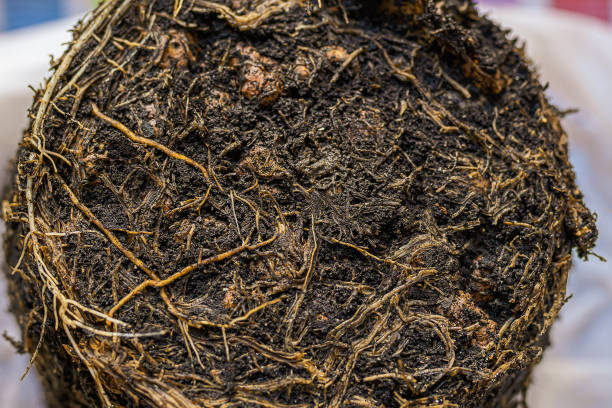
Root suffocation is not something you can easily see above the soil at first. It slowly starts showing signs through the leaves, stem, and top soil over time. Sometimes beginners get shocked when a plant suddenly wilts or declines, but in reality the plant was already showing small warning signs for days or even weeks that were easy to miss during busy watering routines.
Roots problems usually become visible only after the stress has already affected the plant internally. Even when roots are struggling, the plant may still look “okay” for a while. But surviving is not the same as healthy growth. In many balcony and terrace plants, no new growth is actually one of the earliest signs that something is wrong below the soil level.
Some common root stress signs in potted plants include pale leaves, mushy plant parts, leaves drooping despite moist soil, soil staying wet for too long, or a mild fishy or sour smell coming from the top soil. Natural aging usually turns older leaves yellow first, but suffocating roots often cause lower leaves and even newer leaves to yellow unexpectedly. If these signs go unnoticed, the plant slowly starts declining instead of recovering.
In tropical container gardening, especially in humid Indian balcony setups with limited airflow, these symptoms often appear gradually rather than all at once, which makes them easy to confuse with fertilizer deficiency or heat stress.
Is it normal for plants to droop even when the soil is wet?
No, plants drooping in wet soil is usually not a normal sign. And if the top soil still feels wet even after 2–3 days of watering, it often points to poor drainage, low airflow, or excess moisture trapped inside the potting mix.
This usually means the water is staying inside the container longer than the roots can handle. At first, it looks like only a soil problem, but over time it turns into root stress because roots struggle to absorb water properly when oxygen levels inside the soil drop.
When potting soil stays constantly wet, the risk of root rot in container plants increases. Excess moisture slowly fills the air pockets inside the soil, reducing oxygen flow around the roots. Without enough airflow, roots become weak, stressed, and more vulnerable to fungal issues.
That’s why wet soil combined with leaf drooping is not a sign of a thirsty plant — it’s often an early warning sign of overwatering problems in pots.
Why does container soil stay wet for too long in balconies?
Water in potted plants does not dry naturally the same way it does in ground soil. Ground beds have wider space, deeper absorption, natural drainage layers, and better airflow movement. But container plants grow in restricted space, where pot size, pot material, soil mix, humidity, and balcony airflow all affect how long moisture stays trapped inside the pot.
That’s why fixed watering schedules or ground-bed watering methods rarely work well for balcony container gardening. Potted plants need observation-based watering instead of routine watering, especially during monsoon season or humid tropical weather in India.
The soil mix itself plays the biggest role in how long water stays inside the container. A well-draining, airy potting mix allows water to move evenly while still keeping enough moisture for healthy roots. But using too many drainage materials can also create the opposite problem — underwatering stress and uneven drying.
This is why understanding soil mix behavior becomes important before making a potting mix for terrace or balcony plants. A balanced soil mix should hold moisture without becoming soggy or compact over time.
Why do roots rot faster in pots than in ground soil?
Roots rot faster in pots mainly because containers create a compact micro-environment with limited buffer space. In ground soil, excess moisture can spread outward and downward more naturally. But in pots, roots, moisture, and soil stay confined in a much smaller area, which increases the risk of root rot when drainage or airflow is poor.
That doesn’t mean ground plants never experience root rot — they do. But the risk is usually higher in container gardening because roots are growing in restricted space with less room for error.
In many Indian terrace and balcony gardens, weather fluctuations, crowded plant placement, low airflow, using heavy garden soil alone, overwatering without checking soil condition, and relying heavily on plastic pots can all increase the chances of root problems in pots.
If you want healthier roots in container plants, it starts with understanding how soil, watering, airflow, and container space work together — not just following random watering schedules or copying soil recipes blindly.
✨ Before blaming yourself, check your soil — this guide explains everything: https://mypotsgarden.com/plants-not-growing-in-pots-soil-fix/
Why do drainage, airflow, and moisture balance matter so much in pots?
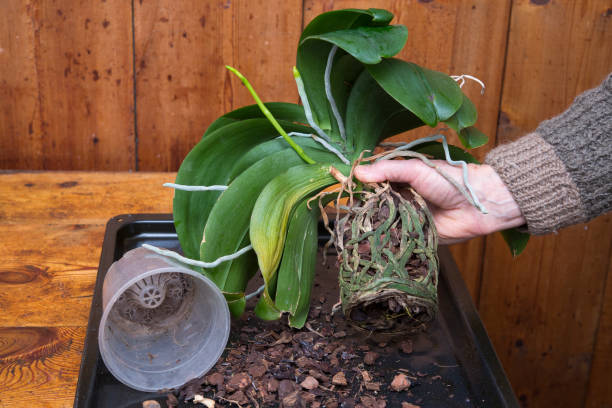
A good soil mix is all about balancing drainage, airflow, and moisture retention together. Many beginners focus mainly on nutrients for plant growth and often add extra compost, thinking “more organic matter means better growth.” But in container gardening, excess compost can sometimes keep the soil soggy for too long and slowly increase the risk of root rot in pots.
In container gardening, plant health depends less on “rich soil” alone and more on whether the soil can drain excess water, allow airflow around roots, and still stay evenly moist long enough for roots to absorb water properly. Simply put, healthy container soil is about maintaining balance.
Inside pots, roots need airflow through tiny air pockets in the potting mix. These air pockets carry oxygen to the roots and help keep them healthy and less vulnerable to fungal problems. But compact soil or soil mixes that stay wet too long slowly clog these spaces with water, reducing oxygen flow around the roots.
And it’s not just about oxygen. Proper airflow inside the potting mix also helps the soil dry evenly instead of staying wet and dense in some areas. When moisture stays trapped for too long inside containers, it creates the perfect condition for root stress, fungal growth, and rot-like problems in potted plants.
Many beginner balcony gardeners miss a few important drainage factors that quietly affect root health over time:
- Pots without drainage holes trap excess water inside the container. And if the pot is non-porous, like many plastic or decorative pots, adding extra side holes can improve both drainage and airflow.
- Using dense garden soil alone causes the soil to compact slowly after repeated watering, leaving very little space for drainage or root airflow.
- Oversized pots are another common beginner mistake. Bigger pots hold more soil and therefore more moisture, which means the soil often stays wet much longer than expected.
- Ignoring airflow around pots also affects drying speed. Even if you use an airy potting mix or porous pots, outside airflow around the container still matters.
- Low-airflow corners, crowded plant arrangements, and tightly packed balcony setups often make the top soil stay wet longer and increase fungal growth on soil surfaces.
- Watering the same way every day without checking weather conditions also creates problems. During rainy days, cloudy weather, or humid tropical conditions, soil dries much slower than during hot sunny days. Continuing the same watering routine without checking soil moisture often leads to overwatering issues in container plants.
For balcony and terrace gardening in India, understanding local weather is only one part of the picture. Your garden’s microclimate matters even more. The amount of sunlight, airflow, humidity, wall heat reflection, and spacing between pots all affect how long soil stays wet — even when using a well-draining potting mix. Missing these small observations is one of the biggest reasons beginners accidentally overwater plants.
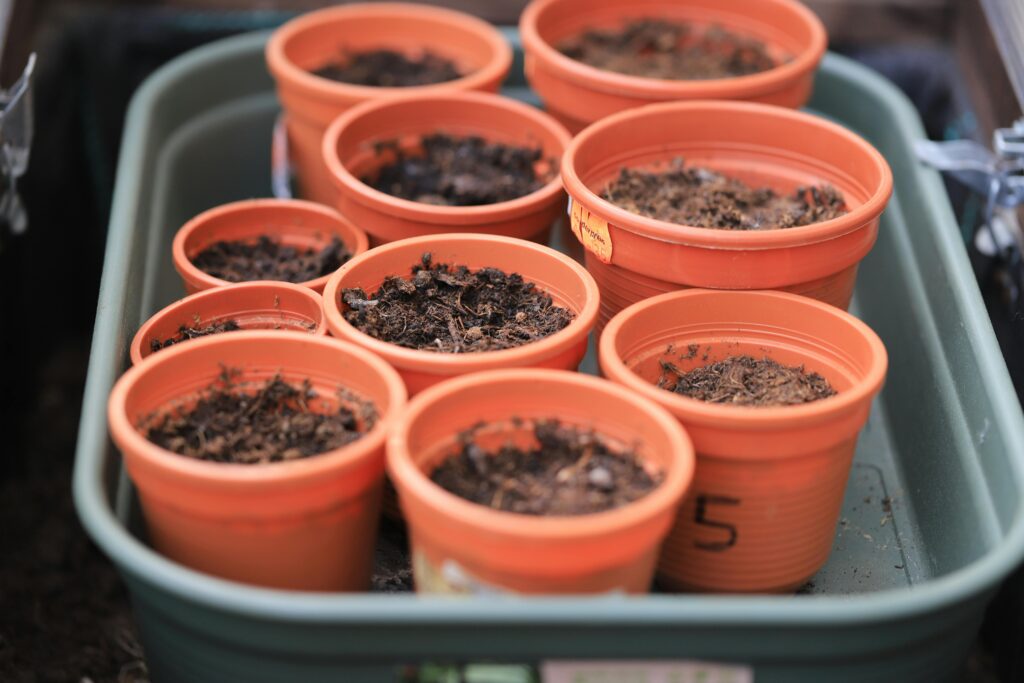
A simple way to test your soil mix before potting is to place some of the mix into a small pot with drainage holes and water it thoroughly. After about an hour, squeeze a handful gently. If it feels moist without releasing excess water, the moisture balance is usually good. But if water still drips out heavily or the mix feels sticky and dense for hours, the soil may need better drainage materials or more airflow.
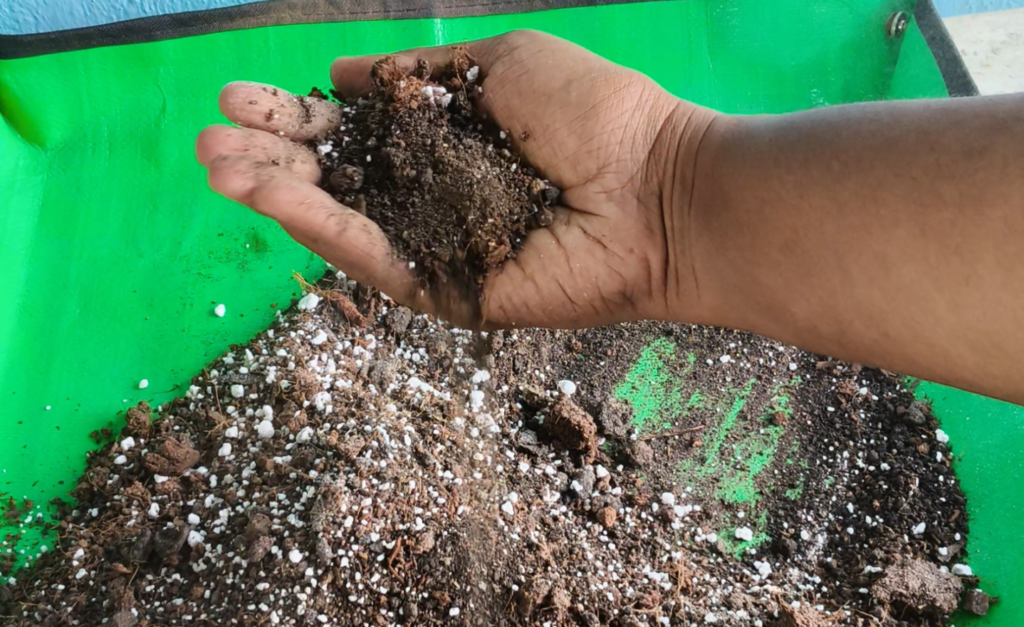
You can also check for compact soil without watering. Grab a handful of dry soil mix and press it lightly in your palm. If it forms a hard clump that stays packed together, the mix may become compacted over time. If it breaks apart easily into particles, it usually has better airflow and structure for roots.
Does poor airflow make container plants weaker?
Yes — but it usually happens slowly over weeks or months, not overnight.
Roots rarely show immediate signs when airflow is poor. In container gardening, both inside airflow and outside airflow matter. Inside airflow depends on using an airy potting mix, drainage materials, and sometimes porous pots. Outside airflow depends on proper plant spacing, open balcony airflow, and avoiding overcrowded plant placement.
When airflow is low, oxygen movement around the roots becomes weaker. This slowly stresses the roots and makes them less efficient at absorbing water and nutrients from the soil. Once roots become stressed, the soil often starts drying slower because the plant is no longer using water efficiently.
Another common airflow issue is compacted soil. When the soil lacks drainage materials or contains too much dense soil base, it stays wet longer and blocks airflow inside the potting mix. Over time, this creates the same root suffocation problems many beginners mistake for underwatering or nutrient deficiency.
Can compact soil suffocate plant roots?
Yes, absolutely. Roots need space to spread through the pot and access water, oxygen, and nutrients evenly.
Compacted soil slowly blocks airflow, collapses the loose sponge-like structure healthy potting mixes should have, and causes water to remain trapped longer inside the pot. As the soil becomes denser over time, roots struggle to spread or penetrate through the mix properly. This is where roots begin to suffocate and weaken slowly.
Even in ground soil, gardeners use compost and organic matter to improve soil structure and support microbial activity that loosens compacted soil naturally. But in pots, relying too heavily on organic matter alone can also become a problem because excess compost retains too much moisture in restricted container space.
That’s why balanced potting mix structure matters more in containers than simply adding more compost or fertilizer.
Why does garden soil fail inside containers?
Even in ground beds, garden soil is rarely used alone without improvement. Compost, organic matter, and natural soil organisms help keep the ground soil loose and active over time.
But inside containers, garden soil alone usually does not work well. It is heavy, becomes compact easily after repeated watering, and can slowly turn into a clay-like structure inside pots. This creates soggy soil, poor drainage, low airflow, and unhealthy root conditions in container plants.
Unsterilized garden soil can also introduce weeds, pests, fungal spores, or disease problems into balcony and terrace gardens.
Another practical issue is weight. Garden soil is much heavier than a proper container potting mix, which makes it less suitable for balcony gardening, terrace gardening, hanging planters, or vertical gardening setups.
Garden soil can still be used as one part of a balanced potting mix, but using it alone in containers usually creates long-term drainage and root health problems.
✨ If your potting soil dries too fast, stays soggy, or plants stop growing, something in the mix is wrong — fix it here: https://mypotsgarden.com/potting-soil-not-working-containers-fix
How can you improve drainage and airflow without drying out the plant?
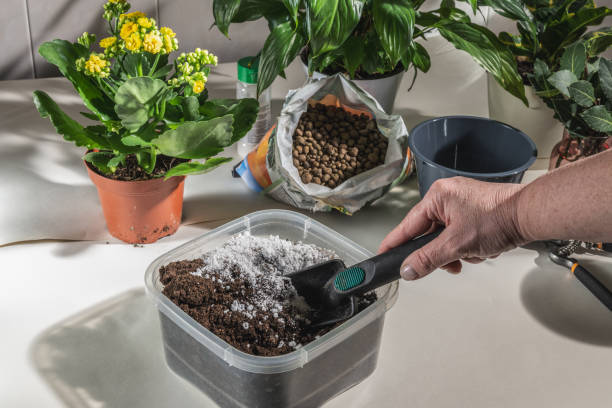
I’ve been doing terrace container gardening for 8 years, and one thing I learned early is this — there’s no perfect potting mix and no single soil mix works for every plant. Different plants need different soil amendment ratios. But the real key to a successful potting mix is tweaking it based on your balcony or terrace microclimate.
A soil mix that works in one garden may stay soggy in another because sunlight, airflow, humidity, pot material, and spacing all affect how fast the soil dries.
Whatever soil mix you use, checking these basics regularly helps prevent poor drainage and airflow problems in container plants:
- Using an airy, well-draining potting mix
- Checking drainage holes regularly to avoid clogging
- Watering only after checking soil moisture instead of following random schedules
- Loosening compact top soil gently using proper gardening tools
- Using the right pot size for the plant instead of oversized containers
- Maintaining airflow between plant placements instead of overcrowding
- Using plant stands or bottom trays carefully to reduce direct floor heat buildup while still allowing drainage
- Adjusting watering based on weather conditions and actual soil drying speed
The goal is simple: the soil should stay moist and breathable — not soggy, sticky, or compact.
How to fix waterlogged soil in pots?
Changing the potting mix, improving drainage holes, using porous pots, and watering only when the top 1–2 inches of soil feels dry are some of the best ways to fix waterlogged soil in pots.
Common signs of waterlogged potting soil include:
- Water pooling on the top soil
- Fishy or sour smell from the soil
- Mushy stems or plant parts
- Algae or fungal growth on the soil surface
- Pots feeling unusually heavy for days after watering
Once you notice waterlogged soil, acting early improves the chances of saving the plant. Gently remove the plant from the pot, separate the root ball carefully, wash away compact wet soil, and trim any black or mushy rotted roots before repotting.
The new potting mix should be well-aerated and well-draining. After repotting, avoid adding fertilizers or doing deep watering immediately because stressed roots need time to recover first. Light watering, indirect shade, and good airflow around the plant are usually enough until the plant settles again.
Can plants recover after root suffocation?
Yes, plants can recover from root suffocation if the problem is identified and handled early.
If you recognize the signs while the roots are only stressed from poor drainage, low airflow, or compact soil, recovery is usually much easier. But if root rot has already spread heavily and most roots are damaged, recovery becomes slower and less predictable — though it’s still worth trying.
The aftercare process matters a lot. Start with proper root cleaning and repotting into an airy, well-draining soil mix. Avoid adding fertilizers immediately after repotting because damaged roots cannot absorb nutrients properly during stress recovery.
In many cases, beginners rush to use fertilizers, fungicides, or frequent watering thinking it will “boost” recovery faster, but stressed roots usually recover better with stable moisture, airflow, and time.
Use a pot with proper drainage holes or a porous pot material, keep the plant in bright indirect light, and avoid disturbing the roots repeatedly. Recovery in container plants takes patience, so don’t rush the process.
What type of soil drains well but still holds moisture?
A balanced potting mix is one that allows airflow, drains excess water properly, and still holds enough moisture for roots without becoming soggy. Healthy container soil should feel moist and breathable — not muddy, sticky, or compact.
The drying speed of soil depends on many factors including pot size, pot material, plant type, sunlight exposure, airflow, humidity, and your garden microclimate. That’s why checking the soil before watering is always more reliable than following fixed watering schedules.
Using balanced soil amendments like perlite, pumice, cocopeat, compost, and a controlled amount of garden soil helps improve both drainage and moisture retention in container gardening. Garden soil can be used as one part of the mix, but using it alone usually makes the potting mix heavy and compact over time.
The best potting mix for balcony and terrace gardening is not the fastest drying mix — it’s the one that stays evenly moist while still allowing roots to breathe properly.
✨ Garden soil may look natural, but in pots it can slowly damage plant roots — learn why here: https://mypotsgarden.com/garden-soil-fails-in-pots-roots/
Is it normal to struggle with watering and soil balance in container gardening?
Yes — this is one of the most common struggles almost every container gardener faces in the beginning, especially in balcony and terrace gardening.
Many beginners think they are doing something wrong when plants start showing yellow leaves, drooping, slow growth, or overwatering symptoms even after following care tips carefully. But the truth is, watering and soil balance in pots is not as simple as “water every morning” or “use this one perfect soil mix.” Container gardening behaves very differently from ground gardening.
In ground soil, roots have wider space to spread, natural drainage layers, deeper moisture reserves, and more stable temperatures. But in pots, everything happens in a restricted environment. The roots, soil moisture, airflow, heat, and drainage are all confined to a small space. That means even small changes in weather, watering habits, or potting mix structure can affect plant health much faster than in ground beds.
This is why many beginner gardeners feel confused. One week the soil dries too fast, and the next week the same pot stays wet for days. Sometimes the plant looks thirsty but the soil is already wet. Sometimes the top soil feels dry while the lower soil is still soggy. These confusing patterns are completely normal in container gardening, especially in tropical balcony gardens where humidity, sunlight, rainfall, and airflow keep changing.
Another important thing many beginners don’t realize is that every balcony or terrace has its own microclimate. Even two balconies in the same city can behave differently.
Some spaces receive strong afternoon heat that dries pots quickly. Some have low airflow because of walls or crowded plant placement. Some terraces trap heat from concrete floors, while shaded balconies may keep soil wet much longer. Pot material, pot size, railing direction, nearby walls, seasonal humidity, and spacing between plants all affect how fast your soil dries.
That’s why strict watering schedules often fail in container gardening. A routine that works during sunny summer days may lead to overwatering during cloudy or rainy weeks. This is also why copying someone else’s potting mix recipe exactly may not give the same results in your own space.
Over time, observation becomes more important than fixed rules. Instead of watering based only on habit, start observing:
- How heavy the pot feels after watering
- How many days your soil stays moist
- Which corners dry faster or slower
- How leaves respond before and after watering
- How weather changes affect drying speed
- Which pots stay soggy longer than others
These small observations slowly help you understand your own garden better than any universal watering chart.
Container gardening is less about achieving “perfect care” and more about learning balance through consistency and observation. Even experienced gardeners still adjust watering habits during monsoon season, extreme summer heat, or humidity changes. Plant care is always changing with the environment.
So if you are struggling with watering confusion, soggy soil, compact potting mix, or root stress in plants, you are not failing at gardening. You are simply learning how your own balcony or terrace ecosystem behaves.
And honestly, that understanding takes time.
The more you observe your soil, roots, airflow, sunlight, and seasonal changes, the easier it becomes to prevent problems before plants start declining. Healthy container gardening usually comes from small consistent adjustments — not from chasing perfect soil mixes or strict watering routines.
🪴 Most beginners fail because they skip the basics. Don’t make that mistake. See the step-by-step container gardening guide