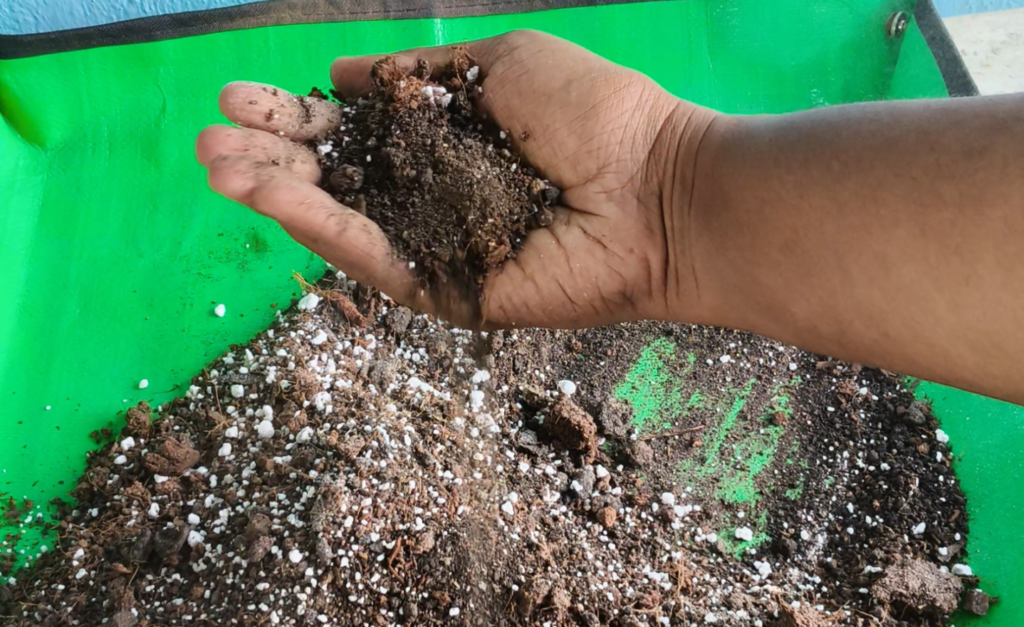
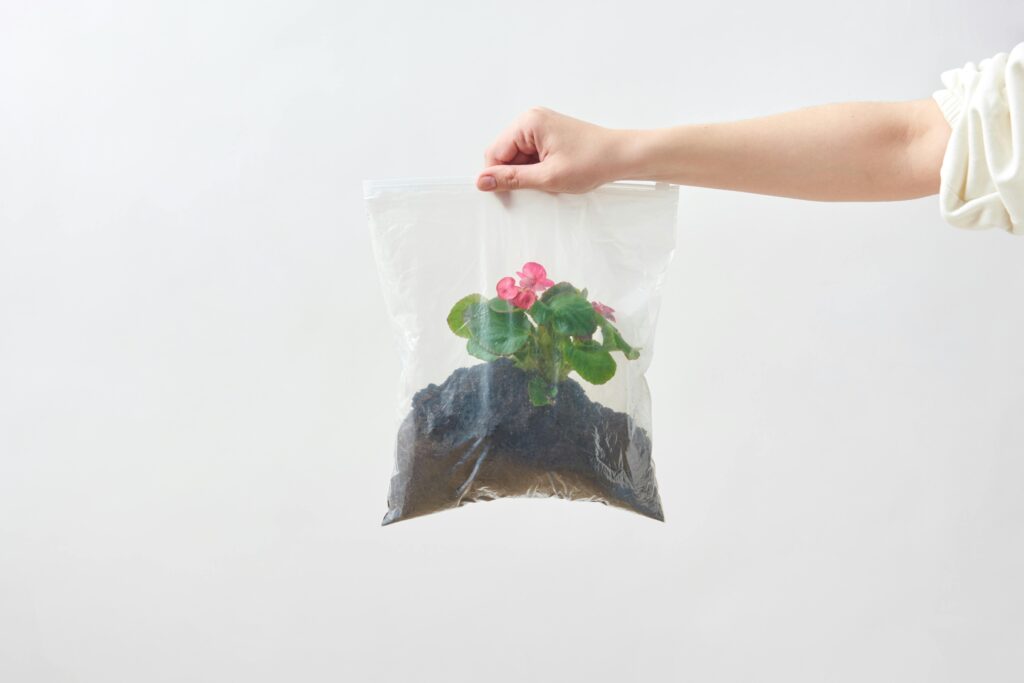
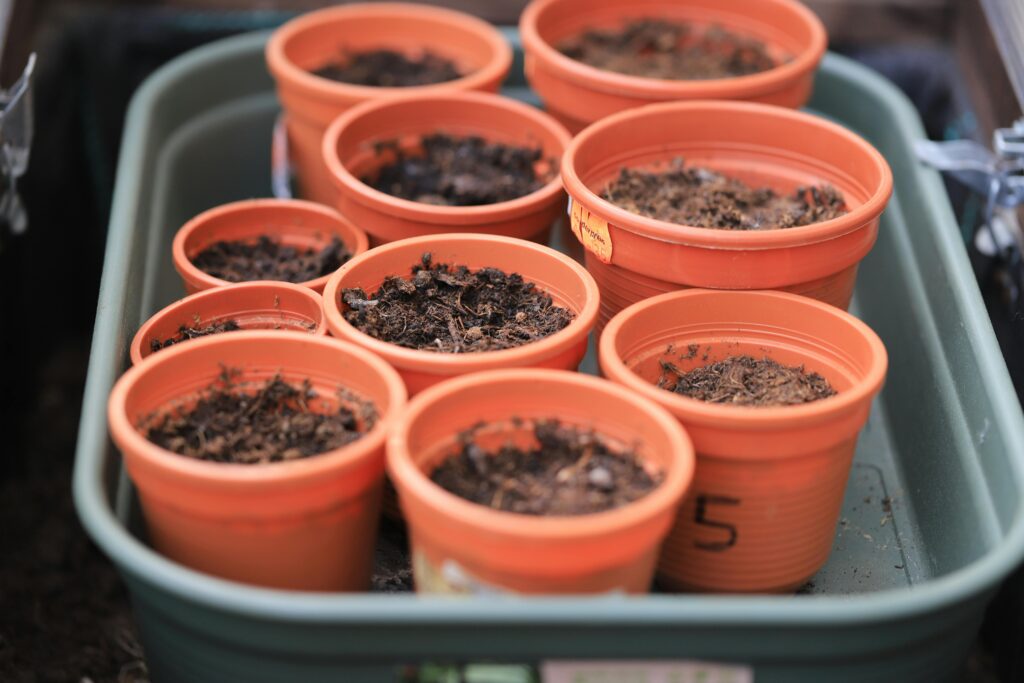
Beginners often think soil is just soil. If plants grow well in the ground using garden soil, it feels logical to use the same soil in pots. But this is where most container gardening problems begin—especially in balcony or terrace setups where space, airflow, and watering are already inconsistent.
Garden soil behaves very differently in pots because of space restrictions. In open ground, roots can spread freely and excess water drains deep. In containers, everything is limited. The same garden soil that works in the ground starts acting differently in a closed space, making root penetration harder over time.
With repeated watering—especially in hot Indian terrace conditions—garden soil compacts faster than expected. What initially looks like normal soil slowly becomes dense and heavy. Unlike a good potting mix, garden soil does not maintain enough air pockets inside a container. Over time, it starts behaving more like clay when used alone in pots.
This compaction directly affects root health. Roots need both water and oxygen, but dense soil blocks airflow. Water begins to stay longer in the pot, increasing the risk of overwatering even when your routine feels “normal.” This is why many beginners feel confused—watering seems correct, but the plant still shows stress.
As this soil structure problem continues, plants shift into survival mode. Growth slows down first—smaller leaves, fewer new shoots, delayed flowering. Then comes gradual decline. The plant doesn’t fail suddenly, which makes the issue harder to identify. It just stops growing properly, which is one of the most common container gardening soil problems beginners face.
This is especially noticeable in tropical balcony gardening setups, where heat, frequent watering, and limited airflow make soil compaction worse. Even if you have the right tools or follow a routine, the wrong soil structure can quietly affect plant health.
This blog helps you understand what actually goes wrong when using only red soil or garden soil in pots. It will help you identify early signs of soil compaction, poor drainage, and root stress in container plants. More importantly, it explains the right way to use garden soil in pots—so it supports plant growth instead of slowly damaging roots.
🌱 Most container plant problems start with soil — not water or sunlight. Read the 4 soil truths beginners ignore
Why Garden Soil Feels Like the “Right Choice” for Beginners
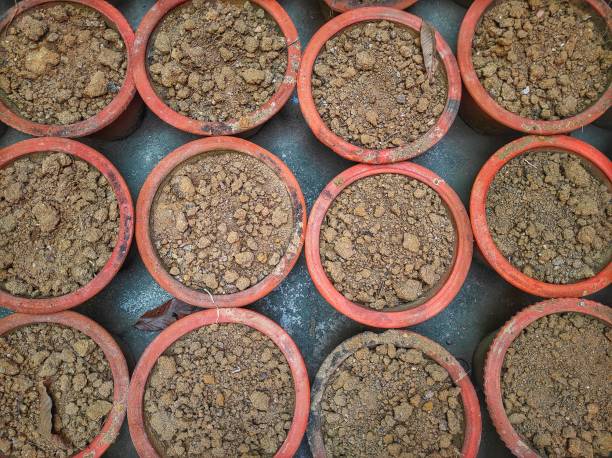
Beginners often feel garden soil is the easiest option—it’s free, easily available, and natural. If it works well in the ground, it seems logical that it will work even better in pots. This assumption is very common in beginner container gardening.
But the same garden soil behaves differently in ground beds and pots. On the ground, there is no space limitation. Roots can spread freely, and excess water drains deeper into the soil. There is also a natural buffer zone that supports root growth and balances moisture levels.
In pots, this environment completely changes. The space is restricted, and there is no buffer layer below the root zone. Water does not move freely like in ground soil—it tends to stay longer inside the container. This is where many balcony gardening soil problems begin, especially when watering feels inconsistent but the plant still shows stress.
Using garden soil directly from the ground without sterilization also increases the risk of weeds, pests, and fungal issues. In a closed container environment, these problems can spread faster and are harder to control compared to open ground conditions.
Another common issue is how red soil behaves over time in pots. With repeated watering—especially in hot, tropical terrace conditions—garden soil compacts and slowly turns into a clay-like structure. This reduces airflow inside the soil and affects root health, even if the plant initially looks fine.
Beginners usually expect soil to behave the same way it does in ground beds. But in container gardening, soil needs to be structured differently. Instead of using soil alone, pots require a well-balanced soil mix that supports drainage, aeration, and root growth in a limited space.
✨ If your plants look alive but never grow, the problem is often in the soil — fix it here: https://mypotsgarden.com/plants-not-growing-in-pots-soil-fix/
How Container Environments Work Differently from Ground Soil
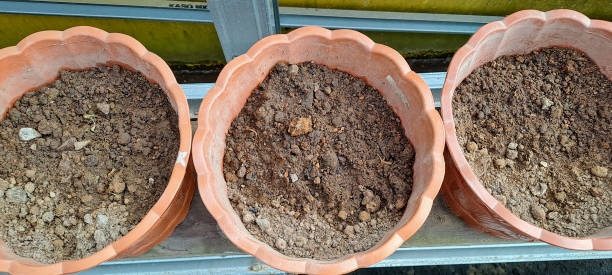
Knowing how container environments work differently from ground soil helps beginners avoid some of the most common container gardening soil mistakes. Many plant problems in pots are not caused by fertilizer or watering alone—they happen because pots behave completely differently from open ground conditions.
Limited Root Space Changes Everything
Root space in pots depends on the pot size, depth, drainage, and even the material of the container itself. The entire health of the root ball depends on how fast moisture dries, how much airflow reaches the roots, and how well the potting mix maintains structure inside a limited space.
All these factors, combined with restricted root space, change root behavior completely. Roots adapt to container environments for survival. If we apply ground-bed gardening methods directly to container plants, the roots often struggle first before the plant shows visible stress.
Roots spread only within the available pot space. When there is no more room for healthy root expansion, plants start showing common repotting signs. Roots may begin peeking out through drainage holes, soil dries out too fast and starts cracking on the surface, and plants may look underwatered even with regular watering.
Inside pots, roots constantly search for water, oxygen, and nutrients within a very limited area. If the soil compacts quickly or lacks proper structure for easy root penetration, roots experience stress. This is one reason why plants stop growing properly in compacted container soil, even when watering and feeding routines seem correct.
Water Movement Is Completely Different
In ground beds, water usually does not stay trapped around the root ball for long periods. The surrounding soil acts like a large buffer zone, helping excess moisture move deeper below the root space. Unless there are continuous heavy rains without drying time, the risk of soggy root conditions is lower.
Even during repeated rains, the ground soil absorbs and redistributes water deeper into the earth as groundwater beneath the active root zone. This natural drainage system does not exist in pots.
In containers, water movement depends entirely on the soil structure, drainage holes, pot depth, and how porous the potting mix is. Water flows through the container soil and stays inside based on how much aeration and drainage the mix provides.
A good potting mix can hold moisture while still allowing airflow. But using too much garden soil or red soil alone in pots causes the soil to hold excess water for longer periods. The soil stays soggy, dries slowly, and creates poor drainage conditions in container plants.
This directly increases the risk of root rot in potted plants. When water fills the air pockets inside compacted soil, roots lose access to oxygen. Over time, roots become weak or mushy because they remain soaked in low-oxygen conditions for too long.
Airflow Inside Soil Becomes Critical
Plants need airflow above the soil to stay healthy, but roots also need oxygen inside the soil to remain healthy and protected from fungal infections and soil diseases.
In container gardening, airflow inside the potting mix becomes much more important because water stays confined within the pot. If the soil lacks airflow, moisture remains trapped longer, increasing the risk of fungal issues, root stress, and slow plant decline.
Healthy white roots need a balance of moisture, oxygen, and airflow inside the container. This is why soil structure matters so much in balcony and terrace gardening setups, especially in humid or tropical climates where pots already dry unevenly.
Garden soil alone usually cannot maintain the air pockets needed for healthy root airflow over time. As watering continues, the soil becomes denser, reducing oxygen flow and making root health problems more common in containers.
✨ If your garden feels messy no matter what you do, this simple routine will bring structure and ease — read it here: https://mypotsgarden.com/gardening-routine-for-beginners/
What Actually Happens When You Use Garden Soil in Pots
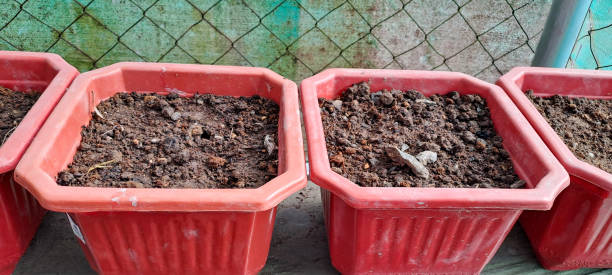
Soil Compaction Builds Up Over Time
Soil compaction does not happen overnight. It builds slowly with repeated watering, especially in balcony and terrace container gardening setups. Garden soil used alone in pots gradually becomes tighter and denser, almost like clay. Over time, the pot feels heavier, while the soil slowly loses porosity, airflow, and healthy structure.
This is why many beginners feel confused. For the first few months, the soil and plant may look completely fine. Then slowly, problems begin showing up—water stays wet longer than before, growth becomes stunted, algae forms on the top soil, and sometimes a foul or fishy smell develops from the pot.
These are early signs that airflow inside the soil is reducing and compaction has started affecting the root zone.
As compacted soil combines with repeated watering, it creates dense layers inside the pot that block oxygen movement. Roots remain surrounded by constantly moist soil for longer periods, increasing the risk of root rot in container plants.
This becomes even more confusing in Indian summer conditions. The top soil may look dry because of heat exposure, while the compacted soil deeper inside the pot still stays wet. Many beginners continue watering based on the dry surface appearance, unknowingly creating overwatering problems in pots with poor soil structure.
Drainage Starts Failing Slowly (Not Immediately)
Drainage problems in garden soil usually do not appear immediately. The decline happens slowly inside the pot while the plant may still look “mostly okay.” By the time visible symptoms appear, part of the root damage has often already started.
Over time, water begins to stay moist longer than normal. Pots feel unusually heavy after watering because dense soil particles settle tightly around the root ball. The soil starts behaving more like clay, reducing drainage and airflow inside the container.
Eventually, beginners notice warning signs like yellow leaves, mushy stems, foul smells, algae growth, or water pooling on the top soil instead of absorbing properly.
This water stagnation creates high root rot risk in potted plants. When oxygen cannot move properly through the soil, roots become stressed and weakened. Healthy roots need both moisture and oxygen, and poor drainage disrupts this balance, directly affecting plant survival and growth.
Not everything belongs in a potting mix. See which additions help container plants and which can cause problems: What to Add to Potting Soil (And What to Avoid)
Roots Begin to Suffocate and Slow Down
Roots need space to spread freely inside the soil. This root movement helps plants access water, oxygen, and nutrients efficiently. But when garden soil becomes compacted over time, roots struggle to penetrate through the dense layers inside the pot.
Instead of spreading comfortably, roots become restricted and stressed. Lack of airflow and poor soil structure make the roots more vulnerable because they cannot properly access the oxygen, moisture, and nutrients they need.
This is why plants may continue declining even after adding fertilizers. Many beginners assume nutrient deficiency is the issue, but stressed roots cannot absorb nutrients efficiently if the soil structure itself is failing.
Slowly, root suffocation leads to stunted growth in container plants. New growth reduces, leaves become smaller, and the plant shifts into survival mode instead of healthy development.
Microbial Imbalance in Closed Containers
Microorganisms and organic matter naturally help improve soil structure in healthy environments. But in closed container systems, using large amounts of garden soil combined with moisture-holding organic matter can sometimes create more problems than benefits if the soil lacks proper aeration.
Both garden soil and undecomposed organic matter can hold excess moisture for long periods inside pots. Even though microbes help break down materials, constantly wet soil conditions increase the risk of fungal growth and harmful microbial imbalance in containers.
When airflow is poor and moisture remains trapped inside compacted soil, harmful microbes begin affecting root health instead of supporting it. This imbalance can weaken roots further, increasing the chances of fungal infections, root rot, and slow plant decline in potted plants.
Why Plants “Survive” But Don’t Grow in Poor Soil
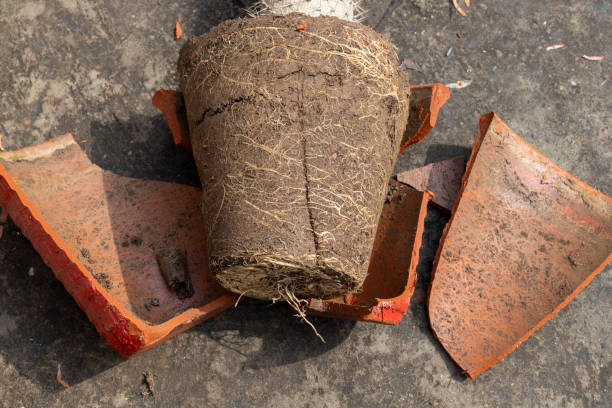
Plants can look more than just fine in garden soil at the beginning. Leaves may stay green and lush, the soil looks natural, and some plants may even continue flowering for weeks or months. This early appearance often makes beginners feel confident that using garden soil alone in pots is working well.
But slowly, the growth starts becoming stunted. There are no strong visible growth signs, fewer new leaves, slower branching, and overall reduced plant vigor. This is where many beginners get confused in container gardening—because the plant is still alive, but it is no longer truly growing.
Over time, the effects become more noticeable. Leaves may start emerging smaller, stems become weaker, and flowering or fruiting reduces gradually. The plant may continue surviving in the same pot, which creates the illusion that the soil is still healthy.
But survival is different from thriving.
In compacted garden soil, plants slowly shift into survival mode. At first, they adapt quietly to the limited airflow, poor drainage, and stressed root conditions inside the pot. But as soil compaction increases and root stress builds, that survival itself becomes harder for the plant to maintain.
One important thing beginners should understand is that plants usually do not show immediate signs when the soil structure or care routine is wrong. Container plants often try to adapt first. Only when the roots fail to adjust to the compacted, low-oxygen environment do visible stress symptoms begin appearing.
This is why stressed plants rarely perform well in pots over the long term. Even with watering, fertilizers, or sunlight, unhealthy roots limit the plant’s ability to grow properly. The plant may remain alive, but healthy growth, strong flowering, and vigorous development slowly decline over time.
The Silent Problem That Most Beginners Miss
Garden soil usually does not fail immediately in pots—and that is exactly why it confuses so many beginners in container gardening.
At the beginning, everything may look normal. The plant stays green, watering feels manageable, and the soil even appears natural and healthy. Some plants may continue surviving for weeks or months without showing major warning signs. This creates the assumption that the setup is working properly.
But inside the pot, the soil behavior slowly starts changing.
With repeated watering, limited airflow, heat exposure, and restricted root space, garden soil gradually becomes denser and less breathable. The damage happens quietly below the surface, long before the plant shows visible decline. By the time yellowing leaves, weak growth, root rot, or stunted development appear, the root system is often already stressed.
This slow decline is one of the biggest beginner container gardening mistakes because the problem does not look urgent in the early stages. Most people only focus on watering, fertilizers, or sunlight, while the real issue is often the soil structure inside the pot.
Understanding how soil behaves in containers is one of the most important foundations of successful container gardening.
In-ground beds, nature creates balance through deeper drainage, open airflow, and unrestricted root spread. But in pots, the entire root environment depends on the soil mix you create. Soil is not just something that “holds the plant” in container gardening—it controls drainage, airflow, moisture balance, root health, and overall plant growth.
This is why healthy container gardening is less about using “natural soil” and more about creating the right soil structure for a restricted environment.
Once beginners understand this difference, many confusing plant problems suddenly make sense—pots staying wet too long, plants surviving but not growing, weak roots, yellow leaves, or repeated overwatering issues despite careful routines.
Learning soil behavior helps you stop reacting only to plant symptoms and start understanding the actual cause behind them. And that shift in understanding is what slowly turns beginners into confident container gardeners.
✨ If you’re serious about growing healthy plants in pots, start here — not on random tips. Read the full beginner roadmap